Explainers
In-depth, regularly updated explainers - the reference pieces behind our news.
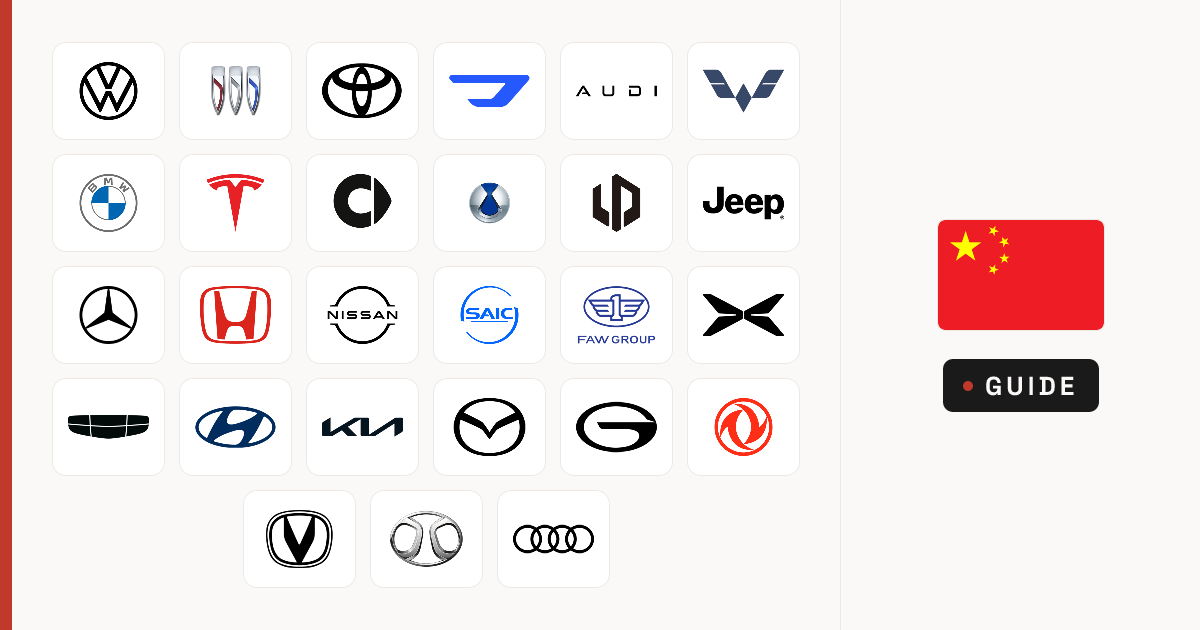
The Volkswagens sold in China are built by two companies, and one of them is Chinese. That arrangement started in 1983 as a condition of entry, and it has since produced badges that exist nowhere else: Jetta, Wuling, and AUDI in block capitals with no rings. Who holds which half, which brands the ventures invented for themselves, and which of the old partnerships have quietly ended.
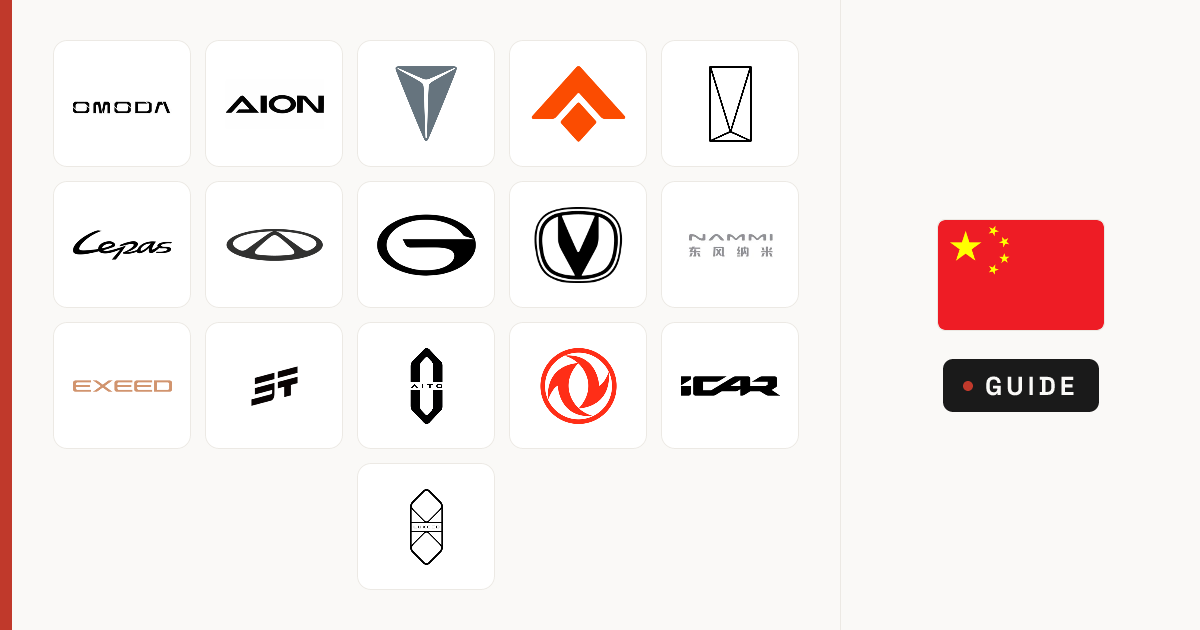
Aion is GAC, Jaecoo and Omoda are Chery, Deepal is Changan, Nammi is Dongfeng. Ten Chinese brands whose names do not carry the parent company, grouped by how each one relates to its owner: brands sold only outside China, recent badges on long-established state groups, brands two levels below the group, and one that Huawei supplies but does not own.
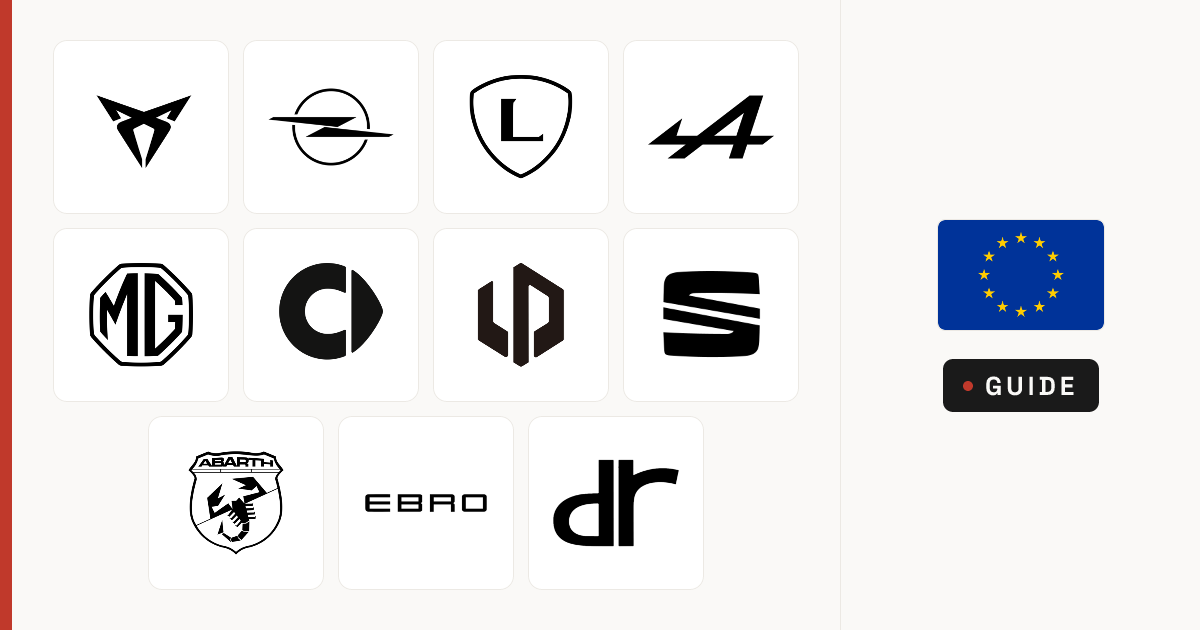
Twelve European badges whose nationality does not match their ownership: Cupra, Vauxhall, DS, Opel, Lancia, Alpine, Abarth, MG, Ebro, DR Automobiles, smart and Leapmotor. Some are Spanish or British names owned in Germany or the Netherlands, some are revived badges on Chinese hardware, and several are assembled in a third country again.
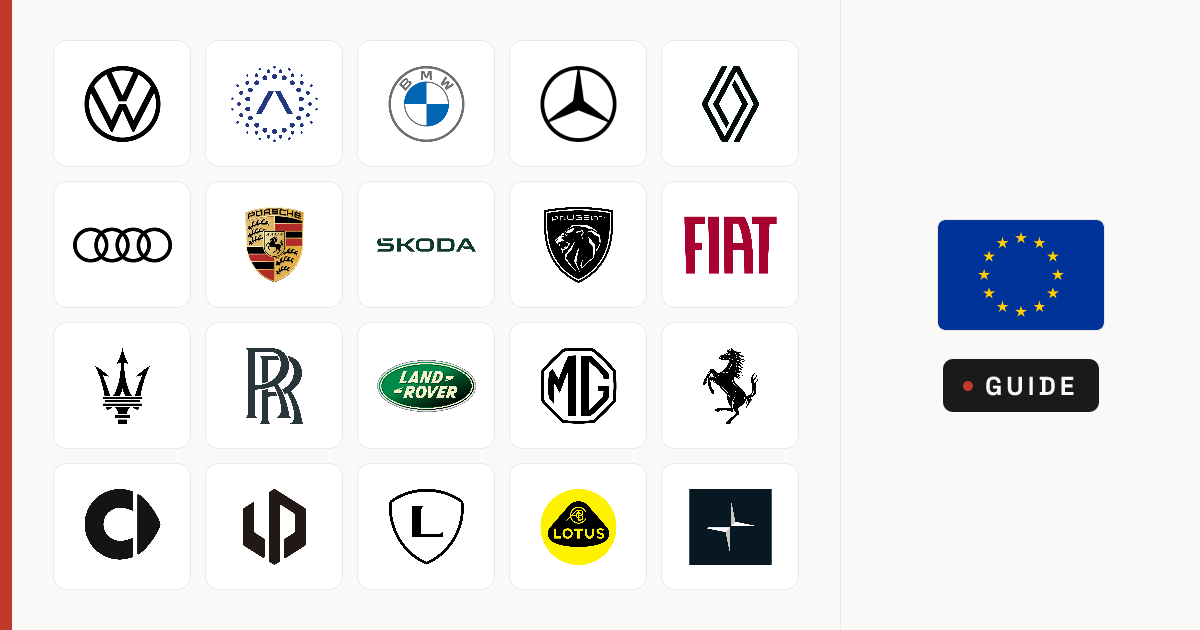
Most European badges trace back to about five mega-groups - Volkswagen, Stellantis, BMW, Mercedes-Benz and Renault. But several beloved European brands are now owned abroad, in China, India and the UAE, and a few Chinese and joint-venture names now sell under European flags. Here is who owns what in 2026.
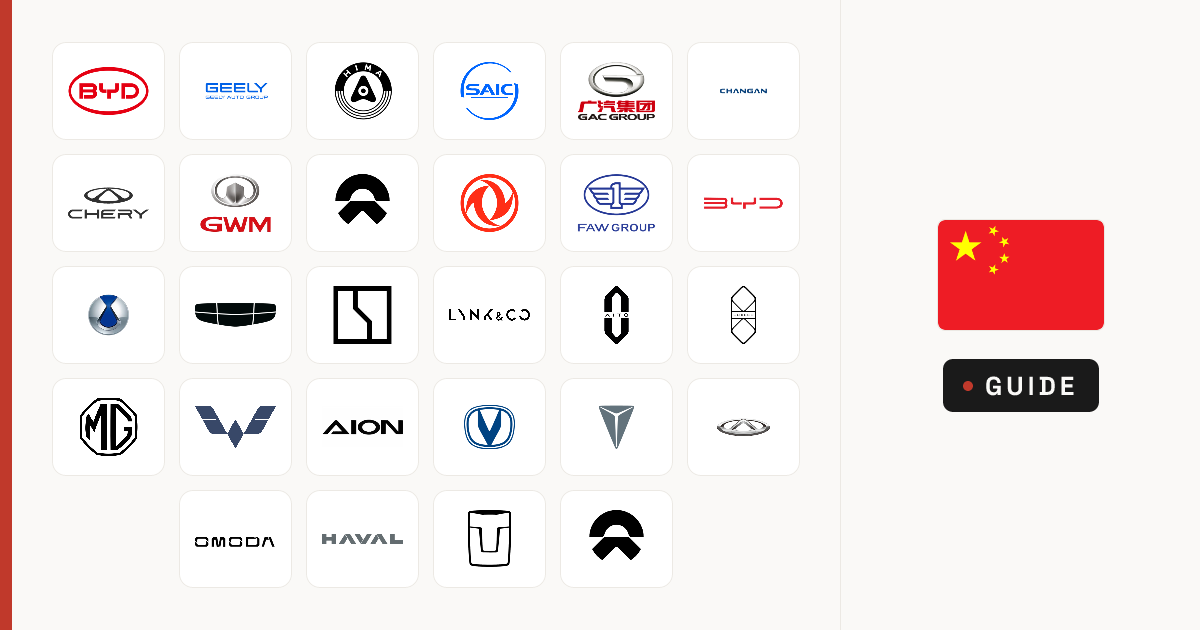
China's car market runs on a handful of giant groups, each fielding a stack of brands. Here is who owns what - the parent companies, the sub-brands, the Huawei alliance, and why the chart keeps changing.
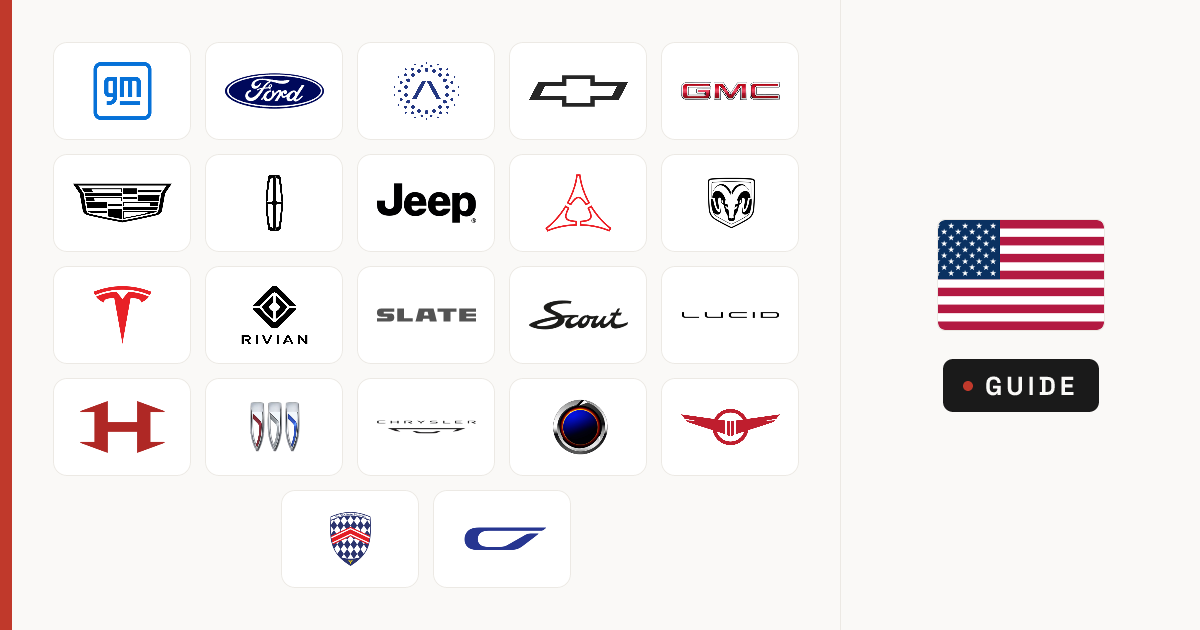
America's car industry comes down to a few big names, and not all of the 'Big Three' are American-owned. Here is who owns what: GM, Ford, the Europe-based Stellantis behind Jeep and Ram, Tesla and the EV newcomers, and the familiar names that are now owned abroad.
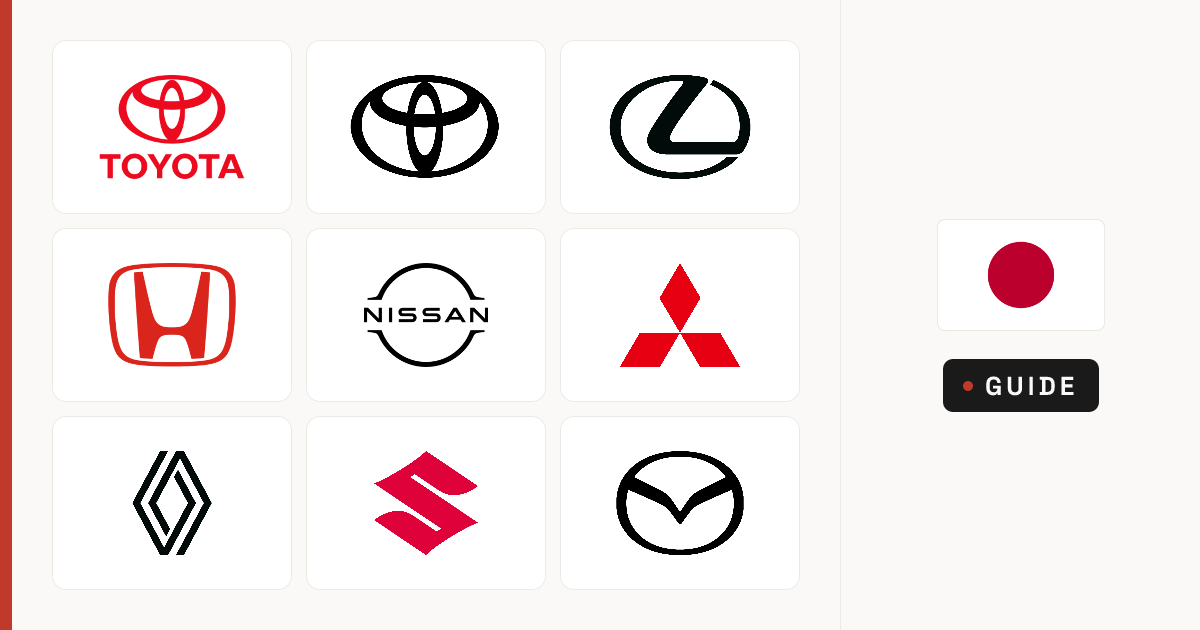
Japan's carmakers stay overwhelmingly Japanese-controlled, but the ownership lines are still tangled - Toyota holds minority stakes in three of its own rivals, and Nissan, Mitsubishi and Renault are locked into a 25-year cross-shareholding pact that a 2025 Honda-Nissan merger attempt failed to simplify.