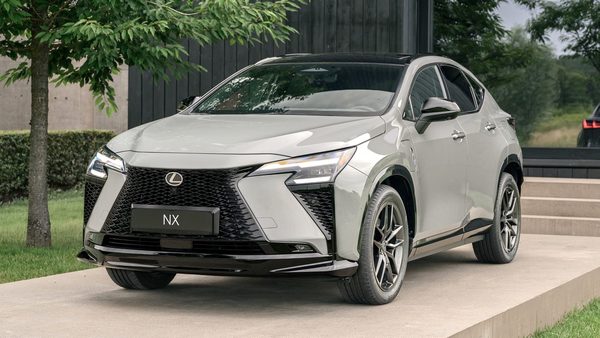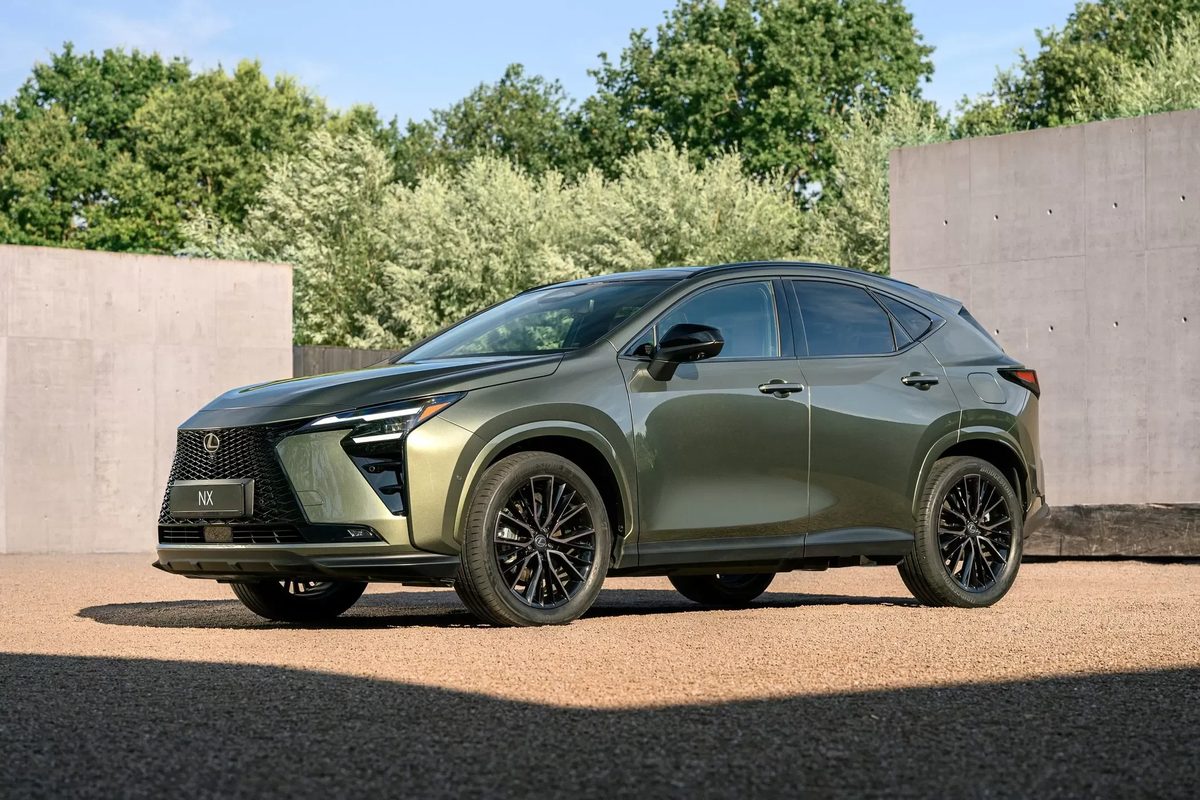
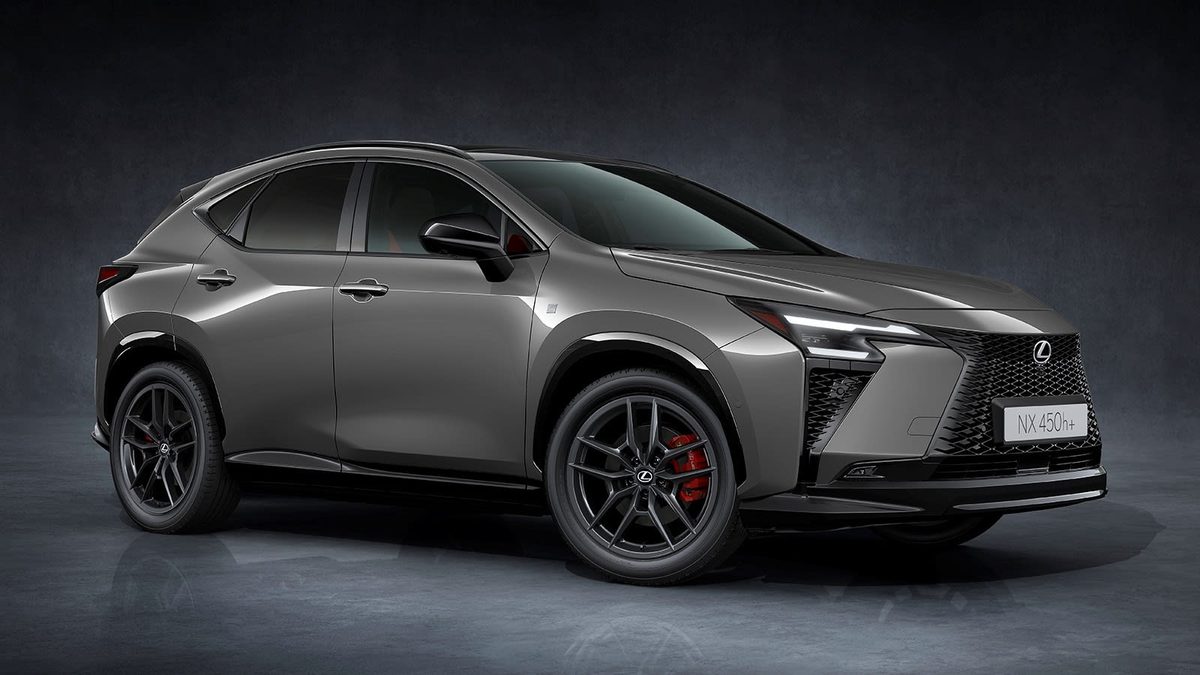
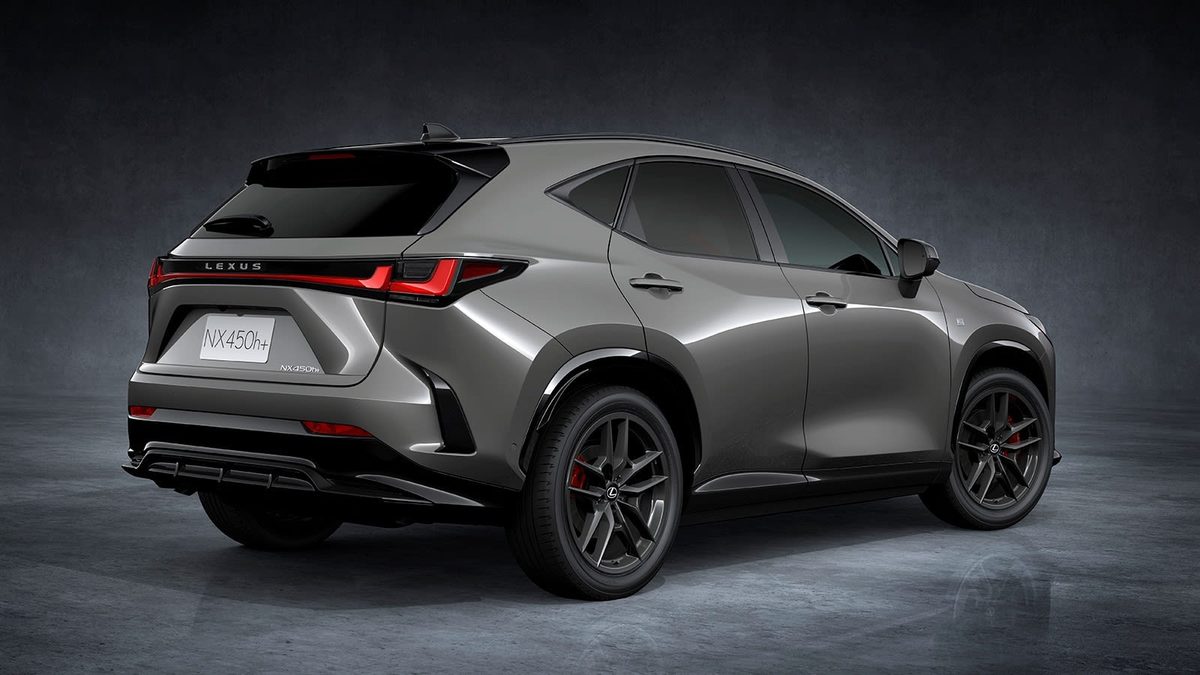
The Lexus NX enters a mid-cycle facelift for the 2027 model year, revealed on 1 September 2026. The compact SUV grows 30 mm to 4,690 mm long while width and height hold at 1,865 mm and 1,660 mm, and the wheelbase stays at 2,690 mm. Lexus reinforced the floor for around 25% more rigidity and the front suspension towers for about 30% more, then fitted a new variable-ratio steering rack and ultra-low-velocity valve dampers. European-market cars were tuned at the Nürburgring, which Lexus says is a first for one of its models.
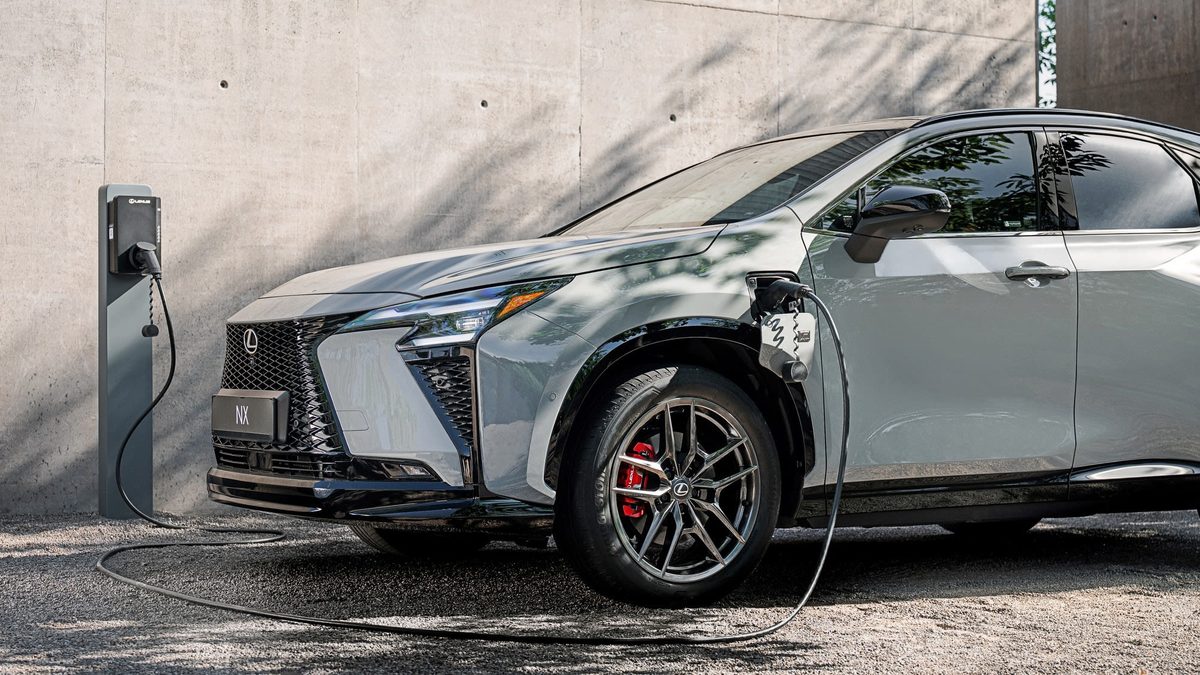
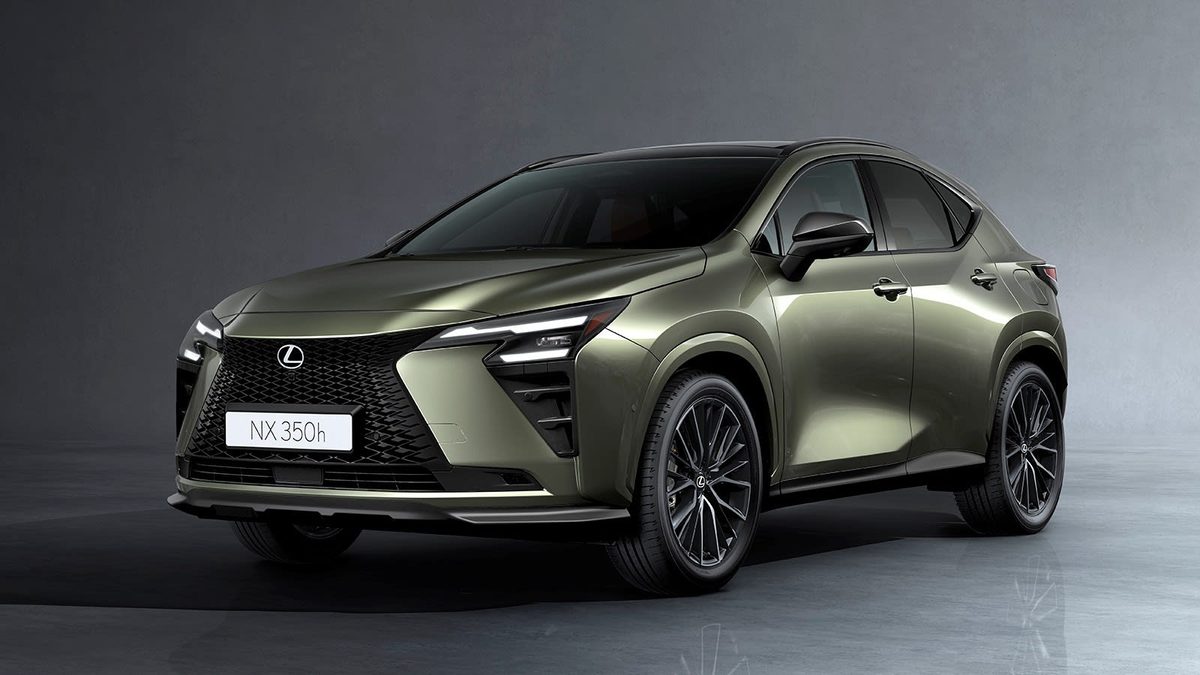
Europe keeps two hybrid powertrains. The NX 350h is a self-charging hybrid rated at 146 kW (199 hp), with front- or all-wheel drive; 0-100 km/h takes 7.3 to 7.7 seconds depending on drivetrain. The NX 450h+ plug-in hybrid produces 226 kW (307 hp) through all-wheel drive and covers 0-100 km/h in 6.1 seconds. Its battery grows to 23 kWh, a 30% increase over the outgoing car, and Lexus claims over 100 km of WLTP electric range, though that figure has not yet been homologated. The 450h+ also gains DC fast charging for the first time on this model; 10-80% takes about 30 minutes.
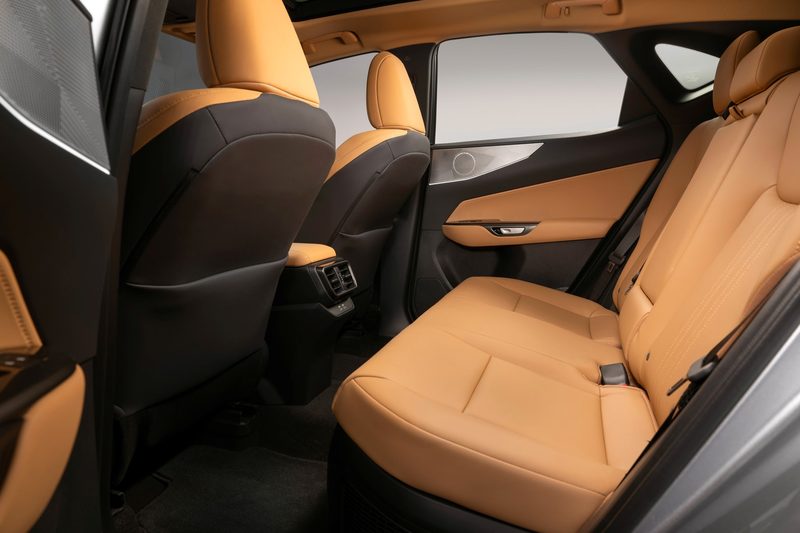
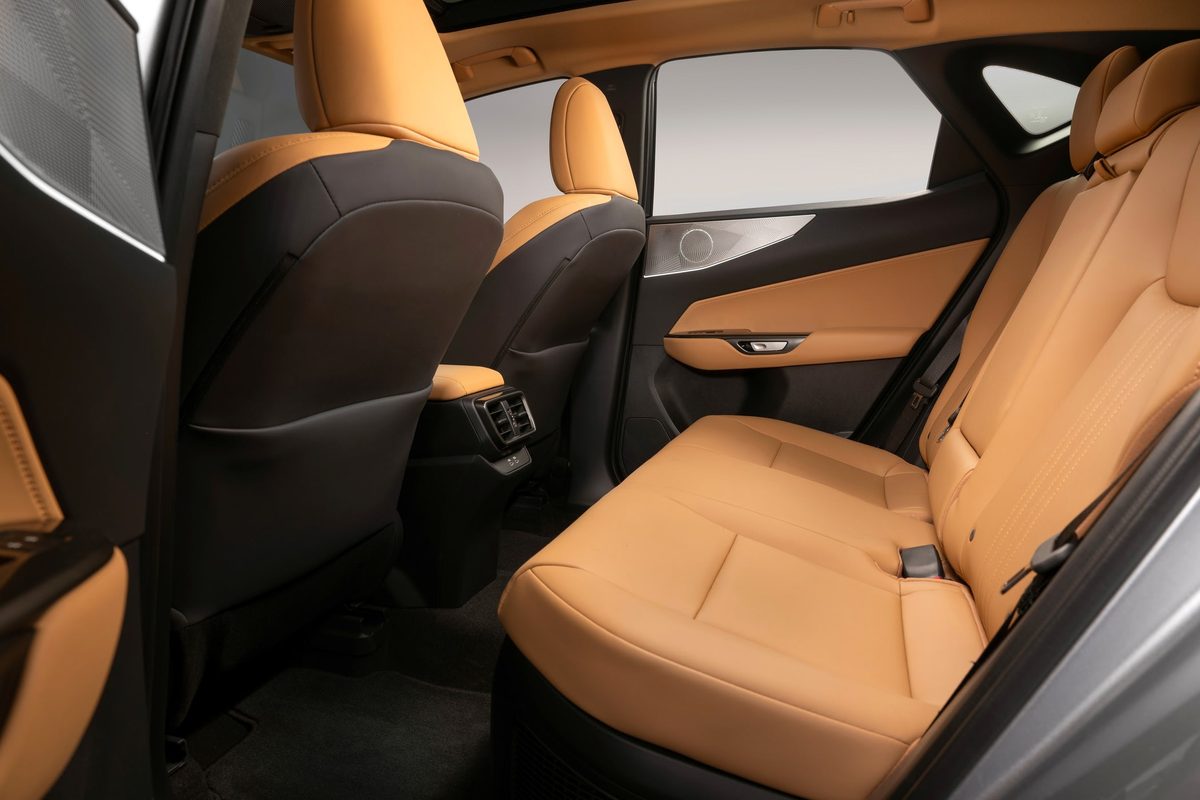
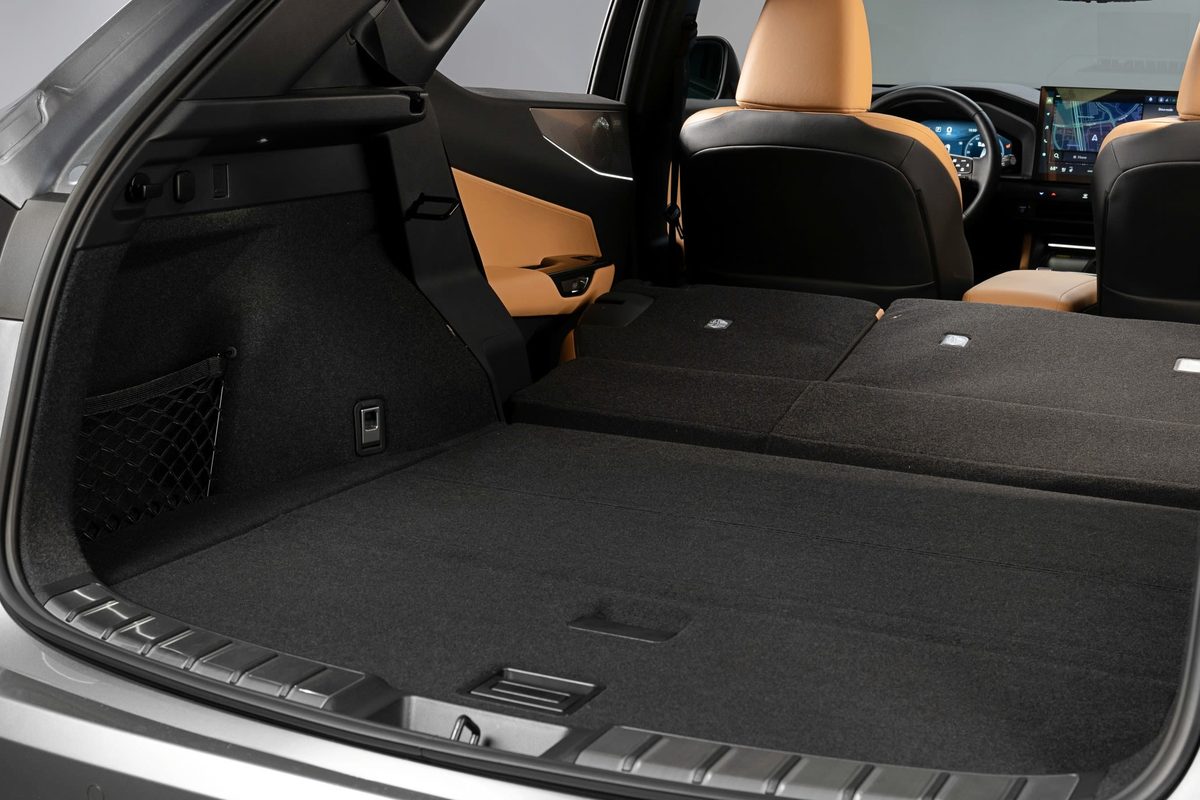
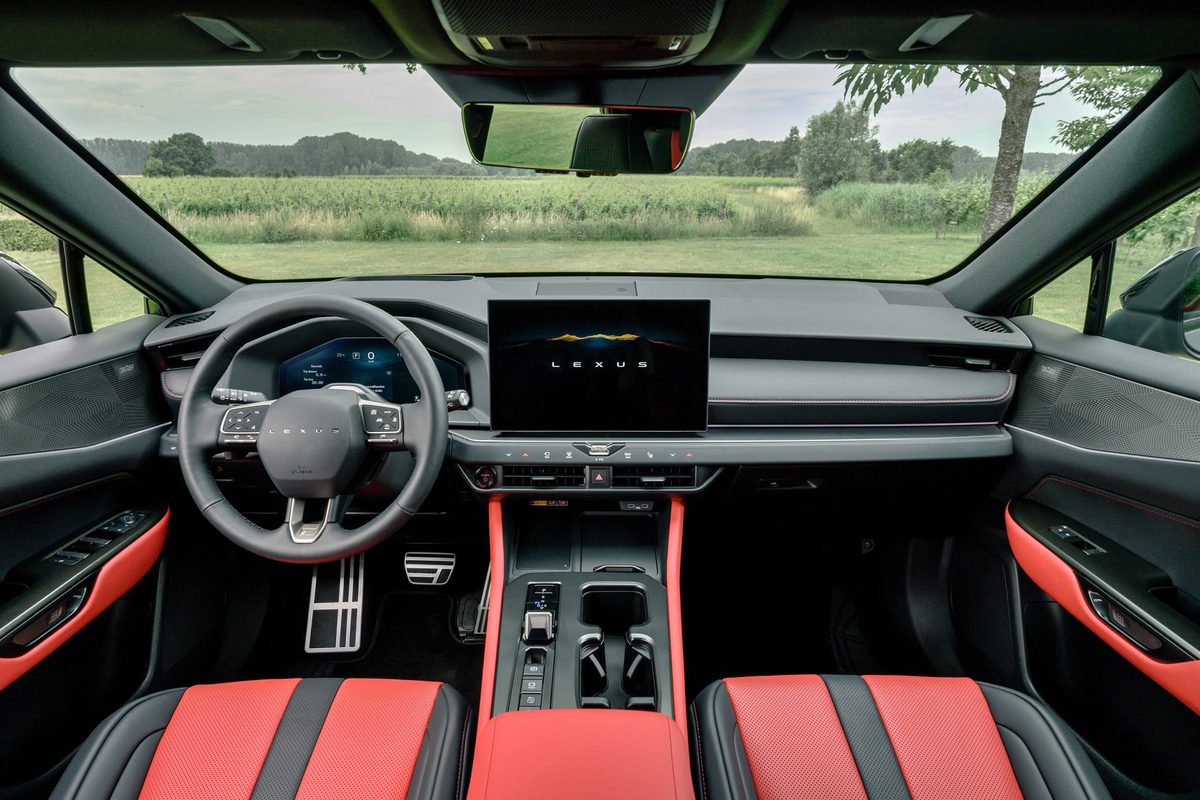
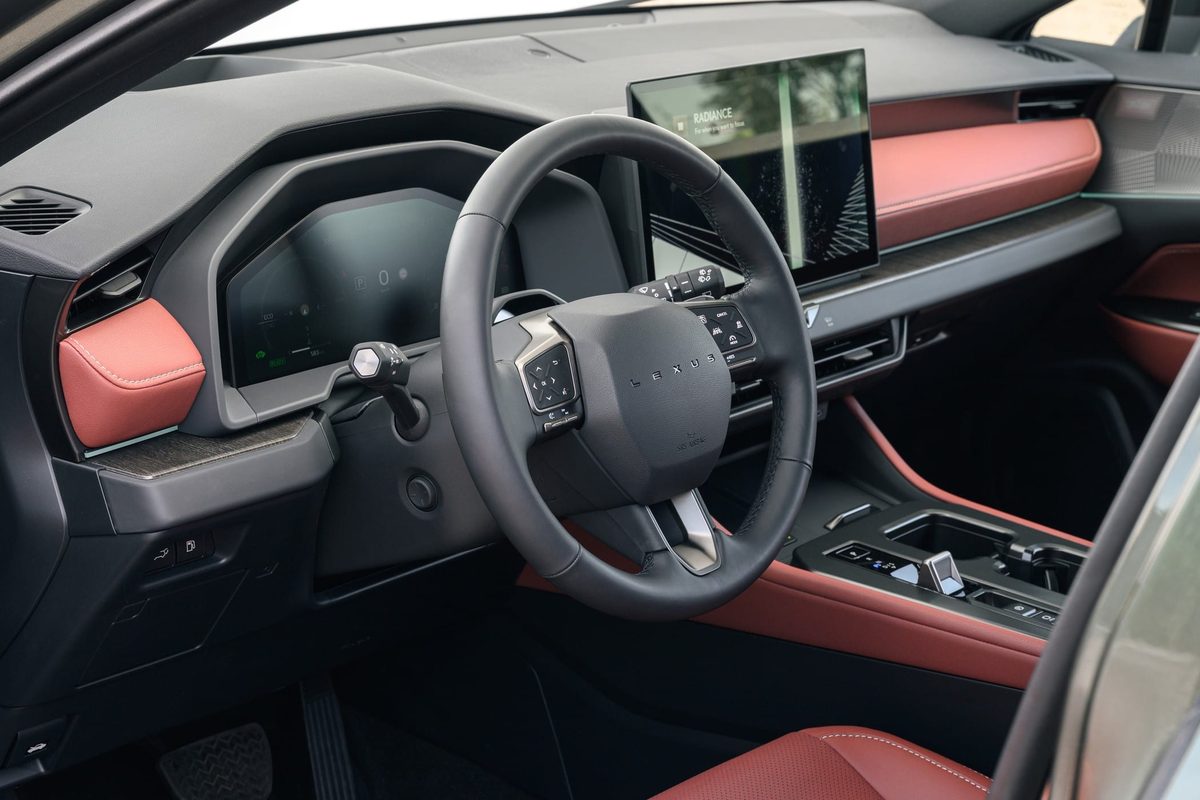
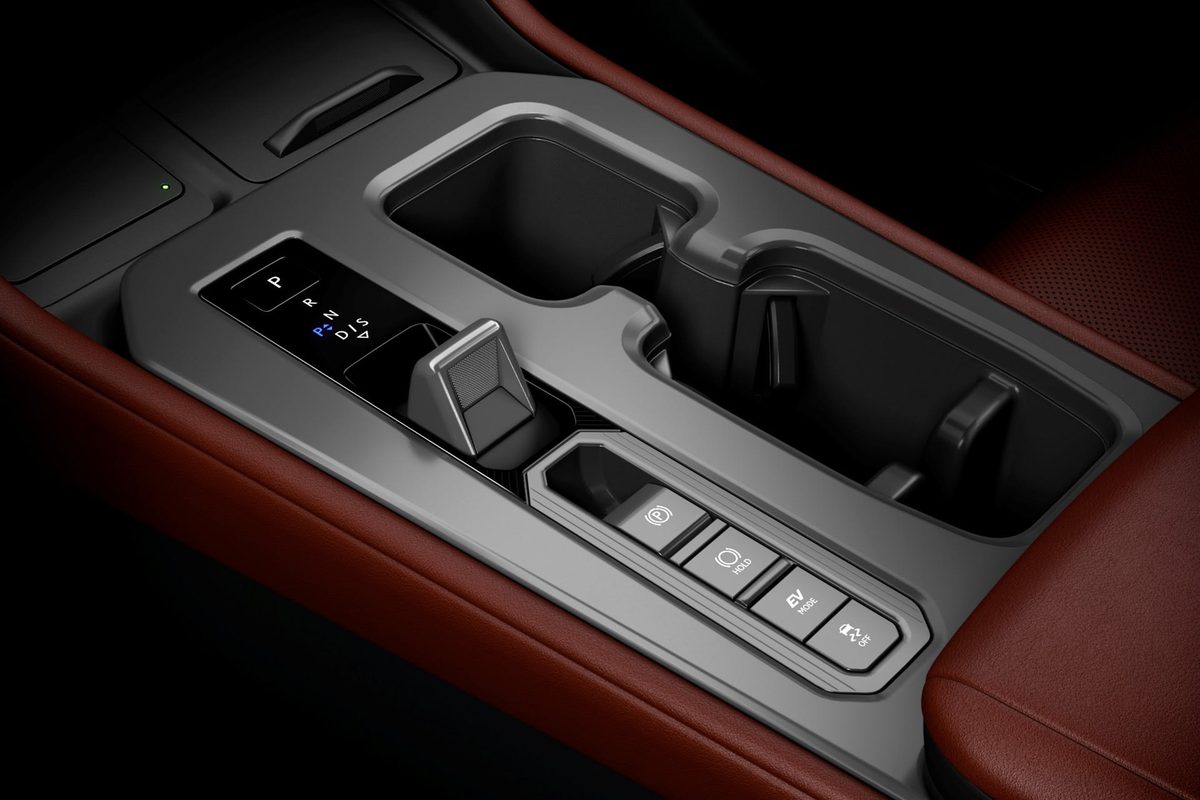
Inside, the facelift puts a 12.3-inch driver display and a 14-inch touchscreen on one axis, and removes the physical climate-control dials in favour of illuminated Responsive Hidden Switches. A new Sensory Concierge system coordinates lighting, climate, audio and cabin fragrance, developed with Givaudan, across three preset modes called Inspire, Radiance and Revitalise.
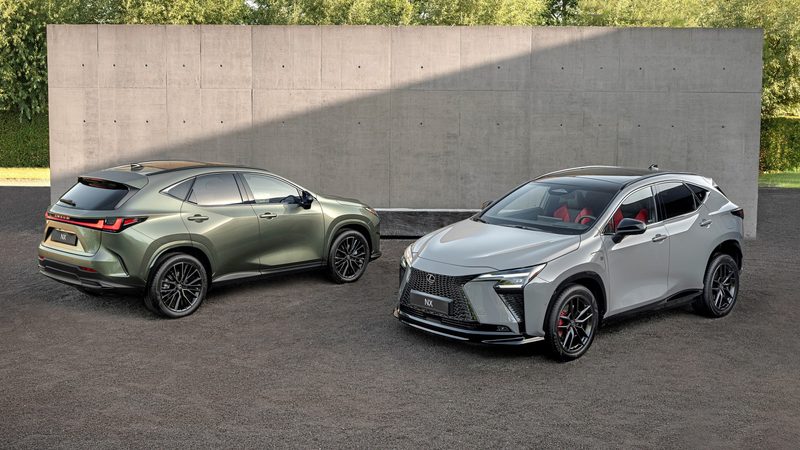
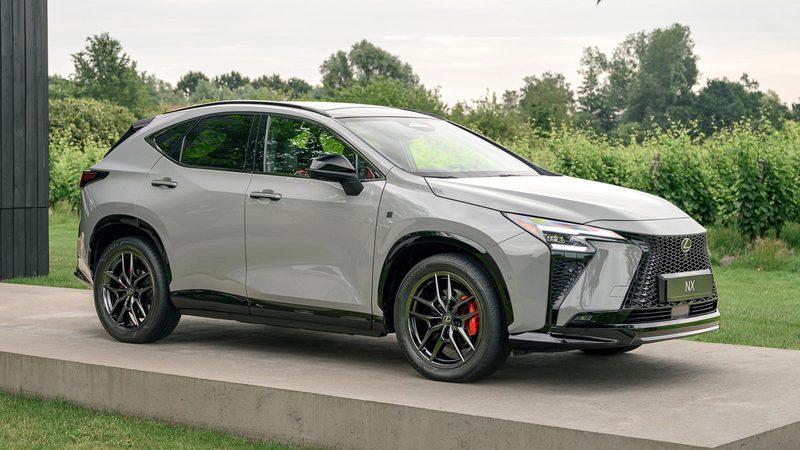
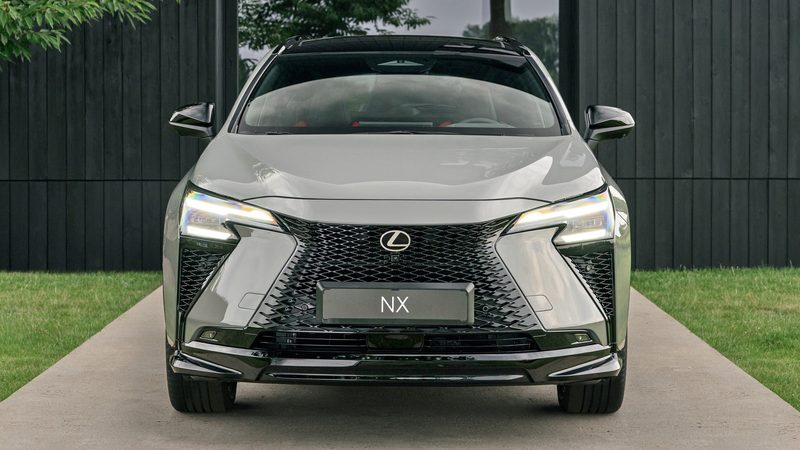
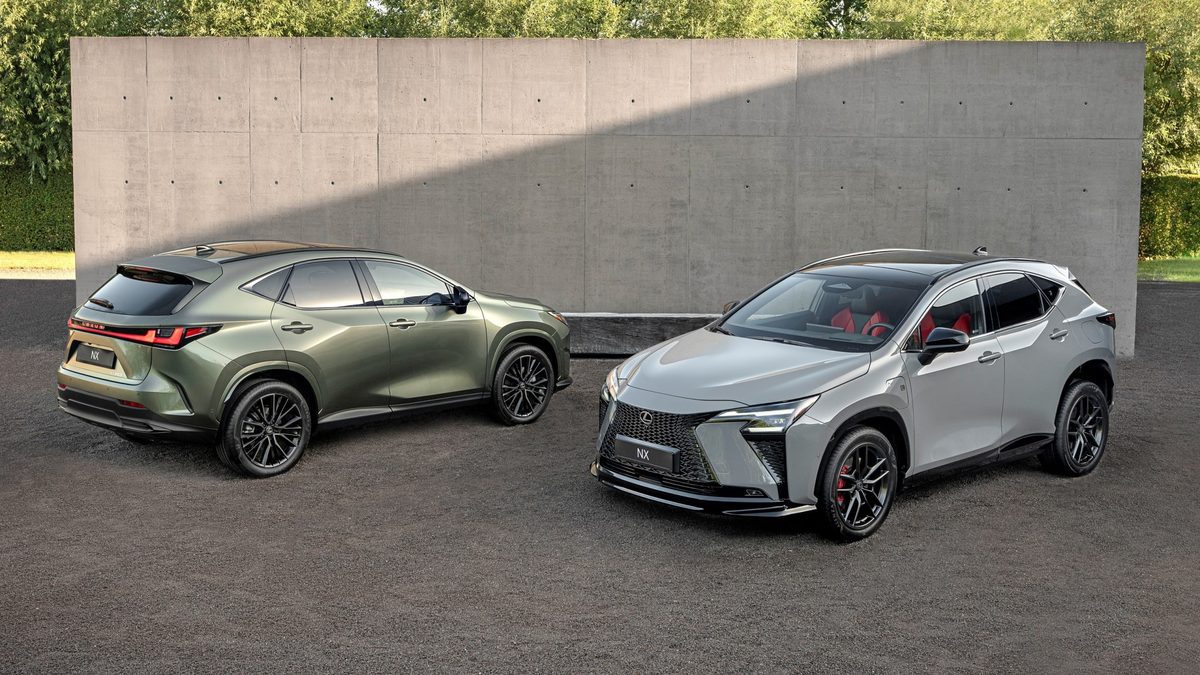
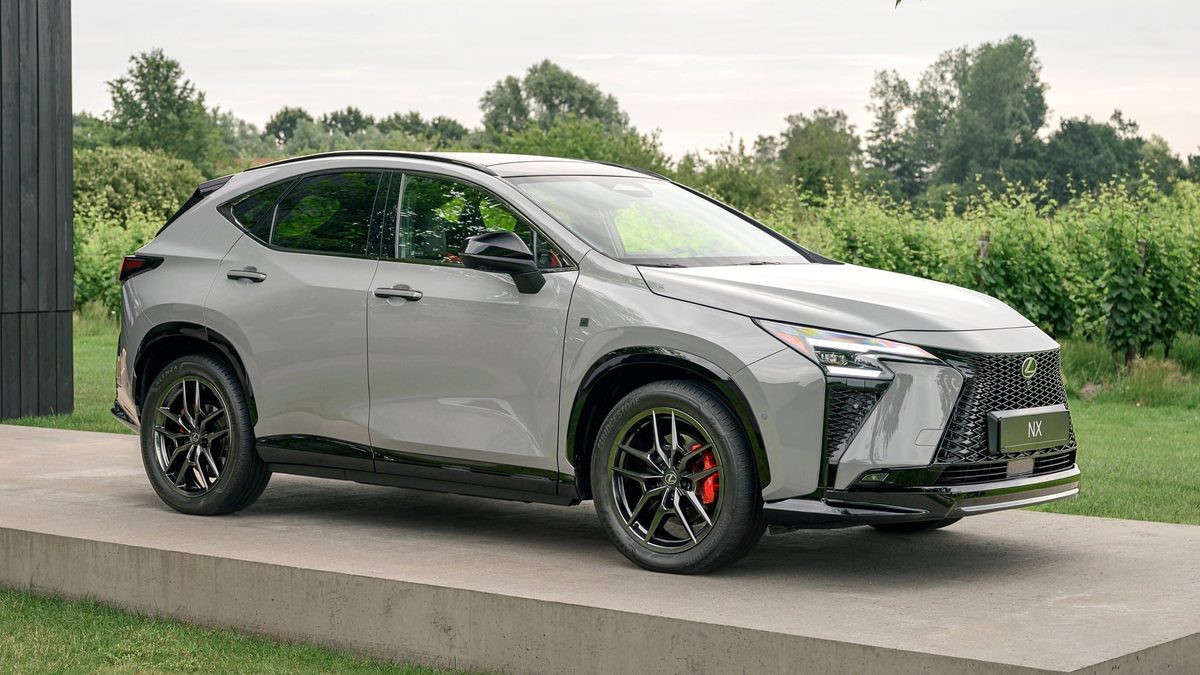
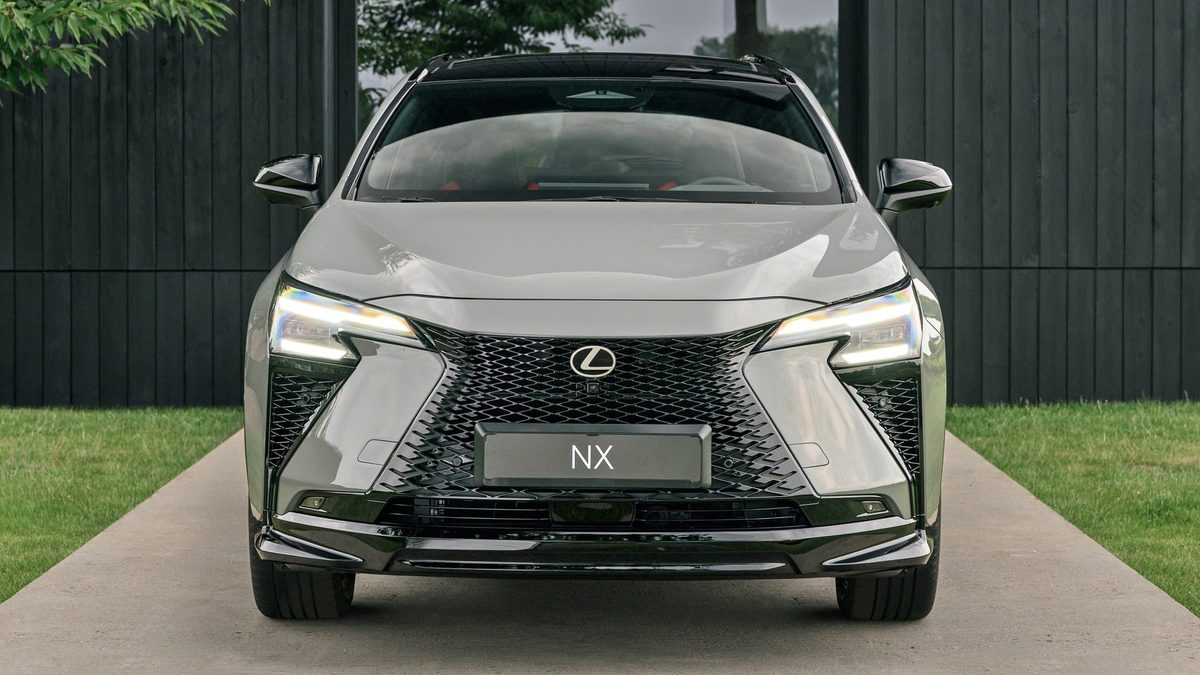
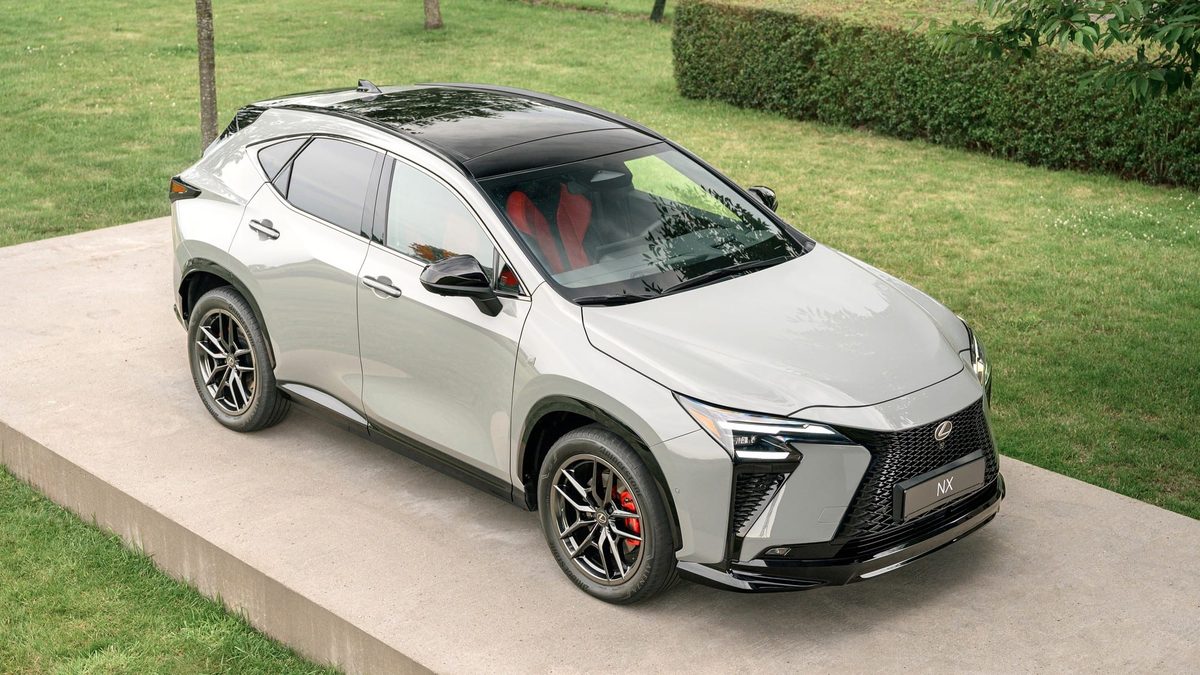
Outside, the NX gets a frameless spindle grille with the chrome trim removed across the range, redesigned headlights with an adaptive high-beam system, and revised L-motif tail lights. F Sport cars add a piano-black roof, 20-inch wheels and red brake calipers. Lexus has not disclosed pricing for the facelifted NX. European pre-sales open in autumn 2026 ahead of an early-spring 2027 market launch, while the wider global rollout across more than 90 countries begins in late 2026.