 South Korea
The Hyundai Grandeur has been sold in South Korea since 1986 and is celebrating its 40th year of production. The current seventh-generation car launched in 2022; 71,000 units were sold in Korea in 2025. The mid-cycle update now open for orders rewrites the interior, strengthens the hybrid powertrain, and makes one decision that runs against current industry convention: physical buttons are back.
Powertrain changes
Four drivetrains are offered. The 2.5-litre naturally aspirated petrol produces 198 hp through an eight-speed automatic with front-wheel drive. The 3.5-litre V6 petrol produces 300 hp with the same gearbox, available in front- or all-wheel drive. A 3.5-litre V6 running on LPG produces 240 hp.
The significant engineering update is the hybrid. The new system pairs a 1.6-litre turbocharged petrol engine with an electric motor for a combined 249 hp - up from 230 hp in the previous generation. The six-speed automatic is retained, but the revised system allows the climate control and infotainment to operate from the battery without starting the combustion engine. That matters in the stop-start urban driving that most Korean Grandeur owners do.
Exterior
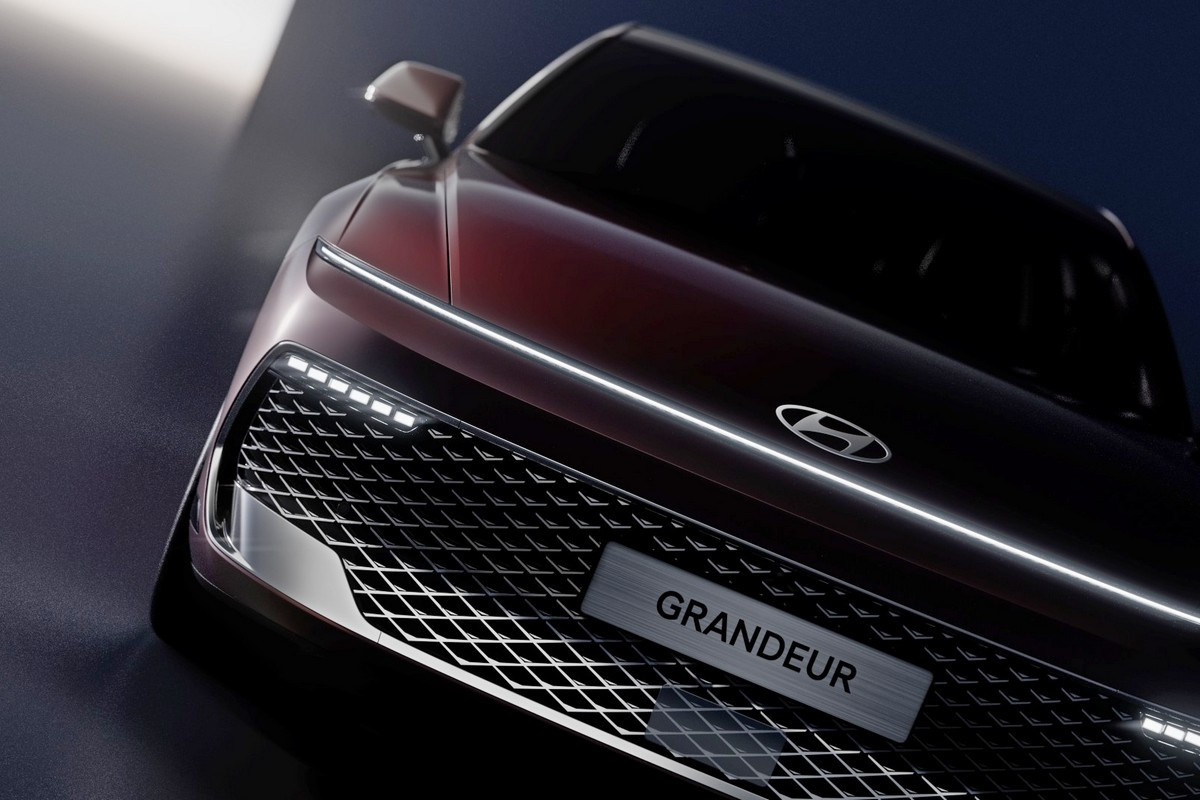
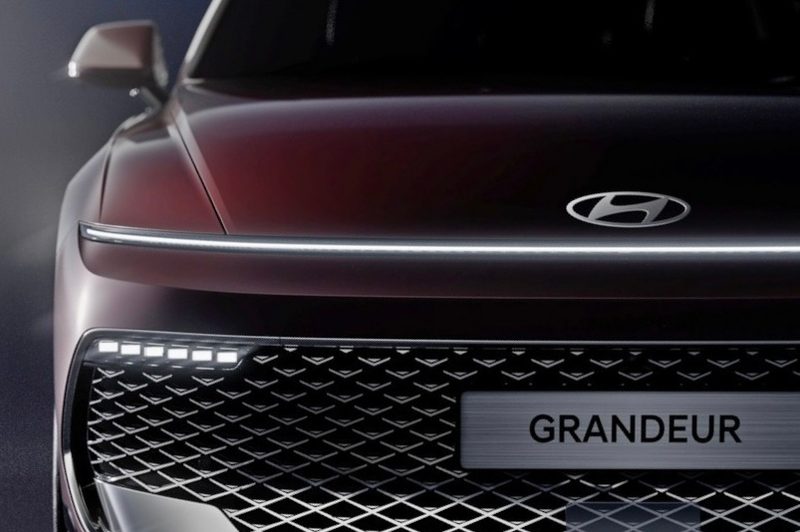
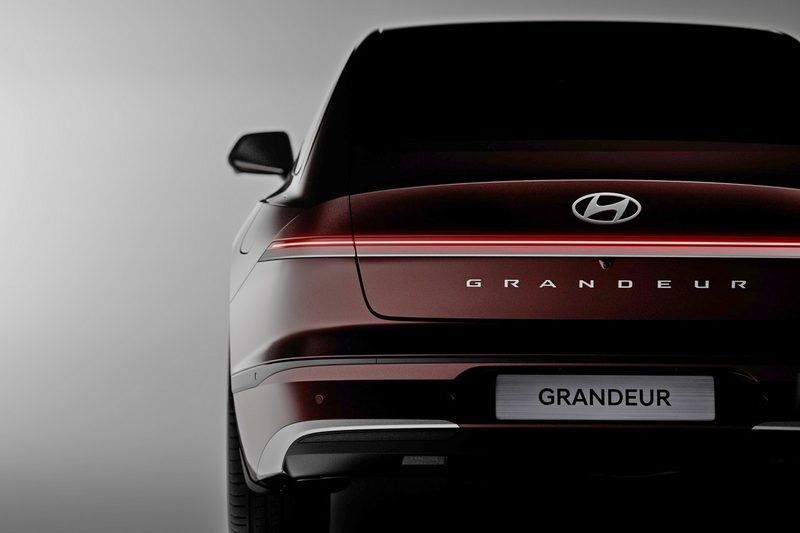
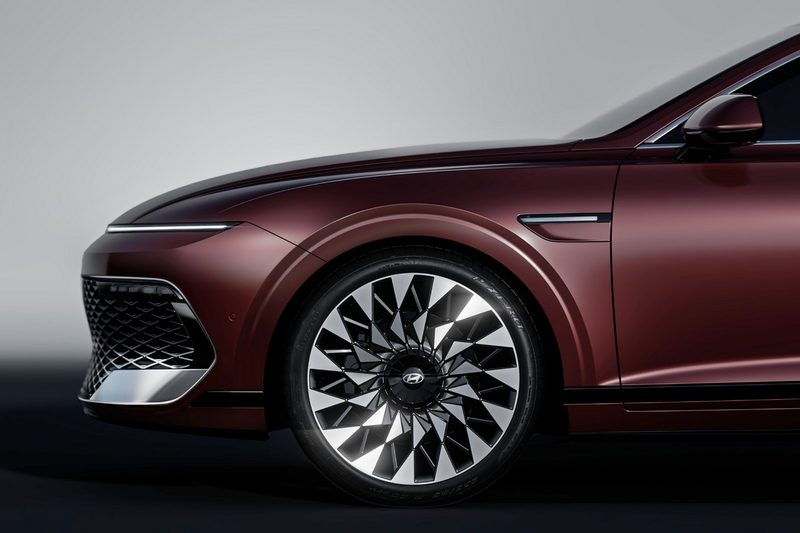
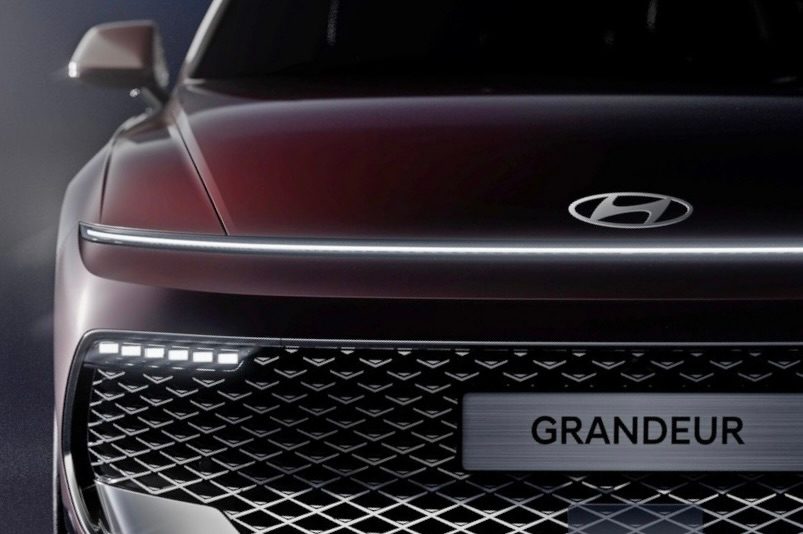
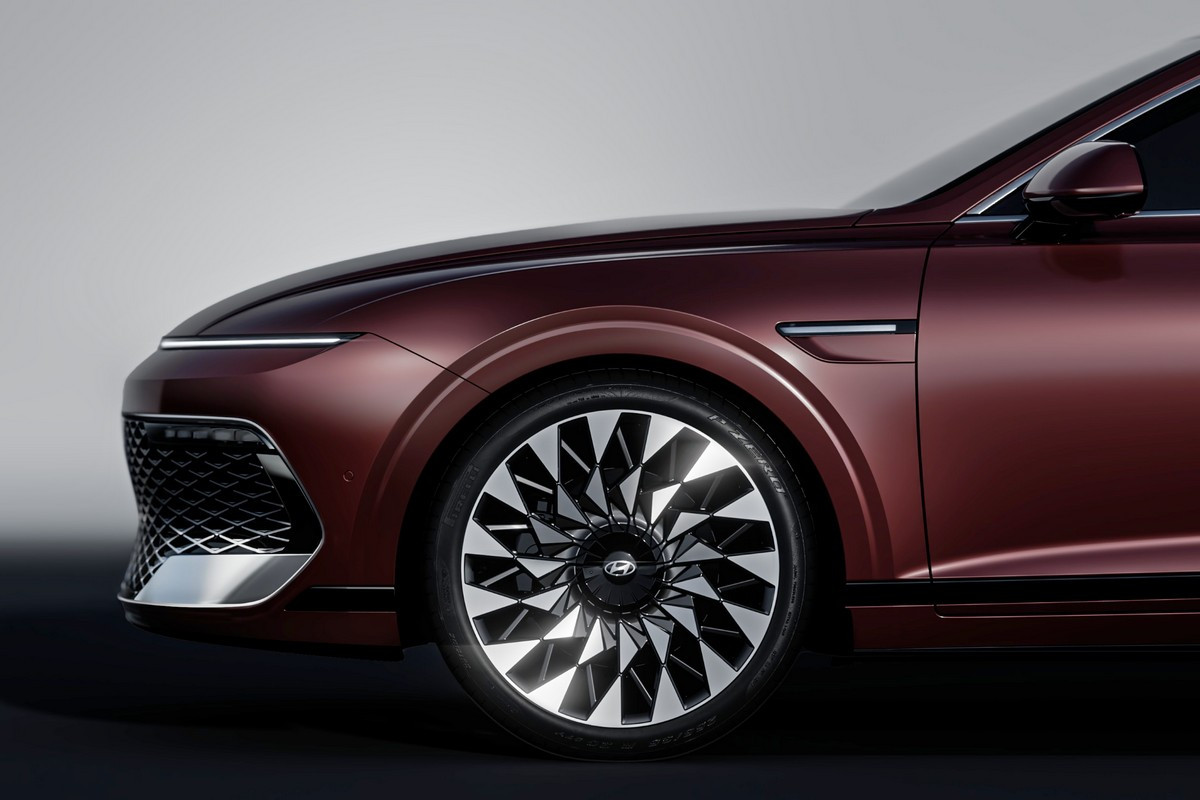
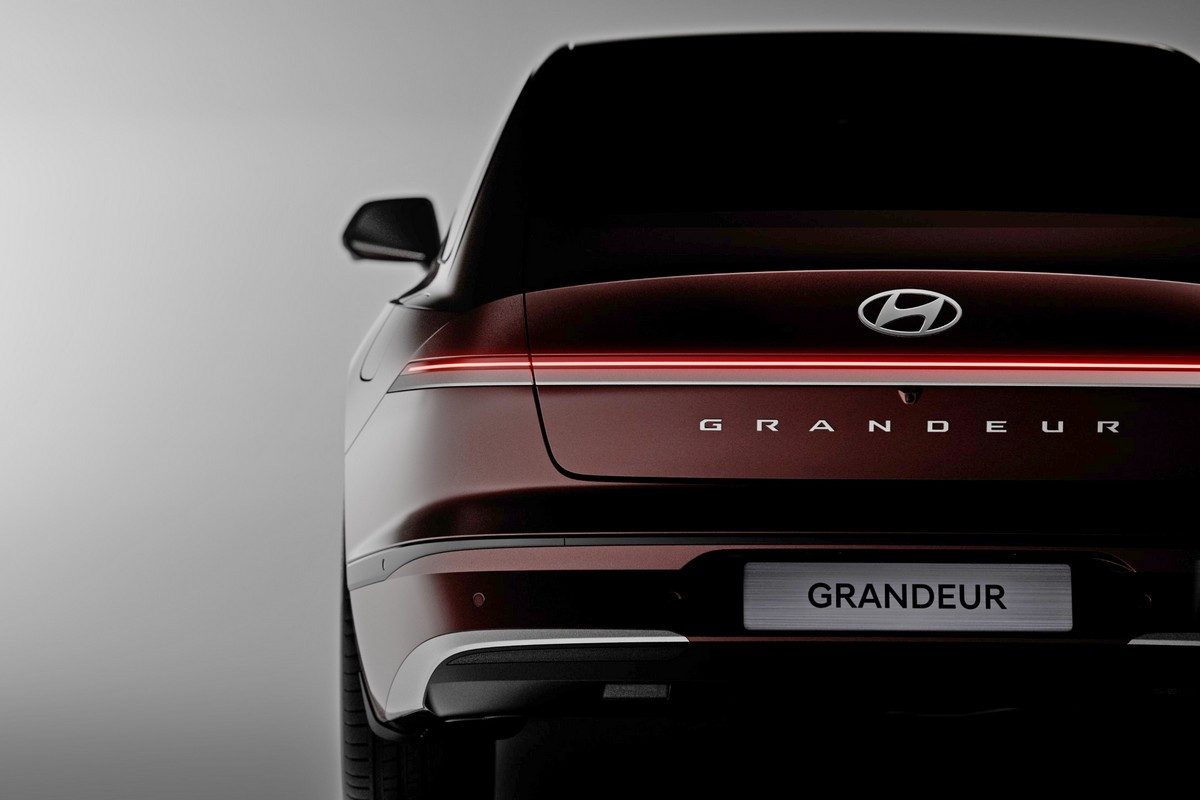
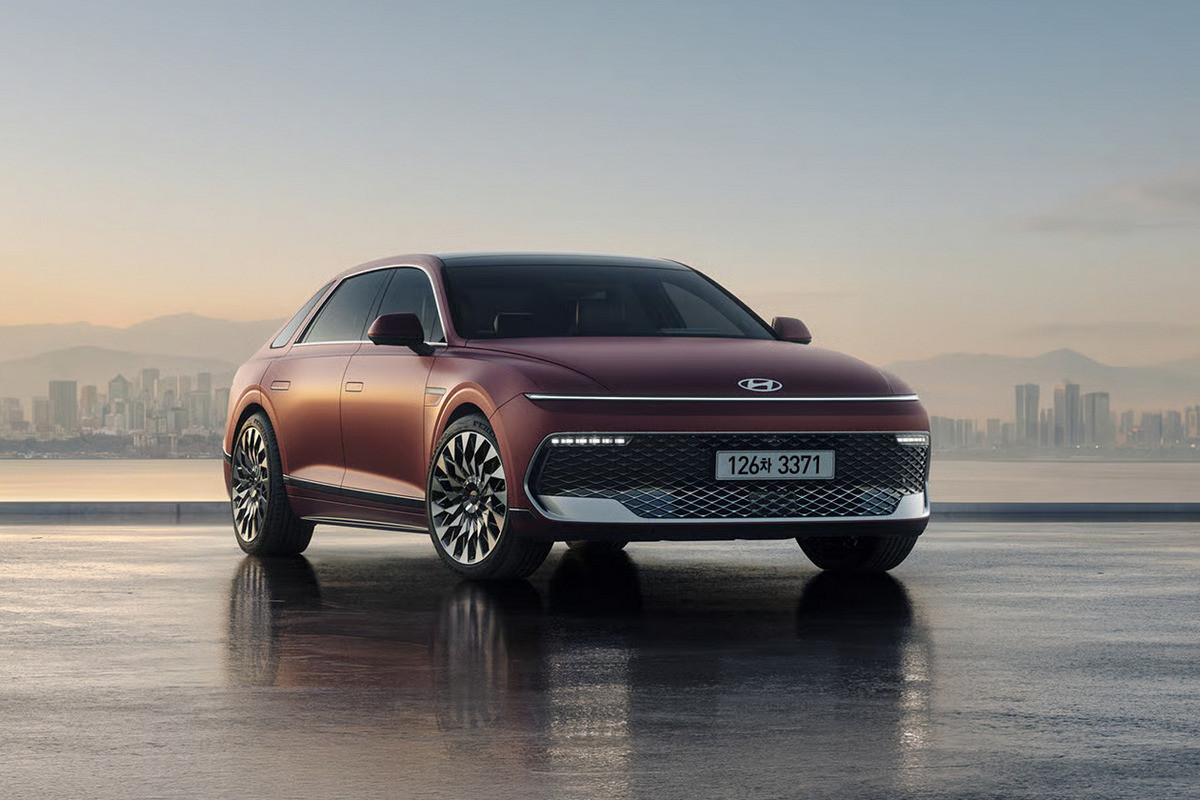
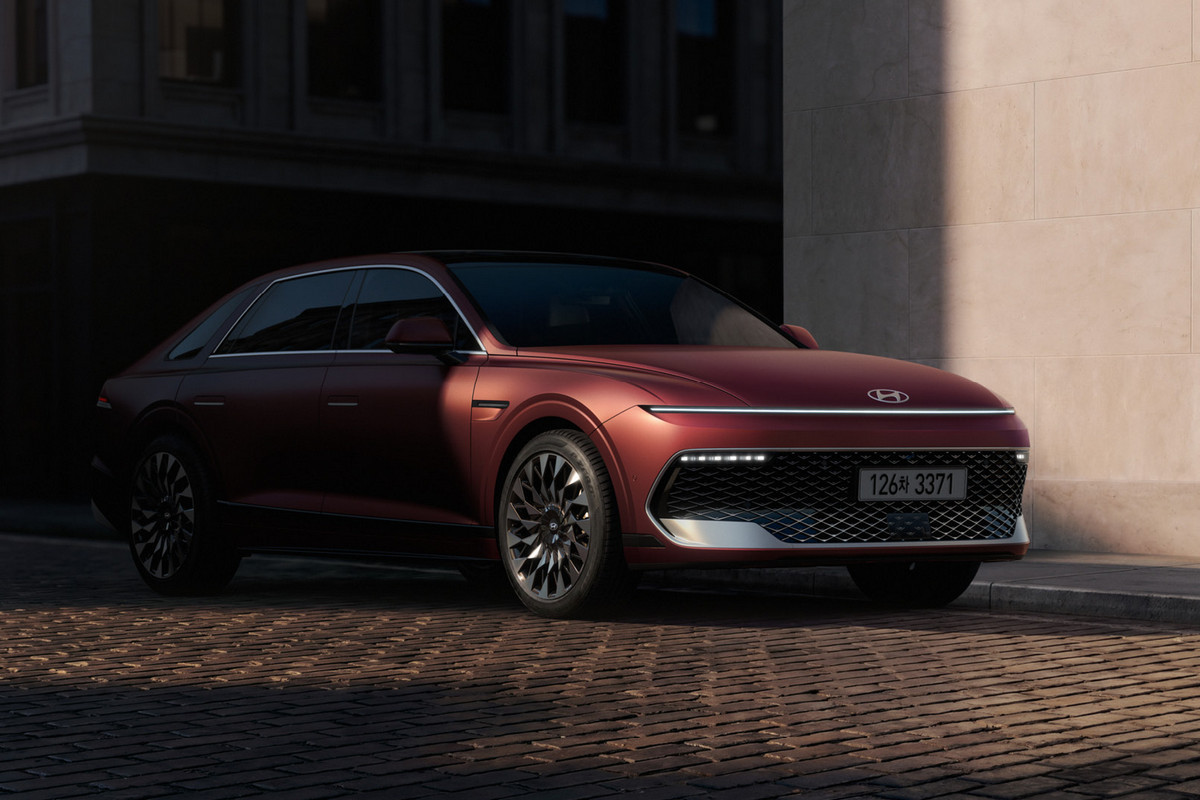
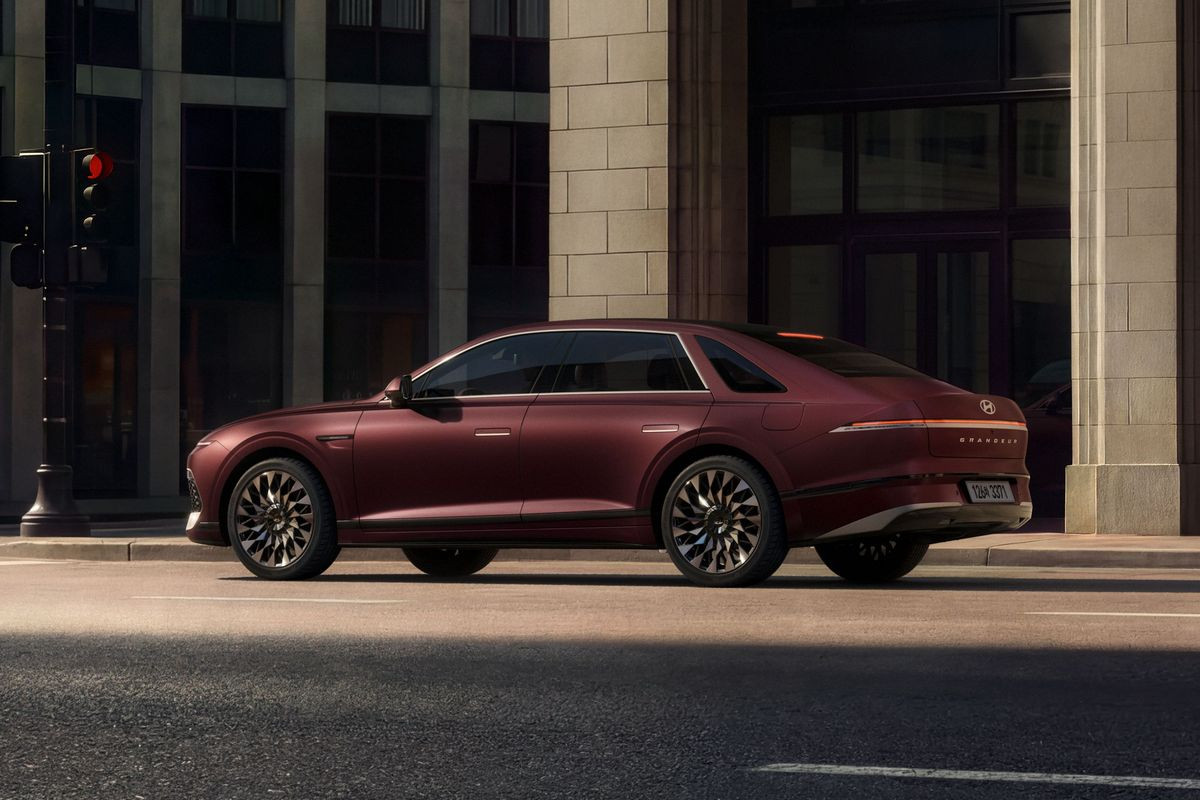
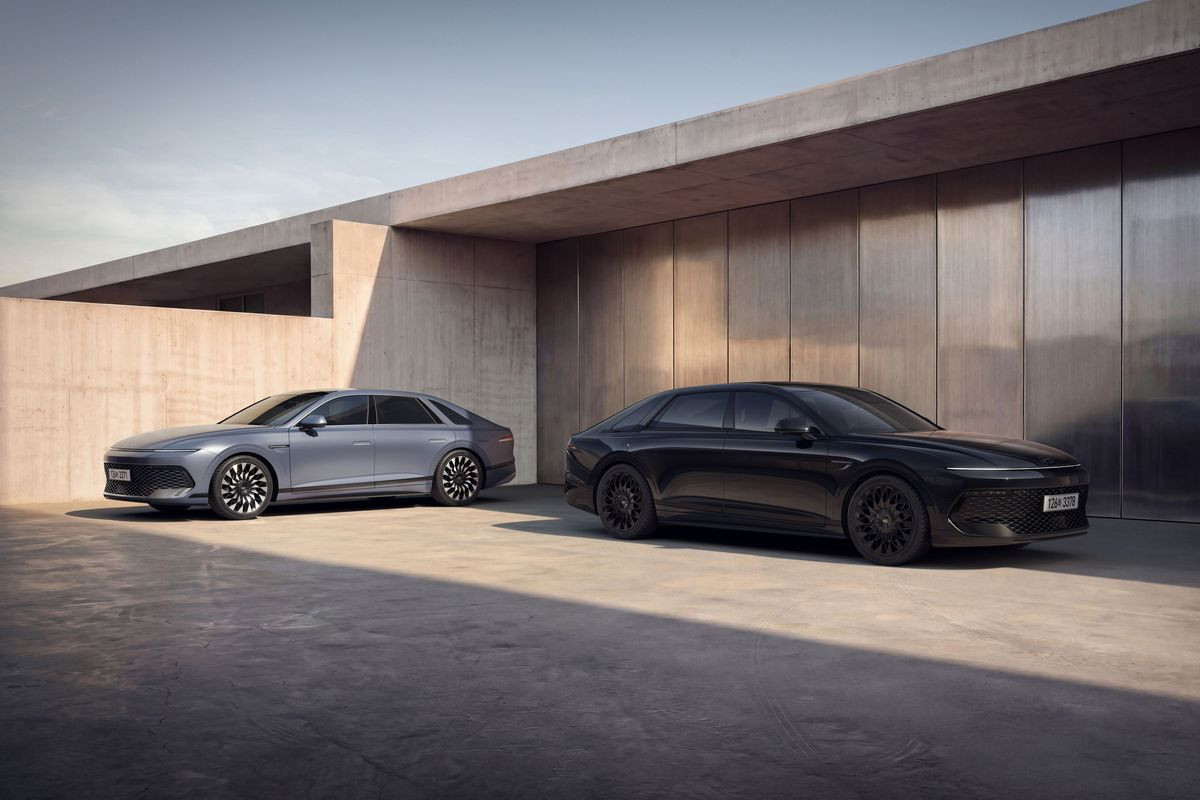
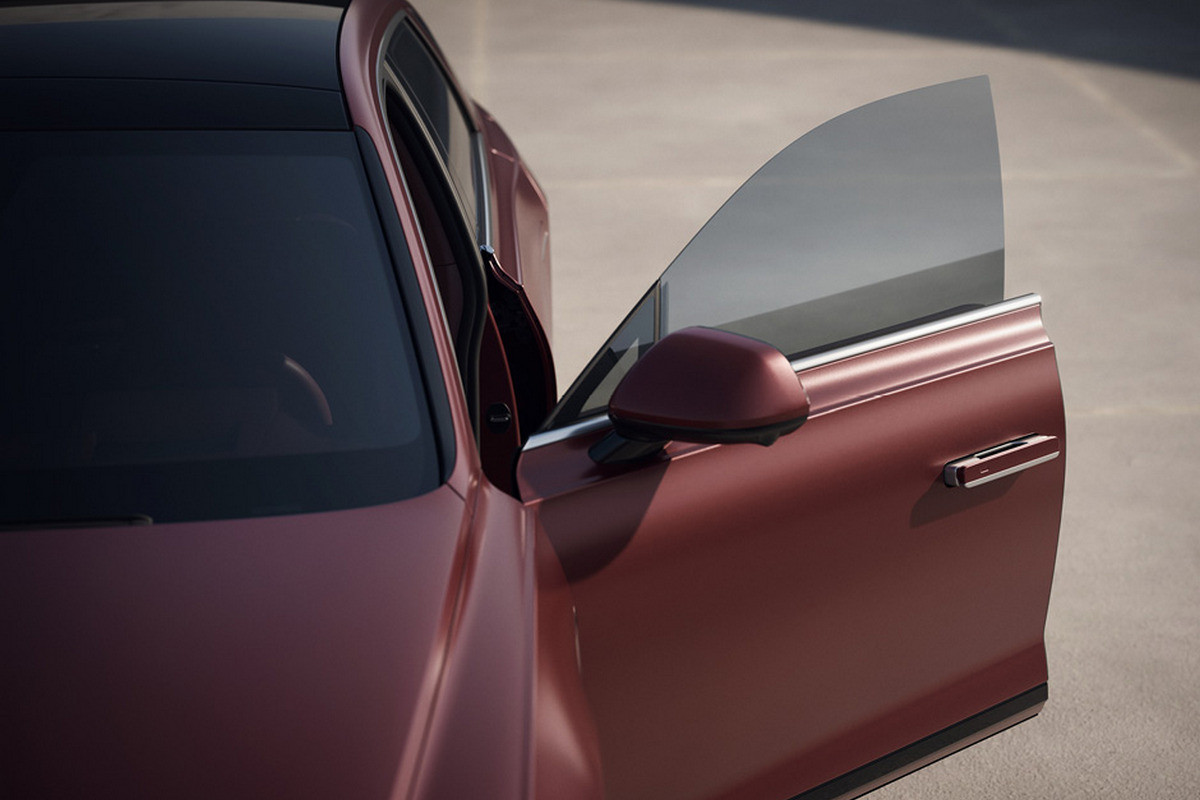
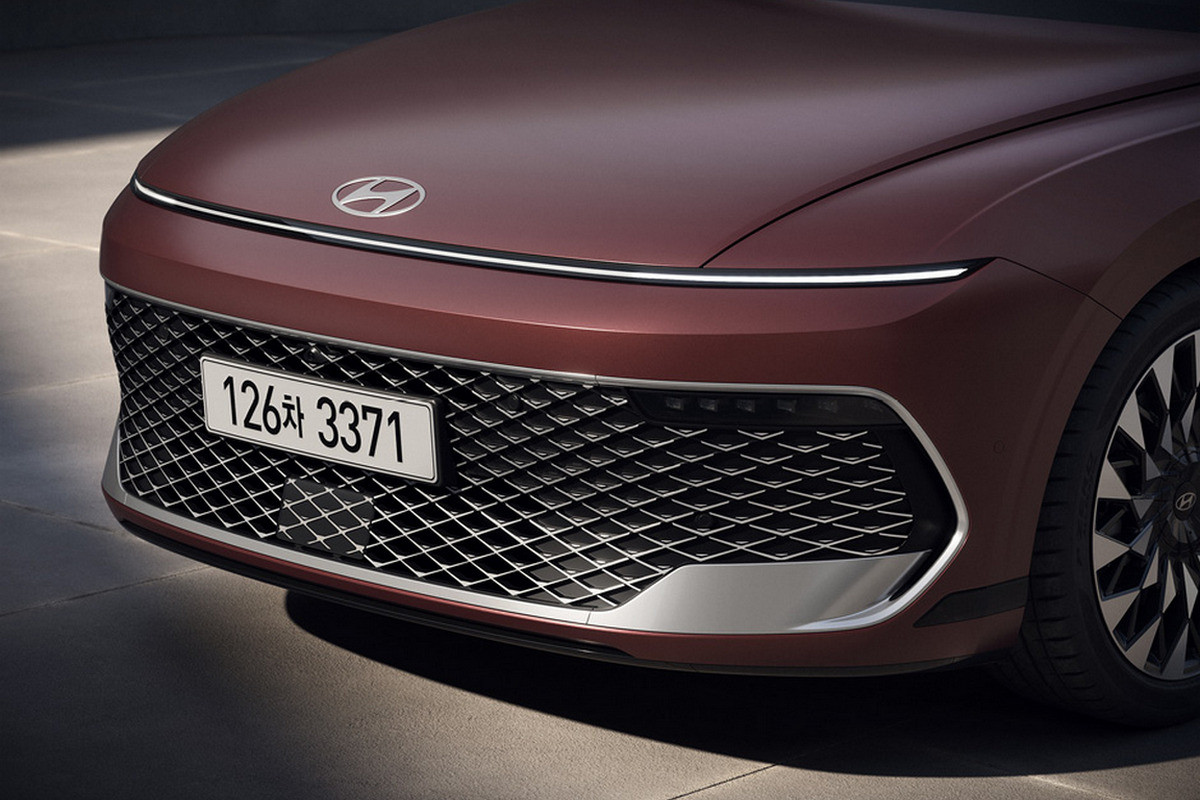
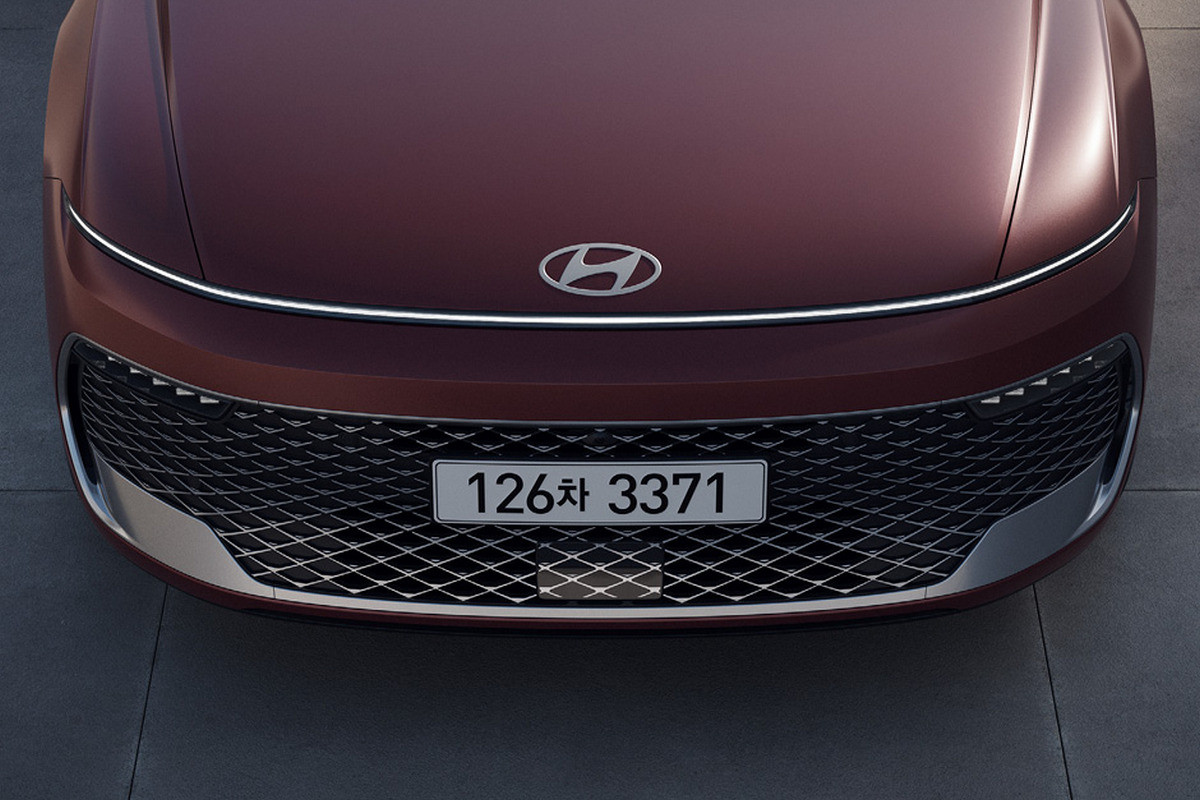
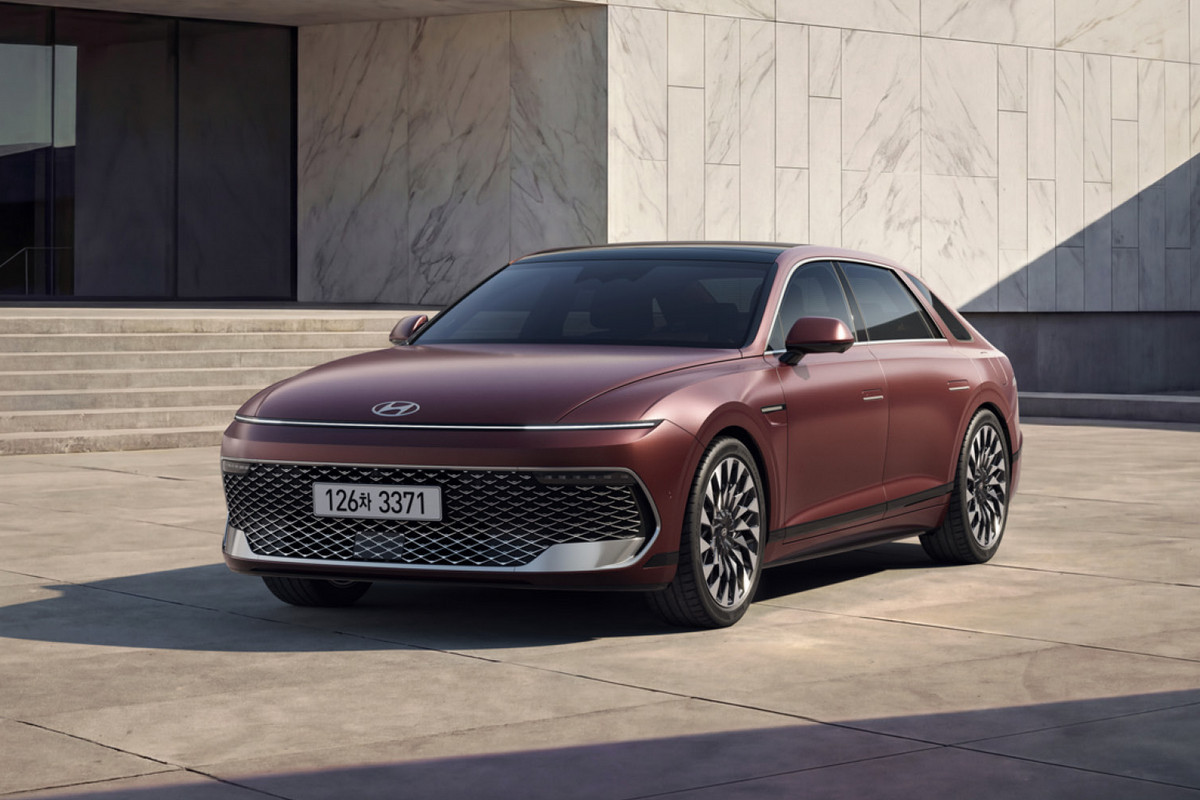
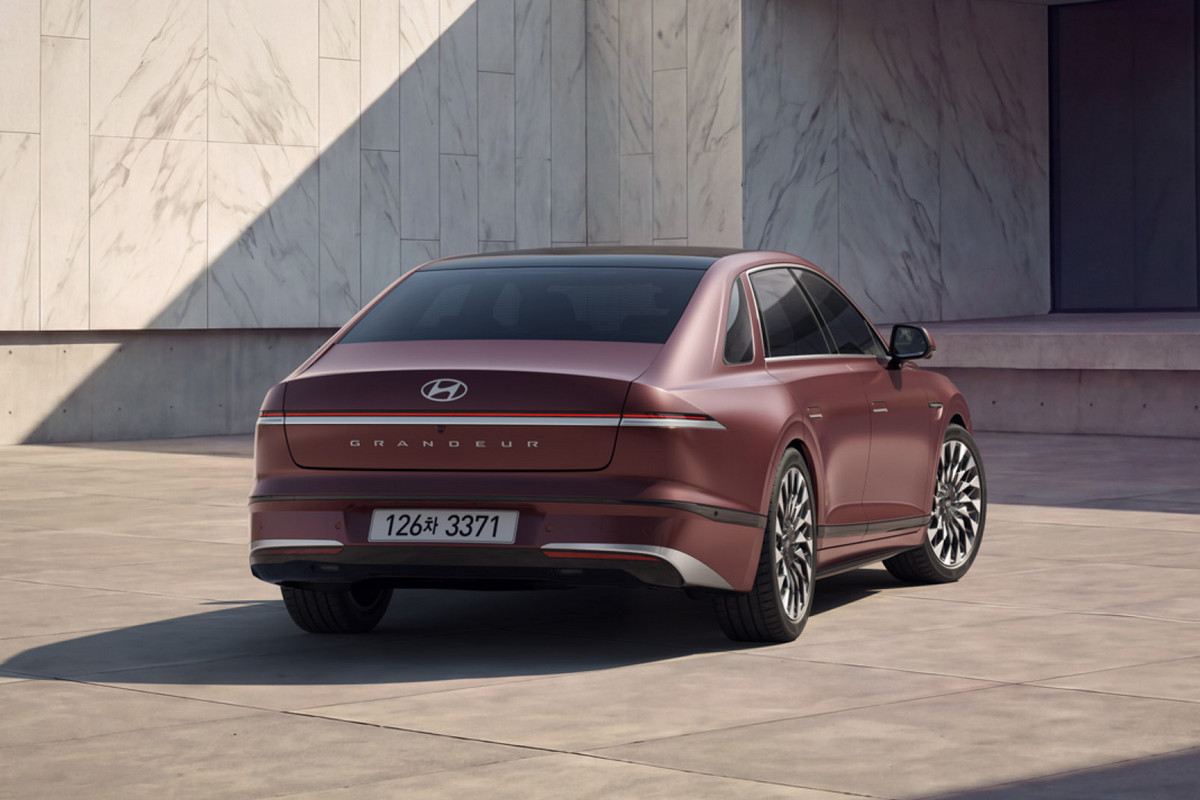
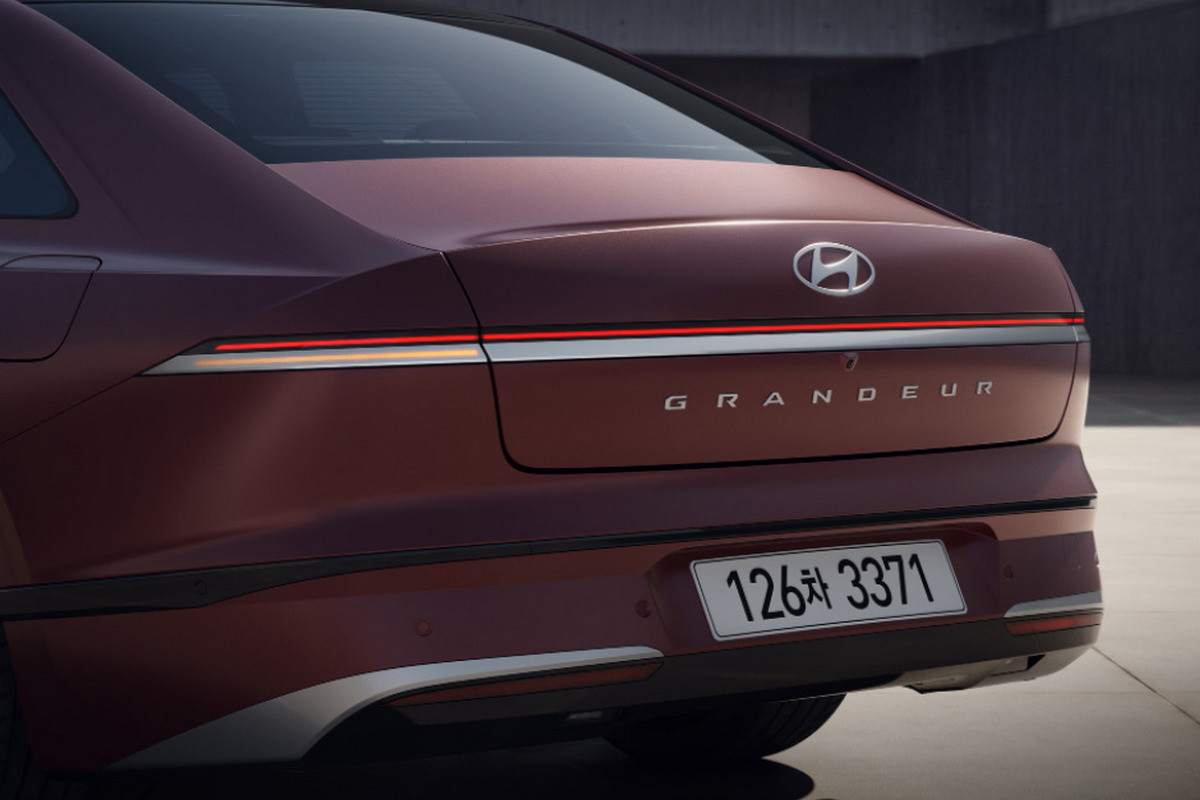
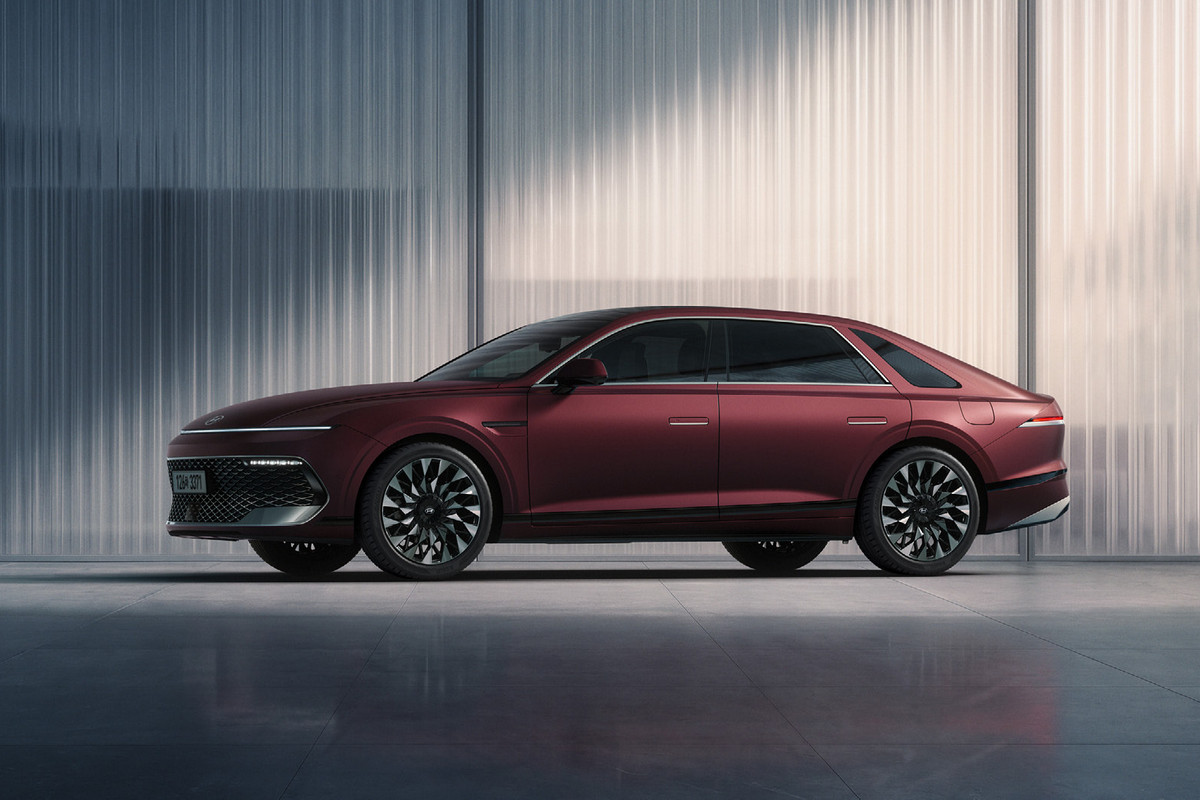
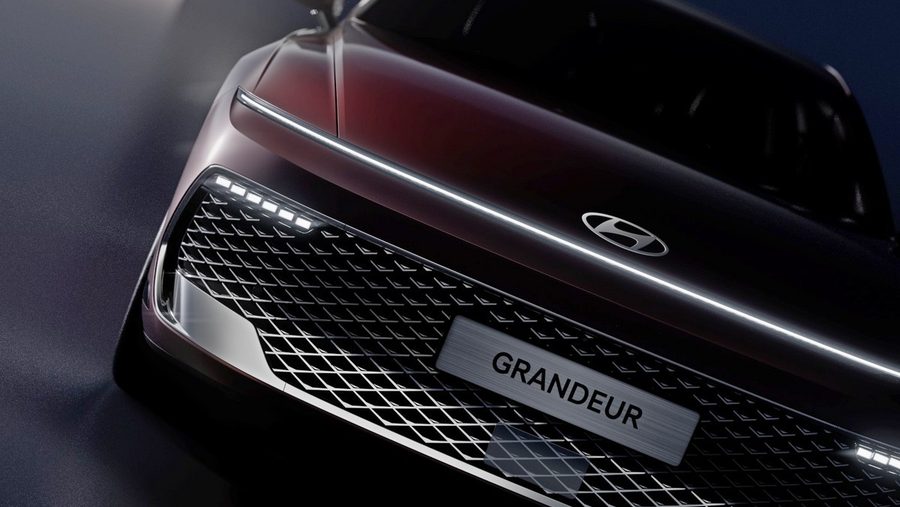
Overall length grows by 15 mm to 5,050 mm. The bonnet is longer, creating what Hyundai describes as a “shark nose” profile at the front. The previous tall vertical headlights are replaced with narrow horizontal units; the full-width LED strip across the front is retained. Rear turn signals are repositioned higher within the light cluster. Wheel sizes of 18”, 19”, and 20” are available by specification.
The interior rebuild
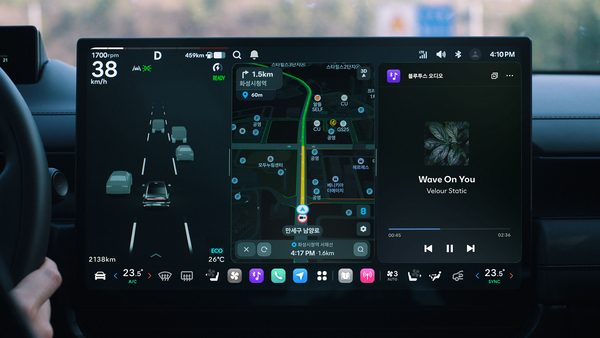
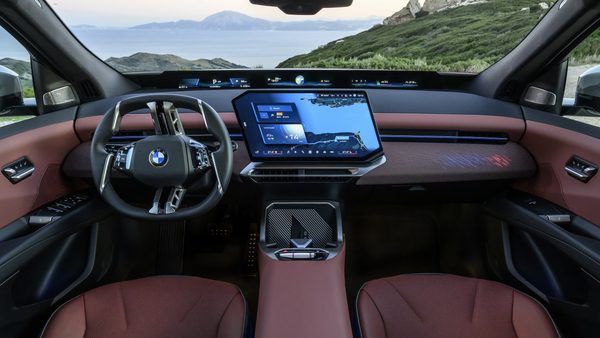
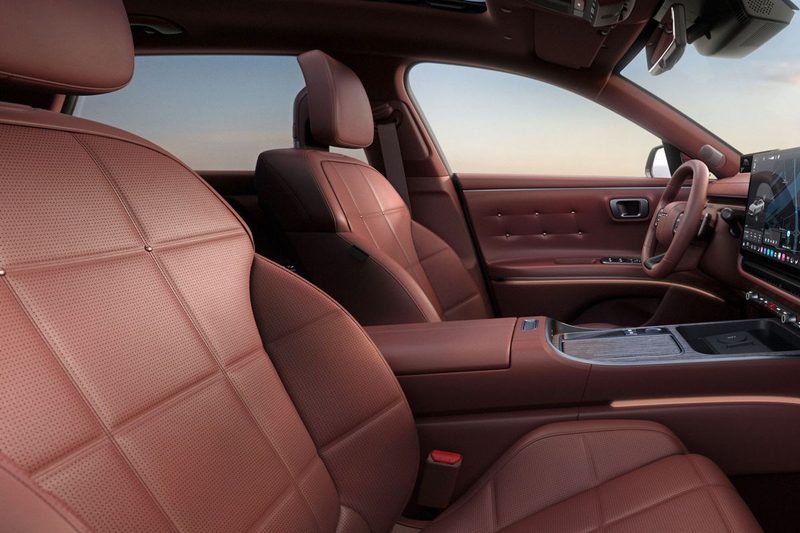
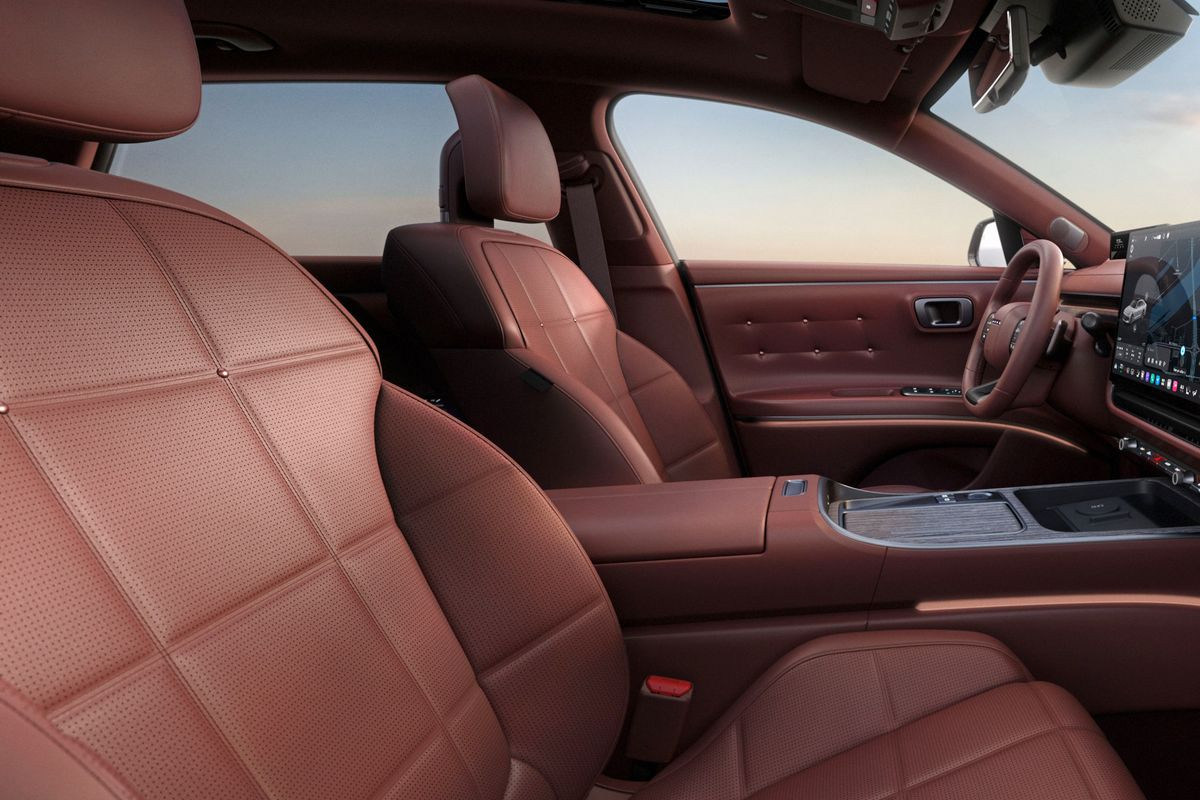
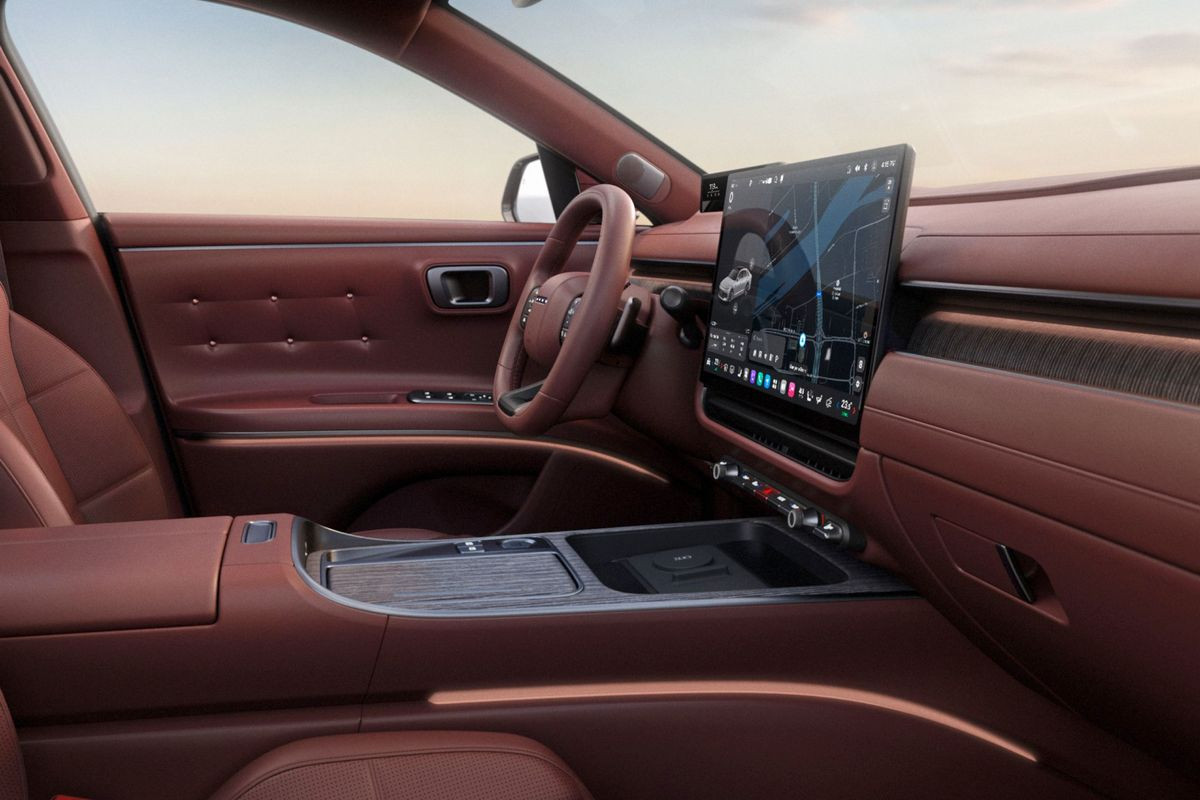
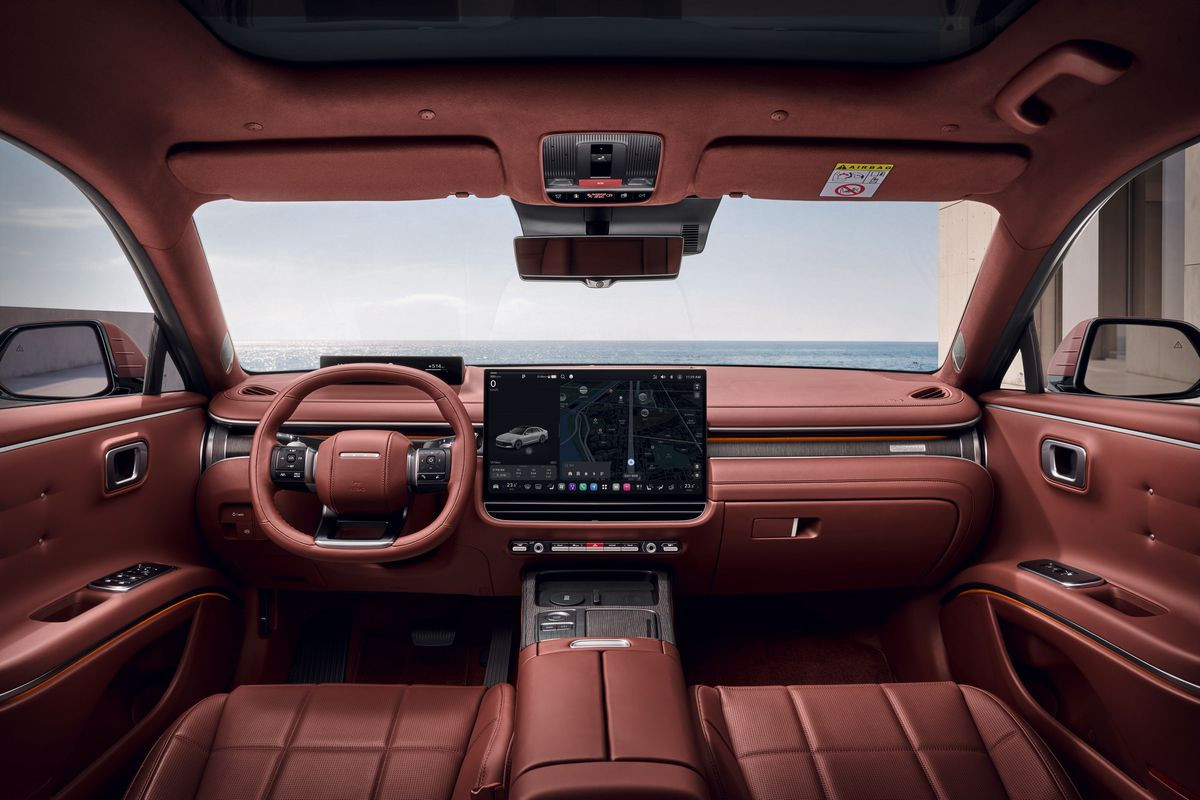
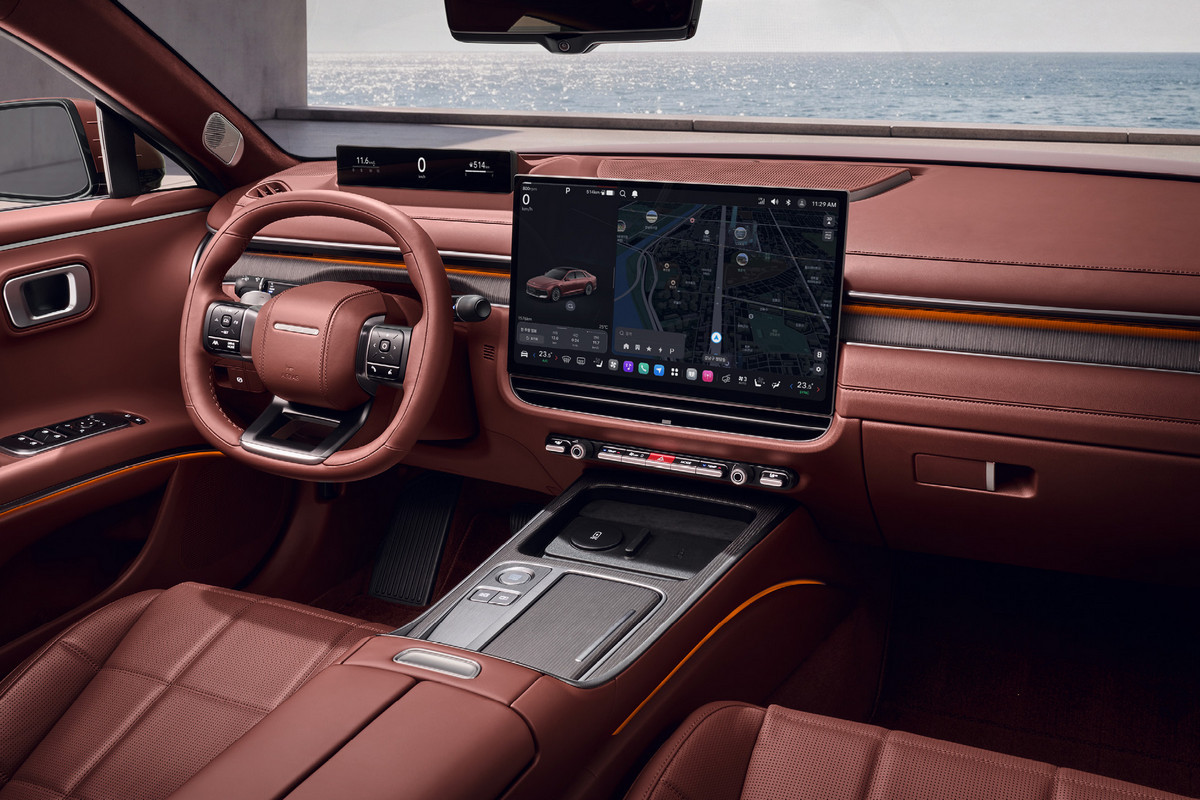
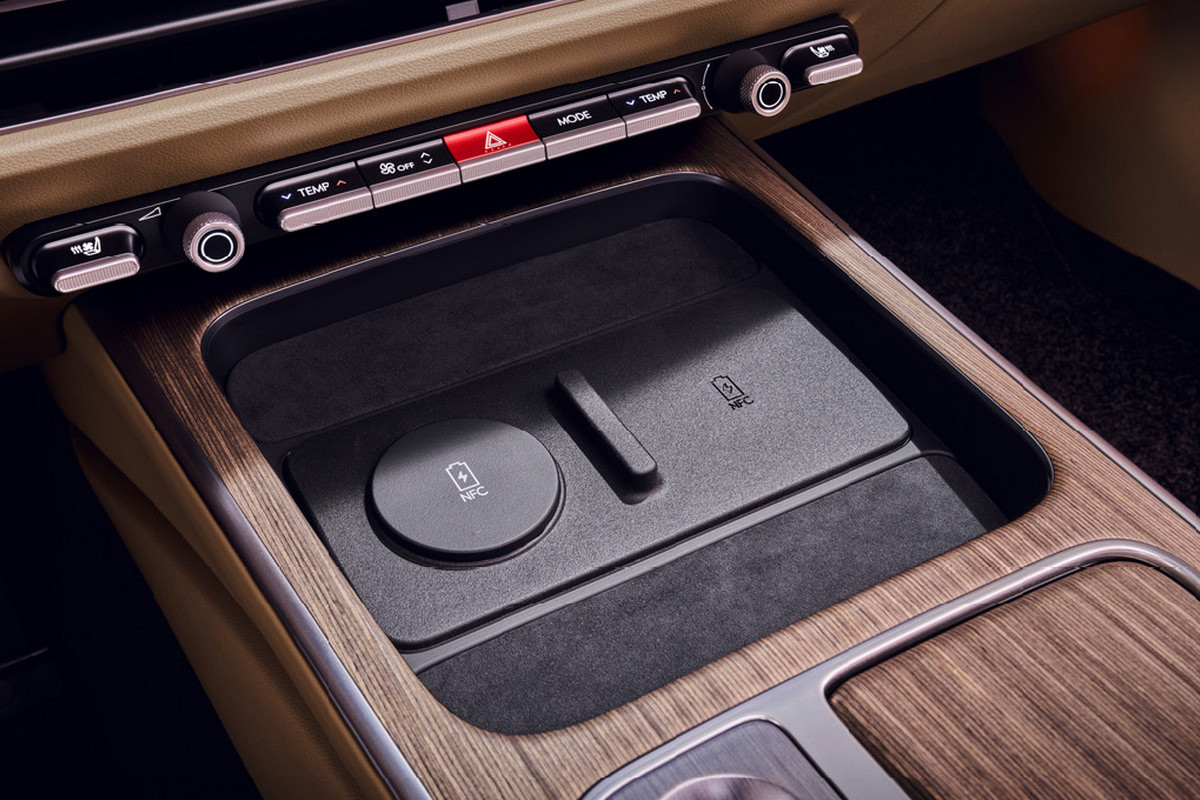
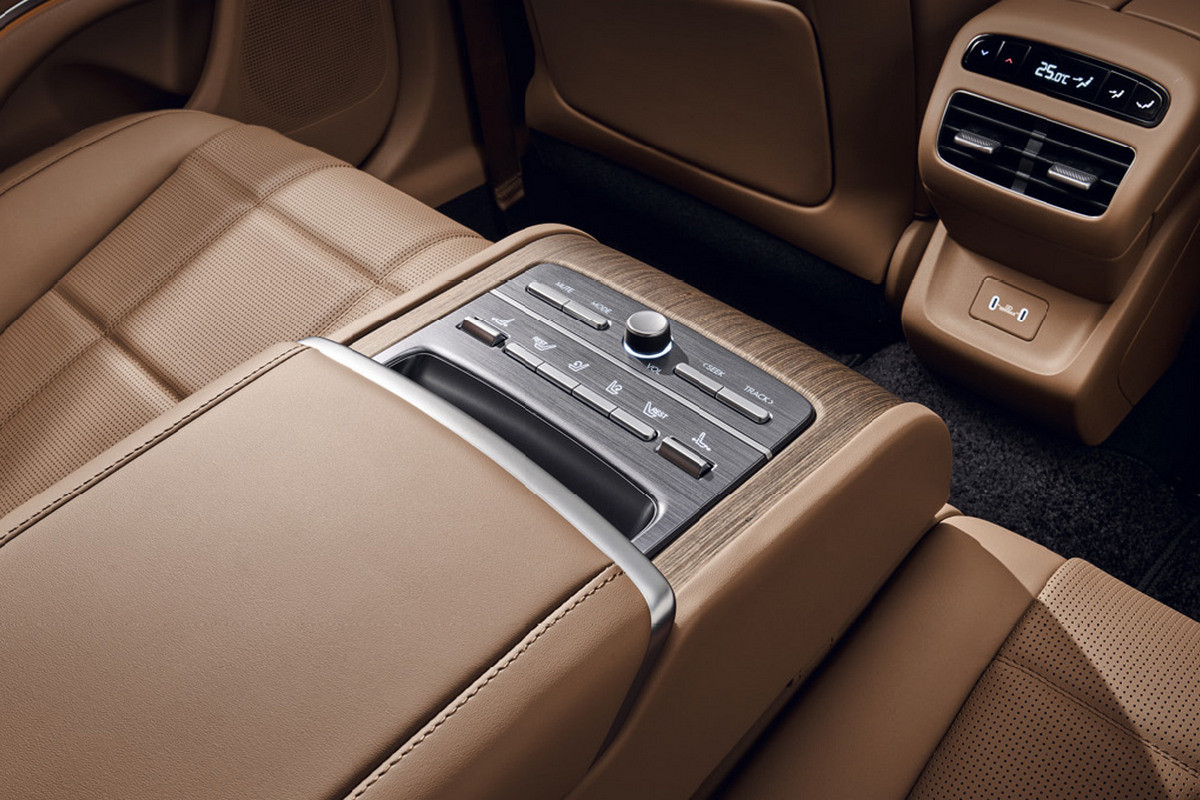
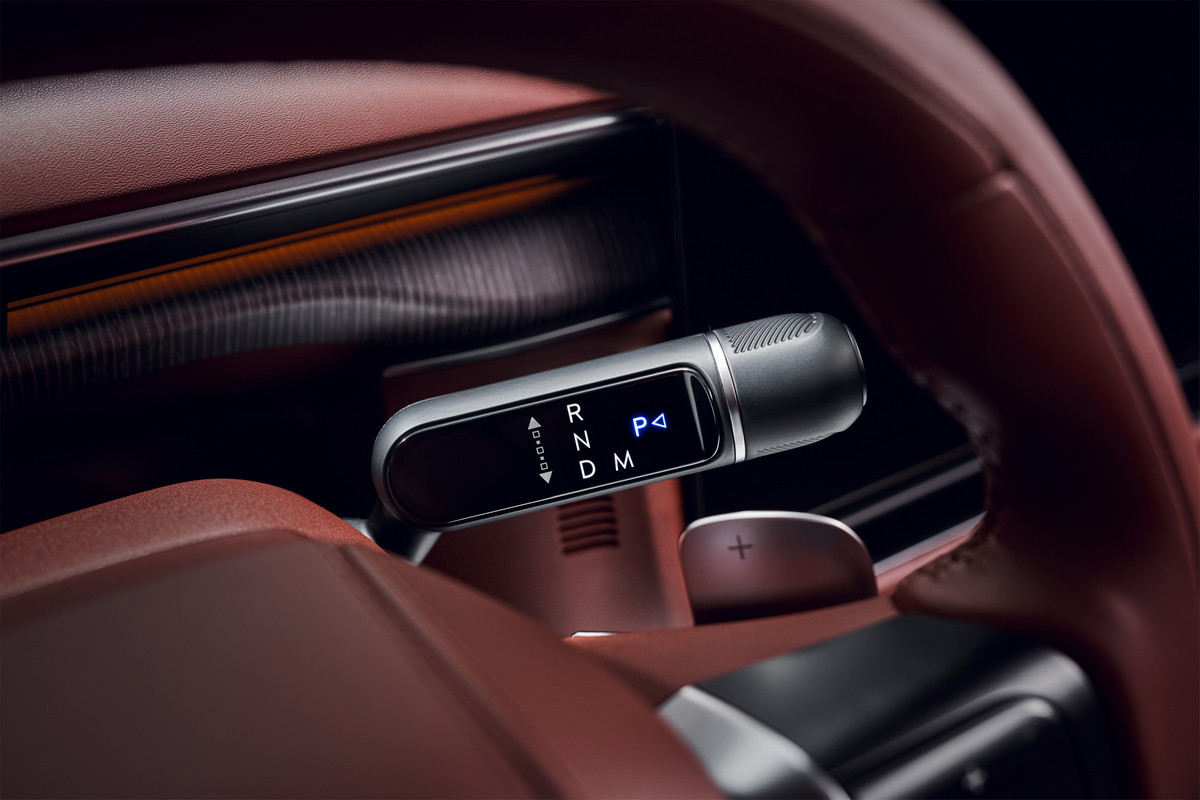
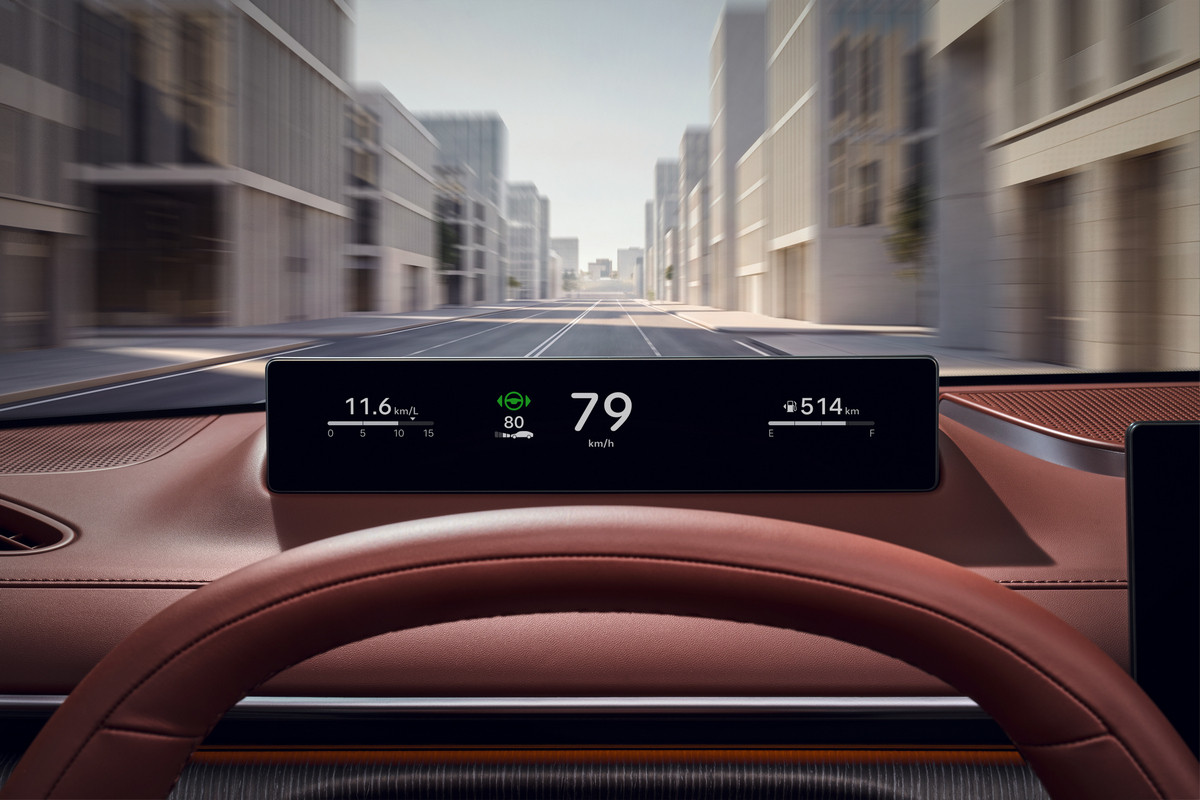
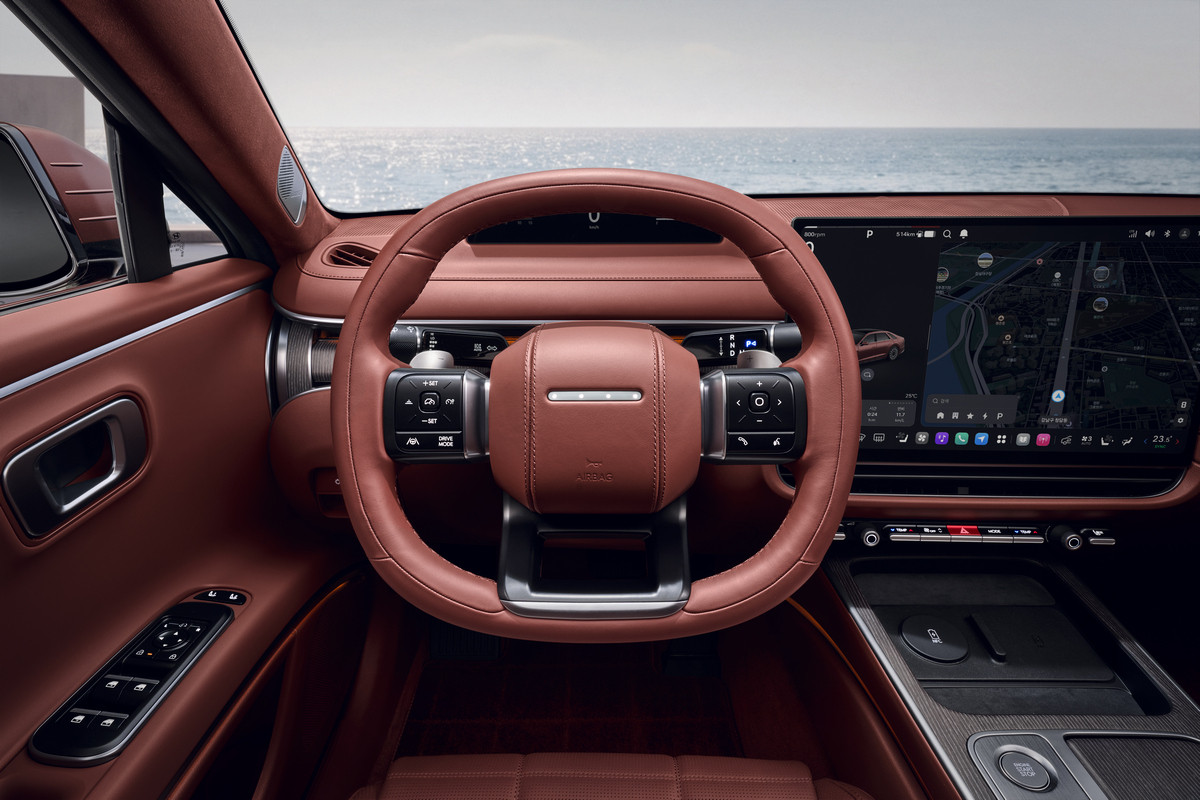
The Grandeur becomes the first Hyundai model to run Android Automotive OS, presented on a 17-inch Pleos Connect infotainment screen. The instrument cluster is repositioned closer to the windscreen, separated visually and physically from the infotainment unit. The touch-sensitive climate panel from the pre-facelift car is gone - replaced by physical buttons, a change that addresses one of the most consistent criticisms of the outgoing interior.
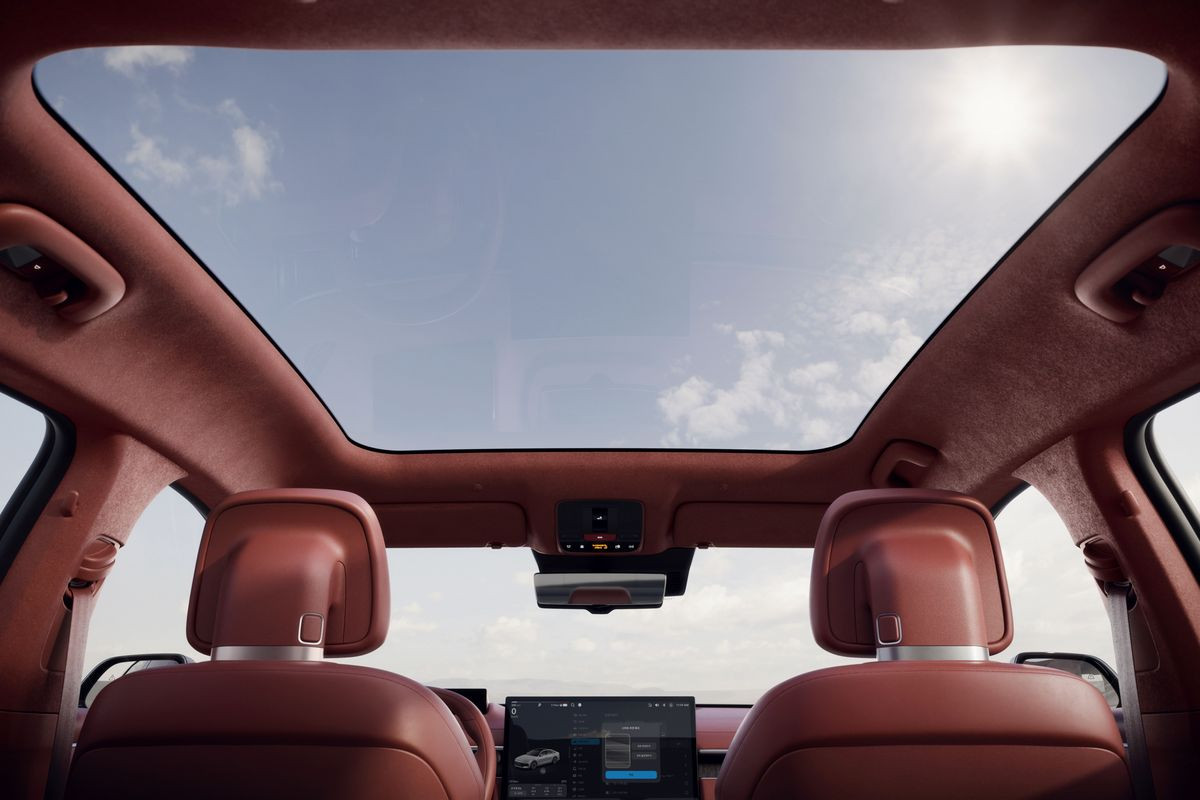
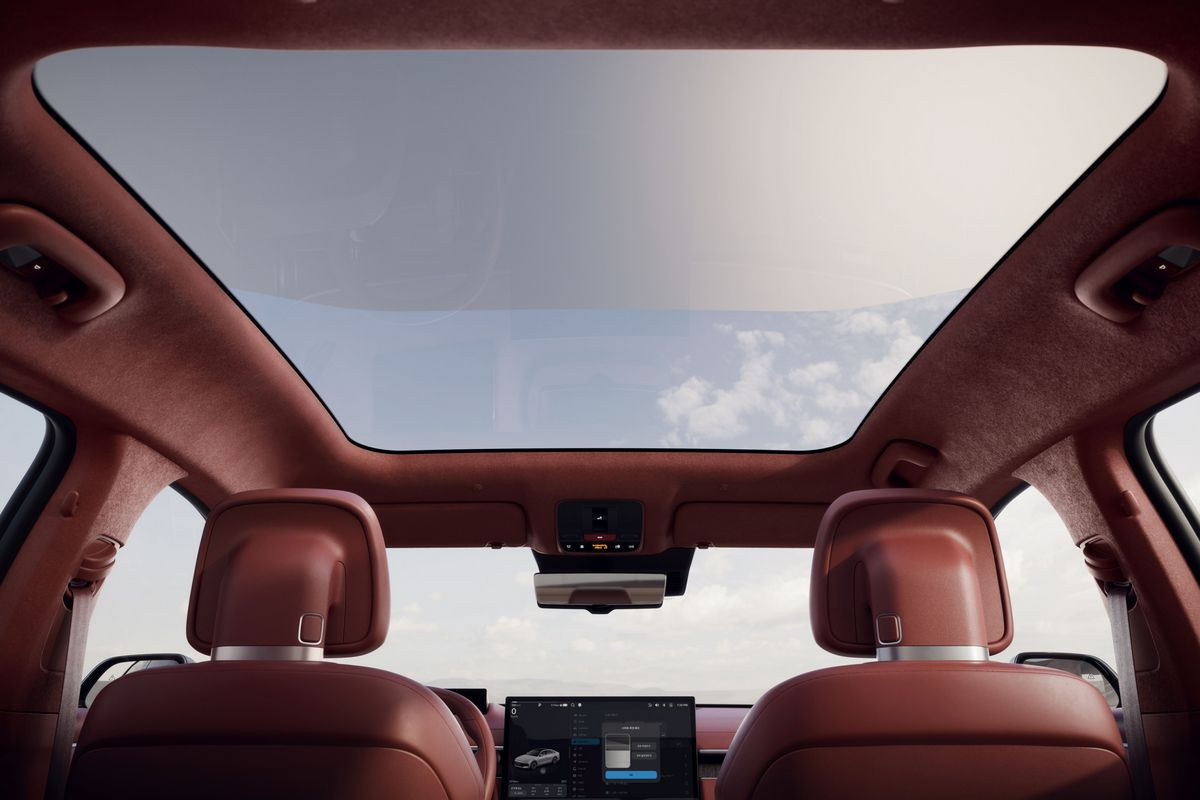
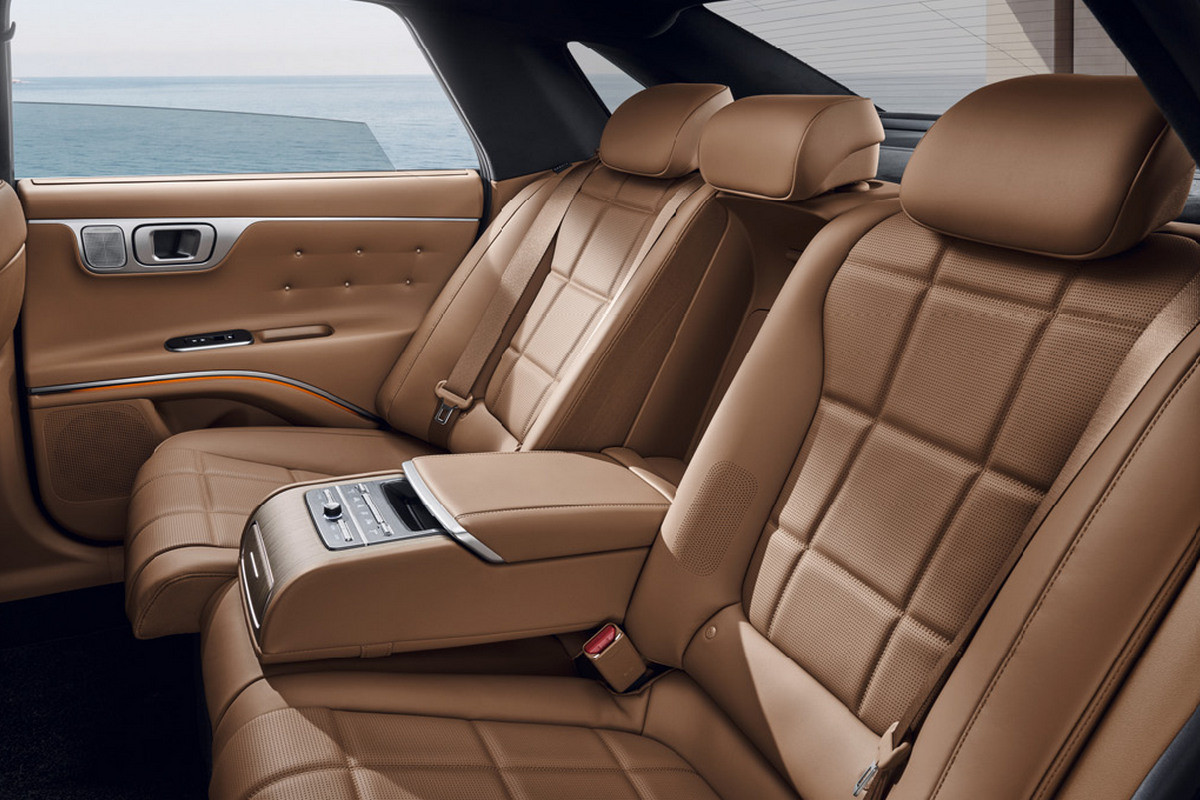
The panoramic roof gains electrochromic dimming divided into six independent zones, a first for any Hyundai. Standard equipment includes 14-speaker Bose audio, a head-up display, and heated and ventilated seats in all positions. An optional front-passenger display screen is available.
Pricing
Orders are open in South Korea. The base price is ₩41,850,000, equivalent to approximately $30,000.

Facelifted Hyundai Grandeur VII - Korea's flagship sedan marks its 40th anniversary with an all-new interior. New HEV system (249 hp), 17" Pleos Connect infotainment on Android Automotive OS, electrochromic panoramic roof with six zones. Orders open in Korea from ₩41,850,000.