This page collects news about the South Korean car industry: model launches, plants, batteries and ownership. The country builds around 4 million vehicles a year, most of them for export, and a single site does an outsized share of it. Hyundai’s Ulsan complex, five plants behind one gate with its own pier and test track, is the largest car factory in the world by capacity. Engineering is concentrated in much the same way, at the Namyang research centre south of Seoul, where the E-GMP electric platform and the group’s engine families were developed. The industry’s second business is cells: LG Energy Solution, SK On and Samsung SDI supply a large share of the world’s electric-car batteries, which is why Korean cells turn up in vehicles from manufacturers with no other Korean connection. Design is the third thing worth knowing. Kia hired Peter Schreyer away from Audi in 2006 and built a house identity around him, the tiger-nose grille included, and Korean cars stopped being sold on price alone in Europe from about that point.
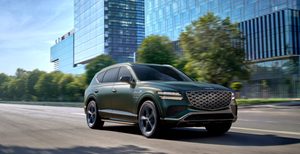
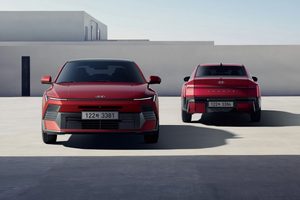
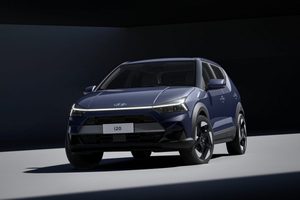
One group accounts for most of what the country builds. Hyundai, Kia and Genesis have ranked third worldwide by volume since 2022, behind Toyota and Volkswagen Group, sharing platforms, engine families and much of the supply chain while keeping their design studios separate, in Korea, Frankfurt and California. The split between the three is deliberate: Hyundai takes the mainstream, Kia leans on design and younger buyers, Genesis handles luxury. Everything else in the industry is smaller and mostly foreign-parented. KG Mobility, the former SsangYong, was renamed in 2023 after the KG Group bought it out of receivership; GM Korea builds for General Motors; Renault Korea is Renault Group’s, with Geely taking about a third of it in 2022.