 Japan
JapanAt Mazda’s Q1 2026 earnings presentation, CEO Masahiro Moro confirmed that the company’s first fully in-house electric vehicle on a dedicated EV platform will not reach production until 2029 - two years later than the 2027 target that had been publicly committed. Development had not progressed to the point of committing factory lines or signing supplier contracts. At the same meeting, Mazda cut its total electrification budget by approximately 40%.
What the revised numbers mean
The budget reduction takes the 2030 electrification spending target from approximately ¥1.9 trillion ($12.5 billion) to ¥1.1 trillion ($7.5 billion). For context: Hyundai Motor Group has committed $26 billion to EV and battery investment in the United States alone; Toyota has announced $14 billion in US battery investment.
Mazda’s revised EV volume target is 200,000–250,000 units by 2030, representing roughly 15% of projected total sales. The previous target was 25–40% EVs by the same date. Mazda sold approximately 1.27 million vehicles in 2025; even the revised 15% EV share requires the company to sell more electric vehicles in four years than it sells today across all powertrains.
What replaces the delayed programme
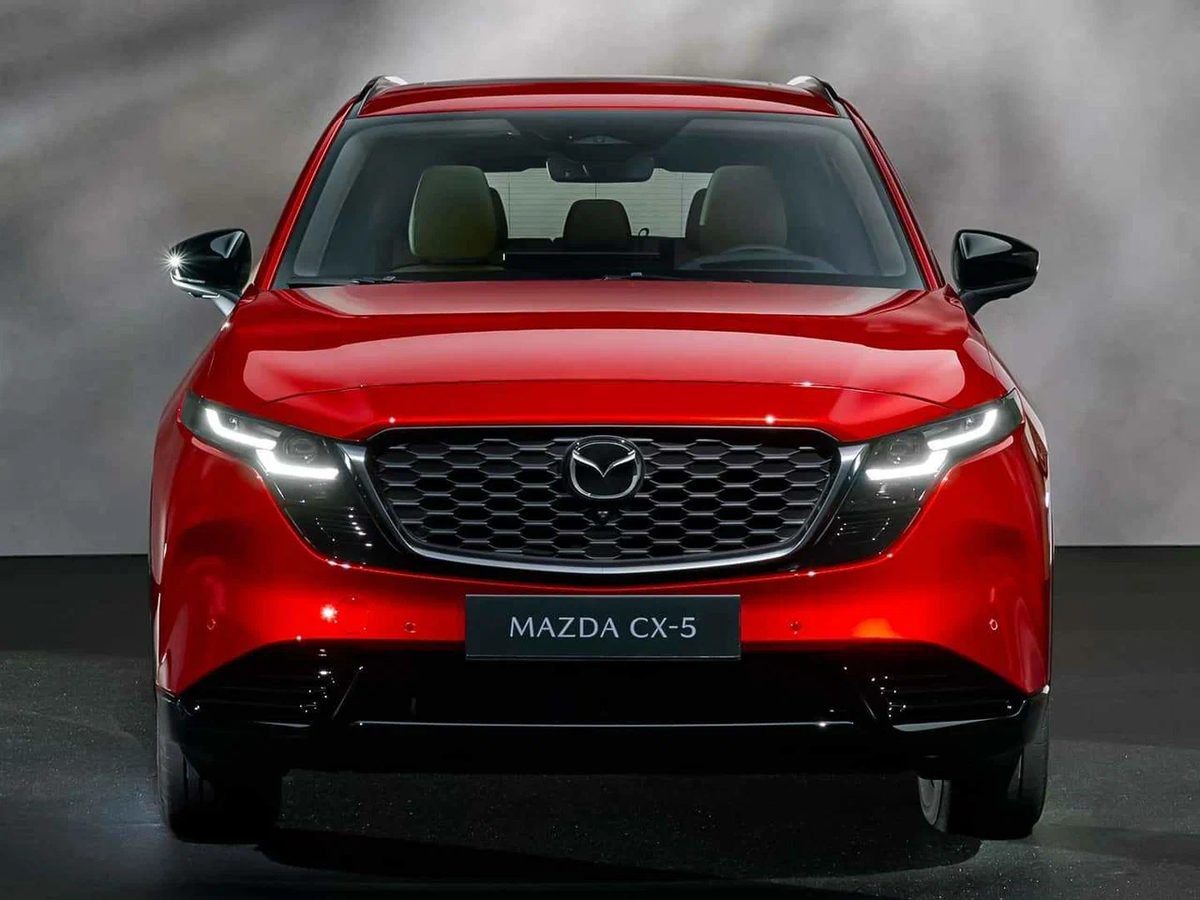
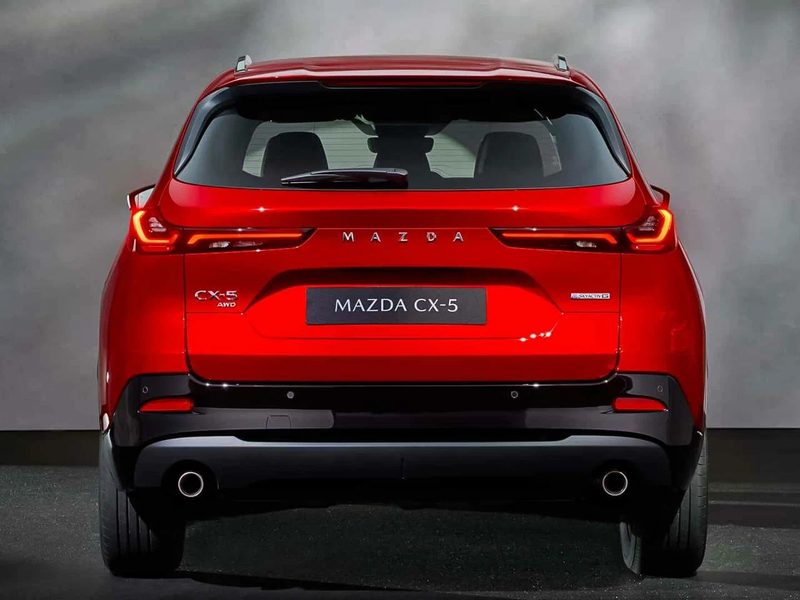
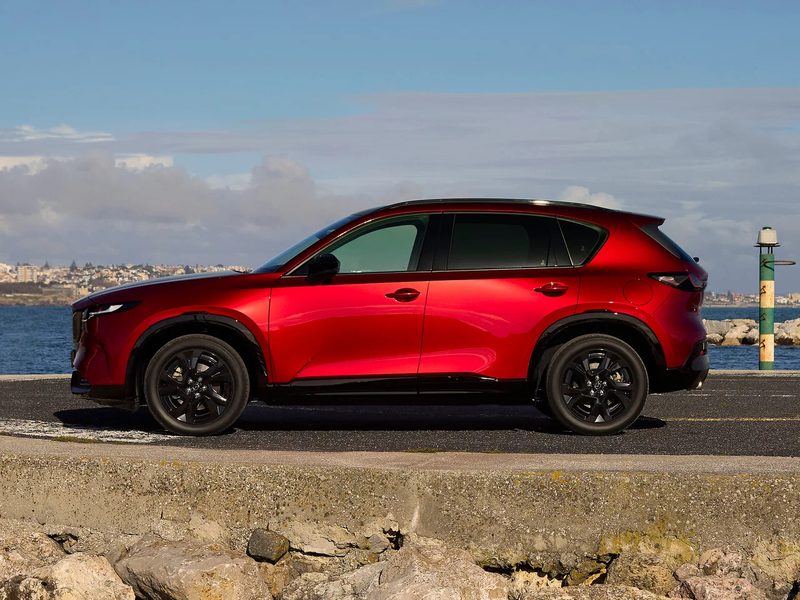
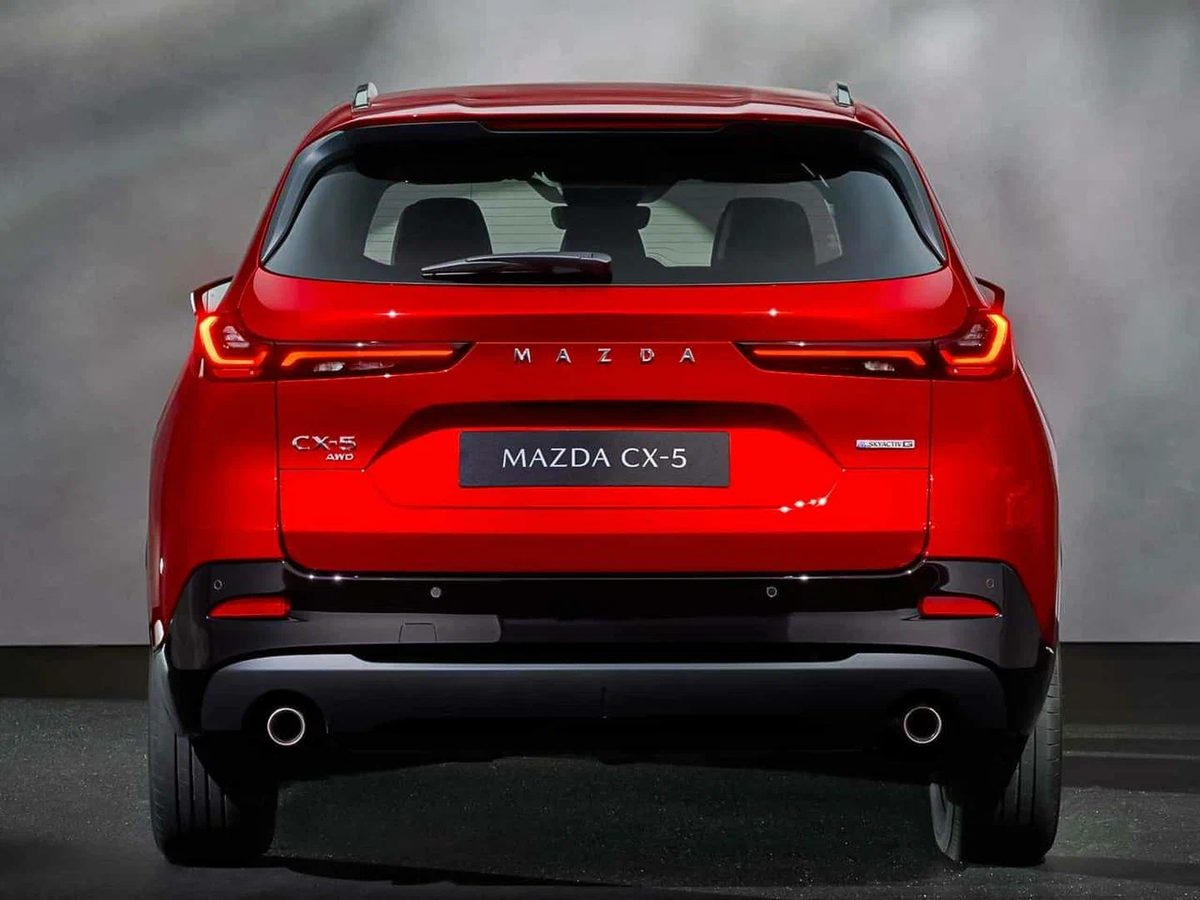
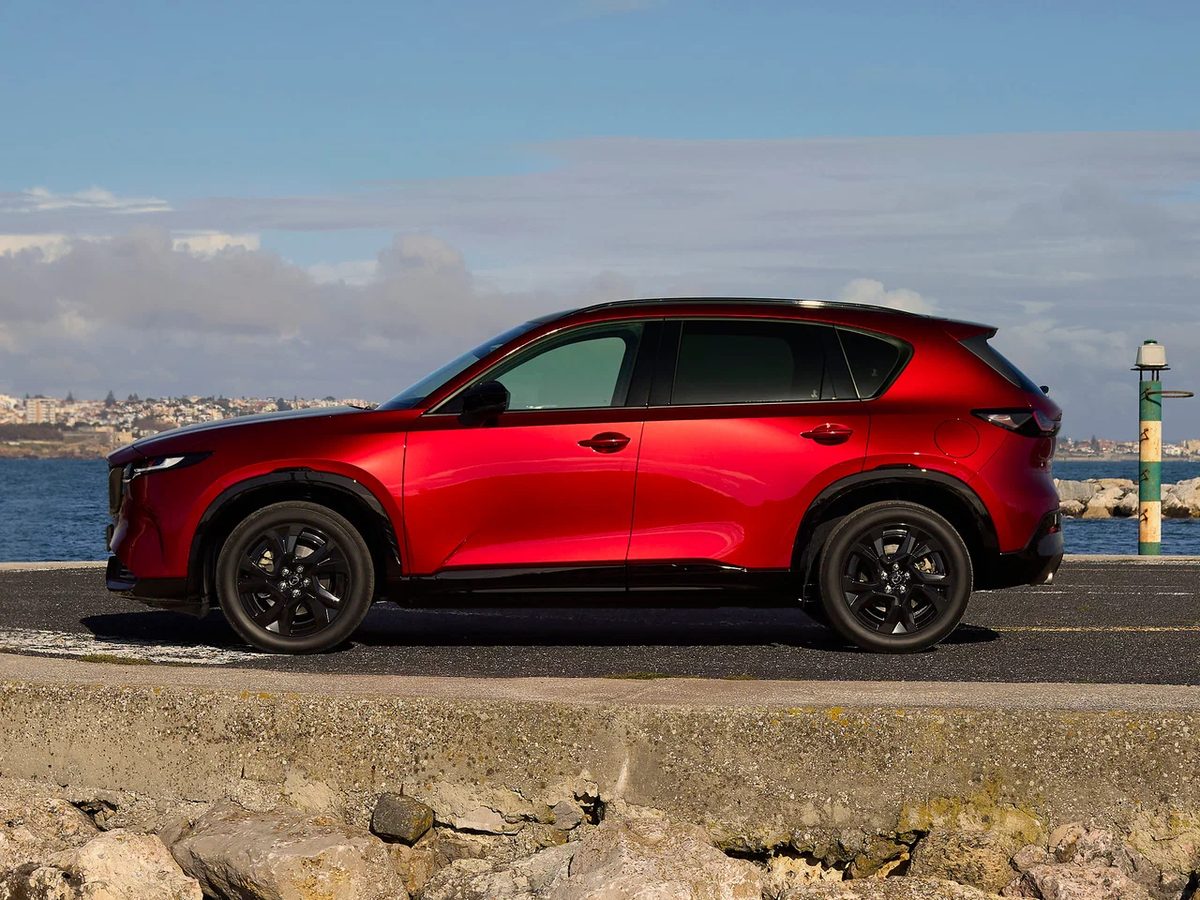
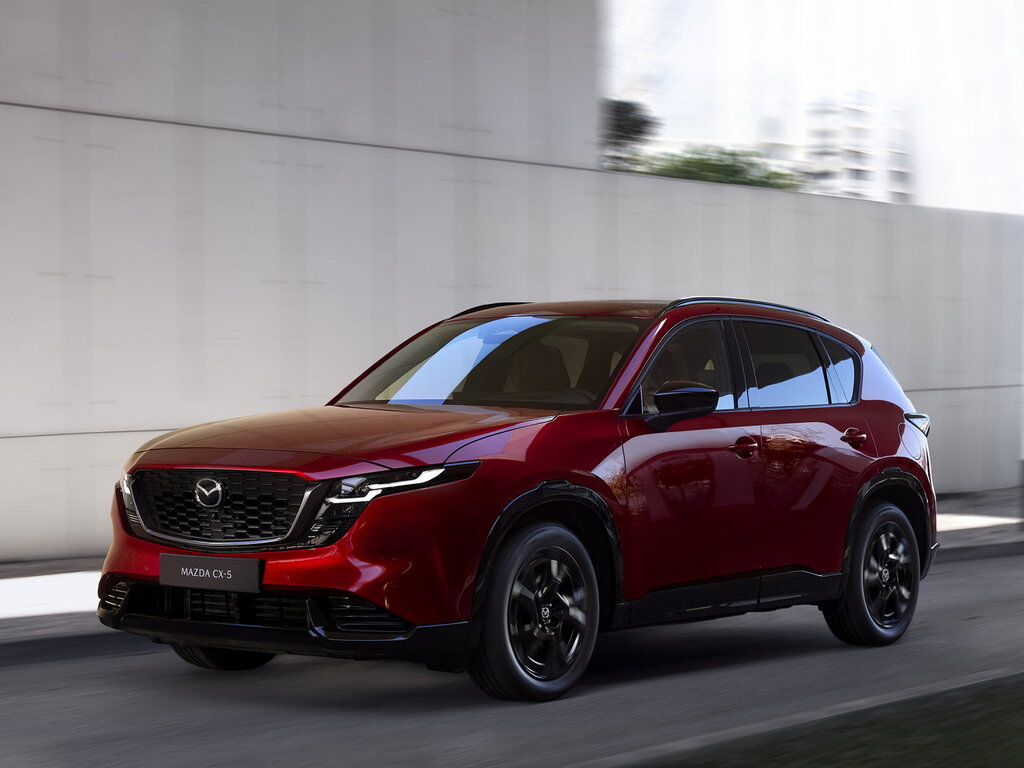
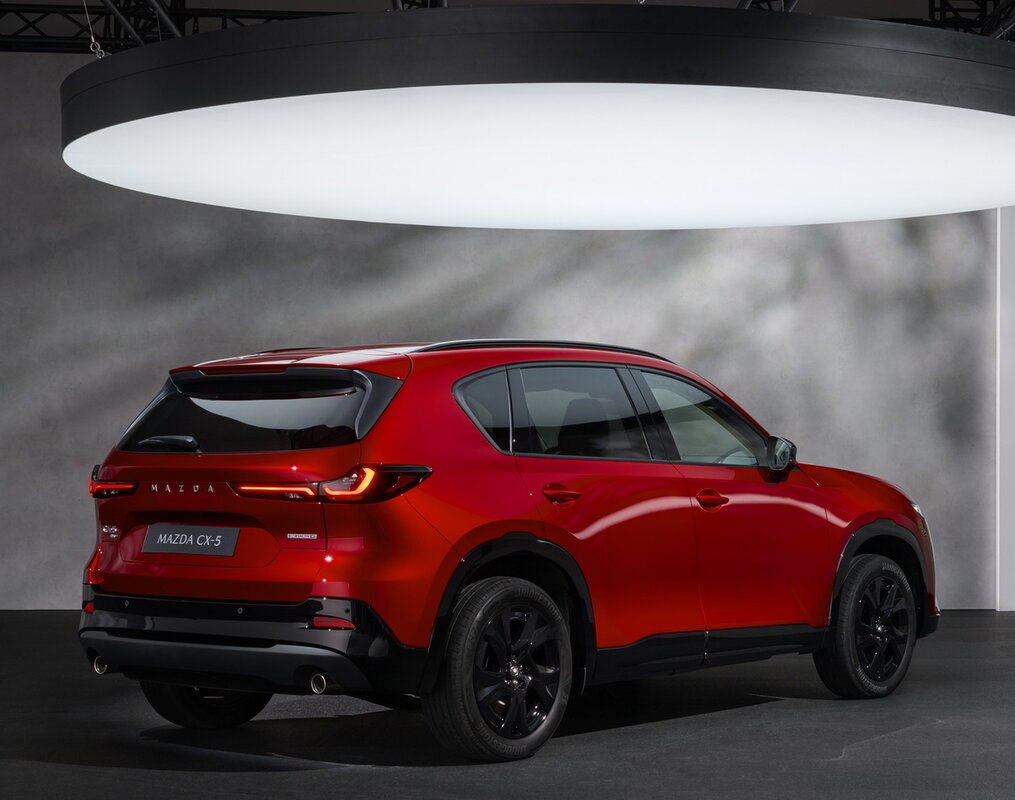
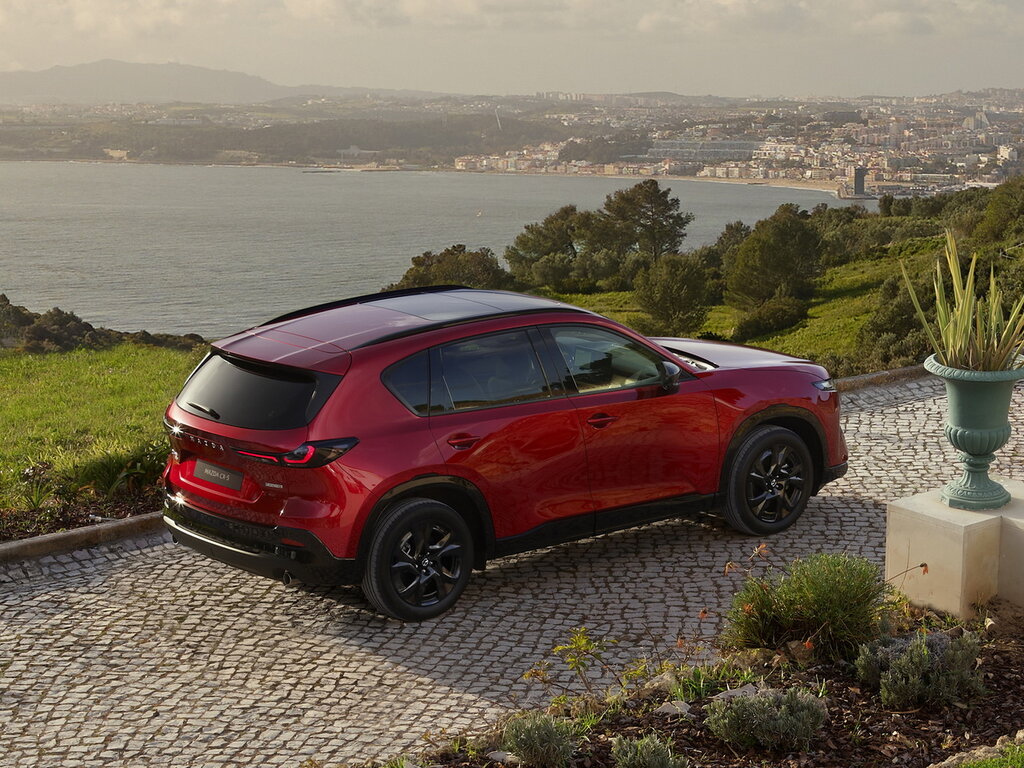
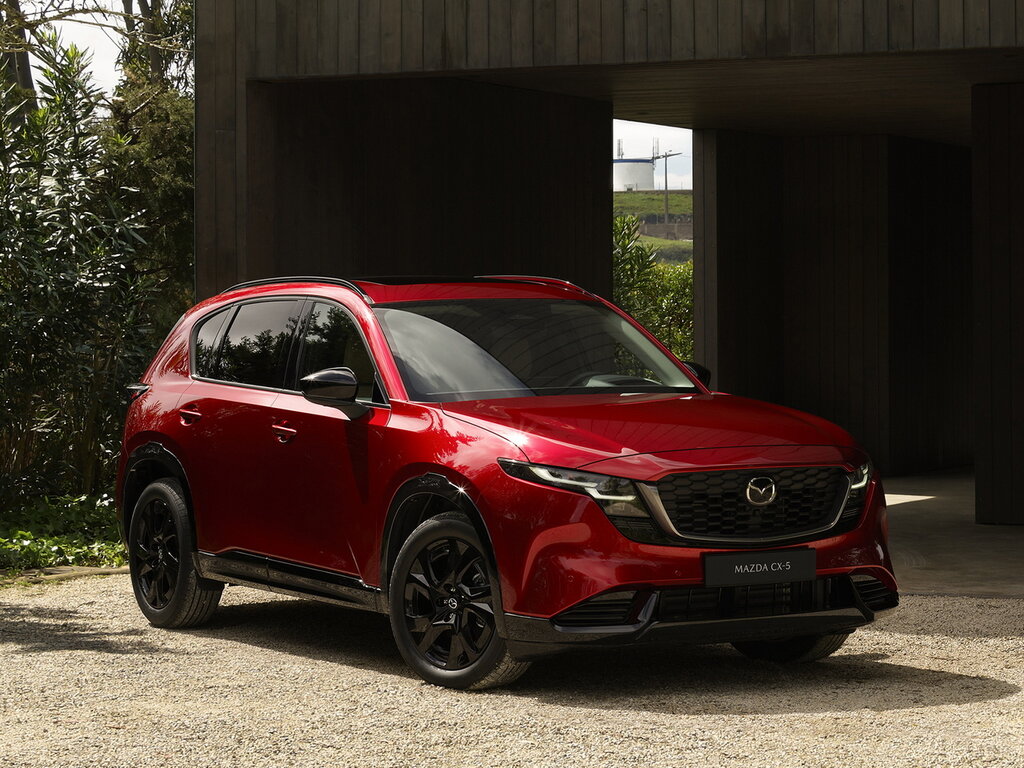
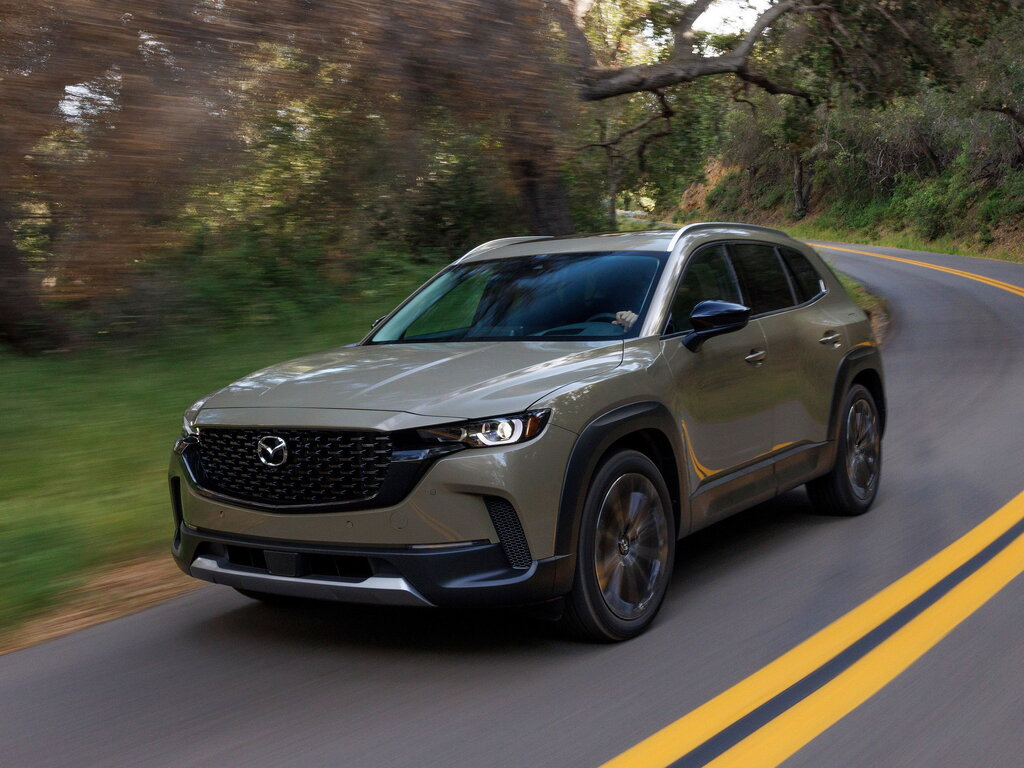
Mazda’s answer for the near term is its own hybrids. The CX-5, Mazda’s highest-volume global model, will receive a hybrid powertrain using the Skyactiv-Z engine in 2027. Three additional hybrid models are planned before 2030. Mazda has not confirmed whether these will use Toyota-licensed hybrid technology or a proprietary system; the Skyactiv-Z is an in-house development.
The China stopgap for Europe
European market EV demand will be covered by two models developed through Mazda’s partnership with Changan Automobile and produced in China: the EZ-6 sedan-crossover and the EZ-60 SUV. Both carry Mazda design and interiors over Chinese EV architecture. The EZ-6 has launched in several European markets; the EZ-60 follows.
The framing
Moro’s public positioning is careful. Ford, GM, and Stellantis have each written off billions on electric programmes they later cancelled. Mazda characterises its position as financial discipline rather than delay. The argument is that by not committing to factory tooling or supplier contracts, Mazda avoided the write-offs that competitors are now reporting.
Whether that framing holds depends on where EV demand and regulation land by 2029. If the European Commission’s 2035 combustion ban remains in force, a company with no in-house EV platform in production by 2029 has very little margin.