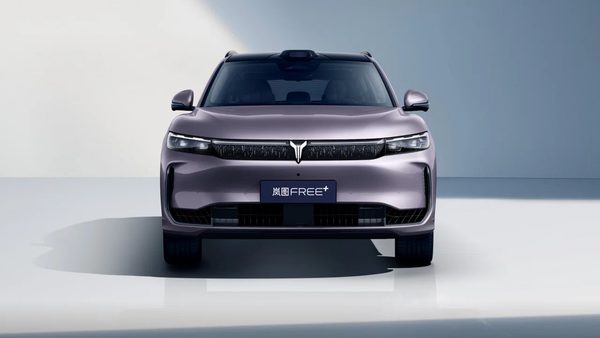
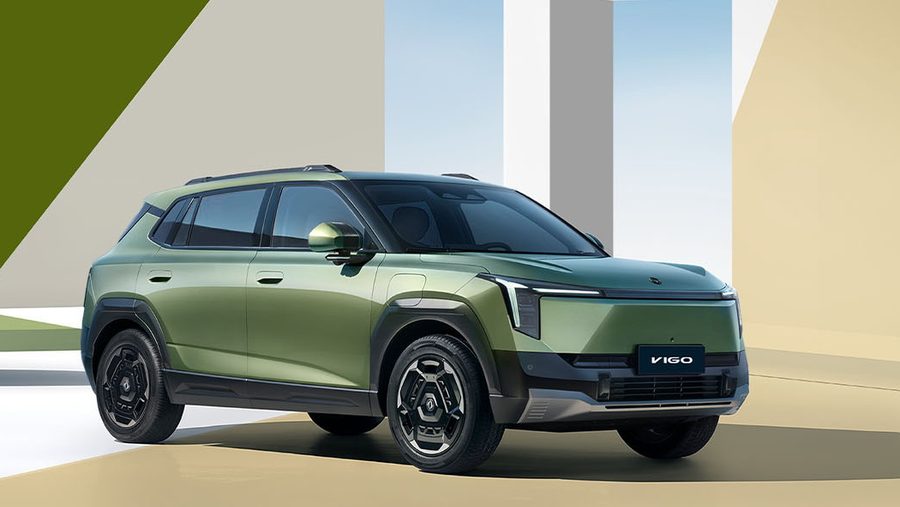
The Dongfeng Vigo is a compact electric SUV built on Dongfeng's Quantum Architecture S3 platform, sold in China as the Nammi 06. A single front motor drives the front wheels with LFP batteries of 44.94 or 51.87 kWh, giving up to 471 km of CLTC range (about 340 km WLTP). It launched in China in May 2025 and has since reached export markets including Singapore, Malaysia, the Philippines, and South Africa.
Dongfeng
Central state-owned automaker headquartered in Wuhan, founded in 1969 as a truck maker. Builds combustion, hybrid, and electric vehicles under its core Dongfeng badge and export nameplates such as the Vigo, alongside sibling brands Voyah, Nammi, and Mengshi and joint ventures with Honda and Nissan.
Dongfeng models
News about Dongfeng
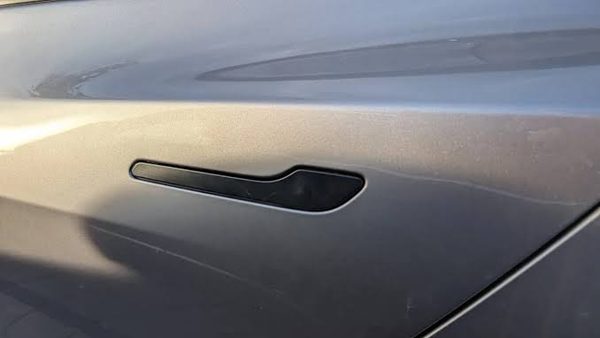
China's market regulator has ordered nearly 4.3 million vehicles from 11 manufacturers back for a fix, the largest recall in the country's history. The fault is the emergency door release inside the cabin, which occupants and rescuers may not find after a crash cuts the power. Tesla accounts for about 2.98 million cars.
Stellantis and Dongfeng signed a memorandum to create a 51/49 European joint venture. Voyah vehicles will be assembled at the Citroën plant in Rennes, currently running below 25% capacity.
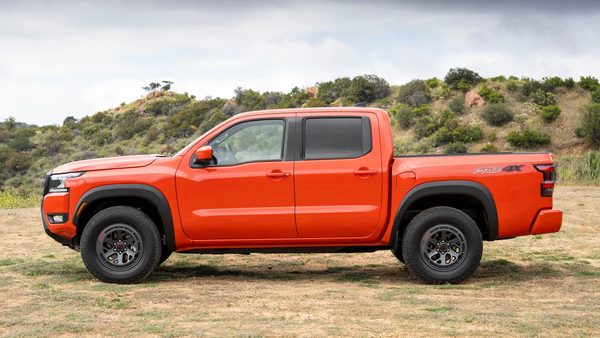
The Navara Pro for the Middle East is actually the Chinese-market Frontier Pro under a different name. Here's how Nissan's pickup lineup currently maps across markets.
Explainers
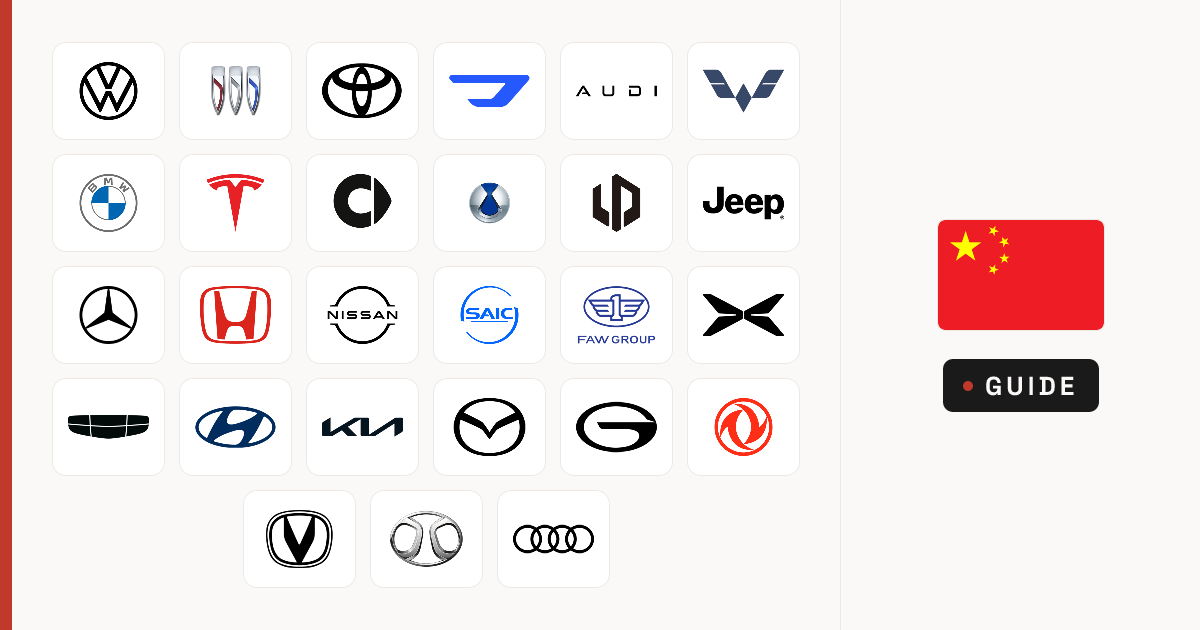
The Volkswagens sold in China are built by two companies, and one of them is Chinese. That arrangement started in 1983 as a condition of entry, and it has since produced badges that exist nowhere else: Jetta, Wuling, and AUDI in block capitals with no rings. Who holds which half, which brands the ventures invented for themselves, and which of the old partnerships have quietly ended.
Aion is GAC, Jaecoo and Omoda are Chery, Deepal is Changan, Nammi is Dongfeng. Ten Chinese brands whose names do not carry the parent company, grouped by how each one relates to its owner: brands sold only outside China, recent badges on long-established state groups, brands two levels below the group, and one that Huawei supplies but does not own.
China's car market runs on a handful of giant groups, each fielding a stack of brands. Here is who owns what - the parent companies, the sub-brands, the Huawei alliance, and why the chart keeps changing.
Dongfeng Motor Corporation is a central government-owned automaker headquartered in Wuhan, founded in 1969 as a truck manufacturer. It is one of China’s “Big Four” state-owned carmakers and has run joint ventures with Honda, Nissan, and Peugeot-Citroen for decades alongside its own-brand vehicle lineup.
The core Dongfeng badge covers combustion, hybrid, and electric SUVs, sedans, and MPVs, including export nameplates such as the Vigo compact electric SUV, sold domestically as the Nammi 06. Dongfeng’s newer-energy strategy also runs through sibling brands: Voyah, a premium EV line, and Nammi, a small-EV brand aimed at the domestic Chinese market.