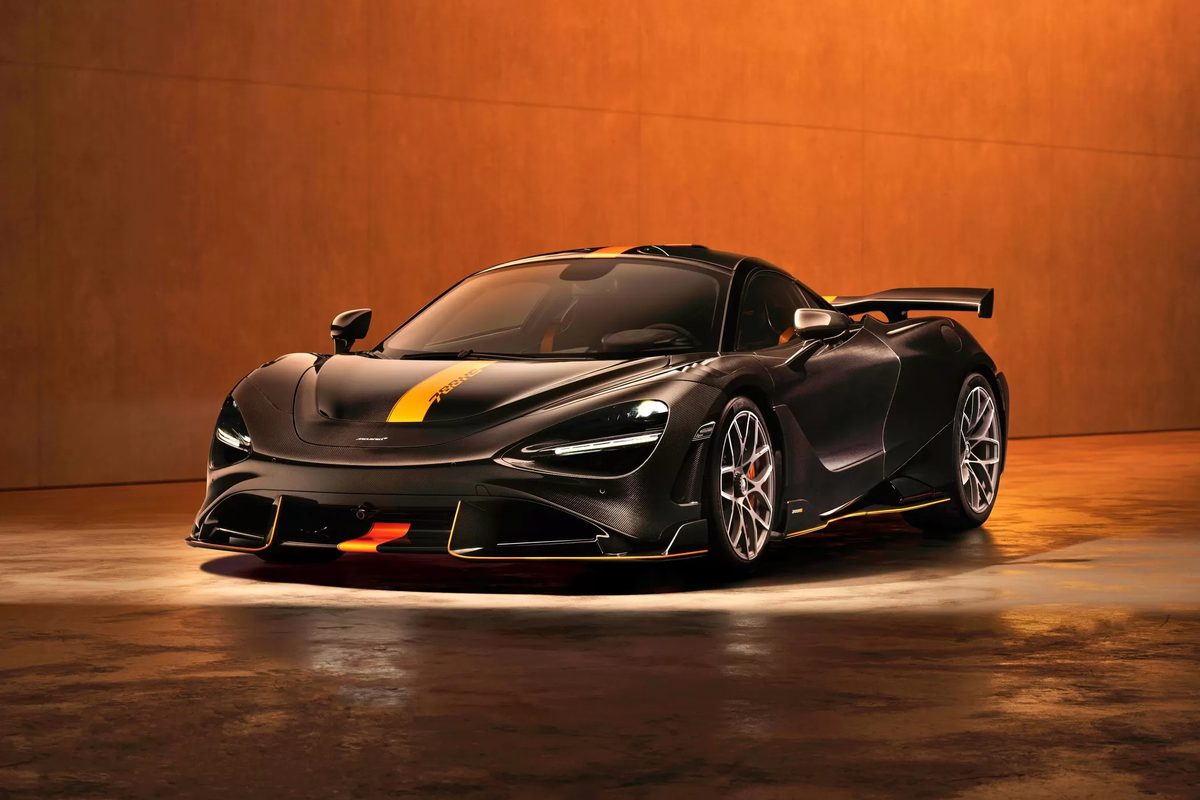
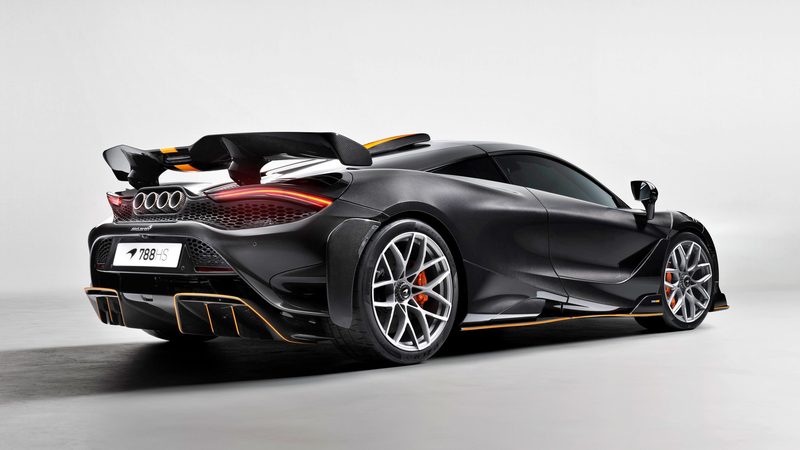
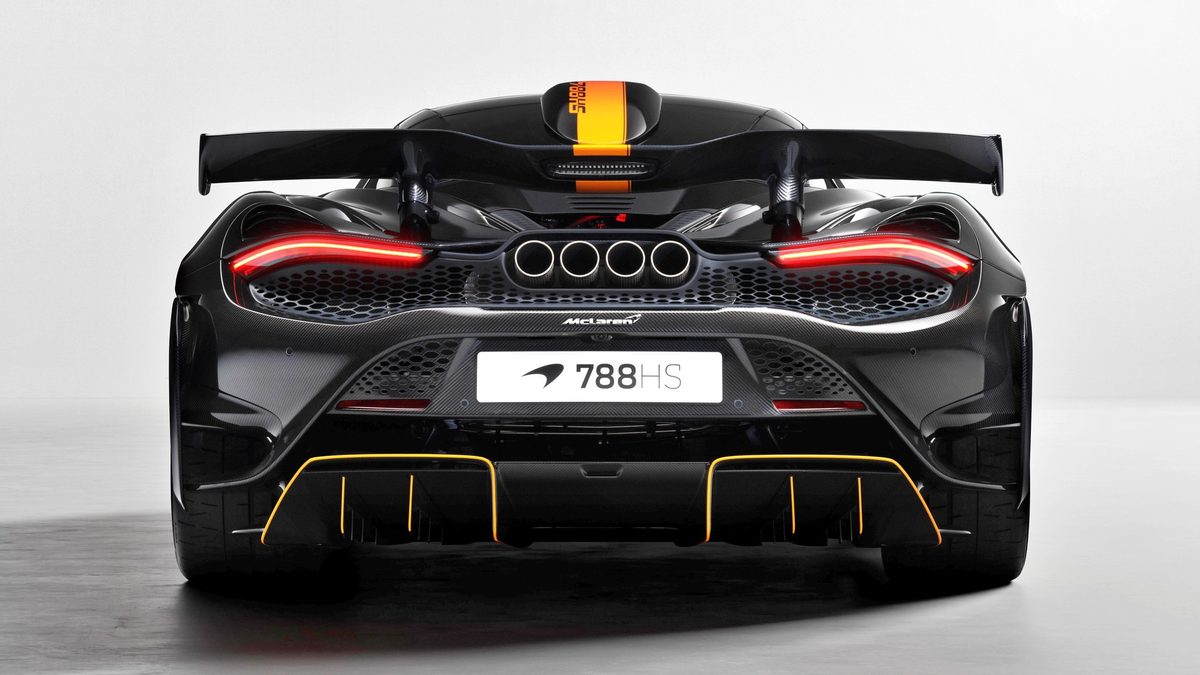
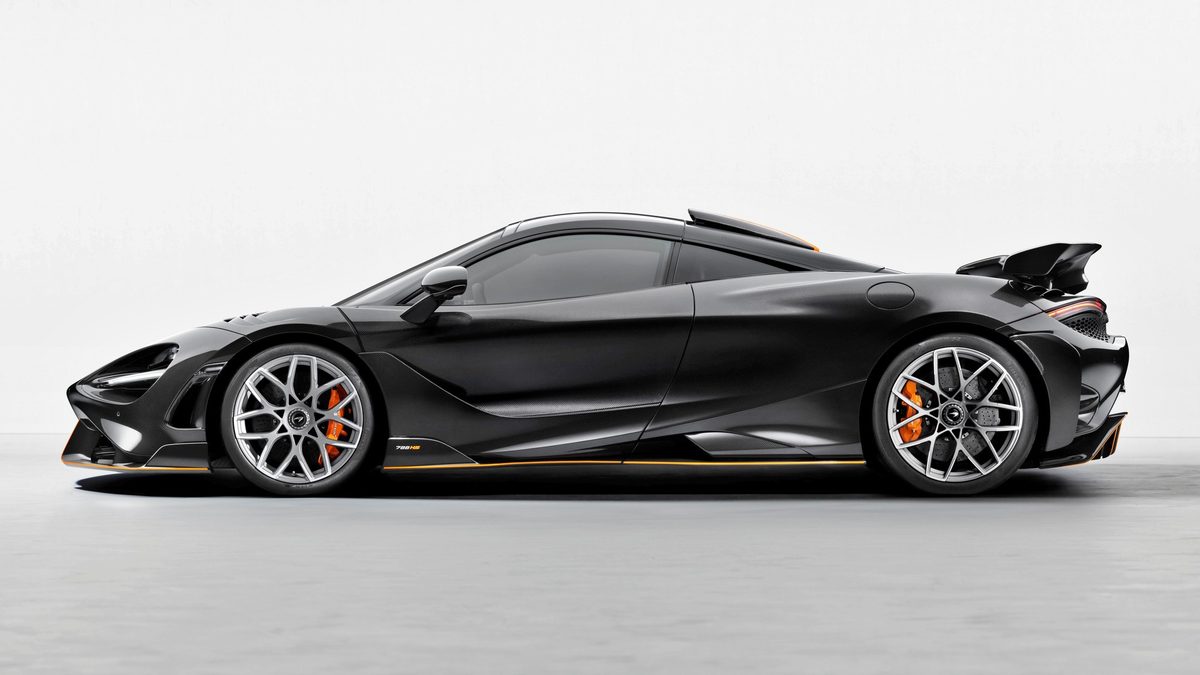
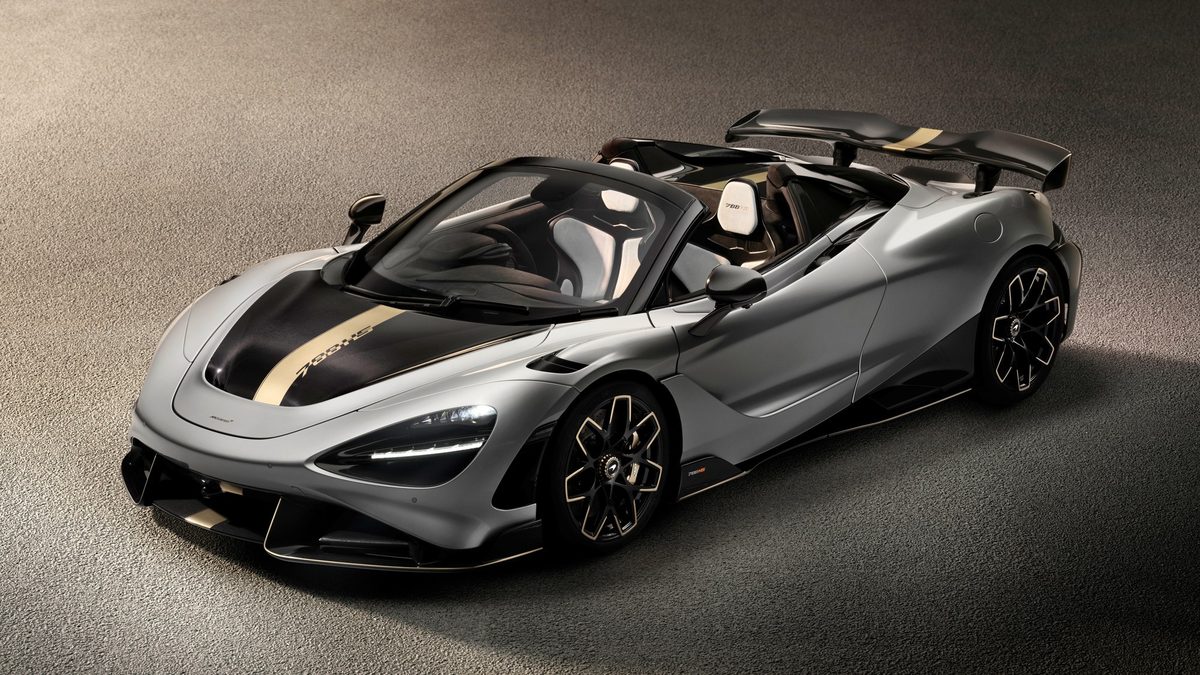
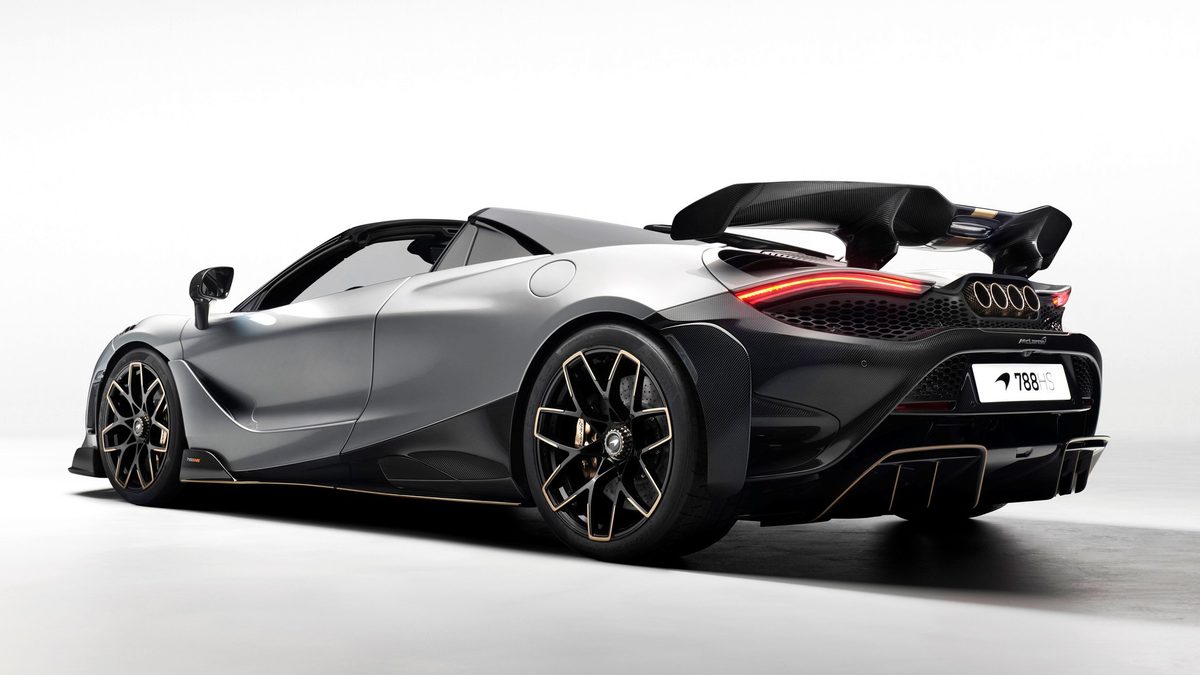
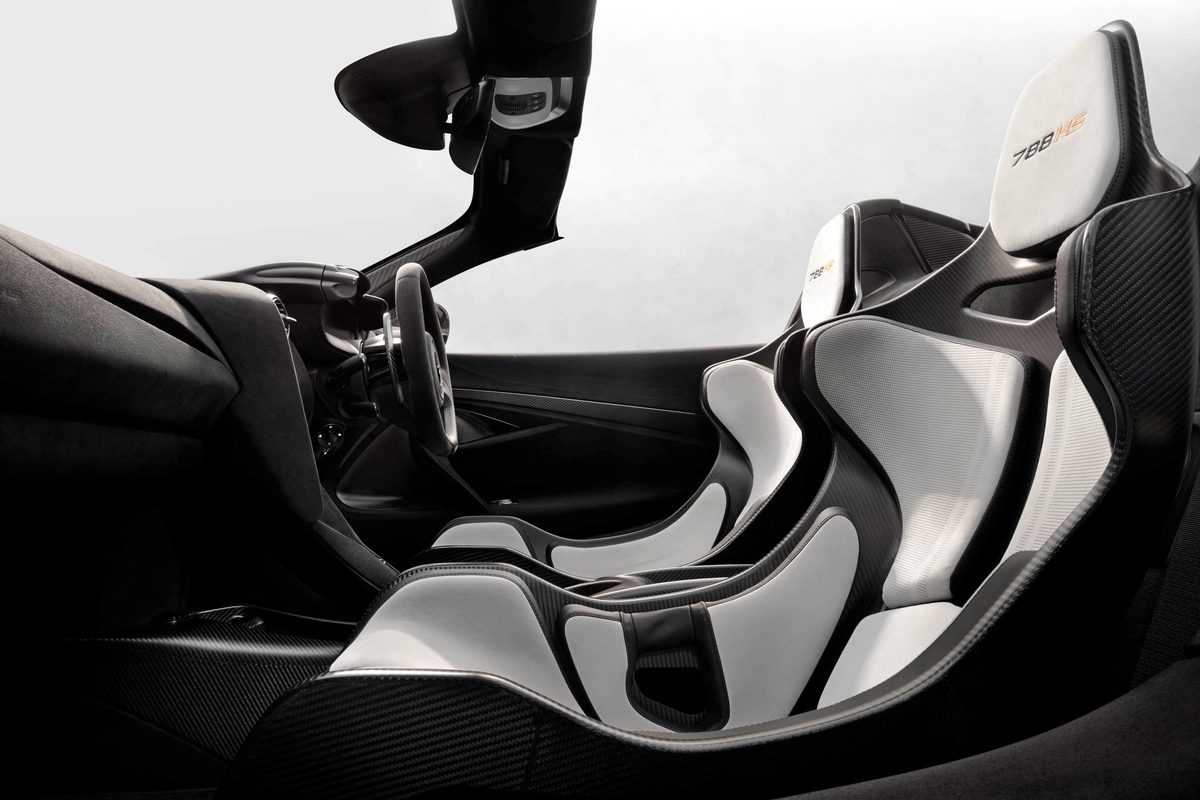
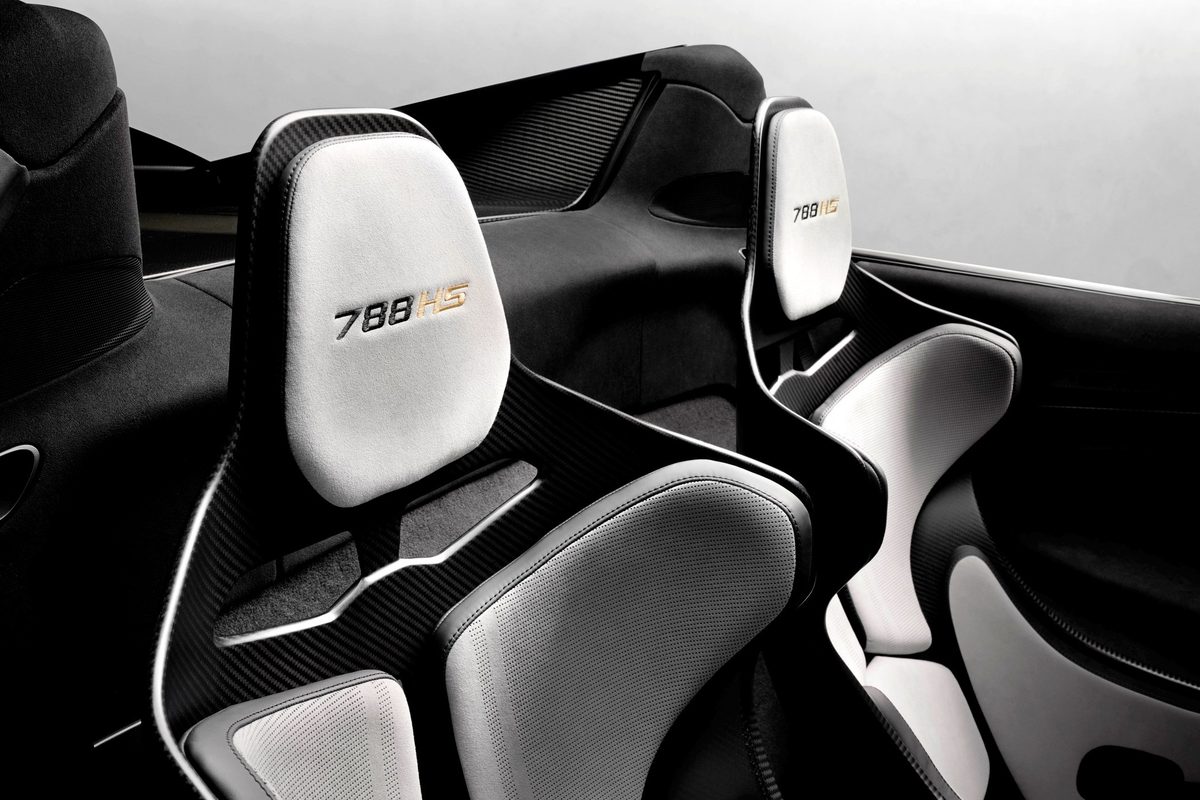
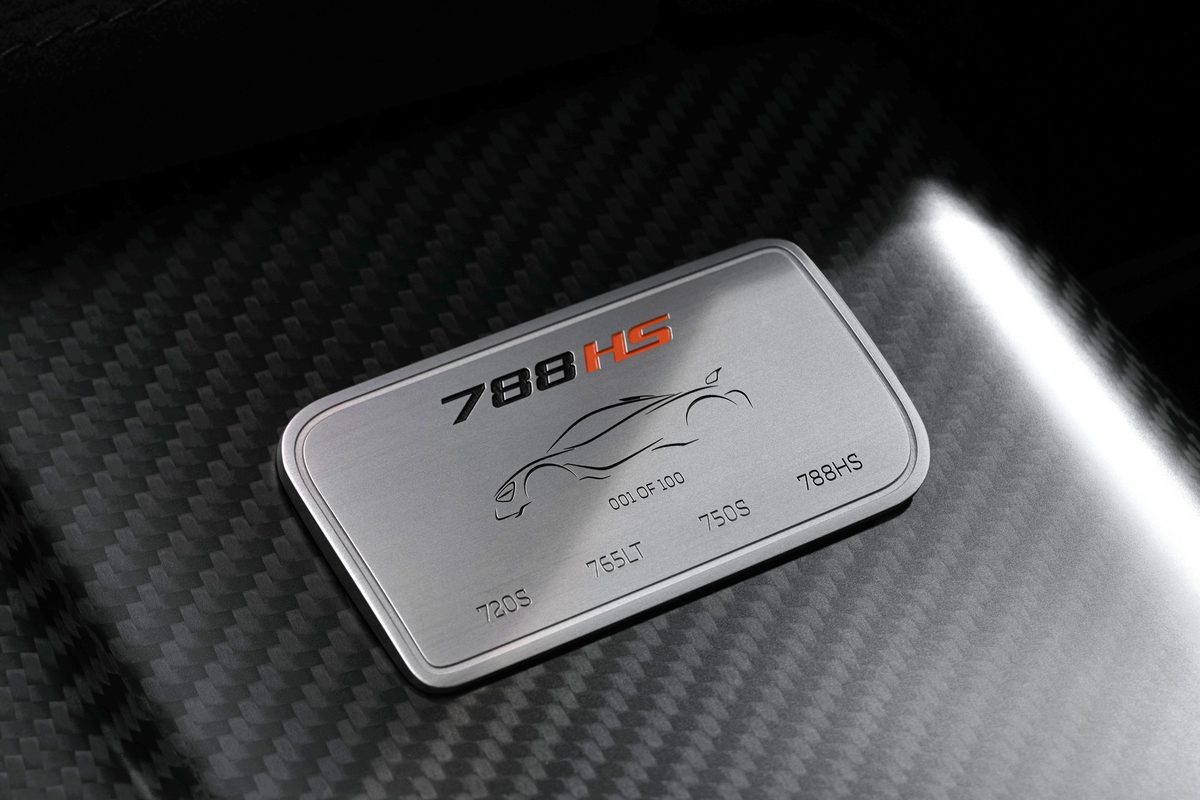
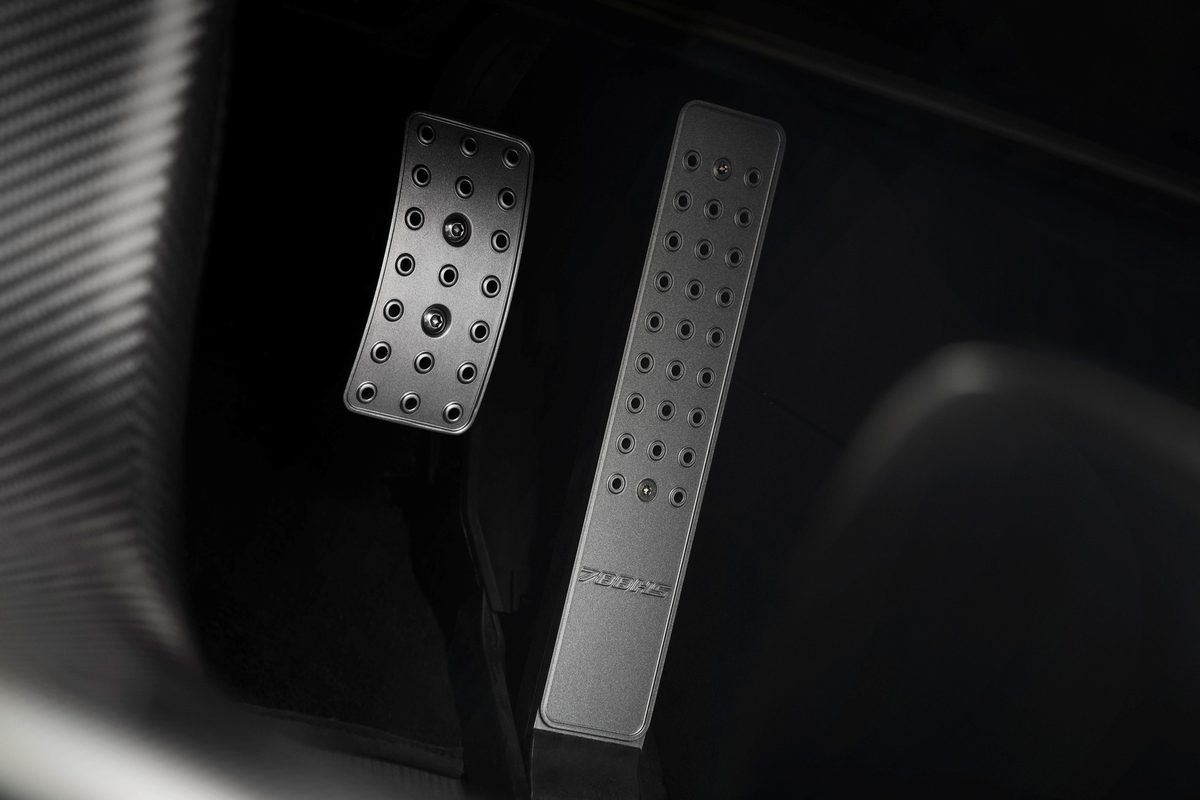
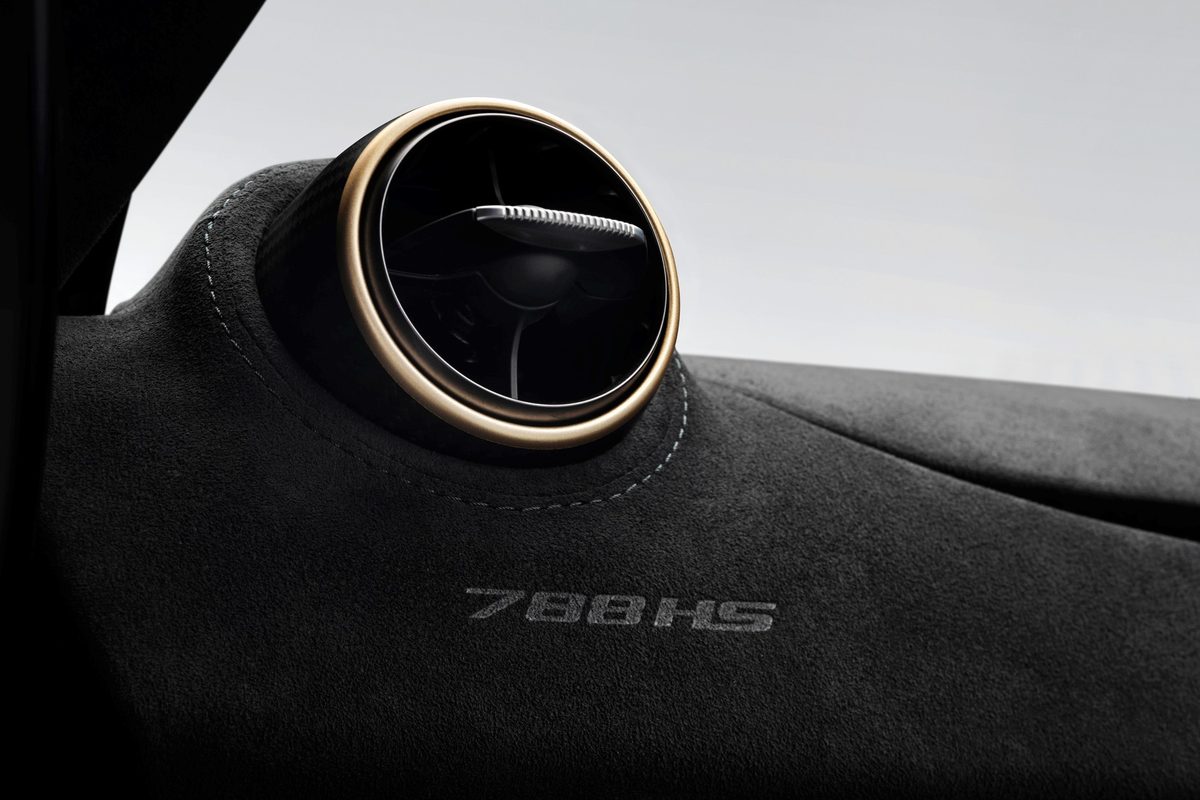
McLaren McLaren 788HS - photo 1
McLaren McLaren 788HS - photo 2
McLaren McLaren 788HS - photo 3
McLaren McLaren 788HS - photo 4
McLaren McLaren 788HS - photo 5
McLaren McLaren 788HS - photo 6
McLaren McLaren 788HS - photo 7
McLaren McLaren 788HS - photo 8
McLaren McLaren 788HS - photo 9
McLaren McLaren 788HS - photo 10
McLaren McLaren 788HS - photo 11
McLaren McLaren 788HS - photo 12
McLaren McLaren 788HS - photo 13
McLaren McLaren 788HS - photo 14
McLaren McLaren 788HS - photo 15
McLaren McLaren 788HS - photo 16
McLaren McLaren 788HS - photo 17
McLaren McLaren 788HS - photo 18
McLaren McLaren 788HS - photo 19
McLaren

McLaren 788HS

ICE Coupe/Spider Announced
Price
TBA

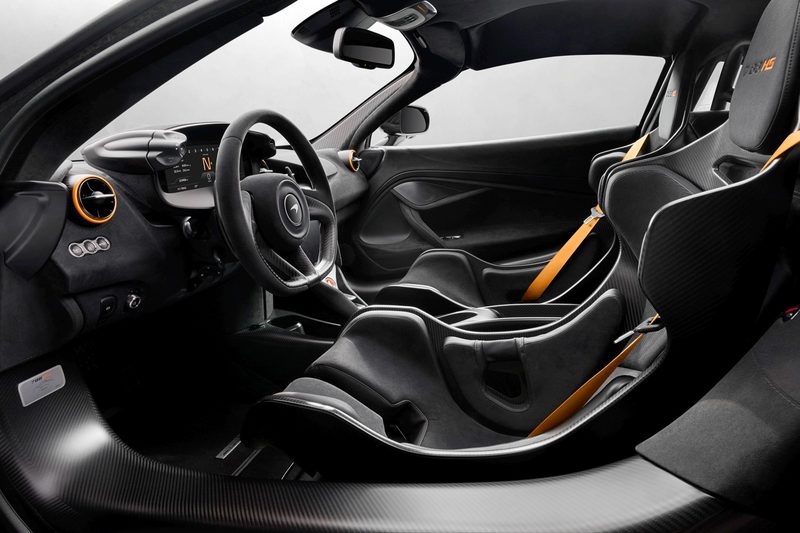
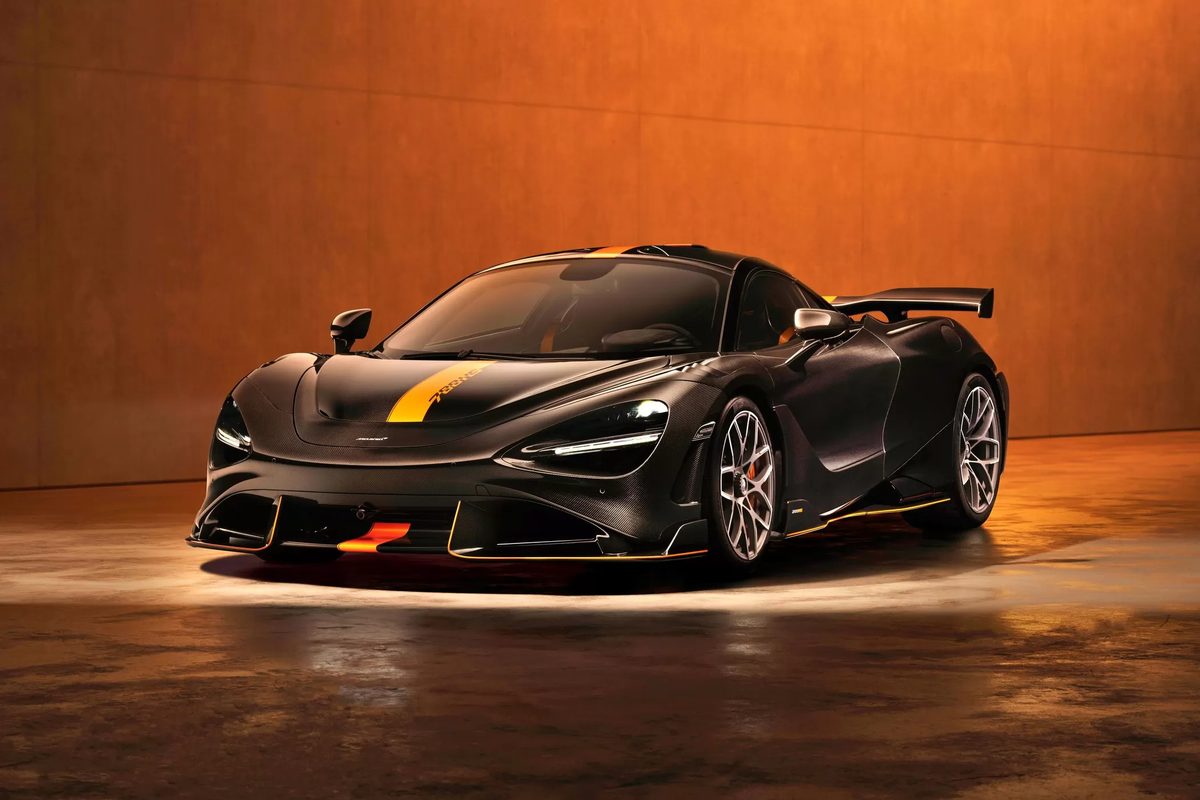
The most extreme evolution of McLaren's 720S-generation supercar, and its last. A 4.0L twin-turbo V8 makes 788 hp and 800 Nm, dry weight is 1,265 kg, and 0-100 km/h takes 2.8 seconds. Limited to 200 cars - 100 Coupe, 100 Spider.

788hp
Power
2.8s
0–100
330km/h
Top speed
RWD
Drive
Overview

The 788HS is McLaren’s send-off for the supercar generation that started with the 720S in 2017. It carries the same twin-turbo V8 platform through the 765LT and 750S, and McLaren is billing it as the final and most powerful road car this architecture will produce before a new supercar generation replaces it.

Powertrain: The 4.0-litre twin-turbo V8 M840T gets forged pistons and is tuned to 788 hp at 7,500 rpm and 800 Nm at 5,500 rpm, up from the 750S’s 750 hp. Dry weight drops to 1,265 kg, giving a power-to-weight ratio of 623 hp per tonne. McLaren quotes 0-100 km/h in 2.8 seconds, 0-200 km/h in 7.0 seconds, and a top speed of 330 km/h.

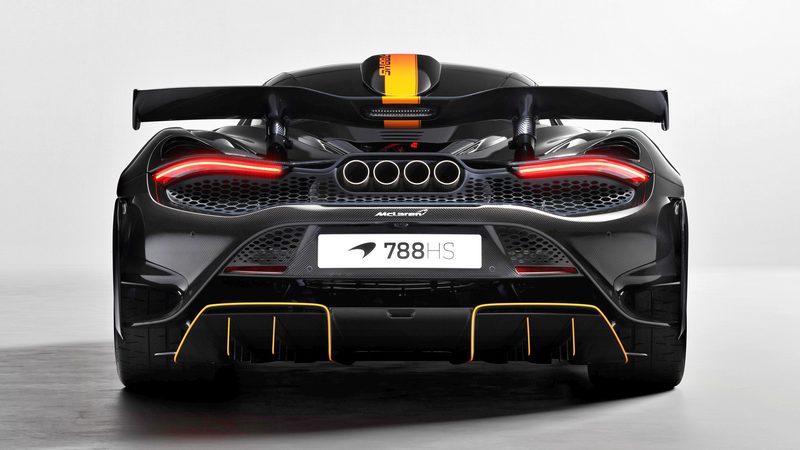
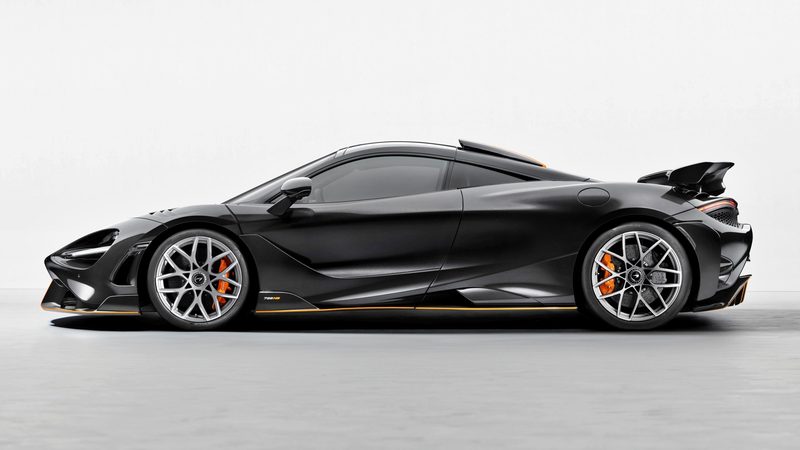
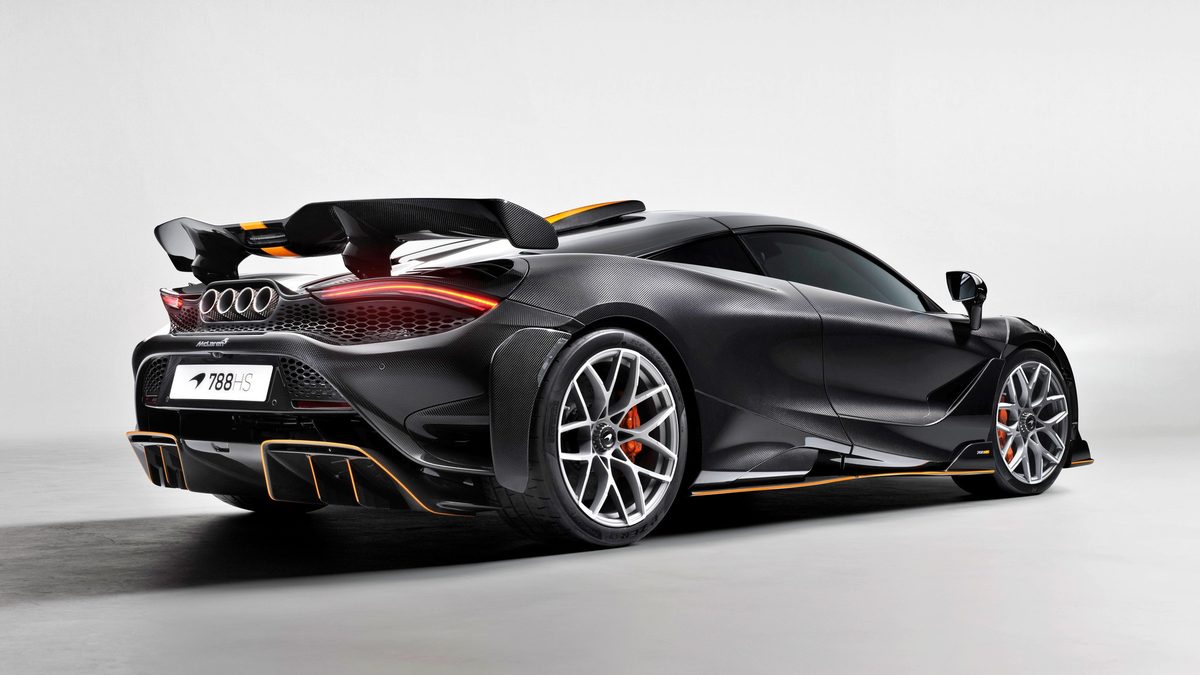
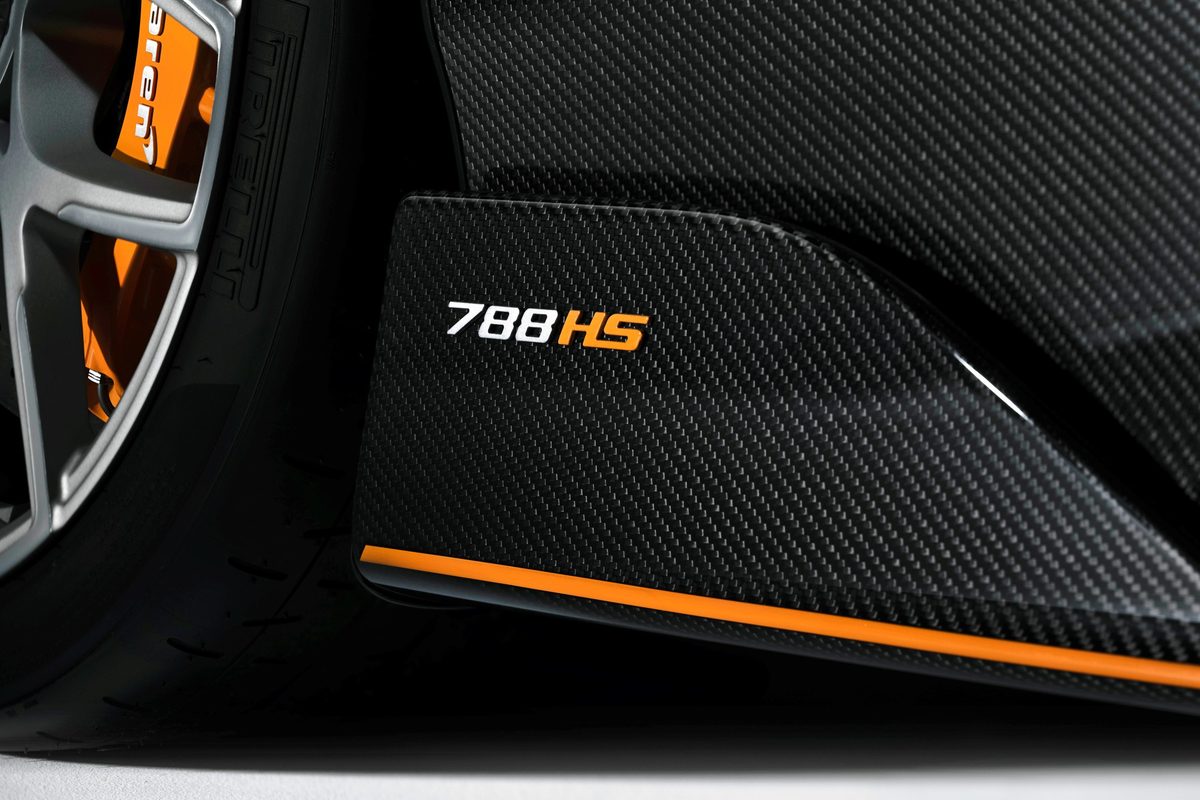
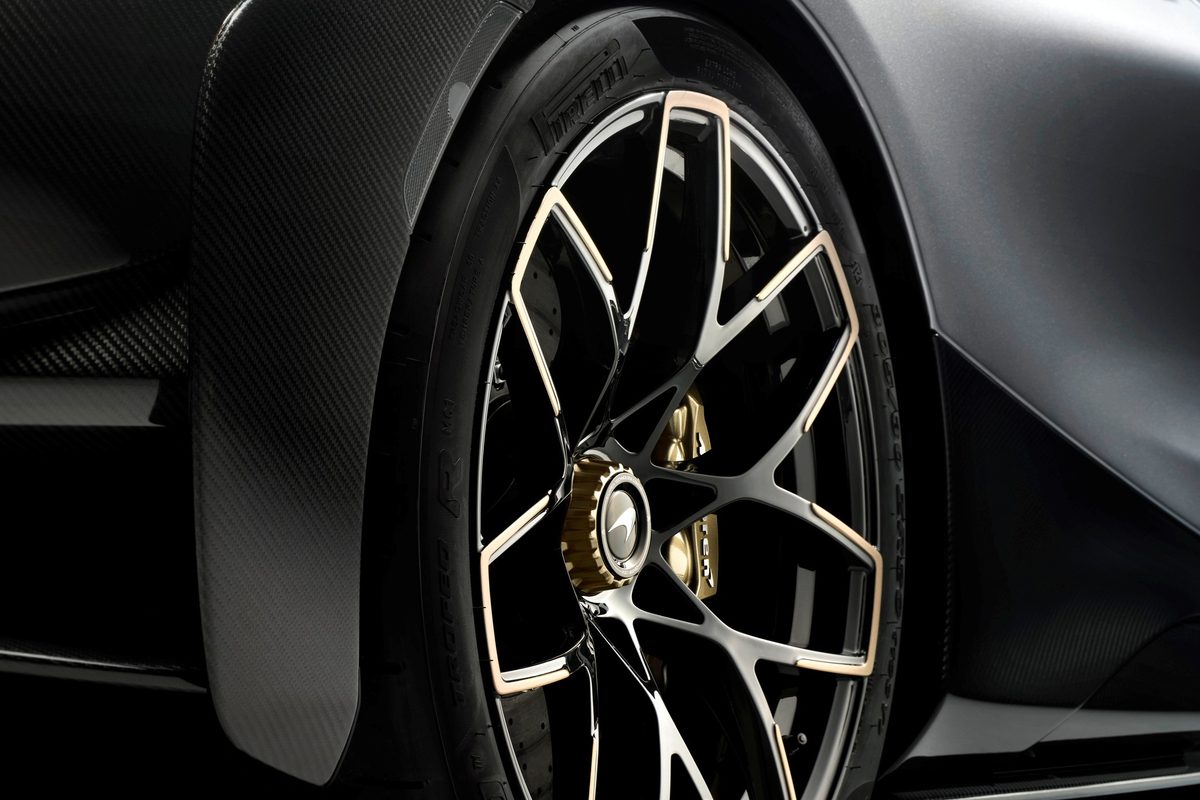
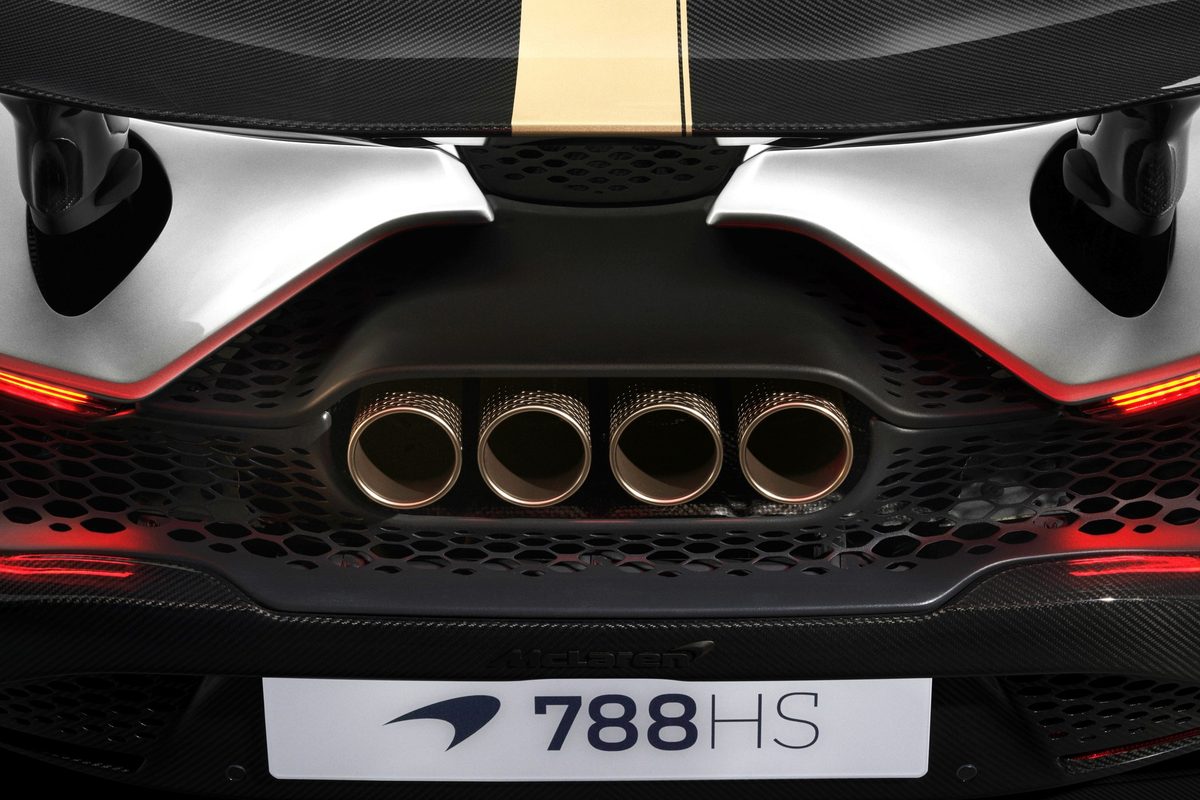
Chassis: Proactive Chassis Control III, McLaren’s hydraulically interlinked adaptive suspension, has been retuned specifically for the 788HS. Center-lock wheels appear on this model line for the first time, and brakes are carbon-ceramic with six-piston monoblock calipers derived from the Senna. A titanium exhaust with four exit pipes cuts weight over the standard system.

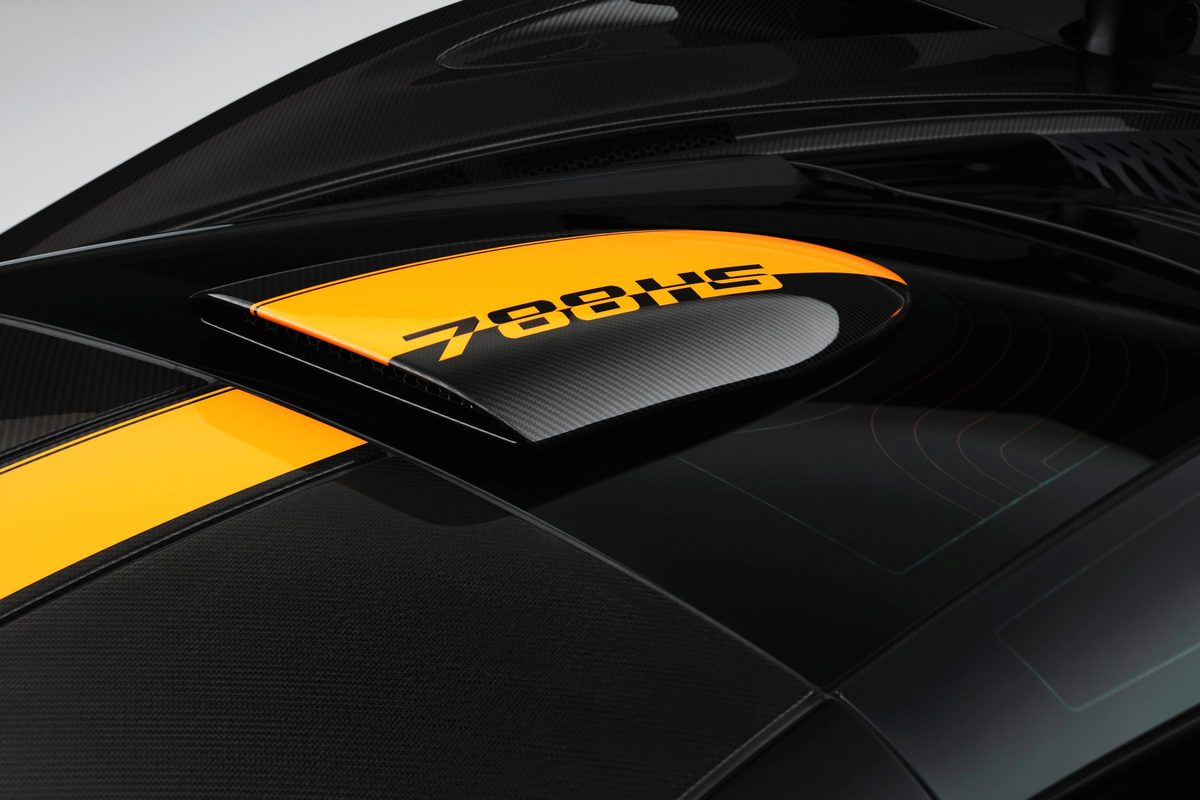
Aerodynamics: A new S-Duct routes air through the bonnet, working with a carbon-fibre front splitter, an active rear wing, and an F1-style diffuser. McLaren says the package generates 10% more downforce than the 765LT, the previous aero benchmark in the line.

Production is capped at 200 cars, split evenly between Coupe and Spider body styles. Pricing has not been disclosed.
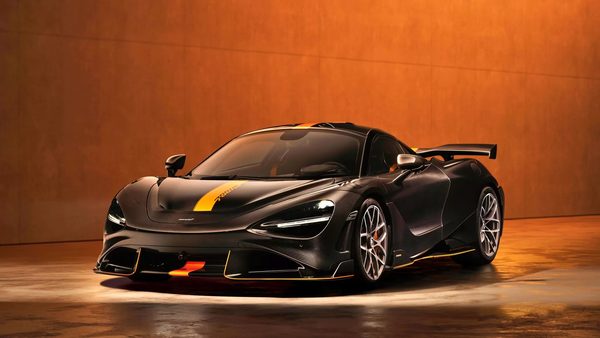
General
Body type Coupe/Spider
Powertrain 4.0L twin-turbo V8 (M840T)
Performance
Power 788 hp
Torque 800 Nm
0–100 2.8 s
Top speed 330 km/h
Drivetrain
Drivetrain RWD
Frequently asked questions
How powerful is the McLaren McLaren 788HS?
The McLaren McLaren 788HS produces up to 788 hp.
How fast is the McLaren McLaren 788HS from 0–100 km/h?
The McLaren McLaren 788HS accelerates from 0 to 100 km/h in 2.8 seconds.
What type of car is the McLaren McLaren 788HS?
The McLaren McLaren 788HS is a Coupe/Spider.
Is the 788HS the last car built on the 720S platform?
McLaren describes it as the final and most powerful road-going version of the Super Series generation that began with the 720S in 2017 and continued through the 765LT and 750S. A new supercar architecture is expected to replace the line after the 788HS.
How is the 788HS different from the 750S it's based on?
The 788HS carries the same 4.0-litre twin-turbo V8 architecture but adds forged pistons, a retuned Proactive Chassis Control III suspension, a titanium exhaust, carbon-ceramic brakes with Senna-derived calipers, and center-lock wheels - a first for this model line. Power rises to 788 hp from the 750S's 750 hp, and a reworked aero package with a bonnet S-Duct and F1-style diffuser adds 10% more downforce than the 765LT.
How many McLaren 788HS cars will be built?
Production is capped at 200 units worldwide, split evenly between 100 Coupe and 100 Spider models.
What does the HS badge mean on a McLaren?
HS stands for High Sport, McLaren's designation for the most extreme, track-focused variant of a model line. The 788HS is only the third car to carry it, after the MP4-12C High Sport (10 built, 2011) and the 675LT-based MSO HS (25 built, 2016).
Search