 Canada
Canada has had federal money on electric cars again since 16 February 2026, when the Electric Vehicle Affordability Program replaced the incentive that lapsed at the start of 2025. The effect on sales was immediate: EV sales in March were more than 80% higher than in February. The effect on dealer cash flow has been the opposite, because the dealership pays the rebate first and gets it back later.
How the money moves
The rebate is deducted from the price at the point of sale, so the buyer never files anything. The dealership then claims the amount back from Transport Canada through a portal that opened on 31 March 2026. Transport Canada’s published service standard is reimbursement within 20 business days of a claim being approved. The Canadian Automobile Dealers Association says members have waited up to 90 days from completing a sale to being paid, and that some dealerships are carrying more than C$200,000 in outstanding claims, enough to matter to working capital at a single store.
Transport Canada’s position is that nothing is frozen: “There is no hold on repayments; complete and validated claims continue to be processed and reimbursed,” it said, adding that timelines vary with validation requirements and submission volumes. Some claims have been rejected over typographical errors, with no appeal route. In August the dealers’ association said it had taken the issue to the department’s senior leadership and that Transport Canada had committed to adding resources to clear the queue.
What the programme pays
Through 2026 the programme pays up to C$5,000 on a battery-electric or hydrogen car and up to C$2,500 on a plug-in hybrid, funded to C$2.275bn over five years and running to 31 March 2031 unless the money goes first. An imported car qualifies only if its final transaction price is C$50,000 or less; a Canadian-built one faces no price cap at all. Eligibility also turns on where the car was made: Canada, or a country with a free-trade agreement with Canada. That rule is what keeps the Shanghai-built Model 3 off the list even at C$39,490.
Take-up so far
By 29 May, 24,389 claims worth C$122m had been filed. Transport Canada’s June data put the running total above 44,700 applications and close to C$195m. Monthly volume has come off its peak, from 21,662 applications in April to 10,364 in May and 10,116 in June. As of 1 August the department listed C$2.05bn of the C$2.275bn still unspent, which is roughly a tenth of the fund committed in the programme’s first five and a half months.
Zero-emission vehicles accounted for about 14.5% of Canadian sales in 2024 and fell to roughly 8% over the first eight months of 2025, after the previous incentive ended and before this one began.

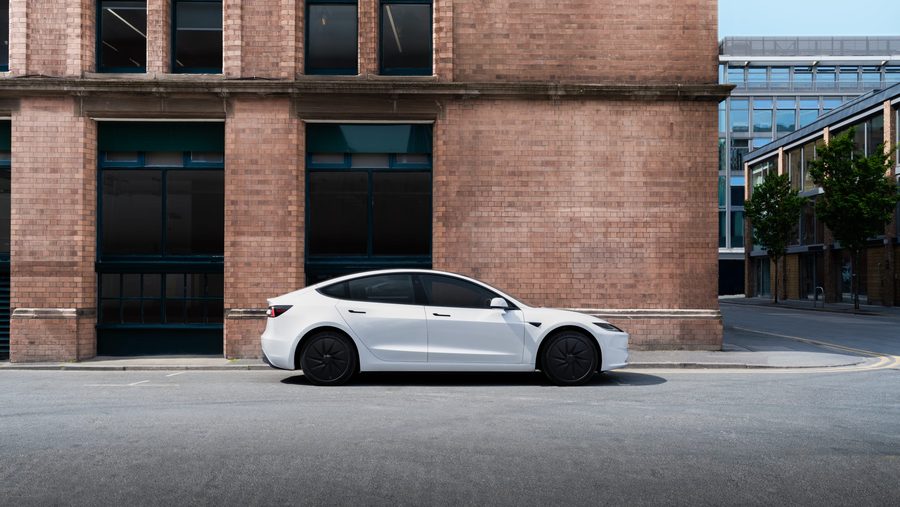
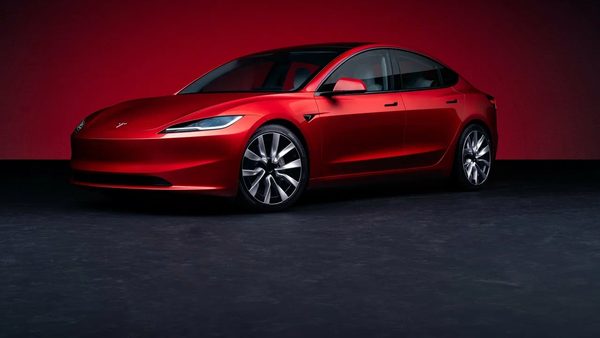
The Tesla Model 3 is a battery-electric sedan, updated in 2024 with the "Highland" refresh. The China lineup runs from a rear-drive version to an 830 km Long Range RWD and a Performance model, from ¥235,500. Canada is supplied from the same Shanghai plant, where the Premium RWD starts at C$39,490.