 USA
USATesla has finished dismantling the Model S and Model X assembly line at its Fremont, California factory, tearing out robots, conveyors, and supporting infrastructure in just 46 days. The line had run since 2012, when the Model S launched as Tesla’s first mass-produced car, making this a 14-year production run.
Model S and Model X output had already wound down earlier in 2026: Tesla stopped taking custom orders at the end of the first quarter and closed out the cars with a limited Signature Edition send-off before the last vehicles left the line. Both models made Tesla a fixture of the premium EV segment, but the company’s volume today comes almost entirely from the Model 3 and Model Y.
The cleared floor space is being converted into a dedicated line for Optimus, Tesla’s humanoid robot. Elon Musk has said on earnings calls that Tesla wants the Fremont line scaled to roughly a million Optimus units a year, with full-scale production targeted for late July or August 2026; a second, larger Optimus facility is under construction at Gigafactory Texas. Limited Gen 3 production is already running at Fremont ahead of that ramp.
The switch is a symbolic marker for Tesla as much as an operational one: the factory space that built the cars which established the company’s reputation in electric vehicles now belongs to the robot Musk has repeatedly called one of Tesla’s biggest future bets.

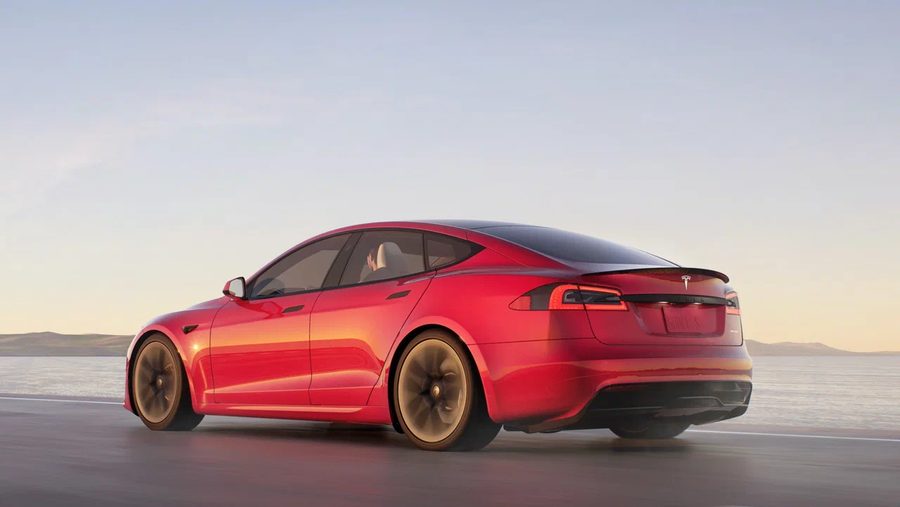
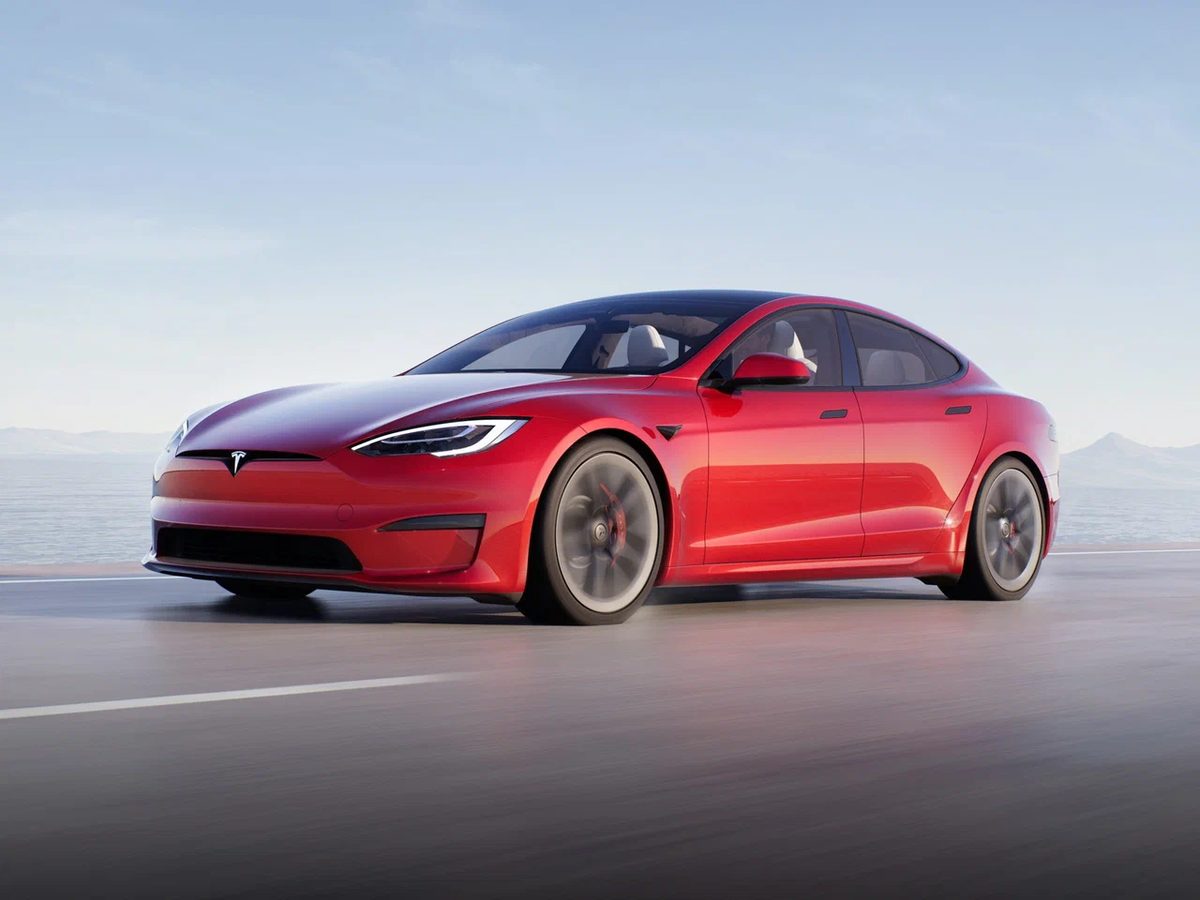
The Tesla Model S is a battery-electric liftback sedan built at Fremont, California since 2012. Tesla ended production in May 2026 after a 14-year run, closing out the line with the AWD dual-motor (670 hp, 410 miles/660 km) and the 1,020 hp tri-motor Plaid (368 miles/592 km, 0-100 km/h in 2.1s). Final US pricing ran from $109,990 to $124,990.
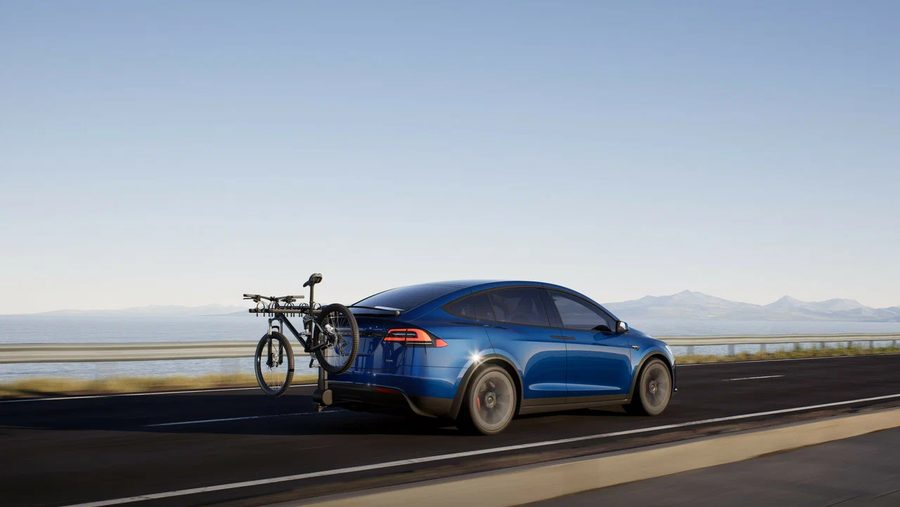
The Tesla Model X is a battery-electric SUV with falcon-wing rear doors, built at Fremont, California since 2015. Tesla announced the model's end in January 2026 and built the last cars in May, closing out the line with the AWD dual-motor (670 hp, 352 miles/566 km) and the 1,020 hp tri-motor Plaid (335 miles/539 km, 0-100 km/h in 2.6s). Final US pricing ran from $99,990 to $114,990.