
 USA
USATwo of America’s largest automakers disclosed their worst EV financials yet. Ford’s Model e division reported a $4.8 billion operating loss for 2025 - slightly below the $5.1 billion recorded in 2024, but compounded by $10.7 billion in writedowns on cancelled programmes. GM disclosed $6 billion in EV-related losses for the same period. Both companies say 2026 will produce more losses before any improvement.
The numbers in full
Ford’s EV unit has lost $9.9 billion across 2024 and 2025 combined. The $10.7 billion in writedowns covers development costs for vehicles cancelled before reaching production, plus restructuring at plants tooled for models that no longer exist. Ford’s 2026 forecast of $4–4.5 billion assumes current production volumes hold - a figure management has described as a floor rather than a ceiling.
GM’s $6 billion figure covers factory retooling costs, inventory write-offs, and the carrying cost of unsold electric vehicles sitting in dealer lots. GM has not issued a comparable annual forecast for 2026 but has said losses will continue through at least the first half of the year.
What got cancelled or cut
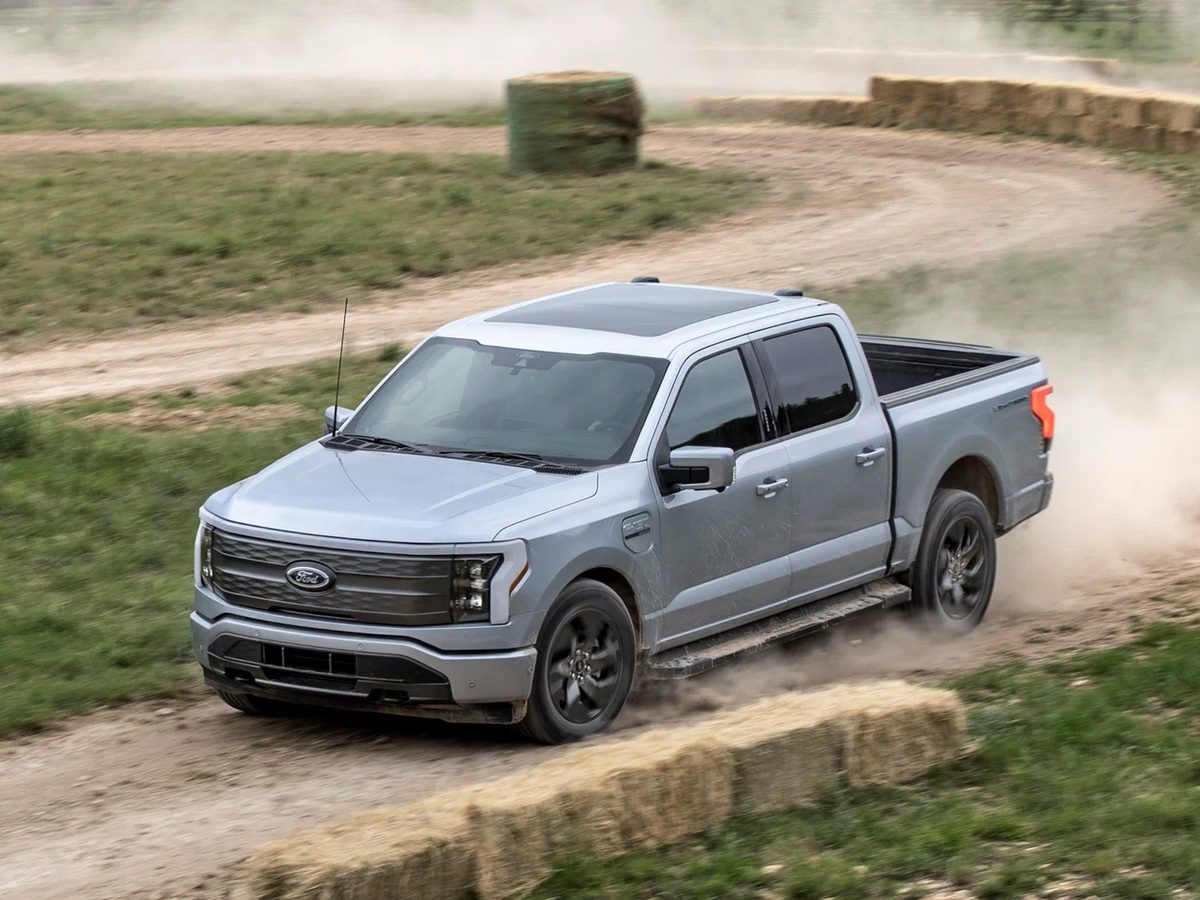
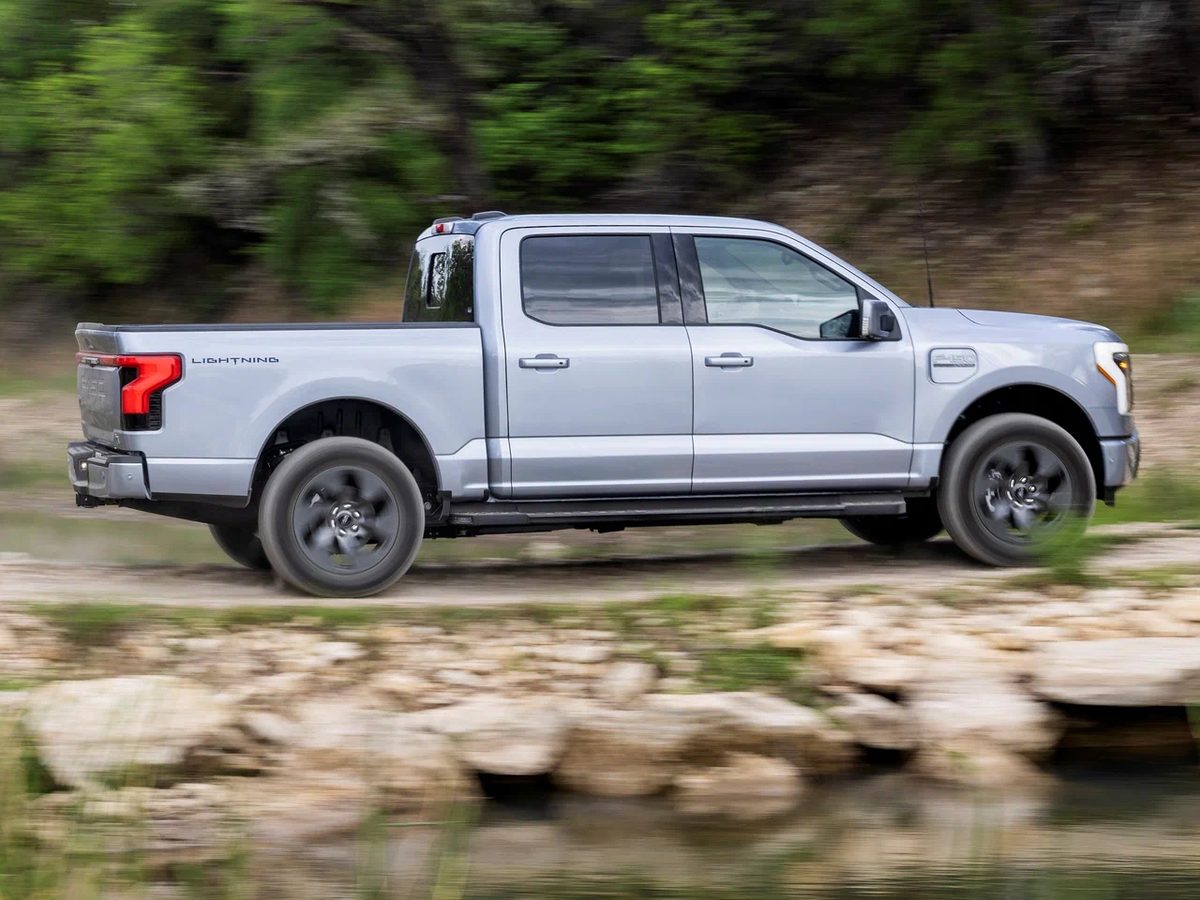
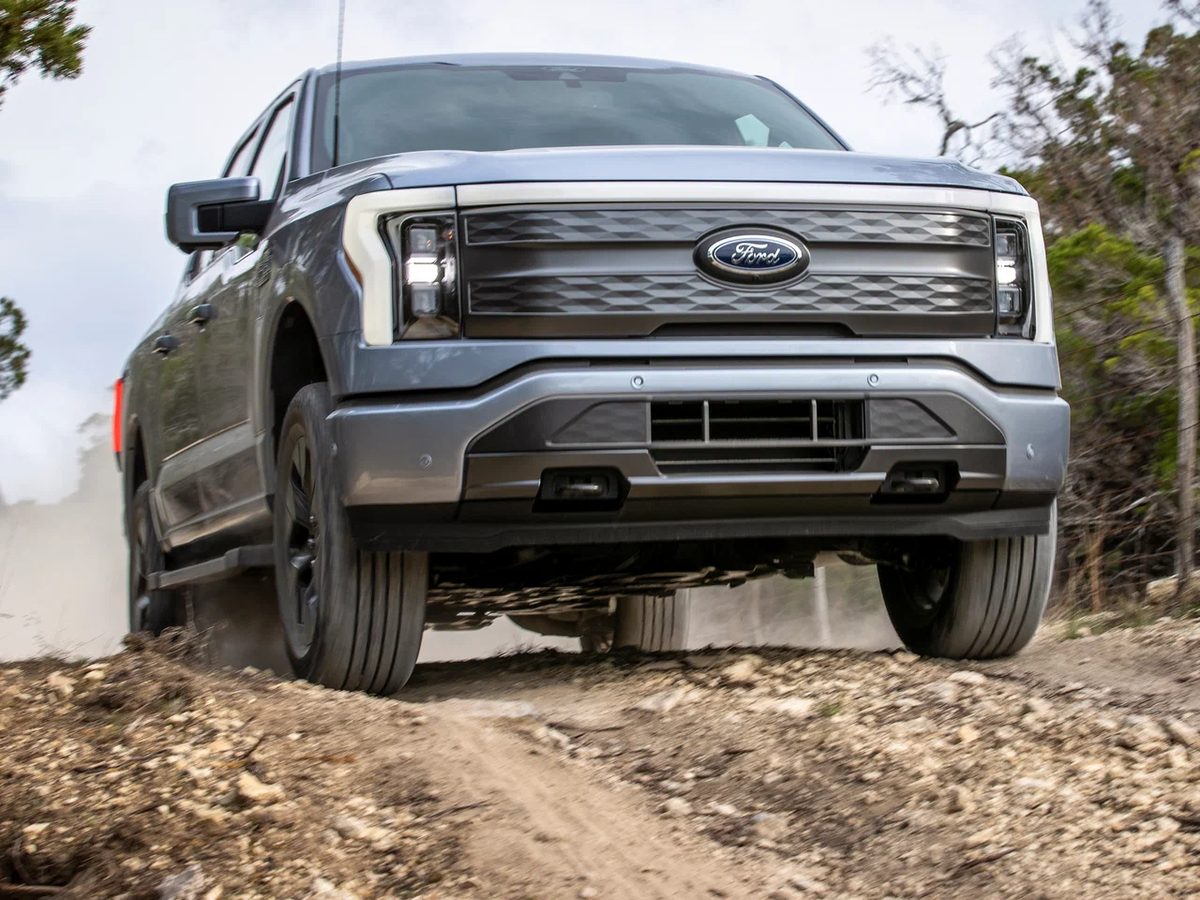
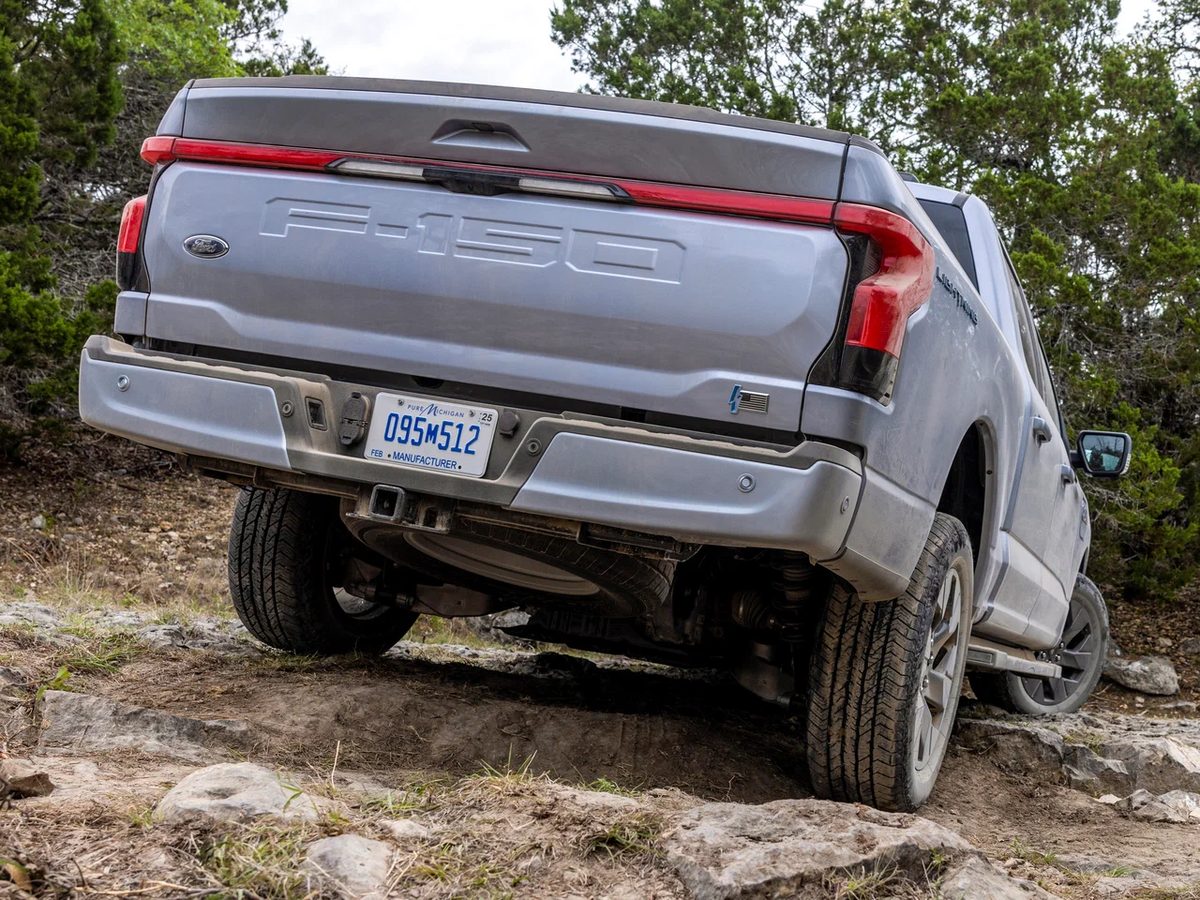
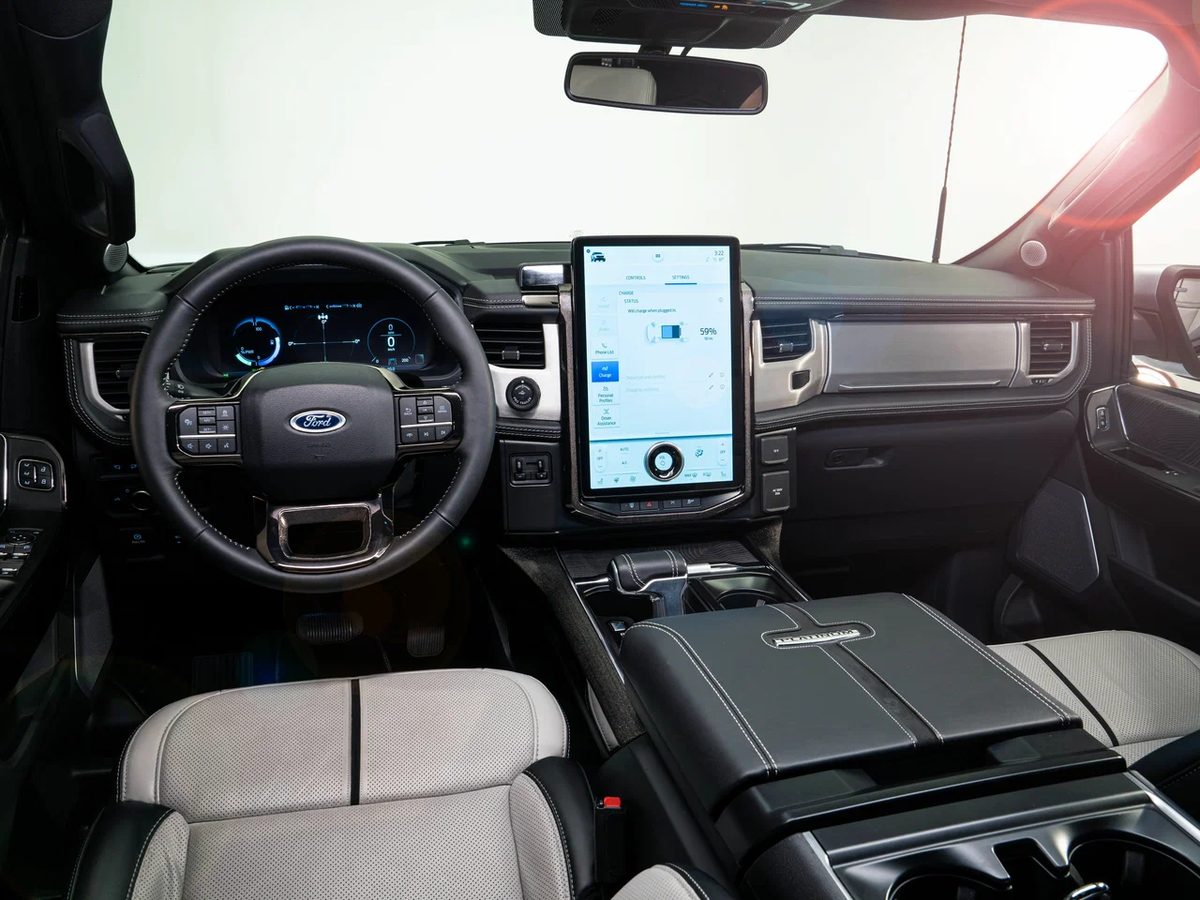
Ford stopped development of a planned three-row electric SUV after spending $1.2 billion on engineering. The F-150 Lightning, Ford’s electric version of America’s best-selling truck, was discontinued. Lightning sales peaked below 20,000 units annually - against early projections of 150,000 per year at this stage.
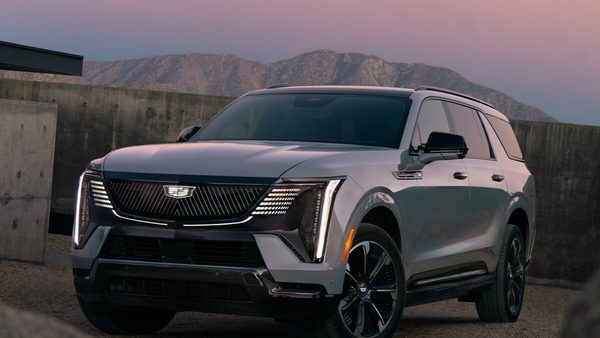
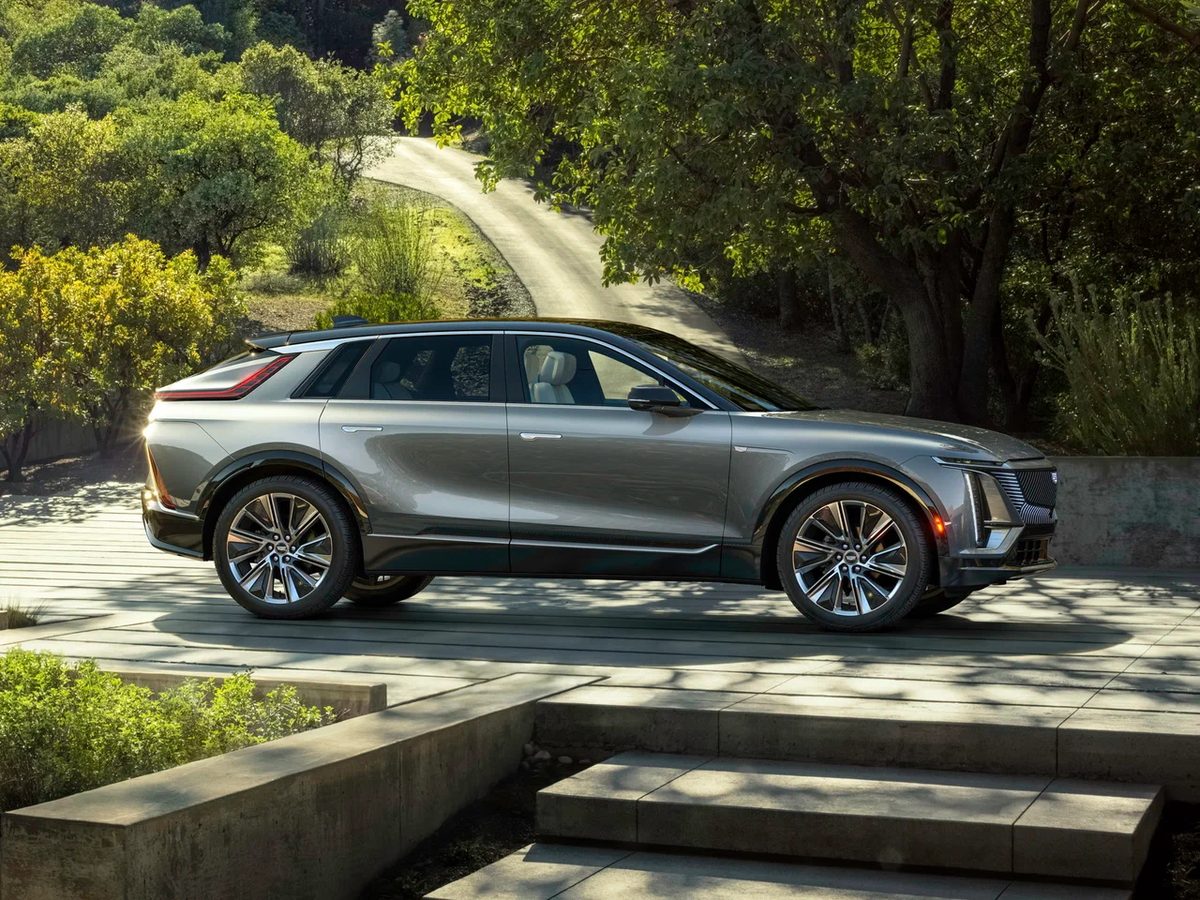
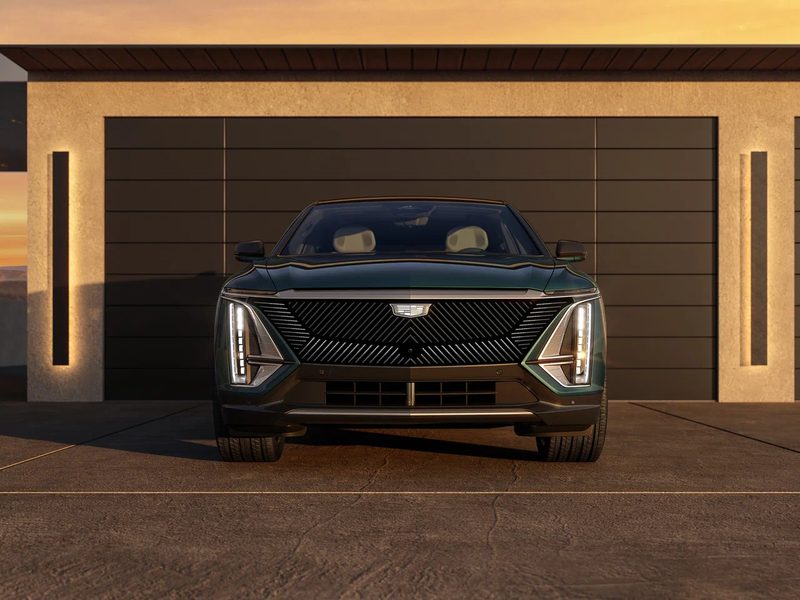
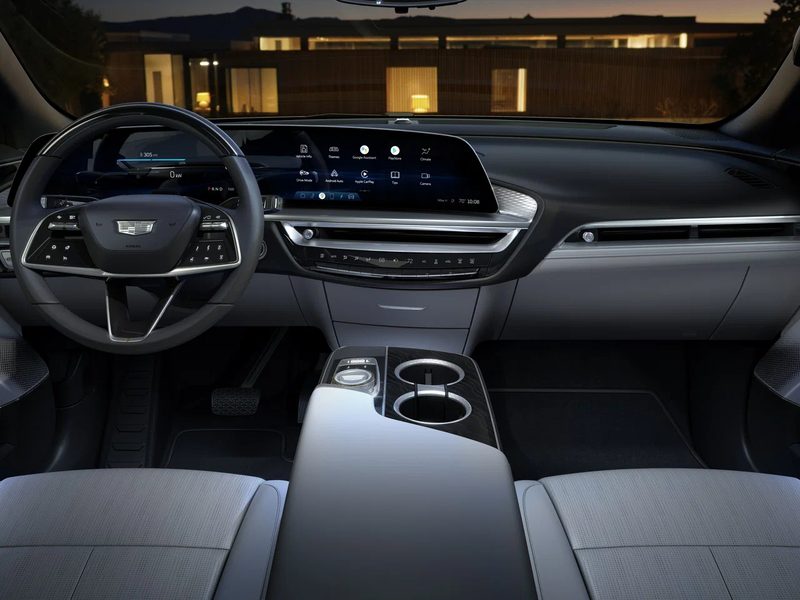
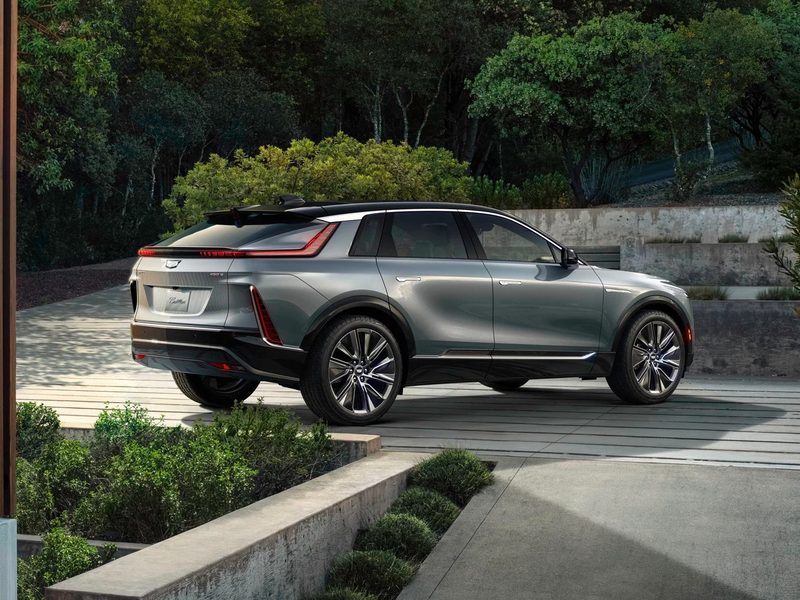
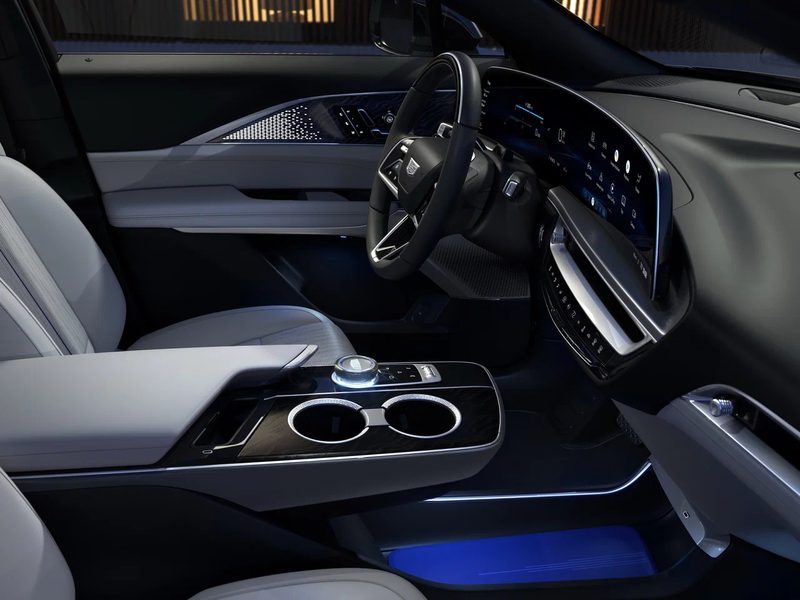
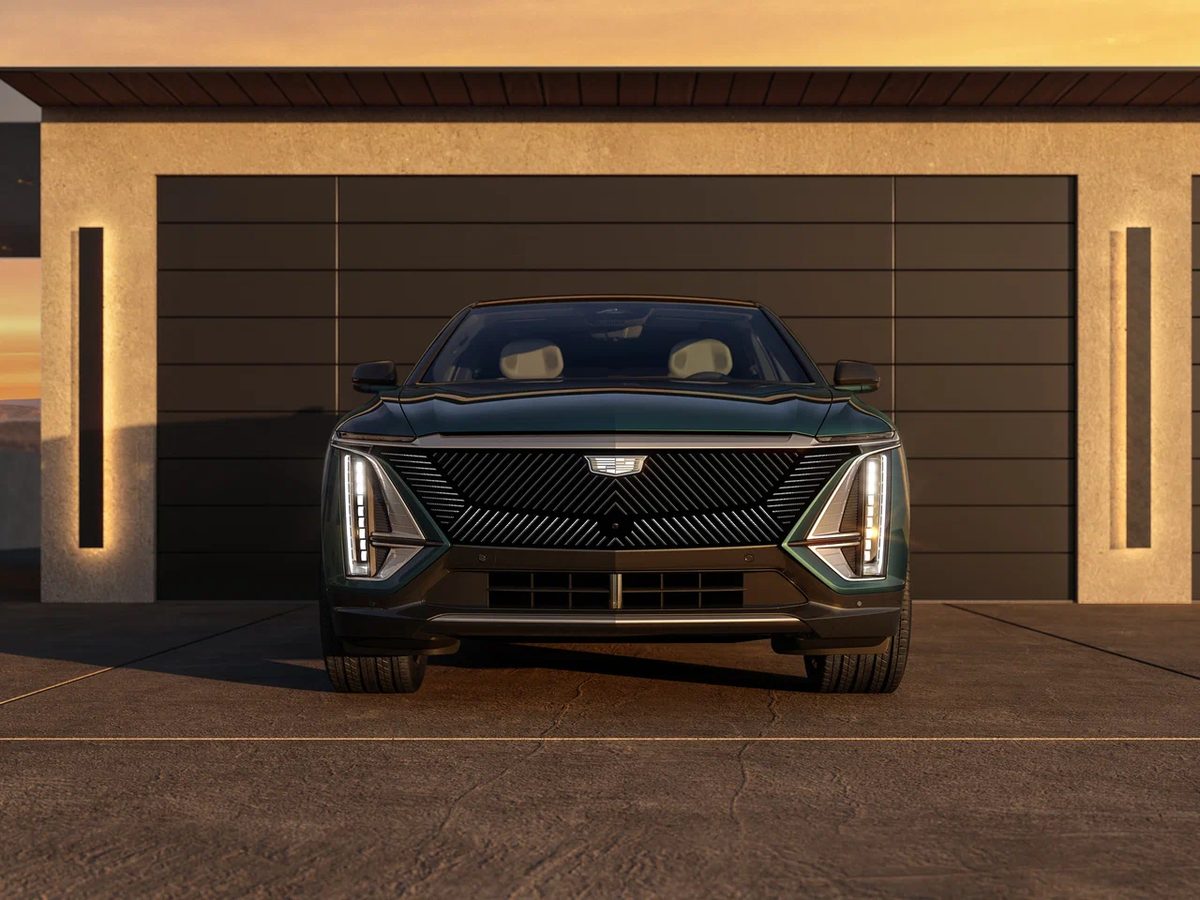
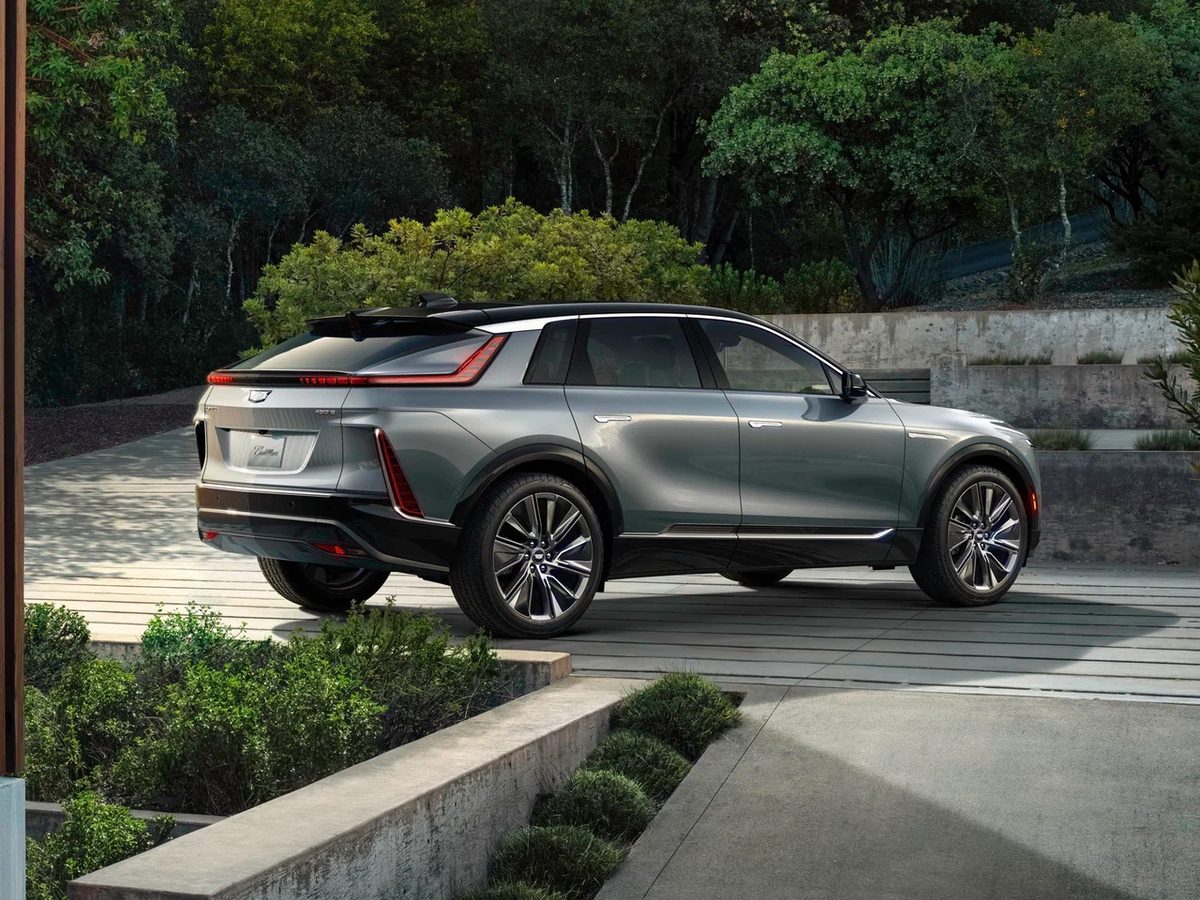
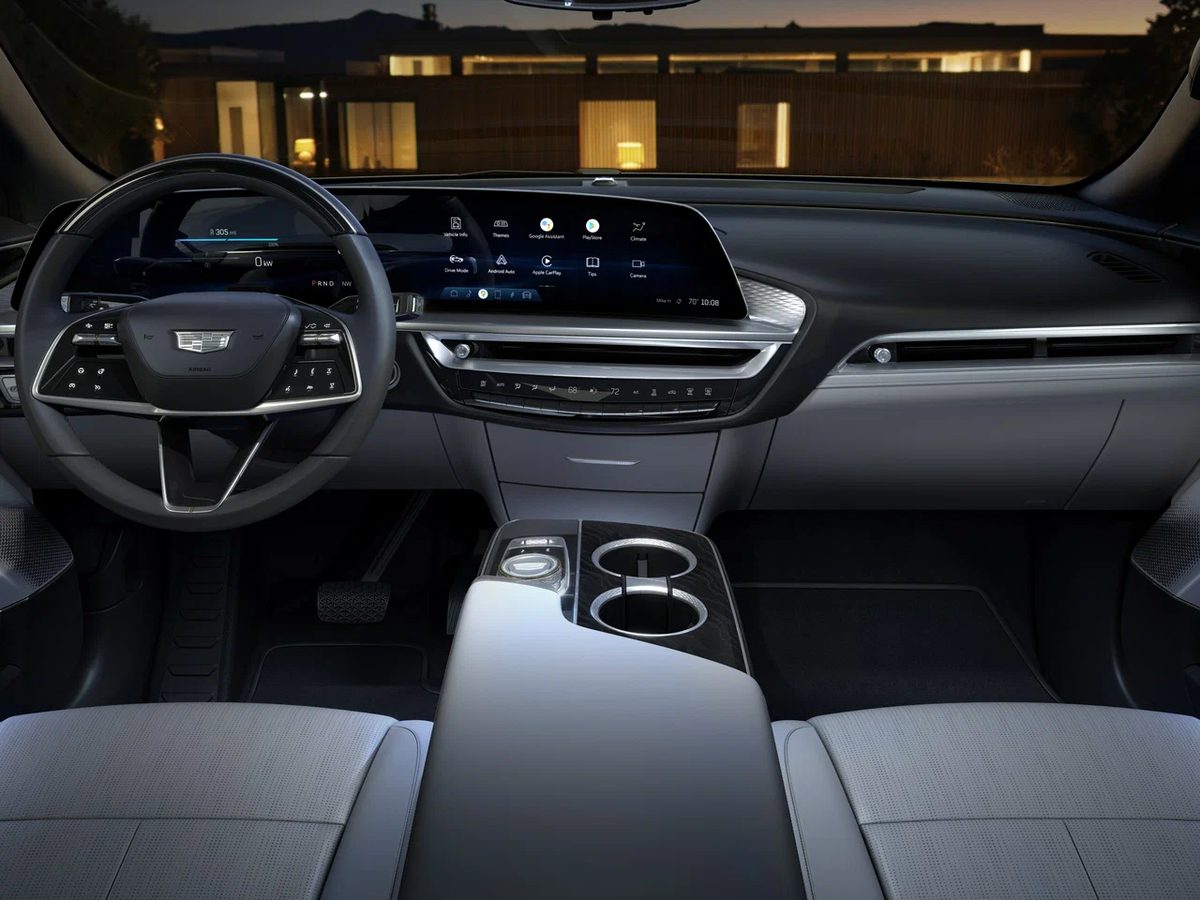
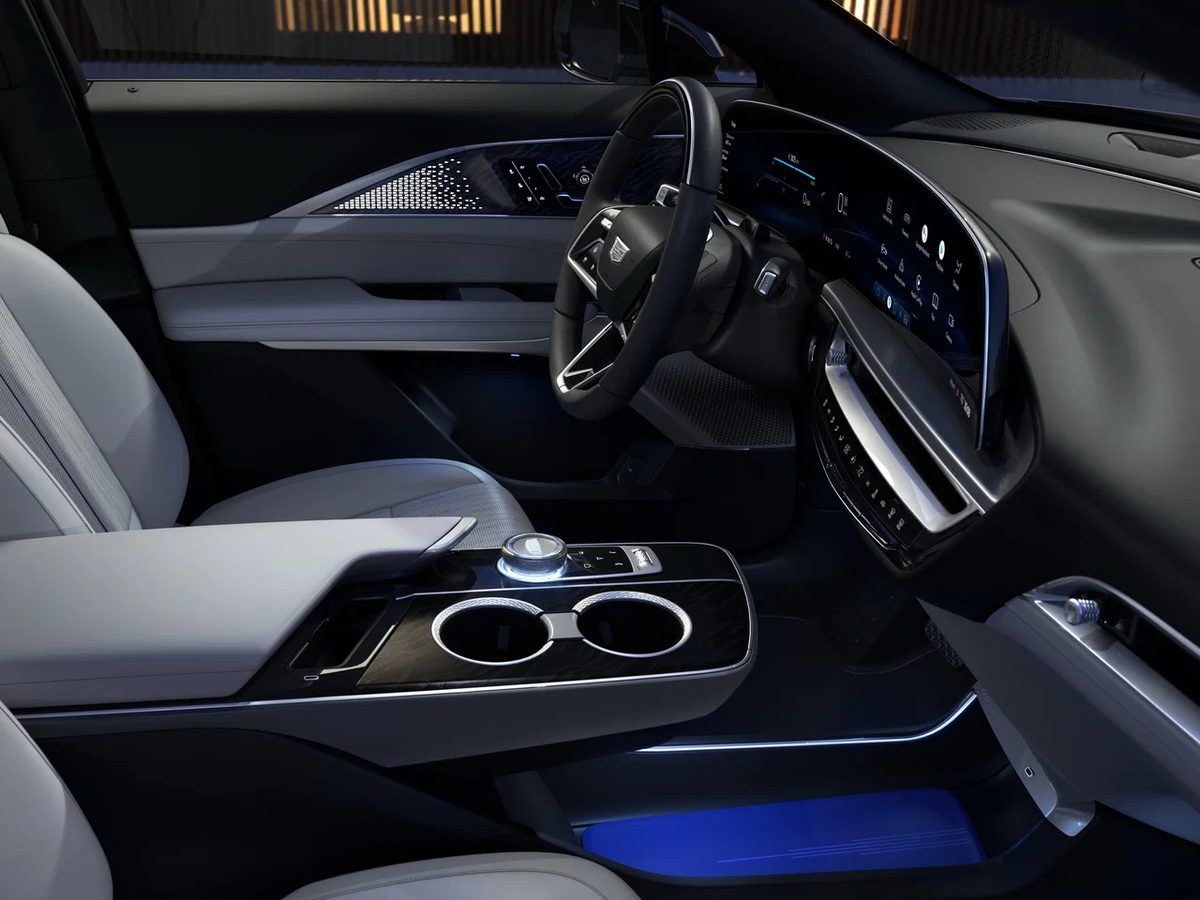
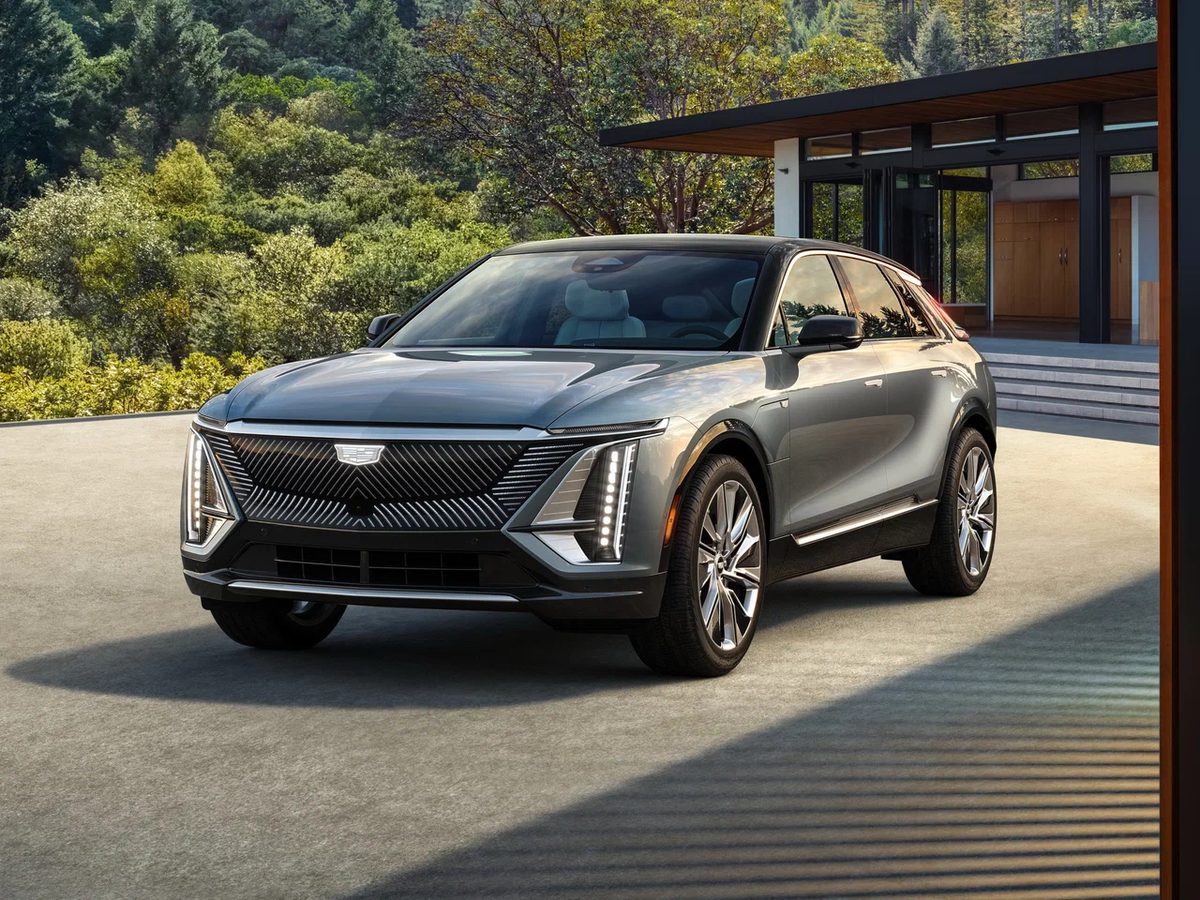
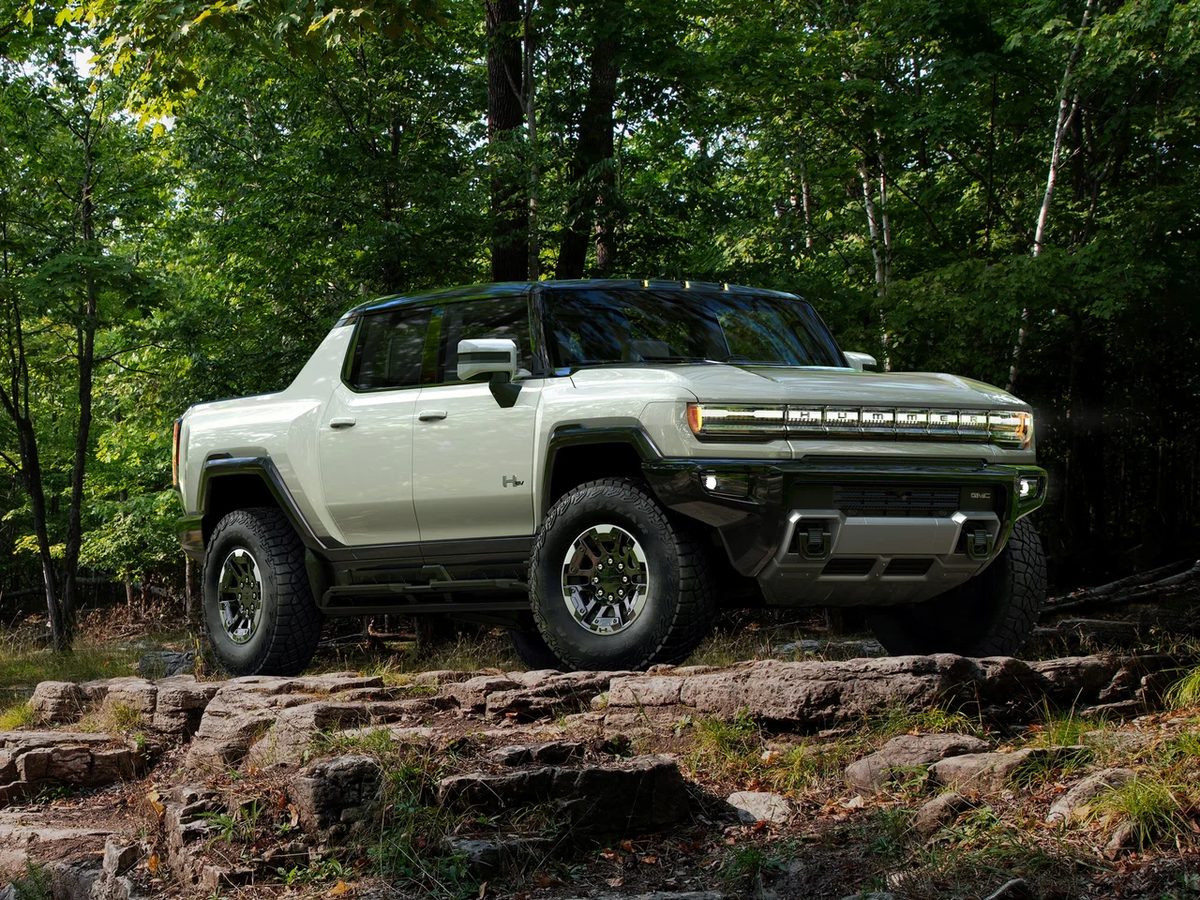
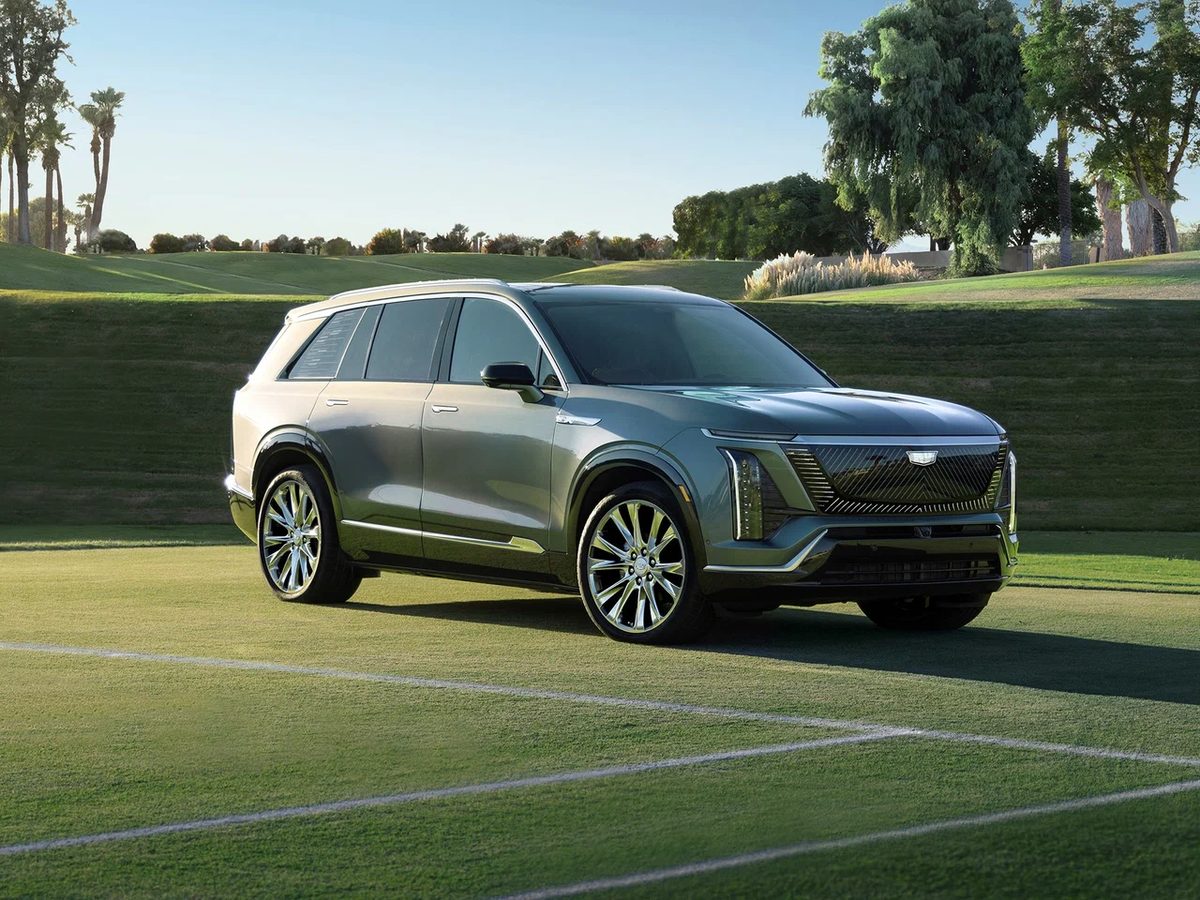
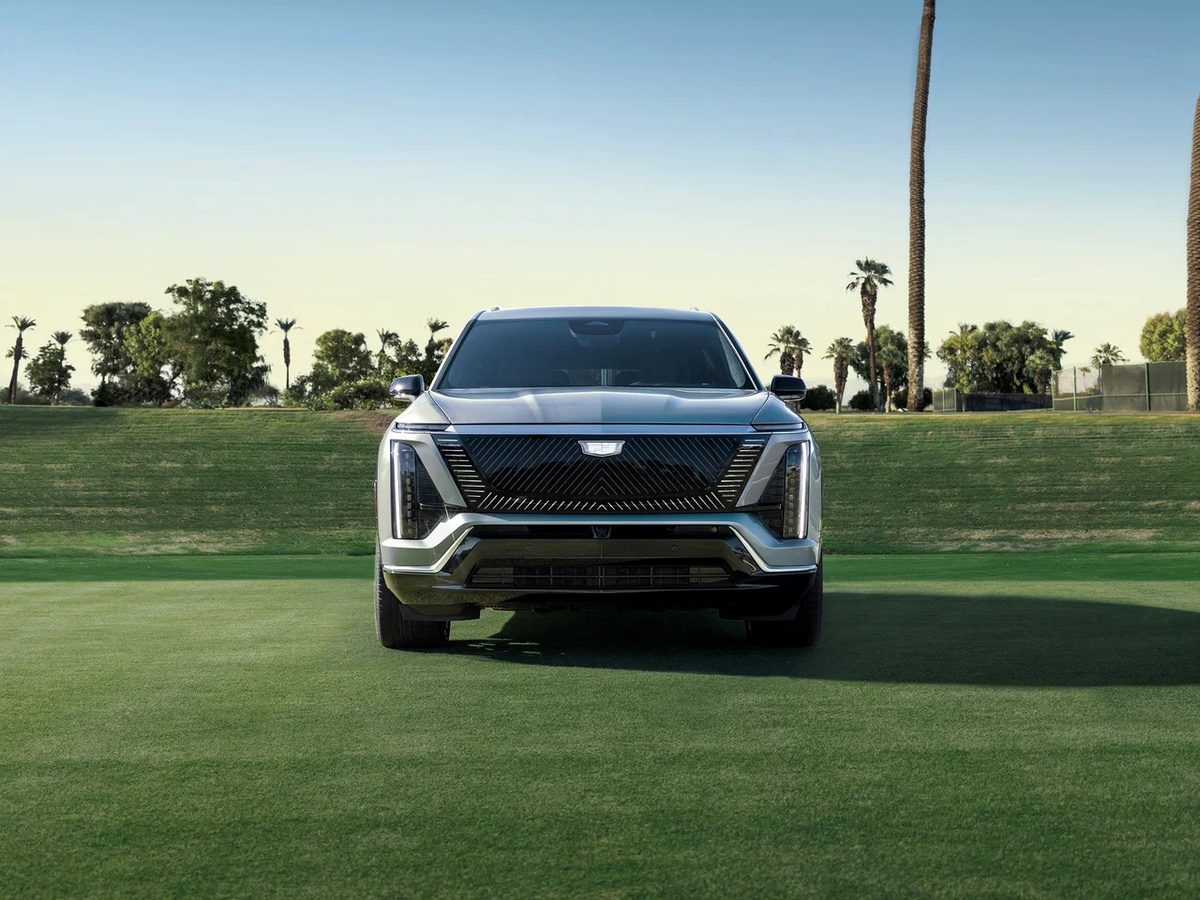
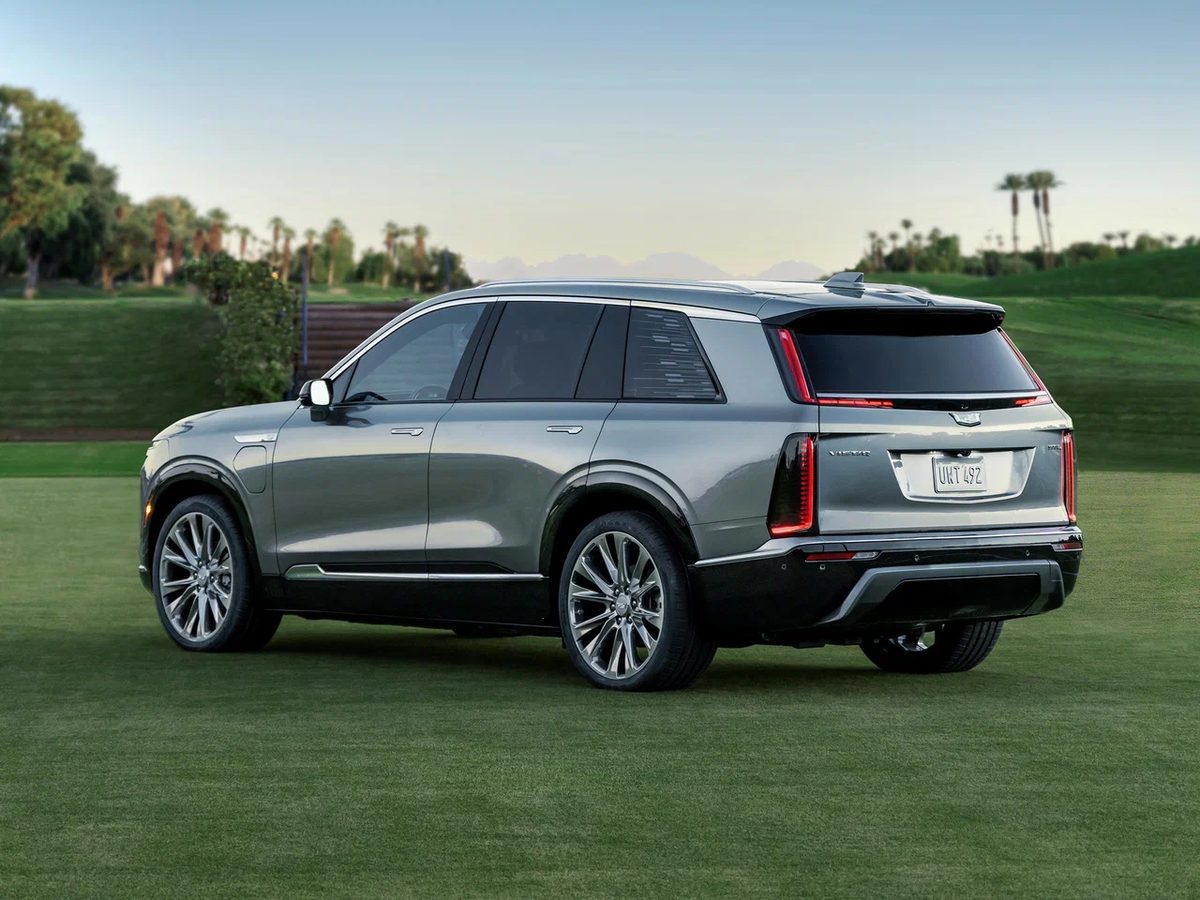
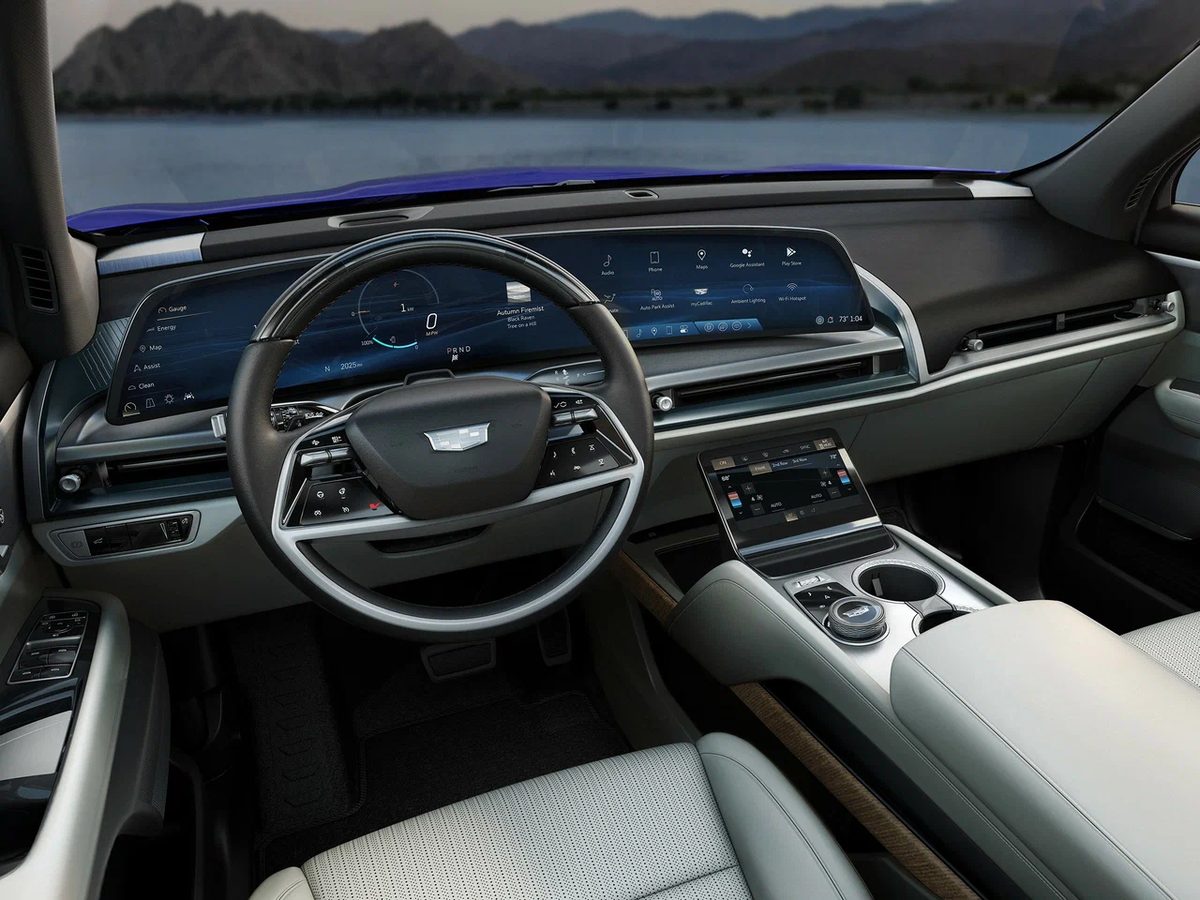
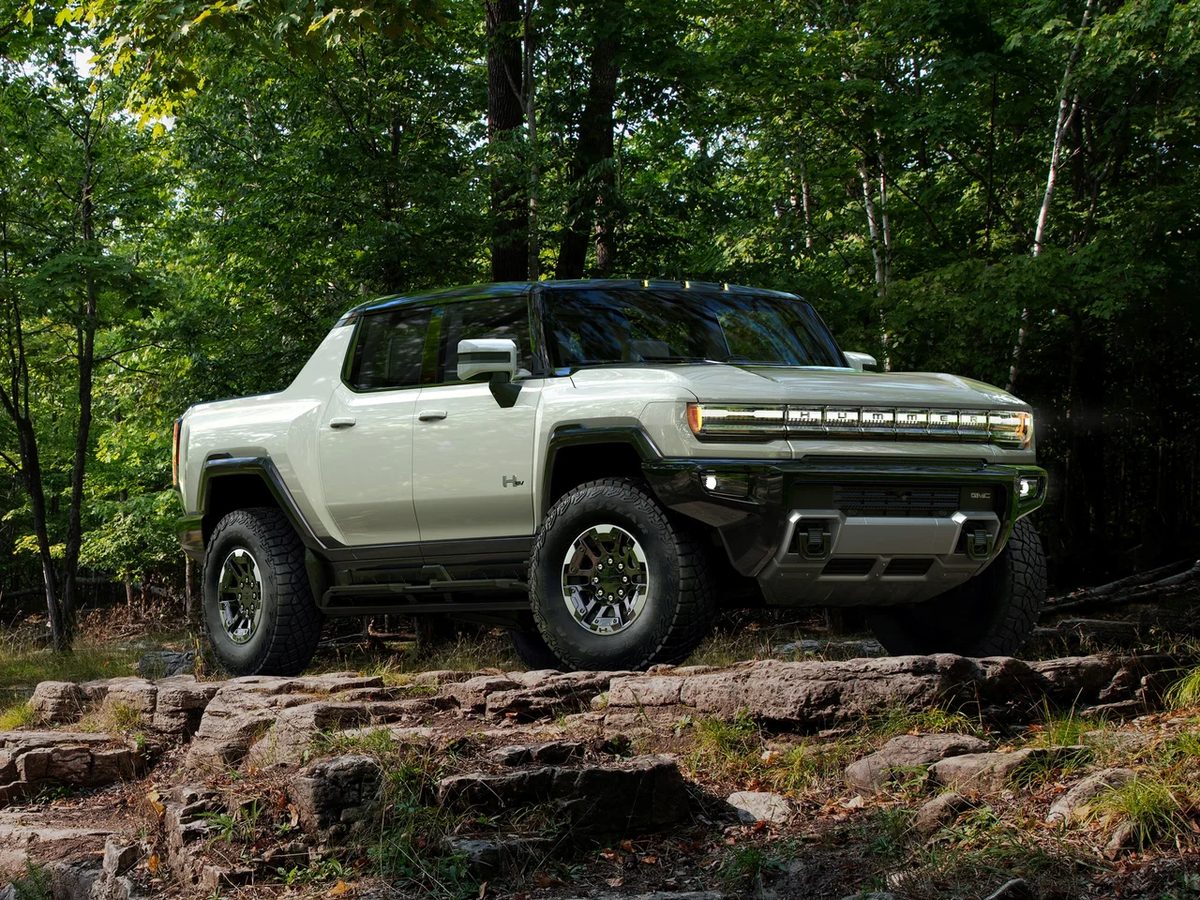
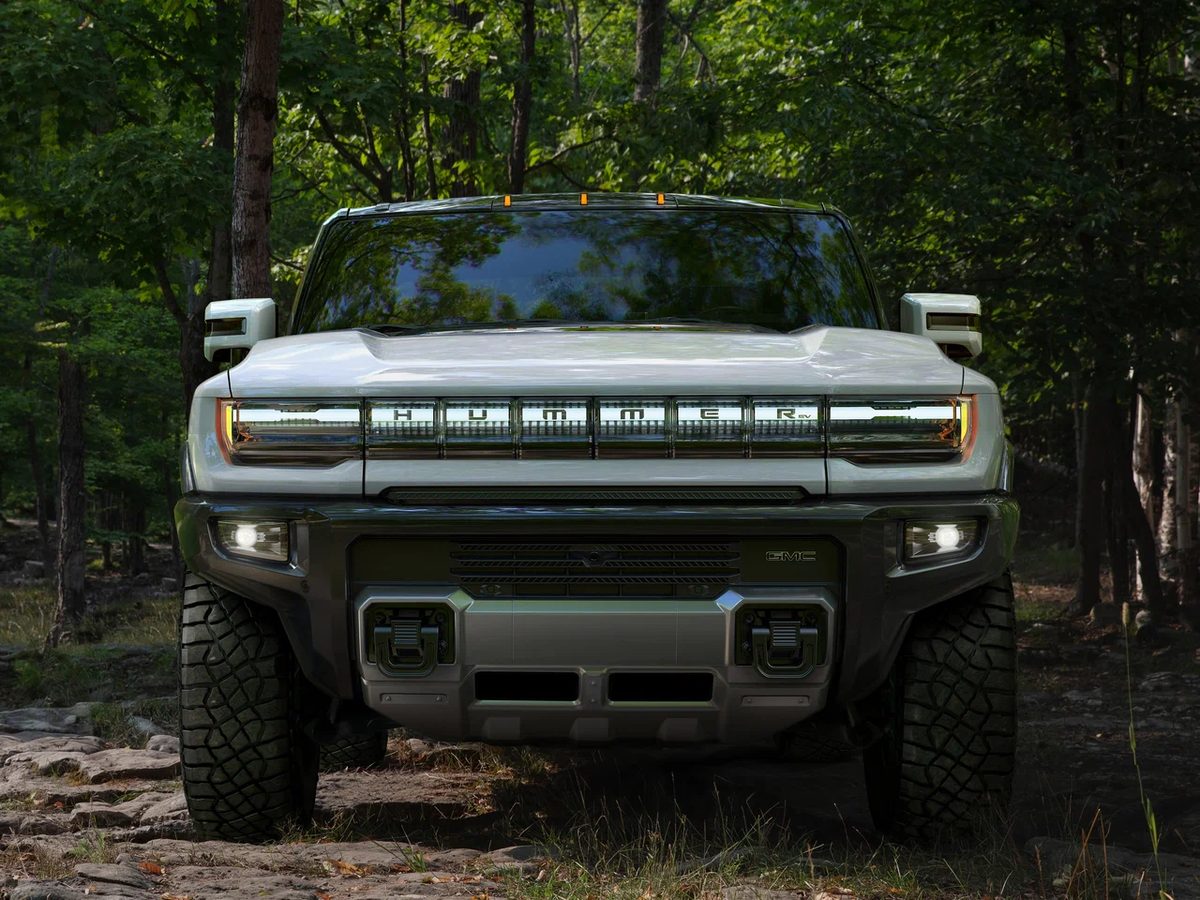
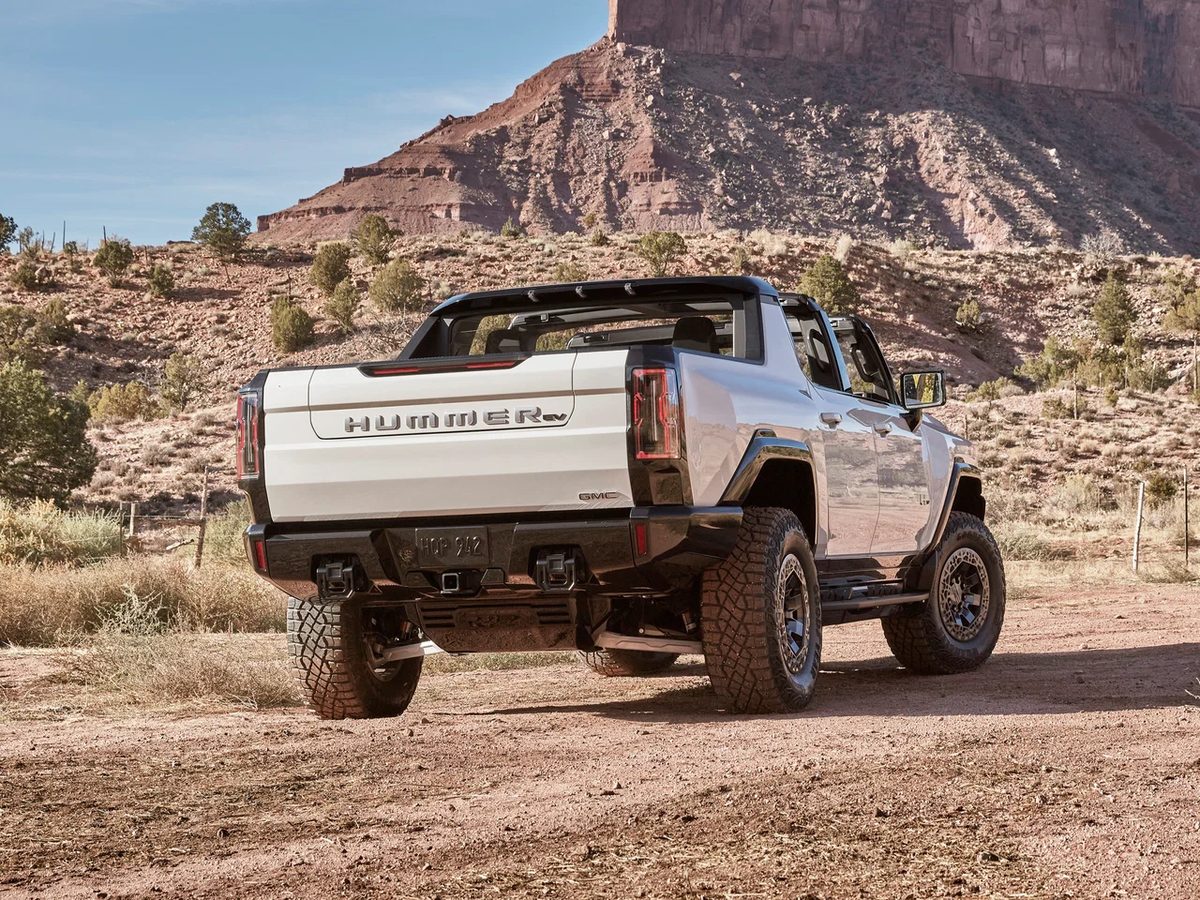
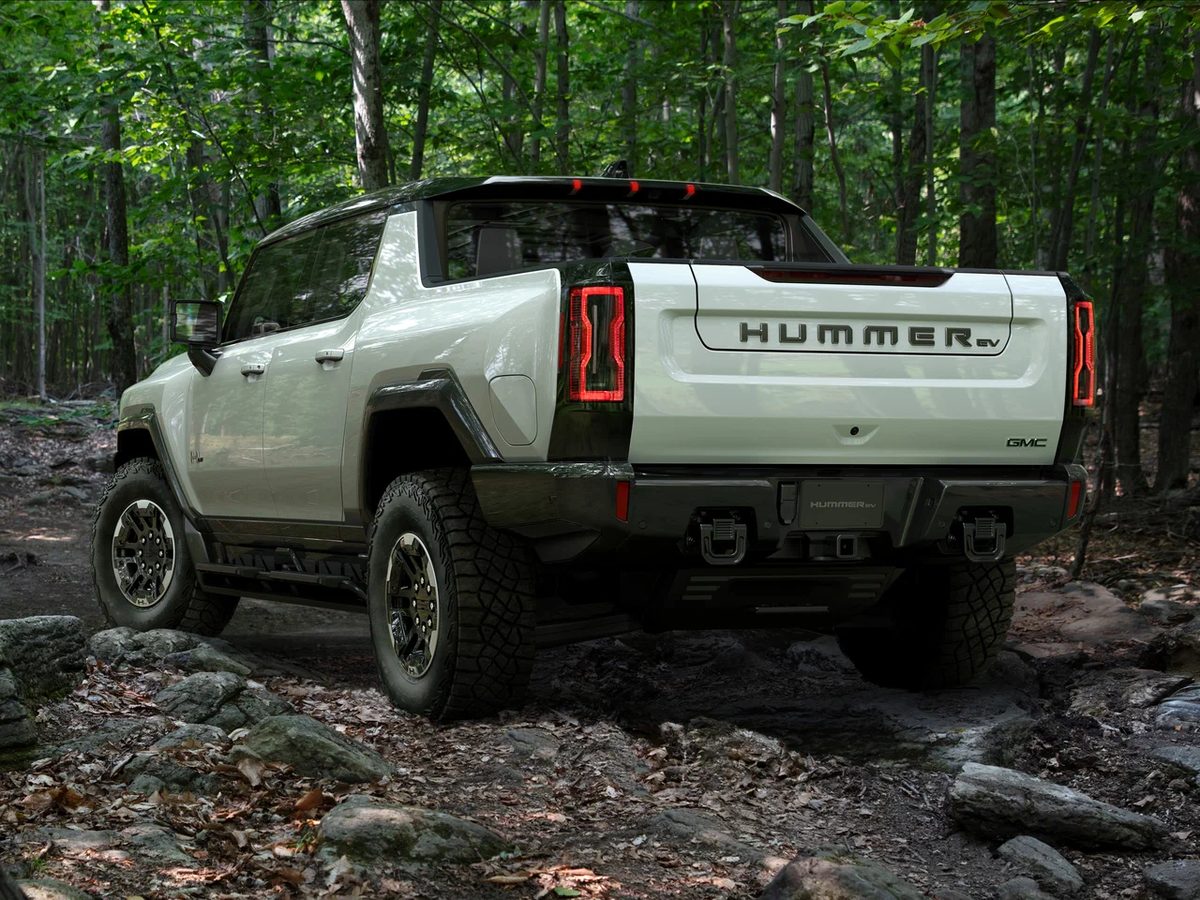
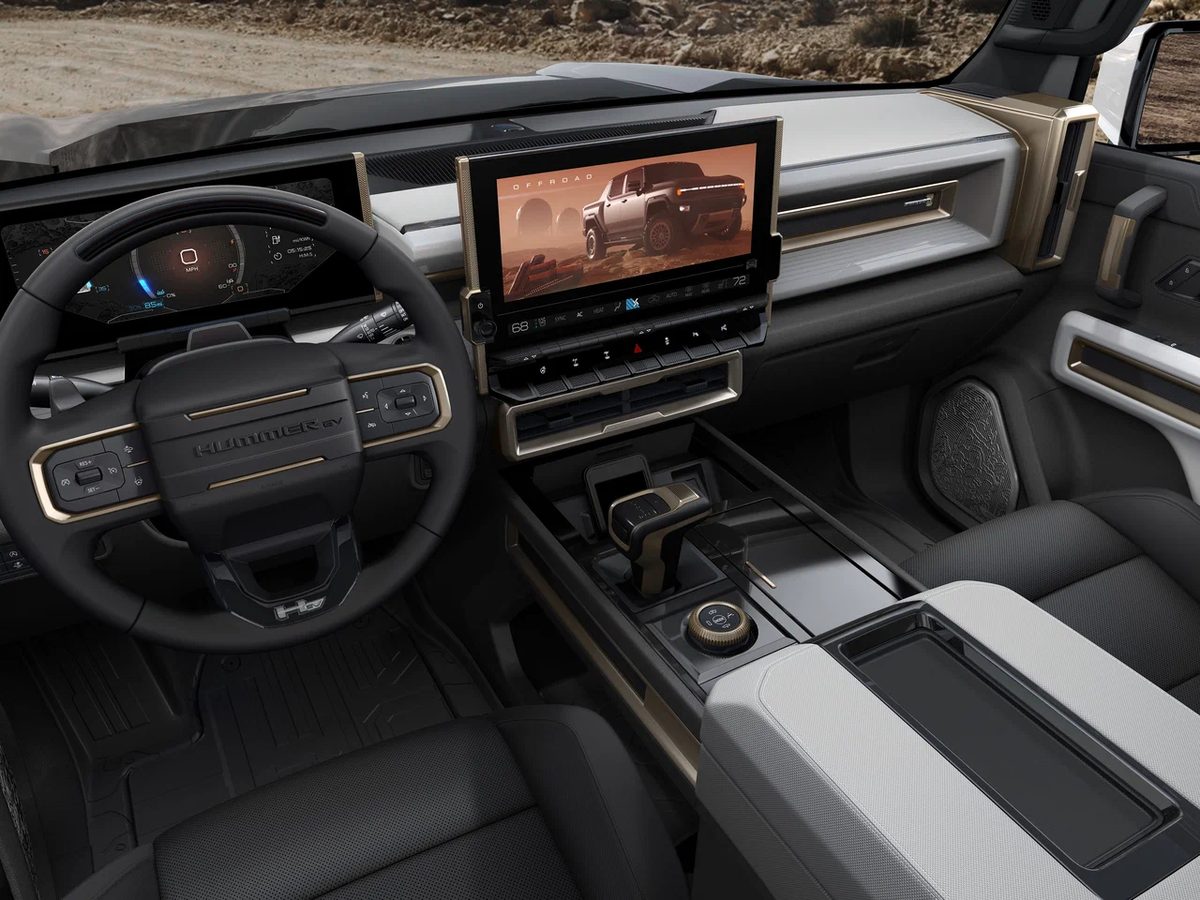
GM is reducing production of the Cadillac Lyriq, Cadillac Vistiq, GMC Hummer EV, and Cadillac Escalade IQ. New shift launches at several assembly plants have been postponed. The Hummer EV was confirmed to be sold at a loss per unit throughout its production run; the Escalade IQ, launched above $130,000, found a smaller market than projected.
Why American consumers are not buying EVs
The $7,500 federal EV tax credit, which had supported lower-end demand since 2022, was eliminated by the Trump administration in early 2025 without a transition period. The removal immediately reduced affordability for buyers who had been counting on the credit.
High retail prices, inadequate charging infrastructure outside major cities, and range anxiety continue to suppress demand in the markets where GM and Ford are strongest: suburban and rural areas where residents drive longer distances and have fewer home-charging options.
The pivot to hybrids and EREVs
Both companies are reorienting around electrified vehicles that retain combustion engines for range extension. Ford has set a target of 50% of sales from hybrids and fully electric vehicles by 2030, and is planning a budget EV pickup targeting lower-cost imports, planned for 2027.
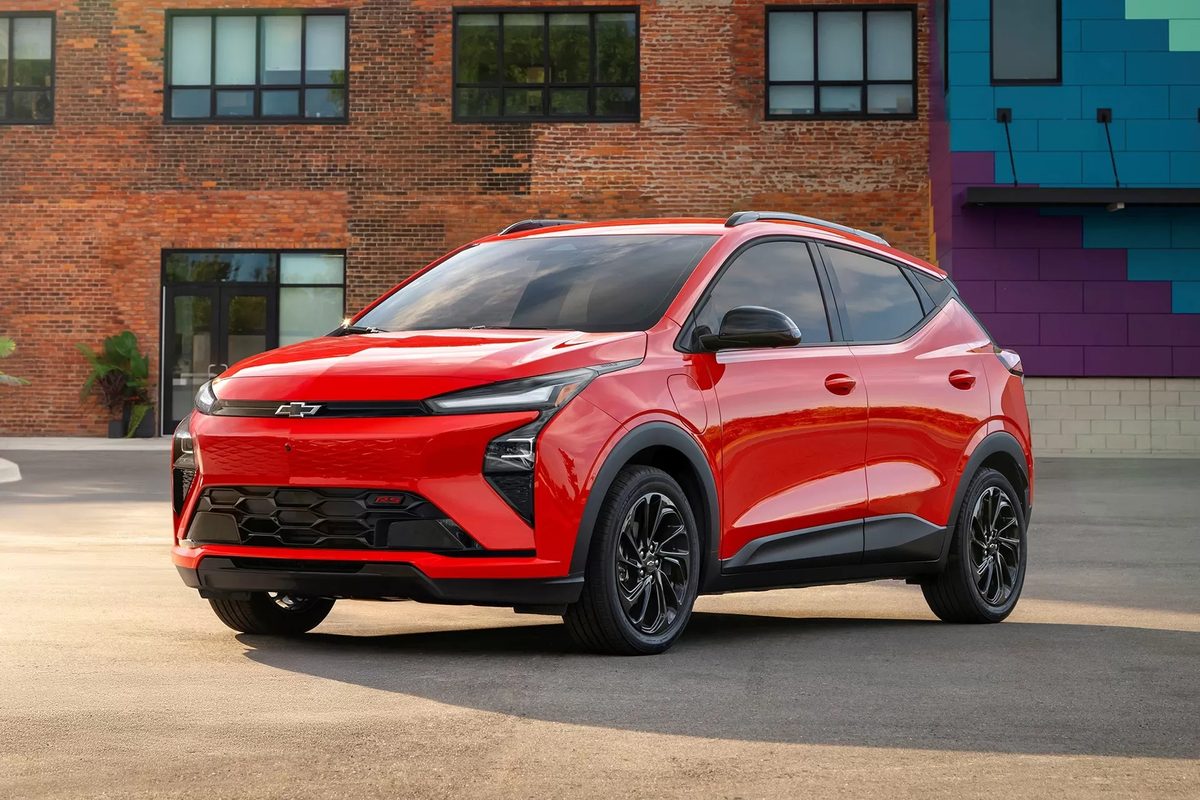
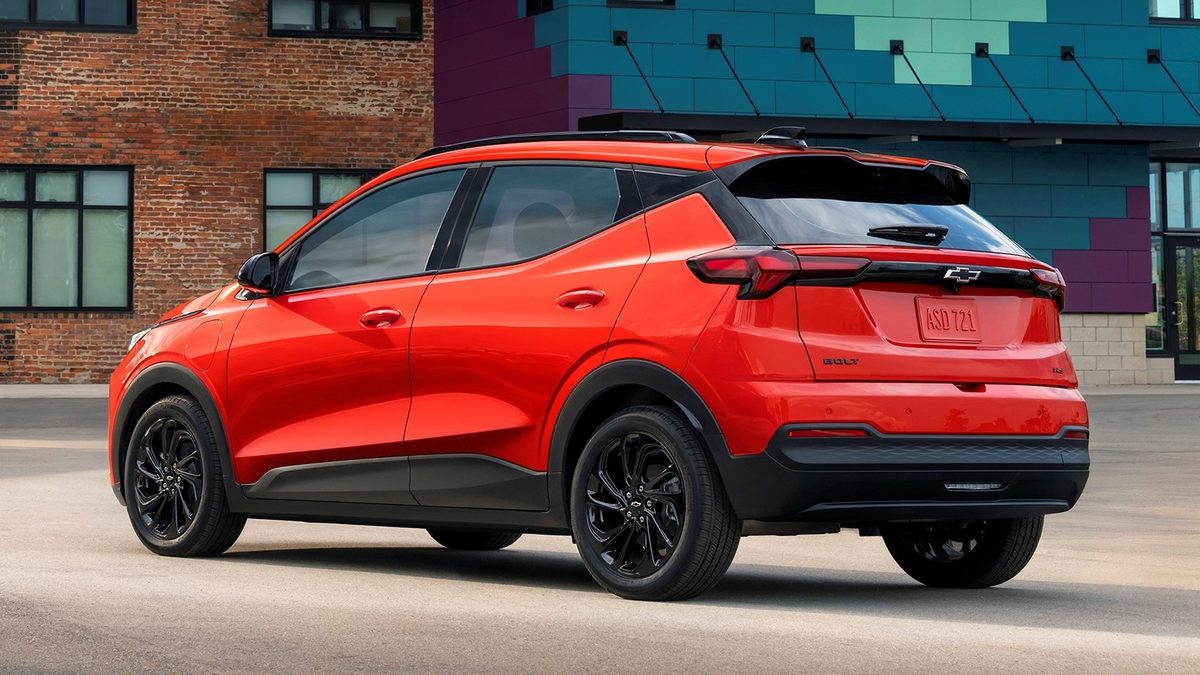
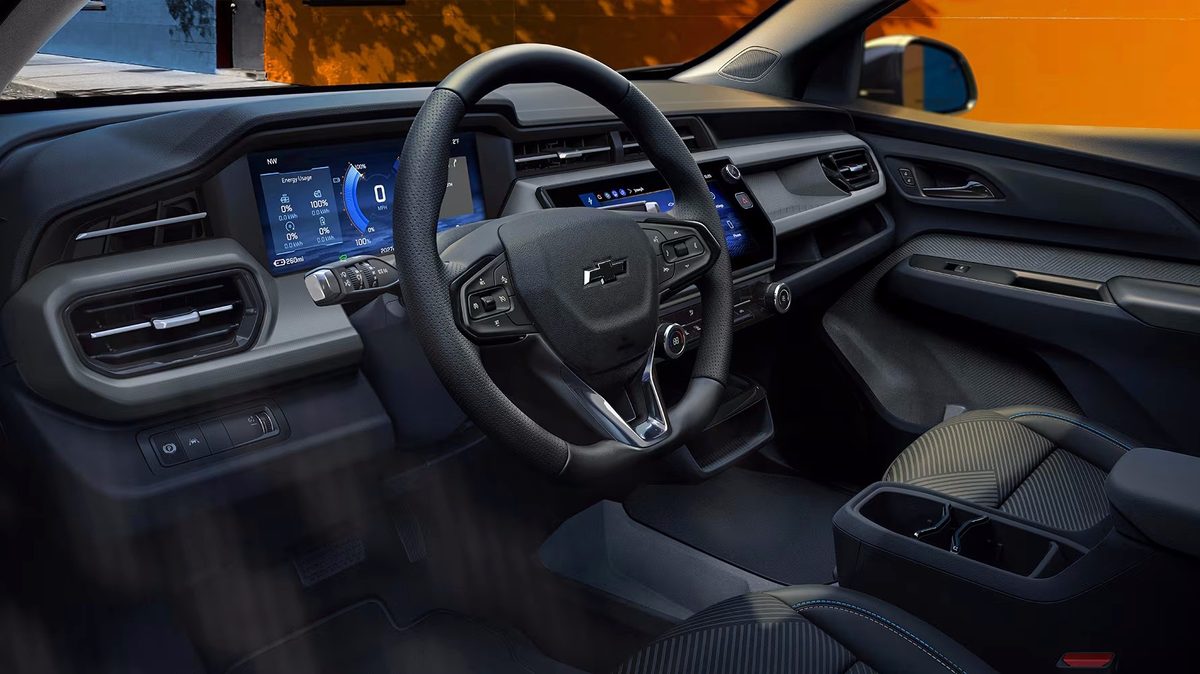
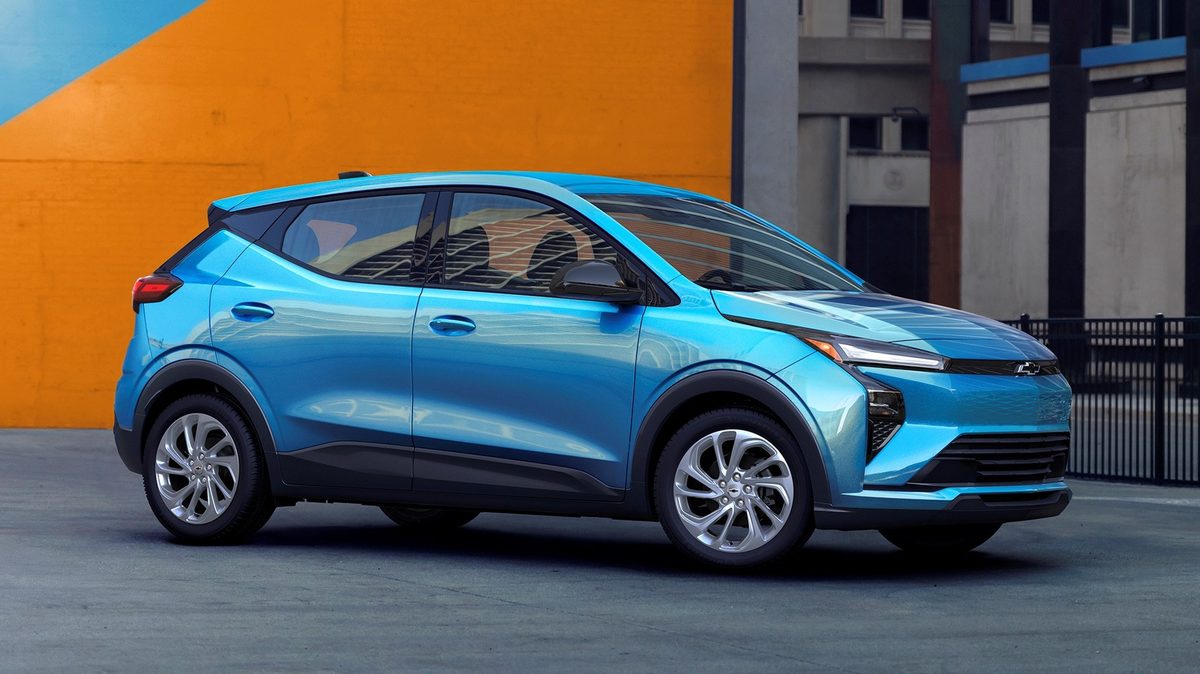
GM’s near-term volume strategy centres on a revived Chevrolet Bolt, priced below $29,000 - significantly less than anything in GM’s current North American EV lineup. The Bolt nameplate was discontinued in 2023, briefly revived, and is now being rebuilt as the foundation of GM’s effort to demonstrate that electric vehicles can be profitably sold at scale in the US market.
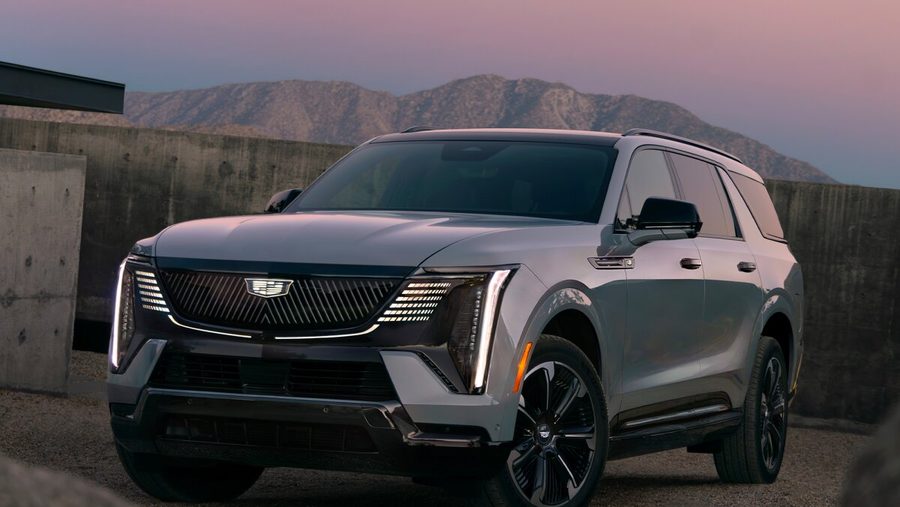
Extended-wheelbase version of the electric Cadillac Escalade IQ. GM Ultium platform, 205 kWh battery, 800V, AWD. 750 hp in Velocity Max mode, ~740 km range (Cadillac estimate). Seven seats. From $132,695.