 USA
USAFord is facing a proposed class action over money it has not yet received. The claim is straightforward enough to state in one sentence: if the company gets its tariff payments refunded, the customers who paid tariff-inflated prices should get something back too.
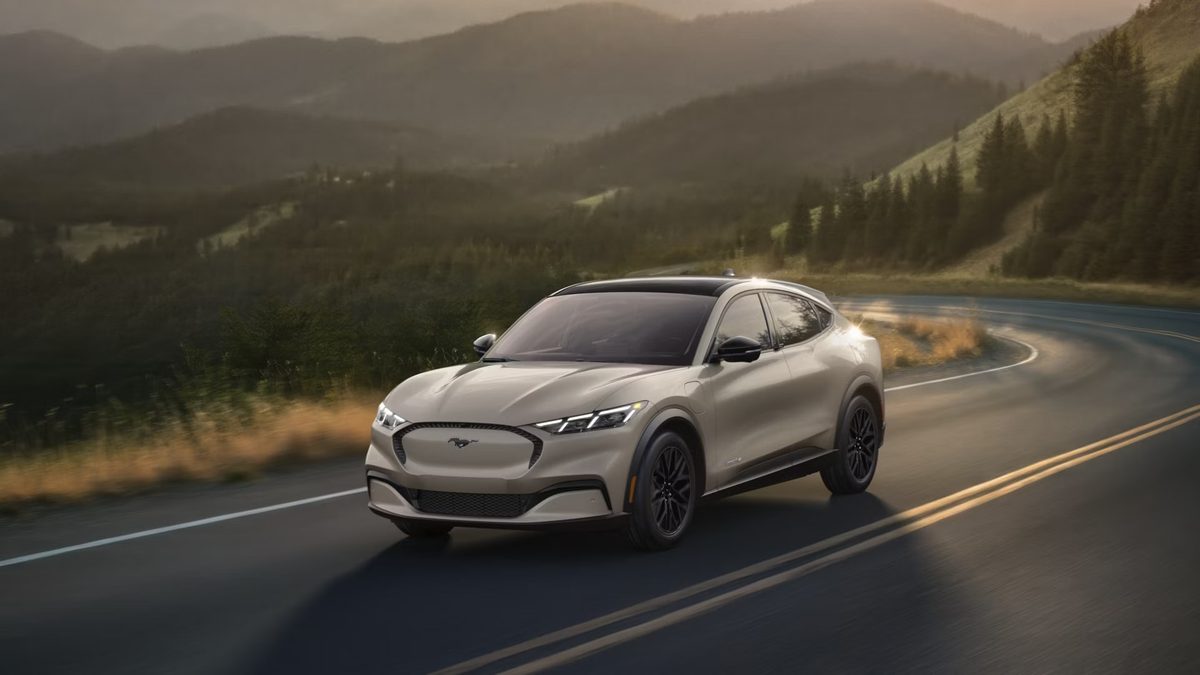
The case was filed in federal court in Michigan by Jason Bullock, a California resident who bought a Mustang Mach-E built in Mexico earlier in 2026. His argument is that tariff costs were baked into the vehicle’s sticker price and destination charge, and that Ford is now positioned to recover those costs from the government while keeping the higher prices it charged consumers. The complaint calls that a “double recovery and unjust windfall.”
Where the $1.3 billion comes from
The refund is real and Ford has already booked it. After the Supreme Court struck down the tariffs imposed under the International Emergency Economic Powers Act, Ford recorded a one-time benefit of $1.3 billion tied to duties it had paid between March 2025 and February 2026.
The company has not announced any corresponding price reduction, refund, or credit for the buyers who purchased vehicles during that window. That silence is the gap the lawsuit is aimed at.
Why the theory is harder than it sounds
Proving that a specific tariff cost was passed to a specific buyer is the difficult part. Vehicle pricing moves for many reasons at once - demand, incentives, model-year changes, dealer markup - and a manufacturer’s suggested retail price is not an itemised bill. Ford would argue, as automakers generally do, that it absorbed some tariff costs rather than passing them along in full, and that untangling which dollars came from where after the fact is not something a court can do cleanly.
None of the claims has been tested. This is an allegation at the earliest stage of a case that Ford has not yet answered.
Why it will not stop at Ford
The reason to watch it is not the Mach-E. Every importing automaker paid these duties, most raised prices during the same period, and several are in line for refunds of their own. If the theory survives a motion to dismiss, the question it raises stops being about one company and becomes an industry-wide one about who owns a refund on a cost that was already passed down the chain.

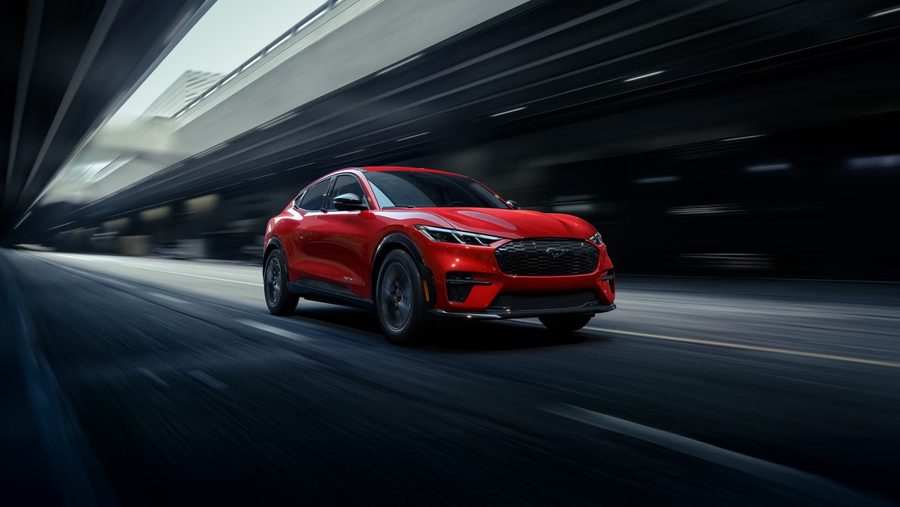
The Ford Mustang Mach-E is an electric five-seat crossover built in Mexico and sold worldwide. The range runs from a 264 hp rear-drive Select to the 480 hp GT and the off-road-flavoured Rally, with up to 515 km (320 miles) of EPA range. US prices start from $37,795.