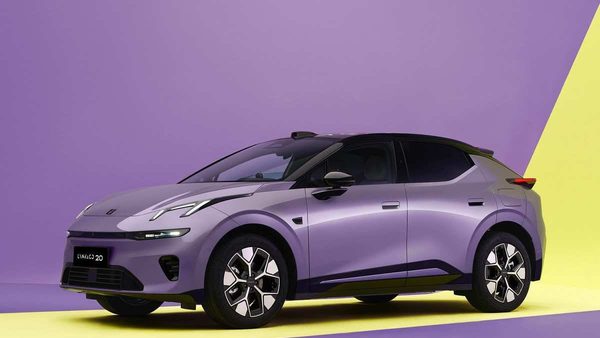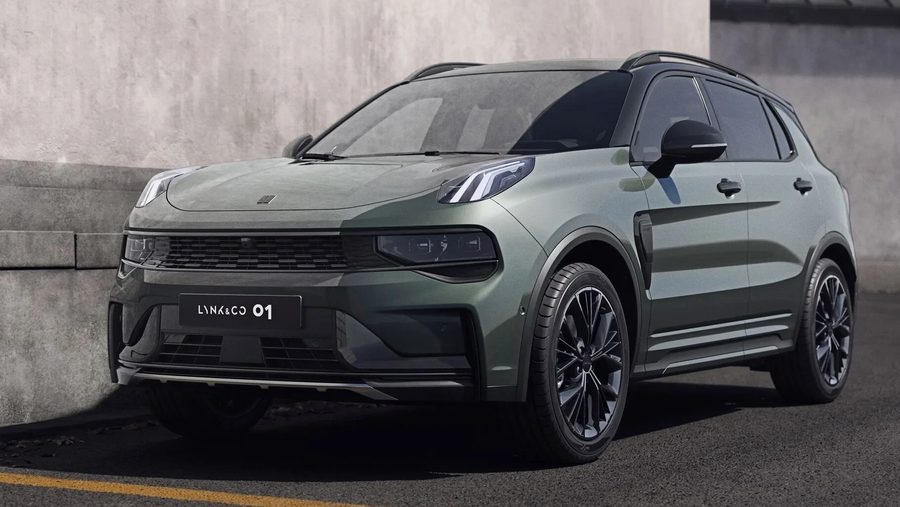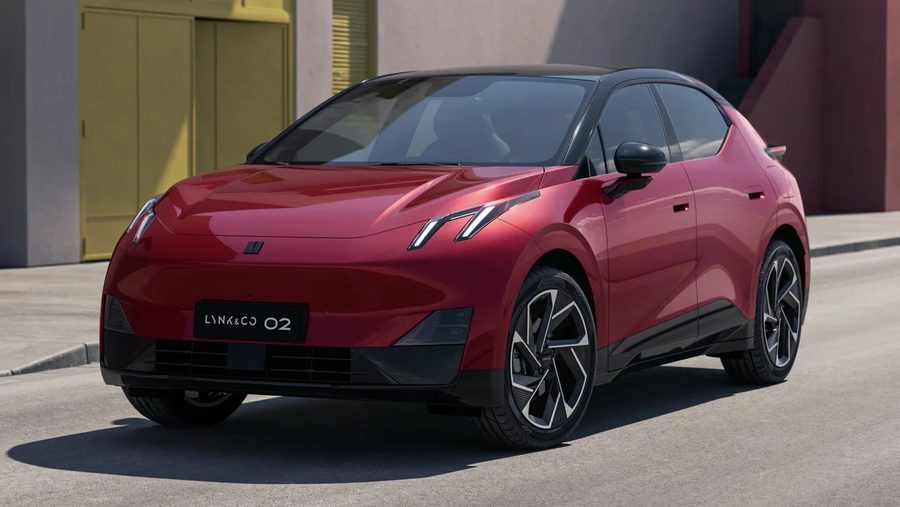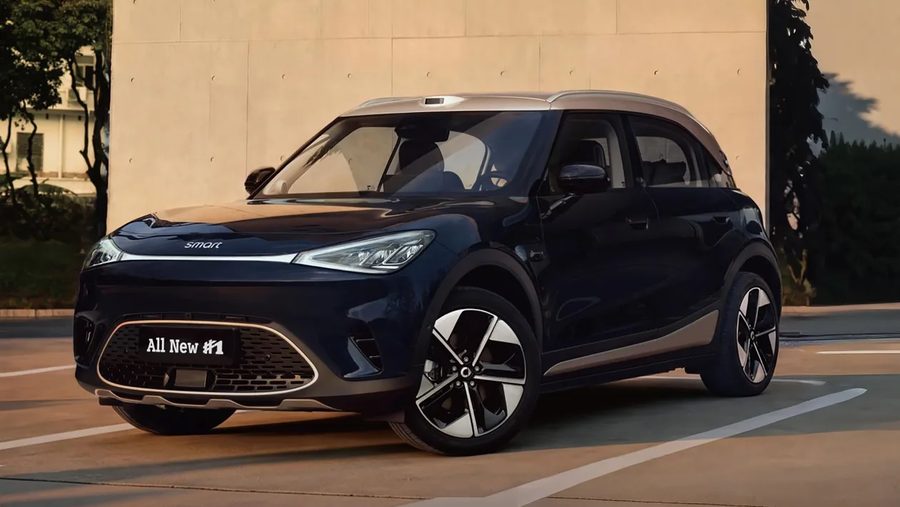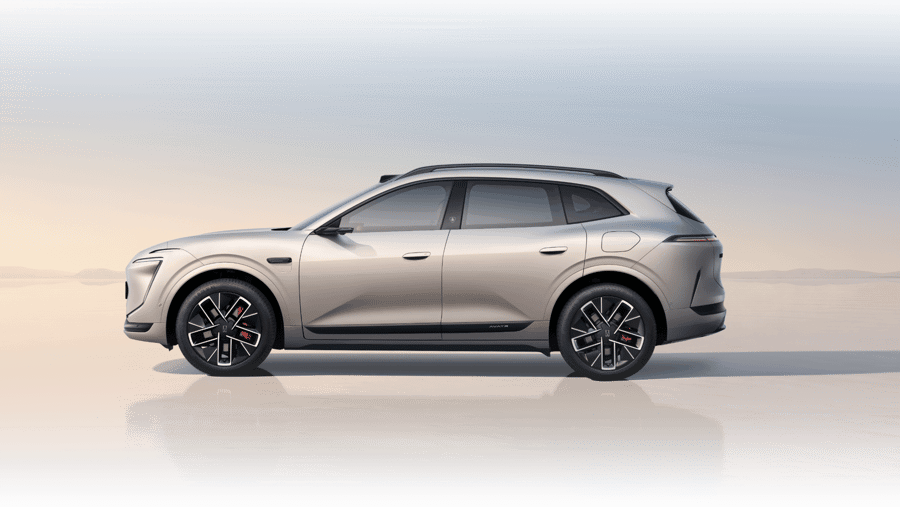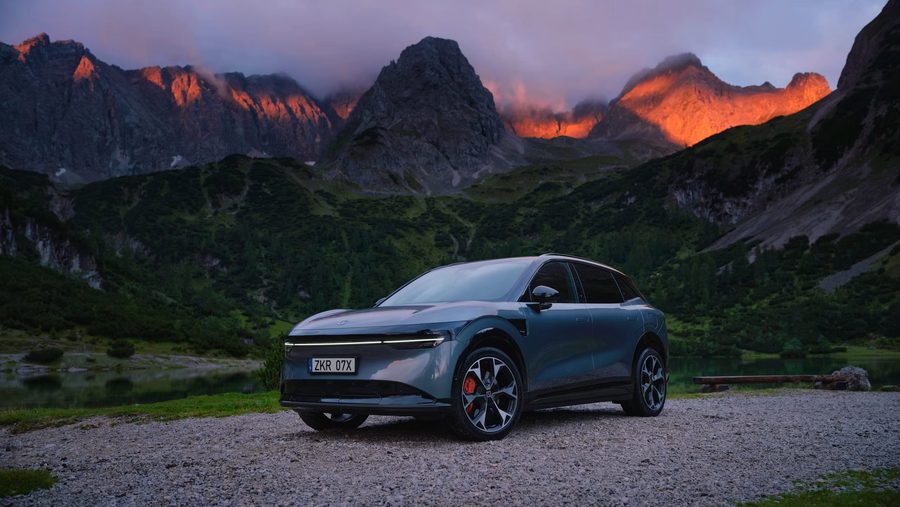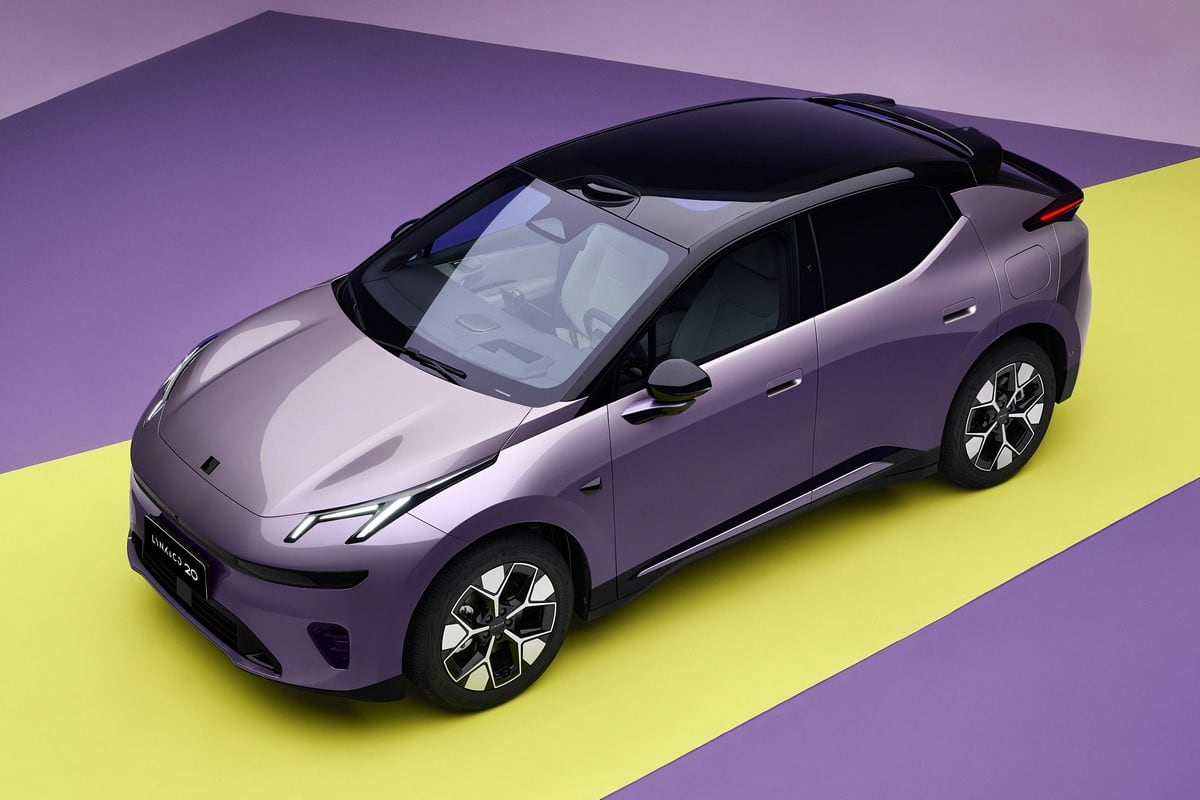
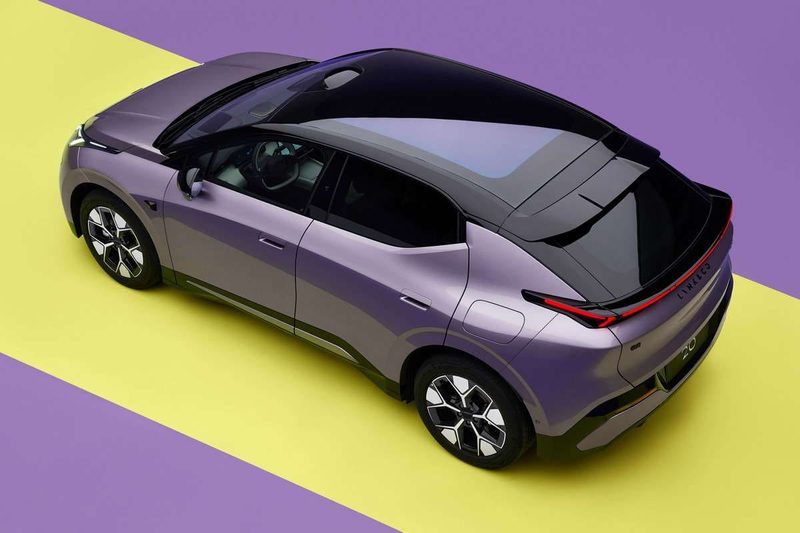
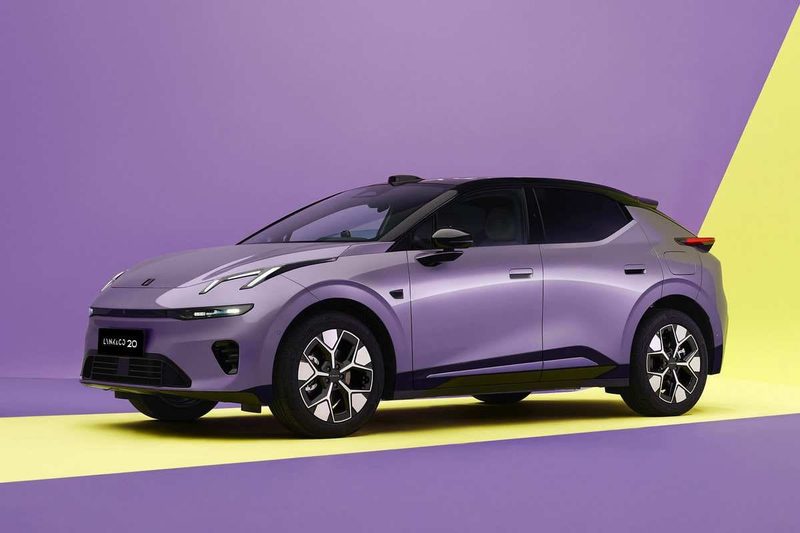
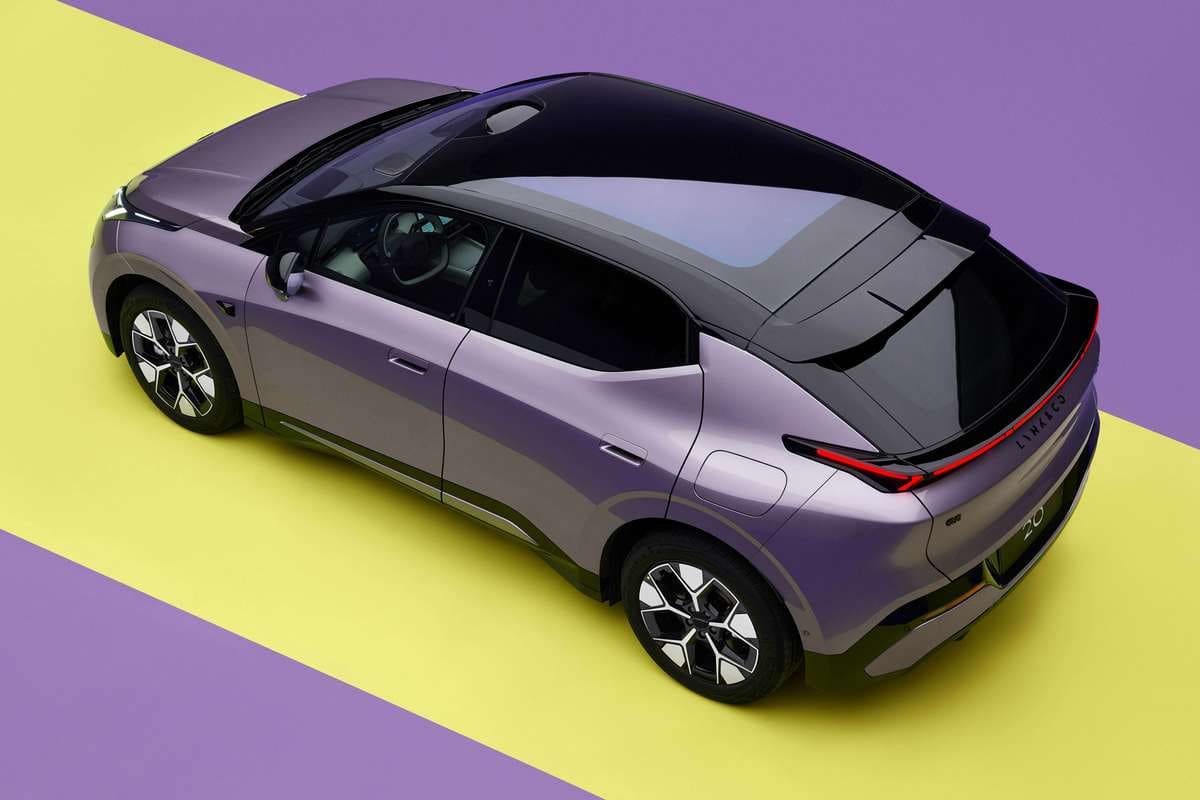
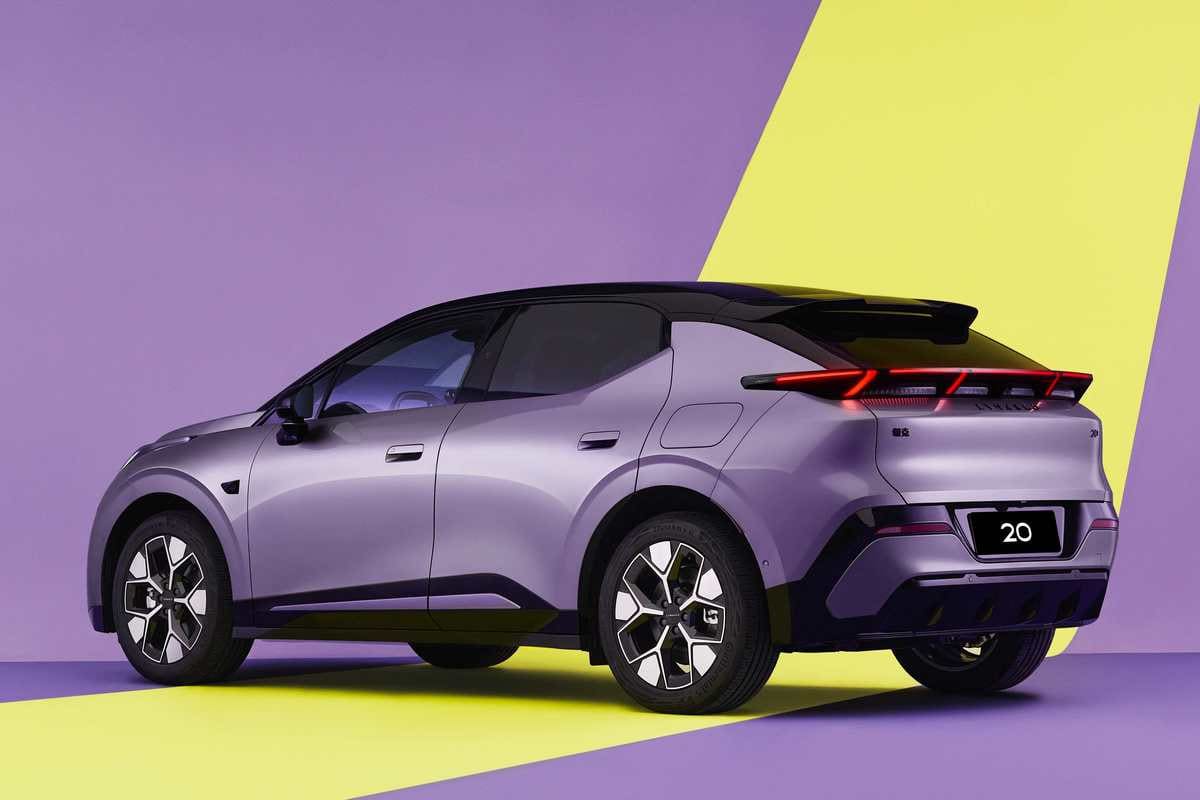
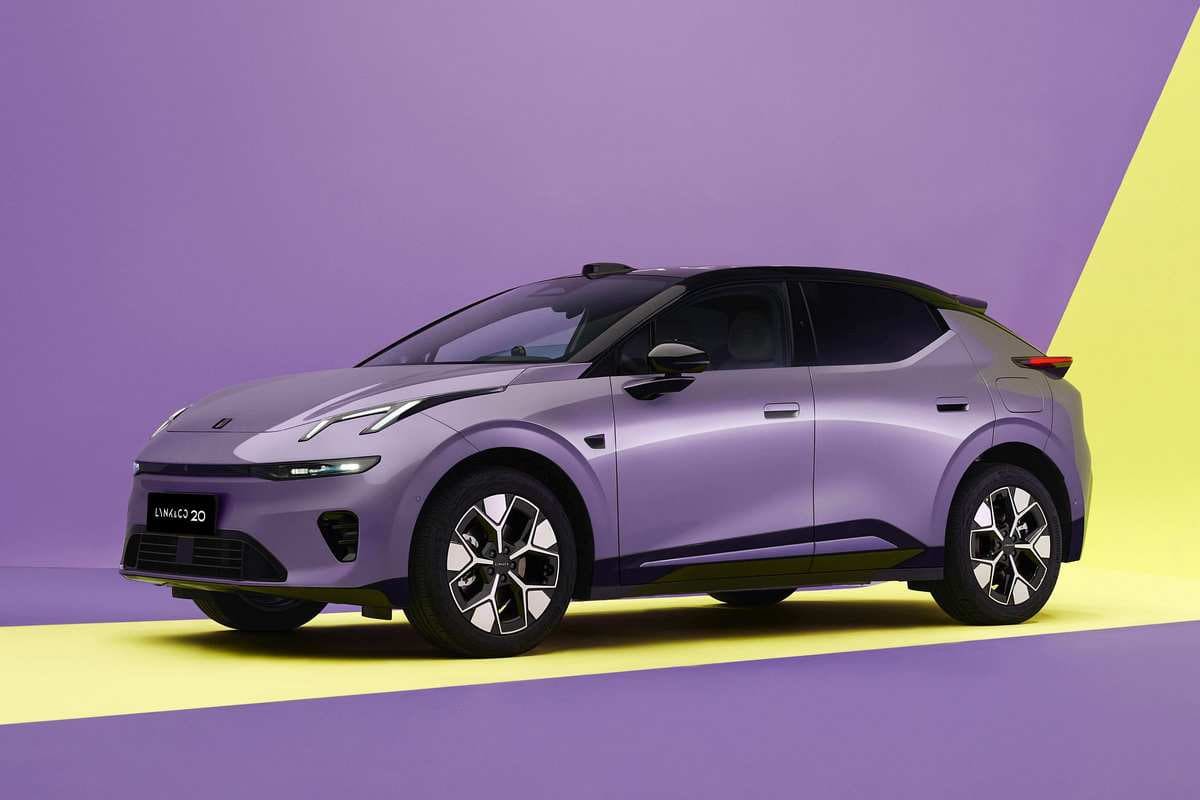
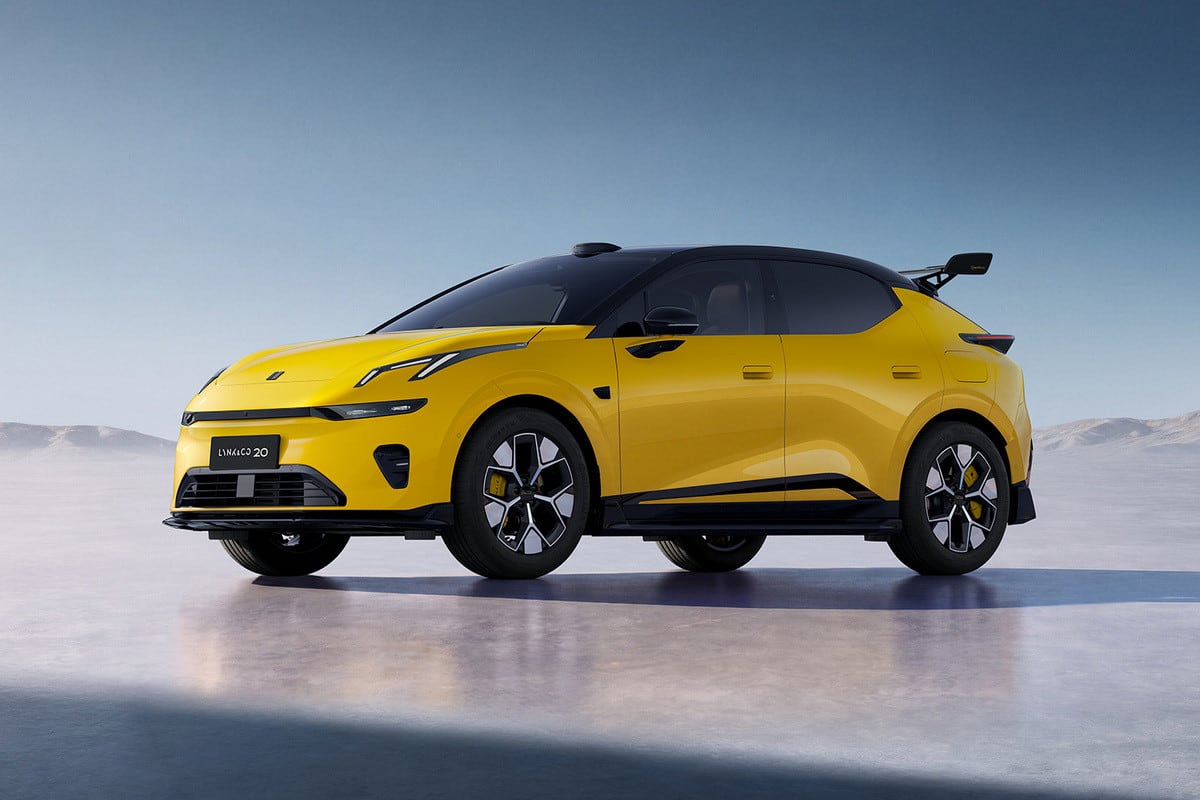
The Lynk & Co 20 is sold only in China, where it replaces the Z20 that the brand launched at the end of 2024. It is the same car Europe buys as the 02: the same SEA2 platform, the same 2,755 mm wheelbase and the same plant in Zhangjiakou, but the 2026 update stretched it 35 mm to 4,495 mm and split the two markets on specification for the first time. SEA2 also carries the Zeekr X, the Volvo EX30 and the Smart #1.
The change that matters is electrical. The 20 moves from a 400-volt system to an 800-volt silicon-carbide architecture with 6C charging, which Lynk & Co rates at a 460 kW peak and 10 to 80% in 12 minutes, against about 30 minutes for the 400-volt car it replaces. The rear motor is a new 16-in-1 silicon-carbide drive unit rated at 245 kW, which is 333 PS or 329 hp, spinning to 23,000 rpm at a claimed 93.8% efficiency, and top speed is 201 km/h. Lynk & Co has not published battery or range figures itself; China’s purchase-tax exemption catalogue, which manufacturers file before sale, lists lithium-iron-phosphate packs of 61.52 and 70.01 kWh rated at 535 and 630 km on the CLTC cycle.
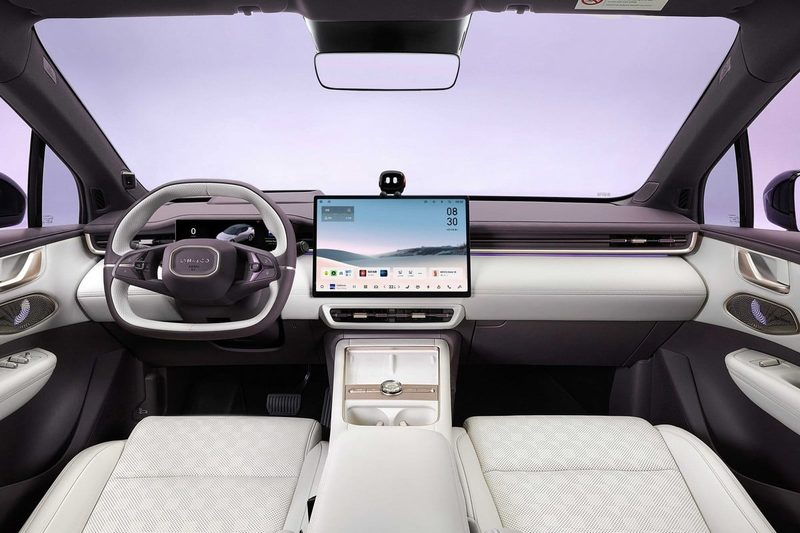
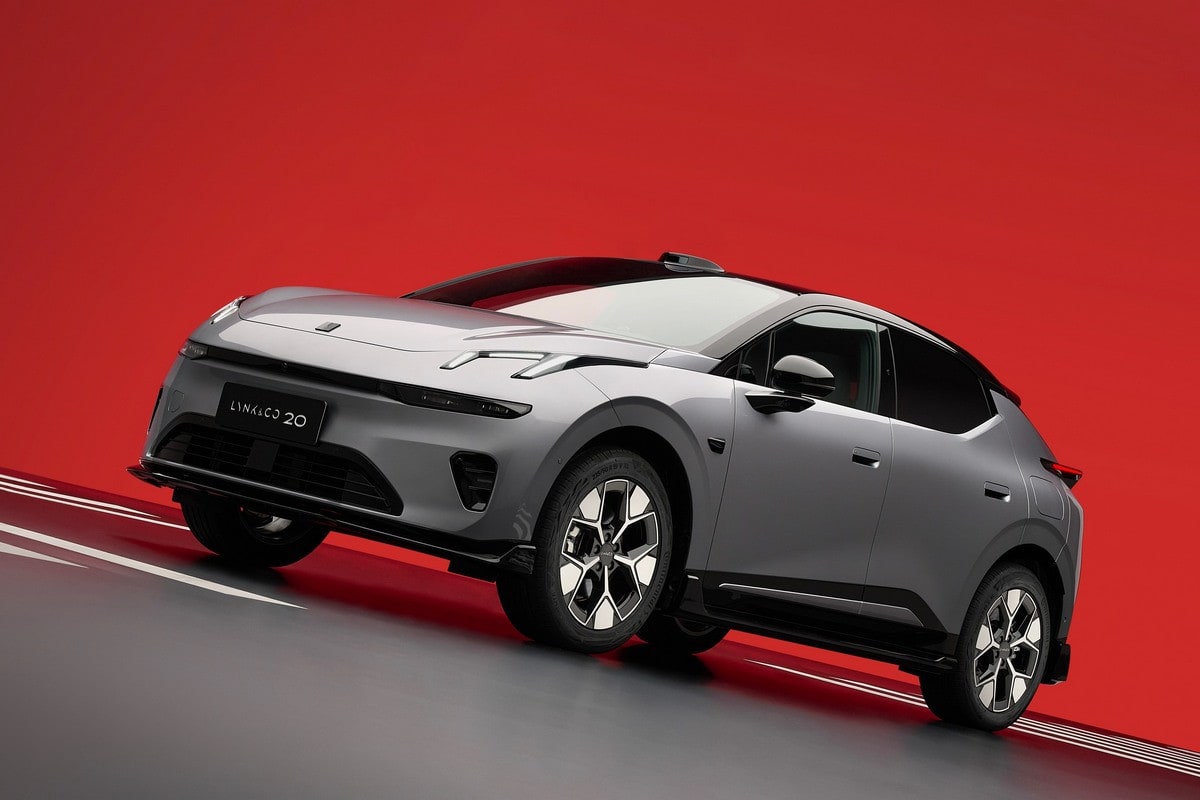
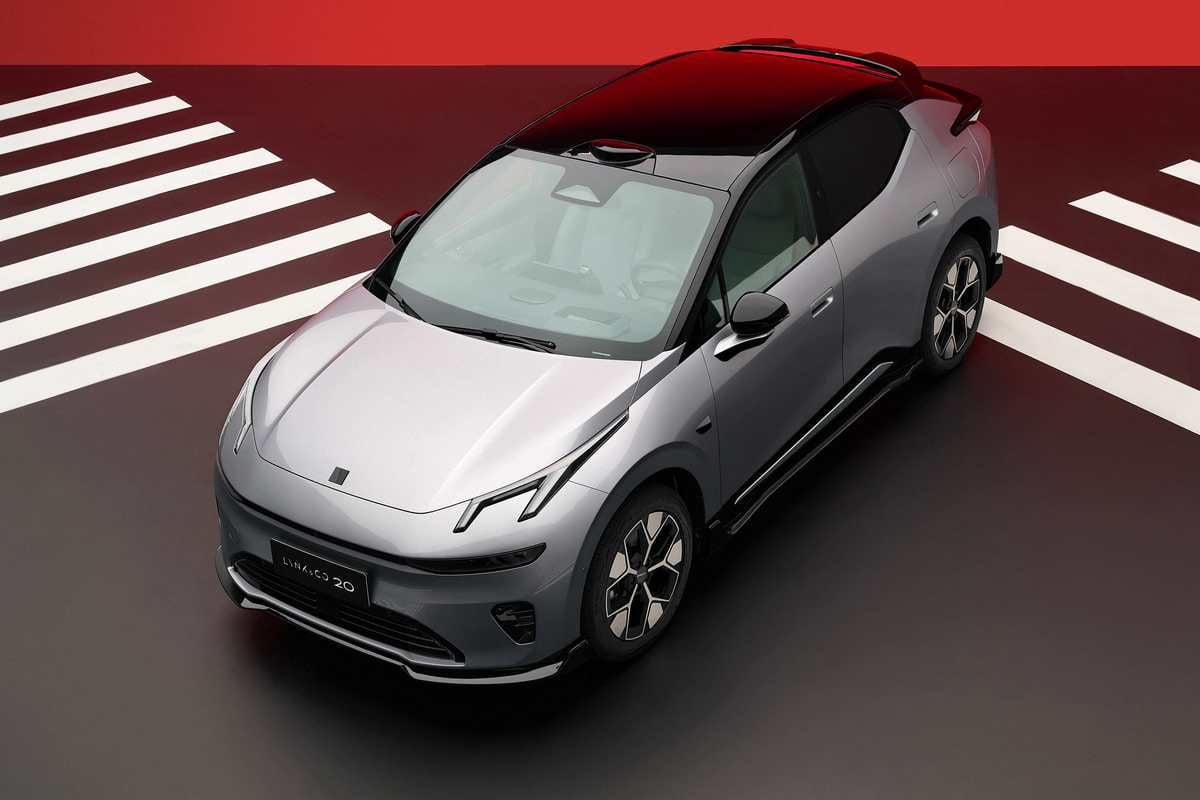
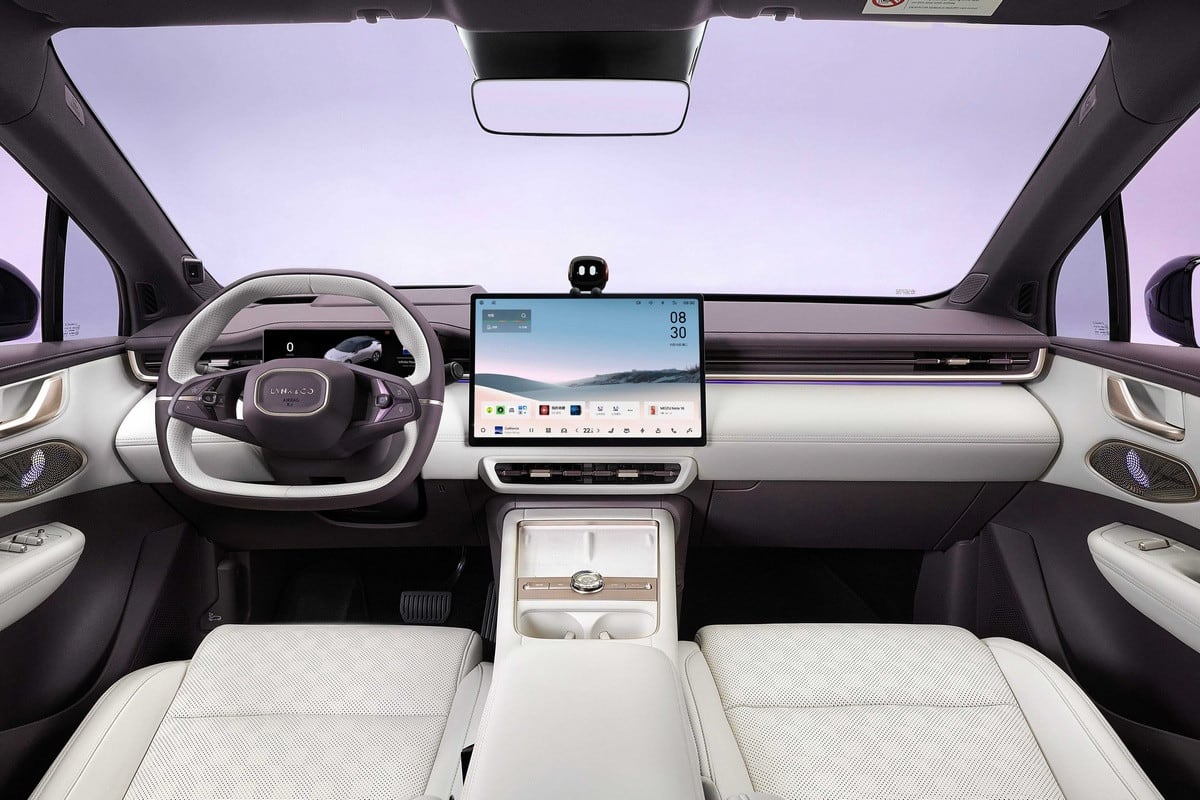
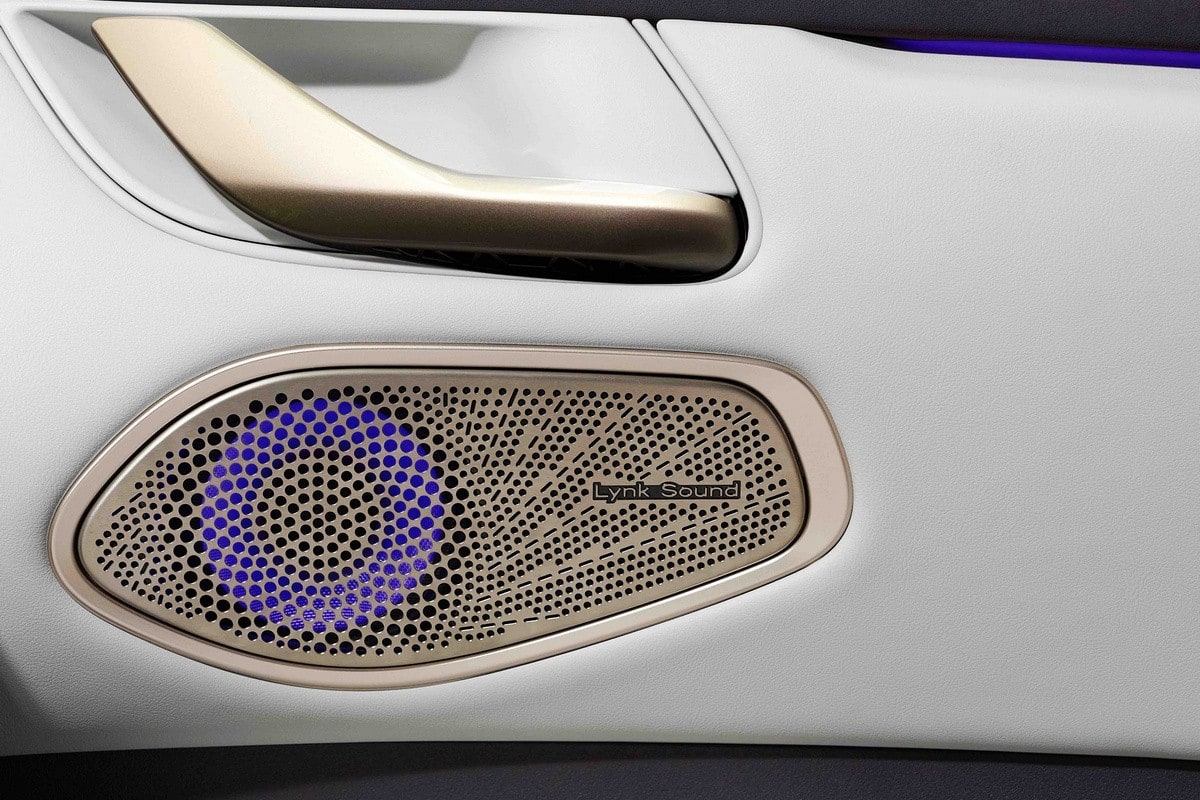
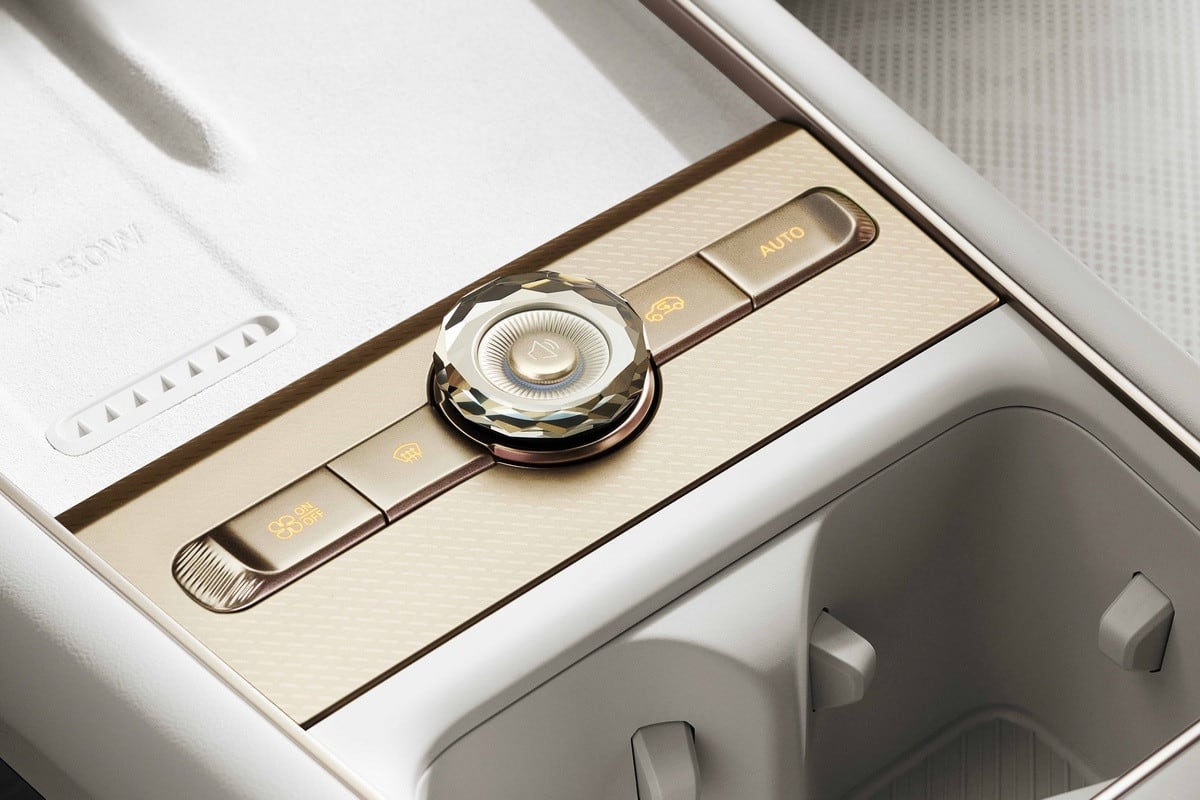
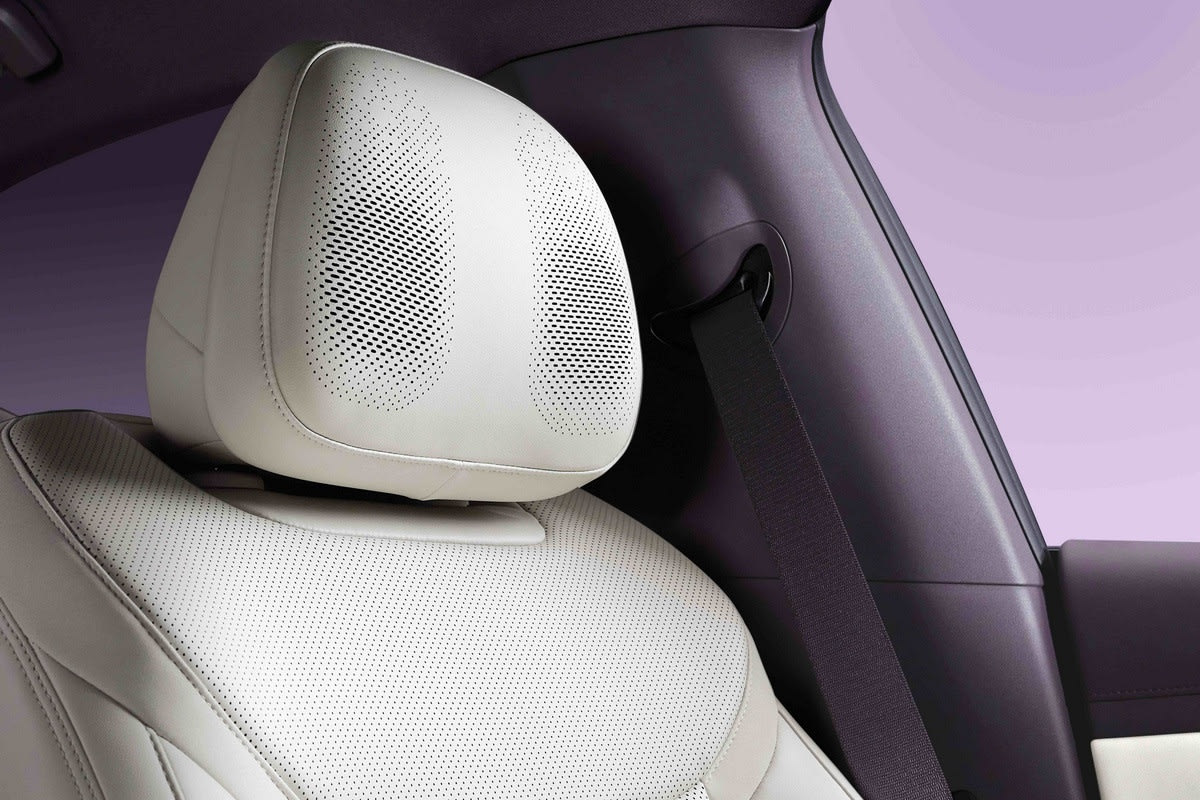
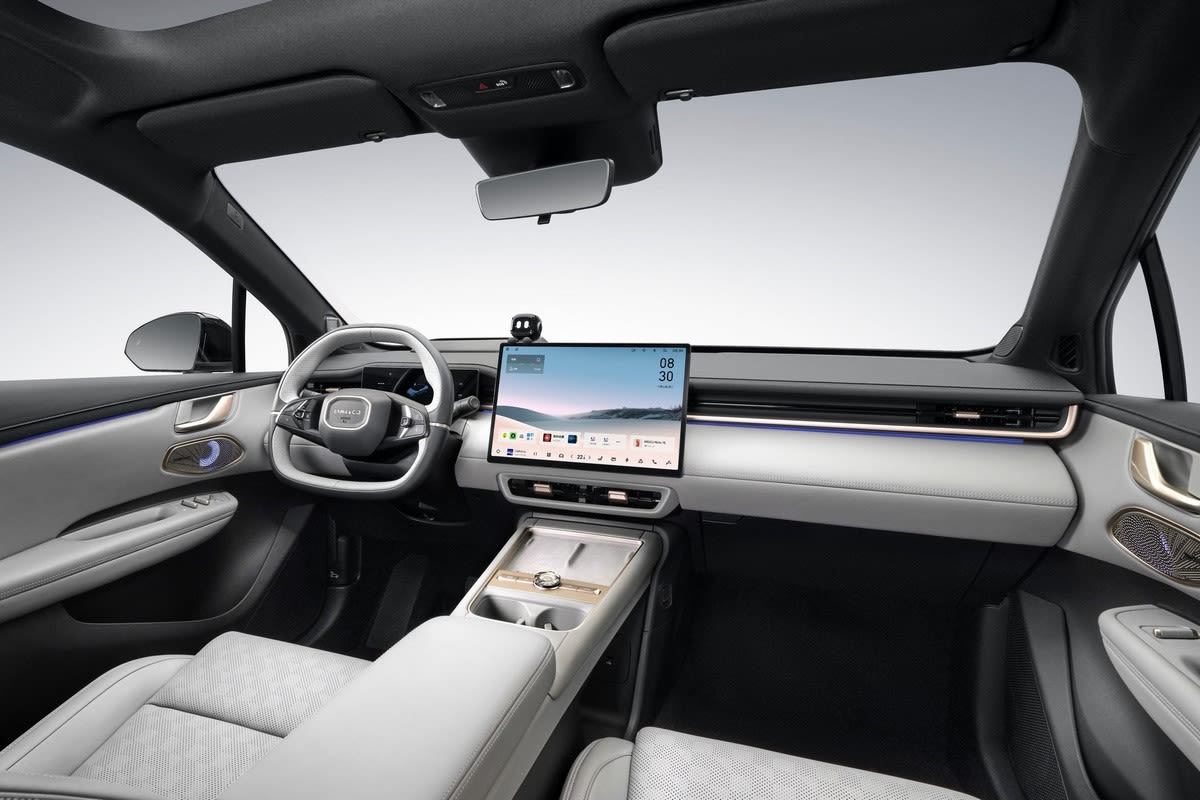
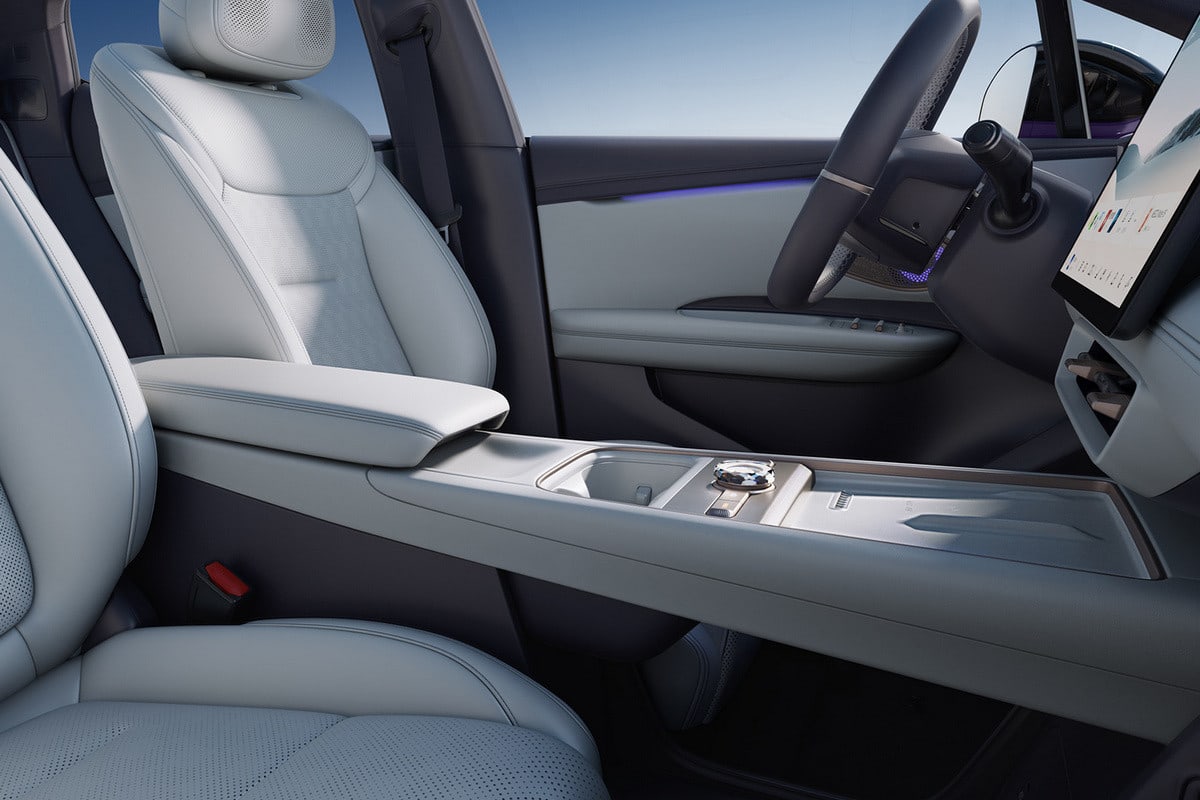
Every 20 carries a roof-mounted lidar and the Qianli Haohan H5 assisted-driving system on a Horizon J6M chip, with 28 sensors in total, and Lynk & Co lists highway and urban navigation assistance and parking-space-to-parking-space driving among its functions. Making lidar standard rather than an option on the top trim is unusual on a car in this price class. Inside, the dashboard is new and the centre console is split into two levels, with some physical controls returning alongside the touchscreen. The equipment list runs to a 23-speaker Lynk Sound audio system, a 37.5-litre refrigerator under the front console, a 6.8-litre cooler in the centre armrest, CCD adaptive dampers and heated, ventilated and massaging front seats.
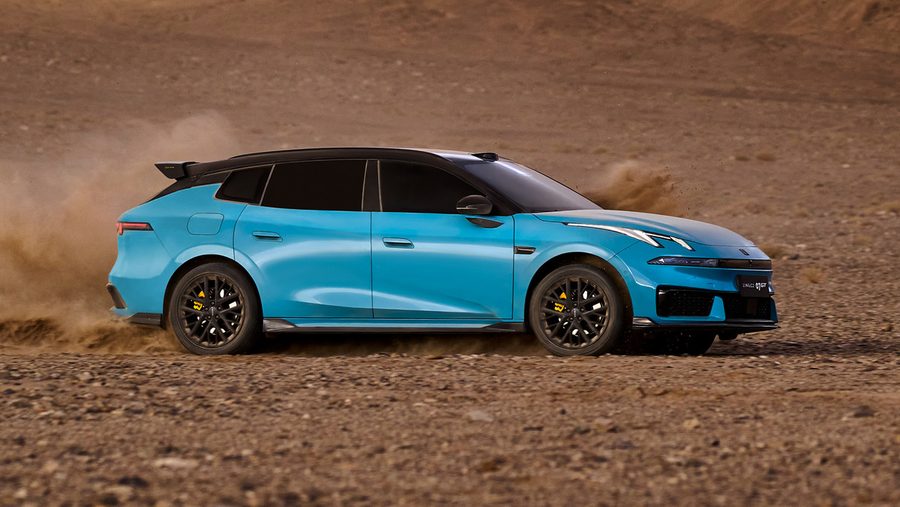
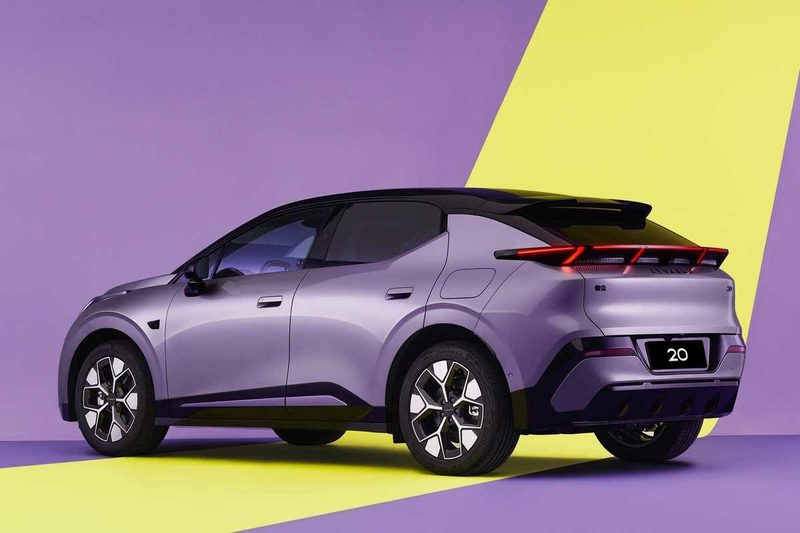
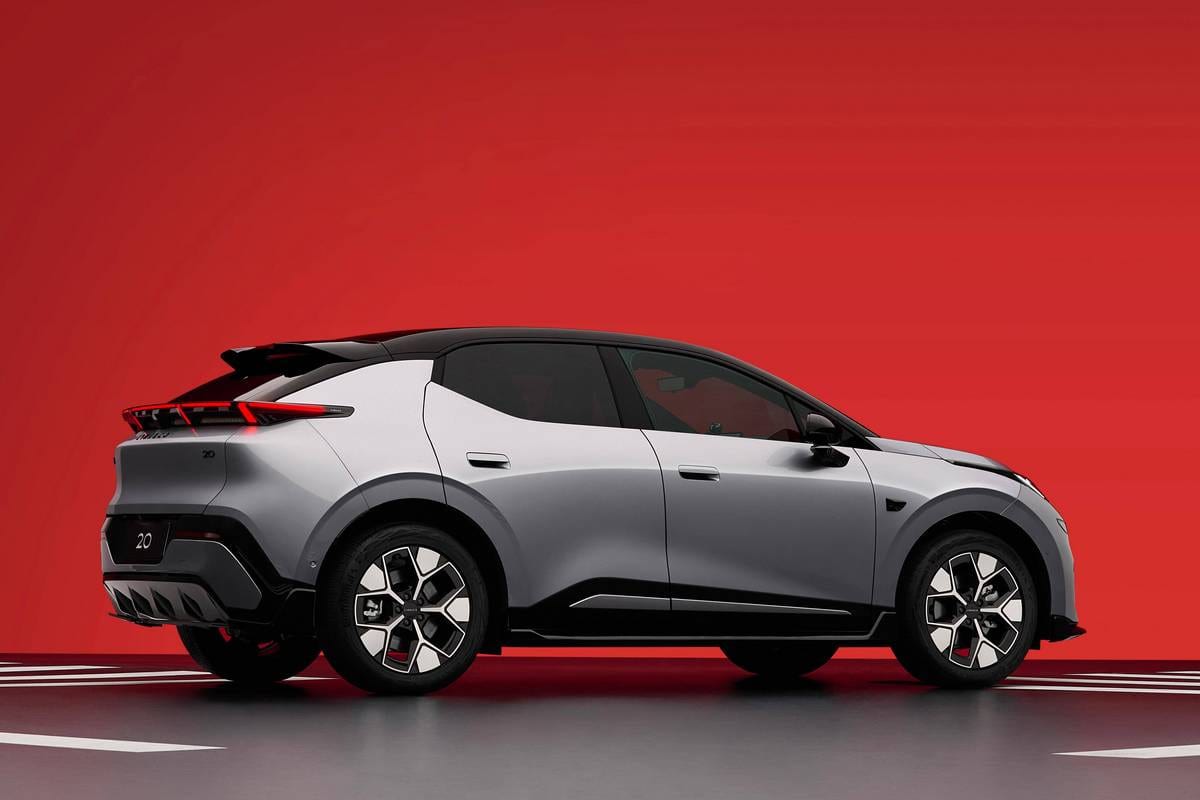
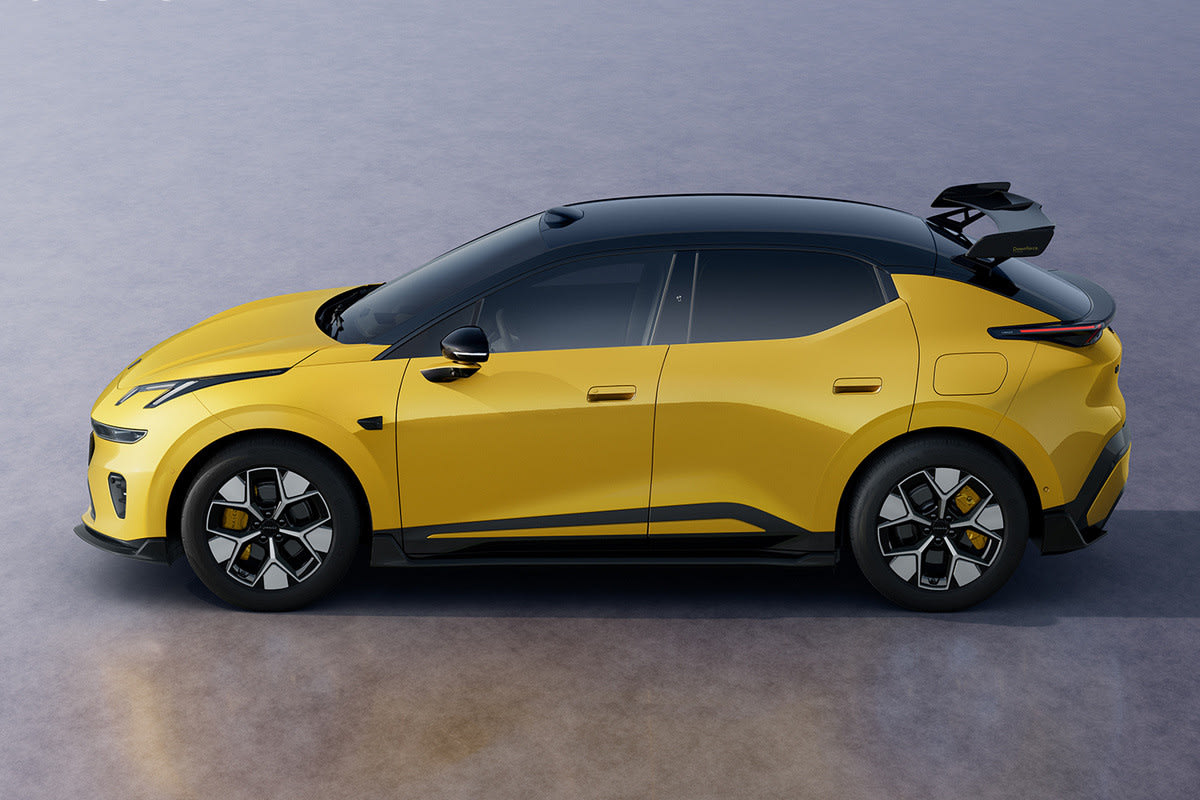
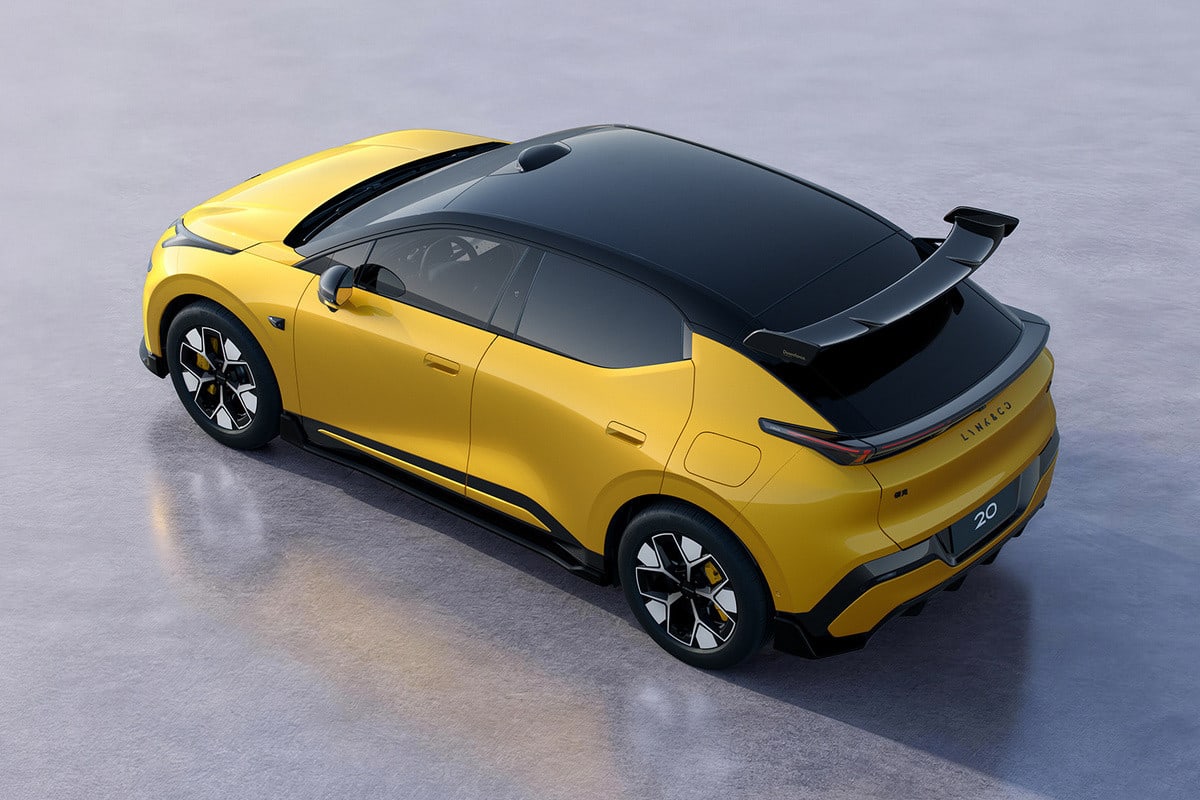
The body keeps the frameless mirrors, flush door handles and full-width rear light bar of the European car, with the model name spelled out across the nose, and a sport pack adds a deeper front bumper, black lower trim and its own wheels. Chinese sales start in the third quarter of 2026, with first deliveries expected in September or October. Prices have not been announced.