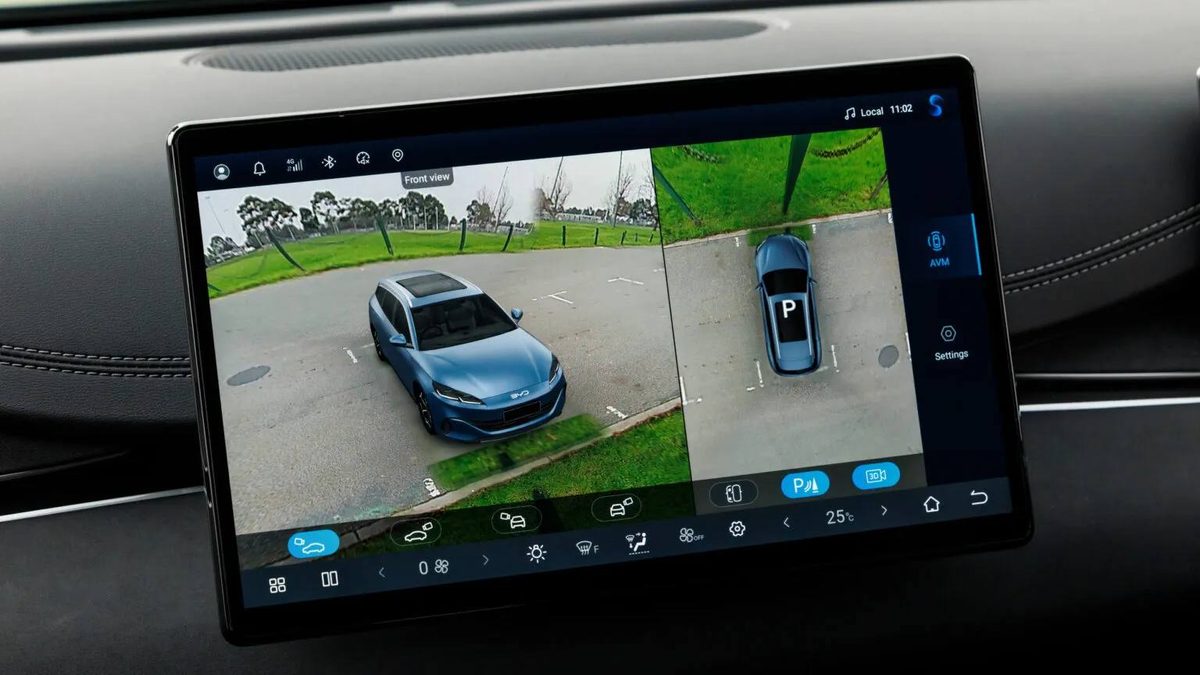
Modern cars are constantly connected, and they send more back to the manufacturer than most owners realize. Beyond location and routes, that includes speed, driving style, use of driver-assist features, infotainment activity, voice commands, paired-smartphone data, and in some cases footage from onboard cameras and sensors.
That flow of data has turned privacy into one of the top issues for regulators worldwide, and each major market is handling it differently.
United States - the FTC has opened investigations into automakers over sharing driver data with third parties. In January 2025 it took action against General Motors specifically over how it collected and sold connected-vehicle data.
European Union - GDPR already requires companies to obtain user consent and disclose how personal data is used, and connected-car data falls under those same rules.
China - regulators require automotive data collected in the country to be stored domestically, and restrict its transfer abroad.
As cars grow more connected, data protection is shaping up to be one of the factors automakers compete on, alongside range, price, and features.