 India
India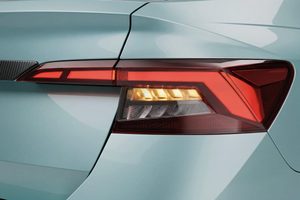
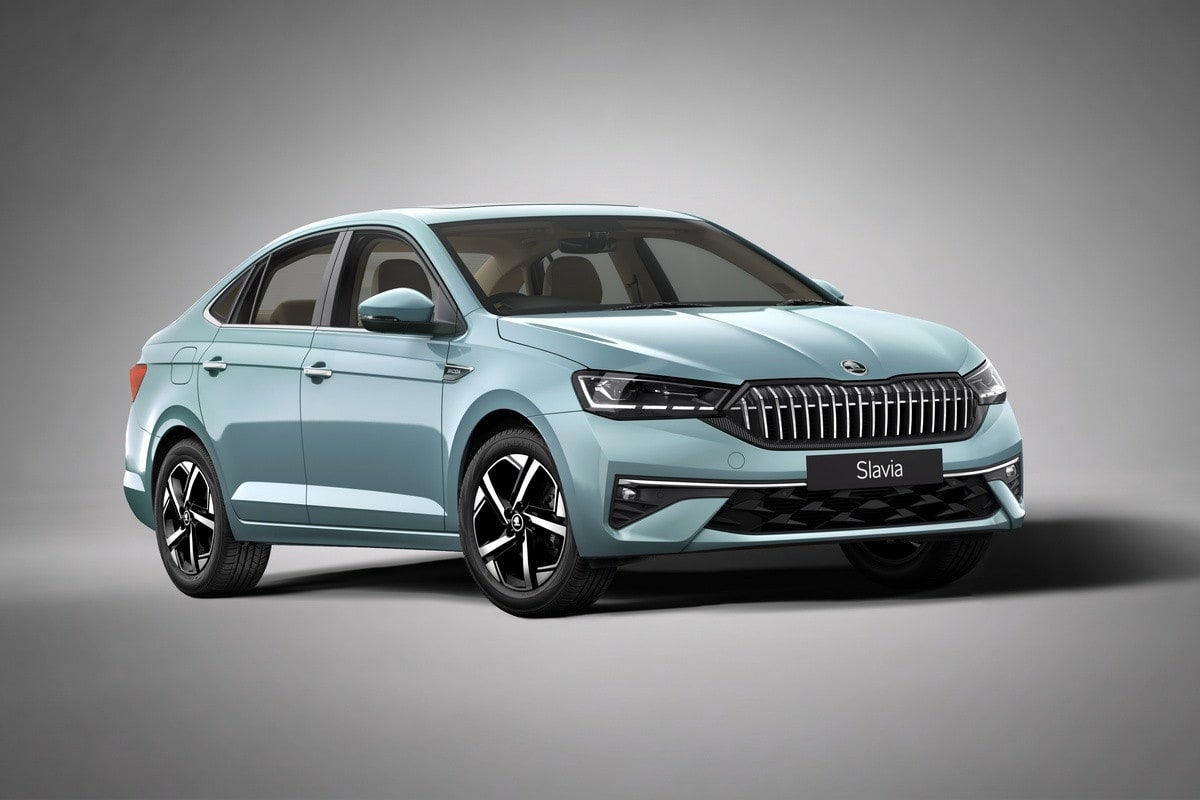
Škoda has facelifted the Slavia, a compact sedan it builds and sells only in India. Bookings opened on 18 August against a ₹15,000 deposit (about $155), and prices for each trim follow in the first week of October, with deliveries starting before Diwali, the autumn festival period that is India’s peak car-buying season.
Engines and gearboxes
The substantive change is the gearbox on the engine most Slavias are sold with. The 1.0-litre three-cylinder TSI - Škoda’s badge for its turbocharged petrol engines - makes 85 kW (115 PS) and 178 Nm, and now pairs with an 8-speed torque-converter automatic in place of the 6-speed unit it used before. Two extra ratios spread across the same power band means lower revs at a highway cruise and smaller steps between gears in traffic. The 6-speed manual carries over. Škoda calls the 8-speed a first in the segment.
The 1.5-litre four-cylinder is unchanged at 110 kW (150 PS) and 250 Nm with the 7-speed DSG, but it now gets rear disc brakes.
Inside
The dashboard carries a 10.25-inch digital instrument cluster and a 10.1-inch touchscreen with wireless Android Auto and Apple CarPlay. The voice assistant behind it runs on Google Cloud’s Automotive AI Agent, tuned for Indian English accents, and handles climate, music, calls and general search by voice - the point of the tuning being that a system trained on American or British speech tends to mishear Indian-accented commands and place names.
Rear-seat massage is new, and Škoda claims it as a segment first. Also added: front parking sensors and a 360-degree Area View camera on the Signature, Sportline, Prestige and Monte Carlo trims, with Classic and Classic+ keeping a rear-view camera. Six airbags remain standard.
Outside
New LED headlamps, redesigned tail lamps with sequential indicators and new alloy wheel designs, plus two new colours, Arctic Silver and Cappuccino Beige. The Monte Carlo trim keeps its dual-tone paint and black accents.
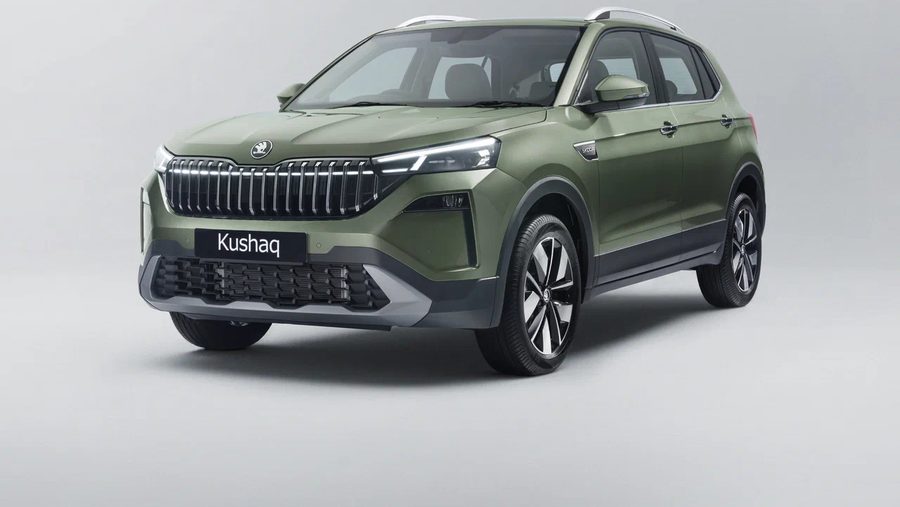
The Slavia has sold close to 80,000 units since it launched in early 2022, a figure Škoda quoted in its 18 August release. It sits on MQB-A0-IN, the version of Volkswagen Group’s MQB architecture localised for India, which it shares with the Kushaq.