 South Korea
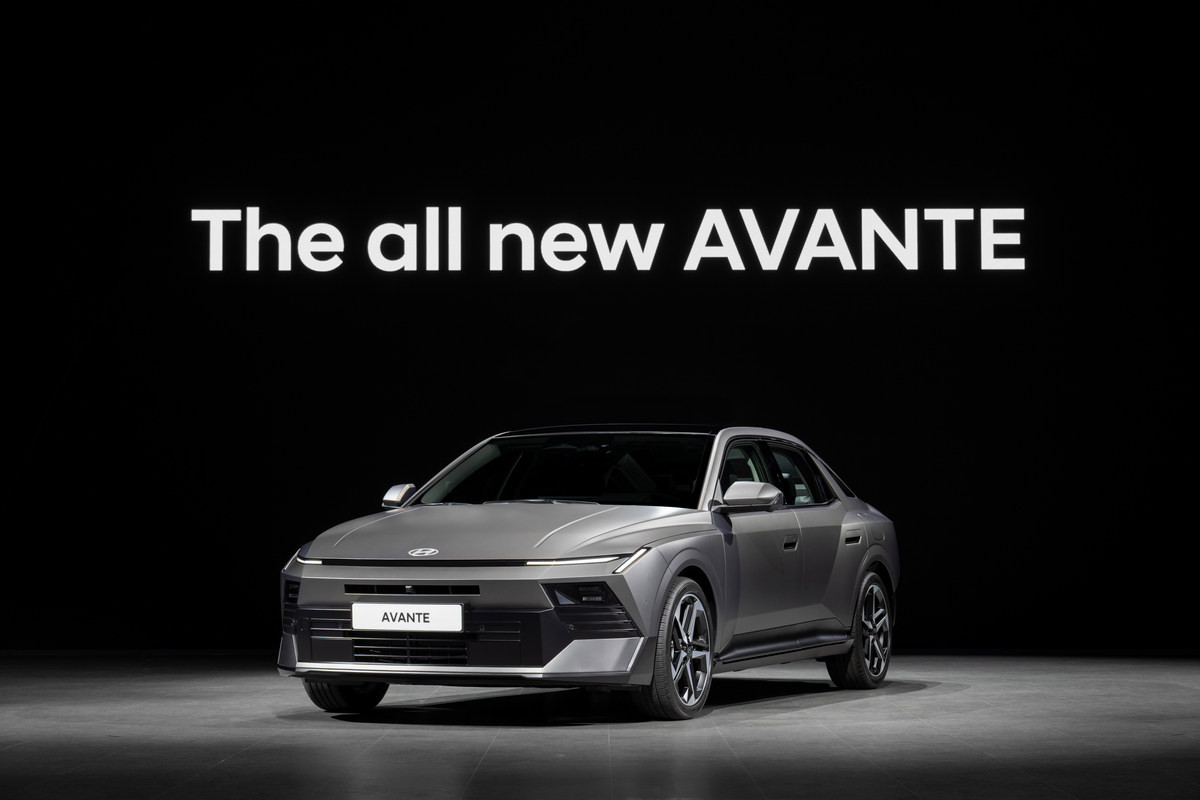
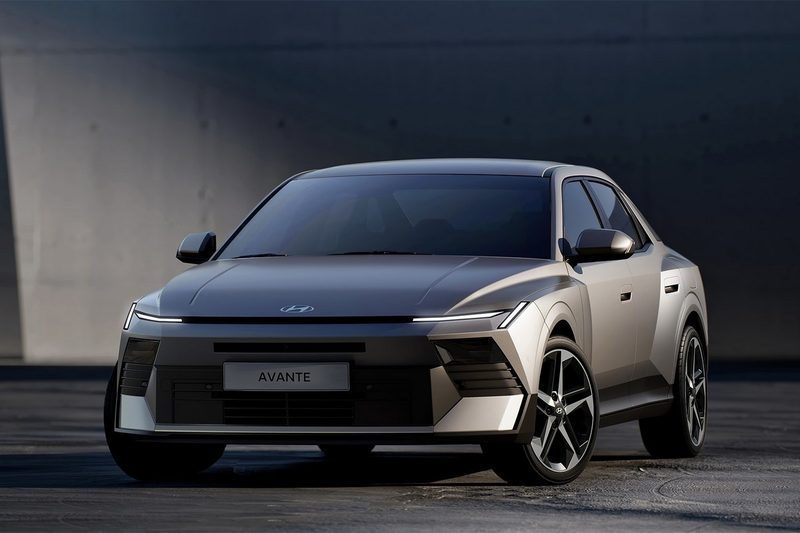
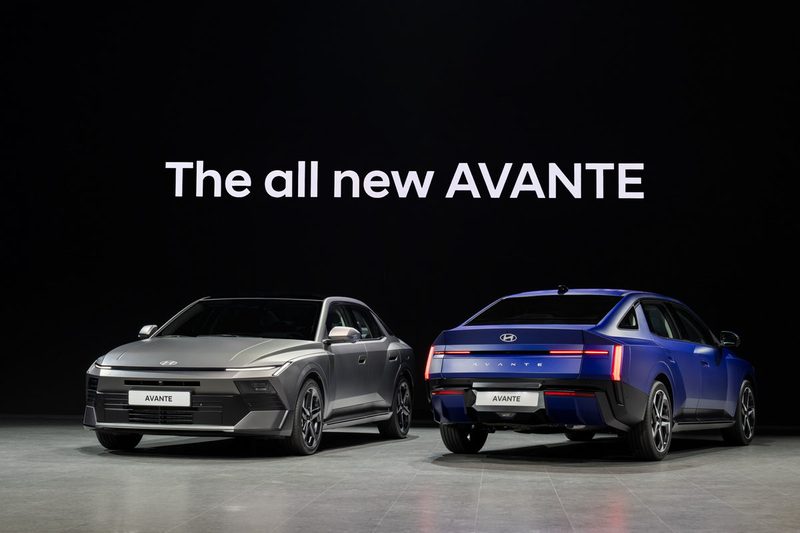
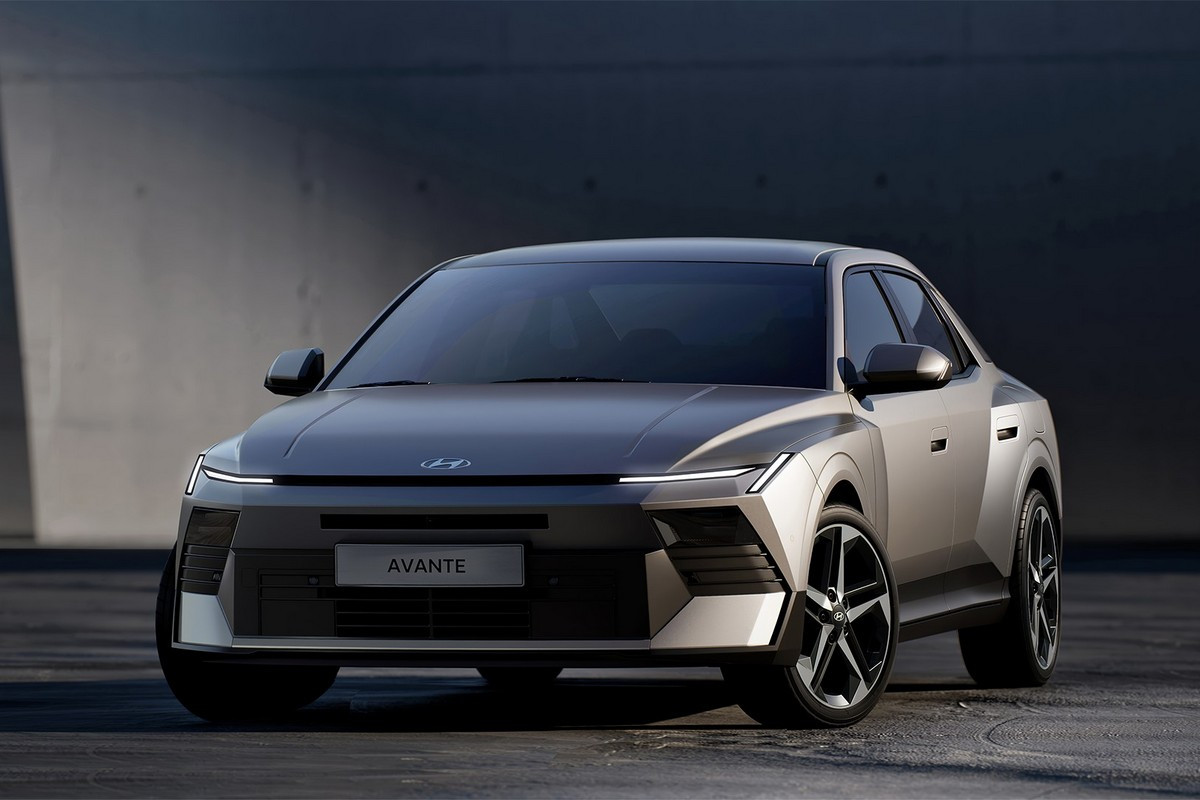
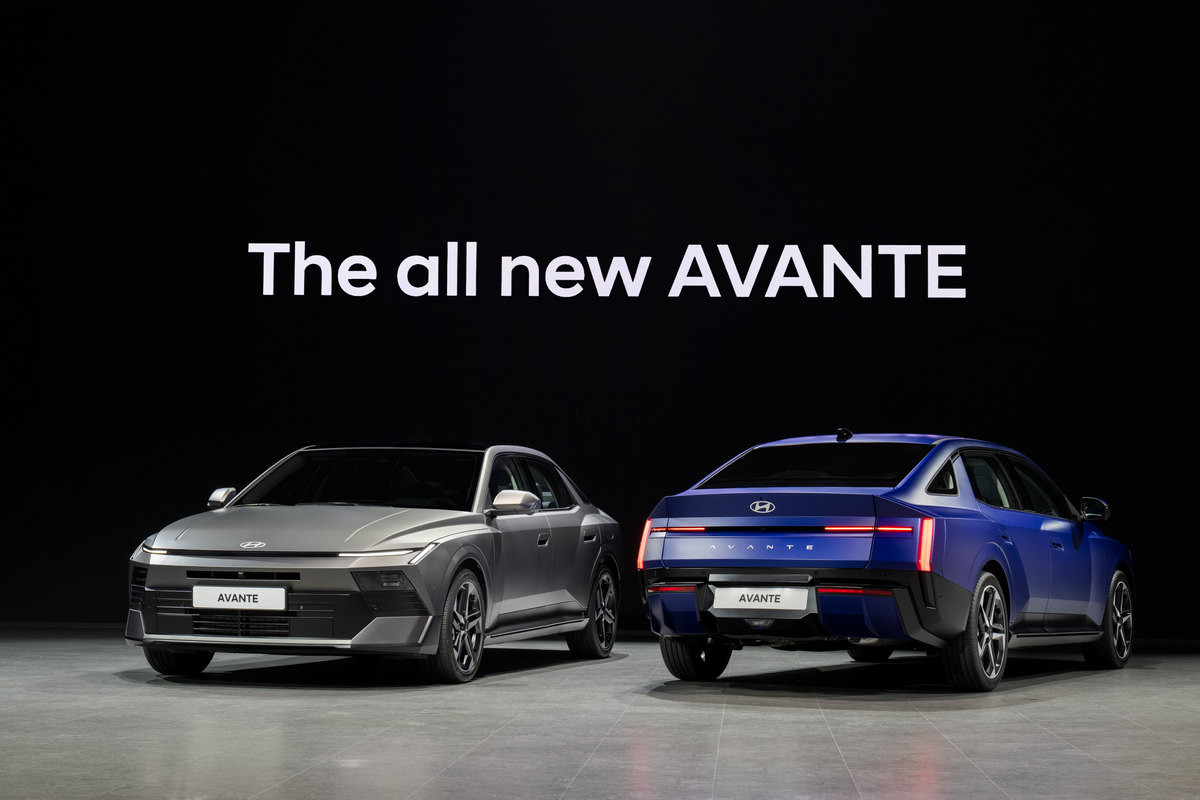
Hyundai has revealed the eighth generation of the Elantra, its long-running compact sedan, at the 2026 Busan Motor Show. Sold as the Avante in South Korea, the car has been on the market in its current form since 2020 and now moves to a much sharper design language that Hyundai calls “Art of Steel,” with creased, faceted surfaces in the vein of the brand’s recent electric models.
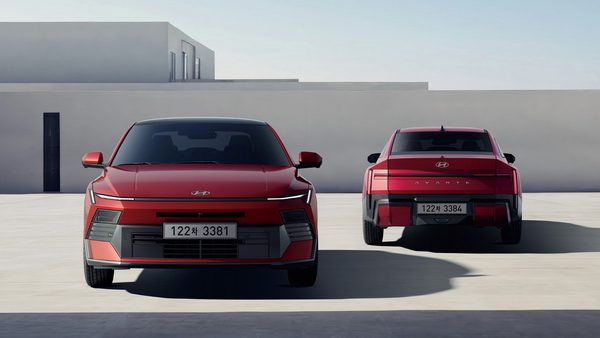
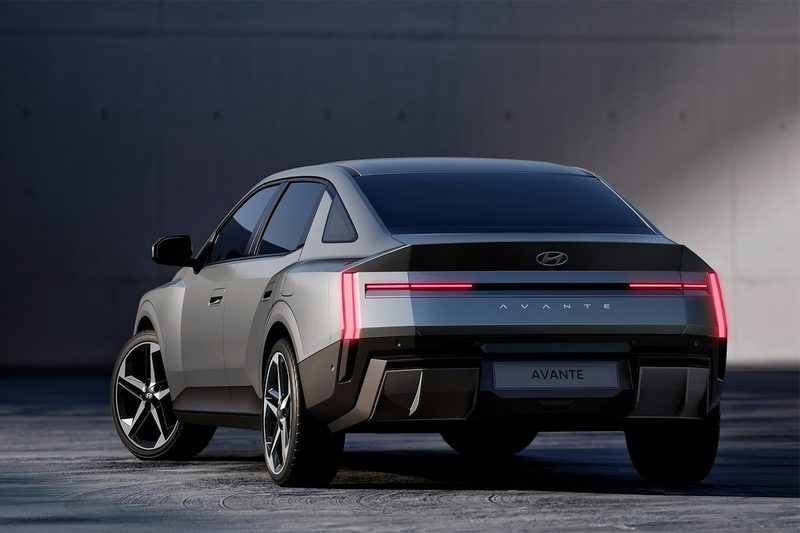
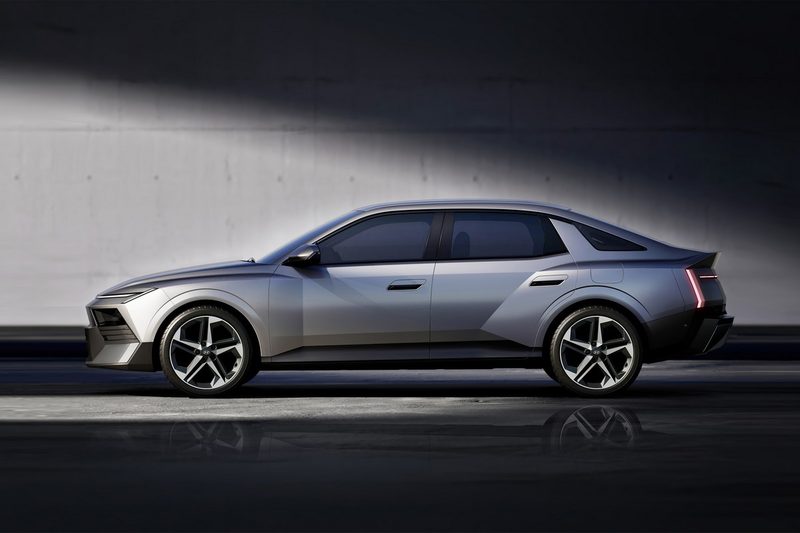
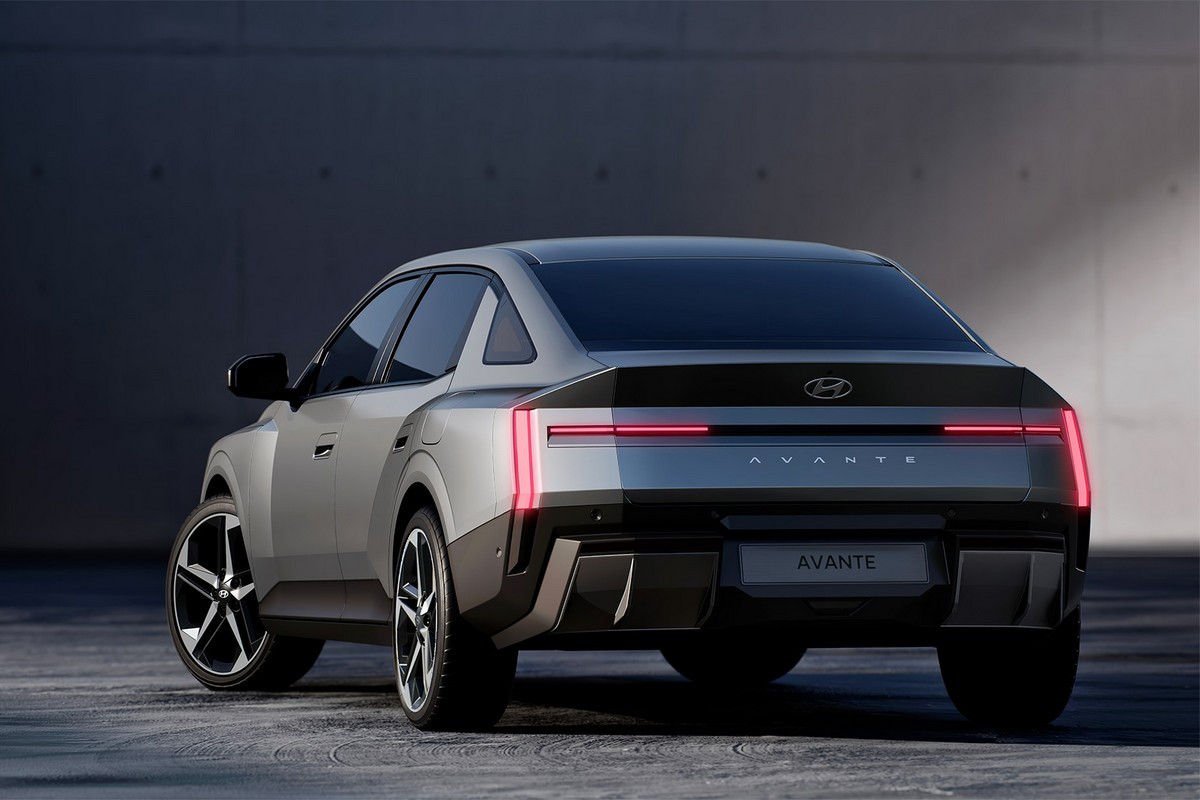
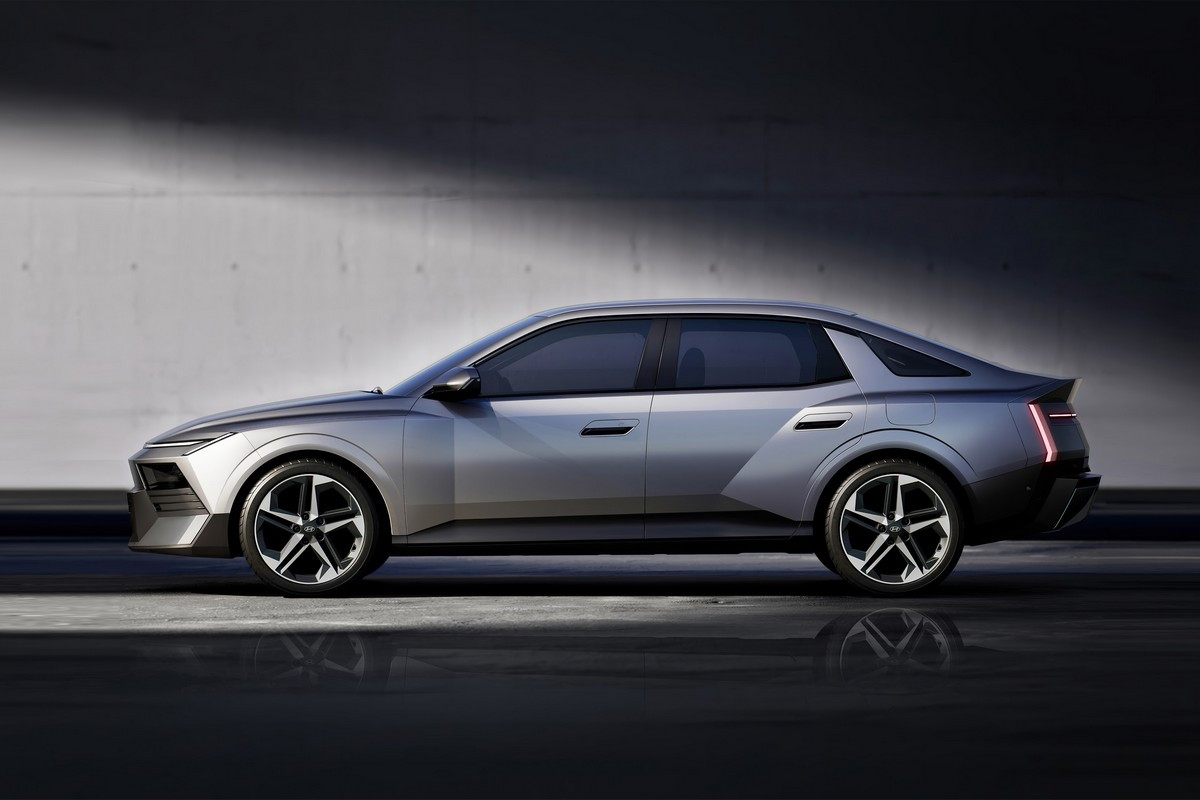
The new car is bigger in every direction. At 4765 mm long, 1855 mm wide and 1425 mm tall on a 2750 mm wheelbase, it stretches 55 mm longer and 30 mm wider than before, nudging the Elantra toward the mid-size class. The exterior is built on straight lines and muscular flanks, with a two-tier light signature - slim horizontal LED strips over the main headlight blocks - a rectangular grille set low in the bumper, a full-width rear light bar, small extra windows in the rear pillars and semi-hidden door handles.
Under the bonnet, the lineup stays conventional. The petrol model uses a 2.0-litre naturally aspirated engine with 149 hp, replacing the old 1.6, with a CVT. The hybrid pairs a 1.6-litre engine with an electric motor for a combined 157 hp, up from 141 hp in the outgoing car. Both drive the front wheels, and there is no plug-in or fully electric version; Hyundai keeps its EVs under the separate Ioniq sub-brand.
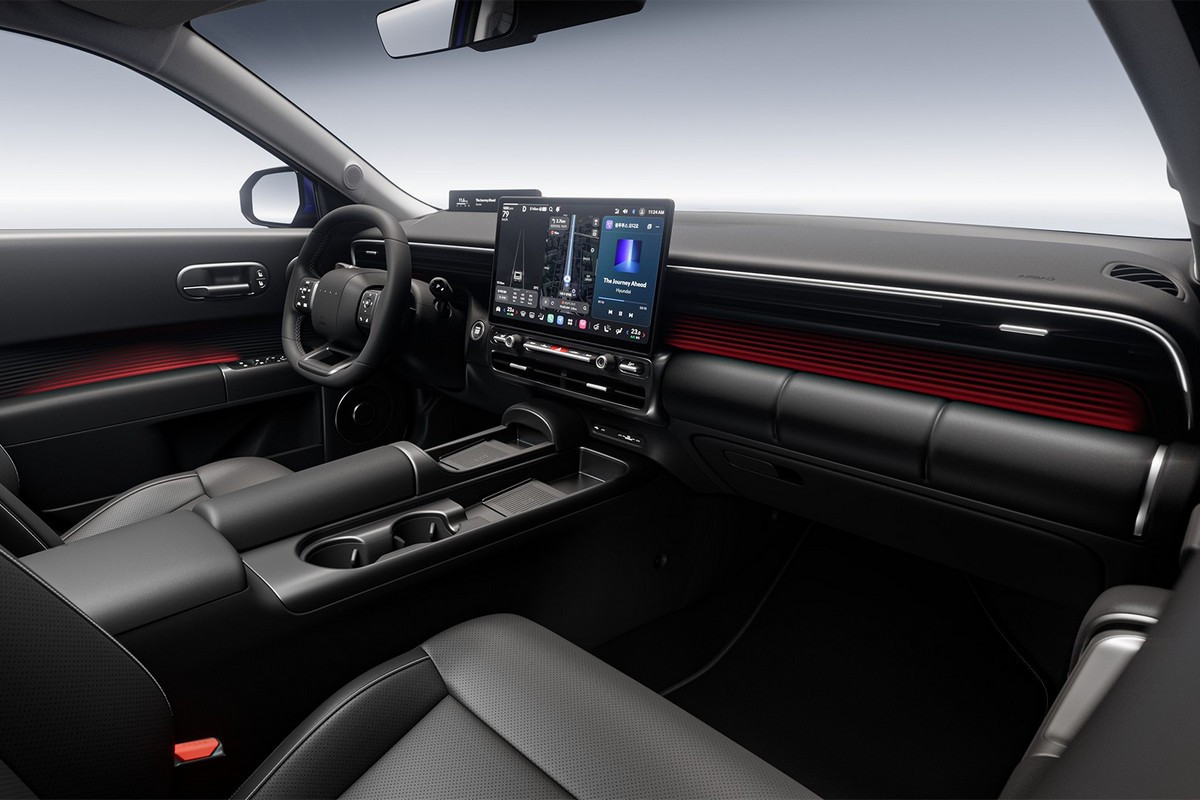
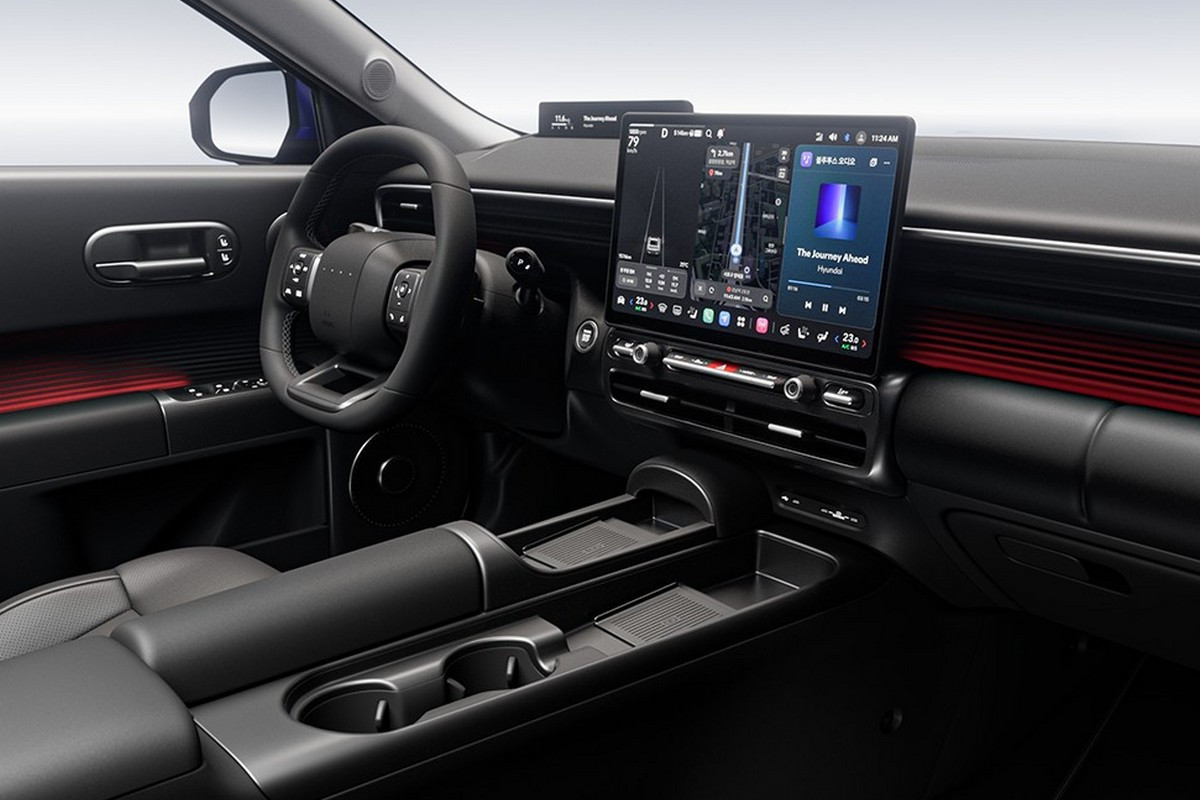
The cabin is where the change is most obvious. The dashboard, steering wheel and centre console are all new, and the single curved display panel gives way to separate screens: a slim instrument readout pushed up to the windscreen and a large 12.9 or 14.6-inch central touchscreen running Hyundai’s AI-assisted Pleos Connect software. The gear selector moves to a column stalk. Standard safety kit includes ten airbags, a surround-view camera system, remote parking, navigation-based adaptive cruise control, lane keeping, blind-spot monitoring and Memory Reversing Assist, which retraces a stored path in reverse.
Hyundai will confirm full Korean prices and trims in the third quarter of 2026, when sales begin. On preliminary figures the petrol car starts around 20.5 million won (about $15,000) and the hybrid around 25.5 million won (about $18,700). Export-market timing has not been detailed.

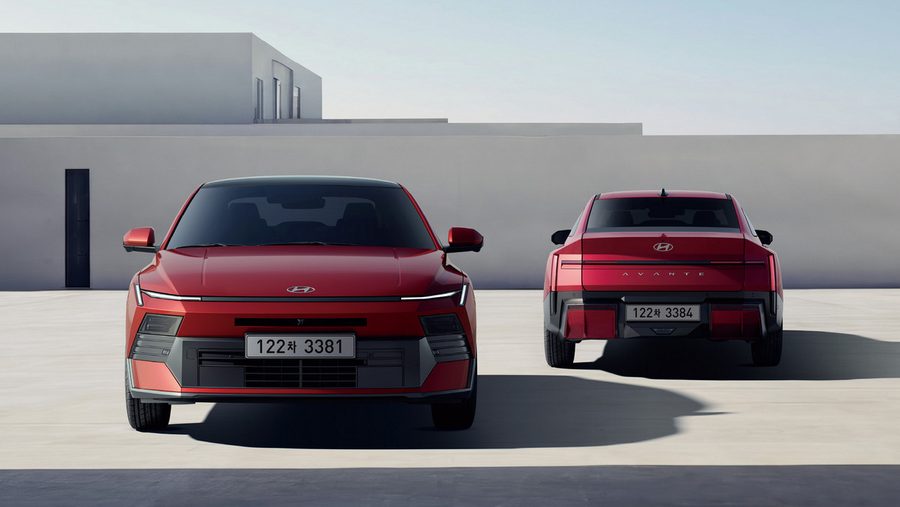
The eighth-generation Hyundai Elantra (sold as the Avante in South Korea) debuted at the 2026 Busan Motor Show with a sharply angular "Art of Steel" redesign. The compact sedan grows in every dimension and is offered with a 149 hp 2.0-litre petrol engine and a 1.6-litre hybrid rated at a combined 157 hp, both front-wheel drive. On sale in Korea from ₩23,980,000 ($17,300).