 USA
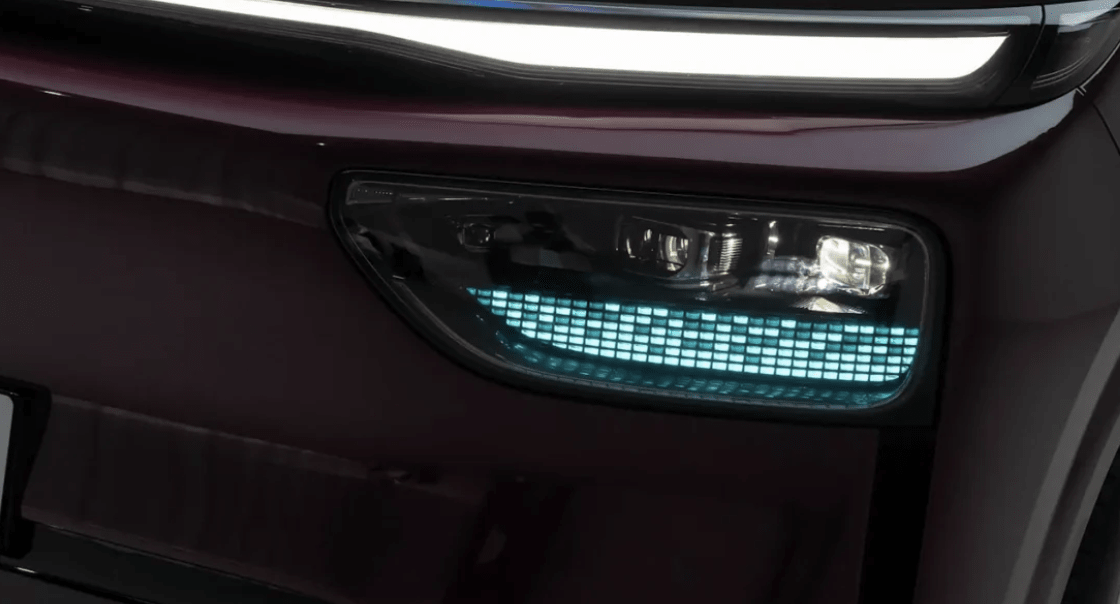
The US National Highway Traffic Safety Administration (NHTSA) proposed on 23 October 2026 to standardise a cyan marker lamp that would show when an automated driving system (ADS) is operating a vehicle. The lamps would be optional, so the proposal fixes what they look like for makers who choose to fit them rather than requiring them.
The ADS marker lamp
NHTSA’s proposal sets the colour (cyan), mounting locations, activation and visibility of the lamps. Its stated purpose is to signal clearly and consistently to law enforcement and other road users that an automated system, not a person, is driving.
Cars with no manual controls
The proposal amends Federal Motor Vehicle Safety Standard (FMVSS) No. 108, the federal lighting rule. For vehicles designed to be driven only by an ADS, it modernises the requirements for manual turn-signal, hazard-warning and beam-switching controls. NHTSA describes this as rethinking whether certain equipment requirements should apply to vehicles designed never to be driven by a human being.
Headlamp changes for all vehicles
Two further changes are not specific to automated vehicles. NHTSA would let makers certify integral beam headlamps at design voltages other than the standard’s rigid 12.8-volt test requirement, which it says suits long-lasting LED and advanced lighting systems. It would also remove the requirement that fixes the vertical order of the lower and upper headlamp beams, which leaves makers freer to design the front end.
What happens next
The proposal is open for a 30-day public comment period after it is published in the Federal Register, under Docket No. NHTSA-2026-1519. Until a final rule is issued the current standard stays in force. NHTSA is handling these changes separately from the negotiated rulemaking announced earlier in October, which it expects to cover other parts of FMVSS 108.