 USA
USALG Energy Solution began production on 18 August 2026 at its battery plant in Lansing, Michigan, and named Toyota as the automotive customer for the site’s electric-vehicle cells. Lansing builds the NMC cells for the 2027 Toyota Highlander EV, which Toyota assembles at its Georgetown plant in Kentucky.
The plant General Motors walked away from
The Lansing site was not built for Toyota. It began as Ultium Cells, the joint venture between LG Energy Solution and General Motors, and was to be the third plant in that partnership after Ohio and Tennessee. GM agreed in December 2024 to sell its share of the nearly finished factory to its partner as it slowed its own battery commitments, and the sale completed the following year, leaving LG in sole control. GM’s stakes in the Ohio and Tennessee plants were unaffected.
What Lansing makes
The plant covers 226 acres and has taken more than $2 billion of investment since 2022. About 900 people work there now, rising to a planned 1,700 at full capacity, and annual output is targeted at more than 35 GWh. Two chemistries run in parallel: NMC cells for electric vehicles, and lithium-iron-phosphate cells for grid storage, the first customer for which is the Michigan utility DTE Energy.
The car at the end of it
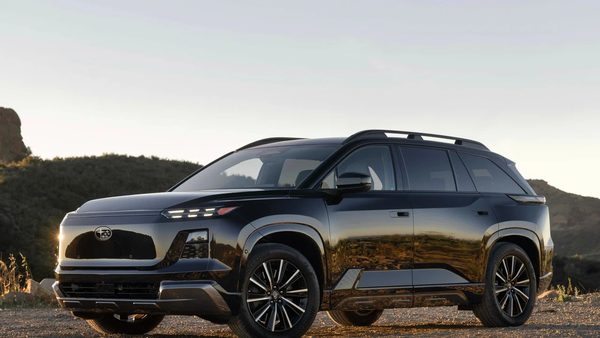
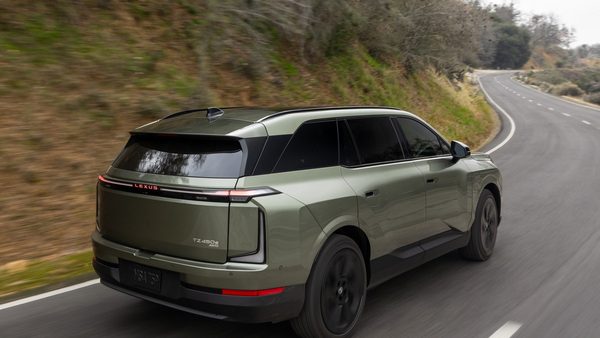
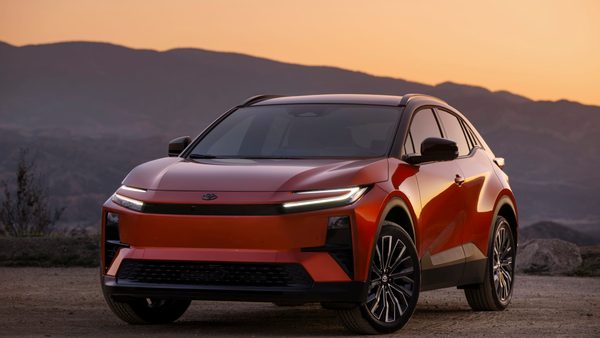
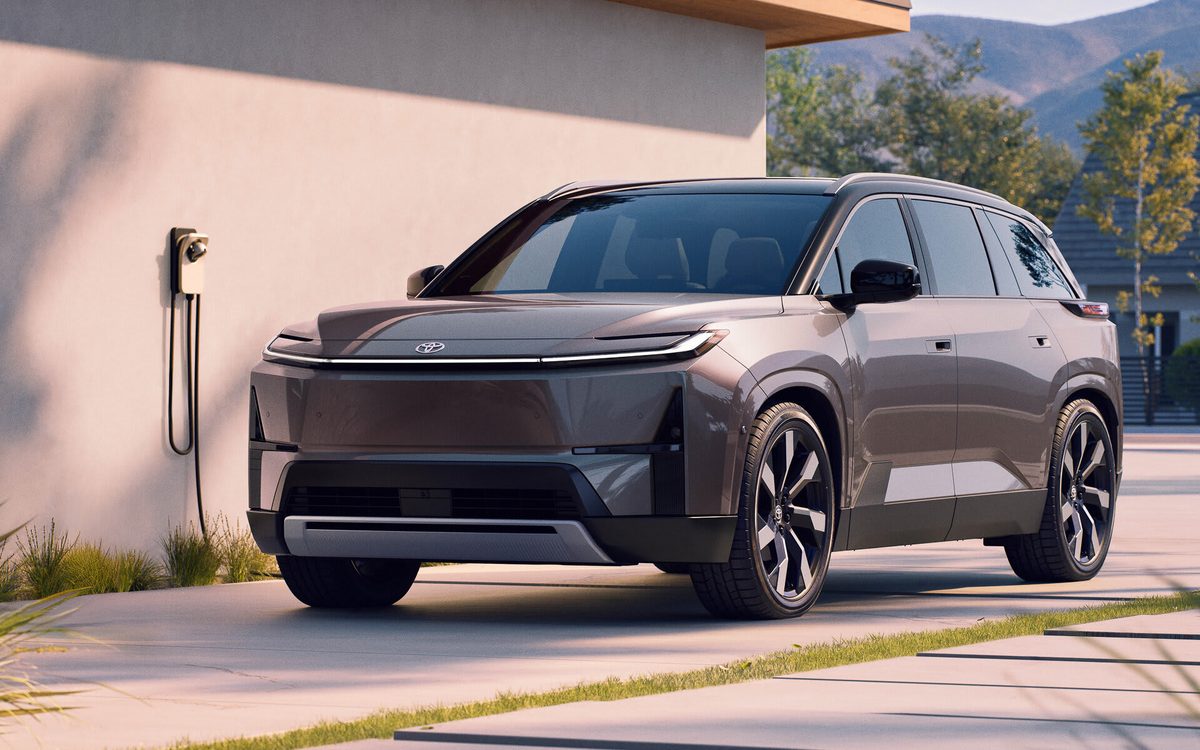
The Highlander EV is Toyota’s first three-row battery-electric model for the United States and the first battery-electric Toyota assembled on American soil. It comes in XLE and Limited grades, with front- or all-wheel drive, a 77 or 95.8 kWh battery, up to 338 hp and a manufacturer estimate of up to 320 miles of range. Toyota has not published prices. Kentucky assembly starts in September 2026.

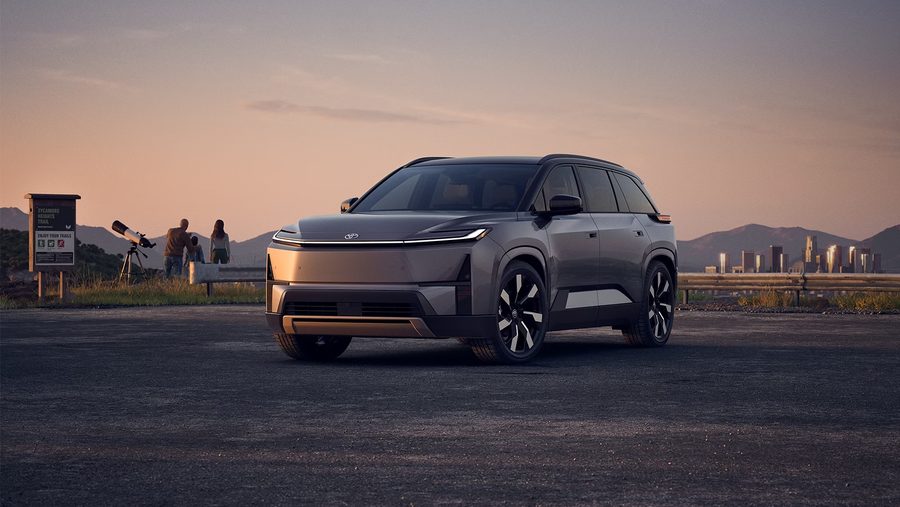
The 2027 Highlander EV is Toyota's first three-row battery-electric SUV for the United States and its first BEV assembled in America. Two battery sizes, up to 338 hp and up to 320 miles of estimated range.