 USA
USAThe US National Highway Traffic Safety Administration (NHTSA) has finalised new Corporate Average Fuel Economy (CAFE) standards for passenger cars and light trucks. It estimates they will produce a fleet average of about 34.9 mpg (6.7 l/100 km) by model year 2031. The 2024 standards were projected to reach about 50.4 mpg.
The cost side
The US Department of Transportation says the change cuts the average up-front cost of a new vehicle, and NHTSA puts the saving at about $1,290. The same analysis assumes more fuel burned: NHTSA projects roughly 122 billion additional gallons of gasoline consumed through 2050 compared with the previous requirements.
Credit trading ends
Under CAFE, a manufacturer that beats its target earns credits, and until now it could sell them to a manufacturer that falls short. The final rule removes that trading for credits earned in model year 2028 and later. Credits earned through model year 2027 can still be traded and used for up to five model years.
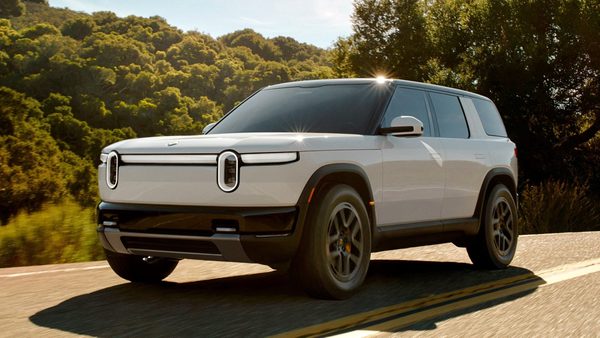
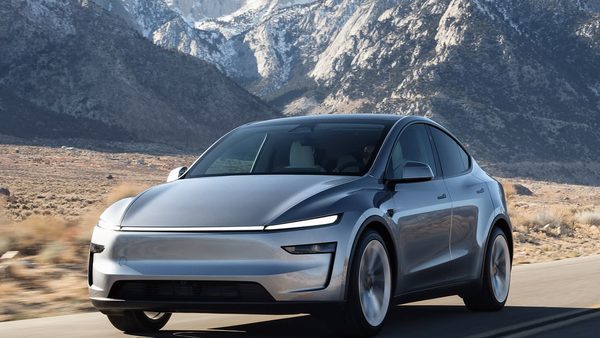
Electric-car makers such as Tesla and Rivian have traditionally earned money by selling those credits to other manufacturers. For credits earned from model year 2028, that sale is no longer allowed.