🇬🇧 Solihull

Solihull, West Midlands, UK
Operator
JLR
Opened
1938
Status
Active

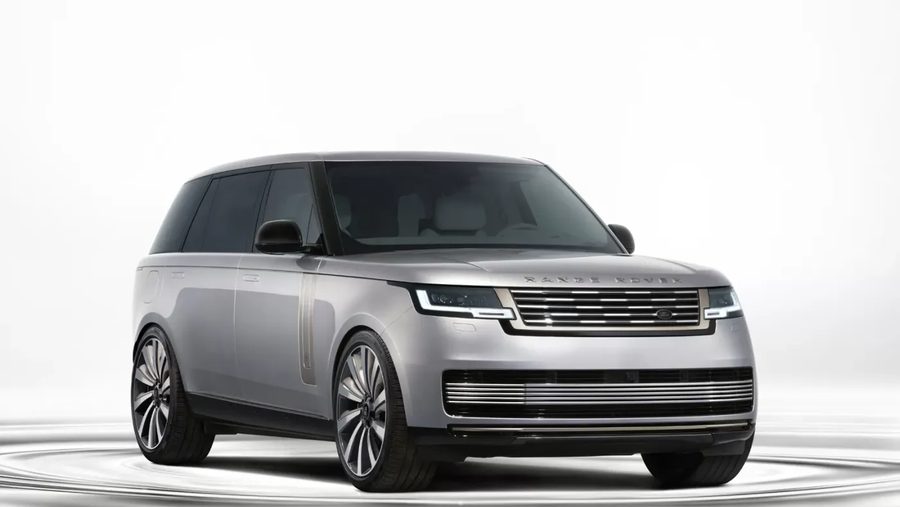
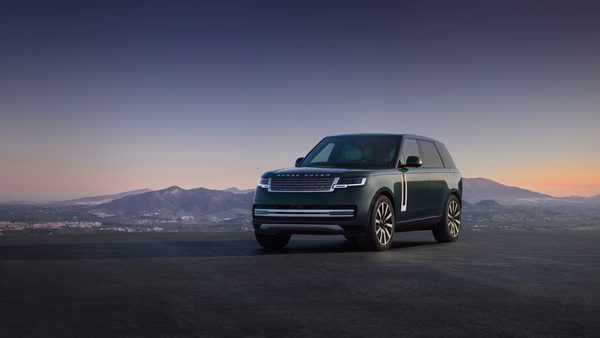
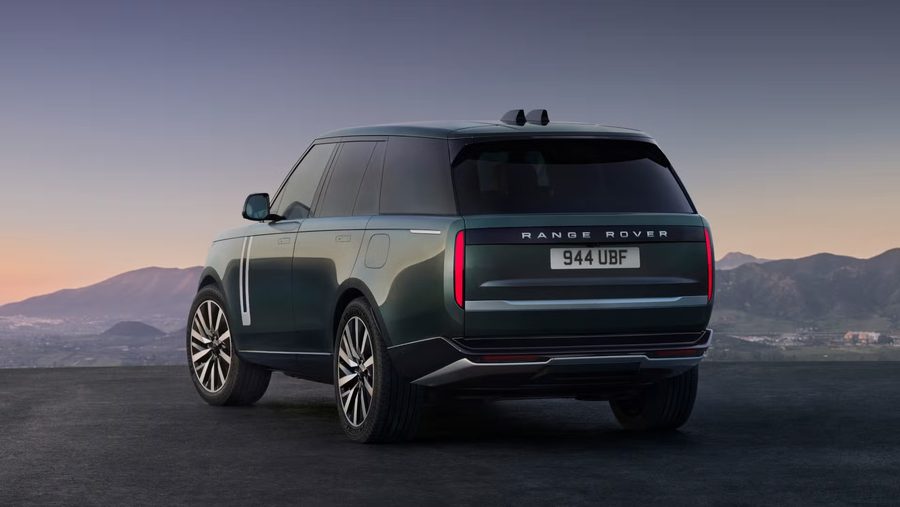
JLR's oldest car plant and the home of the Range Rover since 1970, on a 300-acre site at Lode Lane that the British government built as a wartime shadow factory. It now builds the Range Rover, Range Rover Sport and Range Rover Velar, with combustion, plug-in hybrid and battery-electric cars sharing one assembly line.

Solihull is JLR’s oldest vehicle plant and the place every Range Rover has been built since the model launched in 1970. The 300-acre site sits on Lode Lane, about seven miles southeast of central Birmingham.

The British government built it in 1938 as a shadow factory, part of the pre-war programme that dispersed aircraft production away from the places an enemy would expect to find it. Rover took possession in January 1940 and spent the war assembling Bristol Hercules aero engines. Car work came afterwards: the Rover P4 from 1949, and before it the Land Rover, which entered production at Solihull in 1948 and stayed in one recognisable form or another until the last of the original Defenders was built in January 2016.

The plant has been through several product families since. The Discovery was built at Solihull from 1989 to 2018 before moving to Nitra in Slovakia, and the Jaguar F-Pace was assembled here from 2016 until 2025. What remains is the Range Rover family: the Range Rover itself, the Range Rover Sport and the Range Rover Velar. Over 10,000 people work in manufacturing operations on the site.

The plant passed to Tata Motors with the rest of Jaguar Land Rover in 2008. Its current products sit on the MLA-Flex aluminium platform, designed from the outset to accept combustion, plug-in hybrid and battery-electric powertrains, which is why the Range Rover Electric that went on sale in September 2026 could be added to the existing line rather than requiring a dedicated electric plant.

Brands built here

Models built here

Range Rover Electric
EV

The first battery-electric Range Rover, on sale from September 2026 and built at Solihull on the same MLA-Flex line as the petrol and plug-in hybrid cars. Two motors give 542 hp and 850 Nm, the usable 118.5 kWh pack runs on 800 volts, and the off-road brief is unchanged: 900 mm wading, 50-millisecond traction control and one-pedal descent on 45-degree slopes.

542 hp 599 km WLTP AWD

Land Rover's most exclusive Range Rover variant, available by invitation only. Three powertrain options: V8 bi-turbo (615 hp), P550e PHEV (543 hp, 38.2 kWh, 119 km WLTP EV range), and a BEV due later in 2026.

615 hp 119 km WLTP

News about Solihull

Frequently asked questions
Which cars are built at the Solihull plant?
The Range Rover, the Range Rover Sport and the Range Rover Velar. Since September 2026 that includes the battery-electric Range Rover, which is assembled on the same line as the petrol and plug-in hybrid versions rather than in a separate electric-only facility.
Was the Land Rover Defender built at Solihull?
Yes, for most of its life. The Land Rover Series that became the Defender entered production at Solihull in 1948, and the last Defender of the original shape left the plant in January 2016, ending nearly 70 years of that lineage on the site. The current Defender is built in Nitra, Slovakia.
Why was the Solihull plant built?
Not for cars. The British government put it up on farmland at Lode Lane in 1938 as one of the shadow factories dispersing aircraft manufacturing away from expected bombing targets. Rover took the fitted-out site over in January 1940 and built Bristol Hercules aero engines there through the Second World War. Car production followed afterwards.

Production data verified September 2026.

Search