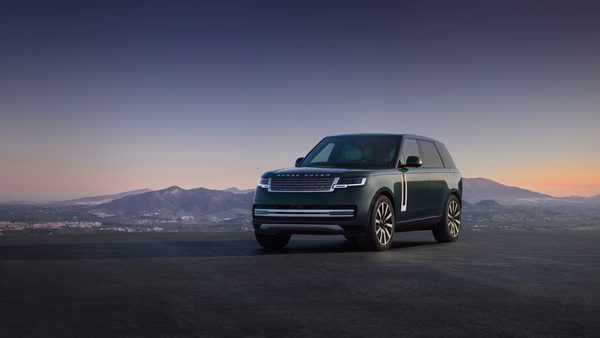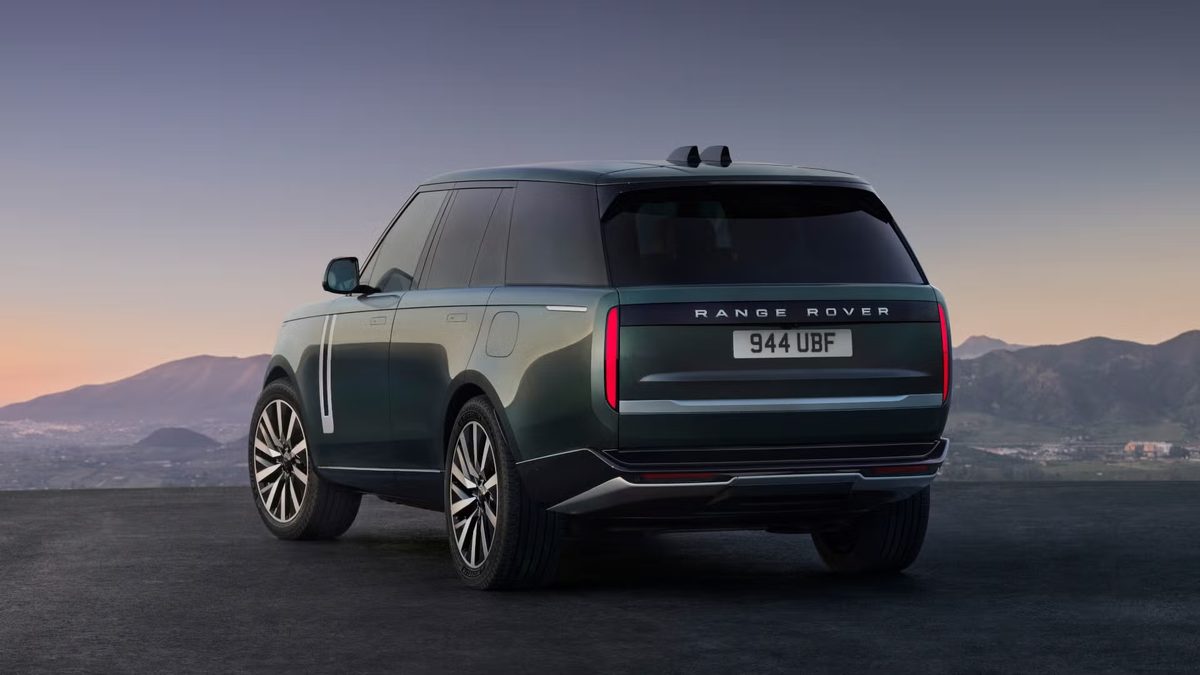
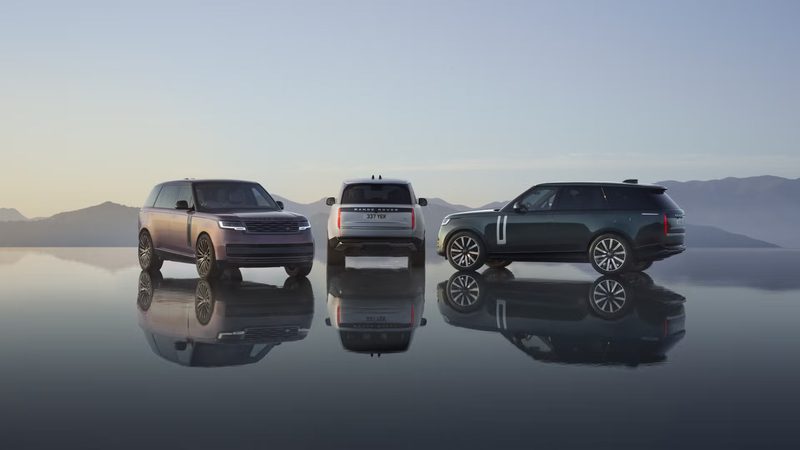
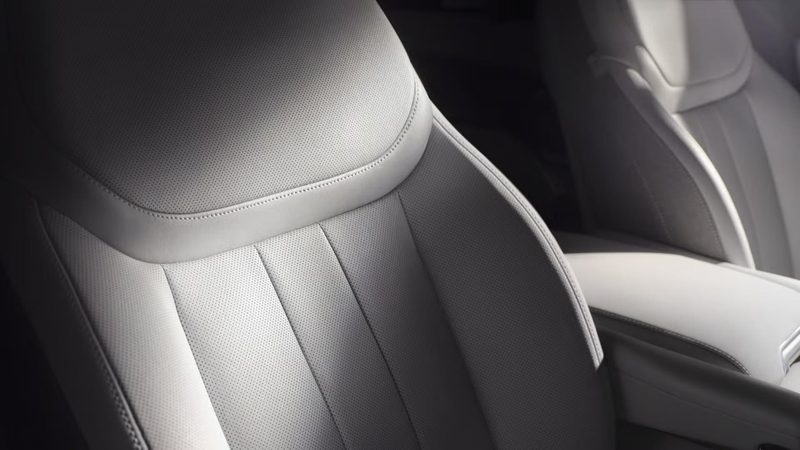
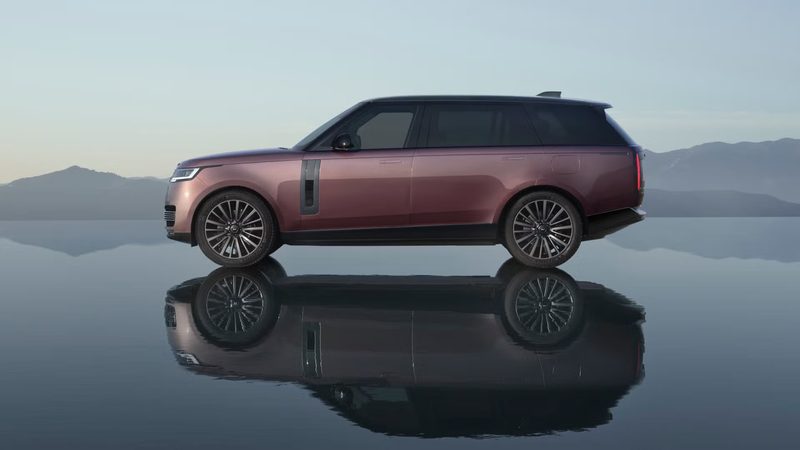
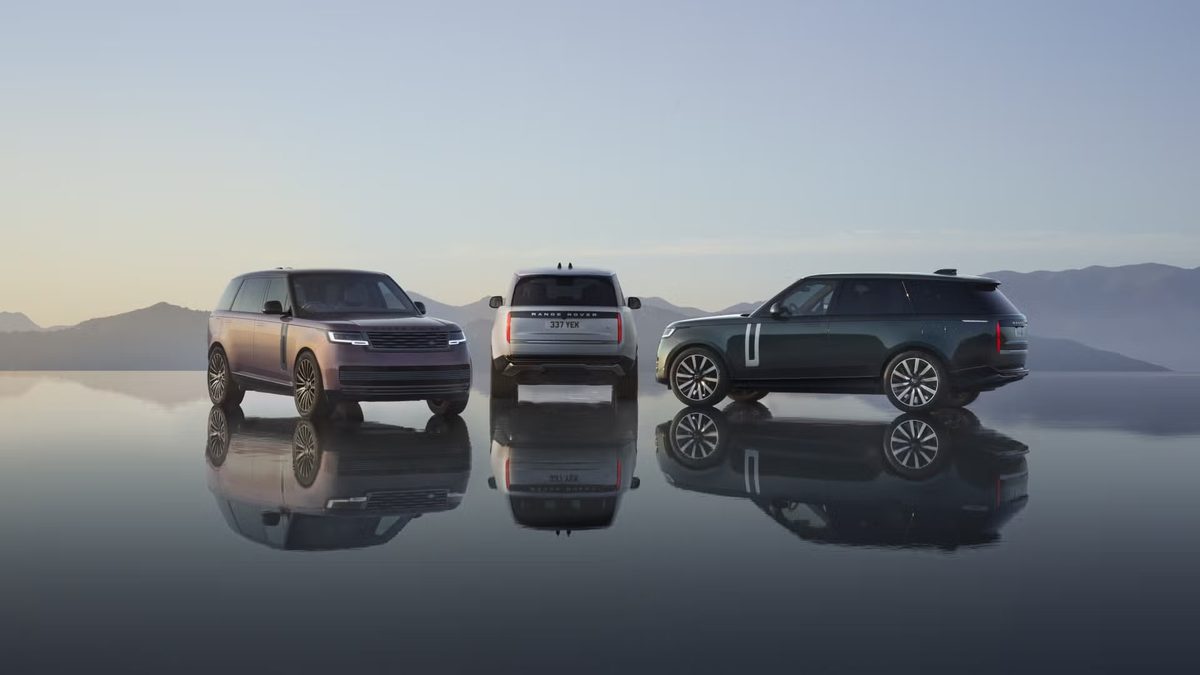
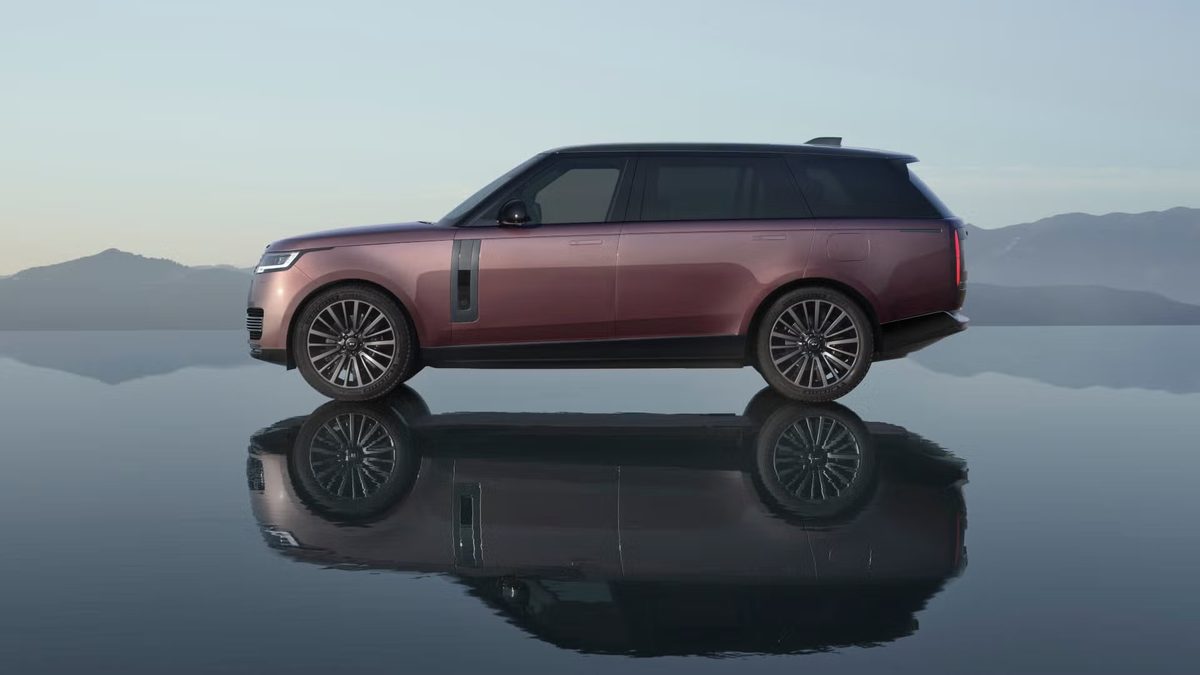
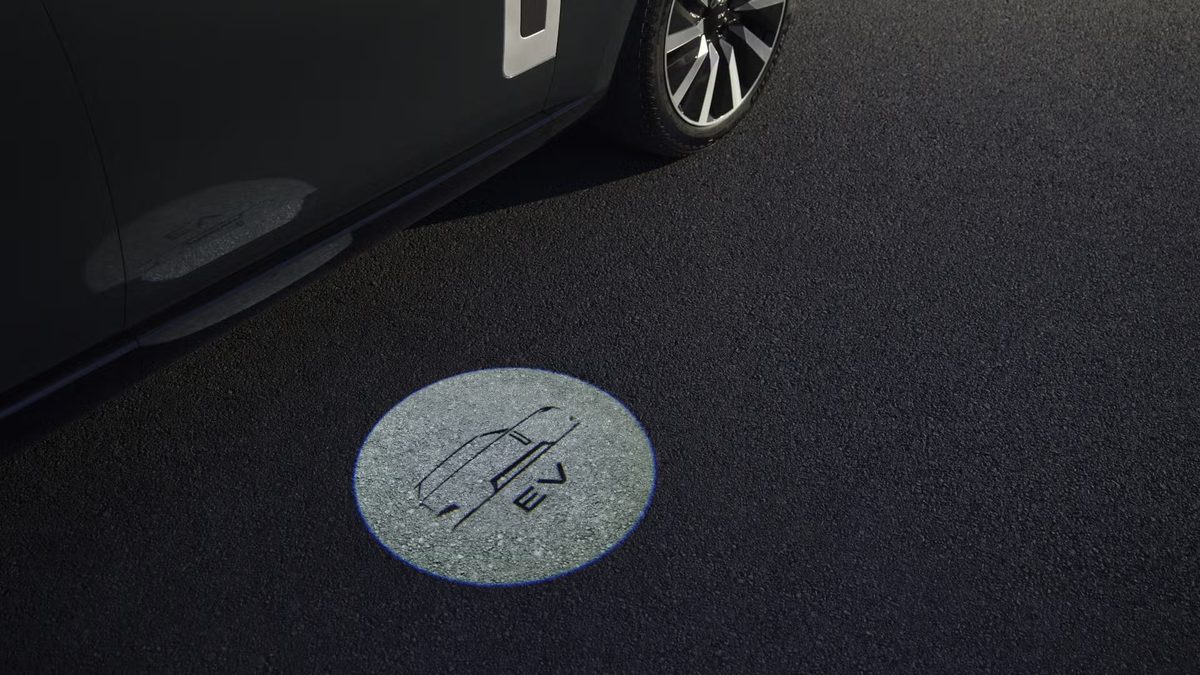
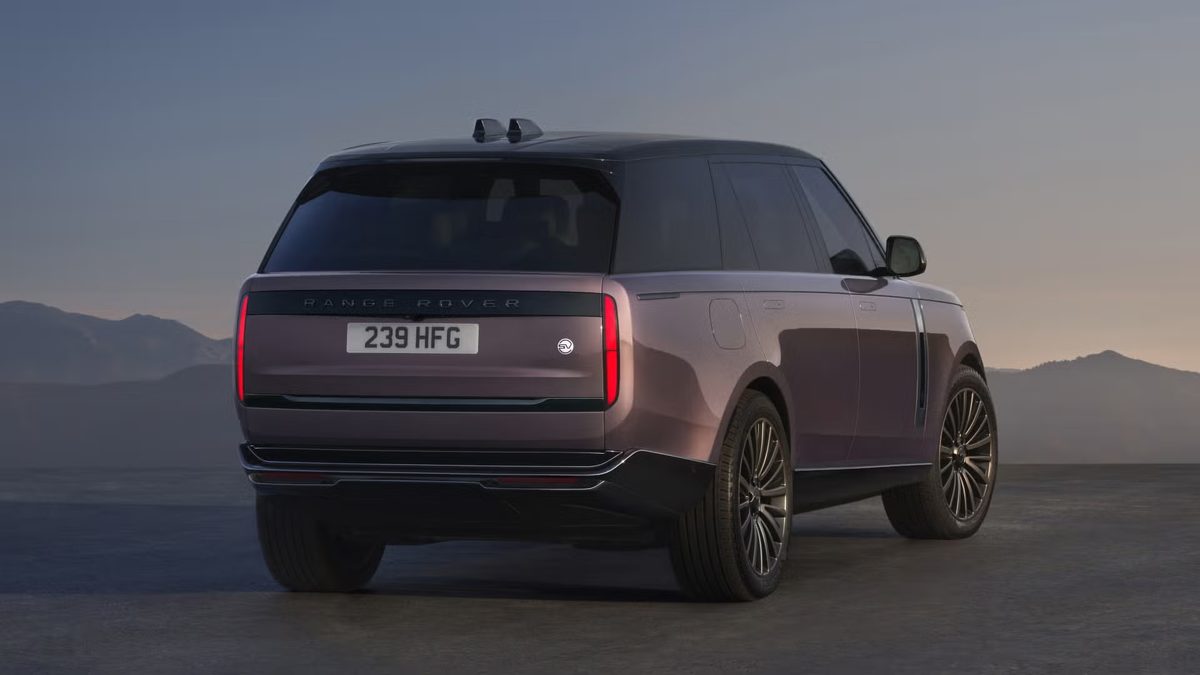
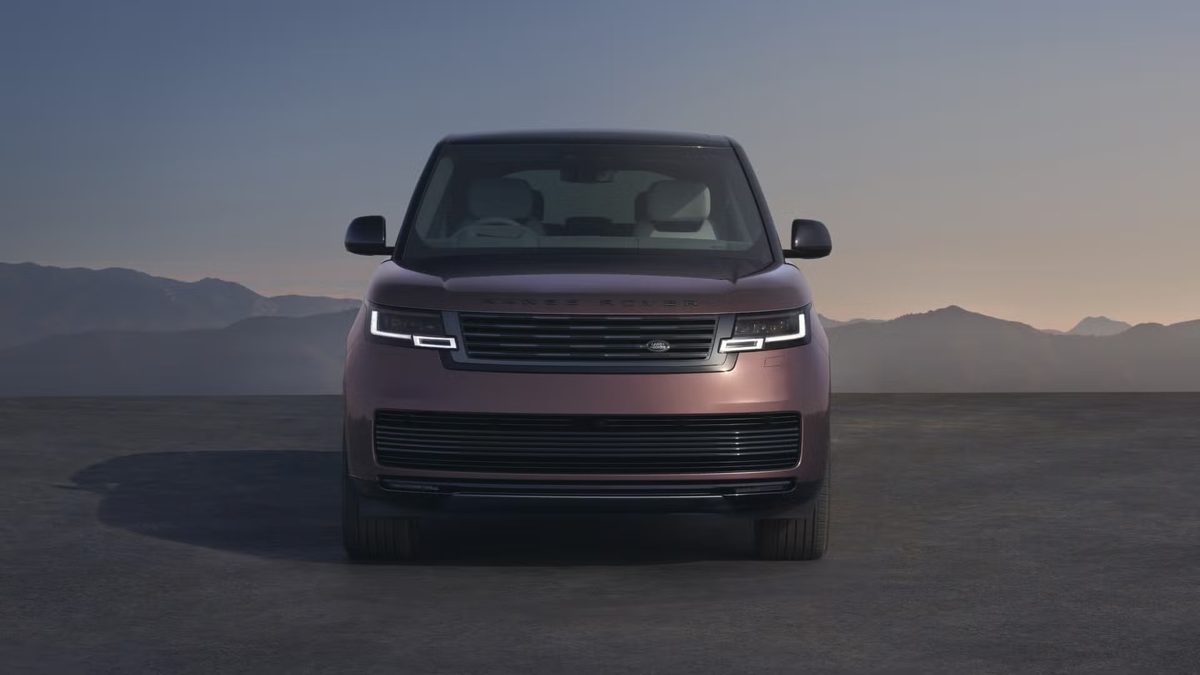
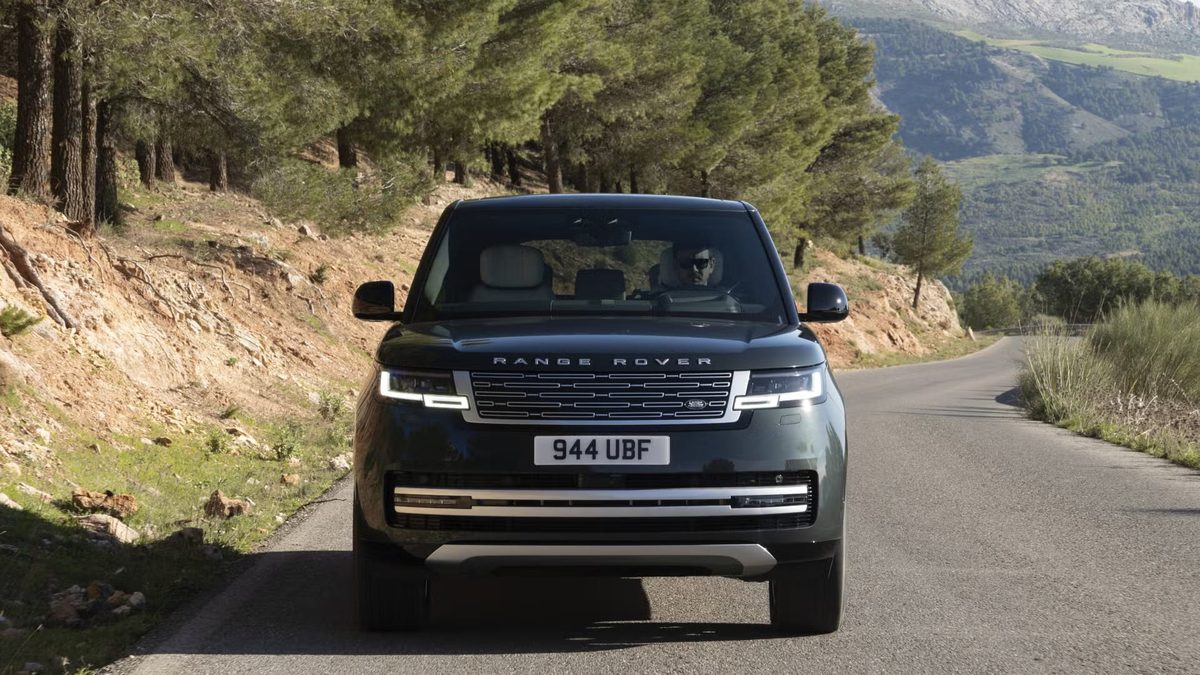
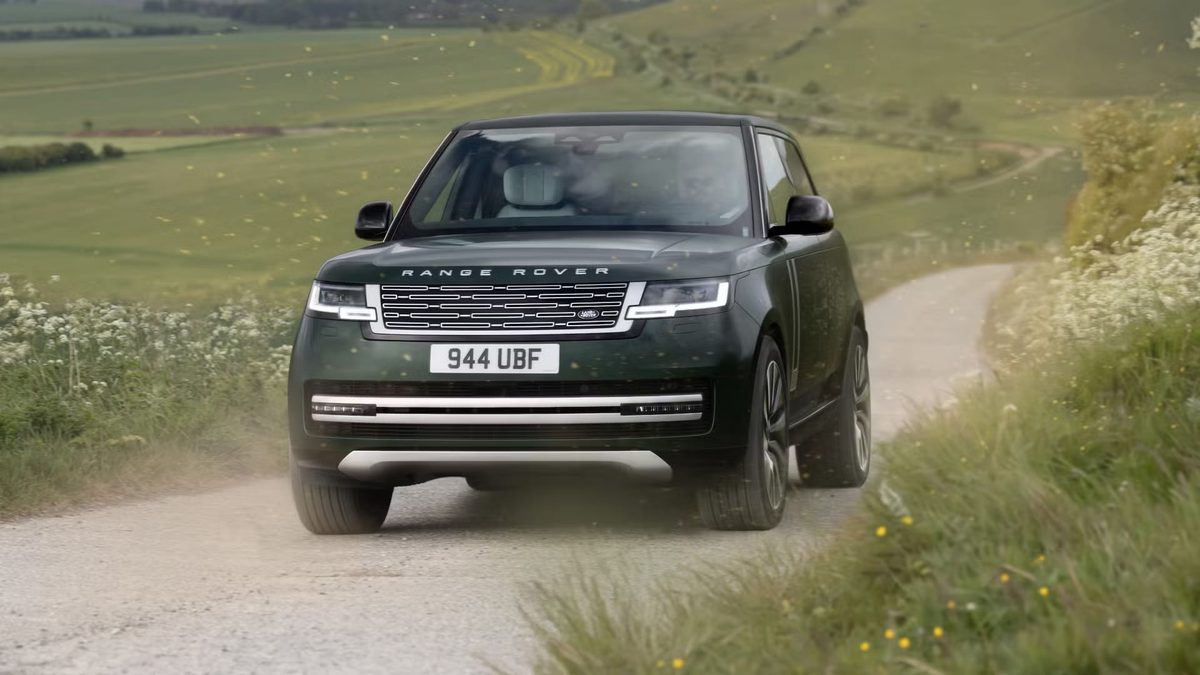
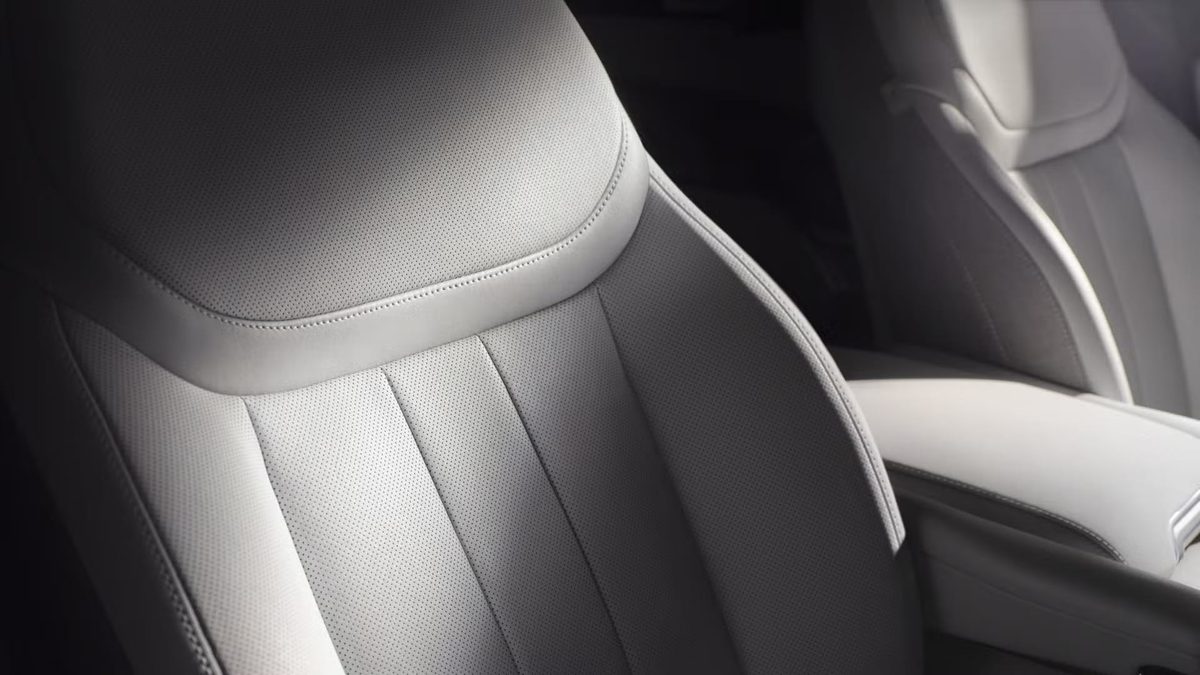
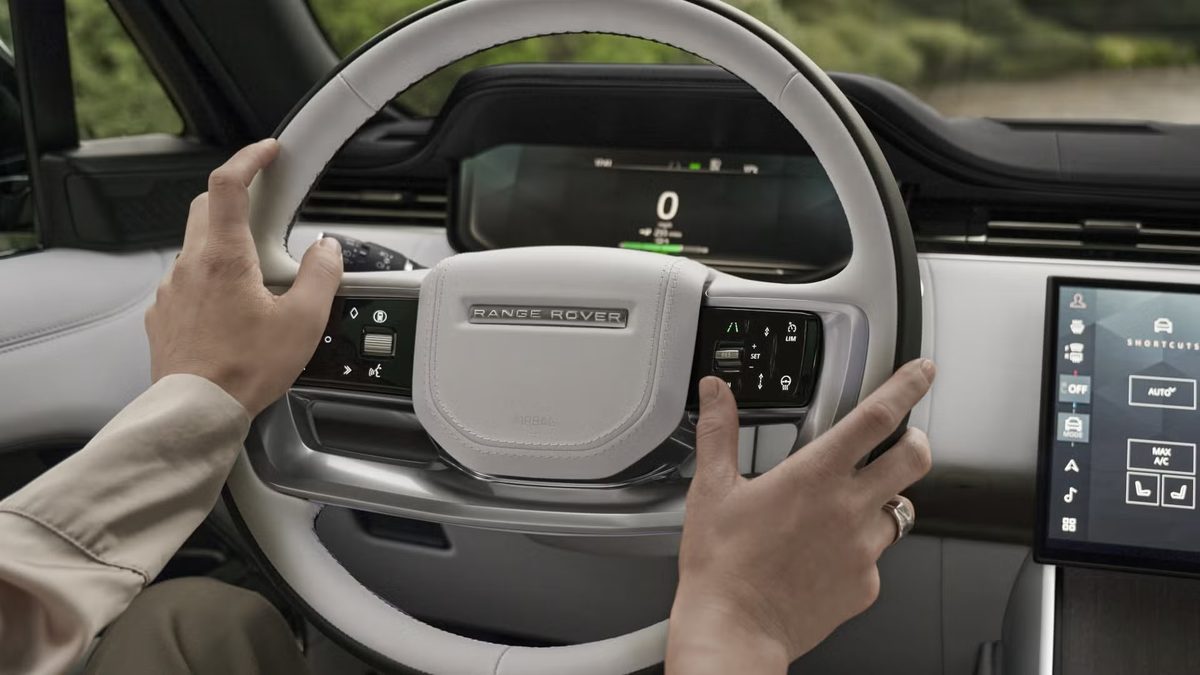
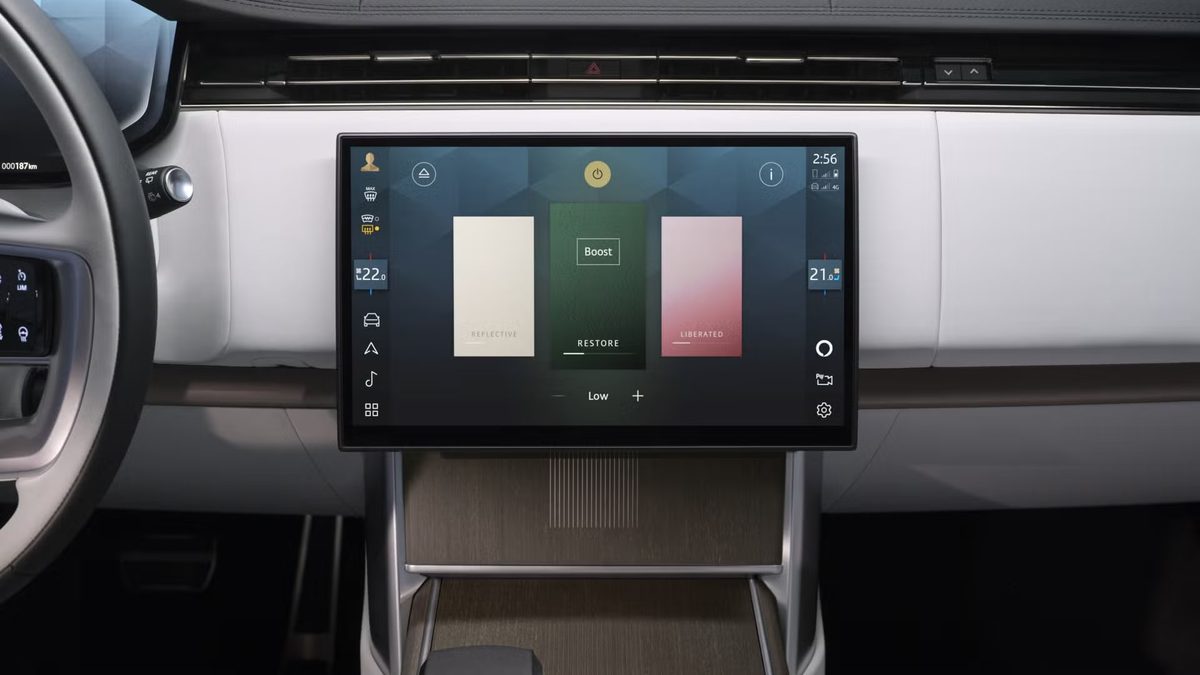
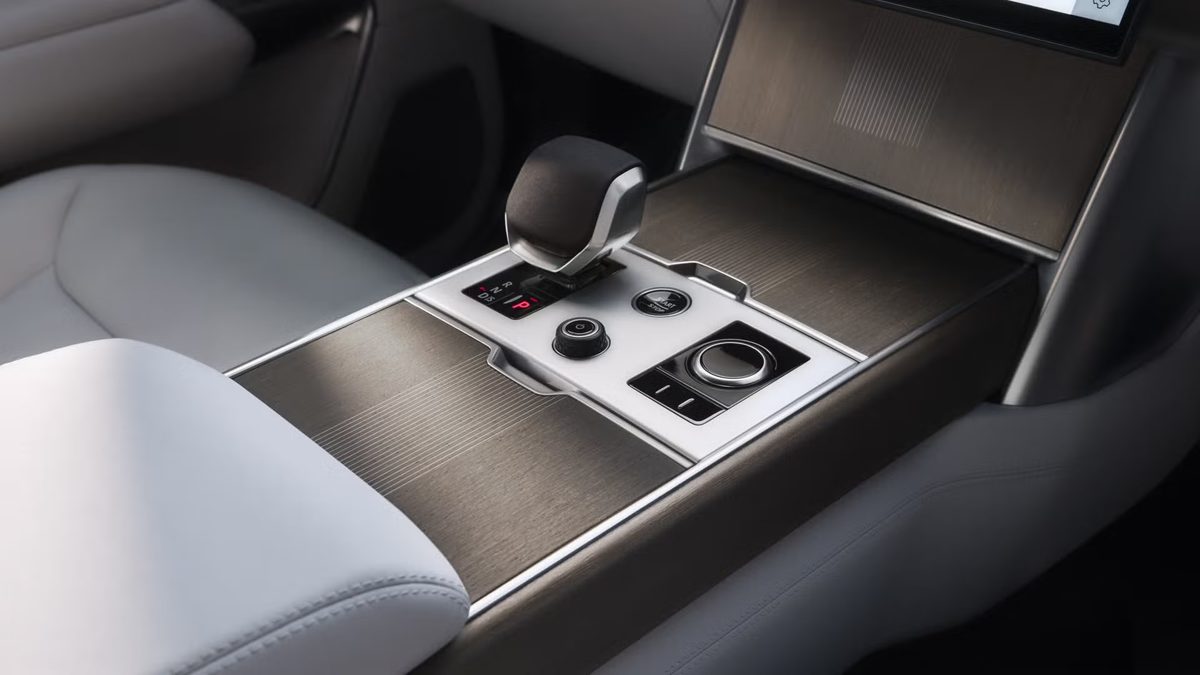
The Range Rover Electric is the first battery-electric version of Land Rover’s flagship, on sale from September 2026. It uses the same MLA-Flex aluminium platform as the combustion and plug-in hybrid Range Rovers and is assembled beside them at Solihull, the plant that has built the nameplate since 1970.
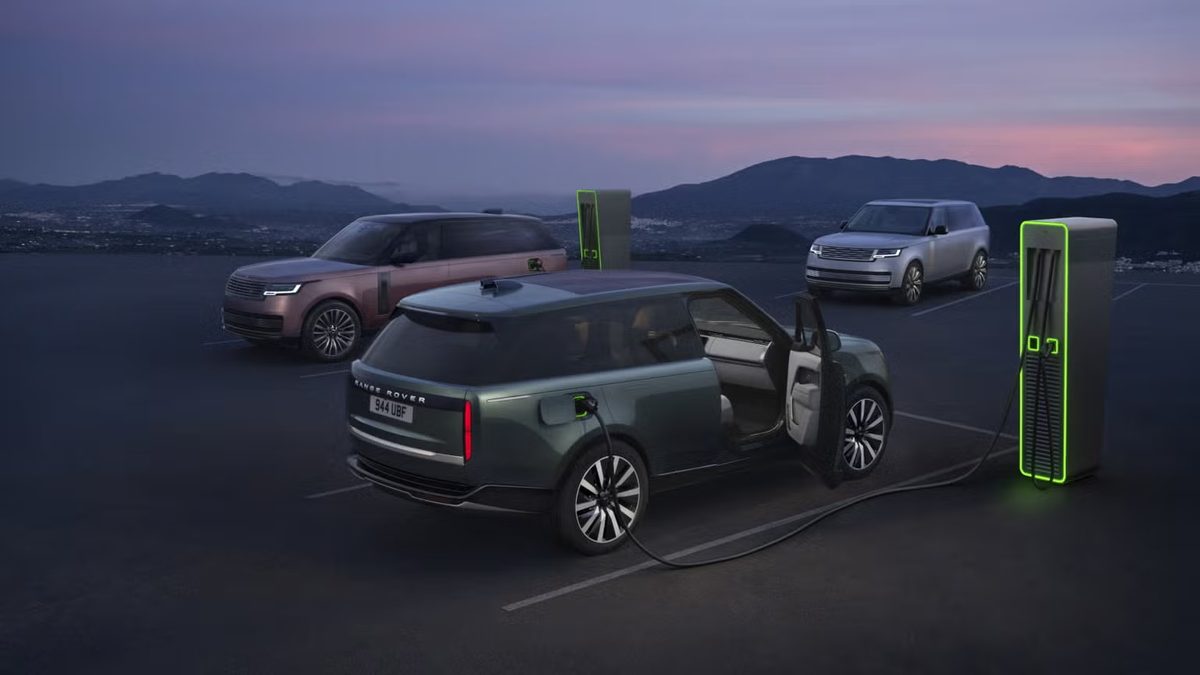
Two permanent-magnet motors, one per axle, are each rated at 260 kW. Combined system output is 542 hp (405 kW) and 850 Nm, giving 0-100 km/h in 4.3 seconds. The battery is a double-stack lithium-ion pack of 344 prismatic cells with 118.5 kWh usable capacity, on an 800-volt architecture. On a 350 kW DC charger it goes from 10 to 80 percent in around 22 minutes, and Land Rover quotes roughly 220 km of WLTP range added in ten minutes.
Range is quoted as up to 372 miles (599 km) WLTP in the UK and up to 333 miles (535 km) EPA in the United States.
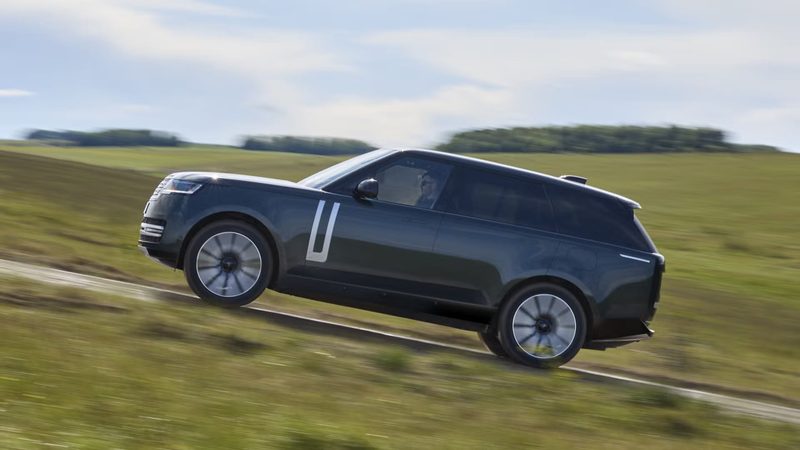
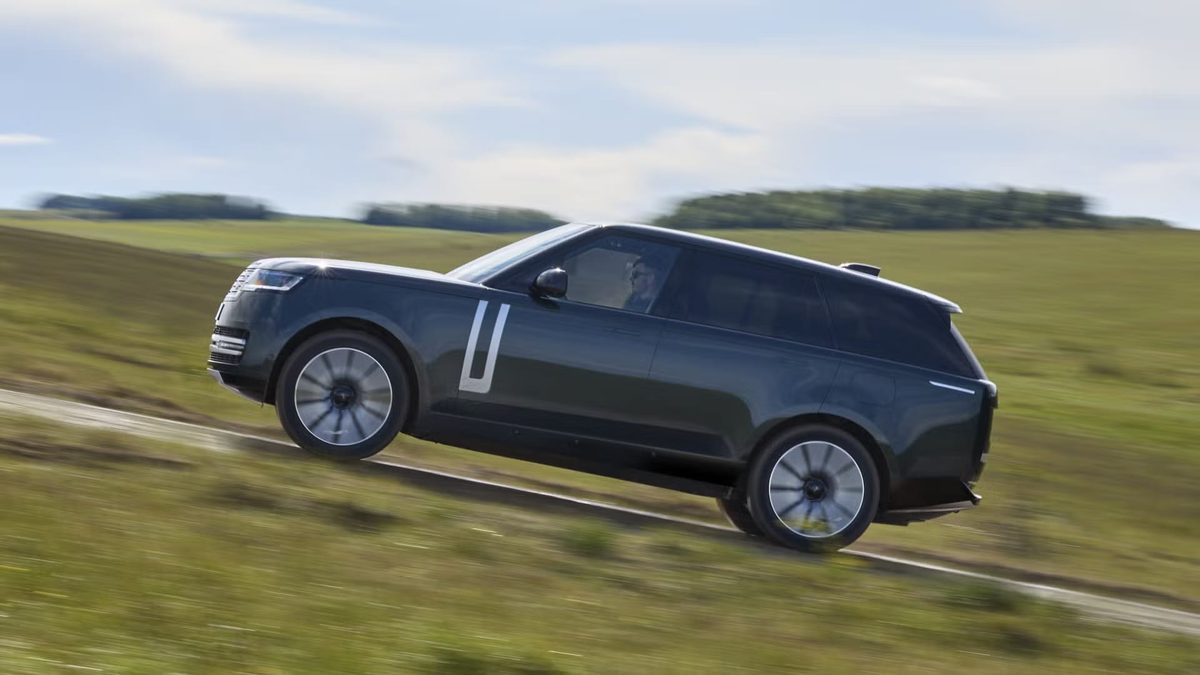
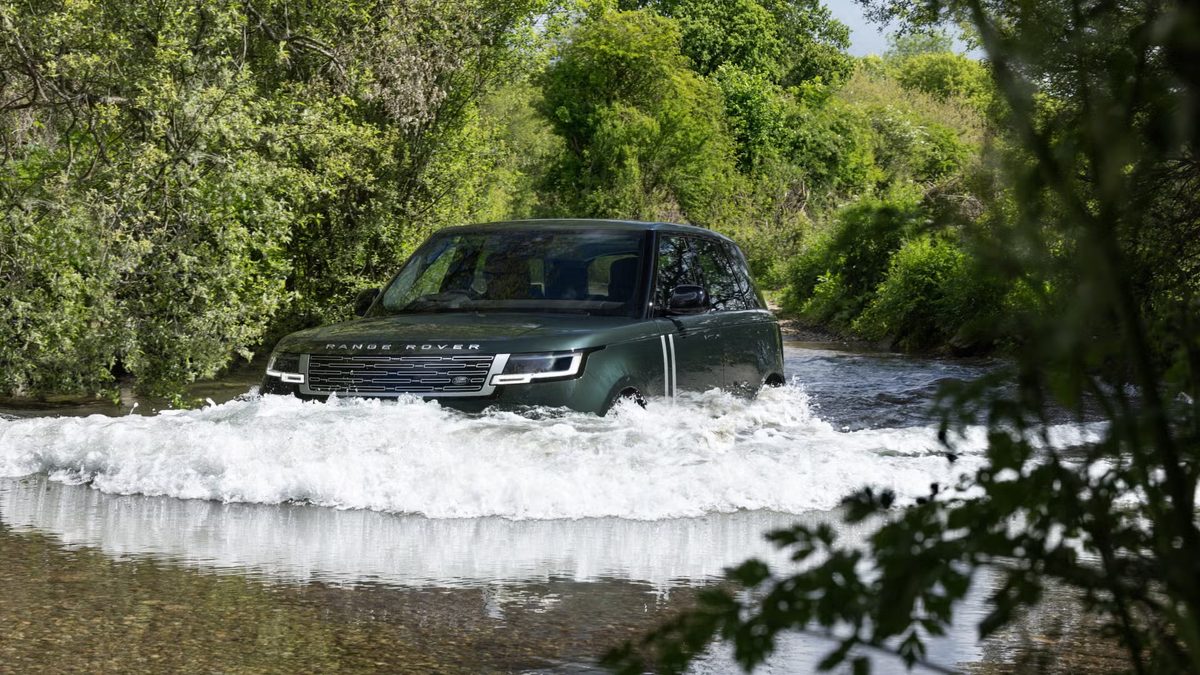
The off-road specification carries over from the combustion car rather than being reduced for the battery. Wading depth remains 900 mm. Traction control responds in 50 milliseconds, which Land Rover puts at about a hundred times quicker than a system that has to wait for a combustion engine to change its torque output, and the car will hold a one-pedal descent on slopes of up to 45 degrees on motor braking alone. Towing is where the electric car is rated lower than its siblings, at 2,500 kg against 3,500 kg for the V8 and 3,000 kg for the plug-in hybrid.
The range spans SE, HSE and Autobiography trims, with SV, SV Black and SV Ultra above them, in standard and long-wheelbase bodies. A First Edition was offered at launch. Prices start at $138,000 in the United States and £154,070 (about $208,200) in the UK.