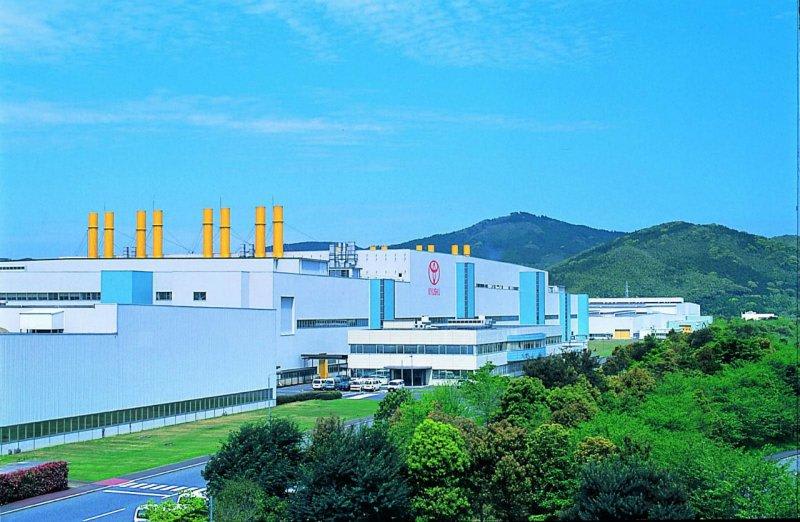
The Miyata plant sits in Miyawaka, in Fukuoka Prefecture at the northern end of Kyushu, and is run by Toyota Motor Kyushu, a subsidiary Toyota set up in February 1991. Production started in December 1992. Around 10,600 people work for the company across Miyata and its two component sites.
It opened as a plant for large rear-wheel-drive saloons, building the seventh-generation Mark II from the start, the Chaser from 1994 and the eighth-generation Mark II from 1996. That mix stopped selling, and by the early 2000s the site had been rebuilt around front and all-wheel-drive models: the first Highlander, sold in Japan as the Kluger, and from 2002 the Windom, which is the car Lexus sells abroad as the ES.
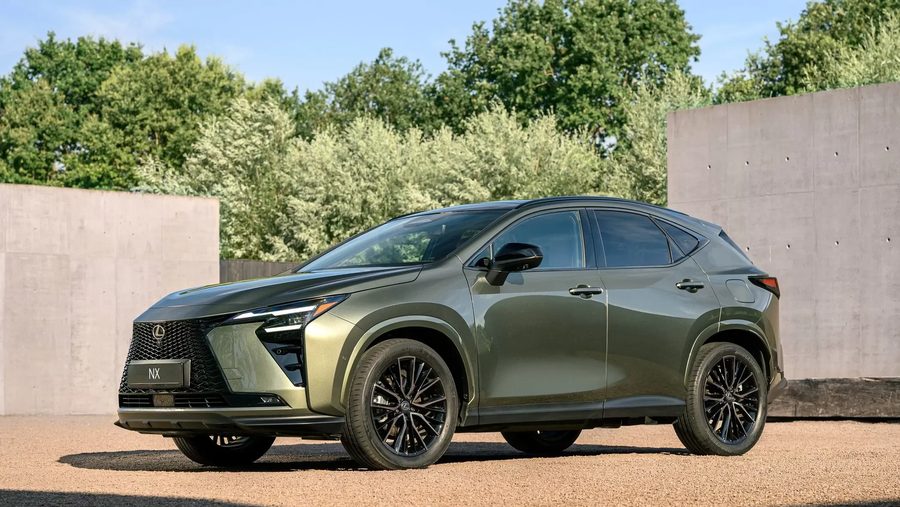
Lexus is now the whole of it. A second assembly line opened in 2005 for Lexus models only, doubling capacity, and the plant went on to build the hybrid-only HS 250h in 2009, the CT 200h in 2011, the NX from 2014, the fourth-generation RX in 2015, and the ES and UX in 2018. The UX 300e, built here from 2019, was the first electric car Lexus sold anywhere.
Capacity is about 430,000 cars a year across the two lines. Most of what Miyata builds leaves Japan: as of 2008 roughly 90% of the company’s output was exported, about two thirds of it to the United States. The engines are cast and assembled at Toyota Motor Kyushu’s Kanda plant, opened in 2005 for aluminium engines and expanded in 2008, and the hybrid systems come from the Kokura plant in Kitakyushu, opened in 2008.