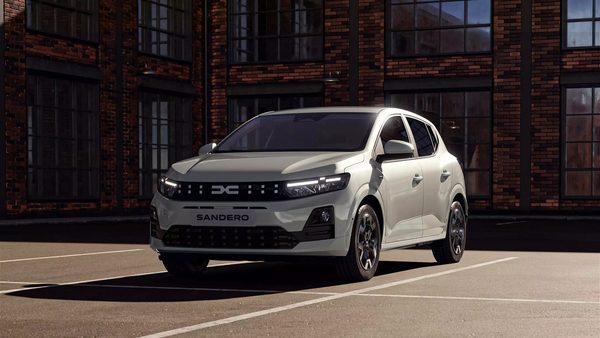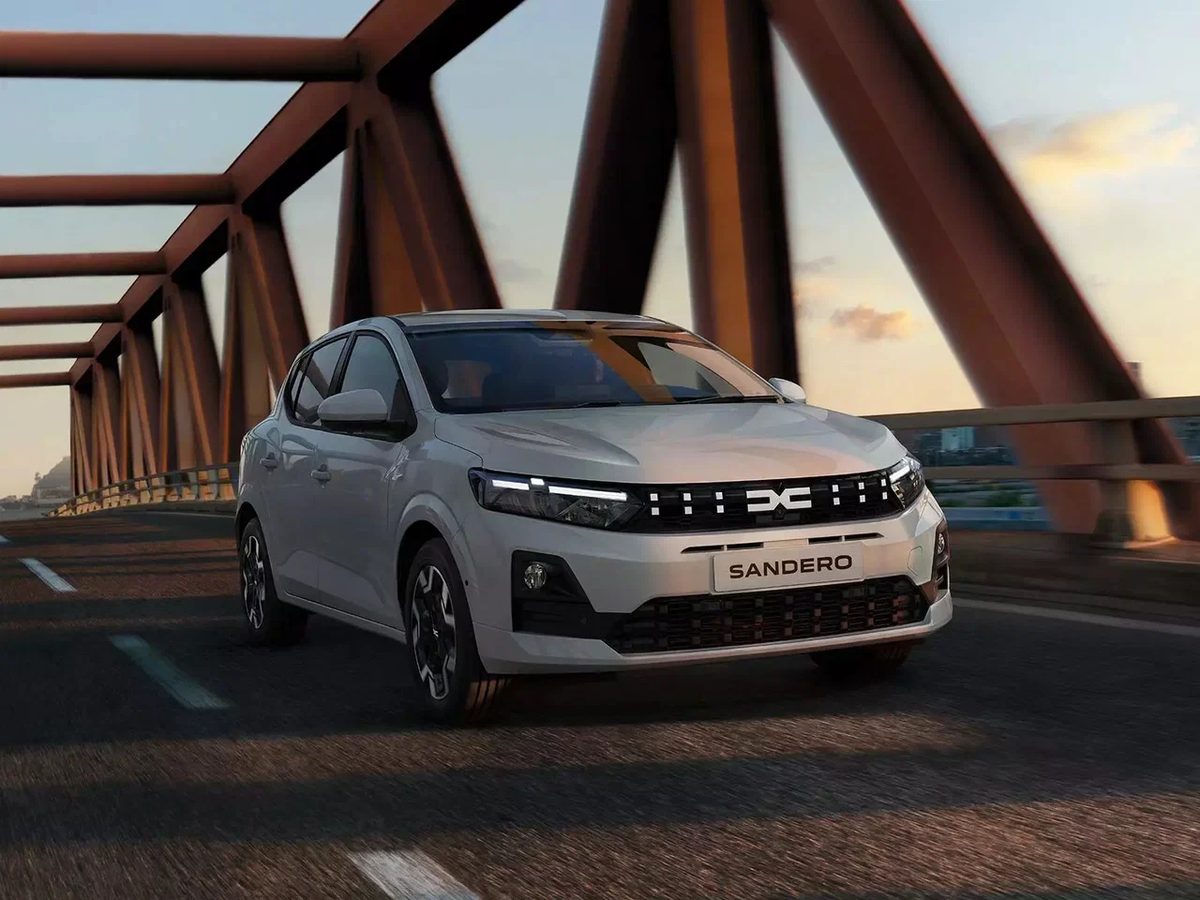
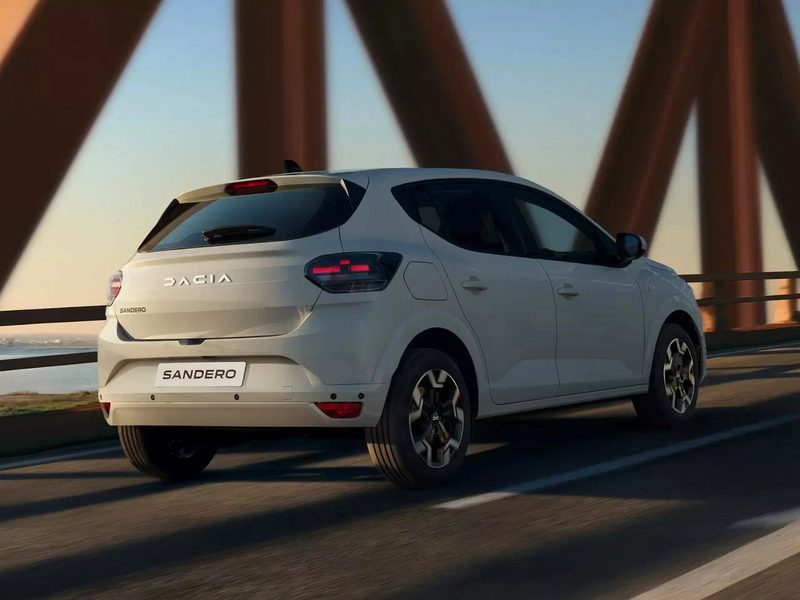
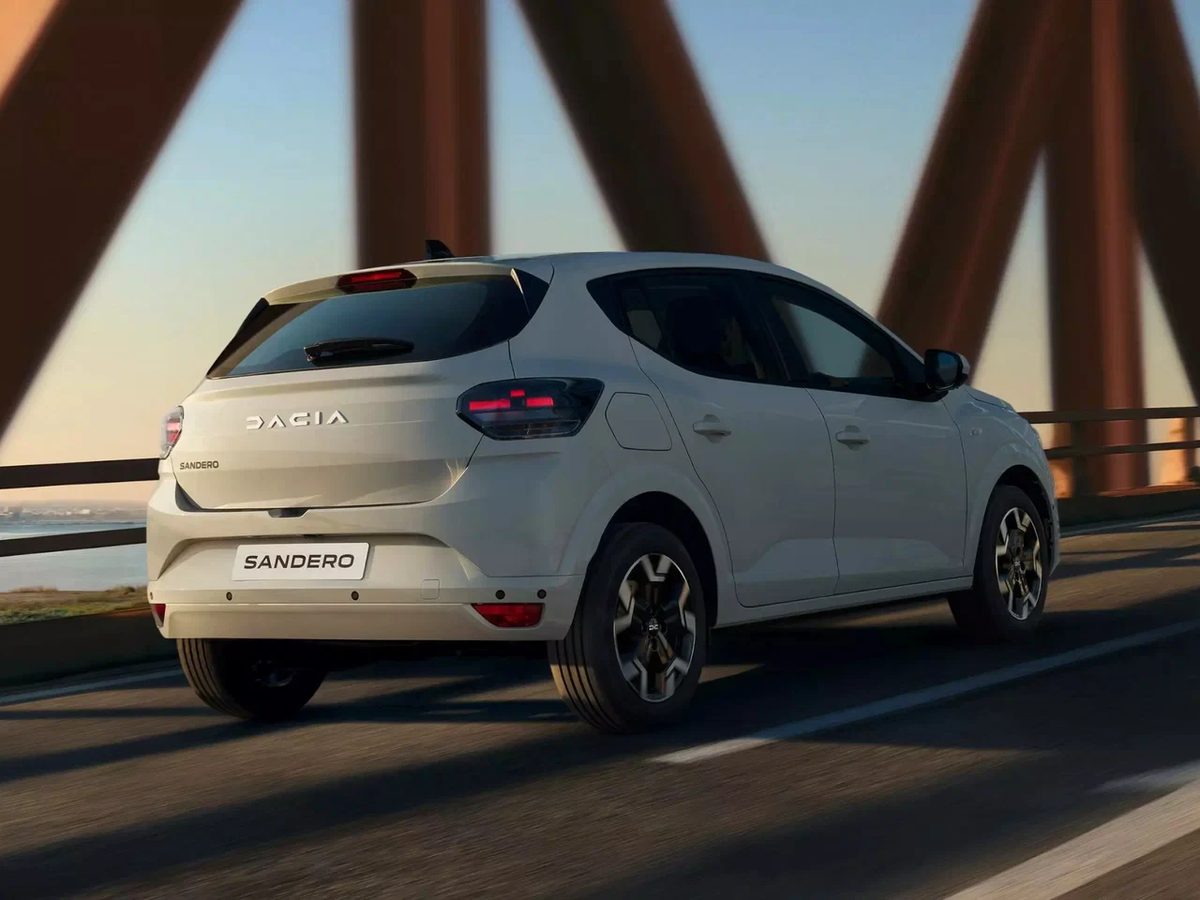
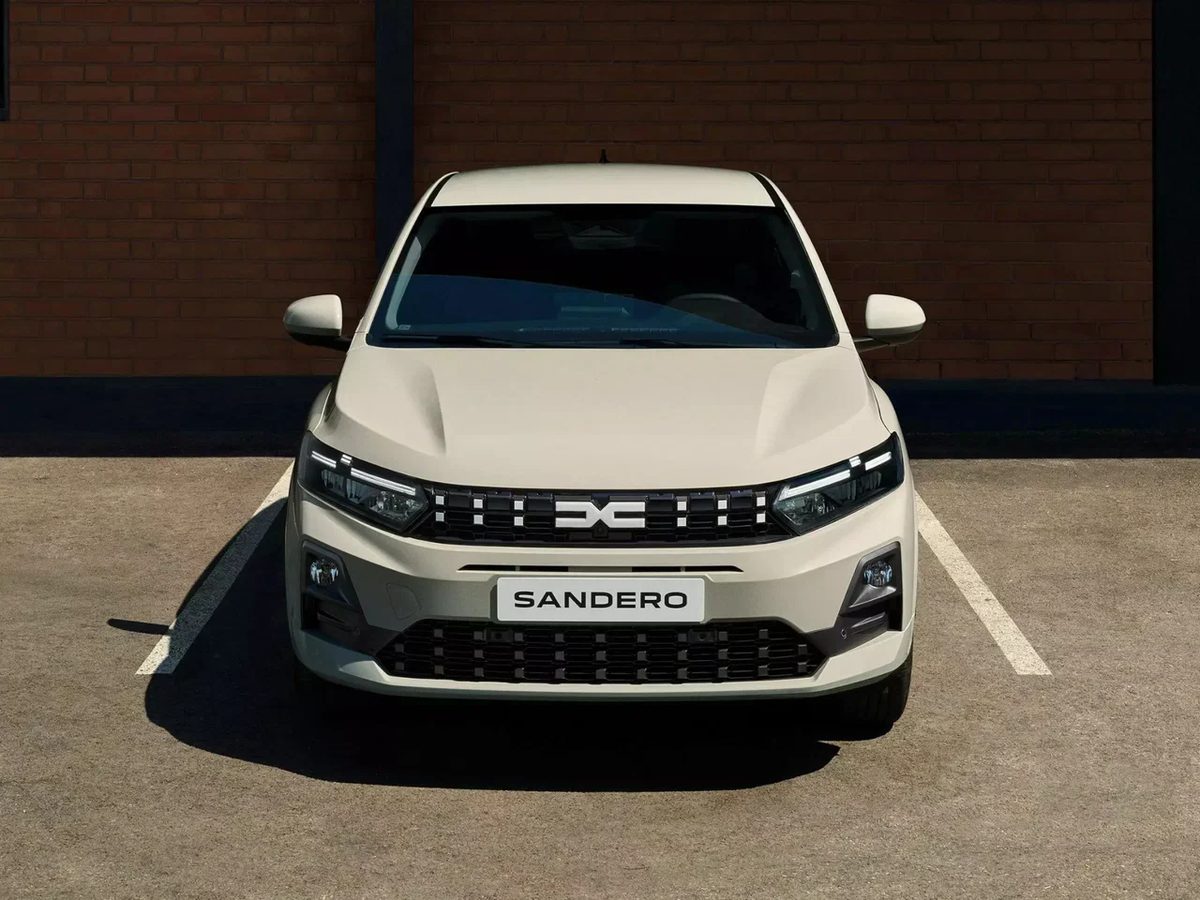
The Dacia Sandero is a supermini hatchback and the volume backbone of the Renault Group’s budget brand. At 4,099 mm long on a 2,604 mm wheelbase, it is a conventional five-door supermini sold on price rather than on novelty: no touchscreen-only controls, no electric version, and a platform shared with the Renault Clio in an earlier, cheaper specification. It leads the model charts in several European markets and is regularly the best-selling car in Europe to private buyers, as opposed to fleets.
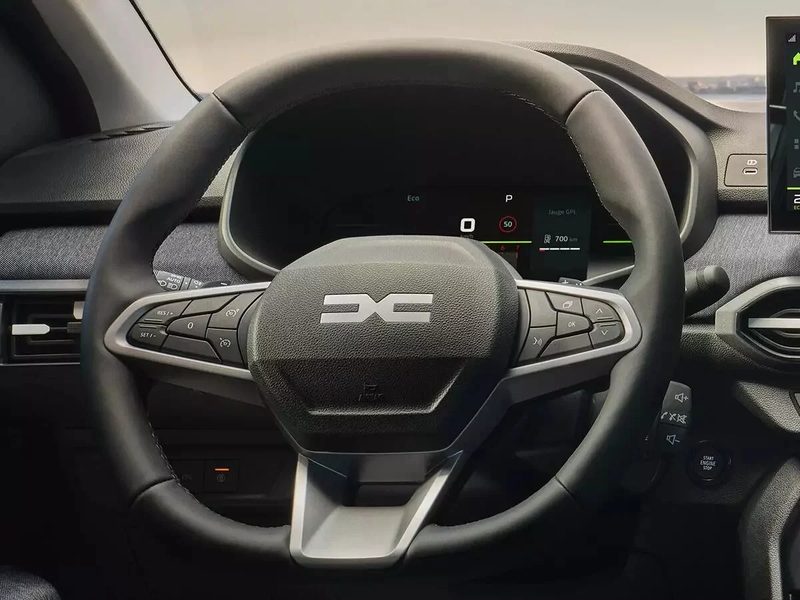
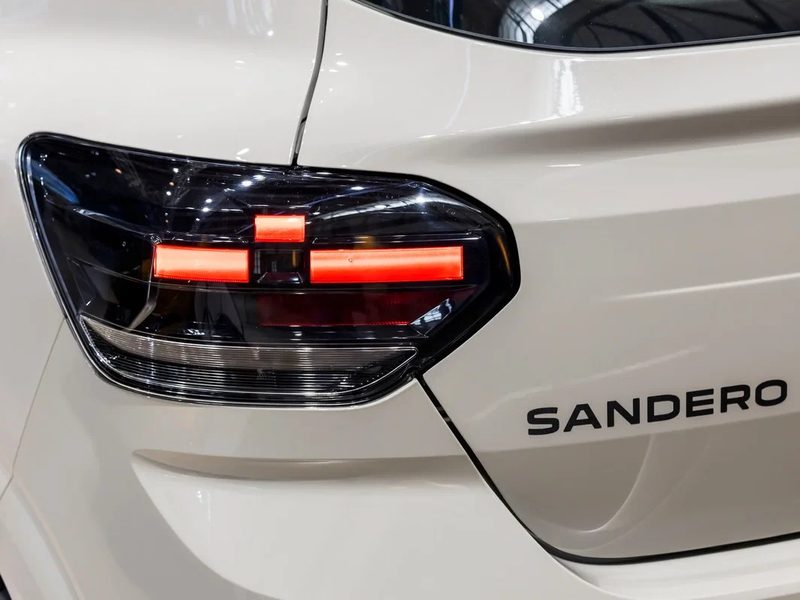
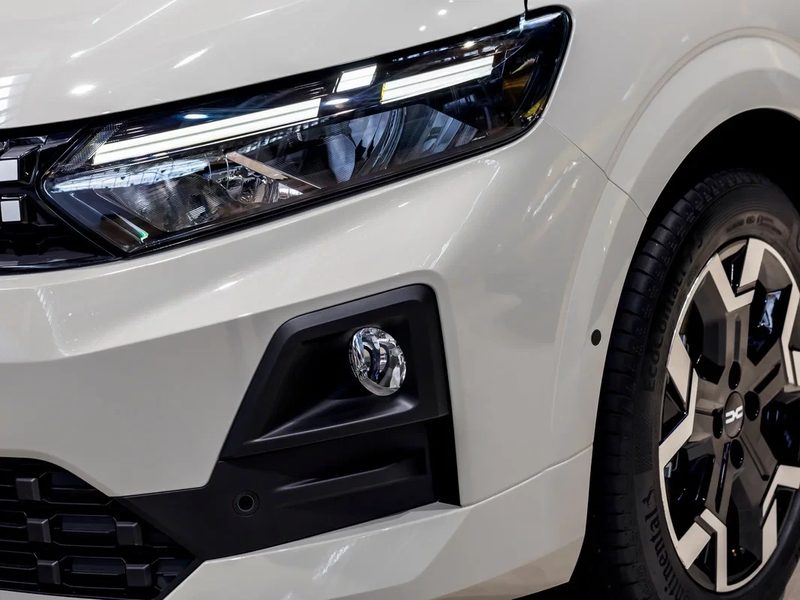
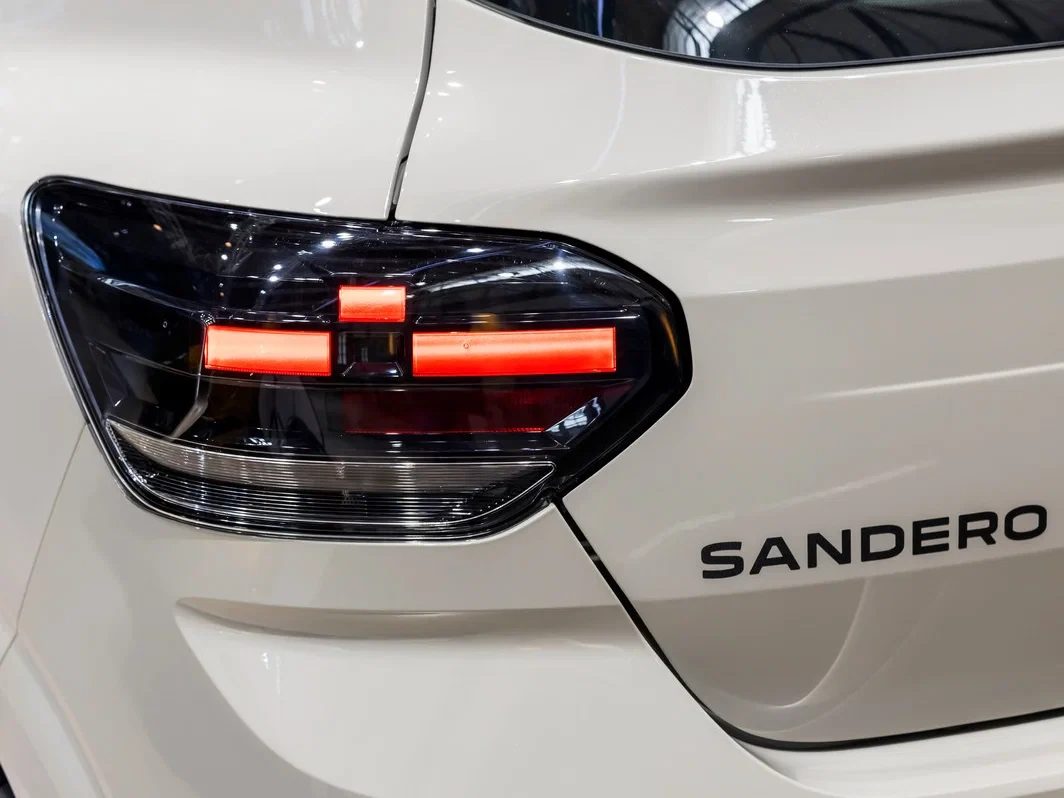
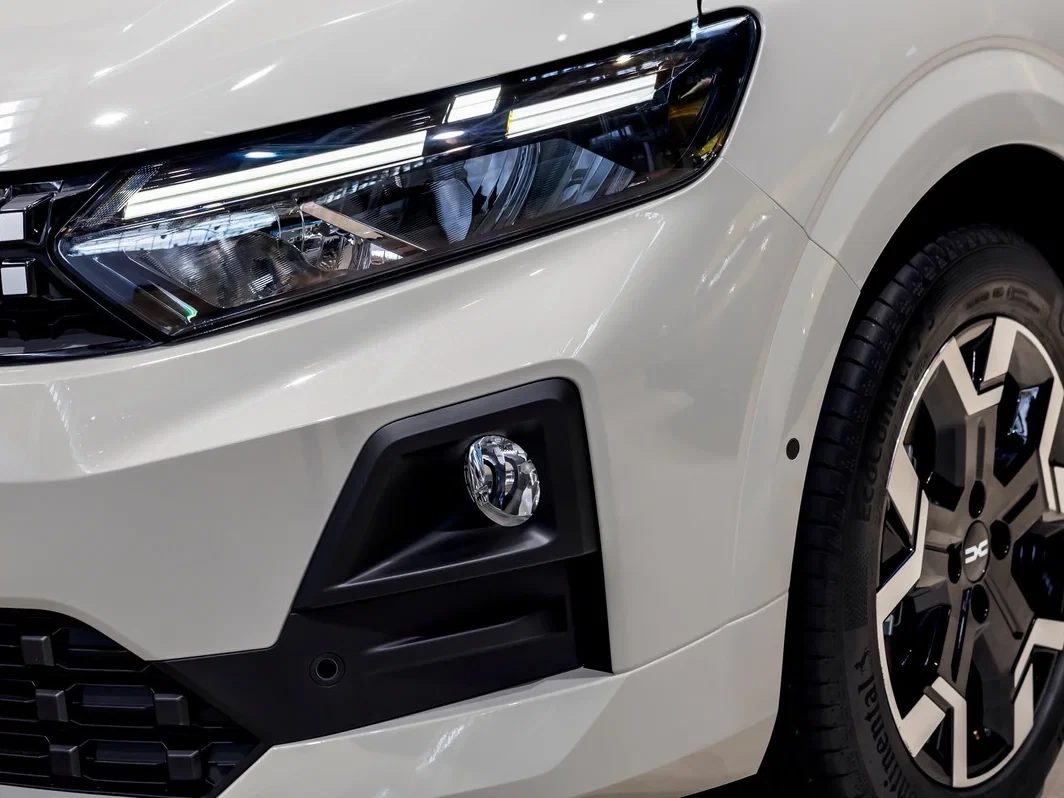
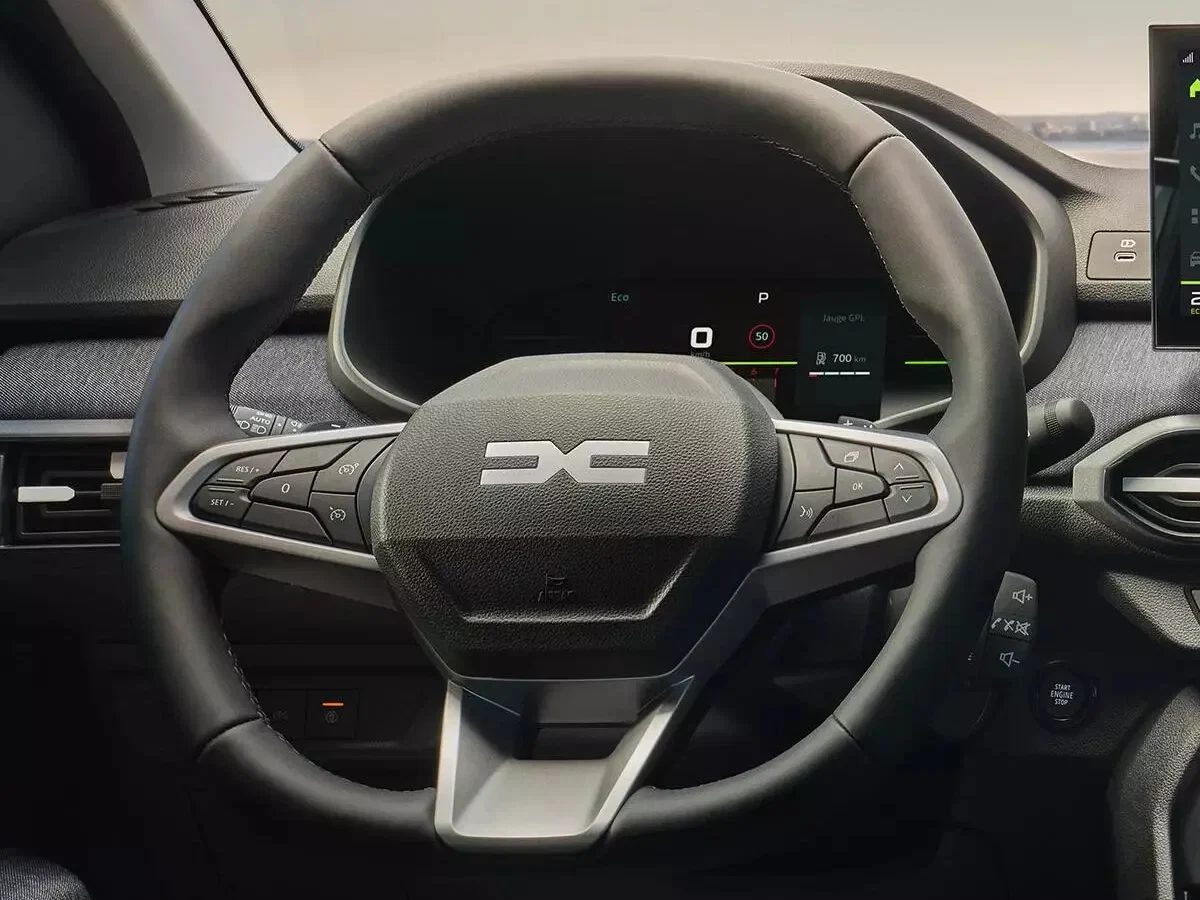
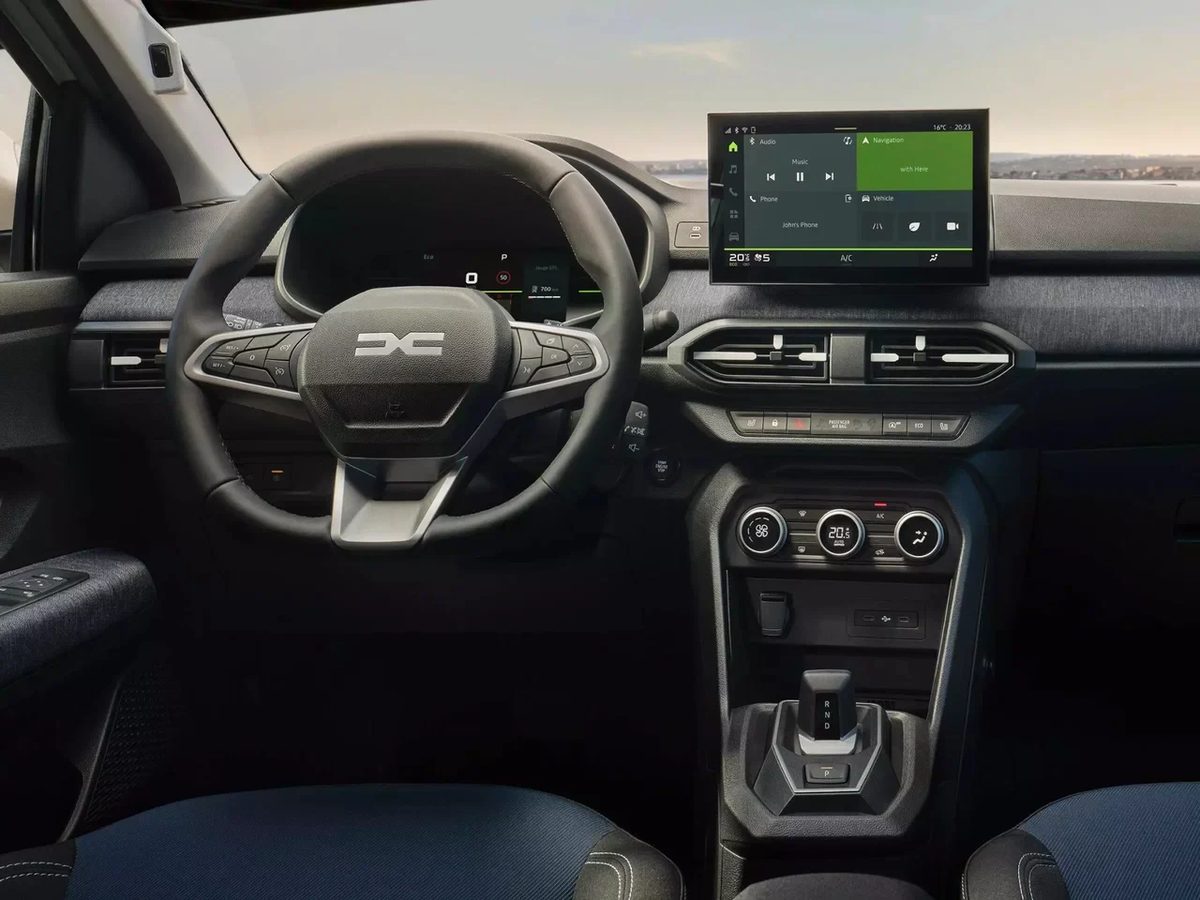
Dacia revealed the current update on 6 October 2025. The car keeps its body and proportions and gains the brand’s inverted-T LED light signature at both ends, redesigned bumpers, a 10-inch central screen, the YouClip mounting system for accessories and an optional wireless charging pad. In the UK the range runs Essential, Expression and Journey, priced from 14,765 pounds, 15,765 pounds and 17,065 pounds on the road.
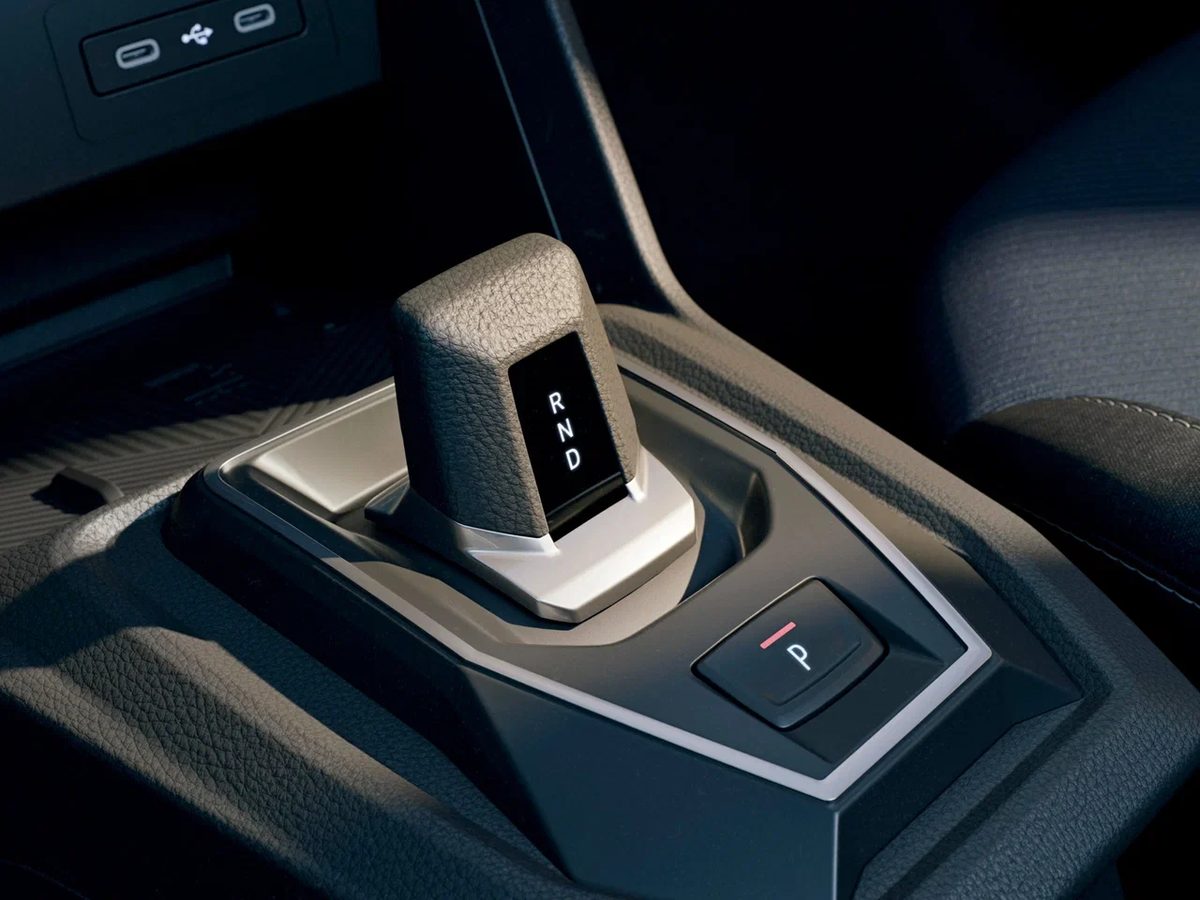
The engines are the point. The UK gets the TCe 100, a 1.0-litre turbocharged three-cylinder rated at 100 PS, or 99 bhp, with a six-speed manual, and a Bi-Fuel version of the same engine that also runs on LPG. Continental Europe adds the ECO-G 120, a 1.2-litre turbo three-cylinder making 120 PS on gas and 115 PS on petrol, available with a six-speed dual-clutch automatic. The 2026 update enlarges the LPG tank to 49.6 litres and Dacia quotes a combined range of up to 1,590 km on a full pair of tanks. A Hybrid 155 petrol-electric system, combining a 109 PS engine with a 50 PS motor, is planned for the Sandero Stepway rather than the hatchback.
Production sits in Morocco, at Tangier and Casablanca, with Stepway output also running at Mioveni in Romania. Nothing about the car is designed to be advanced. Its position rests on a new five-door hatchback with a warranty starting under 15,000 pounds, and on LPG costing roughly half what petrol costs per litre in most of the markets where the Sandero sells best.