 UK
UKBentley has stopped committing to a date by which every car it sells will be electric. CEO Frank-Steffen Walliser said in an Autocar interview around the Torcal’s debut that long-range planning no longer works: “In the past, you made a plan for 10 years and then you just went with it. We delivered the cars in a relatively stable environment. It’s not the case anymore,” as quoted by Carscoops on 24 September.
How the deadline moved
Bentley’s 2020 Beyond100 plan promised plug-in hybrids or EVs only from 2026 and an EV-only range by 2030. In November 2024 the updated Beyond100+ plan moved the EV-only date to 2035 and kept plug-in hybrids on sale until then. The September 2026 comments drop the fixed date altogether: Walliser cited customers who remain hesitant about full electrification and regulators who have eased their expectations. Bentley has not named a replacement year.
One line for both powertrains
Instead of a date, Bentley is engineering flexibility into production. The company wants to build plug-in hybrids and battery-electric cars on the same assembly line at Crewe, so output can move toward whichever powertrain customers order. That matters in practice because a plant set up for one powertrain cannot shift volume when demand swings, while a shared line can. Bentley also wants to cut the time to develop a new model from four years to three.
What this means for the Torcal and what follows
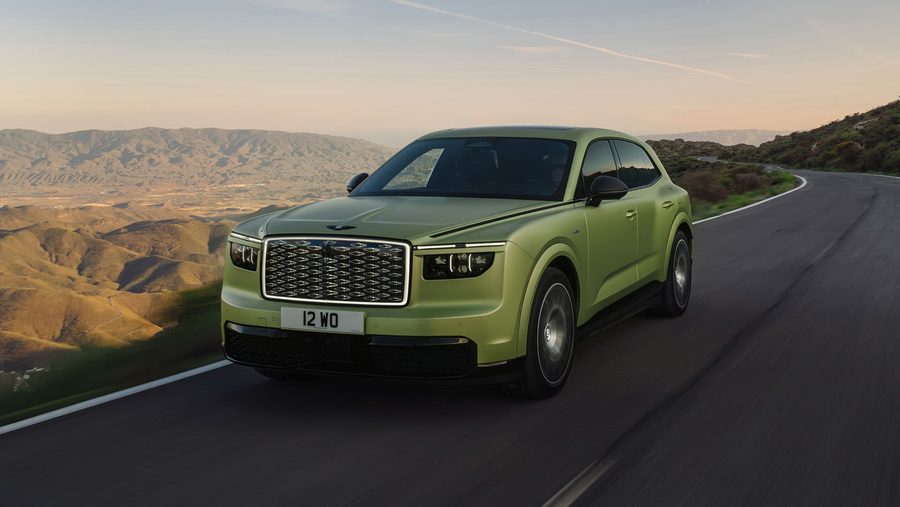
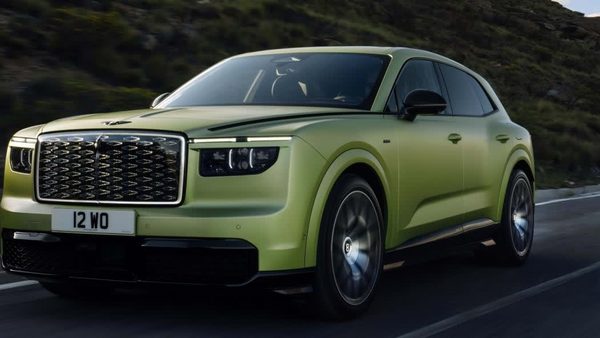
The Torcal, Bentley’s first electric car, arrived nearly a year later than the company had planned, with a WLTP range of up to 600 km. Walliser ruled out a plug-in hybrid Torcal: it sits on the electric-only PPE platform, and adding an engine would duplicate the Bentayga. The next Bentley electric car is not expected until after 2030.