 Germany
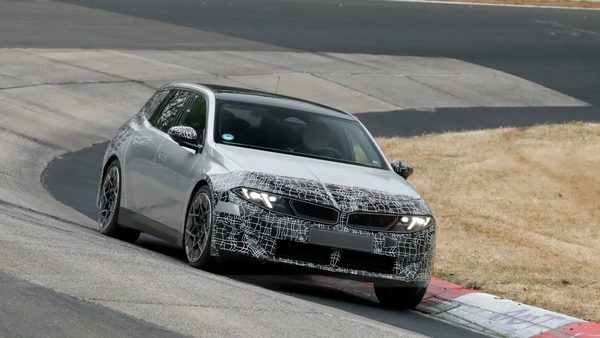
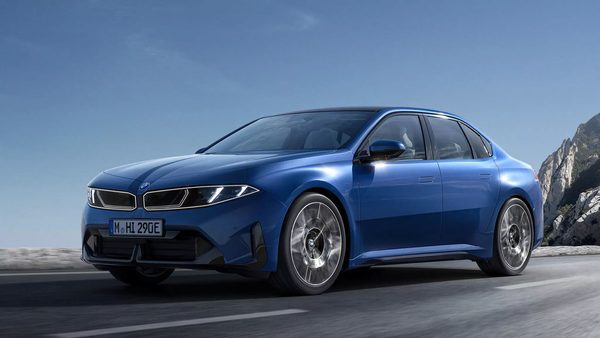
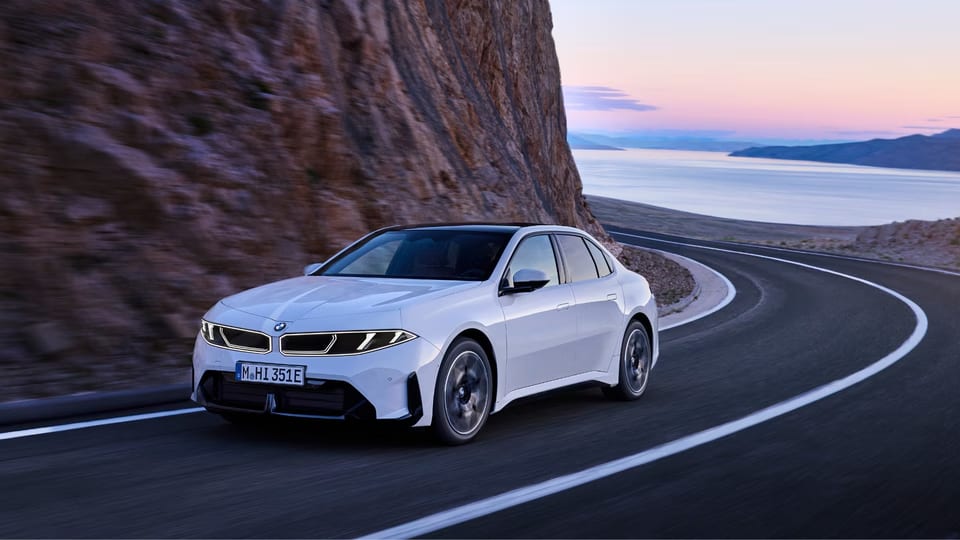
BMW opened order books for the electric i3 on June 18, months earlier than planned, after customer demand ran ahead of the original timetable. The first version available is the i3 50 xDrive First Edition, the second model on the company’s Neue Klasse platform after the iX3.
In Germany the First Edition is priced from 75,340 euros (about $86,400), with the base i3 50 xDrive starting at 65,900 euros (about $75,600). In the UK the First Edition opens from 57,905 pounds (about $76,990) on the road, ahead of an autumn 2026 market launch that starts the regular car at 53,005 pounds. Both sit on a 108.7 kWh battery and quote up to 912 km WLTP range, with the better-equipped First Edition rated at up to 906 km.
The i3 name now belongs to an electric sedan built on a dedicated EV architecture - a different car from the China-only i3 sedan BMW has sold since 2022. That older i3 is part of what BMW is reportedly winding down. According to CnEVPost, three China-built electric models on the CLAR platform - the iX1, the China-market i3, and the China version of the i5 - are set to be discontinued from July.
The reasoning ties the two stories together. Halting the CLAR-based cars frees production capacity at BMW Brilliance Automotive in Shenyang for the Neue Klasse vehicles that follow. Until those arrive, BMW’s China electric lineup is reported to thin out to a pair of performance variants, the i4 M60 and i5 M60.
The timing matters because it lands a week after BMW cut its 2026 profit forecast, citing a 14.9% drop in locally assembled China sales over January-May. The i3 demand surge in Europe and the China platform reset are two halves of the same pivot: retire the transition-era electric cars and put the weight behind the Neue Klasse generation.

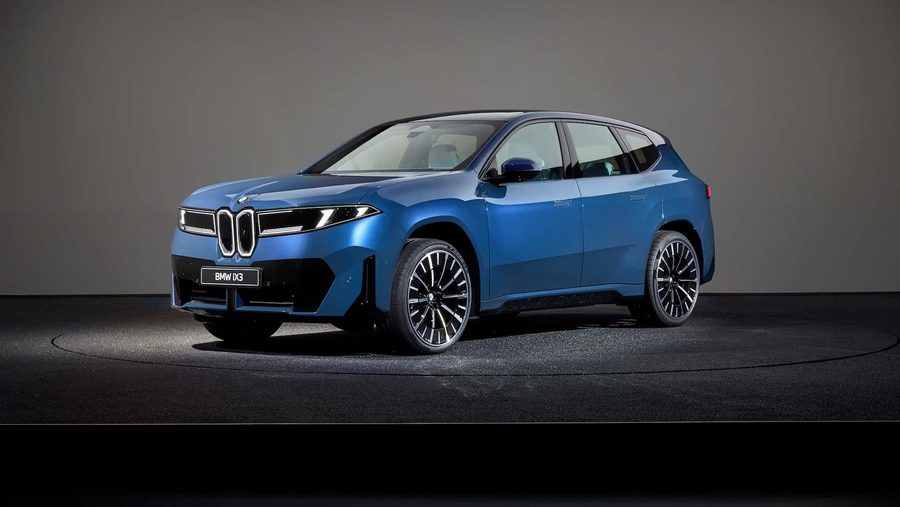
The BMW iX3 is the first series-production car on the Neue Klasse platform, an electric SUV with an 800-volt system, a 108.7 kWh battery and up to 805 km of WLTP range. The launch 50 xDrive uses two motors for 469 hp and 645 Nm, reaching 100 km/h in 4.9 seconds. Peak DC charging is 400 kW, enough for 10 to 80 percent in about 21 minutes. US pricing starts at $61,500 plus destination, with deliveries there from September 2026.