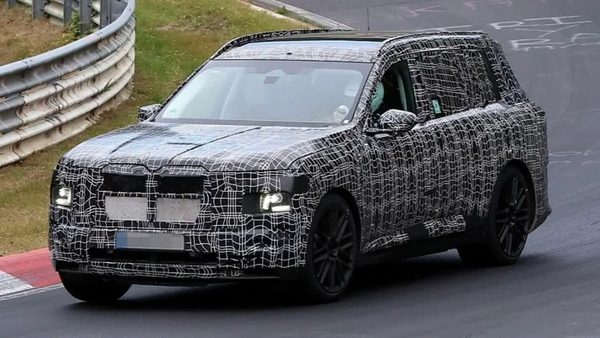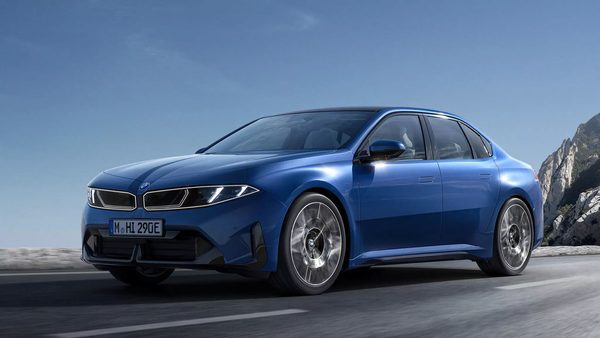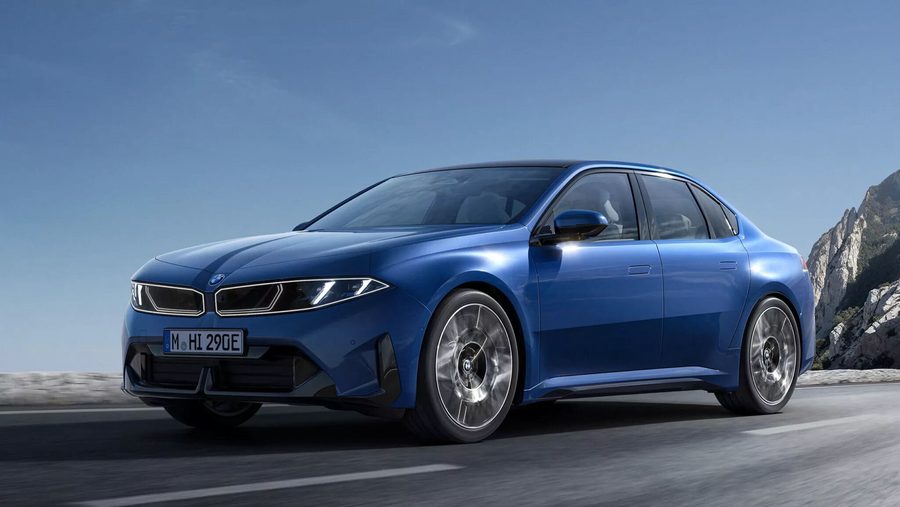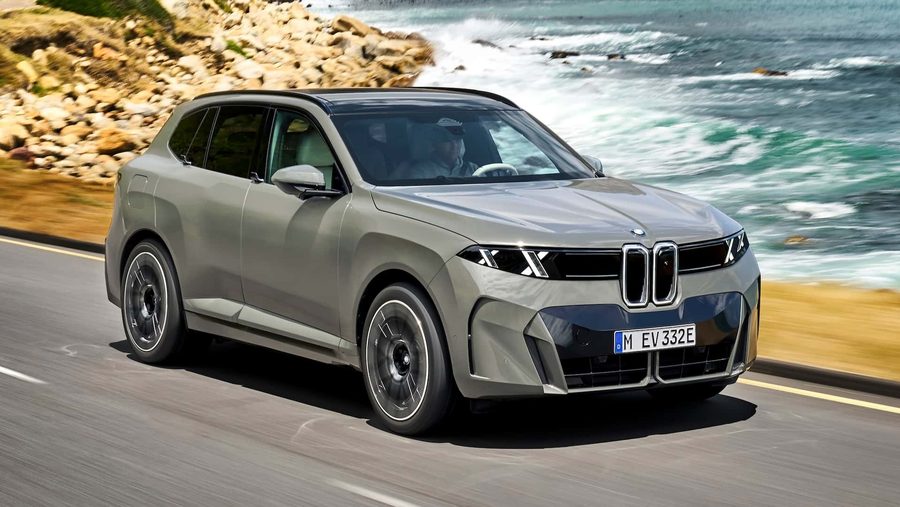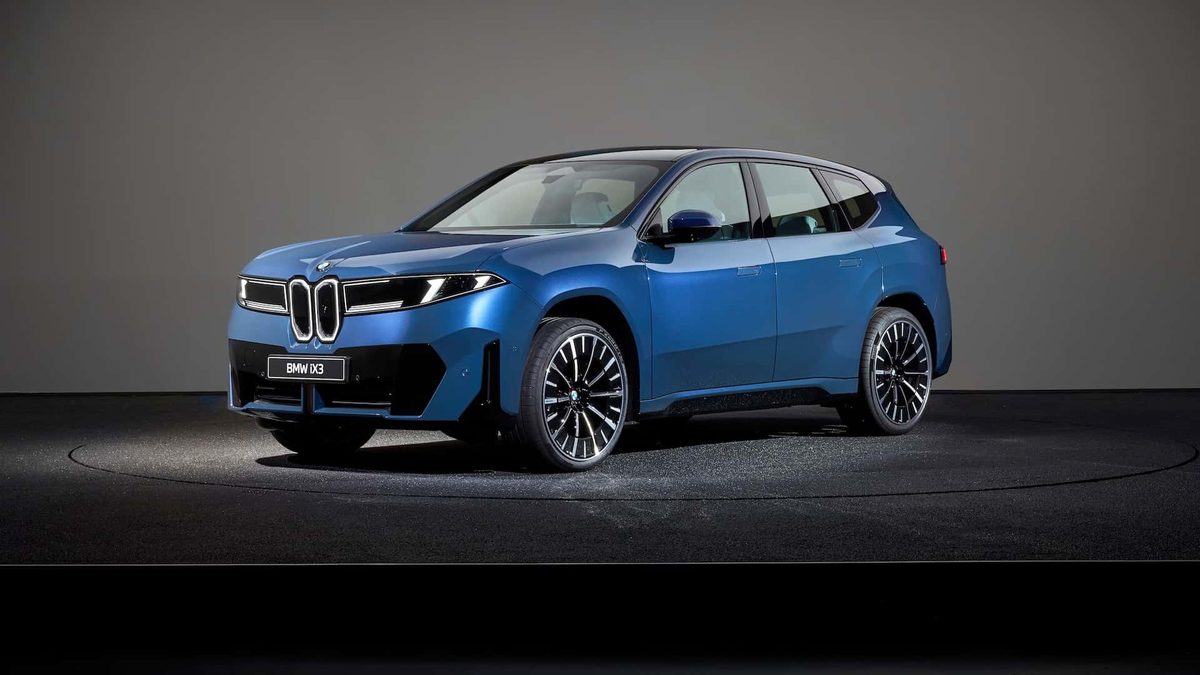
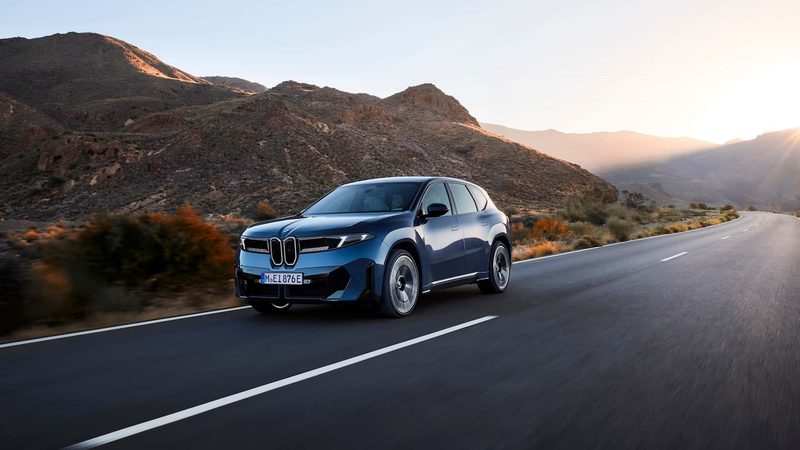
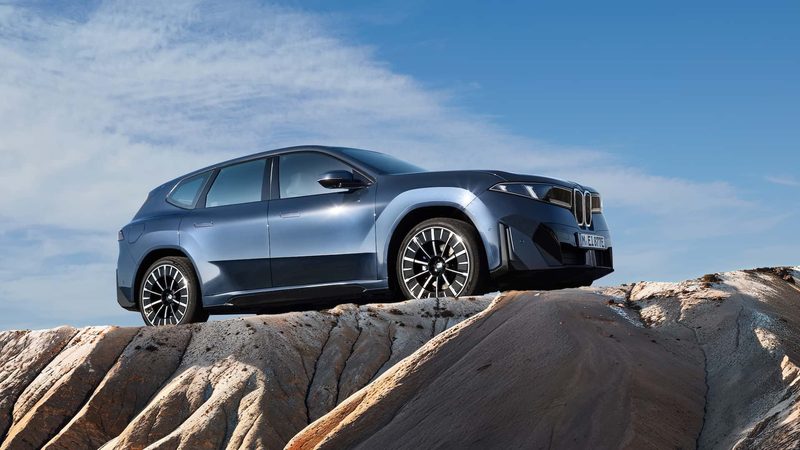
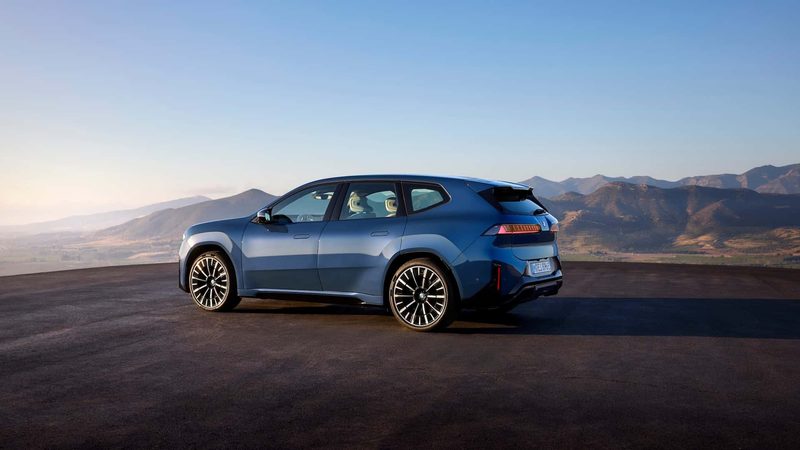
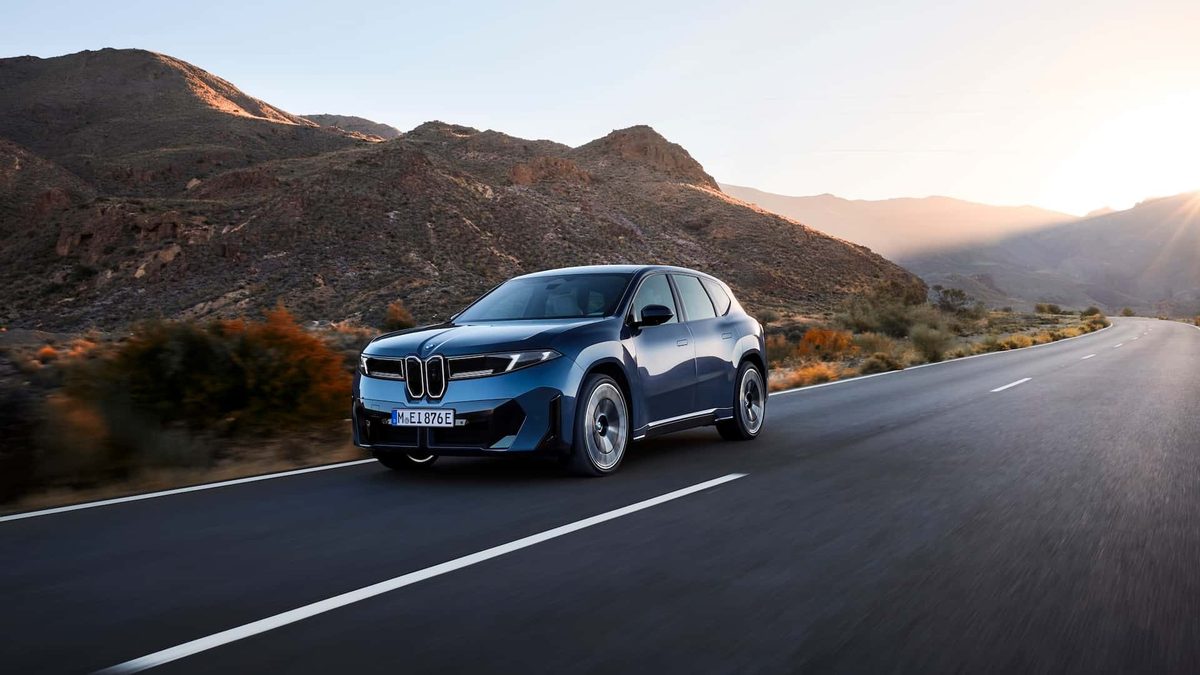
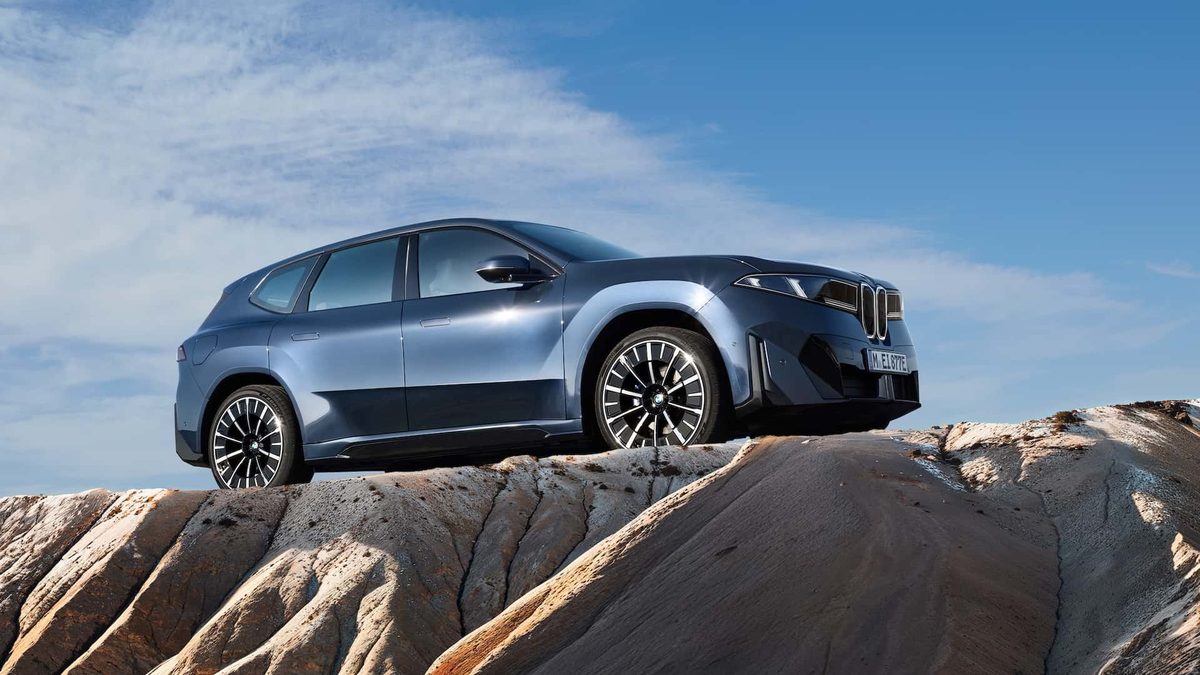
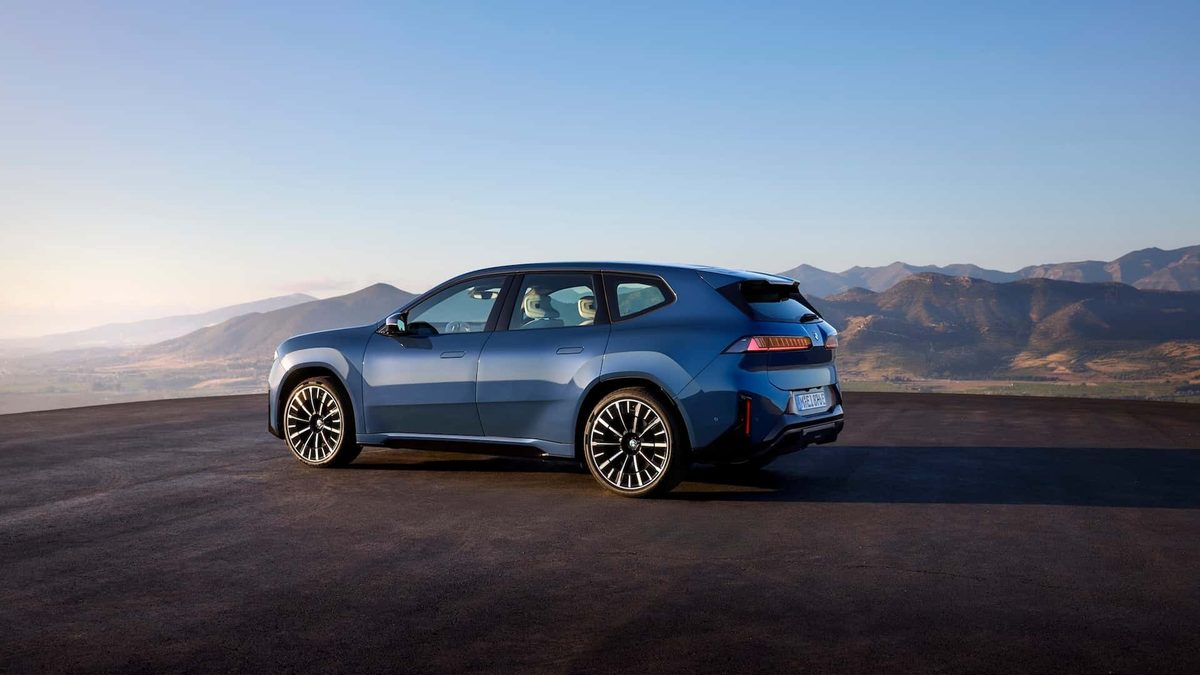
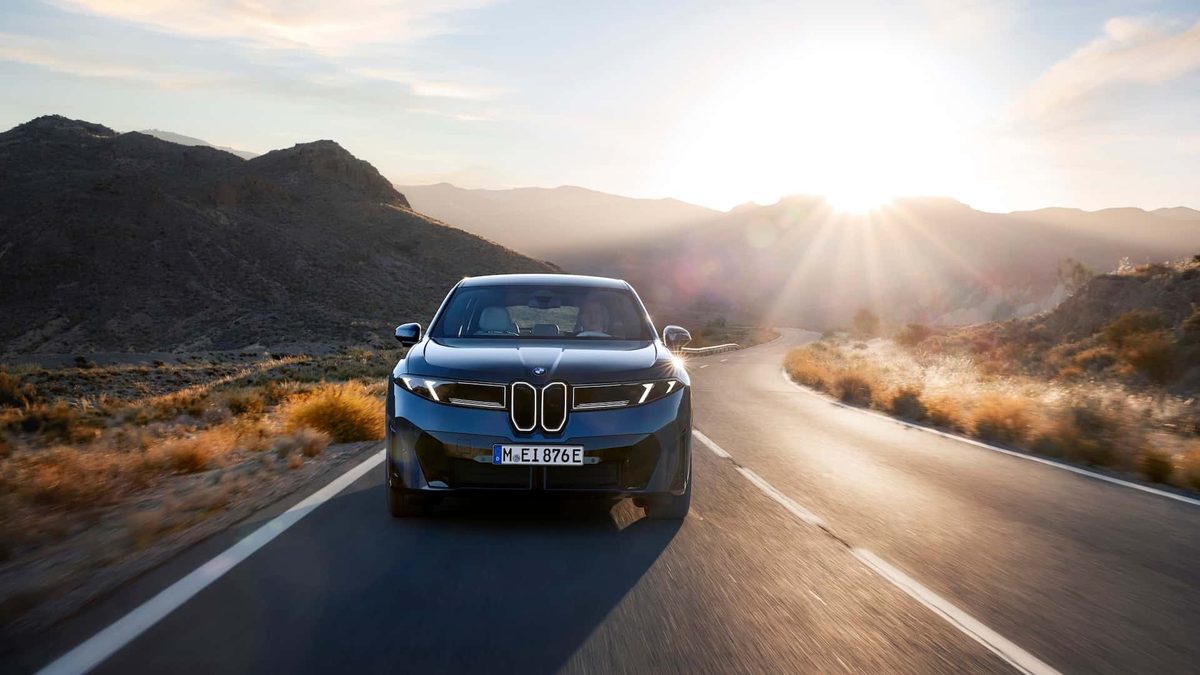
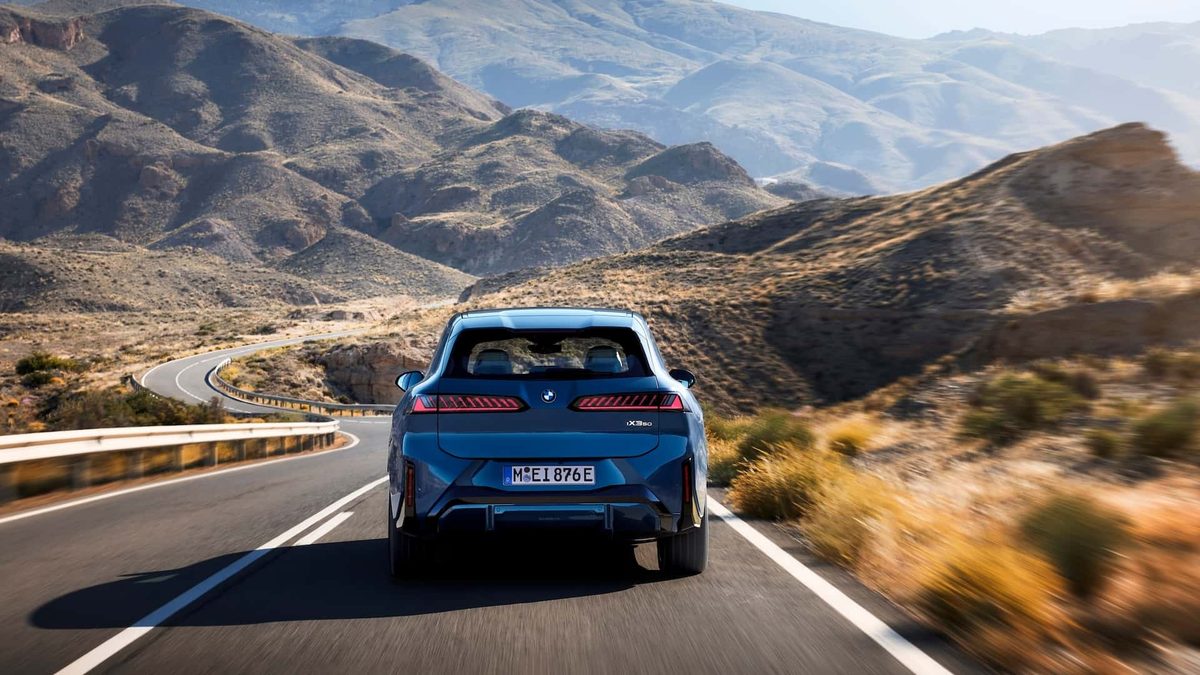
The iX3 is the car BMW built the Neue Klasse platform for. Everything under it is new rather than adapted: an 800-volt electrical system, a sixth-generation eDrive with cylindrical battery cells instead of prismatic ones, and four onboard computers that replace a scattered network of control units. BMW has been describing the architecture since 2021, and the iX3 is where it reaches customers first. An earlier car wore the same badge from 2020, but that was an electric conversion of the petrol X3 built in Shenyang; this one shares nothing with it beyond the name.
The launch version is the 50 xDrive, with a motor on each axle for 469 hp and 645 Nm and a 108.7 kWh battery. It reaches 100 km/h in 4.9 seconds, tops out at 210 km/h and covers up to 805 km on the WLTP cycle. The 800-volt system allows DC charging at up to 400 kW, taking the battery from 10 to 80 percent in roughly 21 minutes. American buyers see the same car rated at up to 434 miles by the EPA, whose test is harder than the European one, so the gap is a matter of measurement rather than hardware.
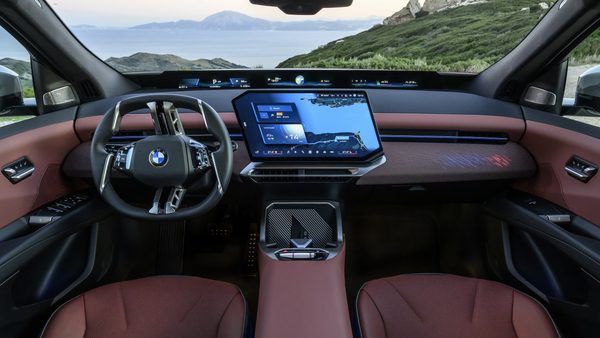
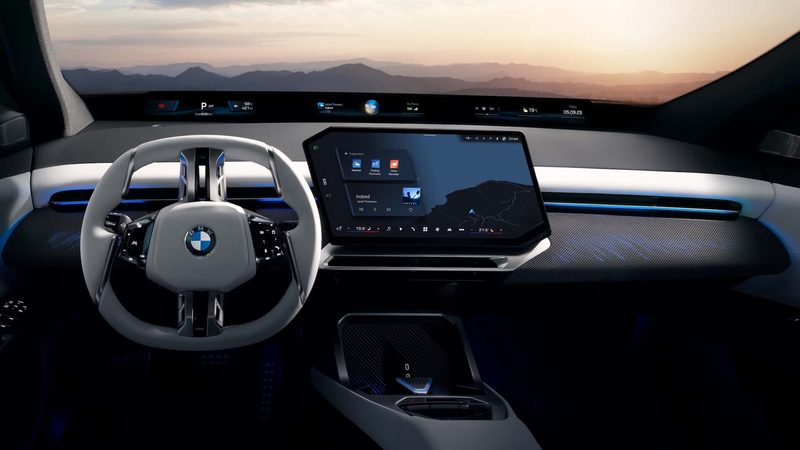
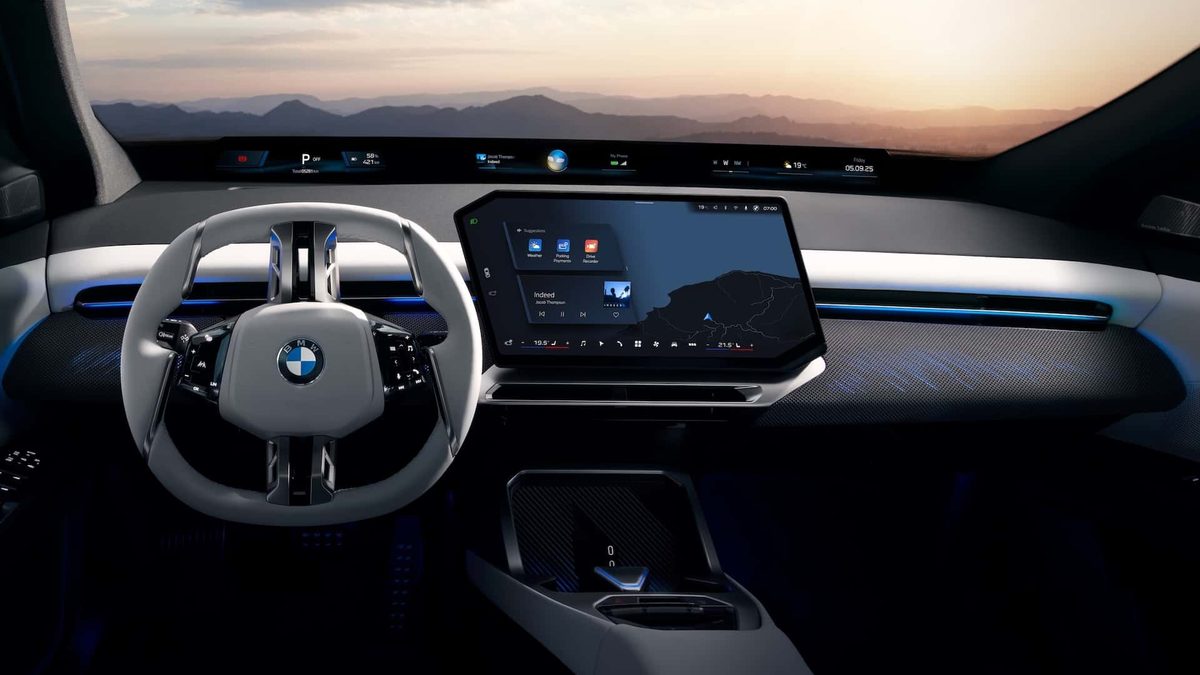
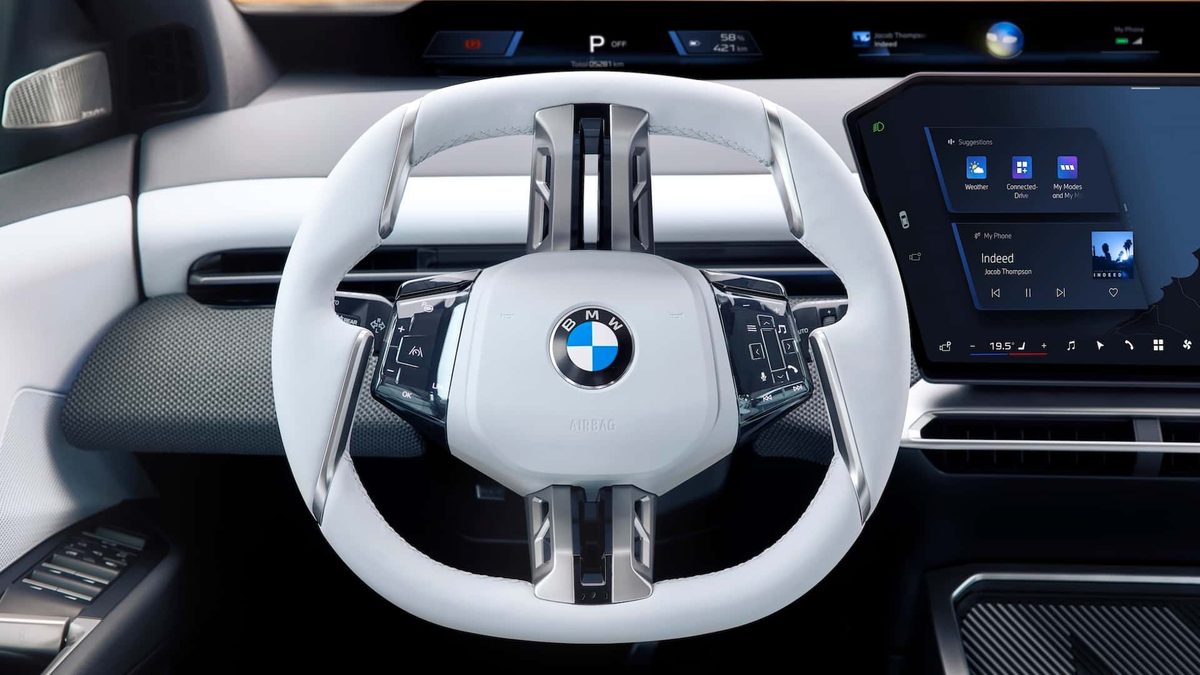
The cabin’s defining feature is Panoramic iDrive, a display strip that runs the full width of the windscreen base rather than sitting in a binnacle ahead of the driver, paired with a central touchscreen angled toward them. There is no instrument cluster in the traditional sense. The steering wheel carries illuminated controls, and the operating system is BMW’s own rather than a licensed platform.
The car measures 4,782 mm long on a 2,897 mm wheelbase, 1,895 mm wide and 1,635 mm tall, which places it a little larger than the combustion X3 it sits alongside. European sales opened first; BMW set US pricing at $61,500 plus $1,350 destination with deliveries from September 2026, and UK pricing starts under GBP 59,000. A longer-wheelbase version built for China is quoted at 919 km on the more optimistic CLTC cycle.