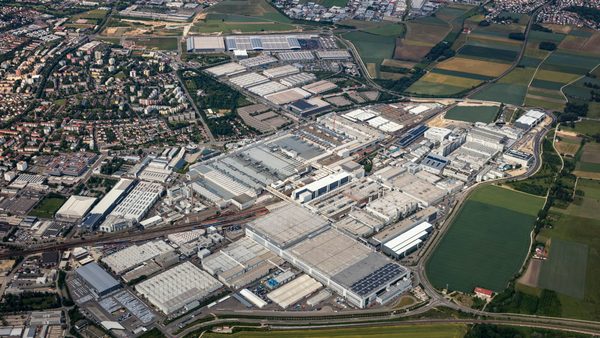
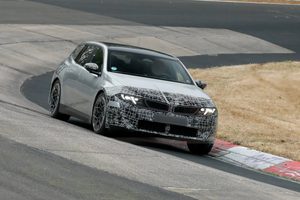
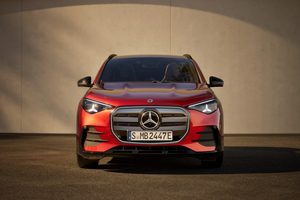
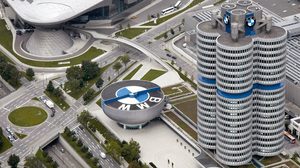
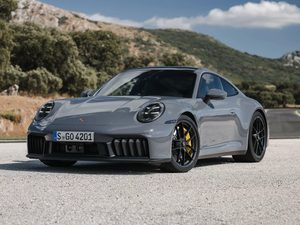
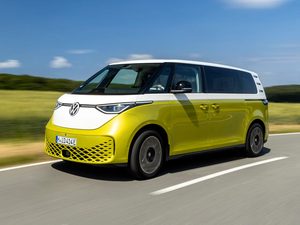
This page collects news about the German car industry: model launches, plants, suppliers and ownership. Germany builds around 4 million cars a year and exports roughly three quarters of them, so the domestic market is a poor guide to what the factories actually do. The output skews expensive, and it stays put: the 911 has come out of Zuffenhausen since 1963, the S-Class out of Sindelfingen, and Wolfsburg is still the largest car plant in the world on one site. Volume SUVs are the exception, built where they sell. Underneath the badges is the other half of the industry, and the more widely sold one. Bosch is the largest automotive supplier anywhere, with ZF, Continental, Schaeffler and Mahle in the same tier, selling steering, braking and driveline hardware to carmakers on every continent; about 770,000 people work in the sector directly. Development habits are equally settled. A lap time at the Nürburgring Nordschleife is still quoted as a specification, by German and foreign manufacturers alike.
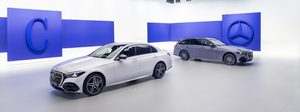
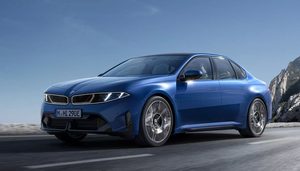
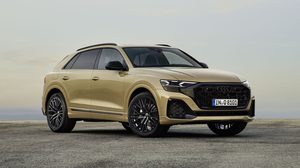
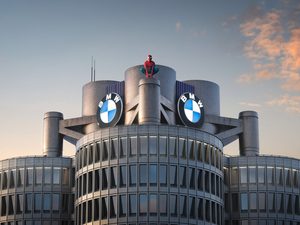
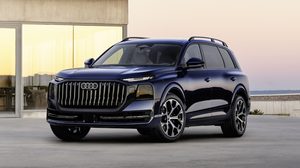
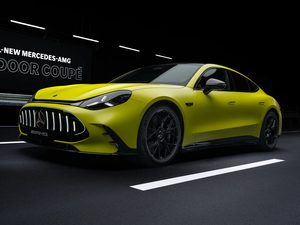
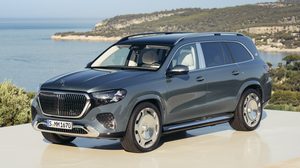
Three head offices account for almost all of the manufacturing. Volkswagen Group in Wolfsburg is the largest carmaker in Europe, with Audi, Porsche, Škoda, SEAT, Cupra, Lamborghini and Bentley beneath it. BMW Group in Munich owns two British marques, Mini and Rolls-Royce, both out of the 1990s break-up of the Rover Group, and took the tuner Alpina fully in-house in 2022. Mercedes-Benz Group in Stuttgart is the most concentrated of the three: one core brand, AMG as the performance arm, Maybach above them. Two German names sit outside that structure, Opel, which has answered to Stellantis in the Netherlands since PSA bought it from General Motors in 2017, and smart, a 50/50 joint venture with China’s Geely since 2019 with the cars built in China. The rest of the continent is mapped in Europe’s car brands.