 UK
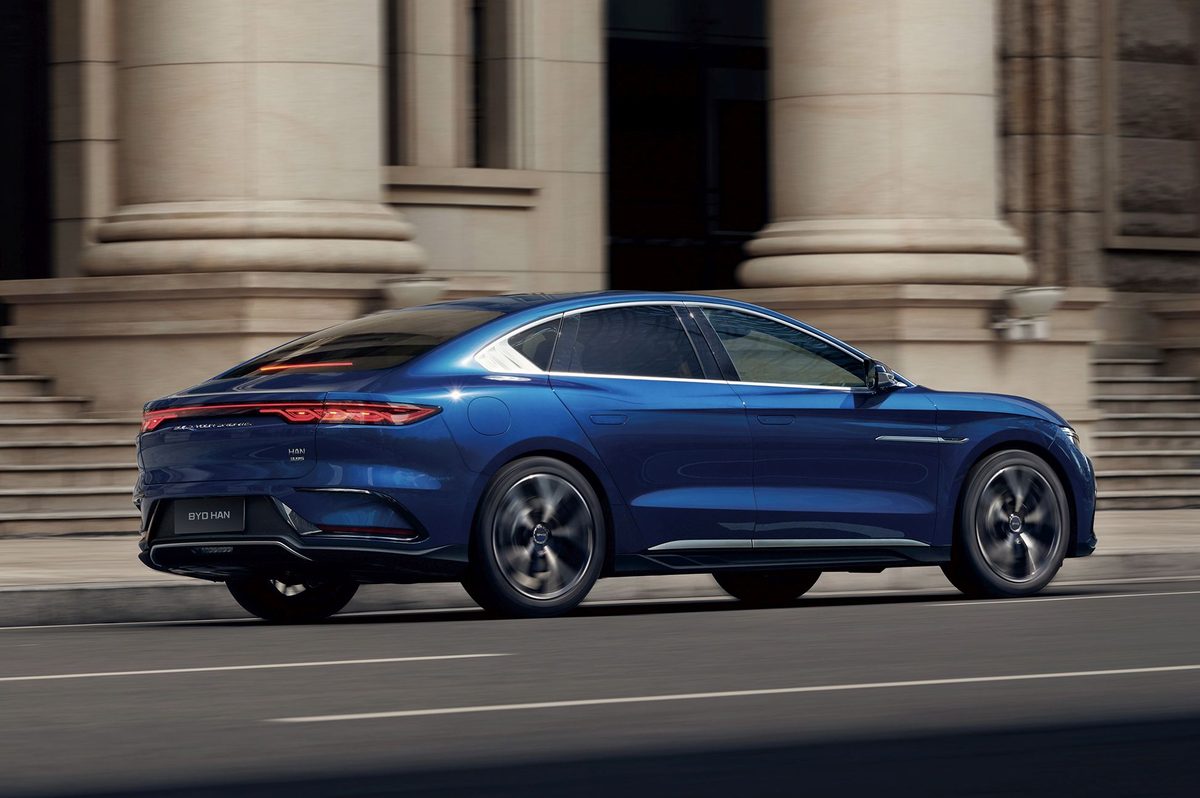
UKBYD has delivered its 100,000th new energy vehicle in the United Kingdom, executive vice president He Zhiqi said in mid-June. The company reached the figure in roughly three years on the market, which it frames as the fastest any foreign brand has climbed to a 5% share in British automotive history.
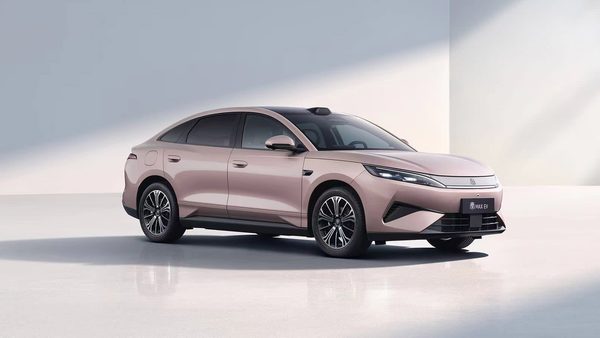
The milestone marker is 5%, but BYD has already moved past it. On 26,396 NEV sales in the first four months of the year, up 124% year-on-year, its share has run above 7%, and the company says it is now the UK’s largest electric vehicle brand. The growth has come from a lineup that spread quickly from the Atto 3 and Dolphin into the Seal, the Seal U, and plug-in hybrids sold under the brand’s DM-i badge.
The harder problem for any fast-growing EV brand is charging, and that is where BYD is putting its next push. It plans to roll out 300 flash-charging stations across the country by the end of the year. The hardware is built around BYD’s 1,500 kW flash-charging system, paired with the second-generation Blade Battery, which the company says can take a compatible car from 10% to 97% in about nine minutes.
Numbers that large depend on a grid connection most sites cannot deliver yet, so the real-world figures will sit below the headline rate. But the direction is clear: having built the sales base, BYD is now trying to remove the charging friction that slows repeat buyers - and doing it with its own hardware rather than waiting on third-party networks.