 China
BAIC Group and CATL signed an agreement on 22 October 2026 to deepen their battery swap partnership. BAIC said the aim is to build China’s first mature battery swap ecosystem serving vehicles in the million level, according to CnEVPost. The statement gave no timeline, no further model names and no number of stations to be built.
What BAIC will contribute
BAIC will connect compatible models across several of its brands to CATL’s Choco swap network and jointly develop nationwide public energy replenishment infrastructure. It will also open its dealer network so CATL can build swap stations around dealerships, and the two companies will explore running stations together with dealers. The agreement covers vehicle and battery development, station construction, battery energy services and business models, and the partners say they will push for unified swap standards and interoperable networks.
Models already on the system
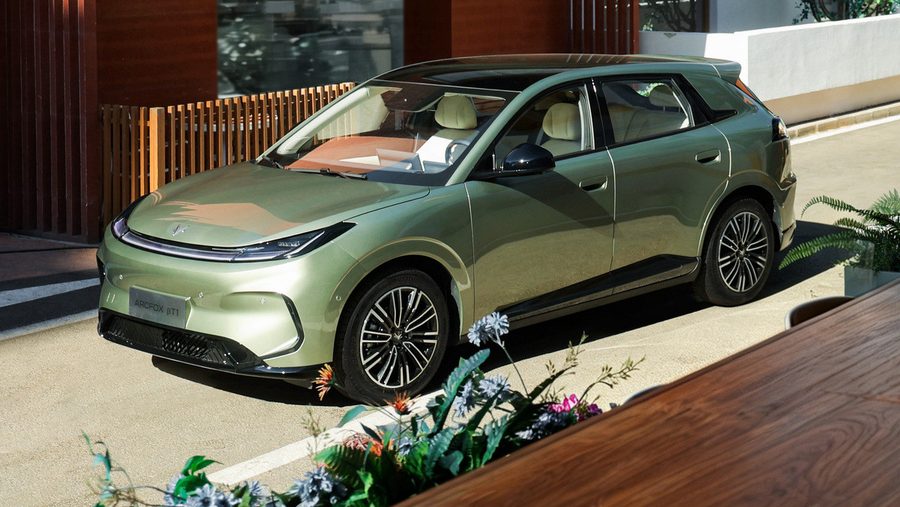
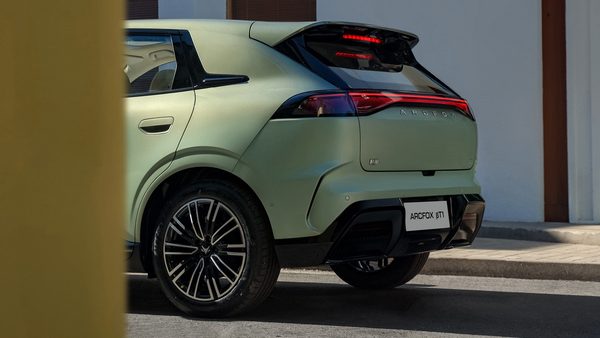
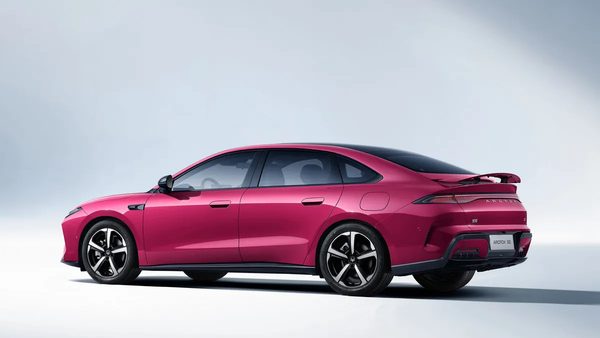
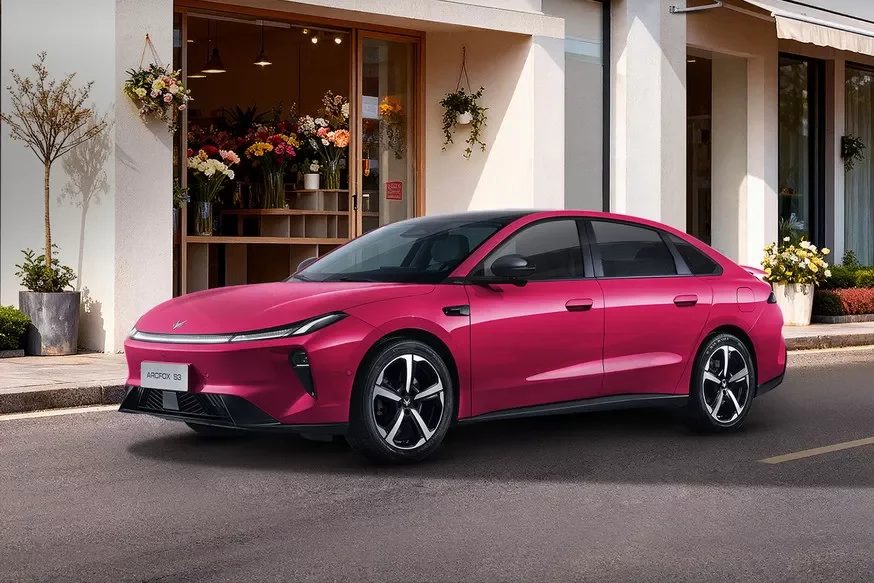
The agreement builds on a June 2024 deal covering swap-compatible vehicles, battery block development and battery data management. BAIC’s Arcfox launched the Beta S3 on 22 May 2026, and its swap version uses CATL’s Choco-SEB solution with a battery rental option. In August a swap version of the Arcfox Beta T1 appeared in a vehicle filing catalog published by China’s Ministry of Industry and Information Technology, with a filing that showed the vehicle and battery could be sold separately.
The CATL network
CATL had built 2,520 swap stations in 200 Chinese cities as of 29 September and targets 30,000 over the long term, including 1,000 highway stations to be built in 2026 and 2027. CnEVPost notes that swapping needs a sufficient vehicle base to support station construction and operating costs. The deal follows Huawei’s Yinwang joining the same Choco ecosystem on 19 October.