 China
ChinaGeely says it will develop battery-swap cars on a swap standard shared with NIO, and it is taking 30% of NIO Power, NIO’s charging and swap arm, as part of the same deal. Geely Holding contributes 100% of its own swap business, Yiyi Power, plus 640 million yuan (~$95.1 million) in cash. The deal values NIO Power at about 16 billion yuan (~$2.4 billion) after the investment, and NIO China keeps control at 63.6%. It is subject to regulatory approval.
Geely’s NIO Power stake: milestones and a 20% floor
Yiyi Power is Geely’s fleet battery-swap operation for commercial vehicles, according to CnEVPost, and it is folded into NIO Power’s network. Geely’s 30% is tied to operational milestones: if they are missed after closing, the holding can shrink, but not below 20%. A further 640 million yuan (~$95.1 million) within two years would lift it to 34%, CnEVPost reports.
NIO’s side of the exchange is 10% of Haohan Energy, Geely’s charging-station business. The price for that stake has not been disclosed.
NIO Power and Haohan Energy station counts
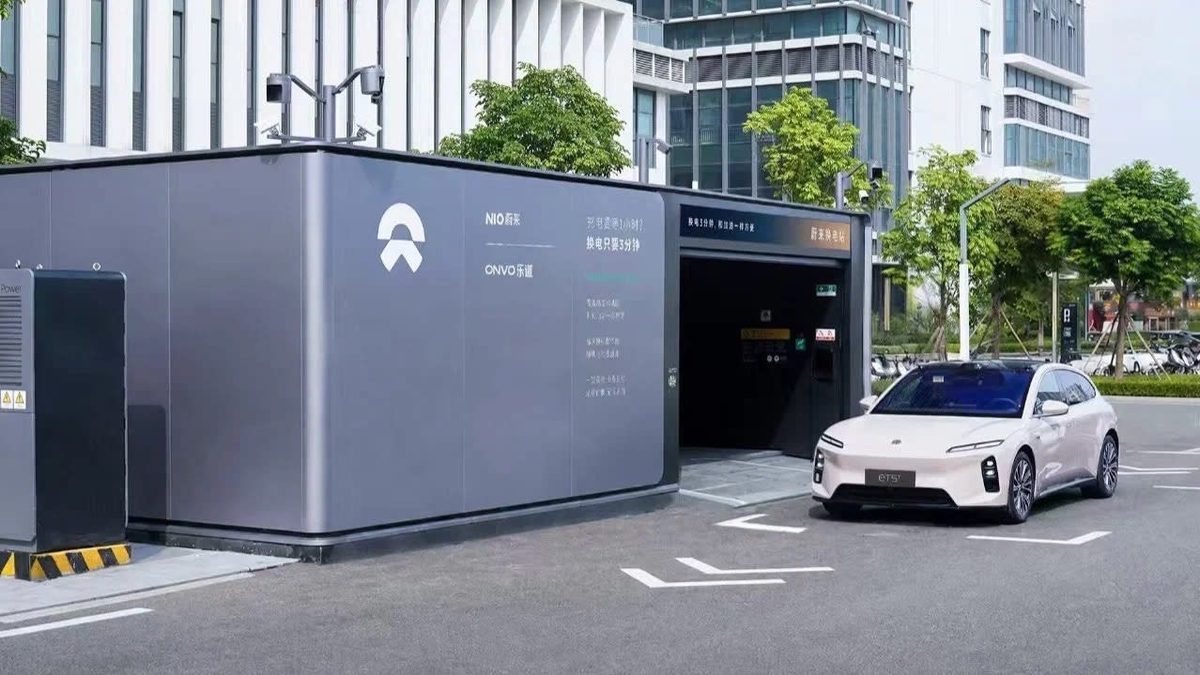
NIO put its network at 9,433 stations across China as of 27 September 2026: 4,126 battery-swap stations and 5,307 charging stations. It is aiming for 10,000 swap stations by 2030. Haohan Energy runs 2,500 charging stations with more than 12,000 connectors in 232 cities, and Geely plans more than 22,000 charging stations by the end of 2027.
Swappable Geely cars
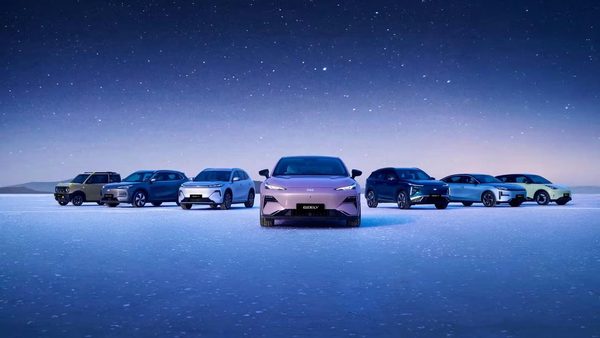
The two companies have agreed to co-develop unified swap technology and standards for consumer models, with Geely’s own swappable cars serviced by NIO Power. A swap station only takes packs built to its own standard, so a Geely car needs the shared standard before it can use a NIO Power station.
No Geely brand, model or date has been named, and CnEVPost describes the plans as preliminary. Zeekr said in a Q&A after the announcement that it had no plans to develop battery-swap models at the time.