


 South Korea
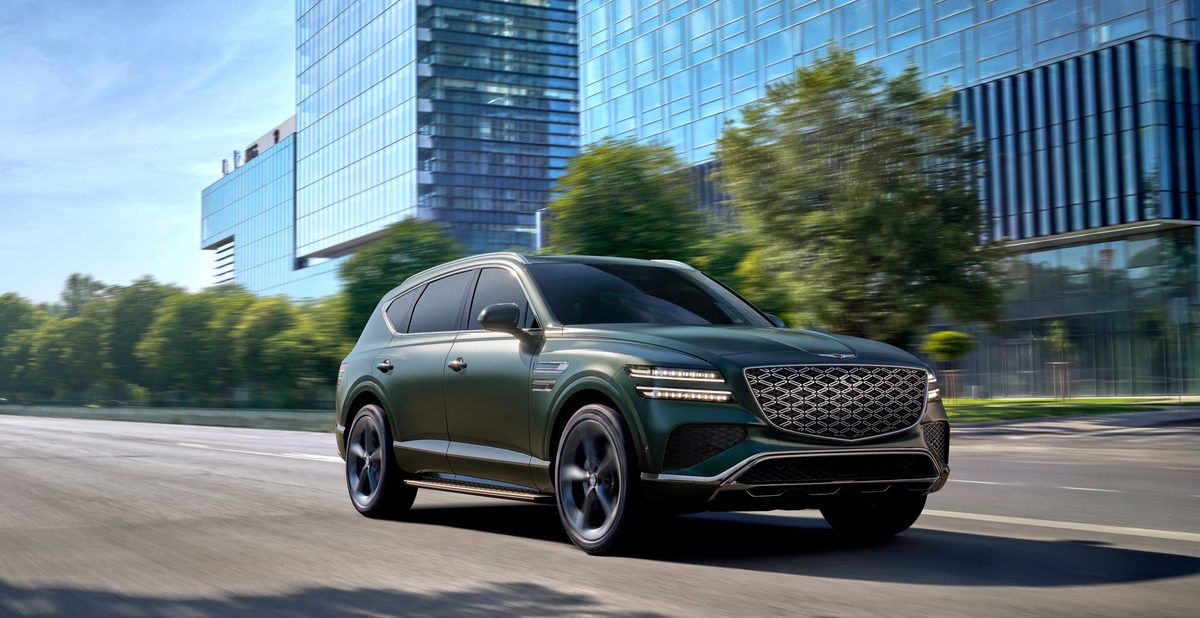
Genesis unveiled its first hybrid system on 13 August 2026 and will put it on sale next month in the GV80 Hybrid. In 2021 the brand said every new Genesis from 2025 would be battery-electric or hydrogen, with the whole range electric by 2030. Hybrids were the technology it intended to step over. The 2.5 Turbo Hybrid is what replaced that plan.
What Genesis is quoting
The system pairs a 2.5-litre turbocharged four-cylinder with two electric motors for a combined 352 PS (347 hp) and 54.0 kgf-m of torque, which is 529 Nm or 390 lb-ft. Genesis states those as gains of about 16 percent and 26 percent over the existing GV80 2.5 Turbo, which makes 304 PS and 43.0 kgf-m. It quotes 0 to 100 km/h in about 7.1 seconds on its own test standard.
The efficiency claim needs its qualifier attached. Combined fuel economy improves by about 25 percent or more, but that is measured on one car: the five-seat GV80 on 19-inch wheels with two-wheel drive. Genesis has not published figures for the all-wheel-drive version, the six-seater, or the larger wheels most buyers order.
P1 and P2, and what they do
The layout is a parallel hybrid with two motors in named positions. The P1 motor is bolted to the engine and does the jobs the engine used to do for itself: starting it, and generating electricity. The P2 motor sits between the engine and the gearbox and drives the wheels, recovering energy under braking on the way back.
Splitting those roles is what lets the car move without the engine running. A single motor doing both has to spin the engine every time it generates; with a dedicated generator on the crank, the P2 motor can pull the car away from rest and hold low speeds on its own, and the engine starts when it is needed for power rather than every time the car moves. That is the whole of the “EV-like” claim, and it stops at low speed: there is no plug, no separate electric range figure, and the pack refills only from the engine and from braking.
The hardware underneath
Two pieces are new. The gearbox is a seven-speed rear-wheel-drive automatic carrying a centrifugal pendulum absorber in its damper, a set of masses that swing counter to the engine’s rotational pulses and cancel them, which is the standard answer to putting a four-cylinder in a car that used to be sold on a V6. Rear- and all-wheel drive are both offered.
The battery is liquid-cooled, which Genesis says is a first for a Hyundai Motor Group hybrid. Air cooling lets cell temperature drift under sustained load, so the control software limits how hard the pack is discharged to protect it; holding temperature with a coolant loop raises that ceiling, so the electric side can be leaned on more of the time. Capacity has not been published.
What changes on the car
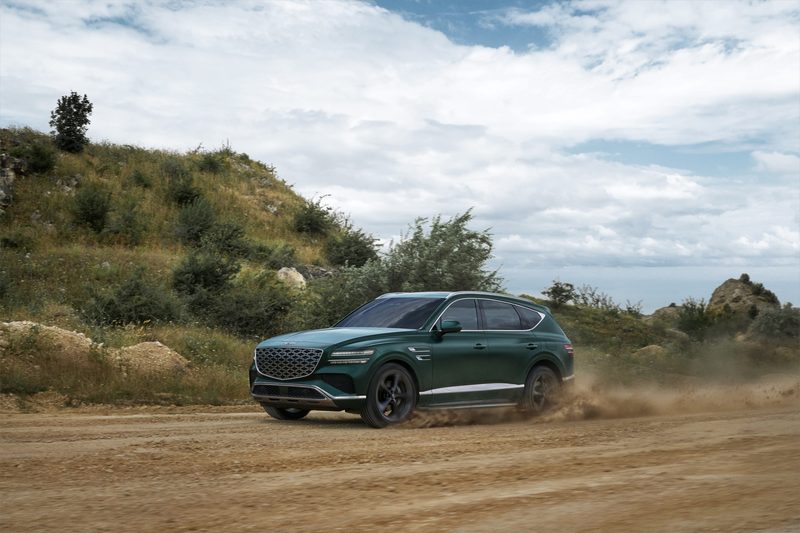
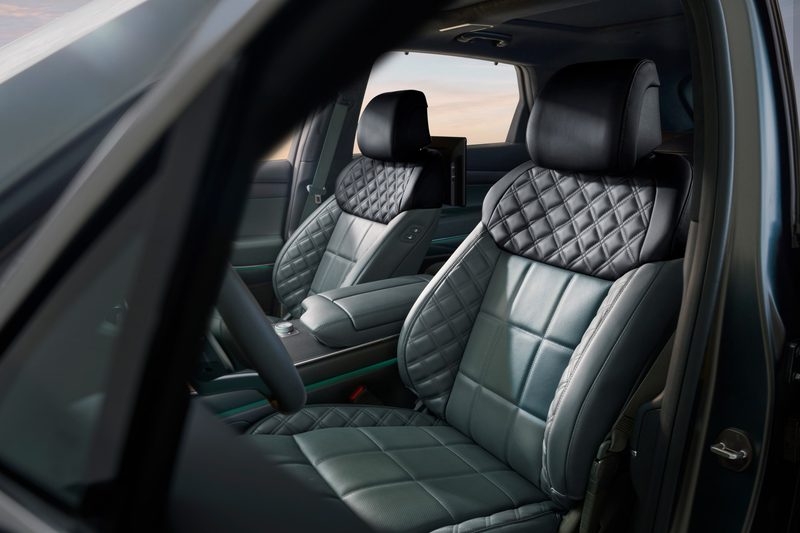
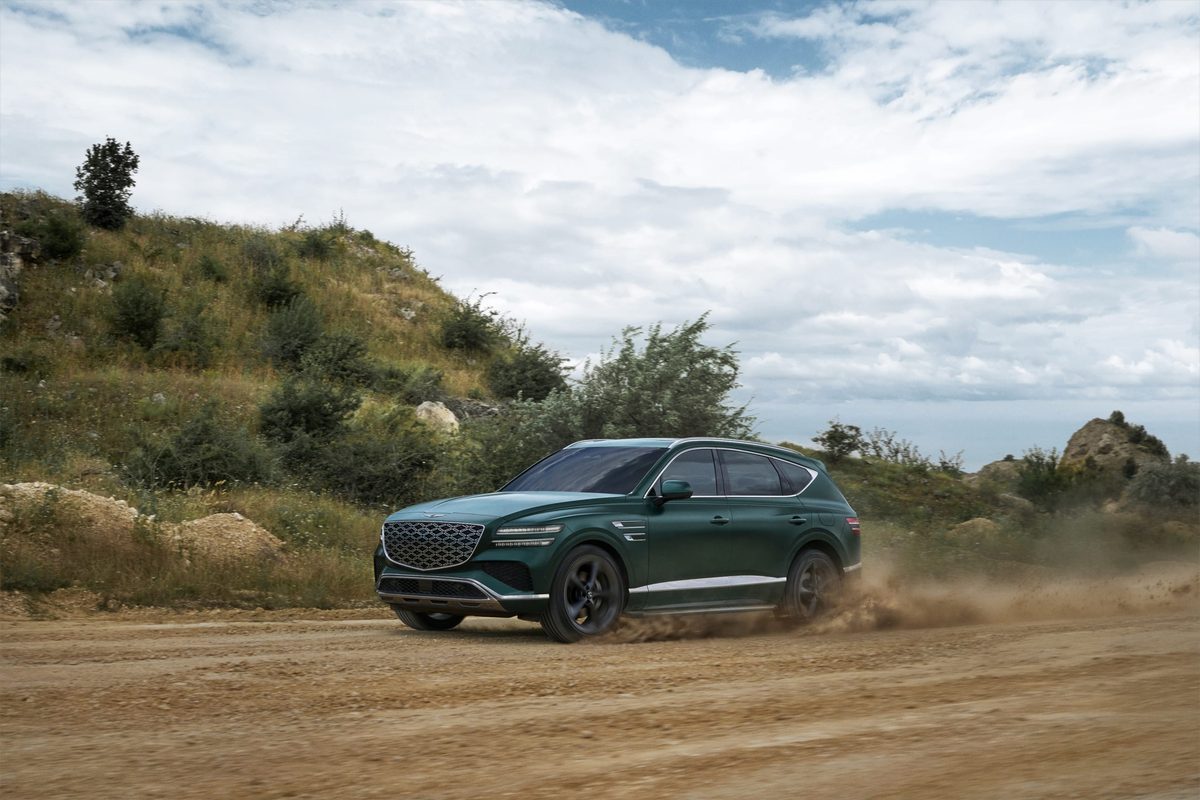
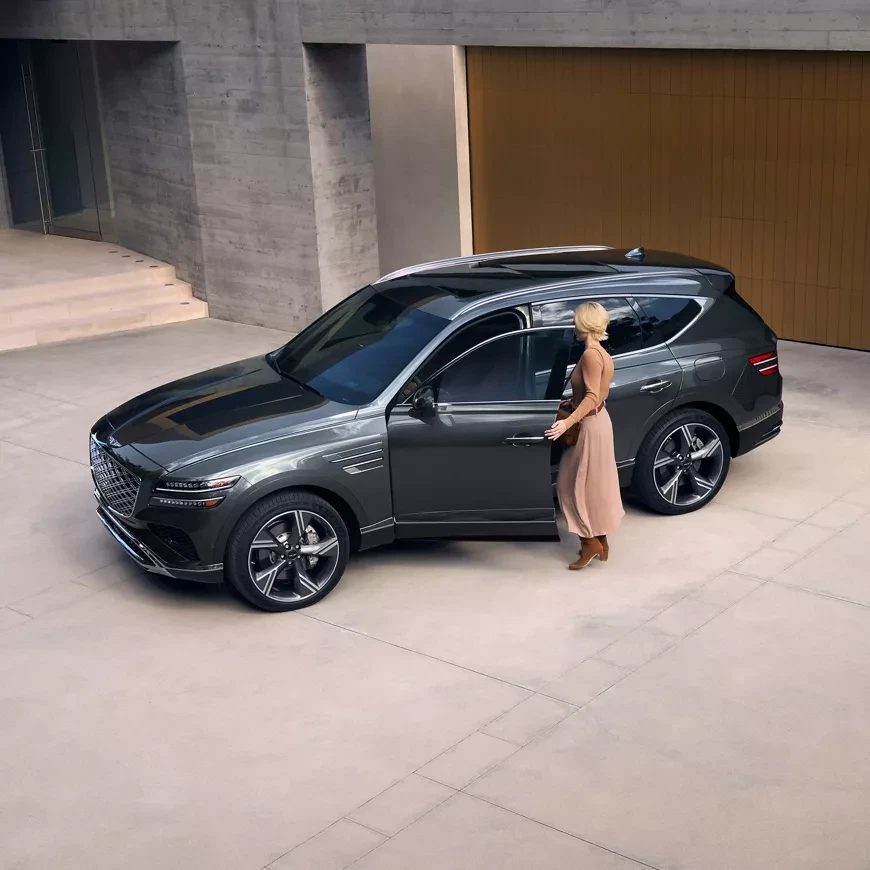
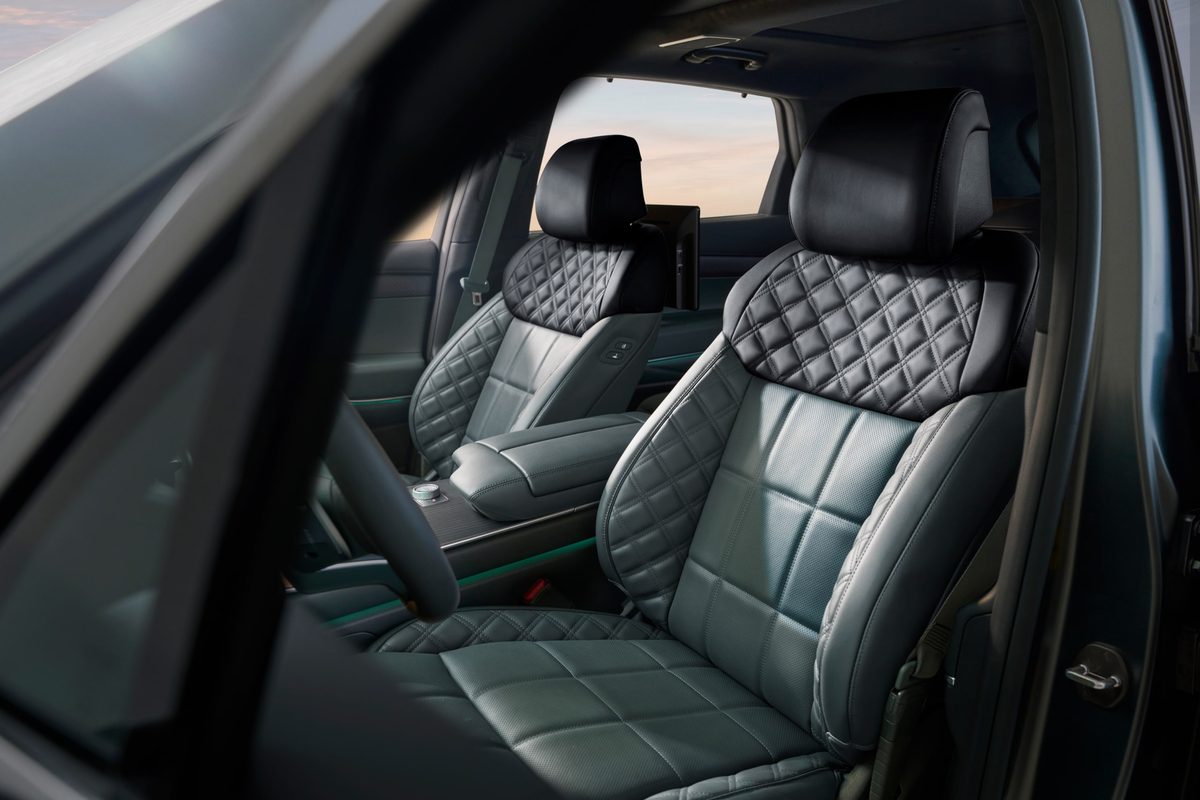
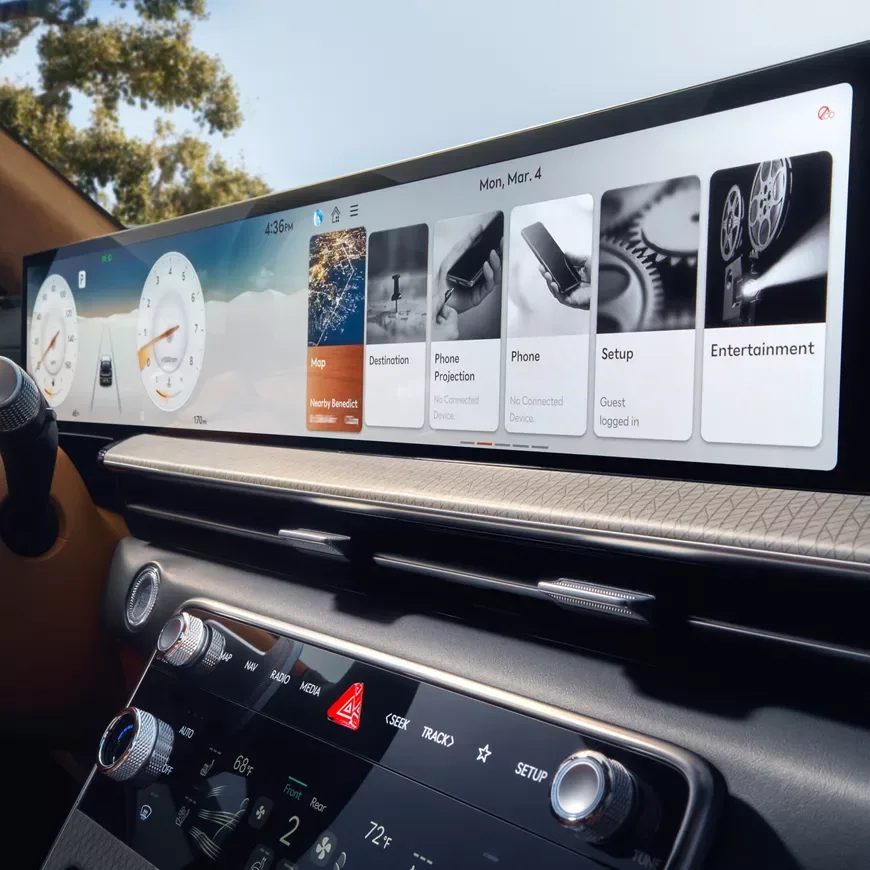
The GV80 Hybrid gets a redesigned Crest Grille and new wheels. Inside there are four new two-tone colour combinations, including Obsidian Black with Taiga Green and Ultramarine Blue with Travertine Beige, and two new wood trims.
Genesis has not announced prices, and has confirmed only the South Korean launch date. Executive vice-president Lee Si-hyuk said the company expects the powertrain to deliver “a finely tuned balance of efficiency, refinement and performance”, and that the GV80 Hybrid is where a wider rollout starts. A GV70 hybrid has been reported for 2027.