 Japan
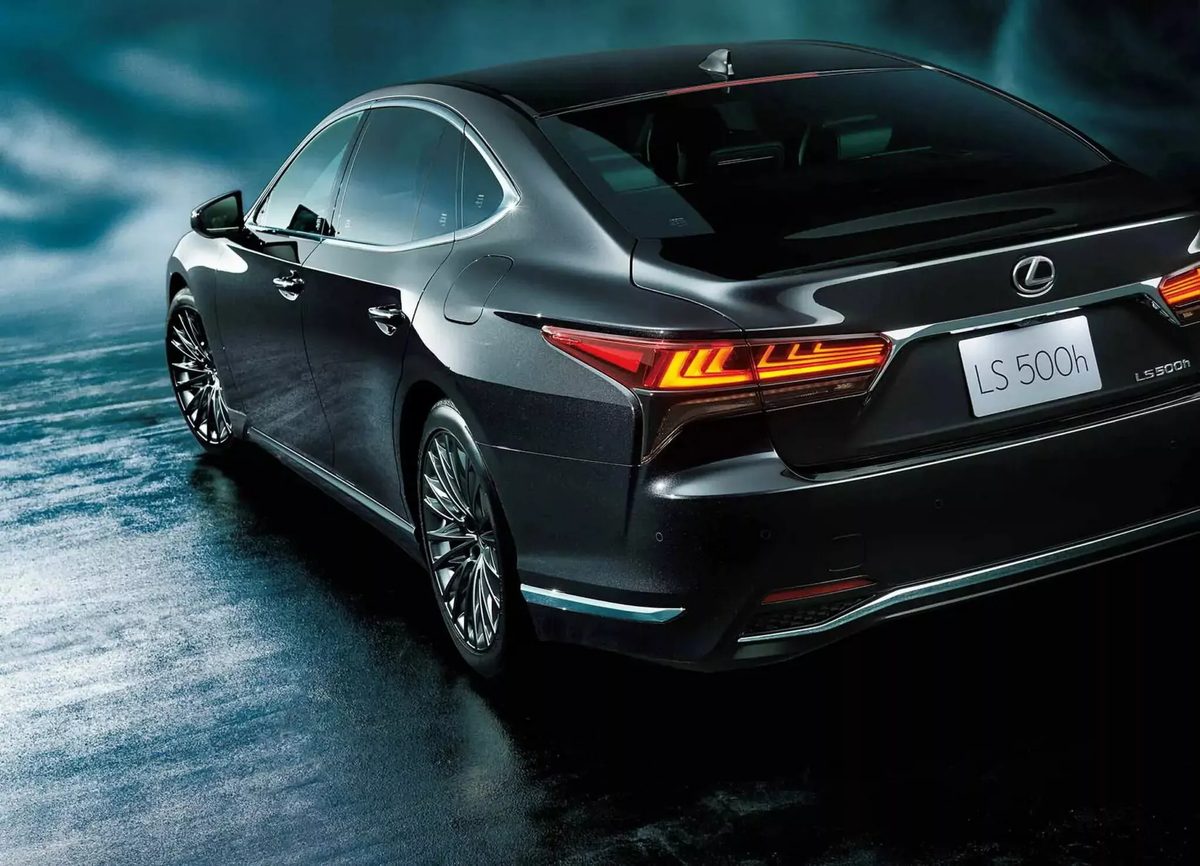
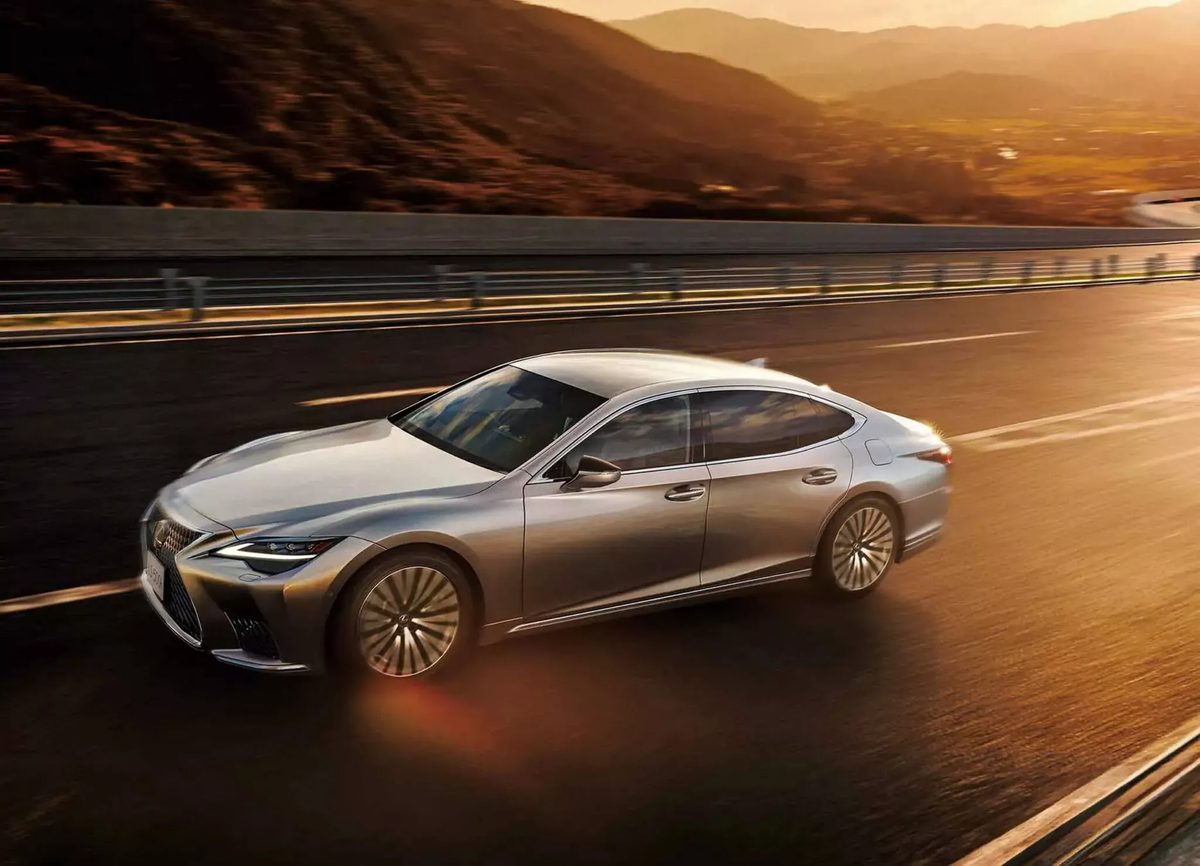
JapanLexus is giving its LS flagship sedan two different endings. In Japan, an updated LS arrives on September 10, 2026, keeping the nameplate alive. In the US, the current LS’s last model year is 2026, and the car is going away for good.
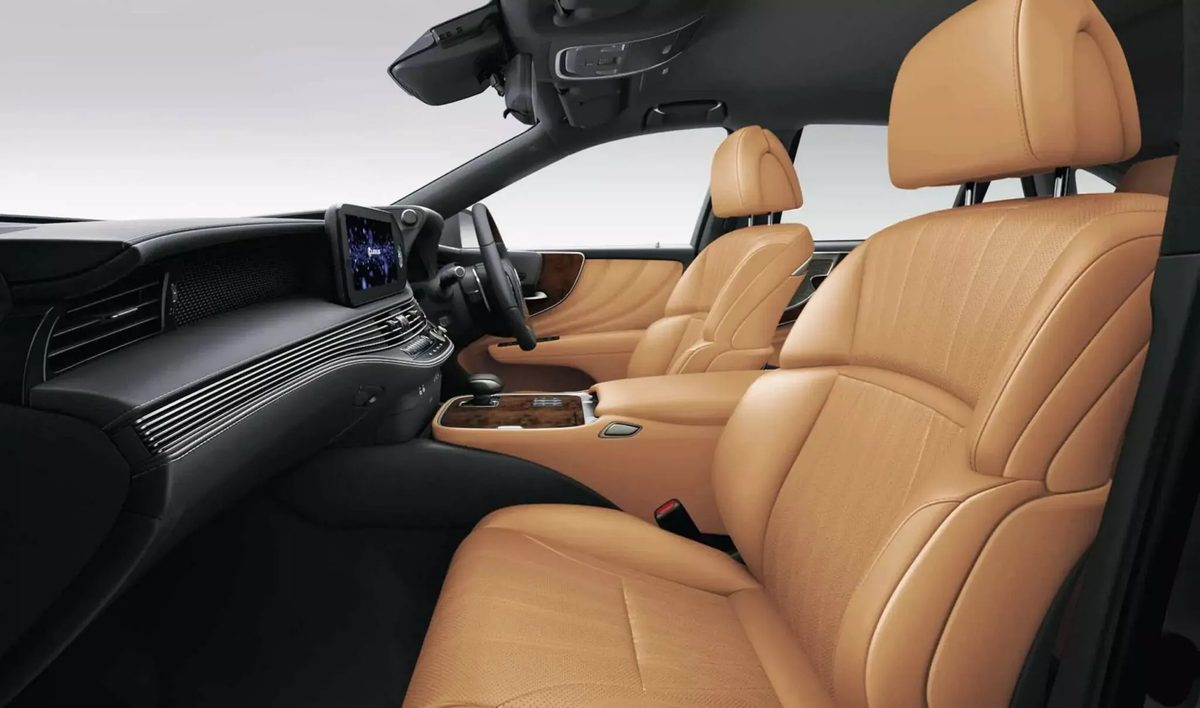
The Japan update drops the non-hybrid twin-turbo V6 entirely. The LS 500h, which pairs a naturally aspirated 3.5-liter V6 with dual electric motors for 354 hp, becomes the only powertrain. The entry-level I Package grade is discontinued, narrowing the range to three trims: F Sport, Version L and Executive. A panoramic glass roof joins the options list, while a moonroof, digital key and cold-weather package become standard across the board. The rear badge switches from the Lexus “L” mark to “LEXUS” lettering, and F Sport models move to a uniform 245/45R20 tire size on all four corners to meet Japan’s next round of noise regulations. Lexus also reinforced the floor tunnel and revised the rear crossmember material, aimed at ride comfort and steering feel rather than anything visible. The dual 12.3-inch displays carry over unchanged; the newer Lexus Safety System+ 4.0 and the Arene-based 14-inch infotainment system are not part of this update.
Australia gets the same refresh toward the end of 2026. A Lexus Australia spokesperson confirmed the LS “will receive a minor technical update with updated vehicles due to go on sale in Australia towards the end of the year,” which keeps the current, fifth-generation LS on sale there into 2027, a decade after it first launched in 2017.
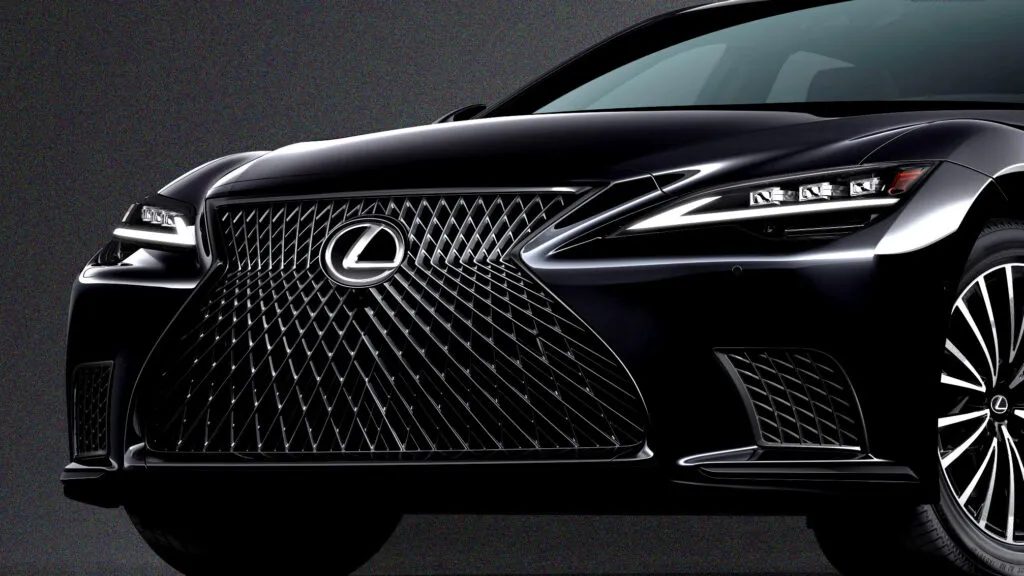
The US is not getting any of this. Lexus sold just 691 LS sedans there in the first half of 2025, and the model ends after 2026 - 36 years after the original LS 400 introduced the nameplate in 1989. The send-off is a 250-unit LS 500 AWD Heritage Edition, priced at $99,280, finished in a new Ninety Noir black paint with a Rioja Red interior, powered by the outgoing twin-turbo 3.5-liter V6 (416 hp, 442 lb-ft) rather than the hybrid. It reaches dealers in fall 2026.
Lexus has not said whether a next-generation LS is coming, or in what markets. For now, the same car gets a modest update in Japan and Australia and a full stop in the US, a split that says more about where big sedans still sell than about the car itself.