 EU
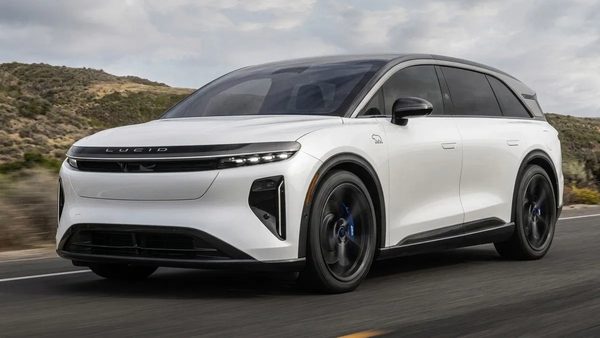
EULucid and the European ride-hailing company Bolt have agreed to develop an autonomous vehicle for Europe. Bolt aims to deploy at least 25,000 fully autonomous vehicles across multiple European cities and countries, and intends to own and operate the fleet itself. The cars will be built on Lucid’s upcoming Midsize platform. Neither company has named a city or a start date.
Who does what
Bolt will help define the vehicle’s requirements, including software, safety and rider-experience parameters, and will build the fleet infrastructure, operating systems and city partnerships. Lucid supplies the platform. The vehicle is being designed for SAE Level 4 from the start, meaning it drives itself with no human fallback inside a defined area, and the platform is expected to use NVIDIA’s Hyperion computing and sensor architecture.
The 25,000 figure is a stage in a larger target: Bolt wants 100,000 autonomous vehicles on its platform by 2035, from all its partners. Service also depends on approval from local regulators and municipalities, which the companies say they will work with.
Where it sits in Lucid’s plans
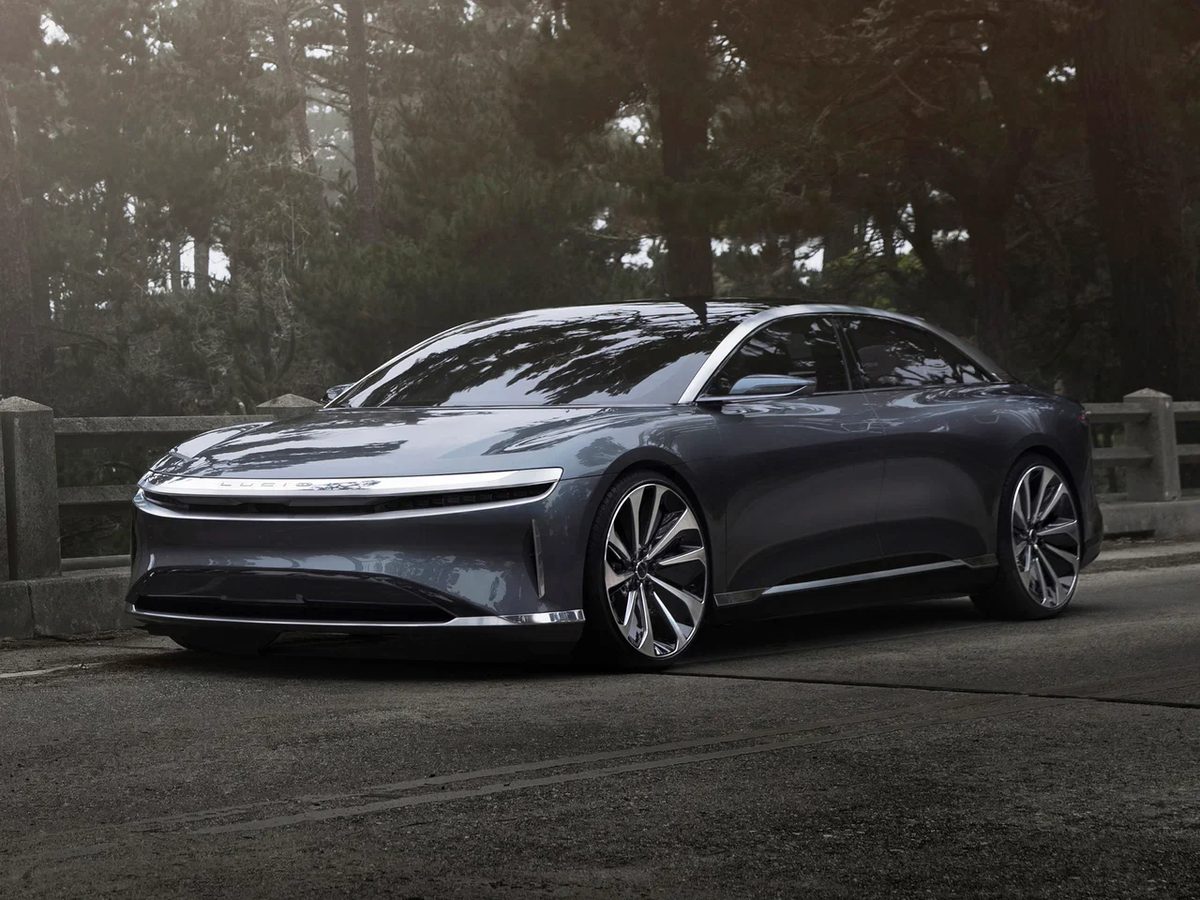
The Midsize platform has not been shown yet, so the Lucid Air pictured here is only an illustration of the brand. Lucid also has a separate North American robotaxi deal with Uber and Nuro, which uses Nuro’s technology rather than NVIDIA’s.
Other operators are further along in the region: Uber and Wayve are running a small pilot in London, and Verne is operating in Zagreb. Uber and Rivian have also agreed to a larger robotaxi fleet that includes Europe.
Hyundai’s autonomy plan, also built on NVIDIA’s platform, is covered in our report on Atria AI.