 China
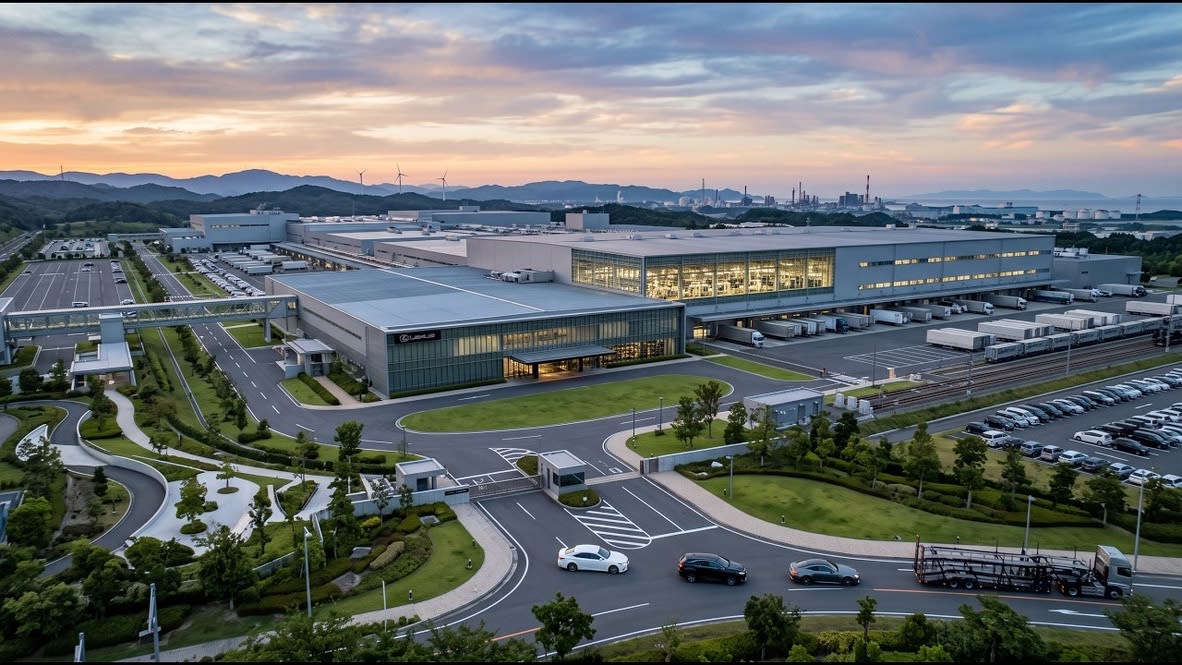
Toyota plans to use its own gigacasting machinery to build electric vehicles at a $2 billion Lexus factory in China, Bloomberg reports. The plant is the first place Toyota will use the giant presses, and the company says it is developing the equipment itself.
What gigacasting does
Gigacasting moulds an entire section of a car’s body or chassis in one piece under high pressure, replacing dozens of parts that previously had to be welded together. Tesla popularised the process, and BYD and Xiaomi also use it. Bloomberg says it saves time, equipment, labour and cost.
Toyota’s version at Jinshan
The Lexus Jinshan plant in Shanghai is under construction and due to start producing cars in 2027. Asked whether Toyota is buying the machines from a local supplier, chief technology officer Hiroki Nakajima said the technology is being developed “in-house”. “This is a big chance to change the manufacturing system,” he told Bloomberg in Brussels. “Every time, the starting point is in house.”
Toyota is currently running trials of the technology in Japan, according to the company, and it declined to comment on potential suppliers. Bloomberg ties the move to Toyota’s effort to become competitive in China, where local brands dominate electric cars.
The trade-offs
The downside, Bloomberg says, is that the technology is expensive and offers less flexibility when a plant builds different models. Accidents tend to cost more, because the replacement parts are bigger. Toyota has not said which model will be the first to use the castings.