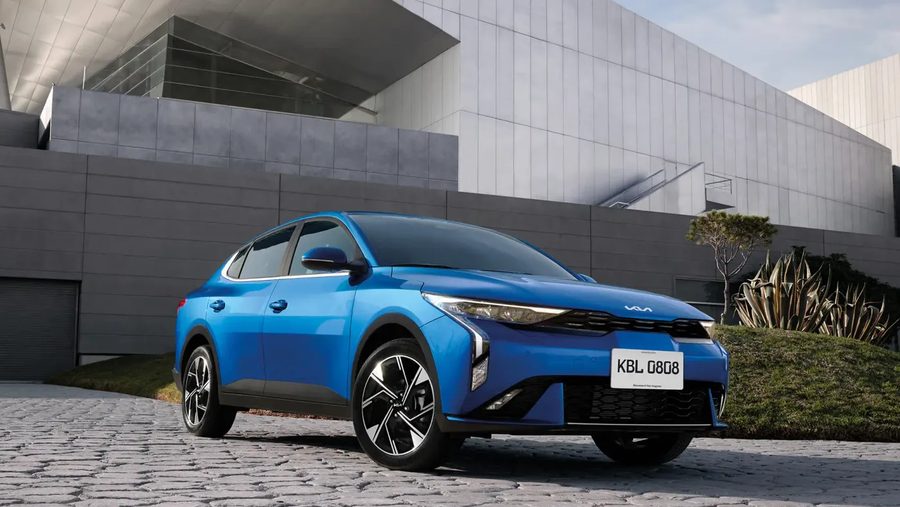
The Kia K4 is a compact car sold in the United States, Mexico and Europe, among other markets. In North America it replaced the Kia Forte for the 2025 model year, and Kia Australia is phasing out the Cerato name in its favour too - part of a move to sell one global K4 nameplate in place of the regional Forte, Cerato and K3 badges the previous generation carried. It is built at Kia’s Pesqueria plant in Nuevo Leon, Mexico, for the Americas and for export.
The US lineup runs four trims - LX, LXS, EX and GT-Line - on a naturally aspirated 2.0-litre four-cylinder making 147 hp and 132 lb-ft through a continuously variable transmission, all front-wheel drive. A fifth trim, GT-Line Turbo, steps up to a turbocharged 1.6-litre four making 190 hp and 195 lb-ft through an 8-speed automatic. US pricing, destination included, runs from $21,990 for the LX to $28,090 for the GT-Line Turbo.
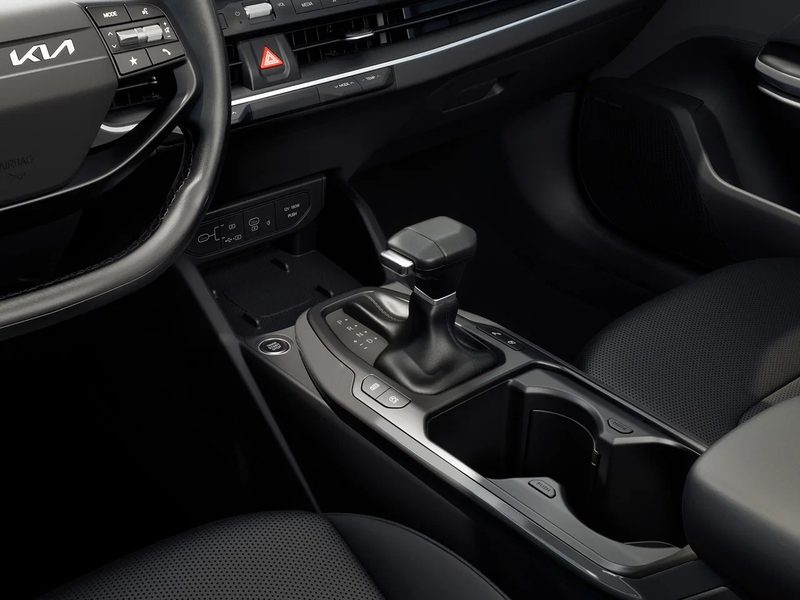
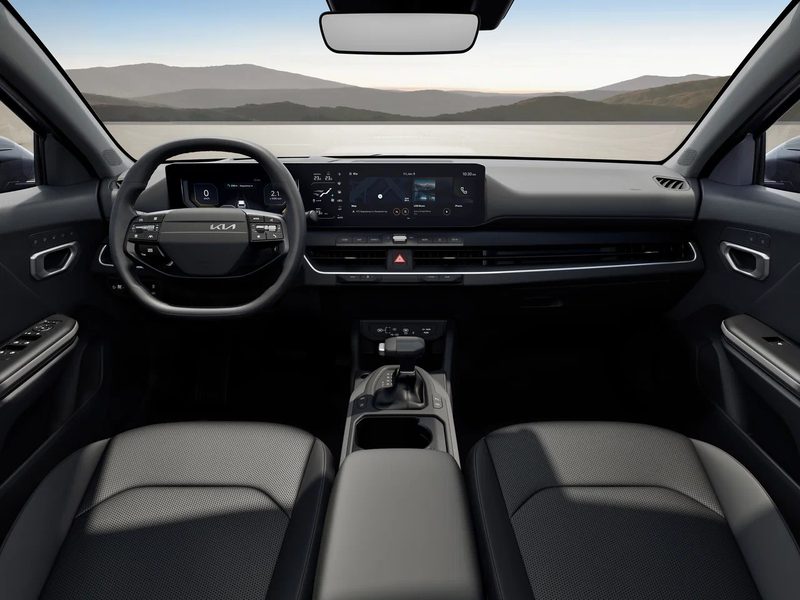
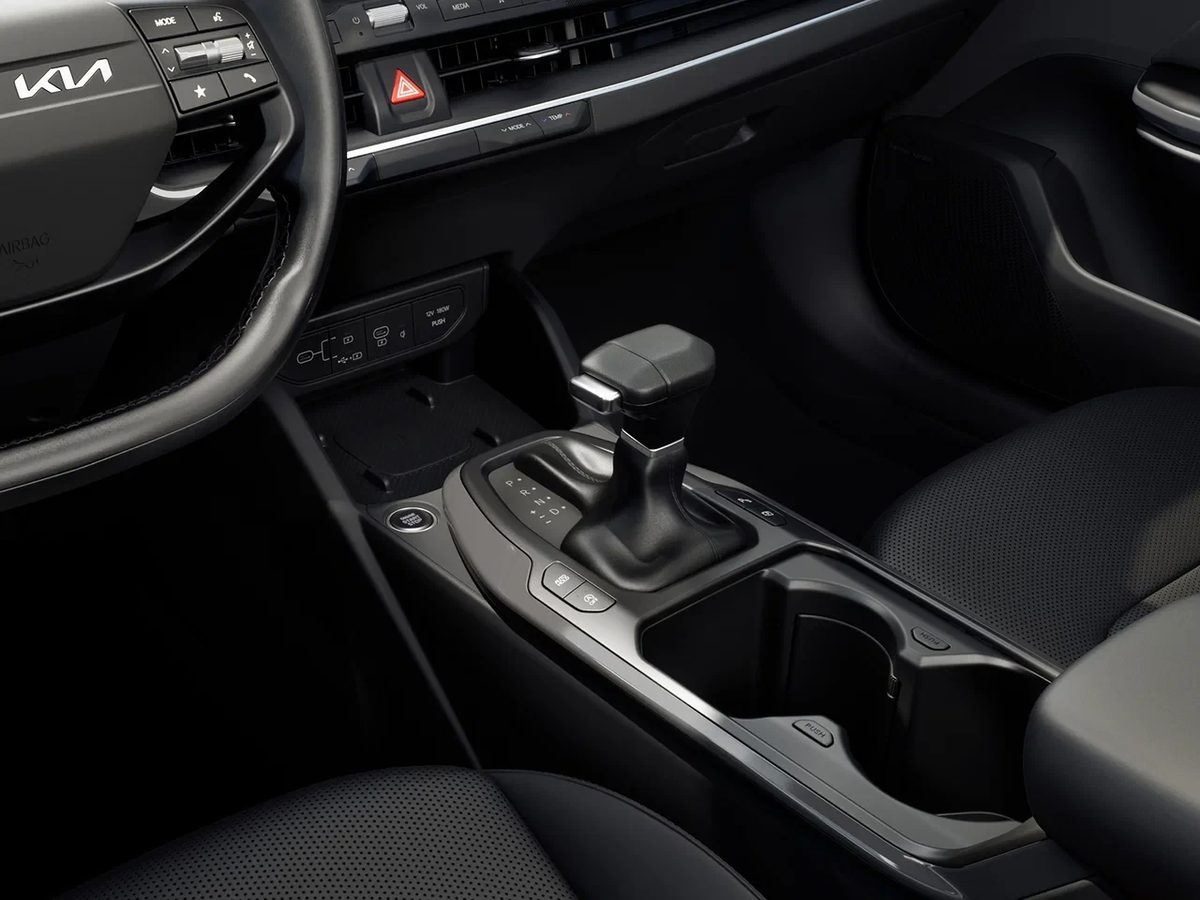
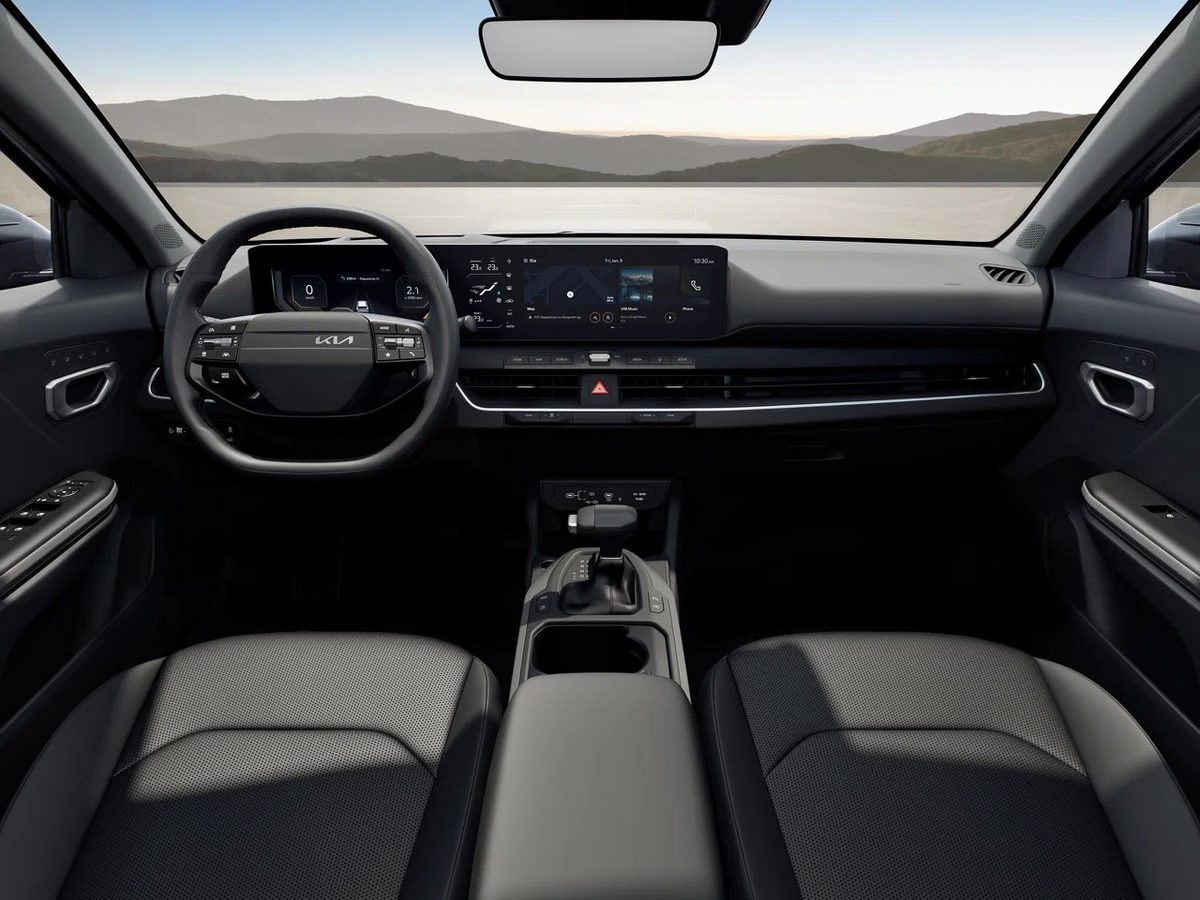
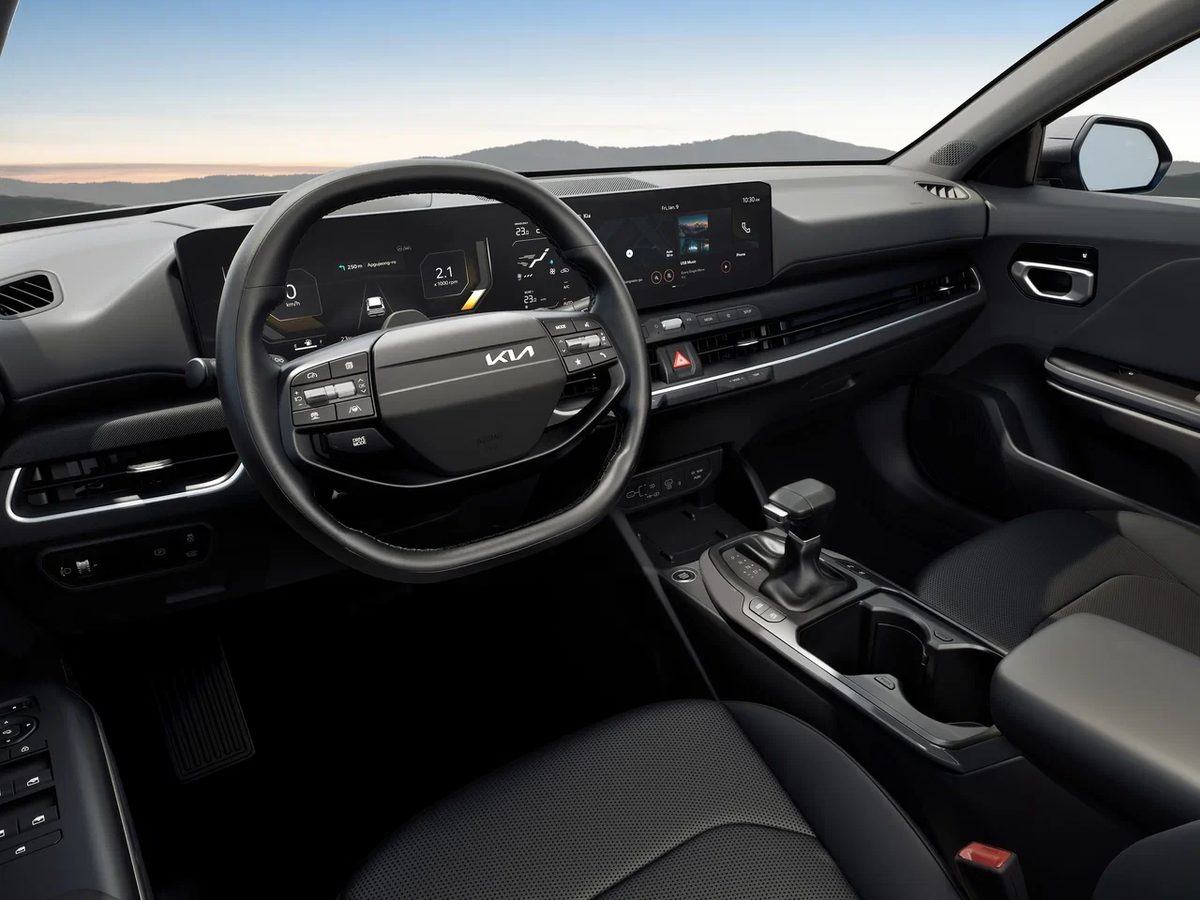
Inside, the K4 carries Kia’s current dual-screen layout, pairing a digital instrument cluster with a central touchscreen behind one panel of glass, along with physical climate controls below it.
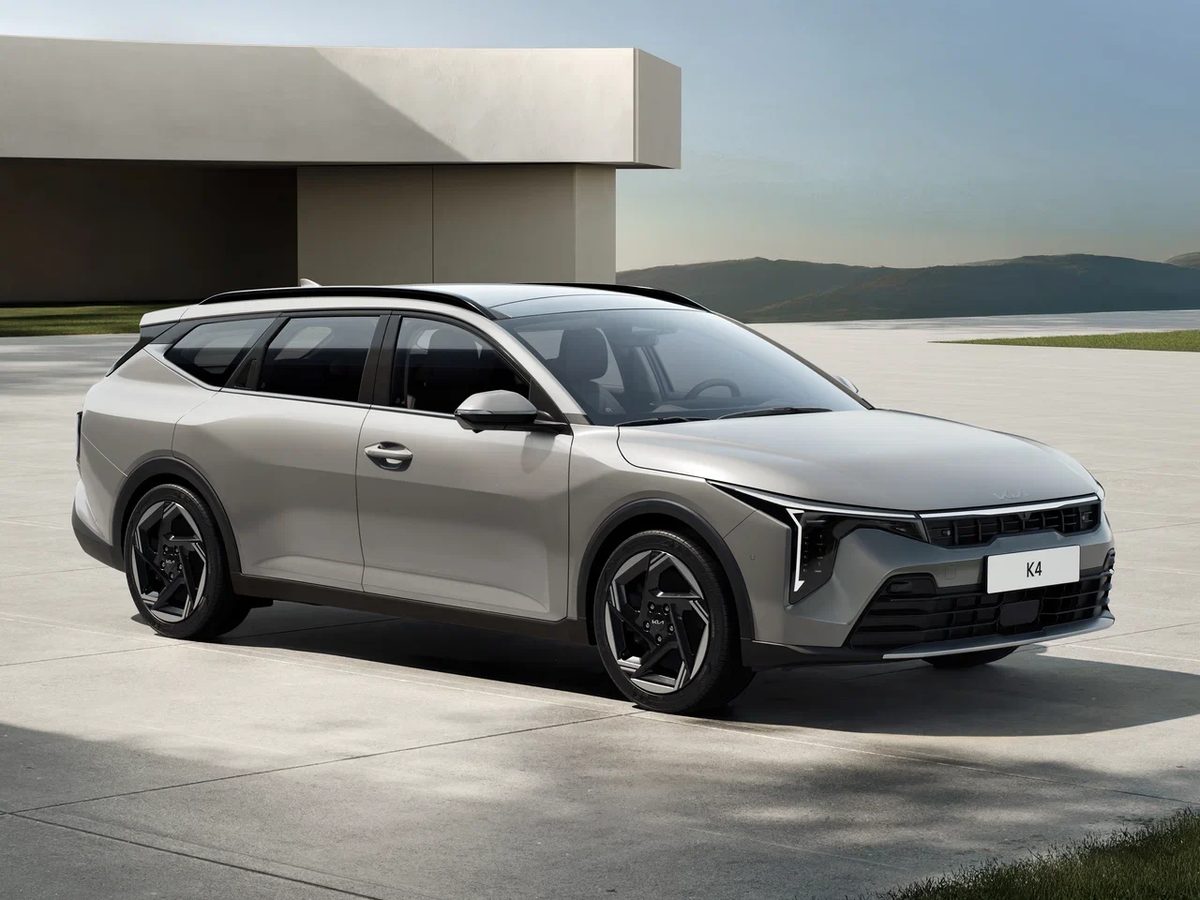
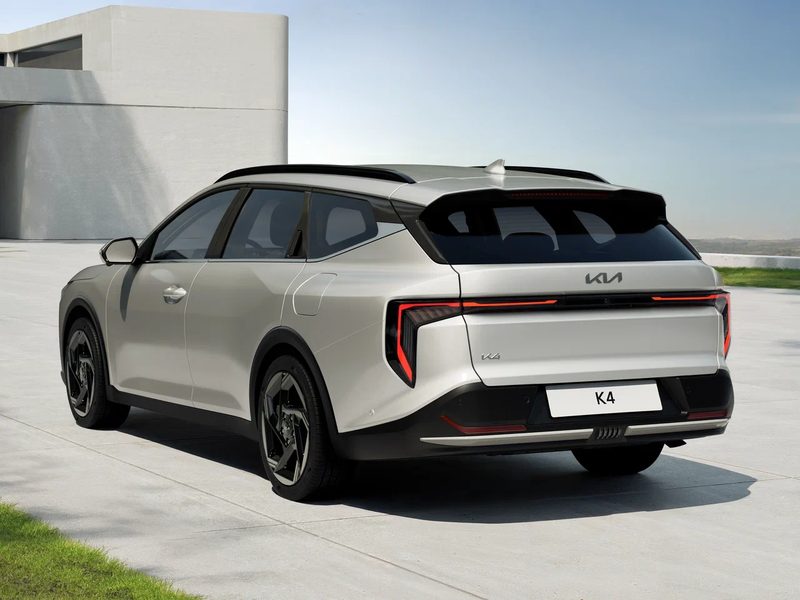
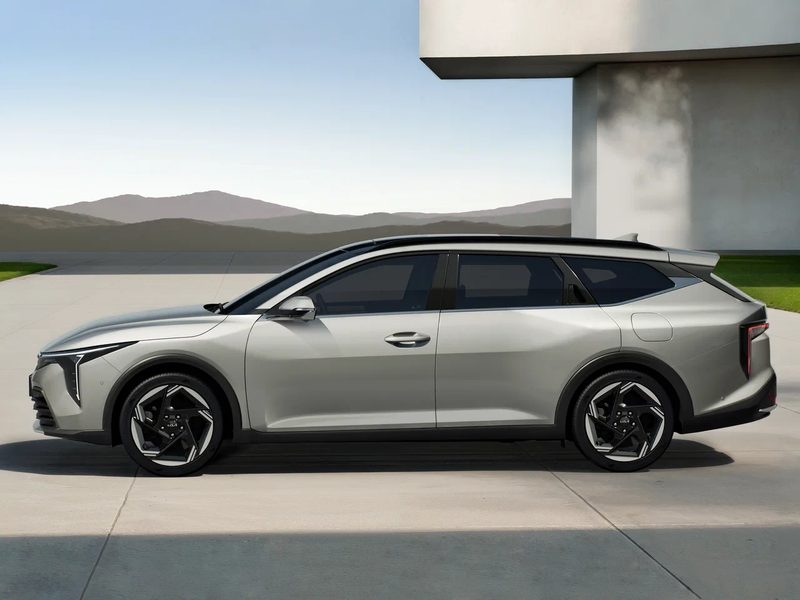
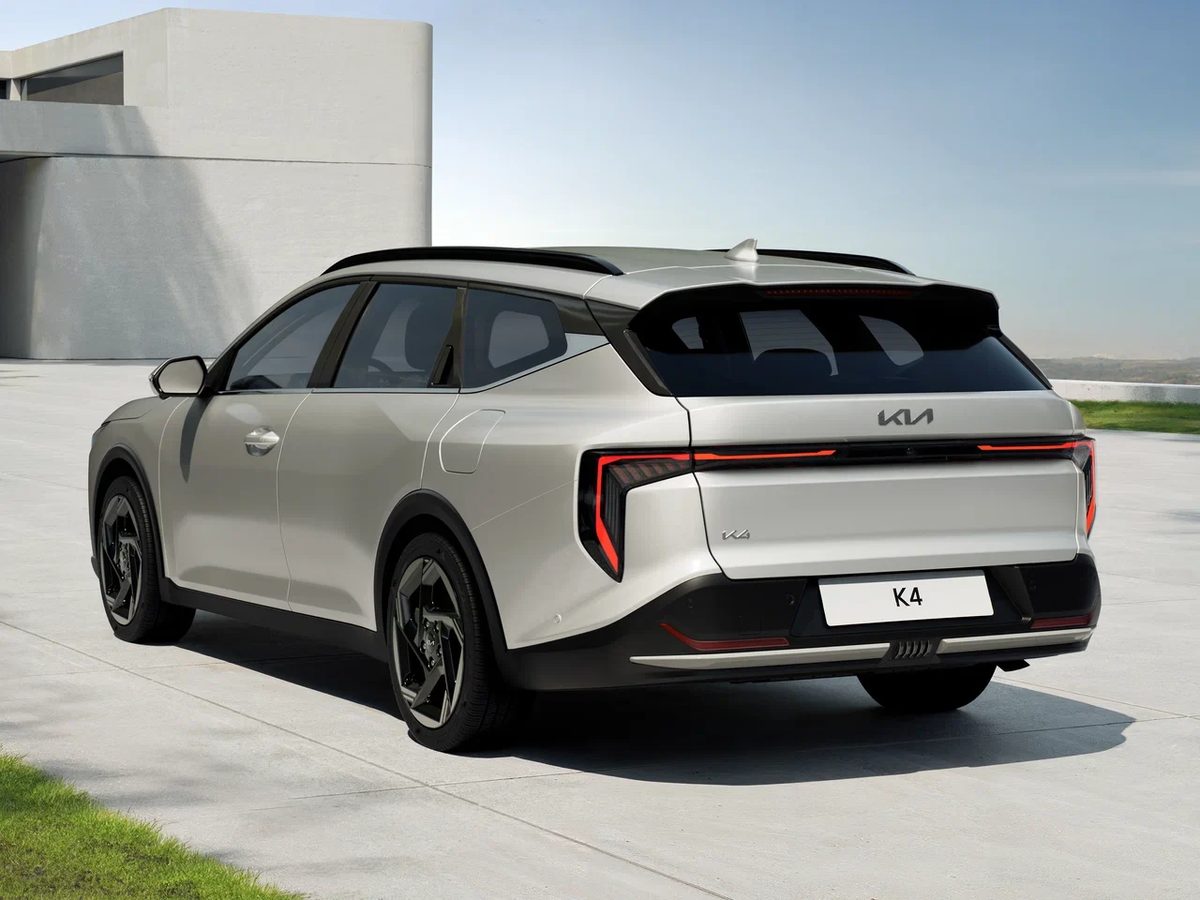
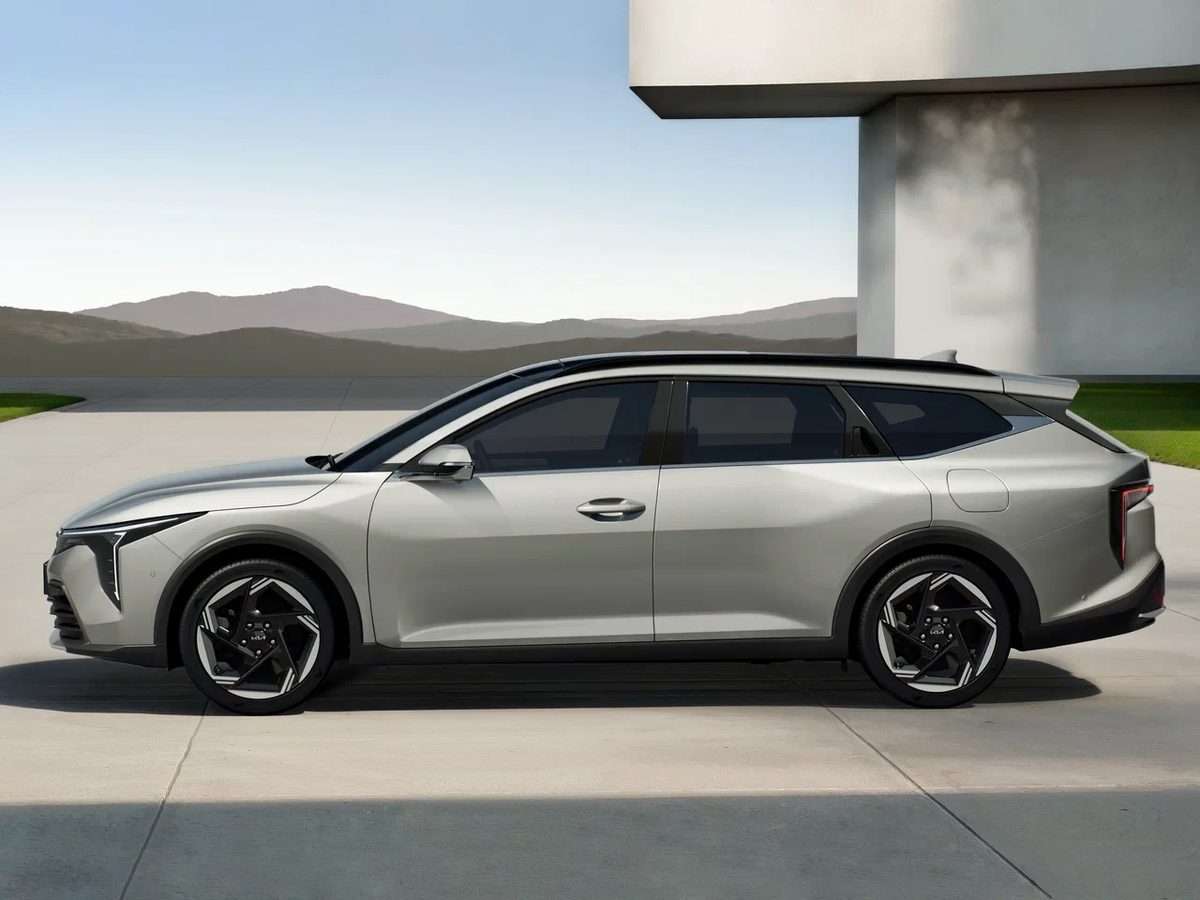
K4 Sportswagon, the European wagon
Europe gets a body the US K4 does not: the Sportswagon, a wagon version sharing the sedan’s 2,720 mm wheelbase but stretching the roofline back for 604 litres of boot space, or 1,439 litres with the rear seats folded. It offers a 1.0-litre turbocharged three-cylinder at 113 hp with a manual or mild-hybrid dual-clutch gearbox, or a 1.6-litre turbo four in 148 hp or 178 hp tunes, with a full-hybrid version promised for later in the K4’s life. Kia builds the Sportswagon at the same Pesqueria plant as the US sedan, but has said it has no plans to bring the wagon body to the United States, citing tariffs and limited demand for wagons in that market.