Sedan Cars

Three-box cars with a separate boot lid and a rear window fixed to the body, from compact classes to full-size.

45 models

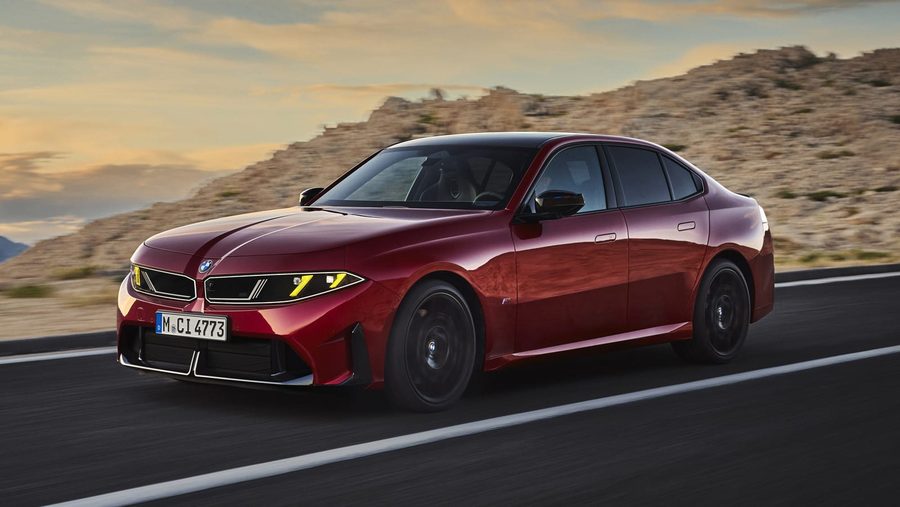
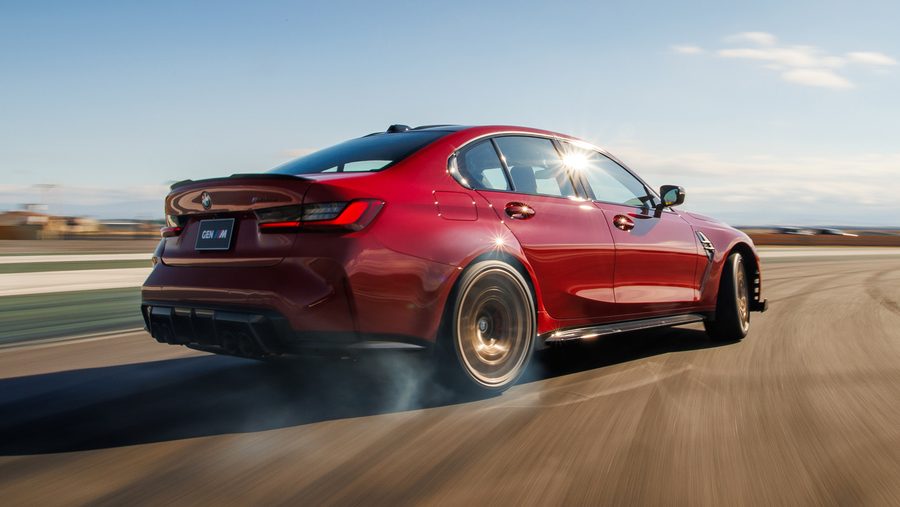
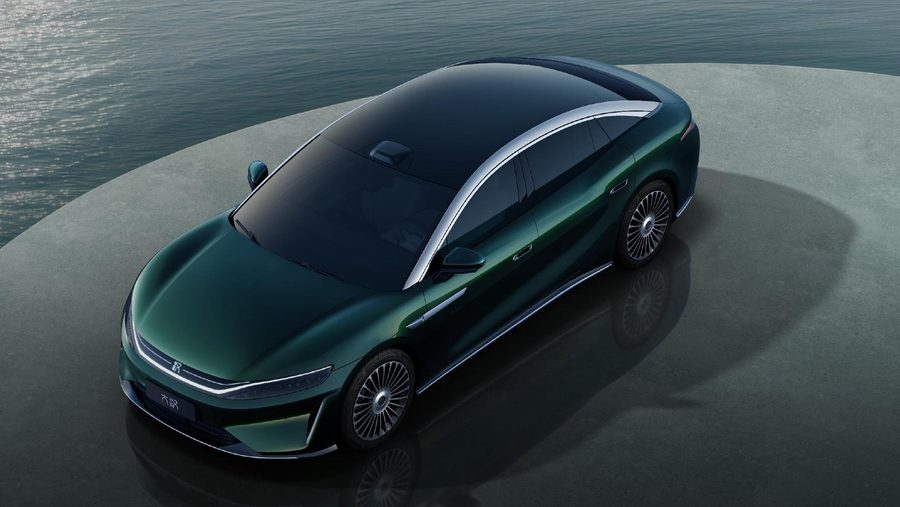
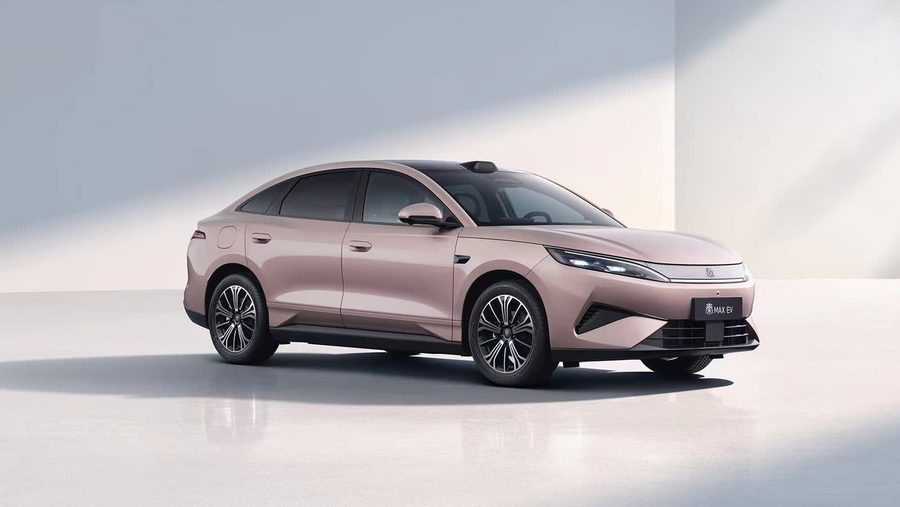
Three boxes: engine, cabin, boot. The third of them is the definition. A sedan’s rear window is fixed to the body and stays put when the boot lid rises, and a parcel shelf divides the load bay from the passengers. That single hinge line is the entire difference between a sedan and a liftback of identical outline, which is why the two get confused so reliably.

The sealed boot is worth something. It keeps road noise out of the cabin, adds structure across the back of the car, and hides whatever is in it. What it costs is the ability to load anything taller than the aperture. Sedans stretch across most of the market: the Toyota Camry at 4,885 mm, the Tesla Model 3 at 4,720 mm, the Xpeng P7 at 5,017 mm. Electric platforms have suited the shape, since a flat floor and no transmission tunnel return cabin space to the body without any change to the silhouette.

Models

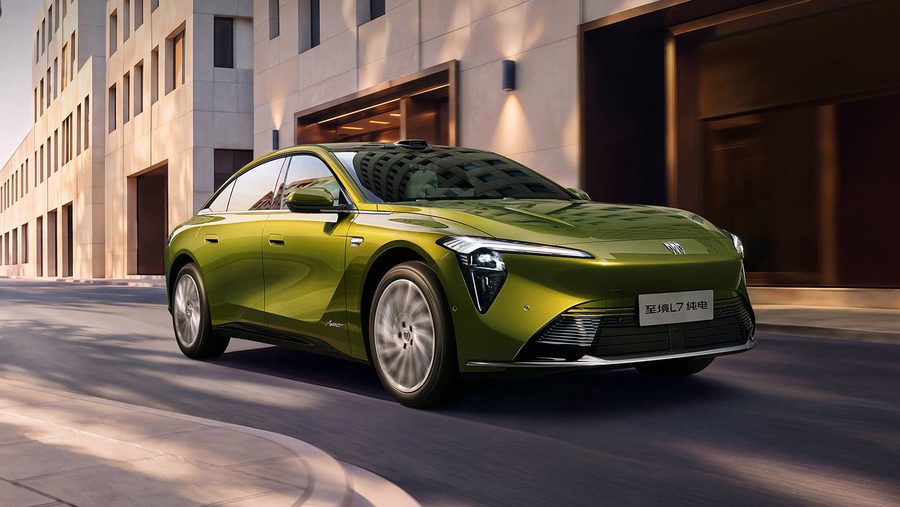
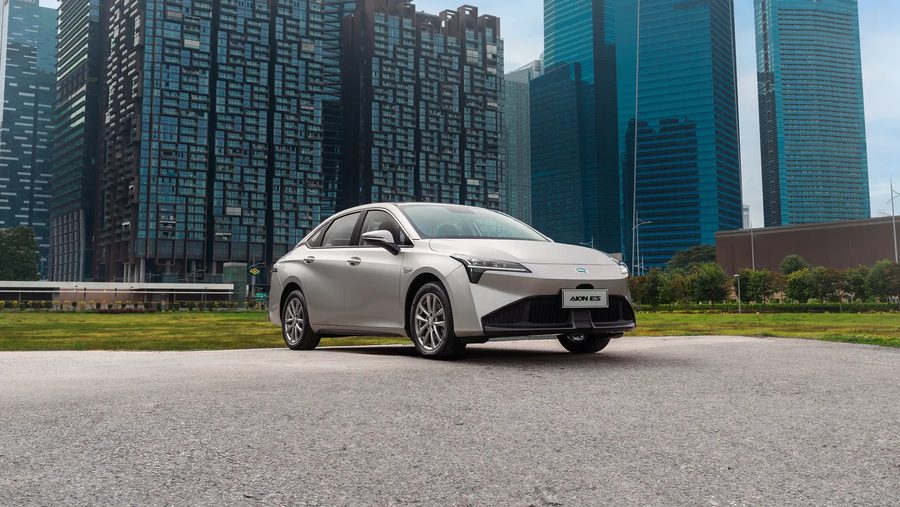
Arcfox S3
EV
Arcfox
S3
216 hp660 km CLTCFWD
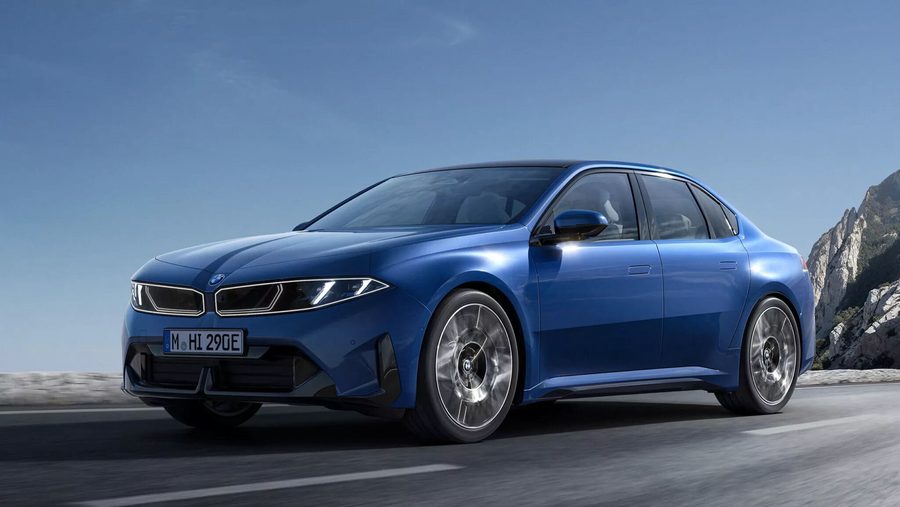
BMW i3
EV Coming Soon
BMW
i3
463 hp912 km WLTPAWD
View all 45 models →
Frequently asked questions
What is the difference between a sedan and a saloon?
Nothing at all. Sedan is the North American word, saloon the British one, and both name the same three-box body with a separate boot lid. German makers use Limousine for it, which in English means something else entirely.
What is the difference between a sedan and a hatchback?
A sedan has a sealed boot behind a parcel shelf, opened by a lid that leaves the rear window in place. A hatchback has one shared volume for passengers and luggage, opened by a tailgate that takes the rear glass up with it. The sedan is quieter and stiffer, the hatchback swallows taller objects.
What does three-box mean on a sedan?
Three visually distinct volumes in the profile: engine bay, cabin, boot. Each is a separate box with its own step in the roofline. A hatchback is called two-box because cabin and load bay are one volume.
Are sedans still selling?
Unevenly. Sedans remain the default family car in China and hold a solid position in the United States mid-size and full-size classes, while European and Japanese buyers have moved heavily to hatchbacks, wagons and SUVs. Several manufacturers now build sedans only for the markets that still want them.
Search