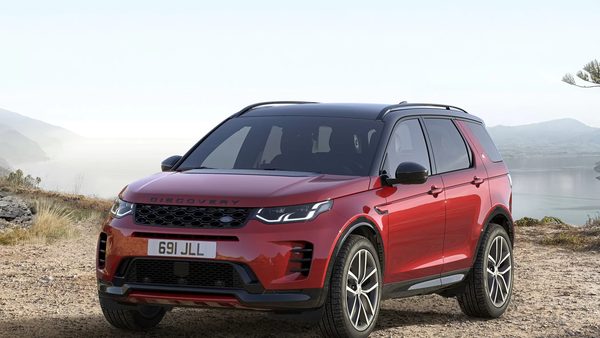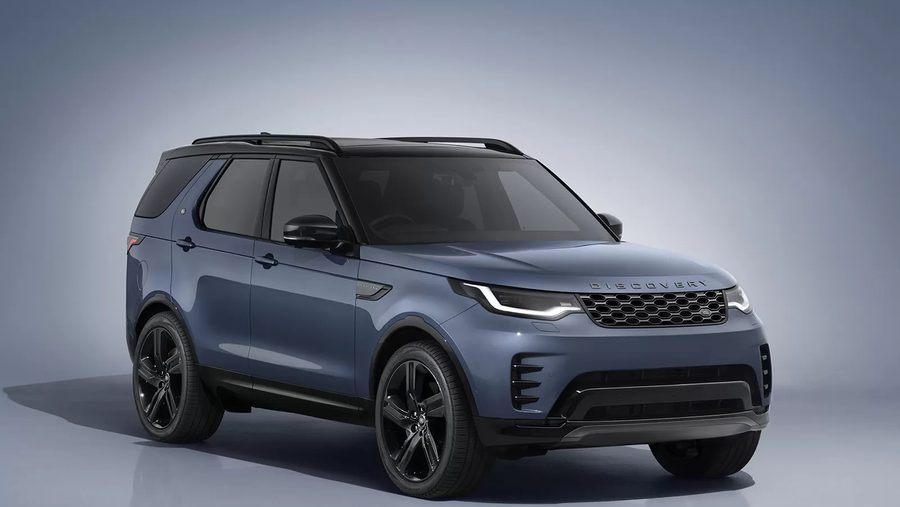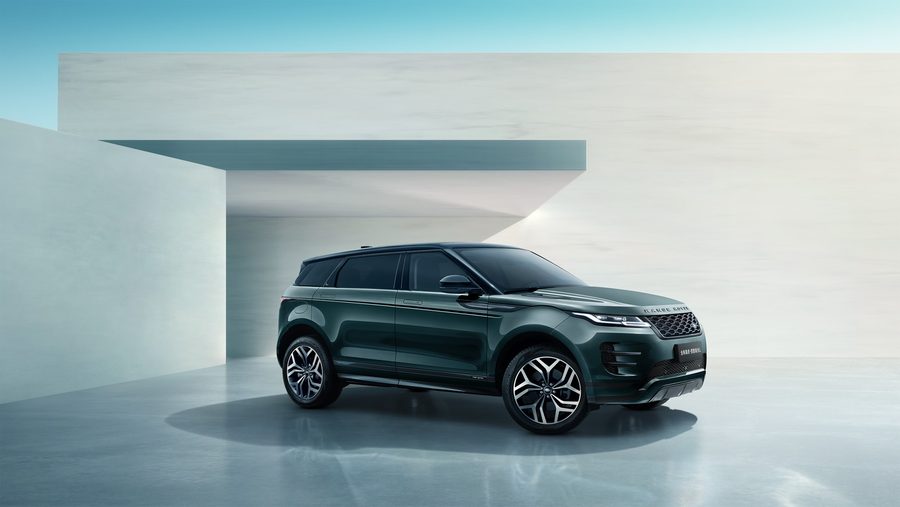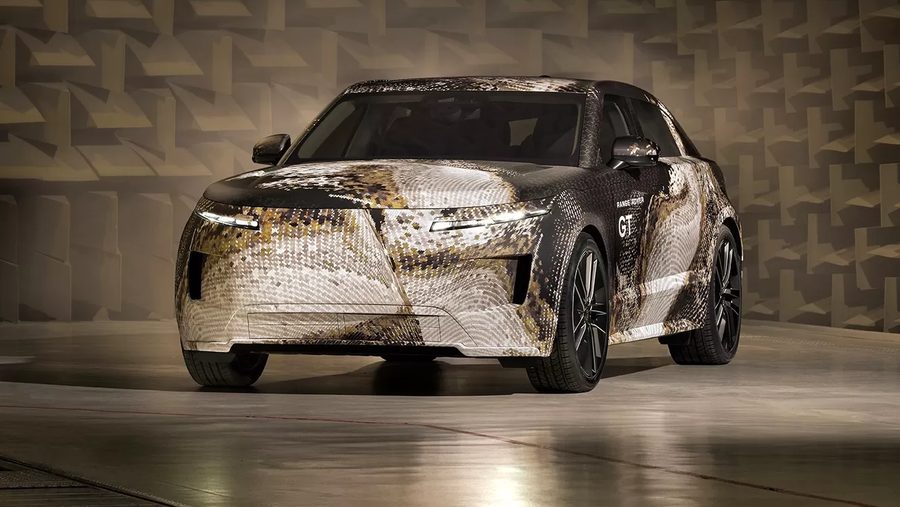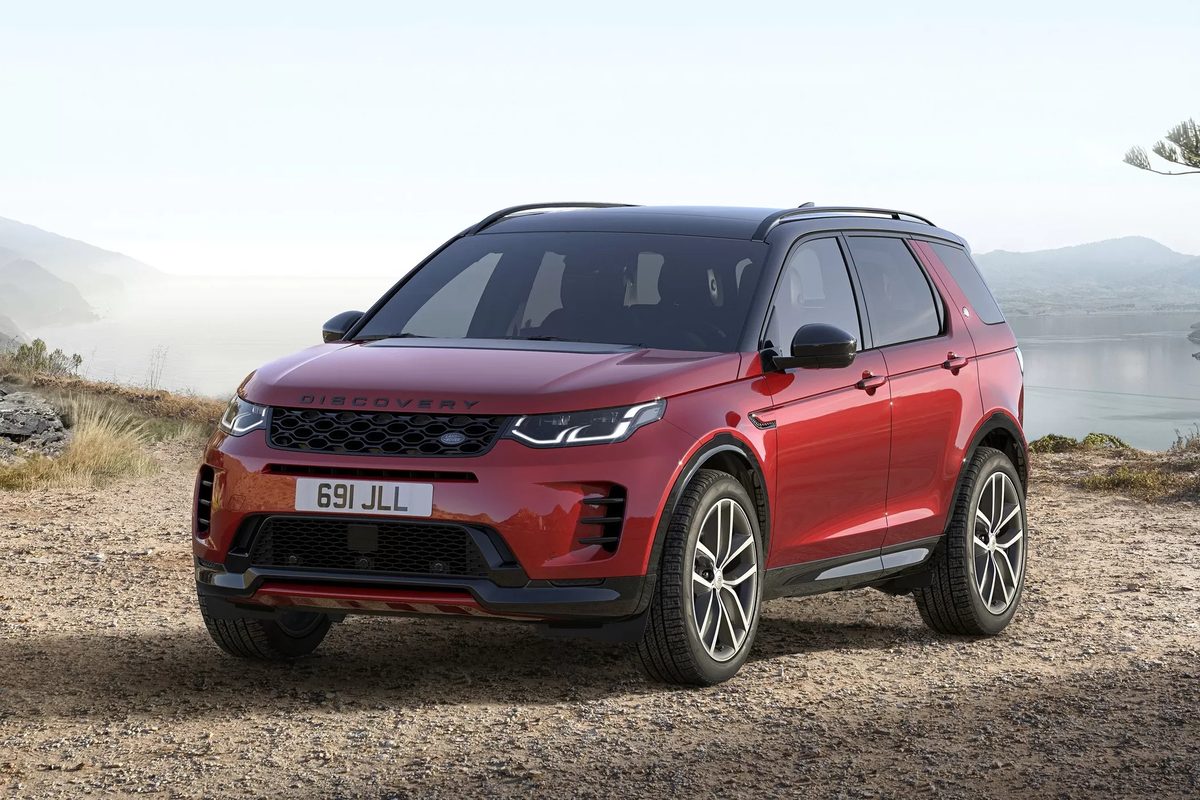
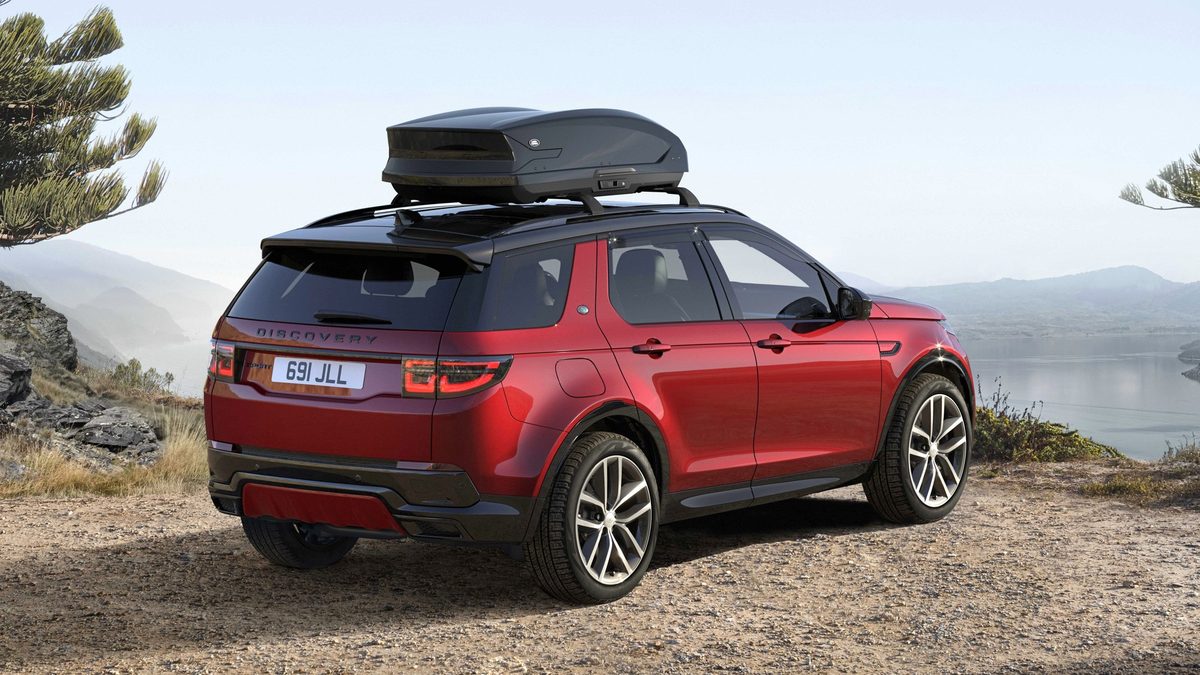
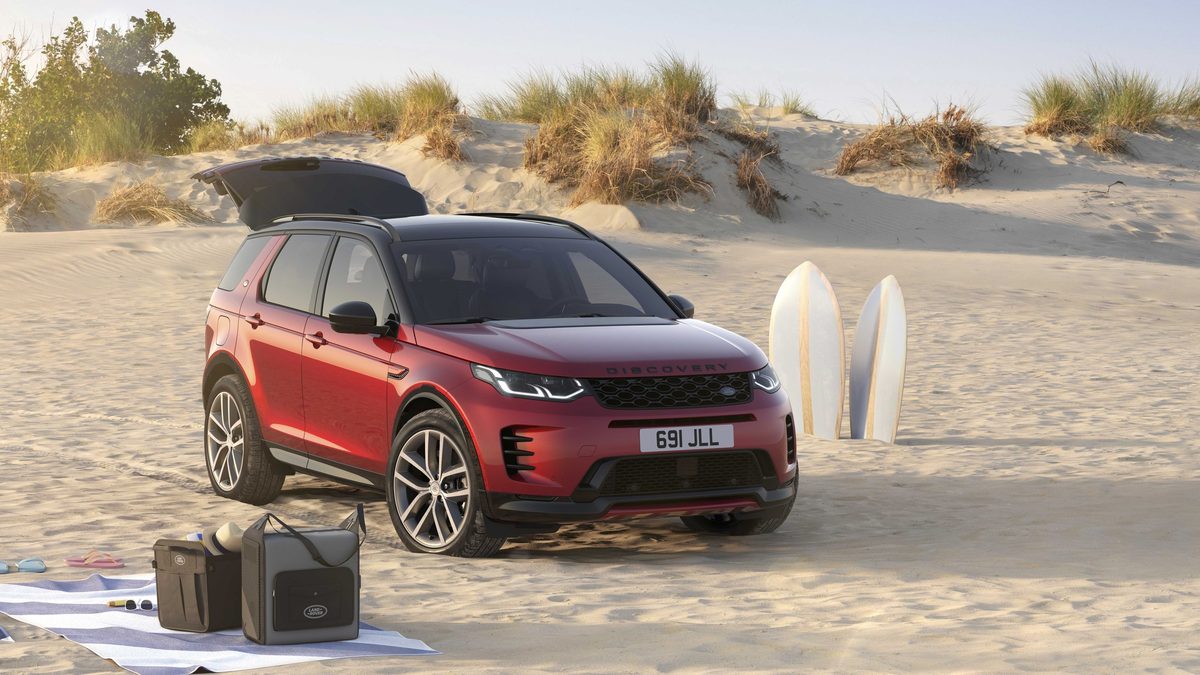
The Land Rover Discovery Sport debuted in 2014 as the successor to the Freelander and became the entry point to the Discovery family. It was Land Rover’s best-selling model for years, with more than 122,000 units sold worldwide in 2016 alone. A 2019 facelift moved it onto Jaguar Land Rover’s Premium Transverse Architecture, and the most recent update introduced the Metropolitan trim alongside the existing Dynamic S and Landmark. JLR has confirmed that production ends in December 2026, closing out a 12-year run with no direct successor.
The current lineup offers three engines. The D165 mild-hybrid diesel produces 163 hp and 380 Nm, reaching 100 km/h in 10.2 seconds. The D200 steps up to 204 hp and 430 Nm for an 8.6-second sprint. Both use a 9-speed automatic and all-wheel drive. At the top sits the P270e plug-in hybrid, combining a 1.5-litre turbocharged three-cylinder petrol engine with an 80 kW electric motor for 269 hp and 540 Nm combined, cutting the 0-100 km/h time to 7.4 seconds. Its 15 kWh battery gives up to 58 km of WLTP electric-only range.
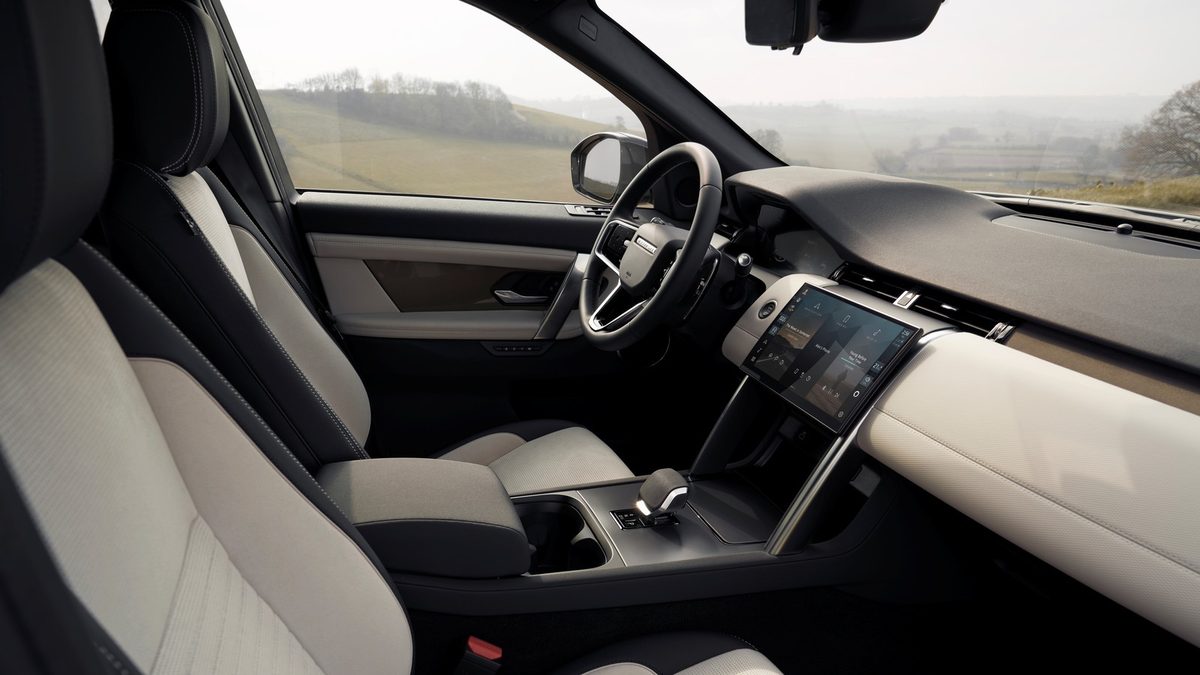
Inside, the Discovery Sport seats five as standard, with a 5+2 configuration available that adds a folding third row for occasional use. The cabin is built around Land Rover’s Pivi Pro infotainment system, and the range spans practical family specification through to the more design-focused Landmark and Metropolitan trims.
The Discovery Sport measures 4,597 mm long on a 2,741 mm wheelbase, with a maximum height of 1,727 mm. UK prices start from £45,440 for the Dynamic S, rising through the D200 and P270e engine options and higher trims. Production is due to end alongside the gradual wind-down of JLR’s local manufacturing in China for its current model range.