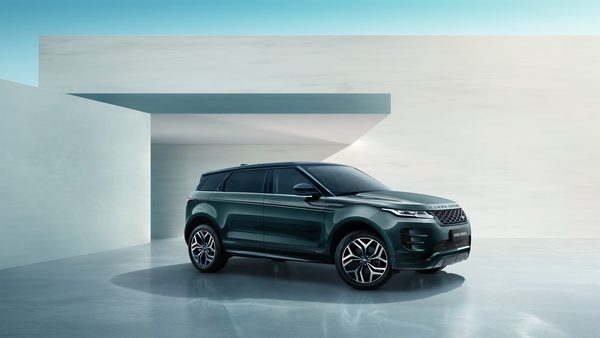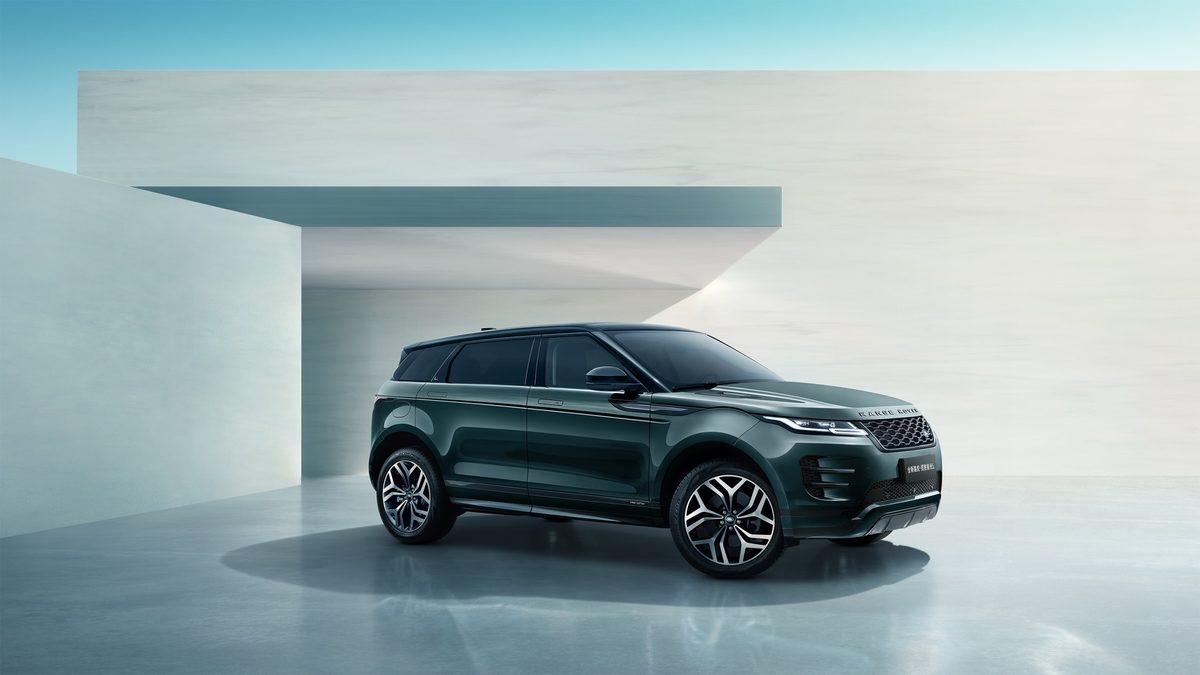
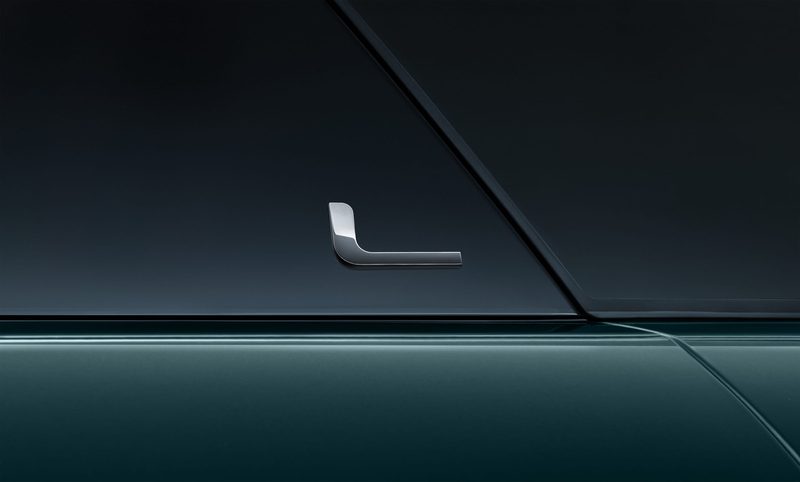
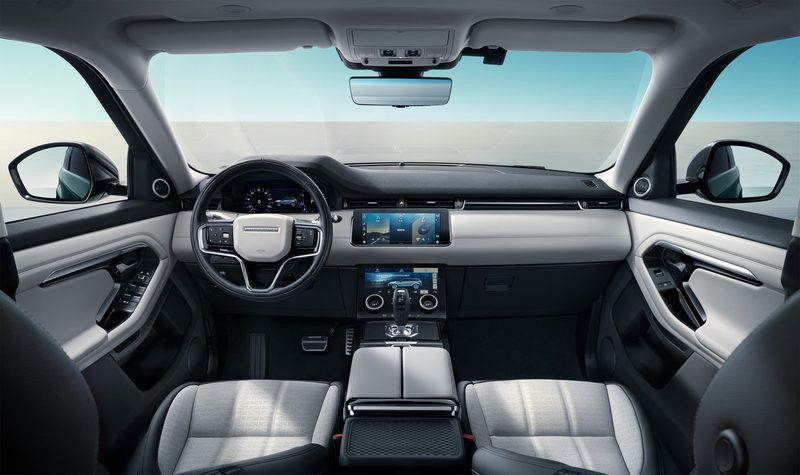
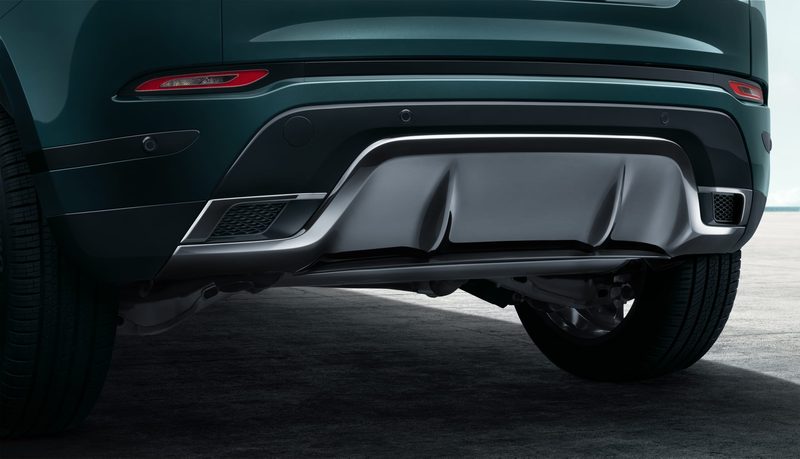
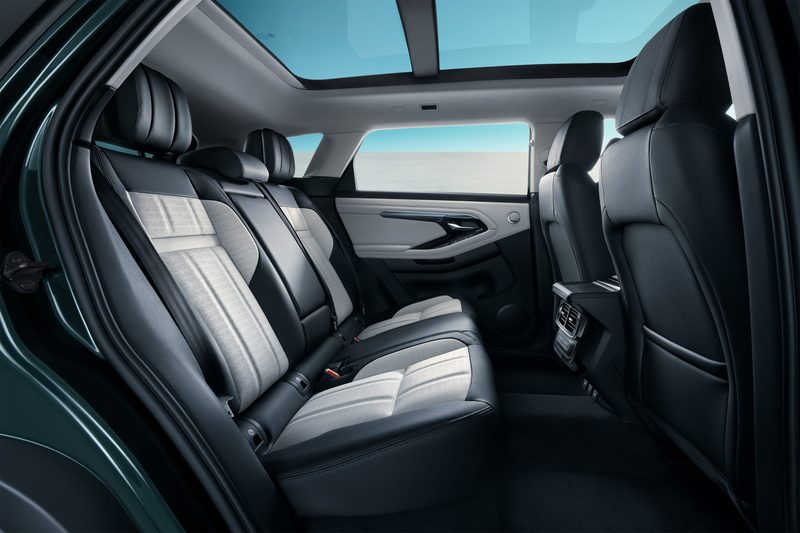
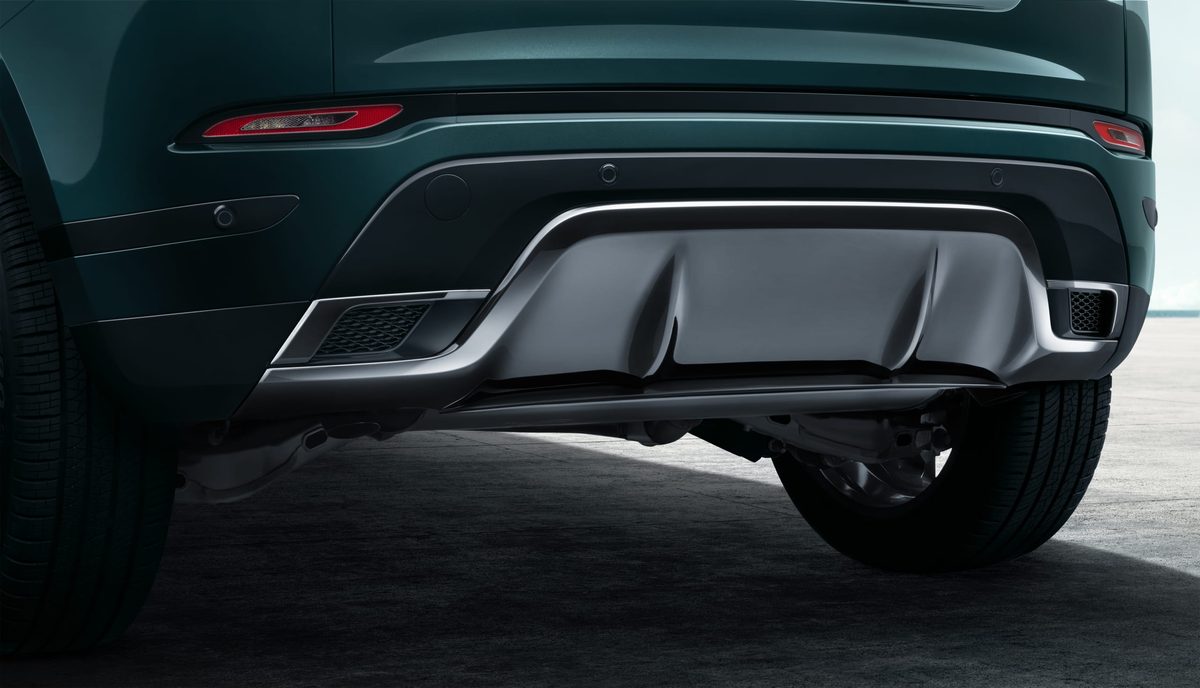
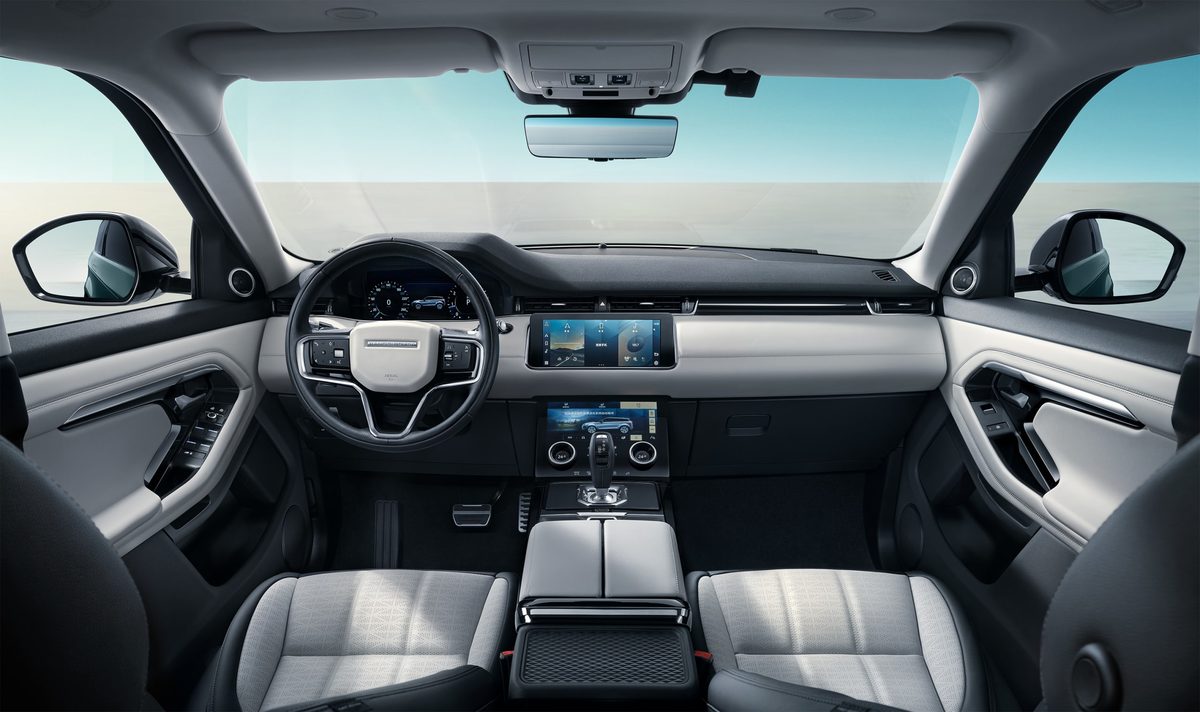
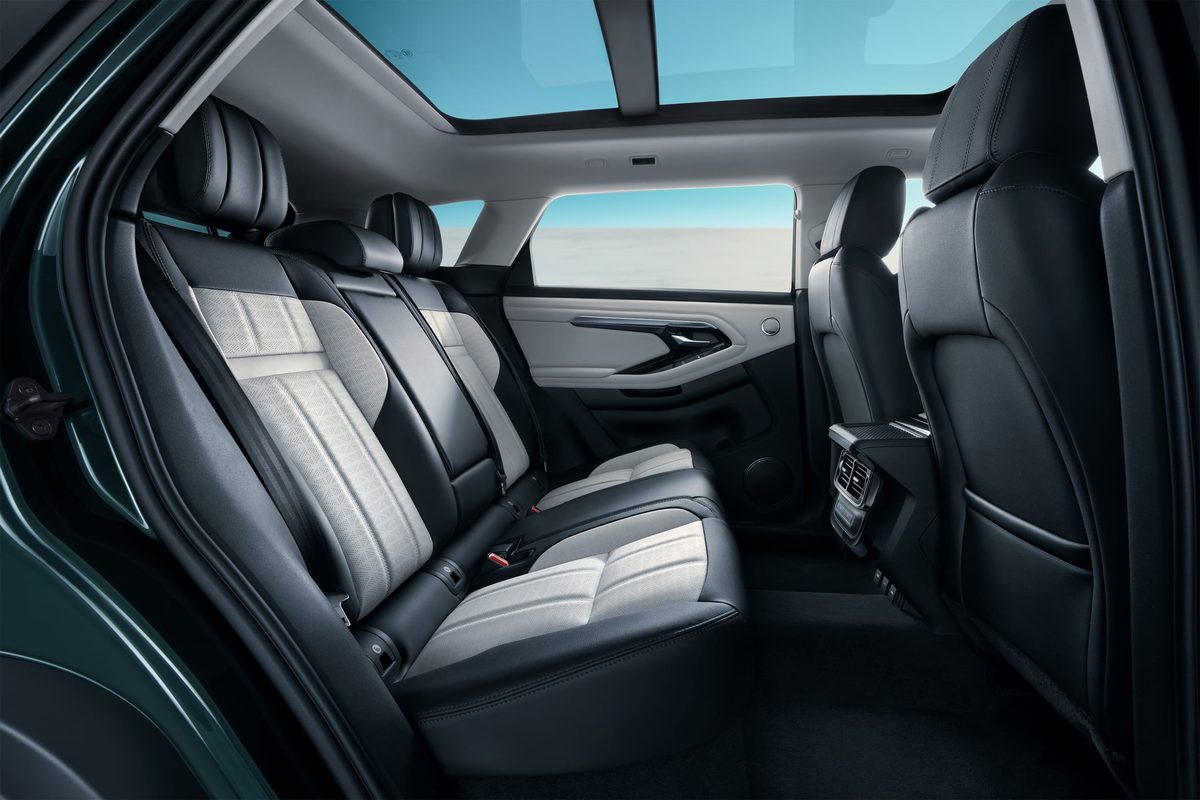
The Evoque L is what Land Rover does when a model matters enough in China to justify its own bodyshell. Chery Jaguar Land Rover stretches the standard Evoque’s wheelbase and puts the whole gain into the rear seat, a pattern German and British brands have followed in China for two decades. It stays a two-row car, so the length buys legroom rather than a third bench, and it was never offered anywhere else.
One powertrain covers the range: the 2.0-litre Ingenium turbocharged four with 48-volt mild-hybrid assistance, rated at 245 hp (249 PS) and 365 Nm, driving all four wheels through a nine-speed automatic. Every car leaves the factory in R-Dynamic trim on 20-inch wheels, so the specification ladder is about equipment rather than hardware.
What the car is now known for is its price. It launched at 429,800 yuan, roughly $63,490. In June 2026 dealers were listing it from about 200,000 yuan, and some stock reached 179,800 yuan, close to 60 percent below list. The scale of that cut made it one of the steepest reductions on a Western premium model in the Chinese market.
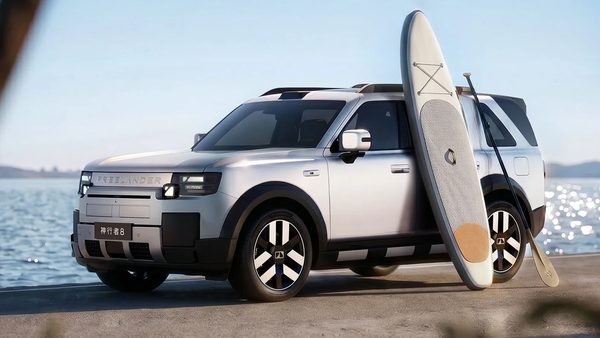
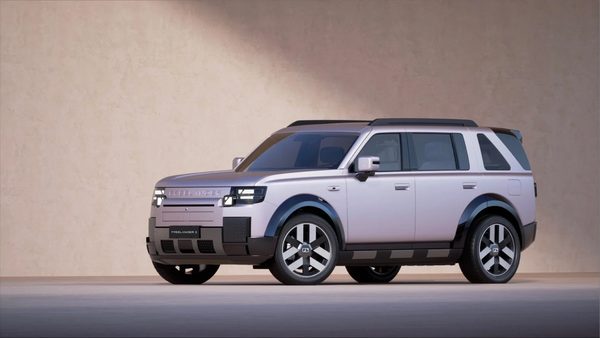
The discount is a wind-down rather than a strategy. Chery Jaguar Land Rover plans to stop building all of its current models at its Changshu plant by the end of 2026, redirecting the joint venture toward the revived Freelander brand, which is being set up as a China-developed electric line rather than a continuation of the old Land Rover nameplate. Clearing stock at half price is what a retiring production line looks like from the showroom floor.