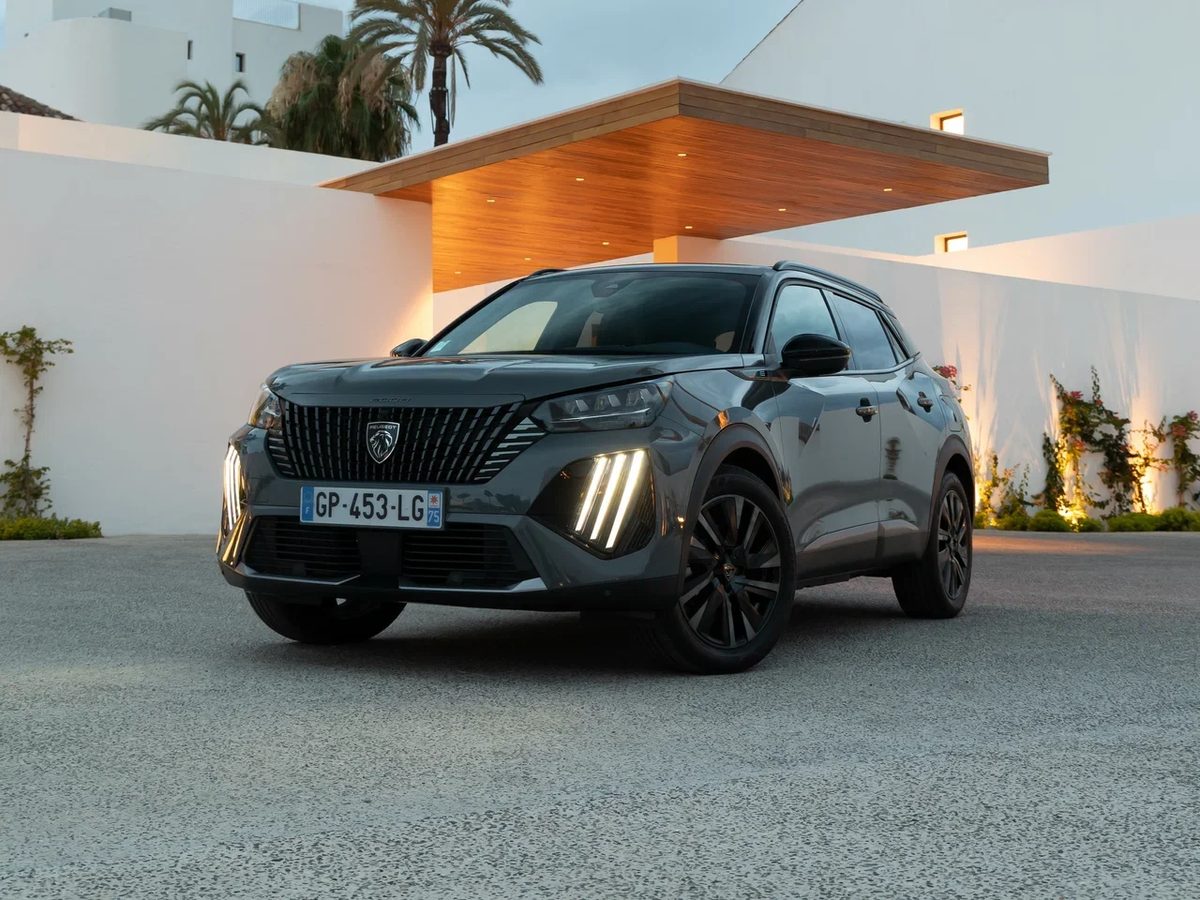
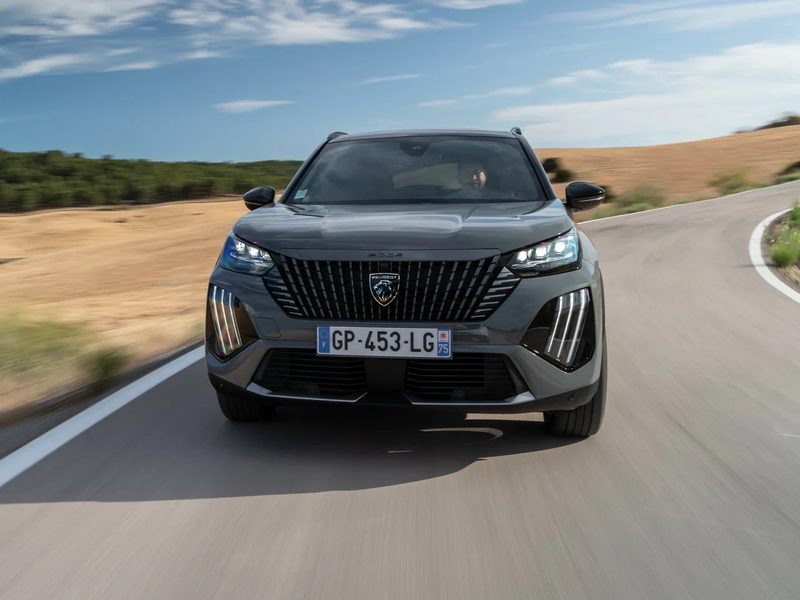
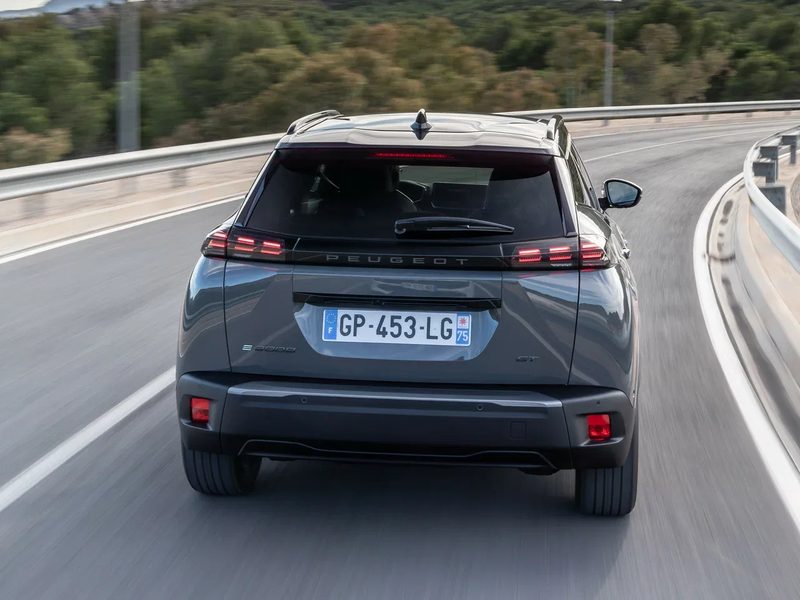
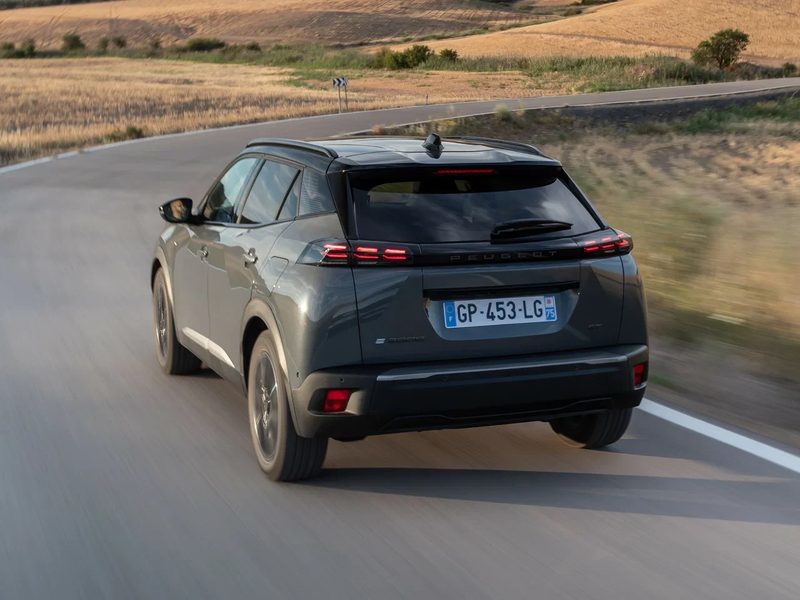
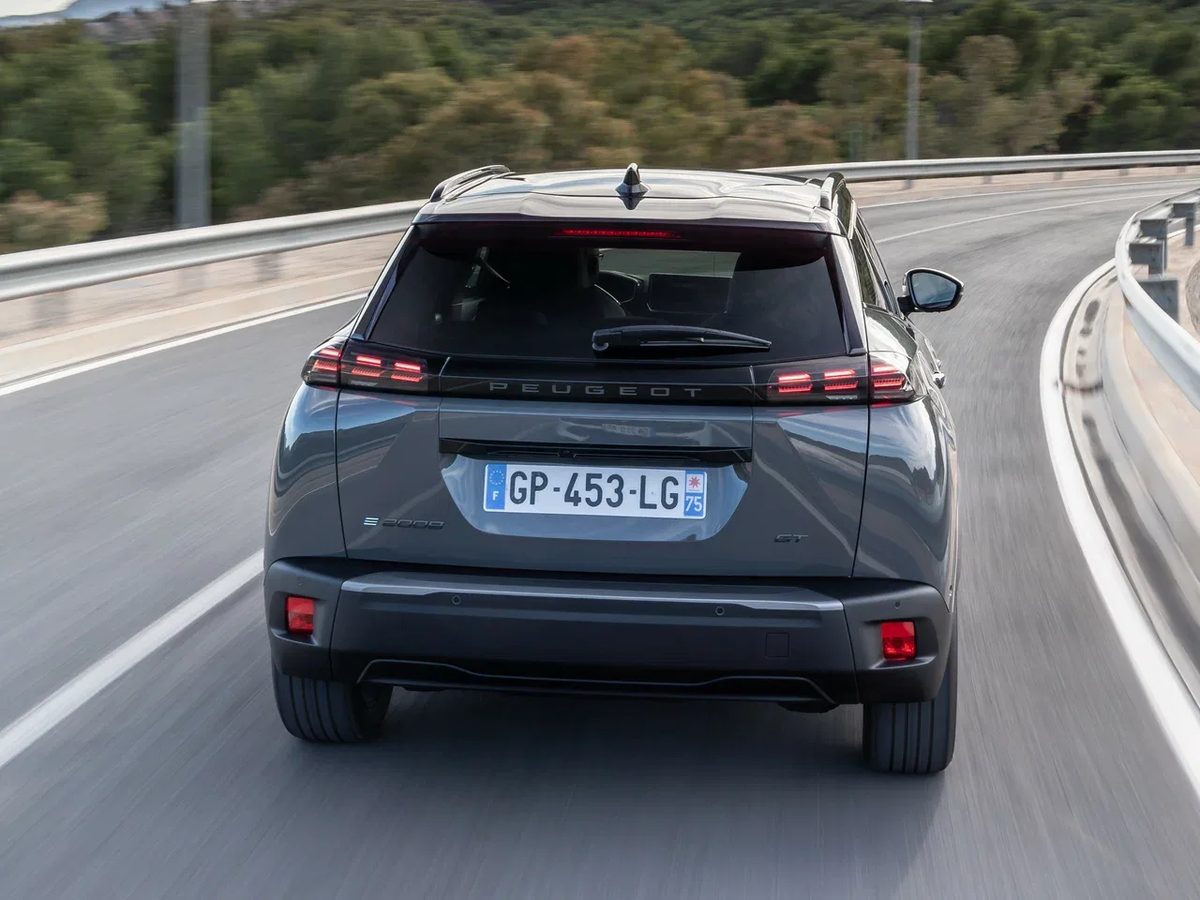
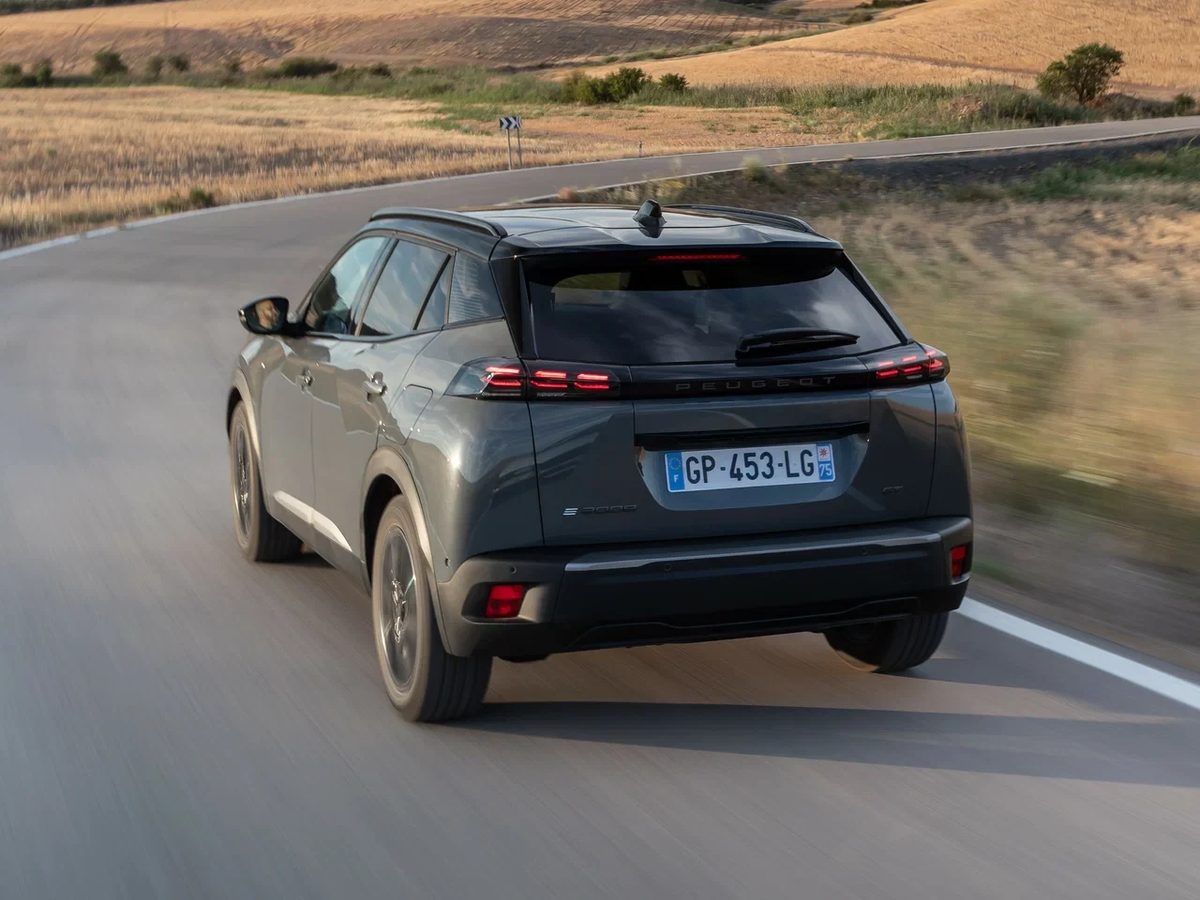
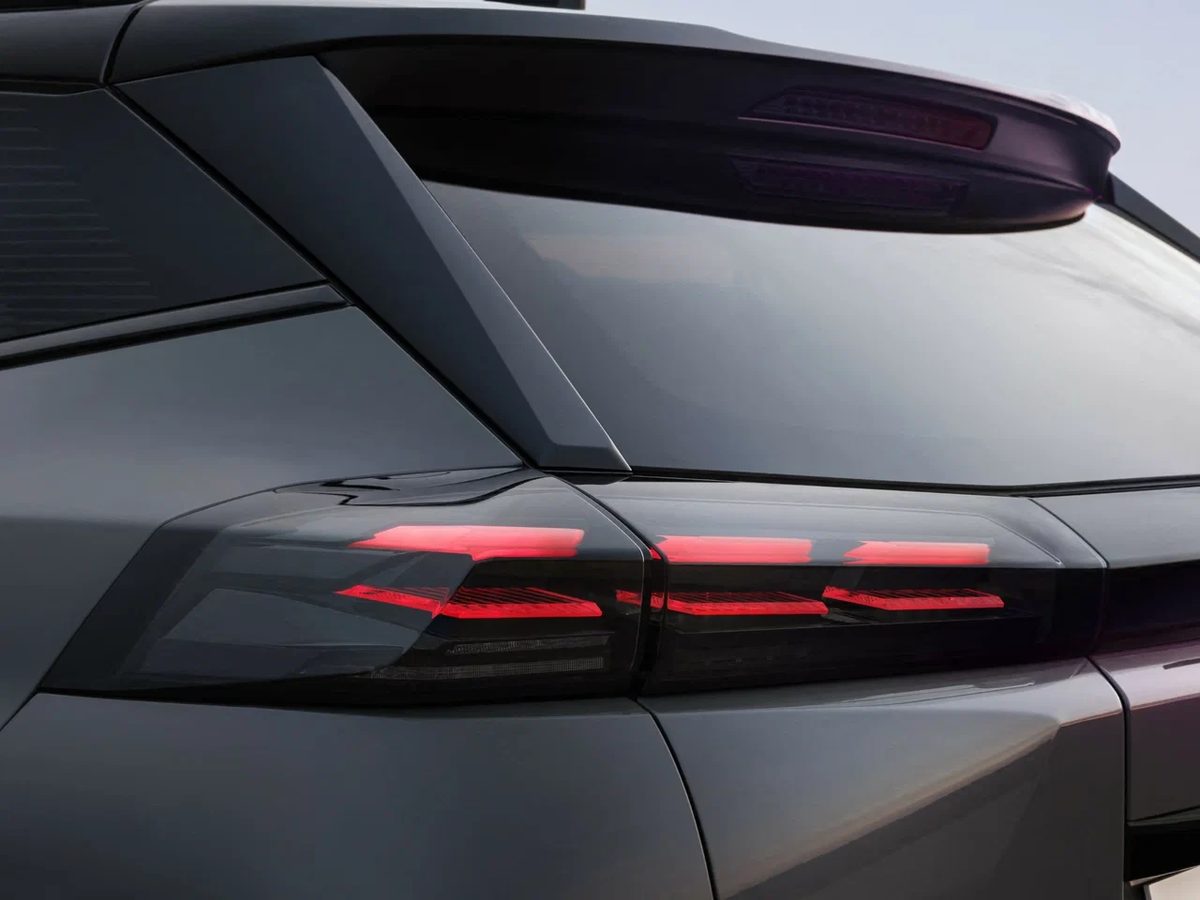
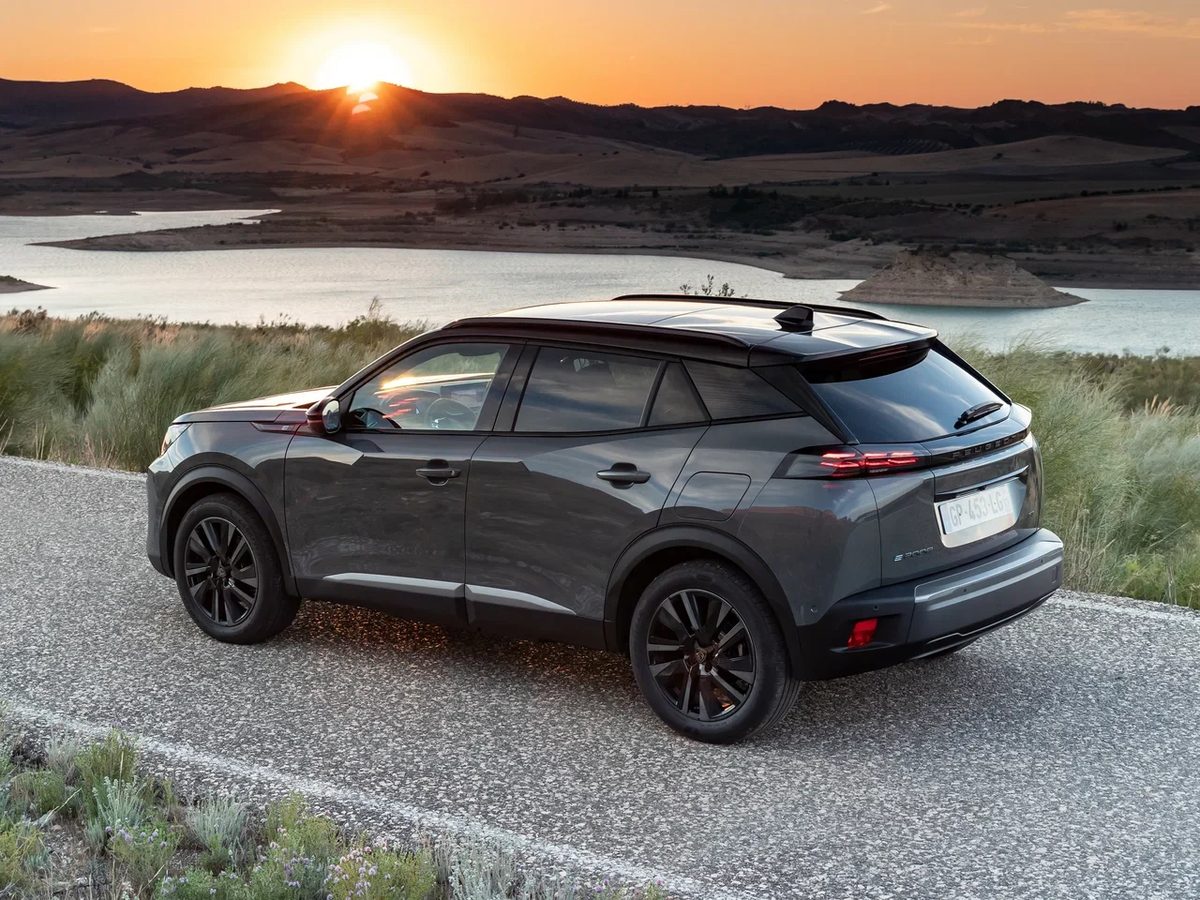
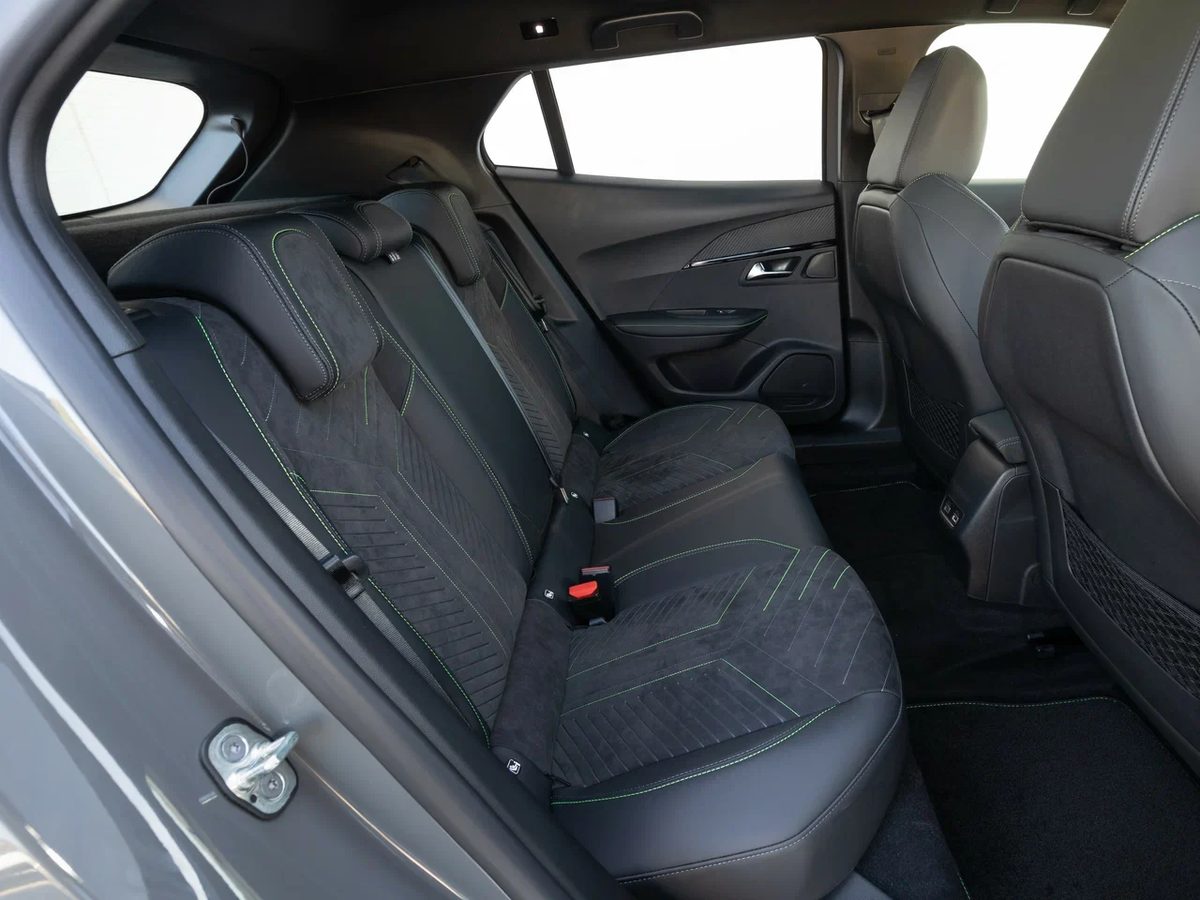
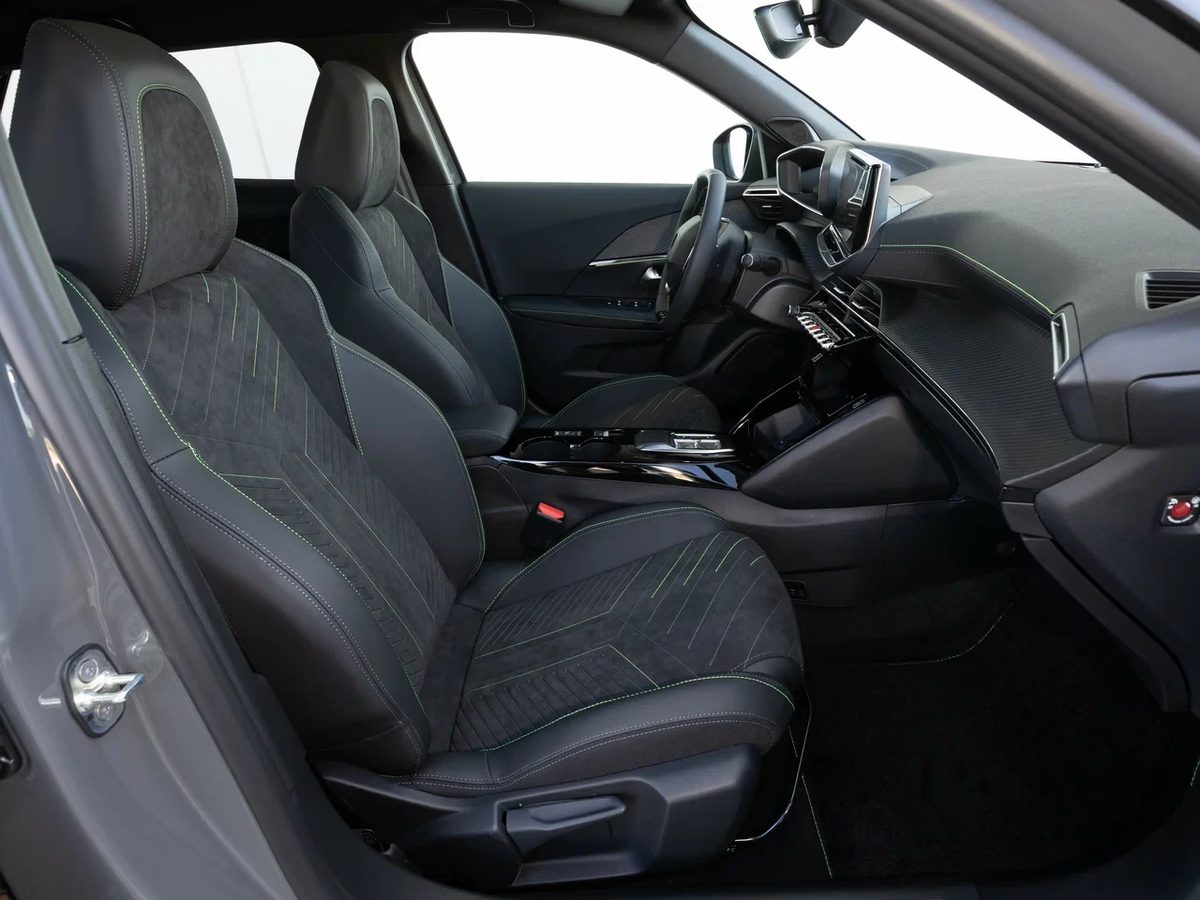
The Peugeot 2008 is a compact SUV, and in practice a raised Peugeot 208 with a longer body: both sit on Stellantis’s Common Modular Platform, as do the Opel and Vauxhall Corsa and the DS 3. It measures 4,300 mm long on a 2,605 mm wheelbase and carries 434 litres of luggage, a figure that puts it near the top of its size class and does much of the work in explaining its sales. It ranks in the top handful of models in Spain and sells strongly across southern Europe.
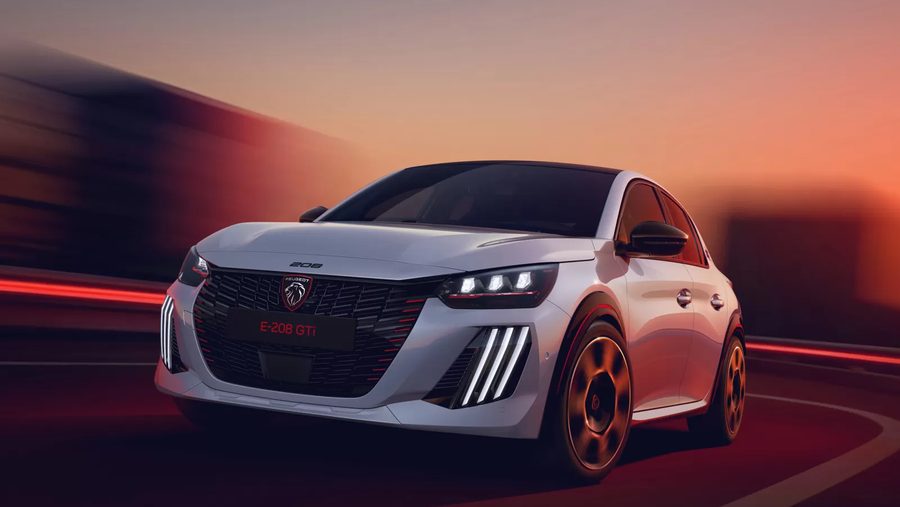
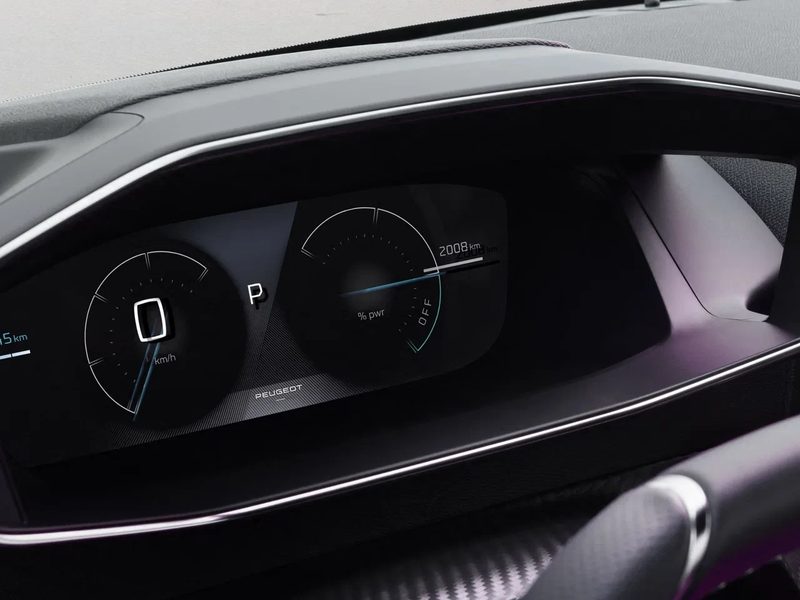
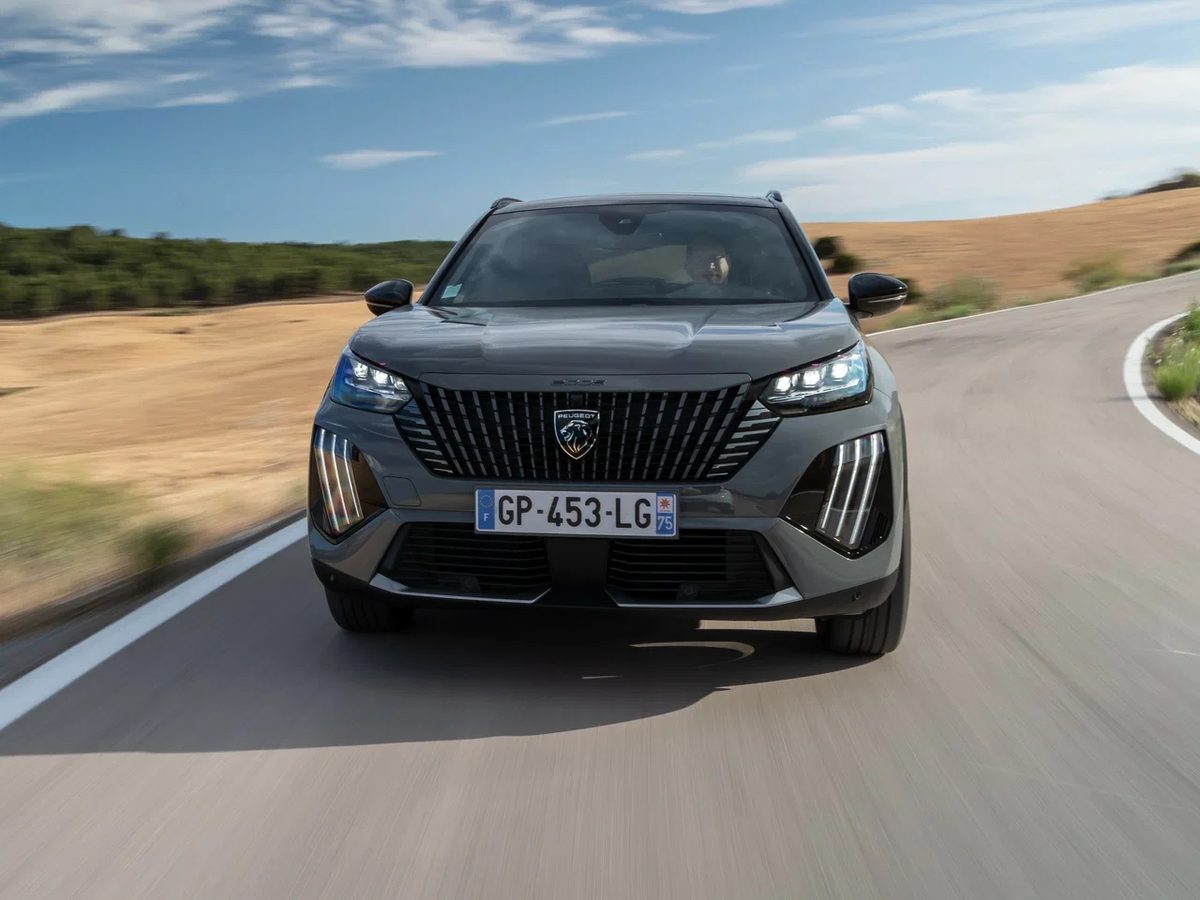
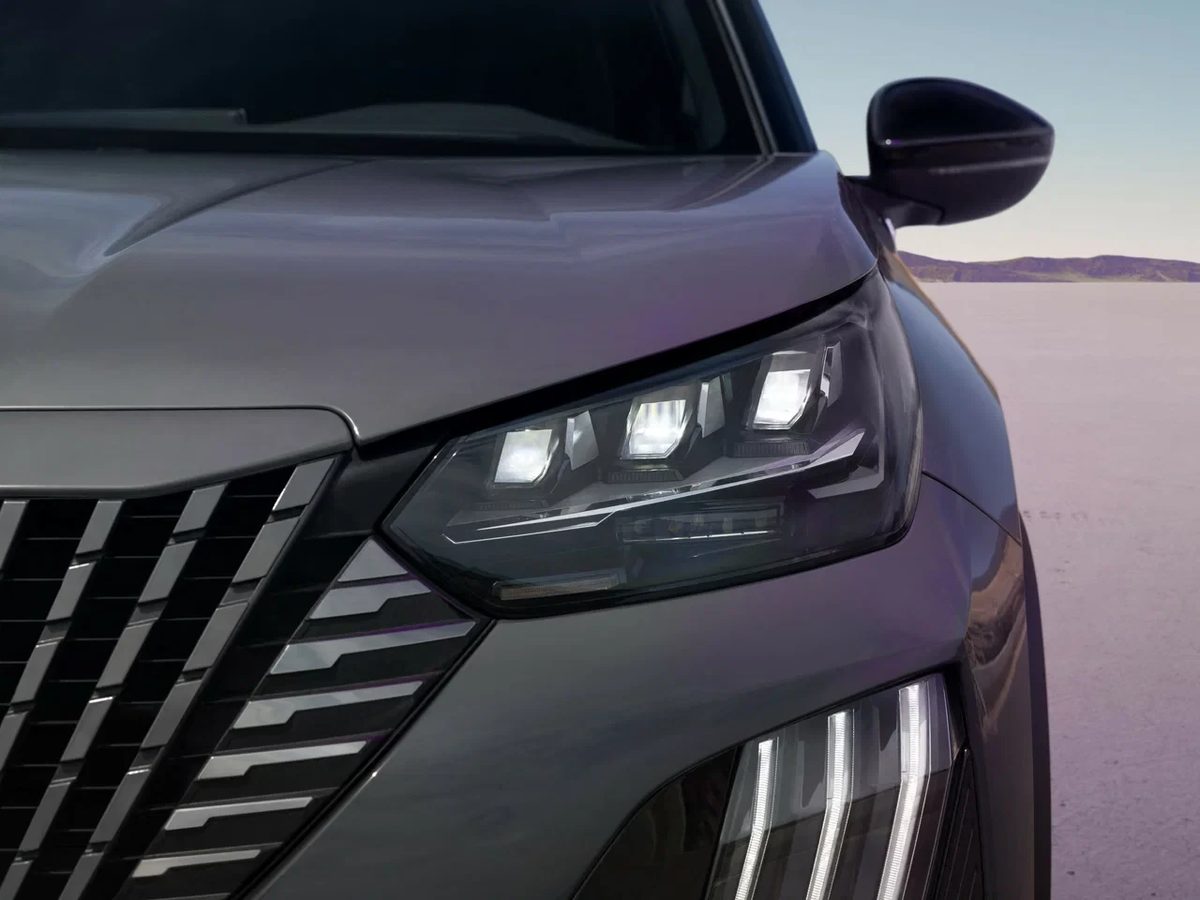
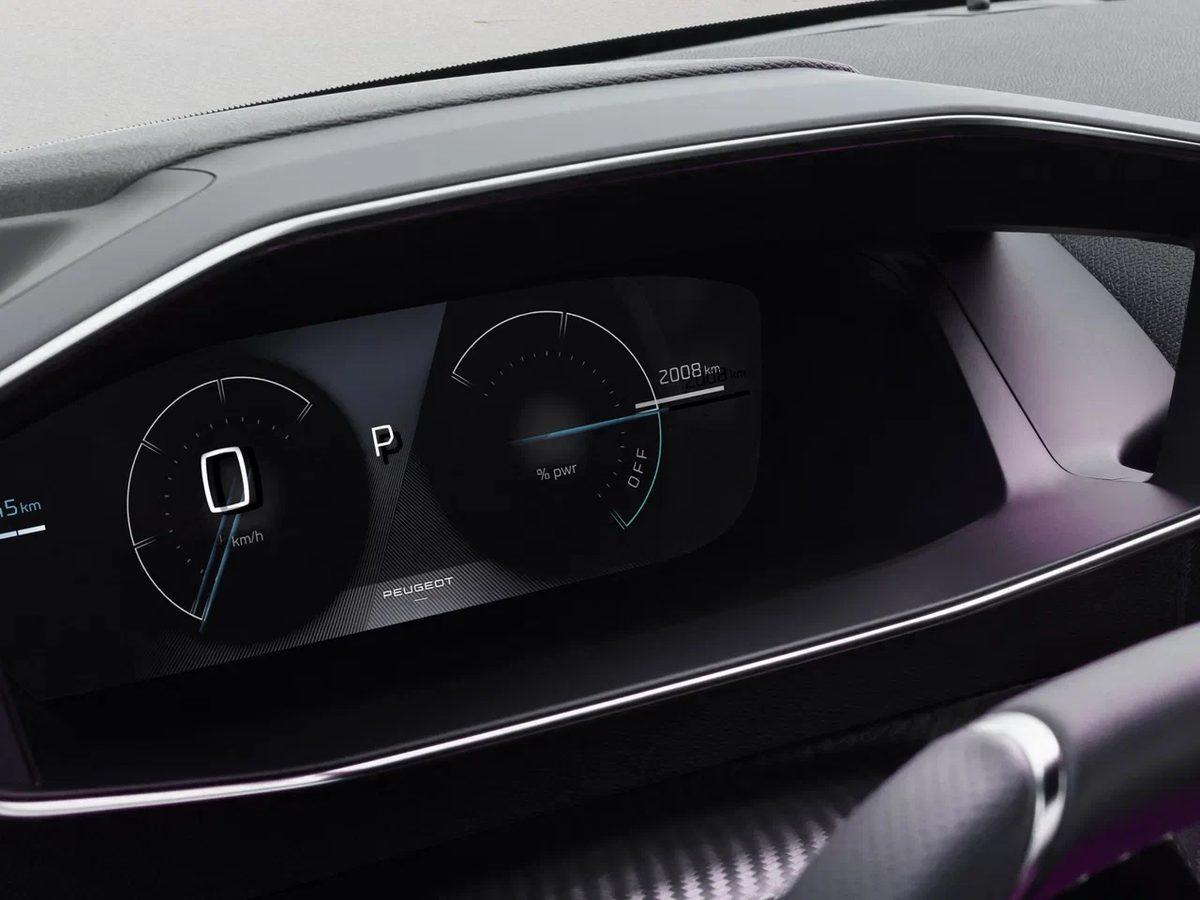
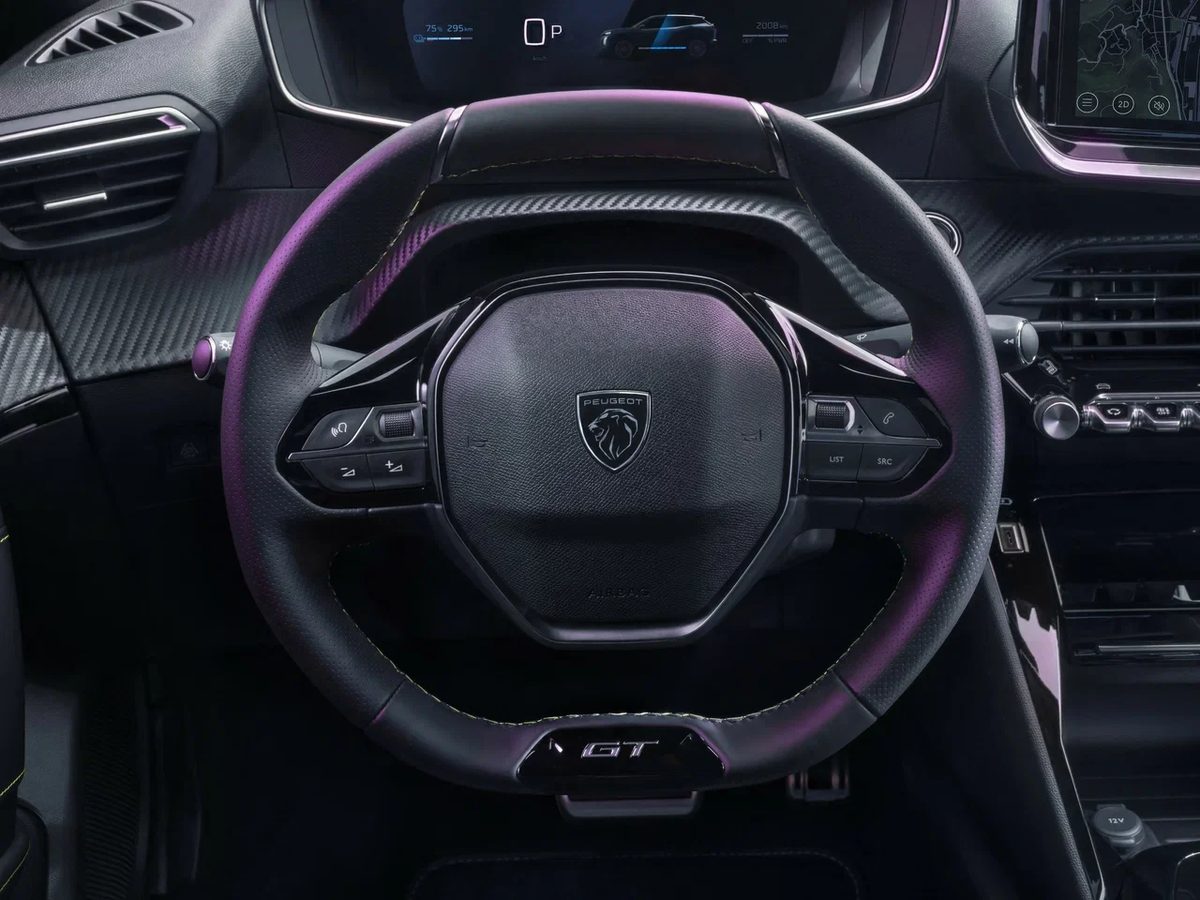
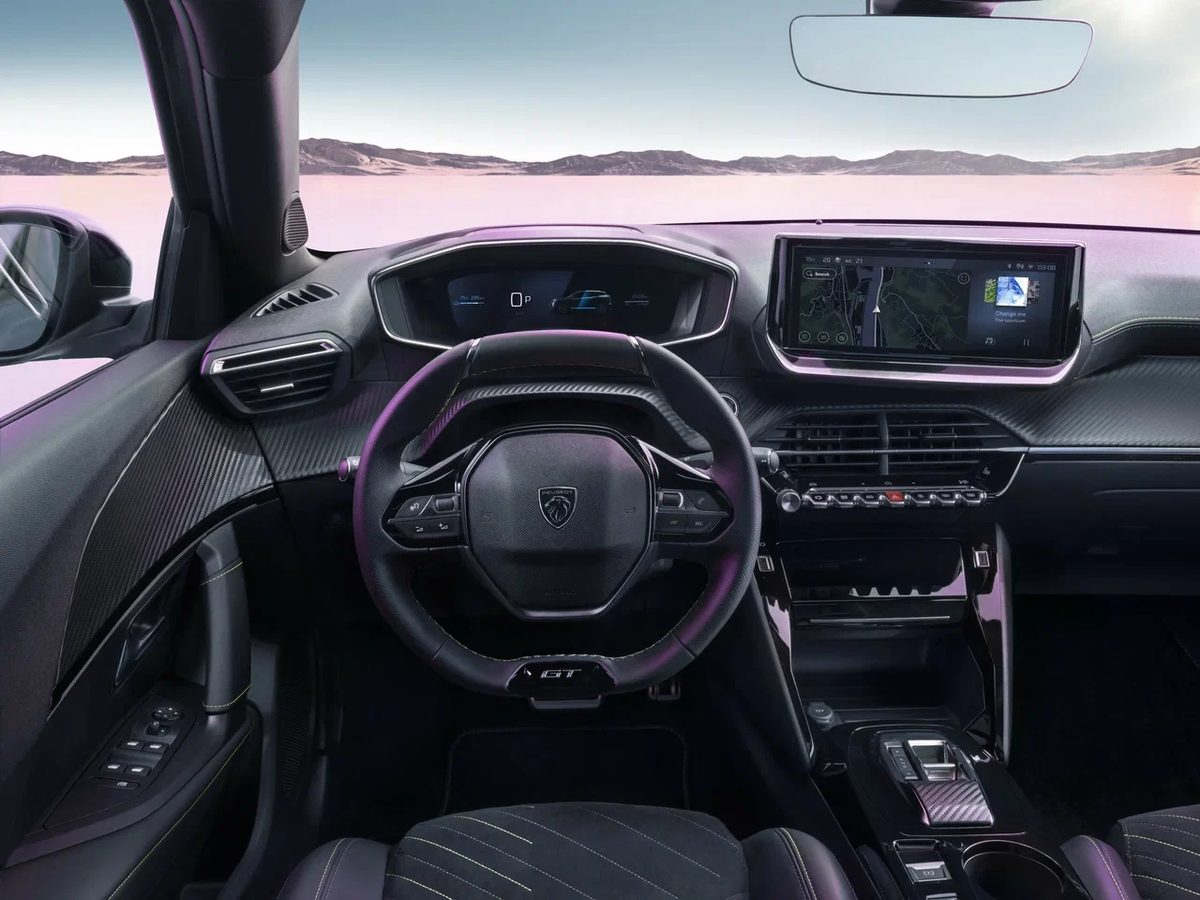
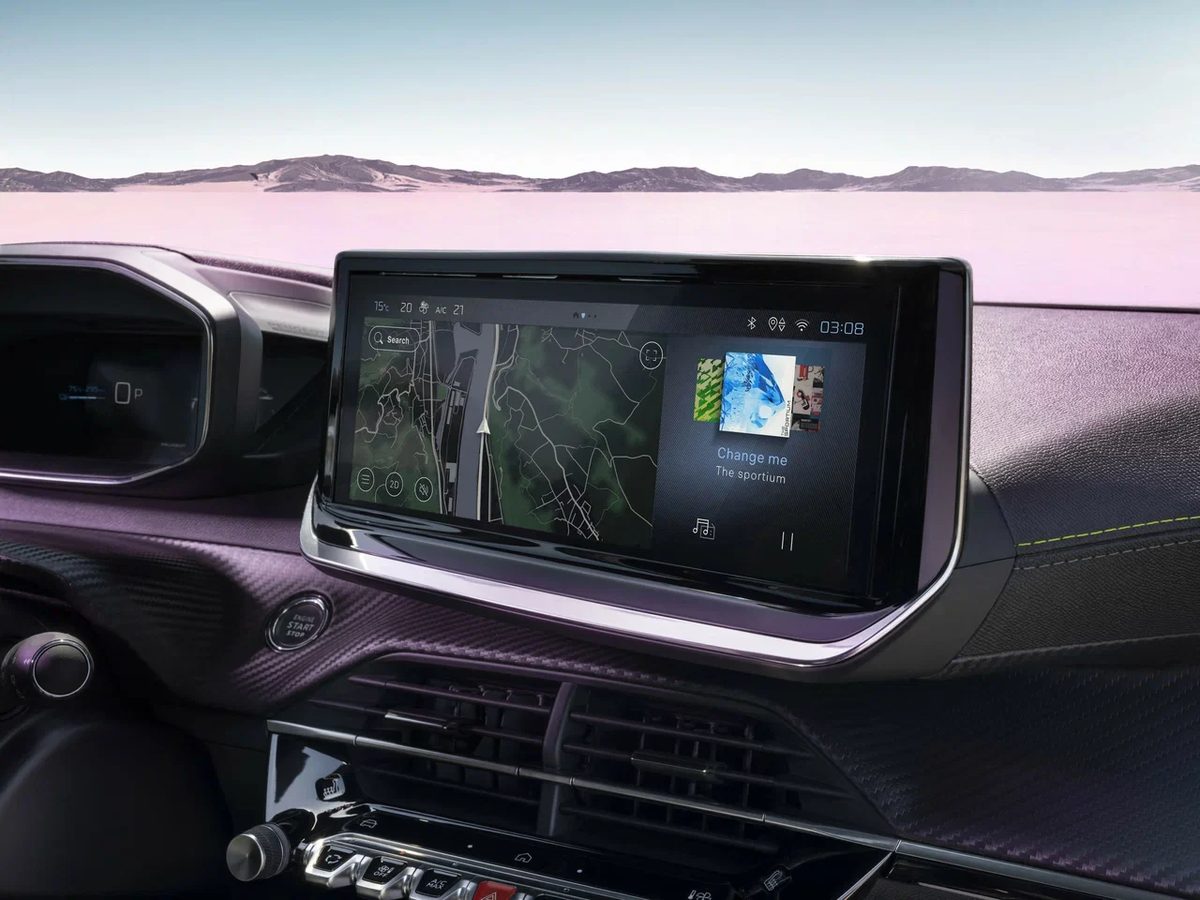
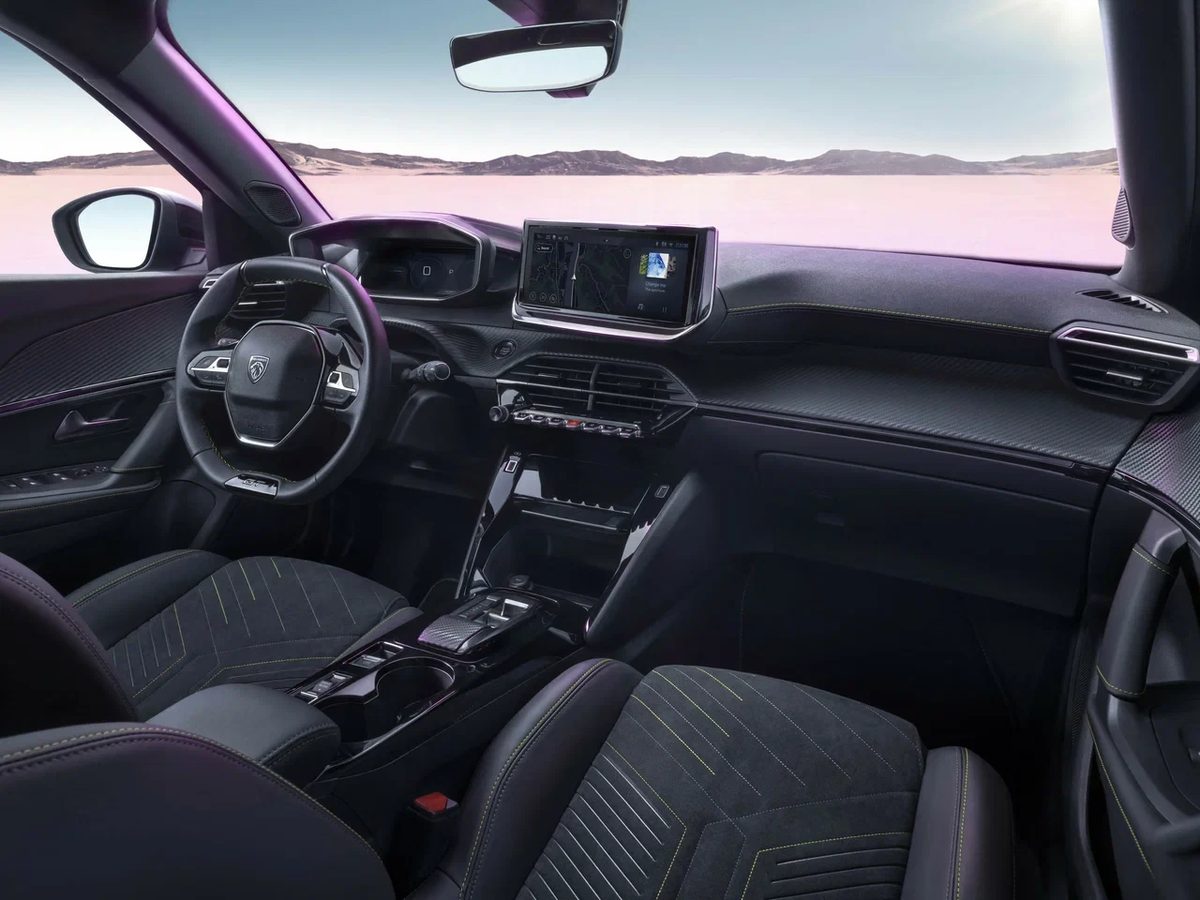
Peugeot facelifted it in 2023, replacing the nose with the brand’s three-claw light signature and a body-coloured grille panel, and fitting the current i-Cockpit with a small high-set steering wheel and a digital instrument display read over the rim rather than through it. Trim runs from Active through Allure to GT.
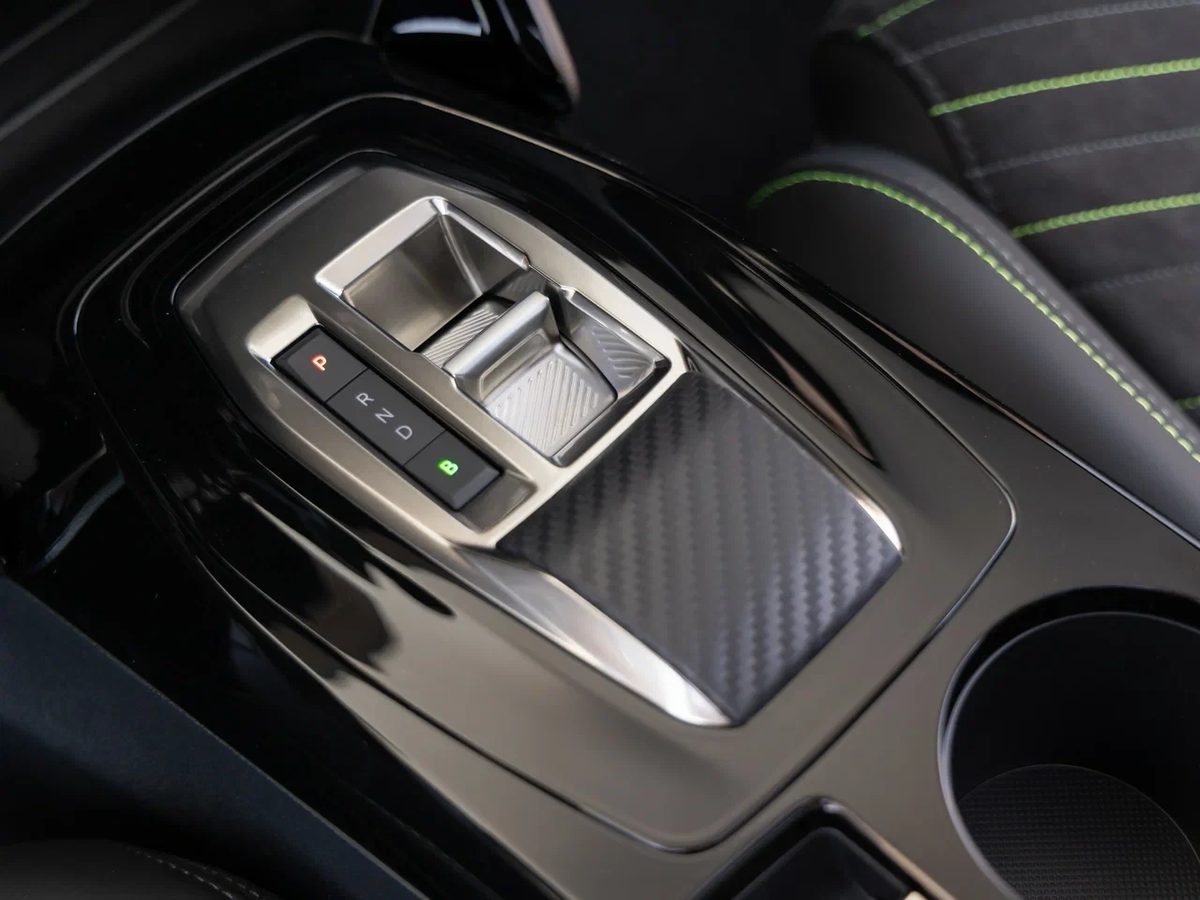
The engine range is short. A 1.2-litre PureTech 100 three-cylinder with a six-speed manual is the entry point, at 100 hp and 205 Nm. Above it are two 48V mild hybrids, the Hybrid 136 and Hybrid 145, both pairing a newer 1.2-litre with a small electric motor housed inside a six-speed e-DCS6 dual-clutch gearbox. That motor cannot drive the car at road speed, but it fills in torque before the turbo responds and lets the car creep and manoeuvre with the engine off, which is where a mild hybrid saves most of its fuel. A 1.5-litre BlueHDi diesel remains listed in some continental markets.
The electric e-2008 uses the same body and is sold alongside, with a 54 kWh battery, a 156 hp motor and up to about 250 miles (406 km) of WLTP range, but it is specced and priced as its own model. UK prices for the petrol and mild-hybrid range run from 25,695 to 32,445 pounds. European cars come from Stellantis’s Vigo plant in Galicia, with local assembly elsewhere for Argentina, China, Malaysia, Pakistan and Vietnam.