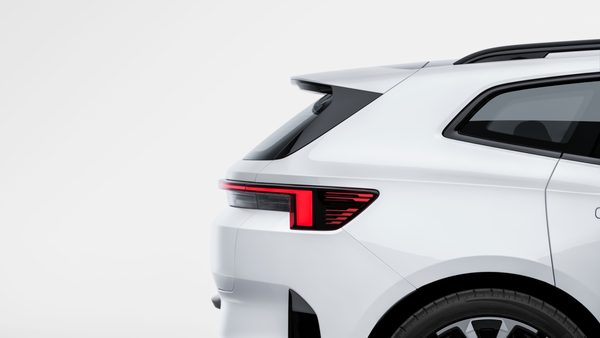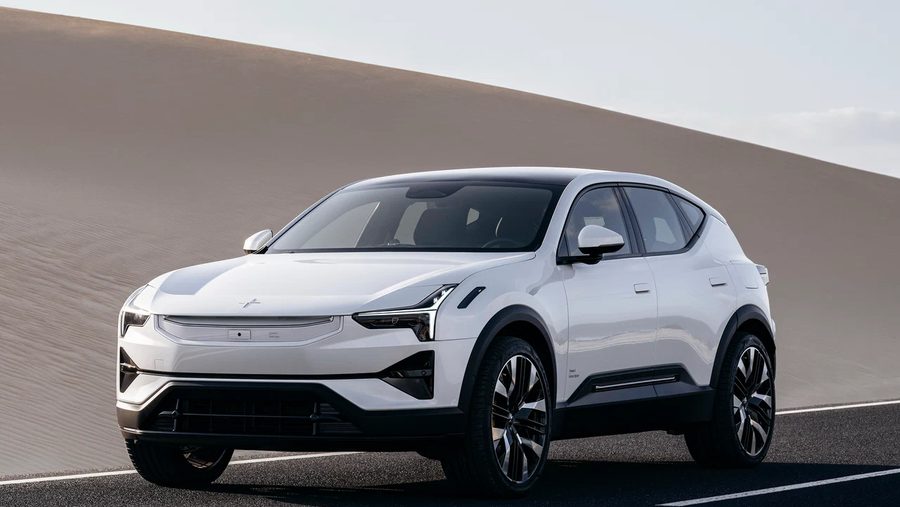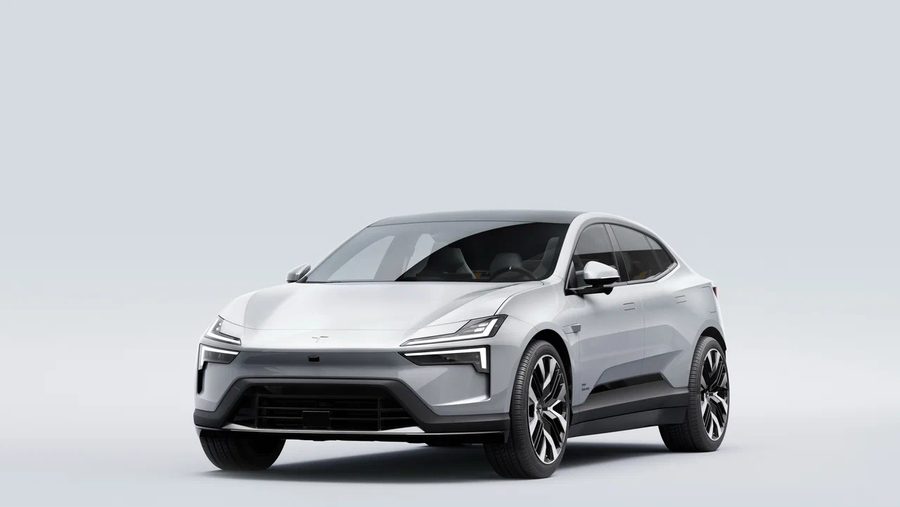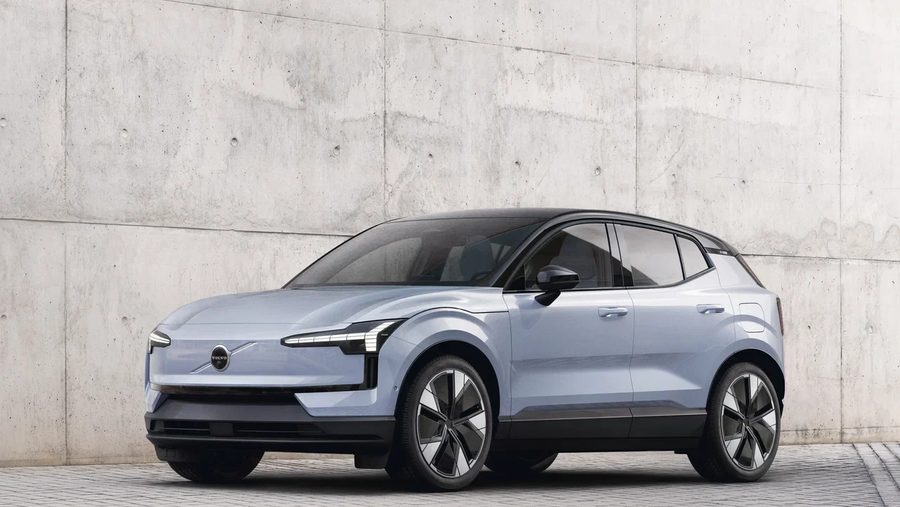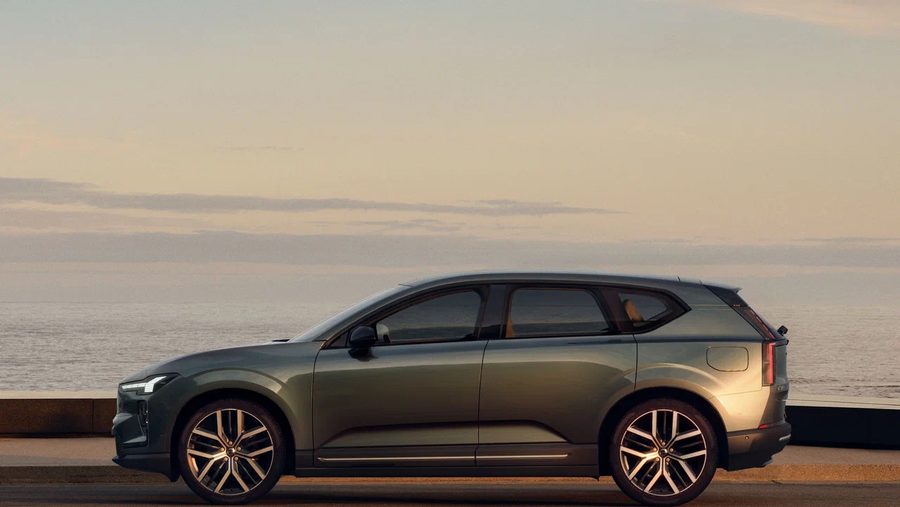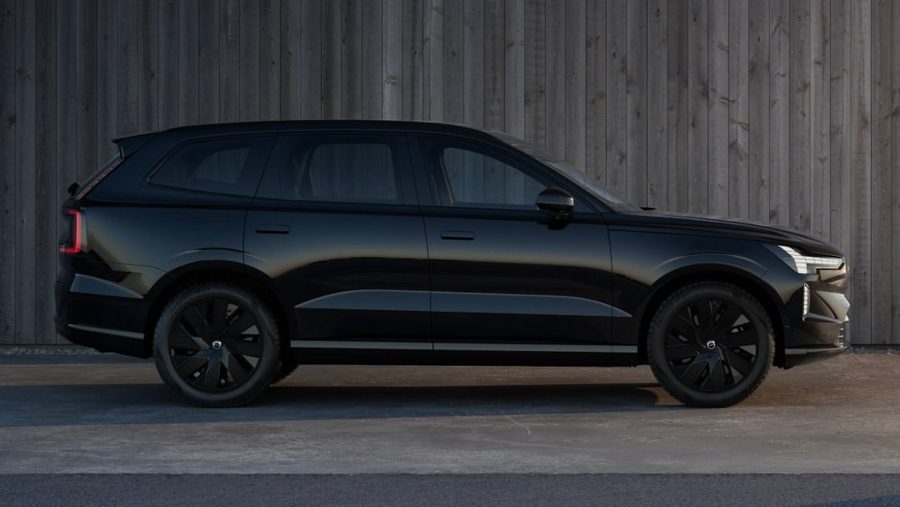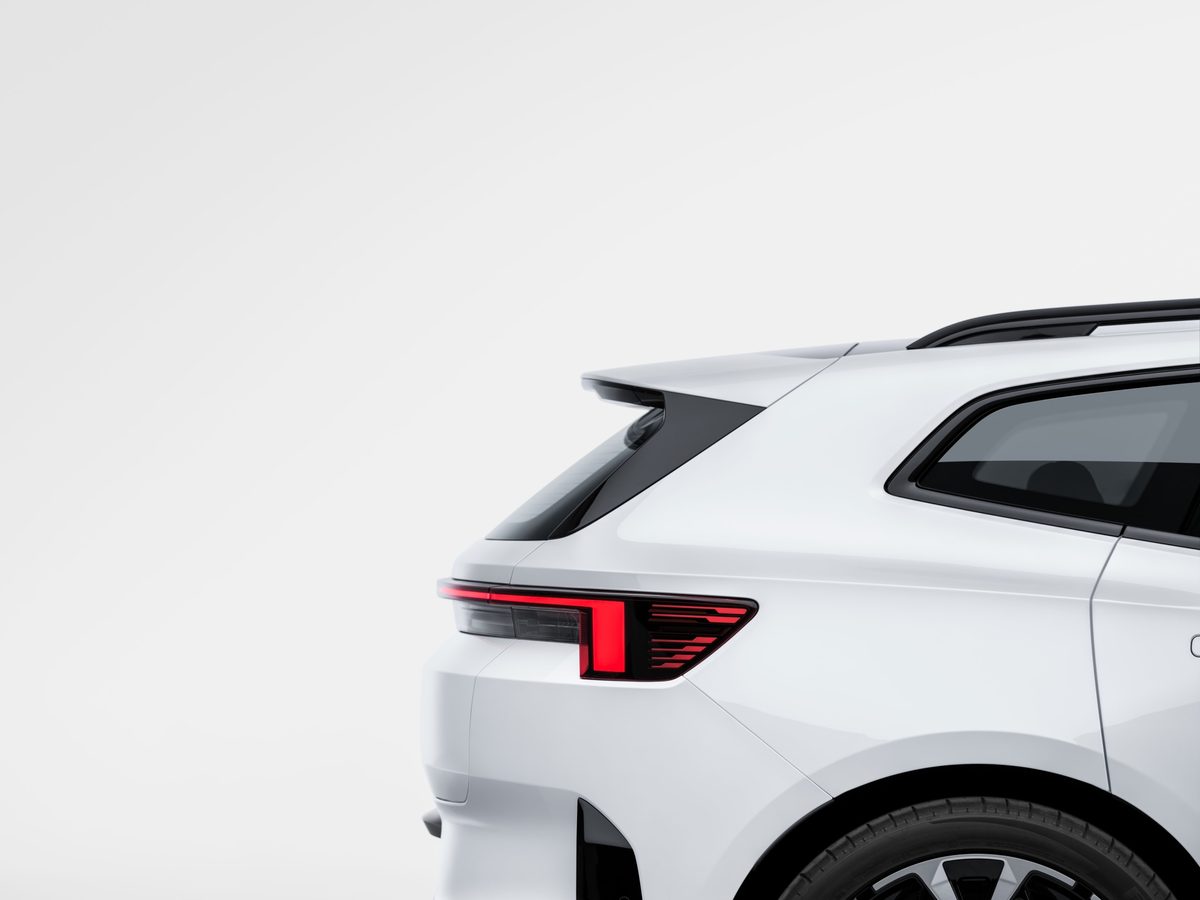
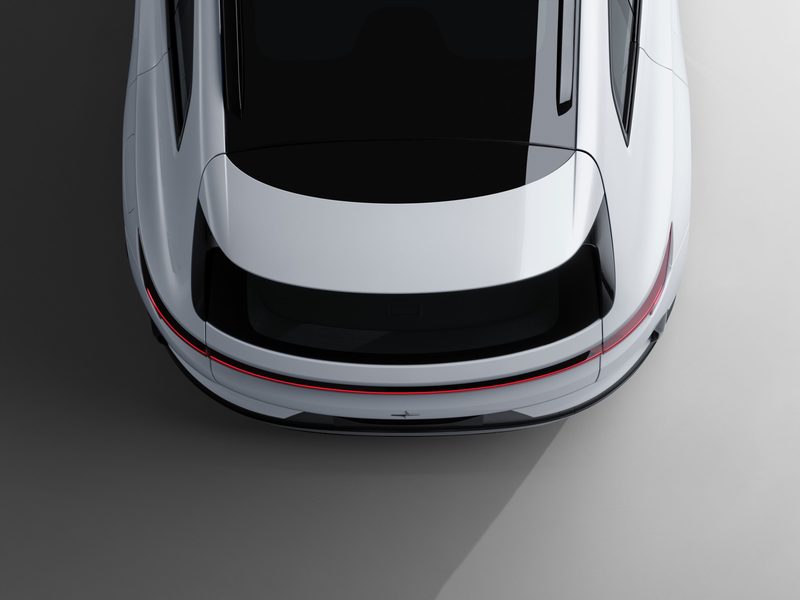
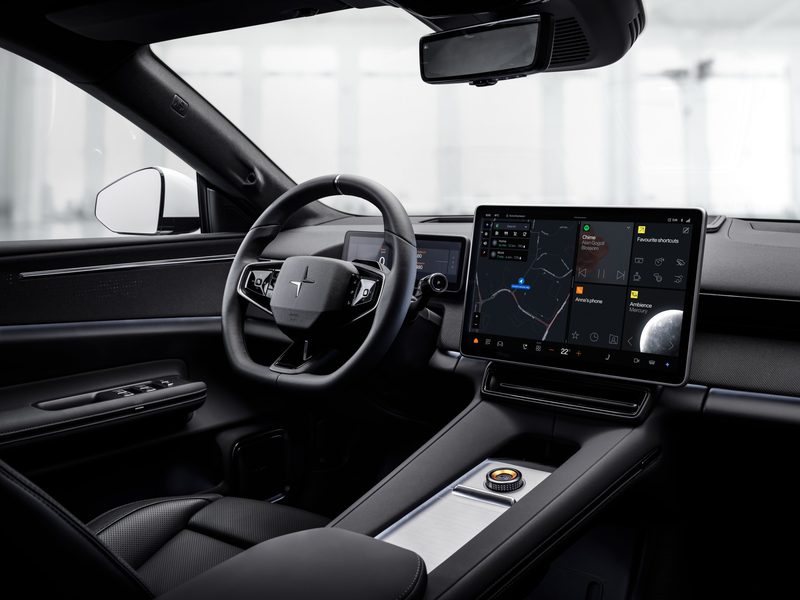
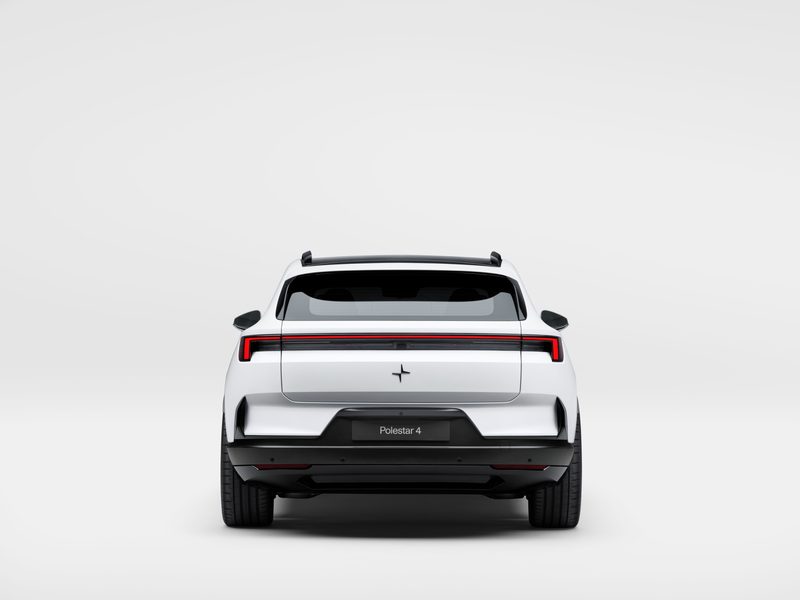
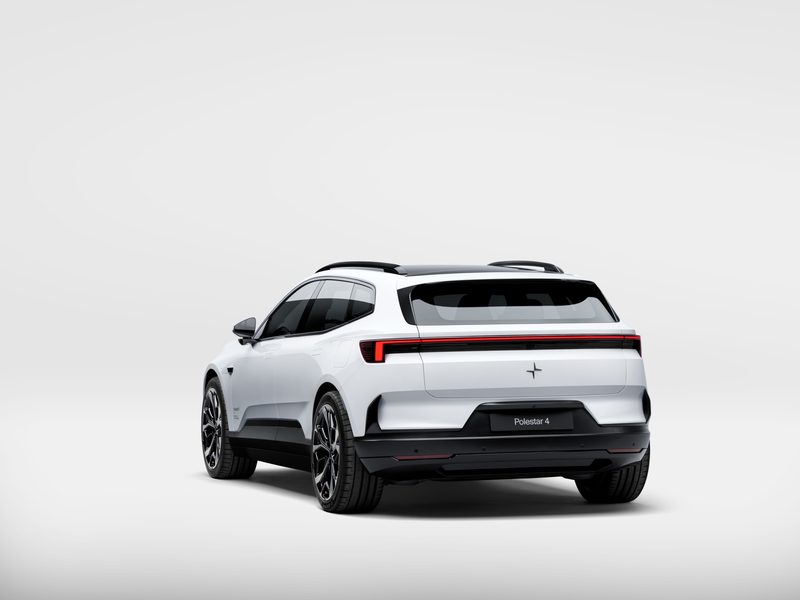
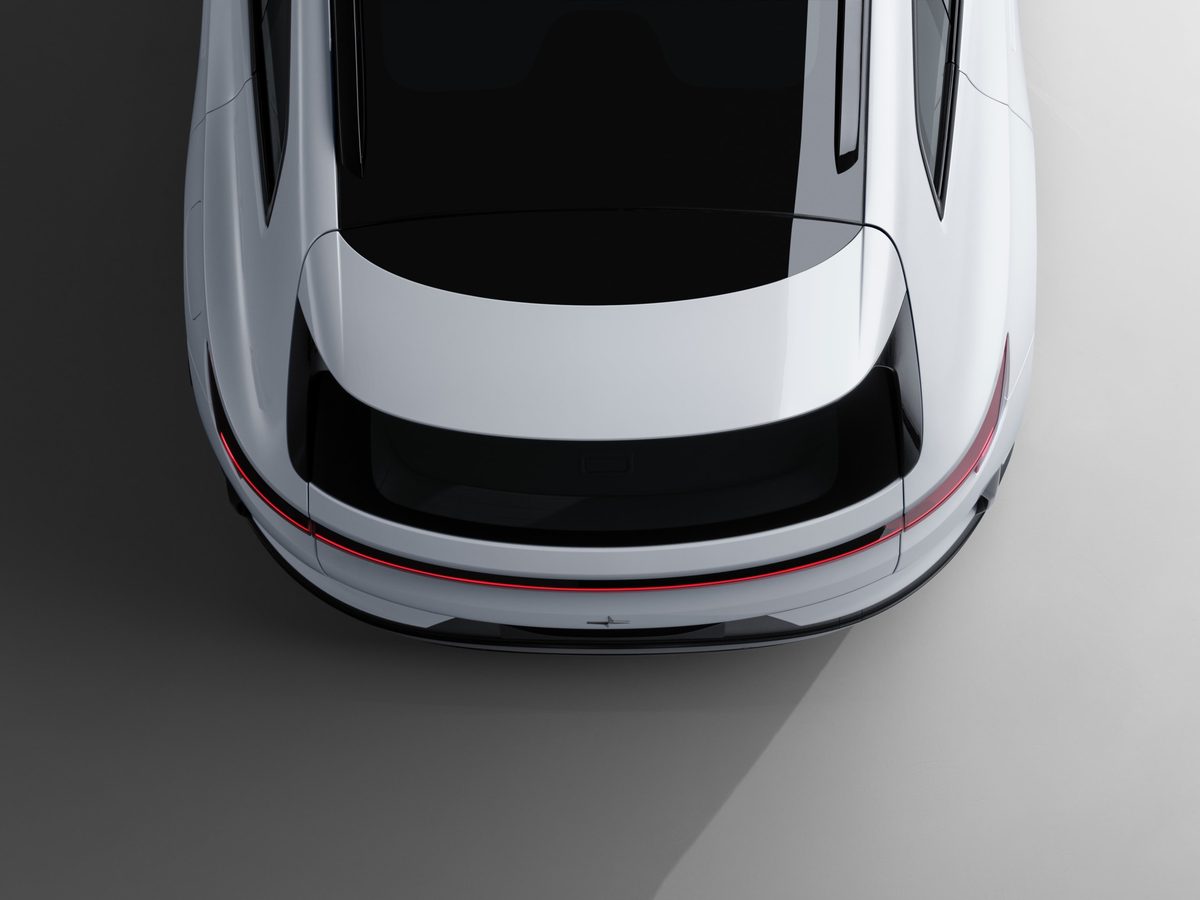
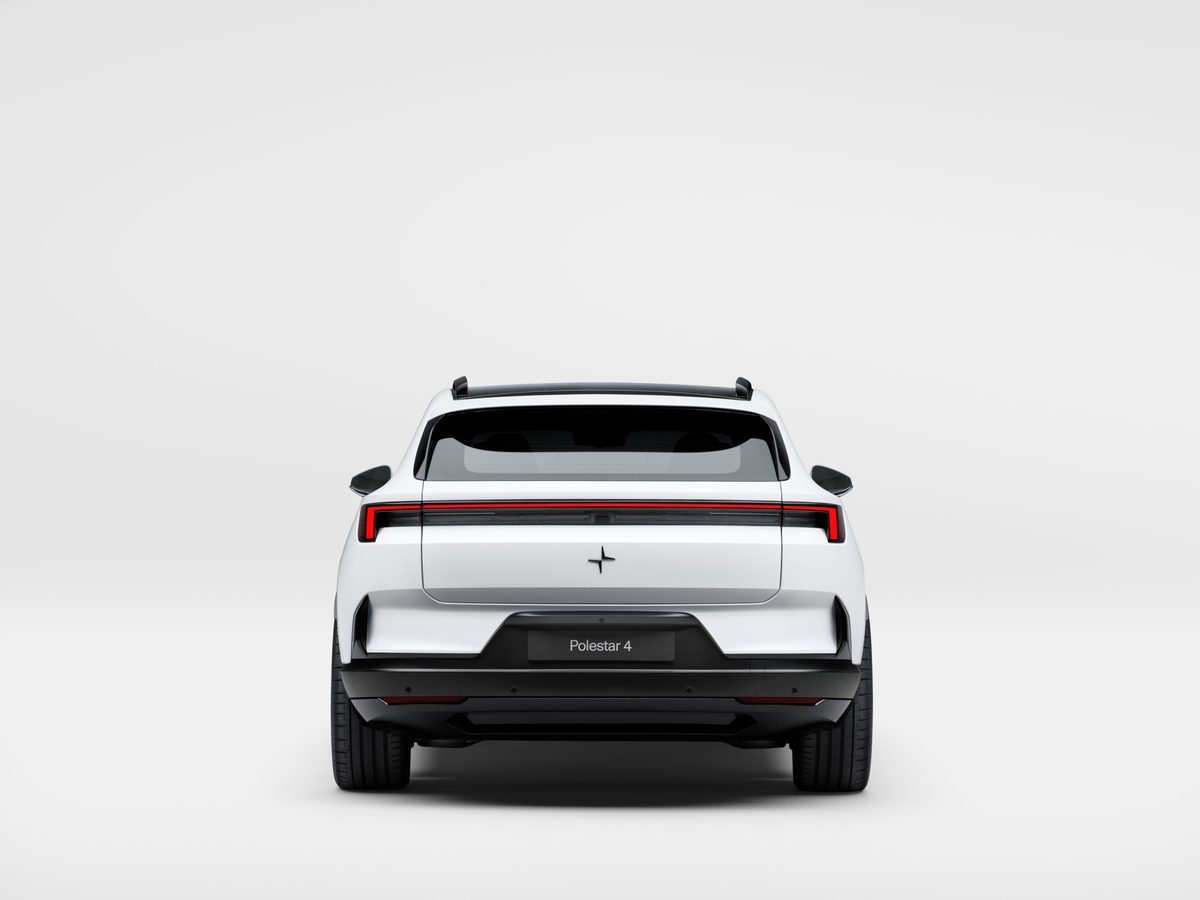
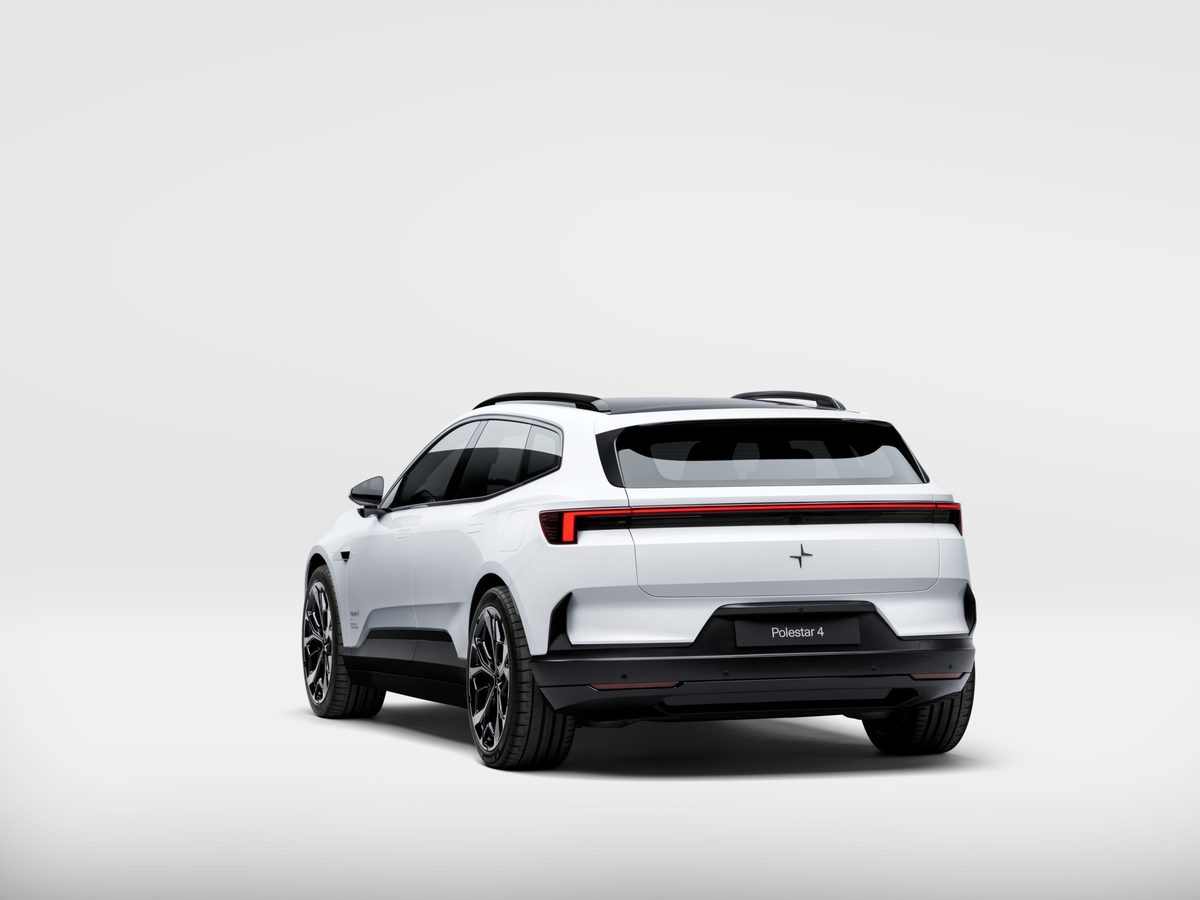
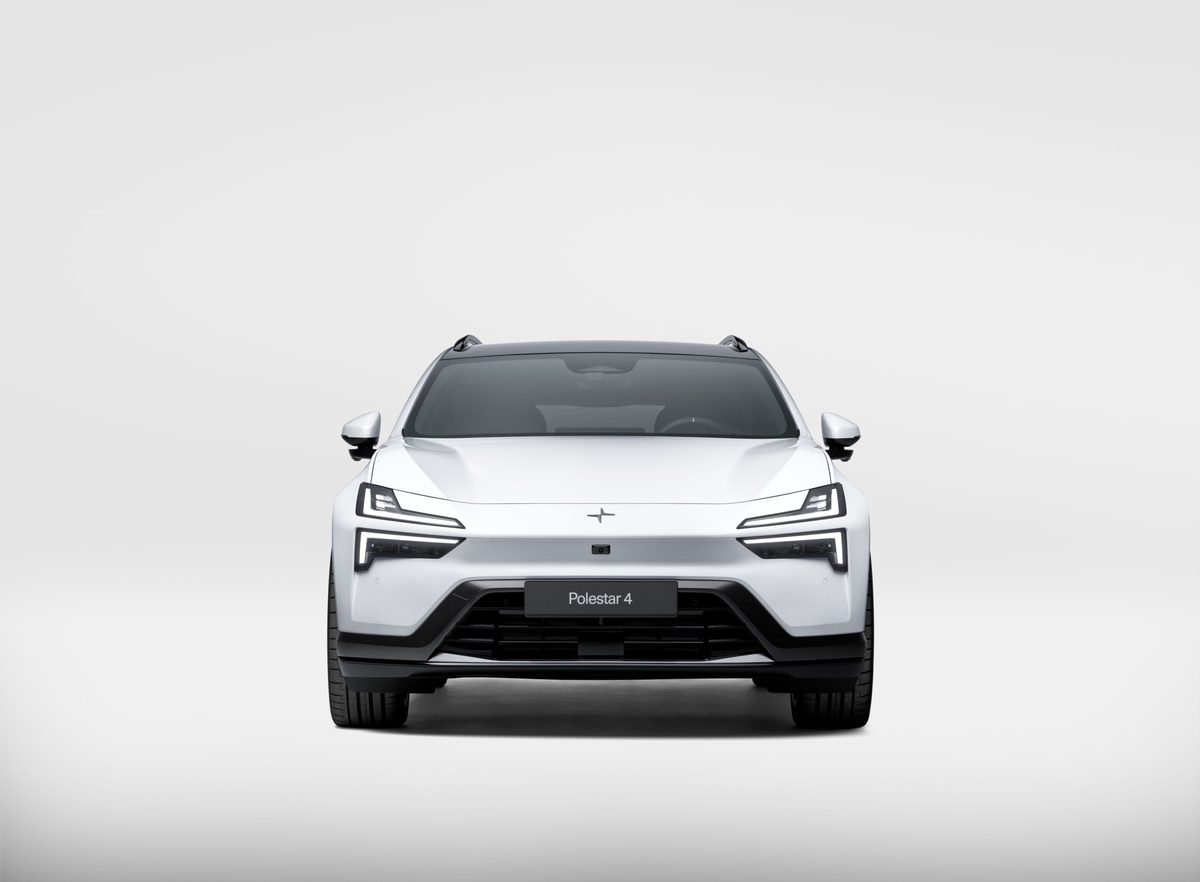
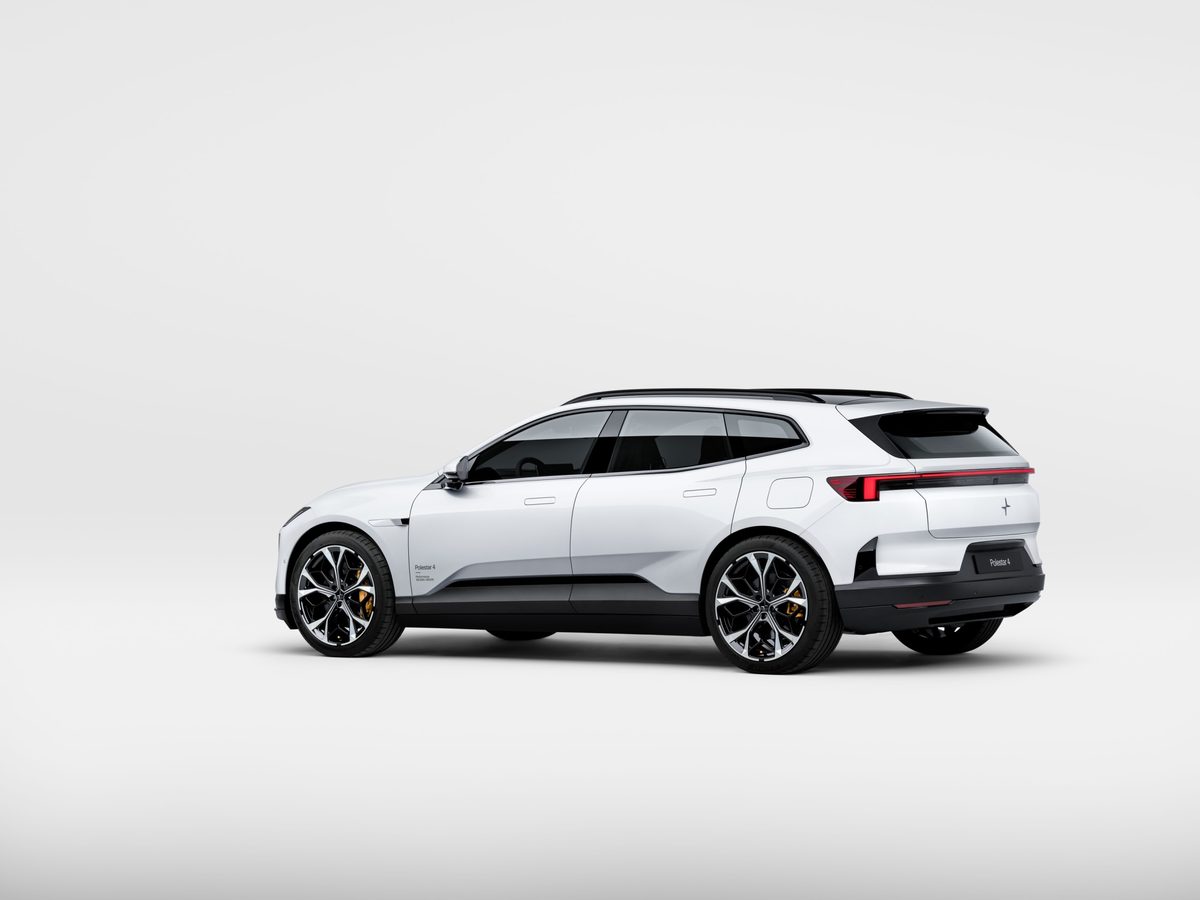
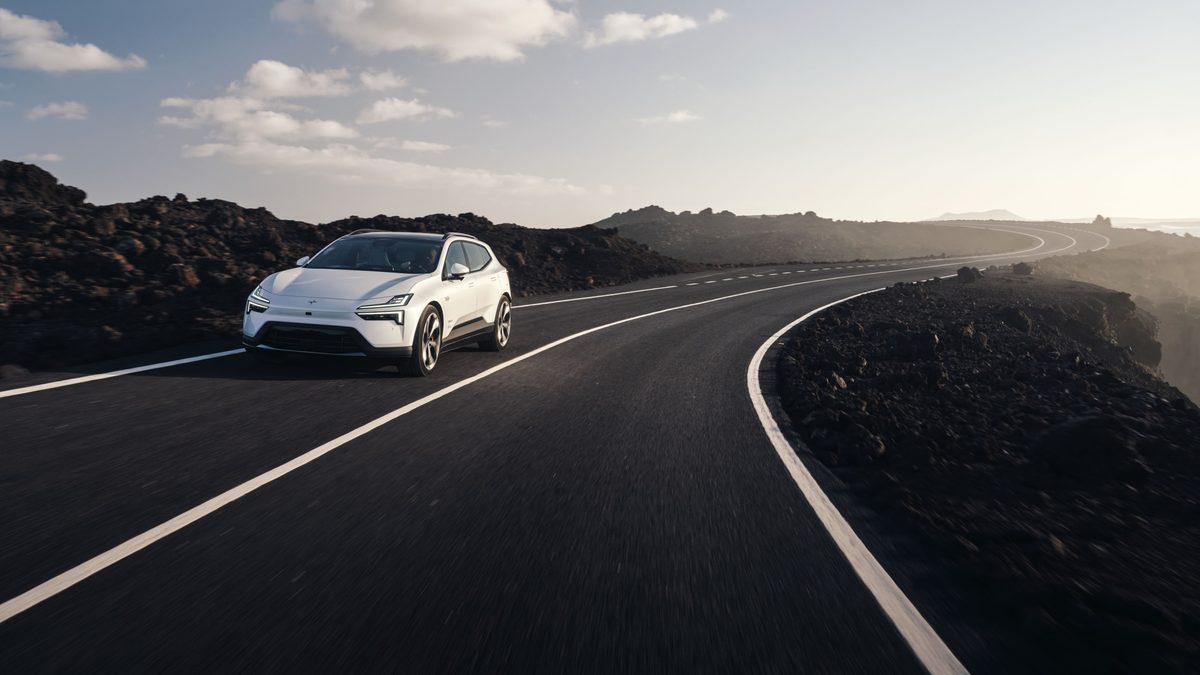
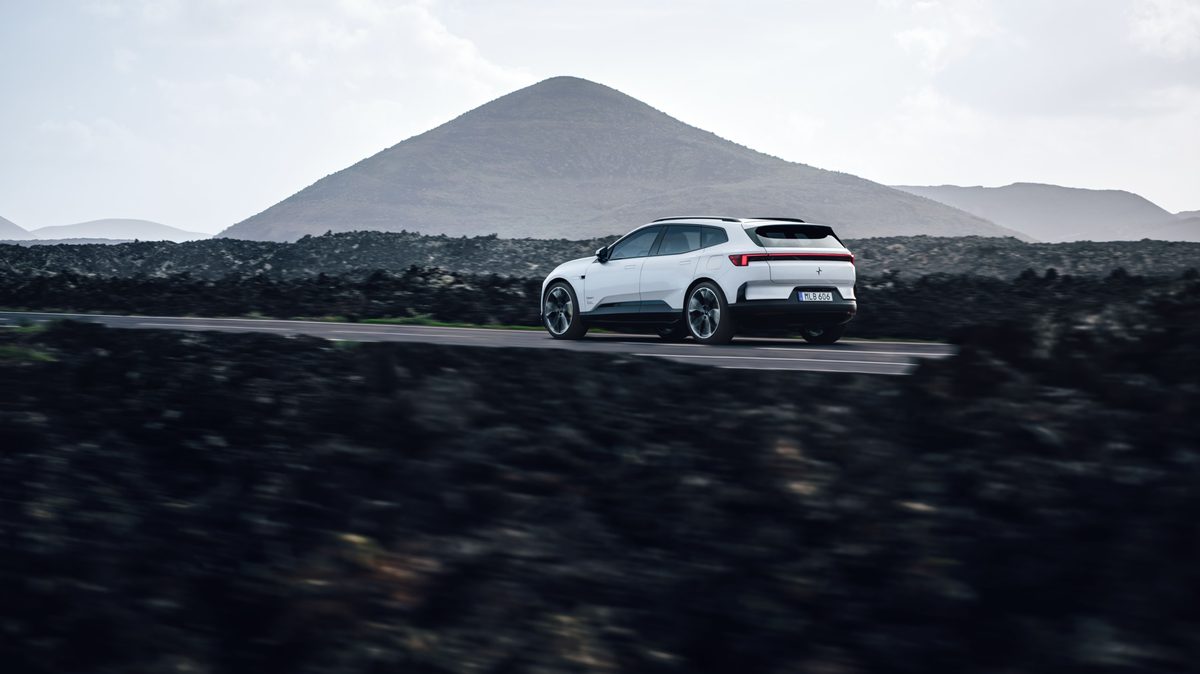
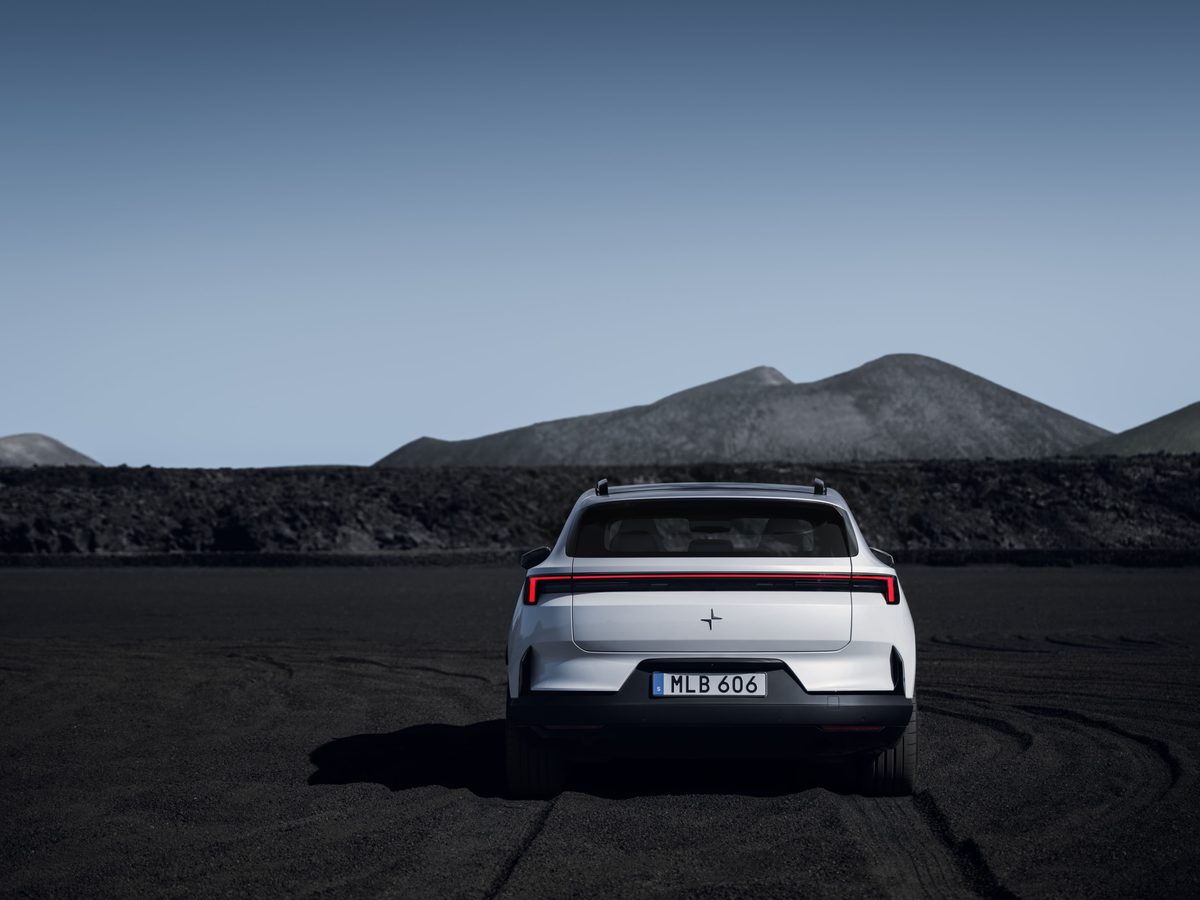
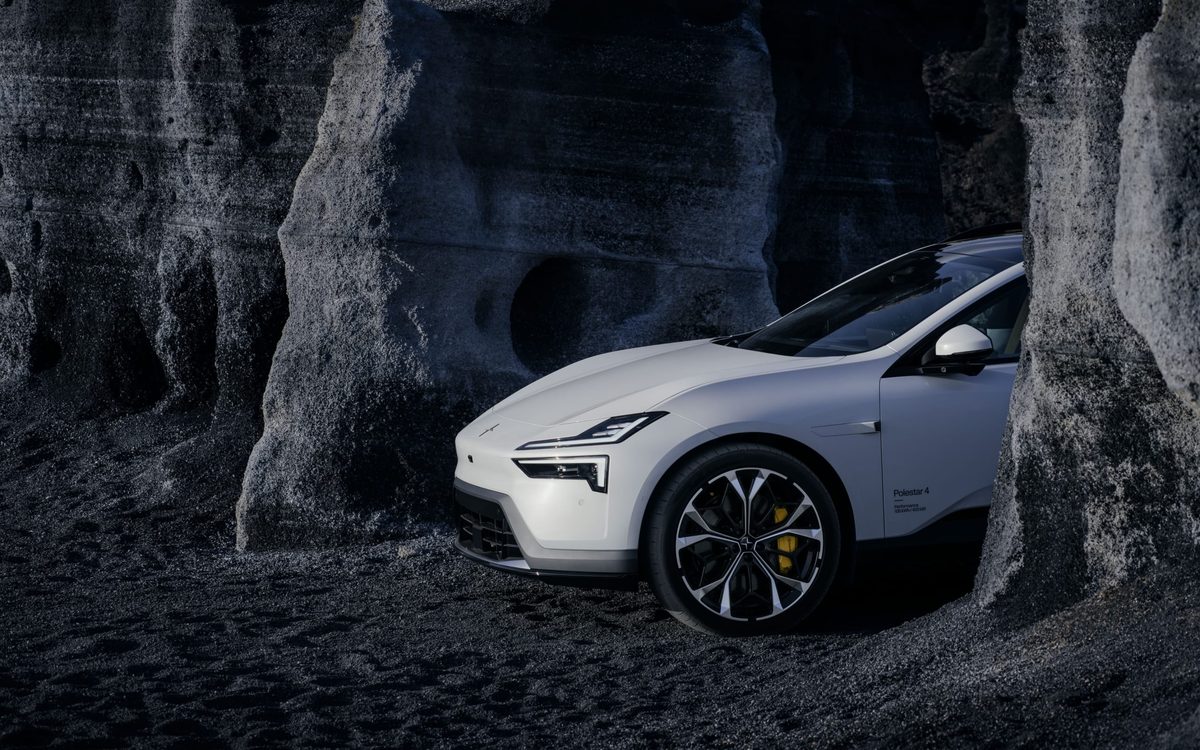
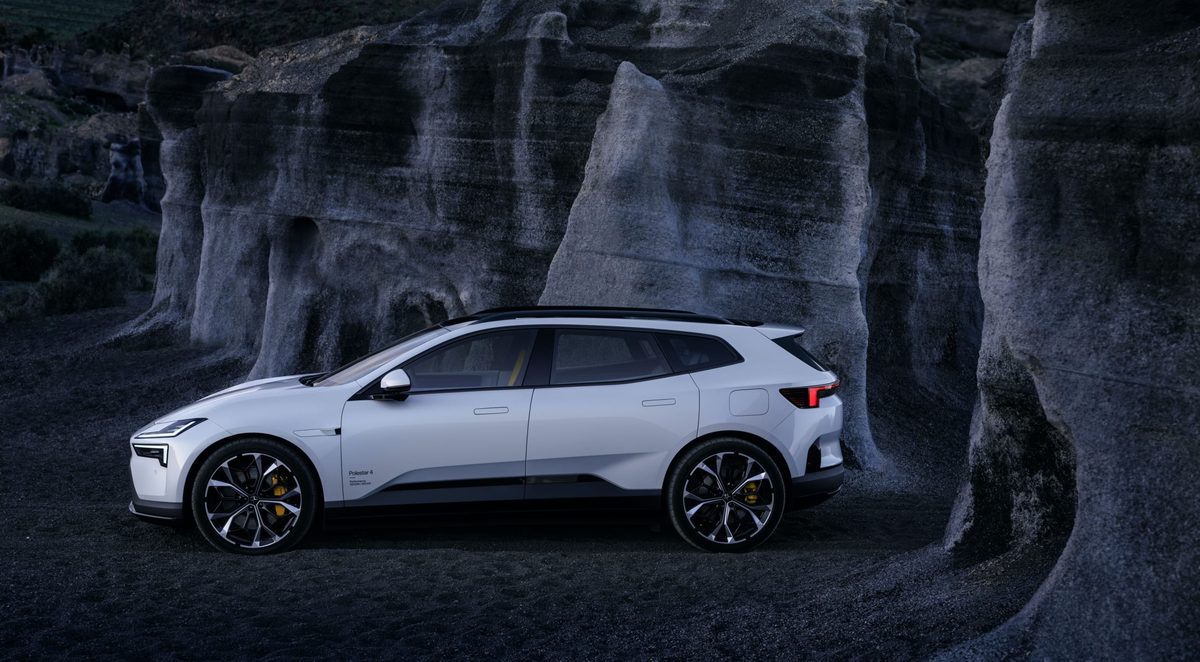
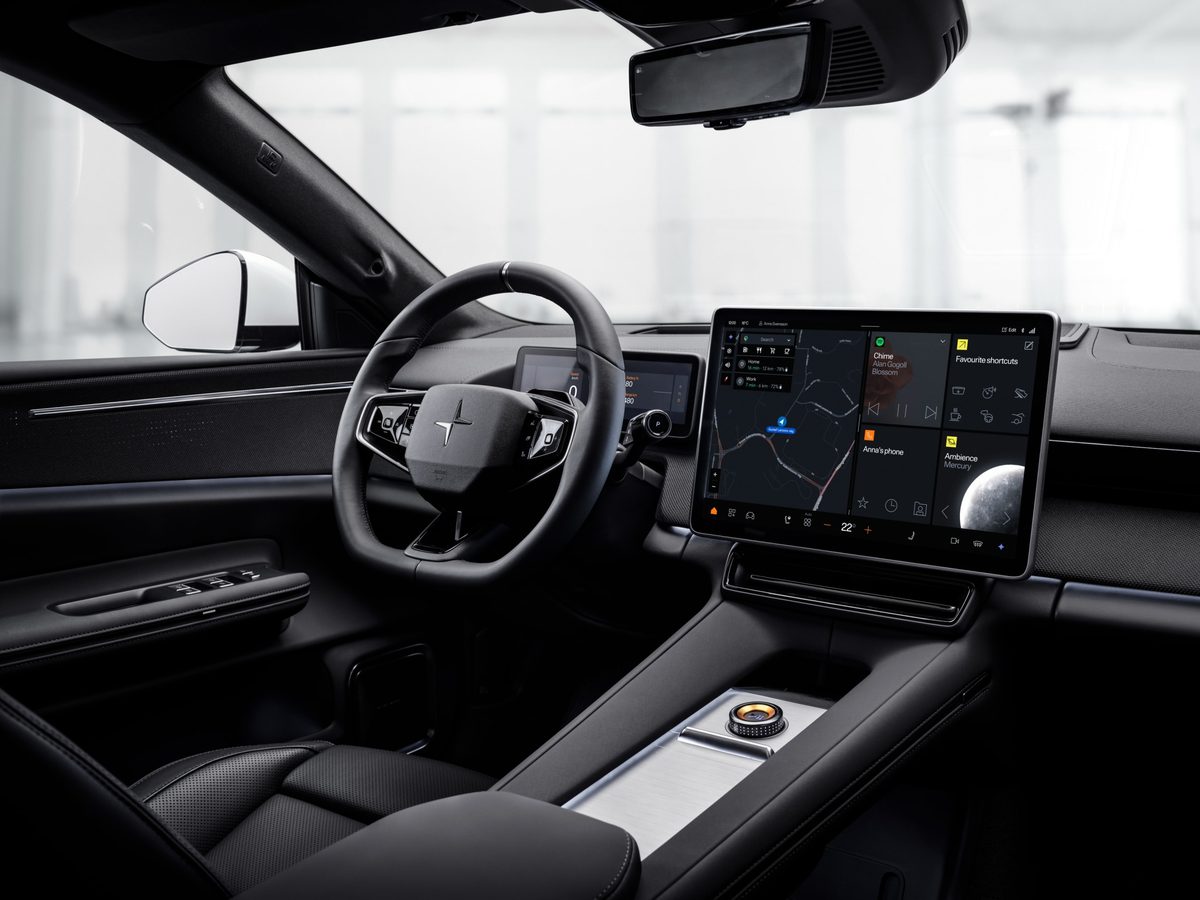
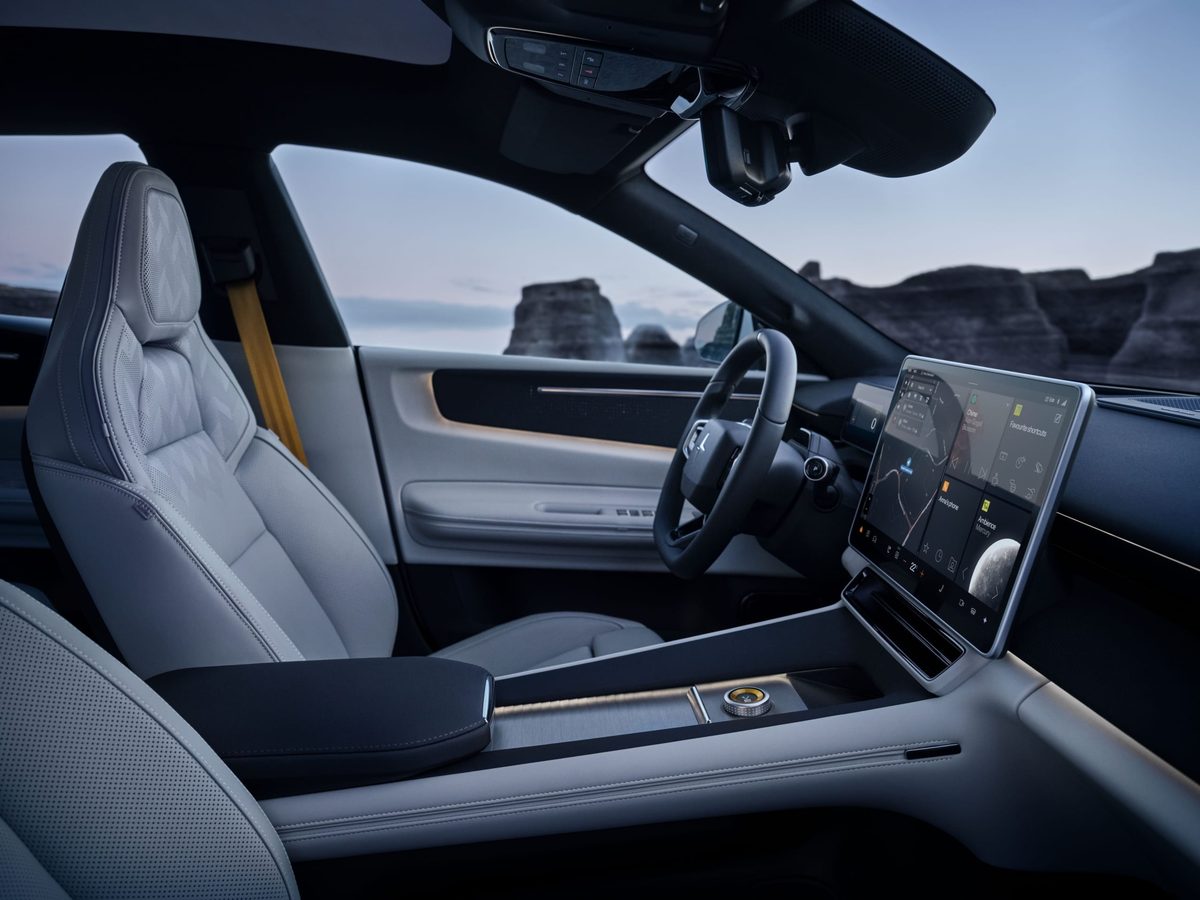
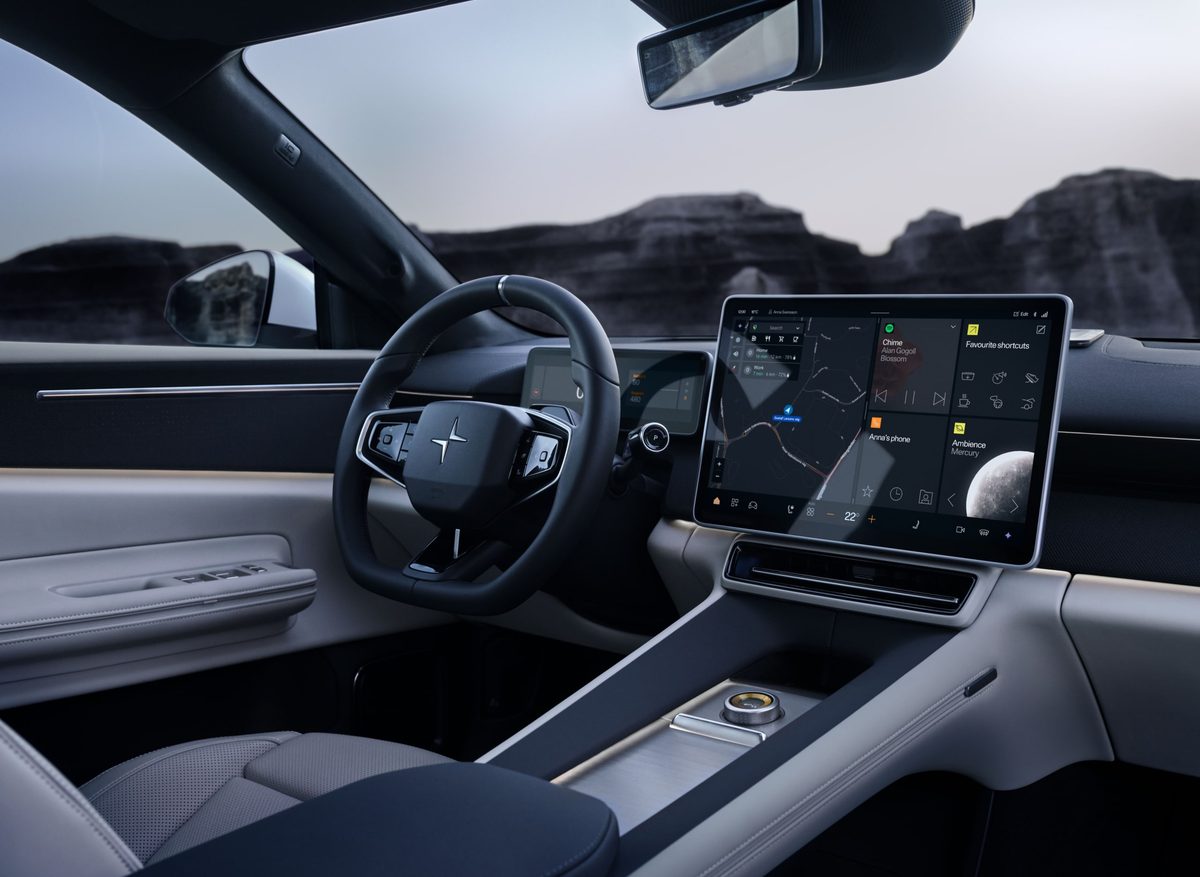
The Polestar 4 SUV is a second body for the Polestar 4, and the change it makes is the one the car has been asked about since 2023: it has a rear window. The coupe deleted the rear glass entirely, filling the opening with a solid panel and feeding a roof-mounted camera to a digital display where the mirror would sit. The SUV restores real glass and a conventional mirror as standard, under a longer, more upright tail.
What changes and what does not
The hardware carries over. Both bodies use the same 100 kWh battery and the same two motor choices: a 200 kW (268 hp) rear motor with 343 Nm, or a 400 kW (536 hp) dual-motor all-wheel drive with 686 Nm. Range is up to 630 km WLTP for the rear motor and up to 600 km for the dual motor, and 0-100 km/h takes 7.3 seconds or 3.9 seconds. DC charging peaks at 200 kW; 22 kW AC charging is offered in selected markets. The platform is the Geely group’s SEA architecture, shared with the coupe.
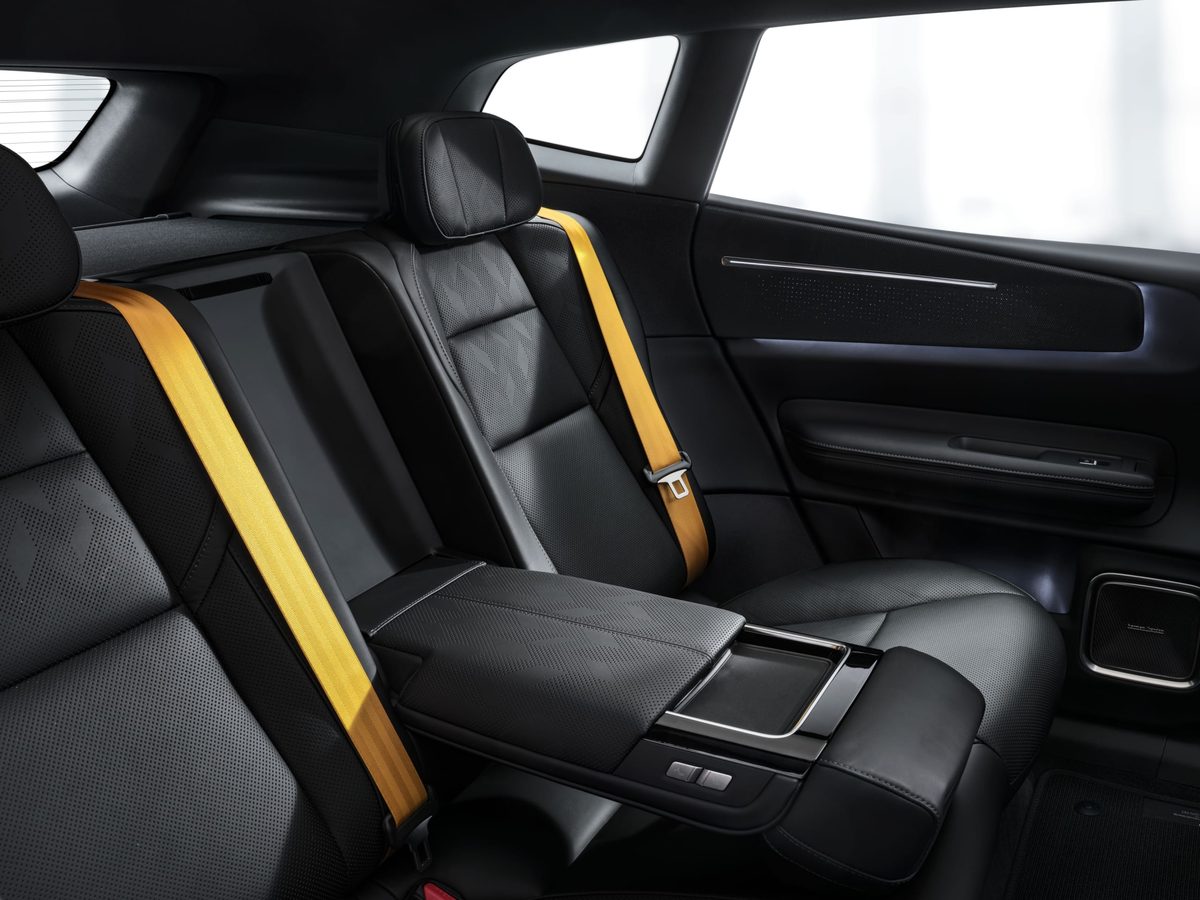
What changes is the back of the car. Boot space is 530 litres measured to the seatbacks and 655 litres measured to the inner roof, rising to 1,665 litres with the rear seats folded, or 1,680 litres of total storage counting the front compartment. Rear headroom is up by 2.5 cm. Full-length roof rails are standard and carry a 100 kg dynamic load, which the coupe cannot do at all.
Pricing
The SUV undercuts the coupe in every market announced so far. German prices start at 57,900 euros for the rear motor and 65,900 euros for the dual motor, with a Performance pack at 76,300 euros. UK prices start at 54,750 pounds, 2,000 pounds below the equivalent saloon. Australian prices are 73,900 dollars for the rear motor and 81,750 dollars for the dual motor before on-road costs, against 78,500 dollars for the coupe.
Production is at Renault Korea’s Busan plant in South Korea, where the coupe is also assembled under contract, with first deliveries scheduled for the fourth quarter of 2026. Polestar has not published exterior dimensions for the SUV body.