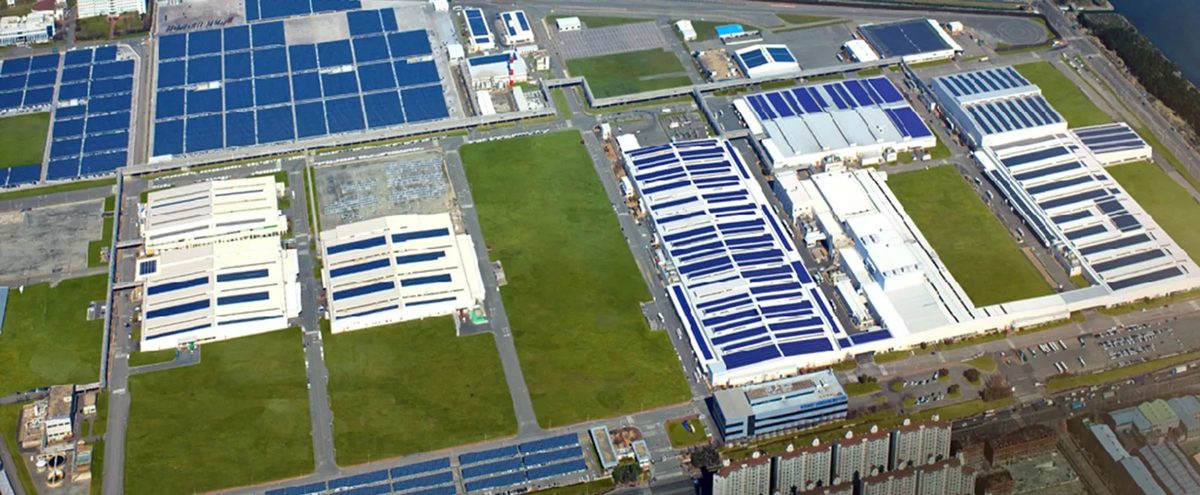
Renault Korea’s Busan plant is the company’s only vehicle factory, and it did not start life as a Renault site. Samsung Motors broke ground in 1995 at the Sinho industrial site in Gangseo-gu, on the western edge of Busan and next to the port, and the first cars came off the line in 1998. Samsung’s move into carmaking lasted barely two years before the Asian financial crisis ended it. Renault bought a 70 percent stake in 2000, ran the business as Renault Samsung Motors for two decades, and renamed it Renault Korea in 2022.
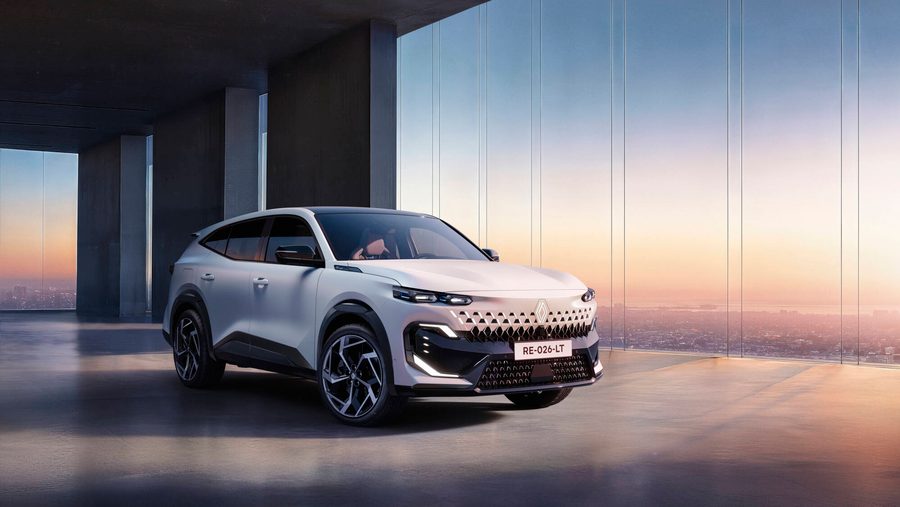
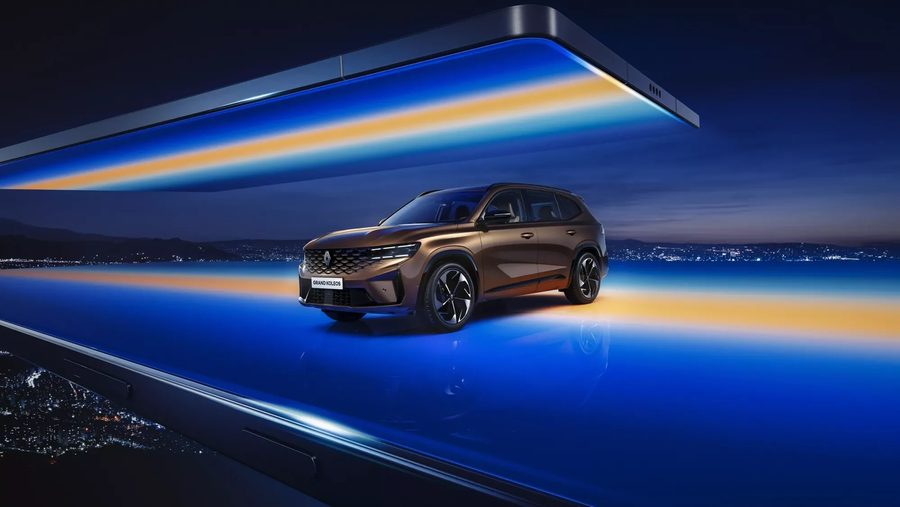
The plant covers 1.65 million square metres and employs around 2,000 people. Its assembly line is mixed rather than model-dedicated, which is the detail that explains most of what happens there: several models in different bodystyles and on different platforms move down the same line, so the plant can take on a new car without rebuilding around it. It currently turns out the Renault Arkana, Grand Koleos, Scenic E-Tech and Filante.
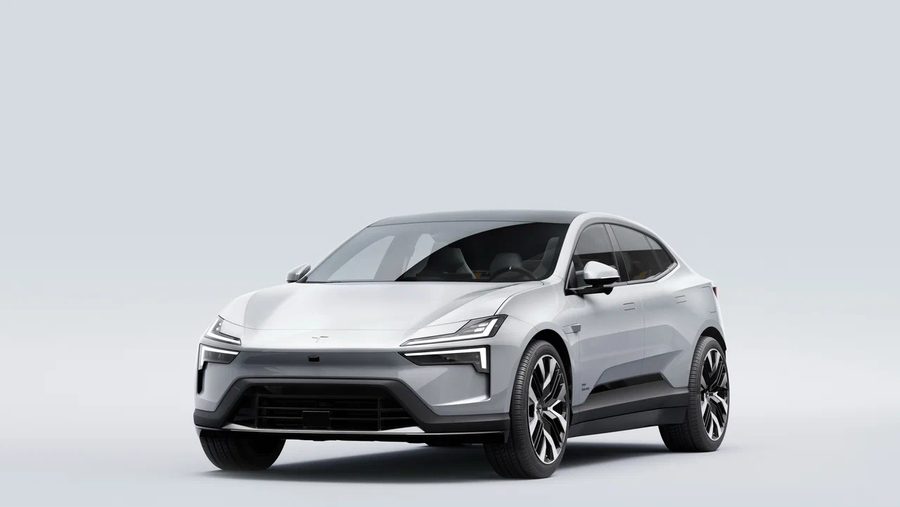
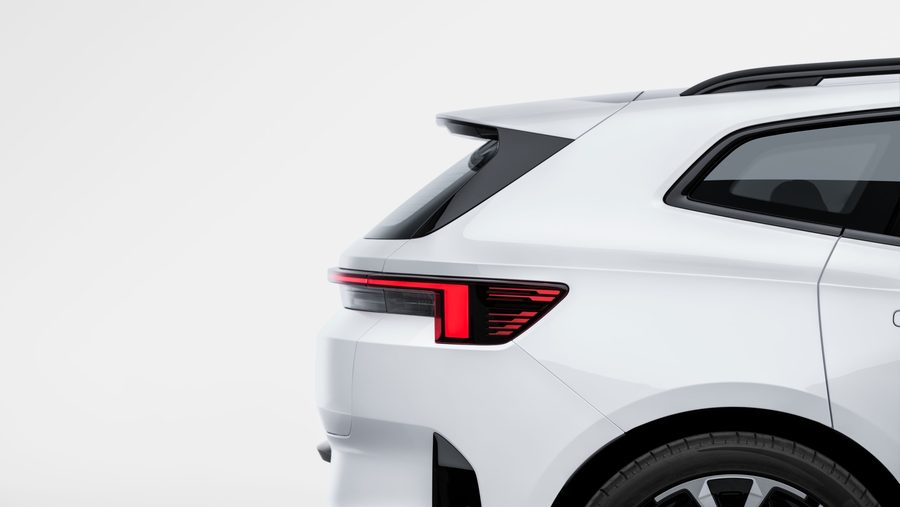
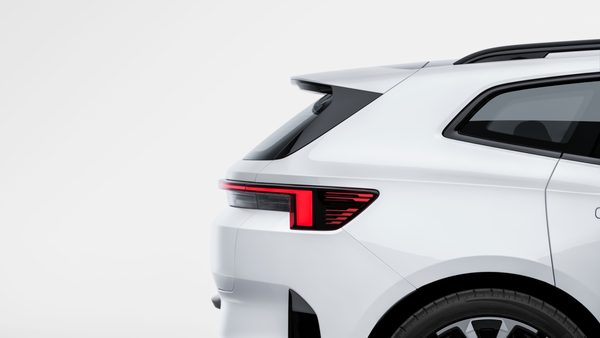
Since the second half of 2025 it has also assembled the Polestar 4 under contract, the first battery-electric car built at the site. The arrangement is less unlikely than it looks. Renault Korea’s shareholders are Renault with 52.9 percent, Geely Automobile Holdings with 34 percent and Samsung Card with 13.1 percent, and Geely also controls Polestar, so Busan was already inside the group’s network. Building the car in South Korea rather than at Hangzhou Bay in China also mattered commercially: it kept the Polestar 4 clear of the tariffs applied to Chinese-built cars in the United States, though from the 2027 model year Polestar is barred from US sales anyway under the Connected Vehicles Rule, which targets Chinese-linked connected-car hardware and software regardless of where the car is assembled.