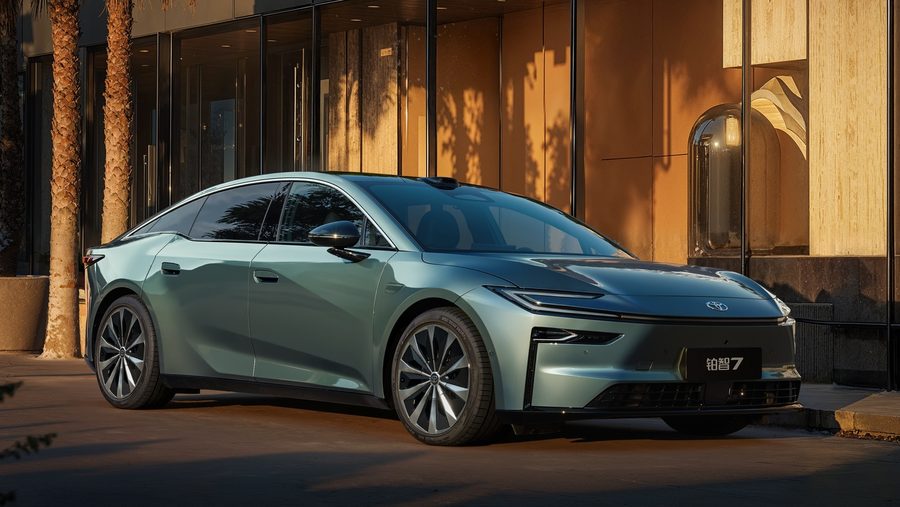
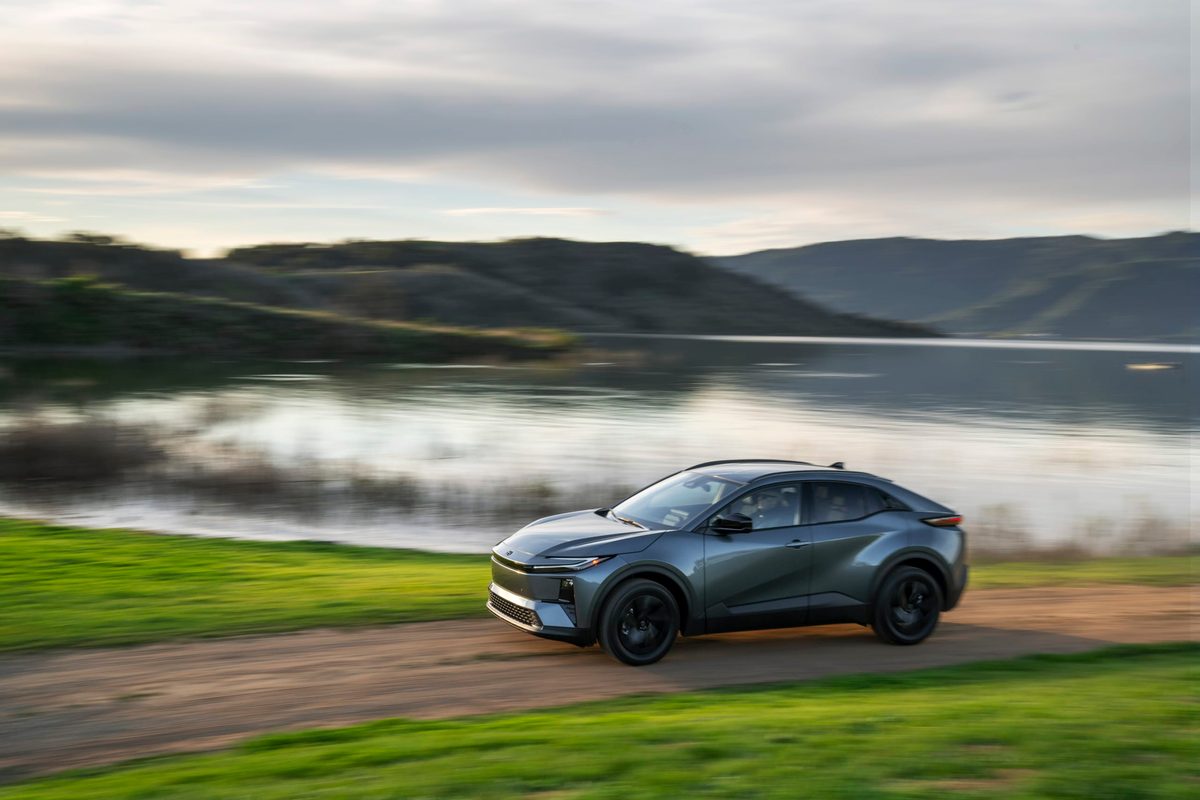
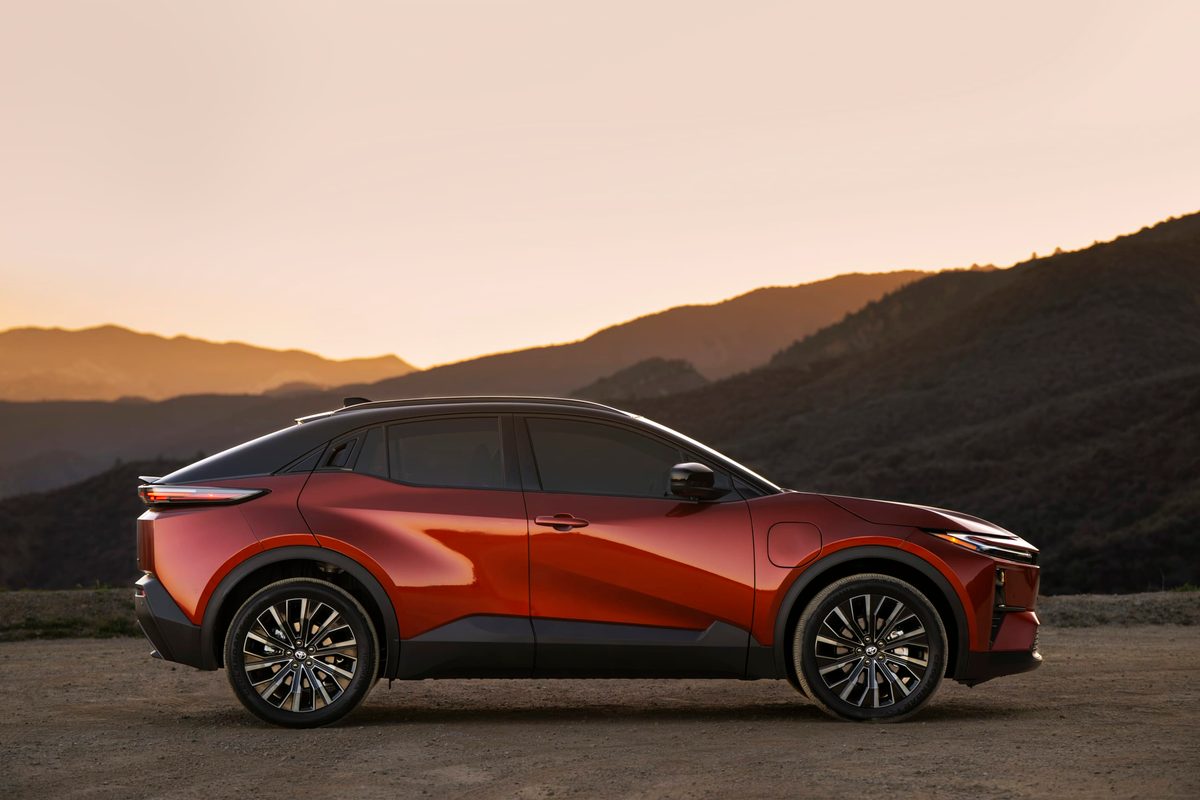
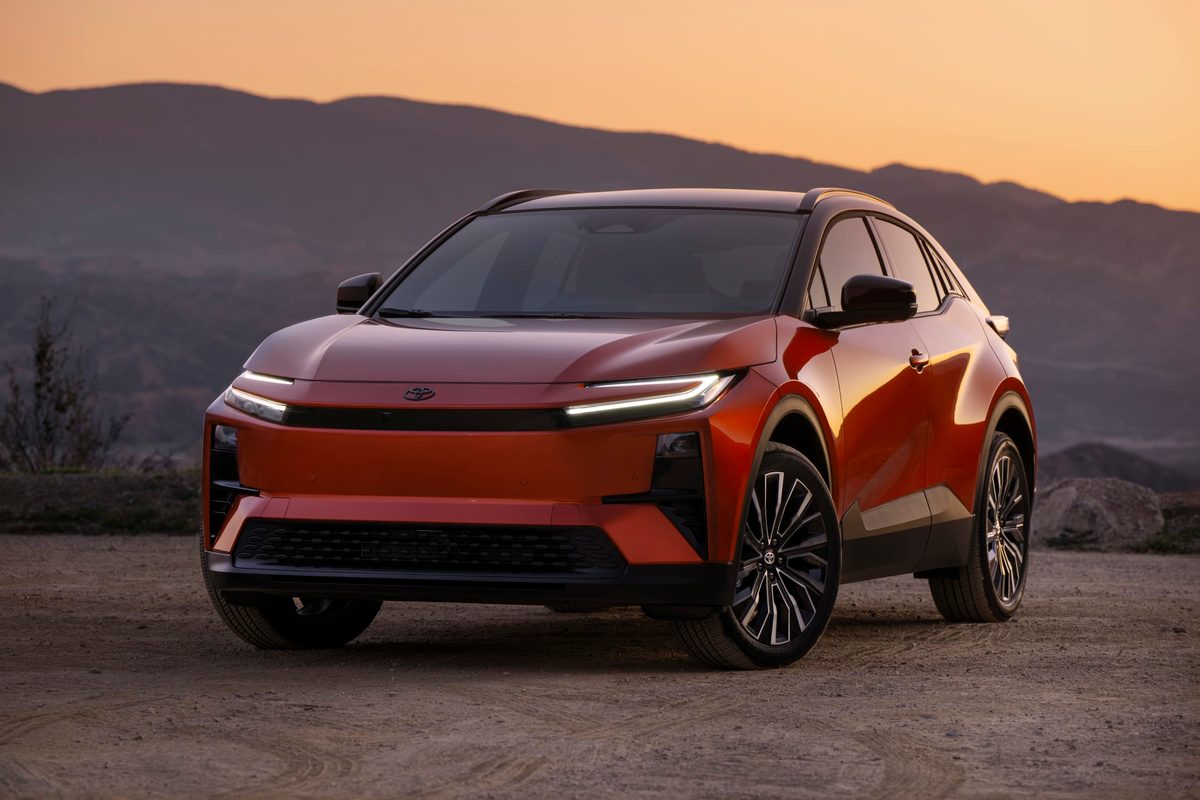
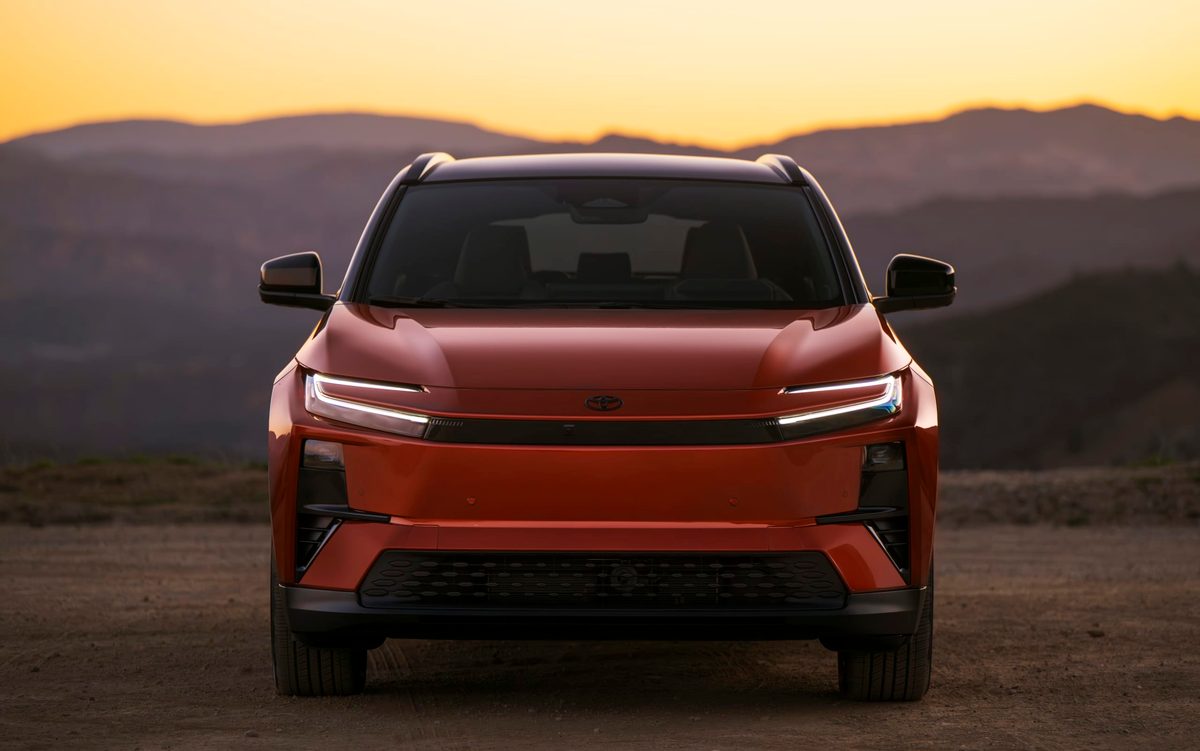
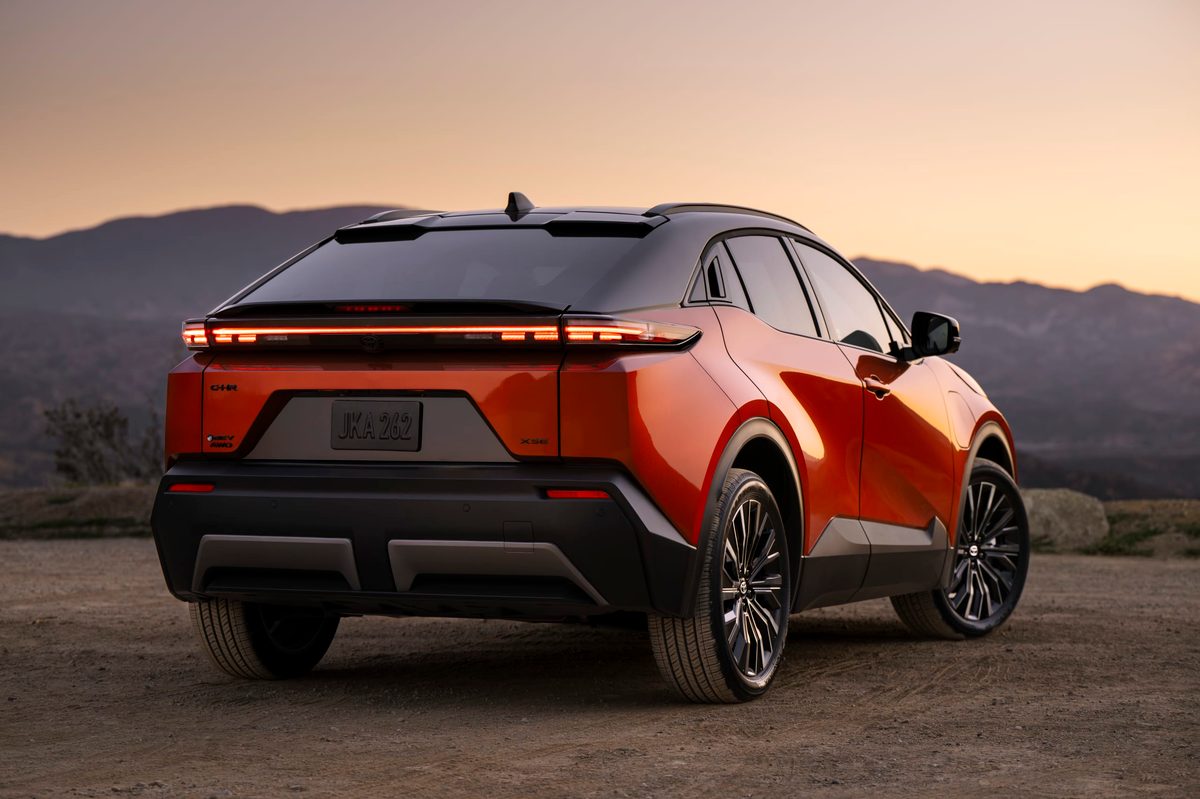
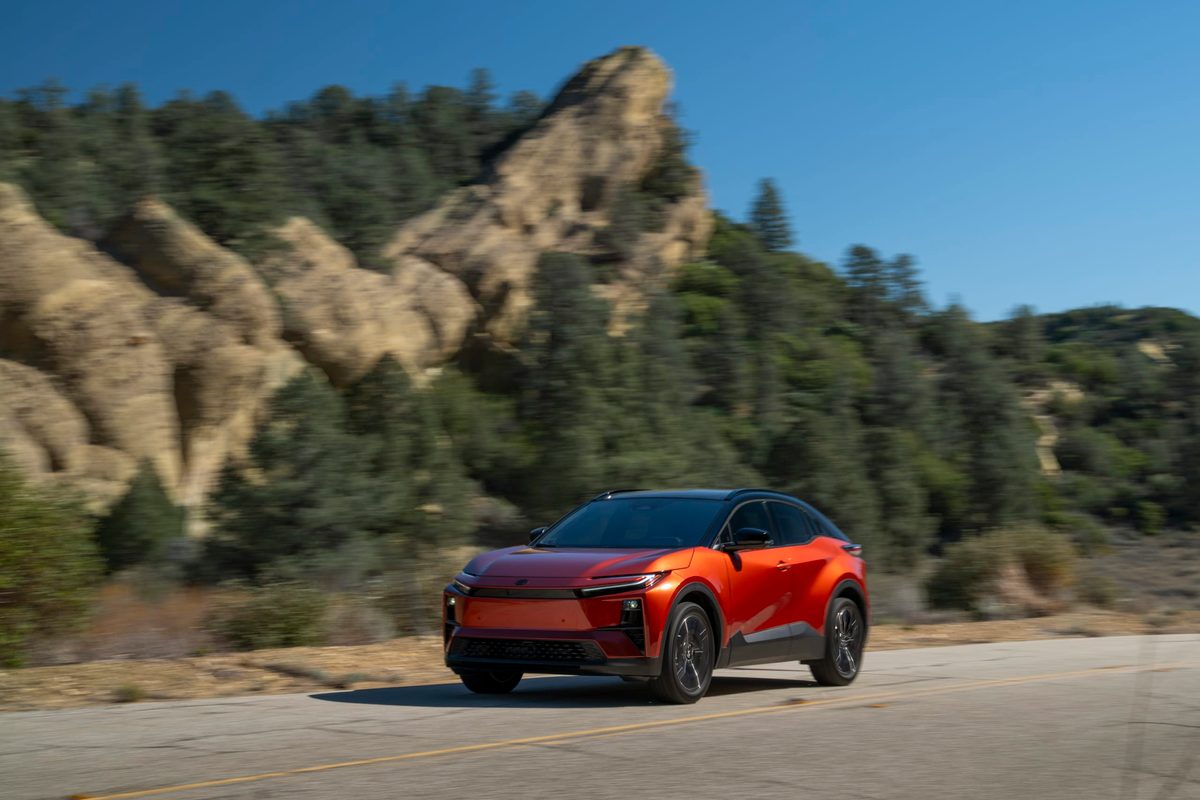
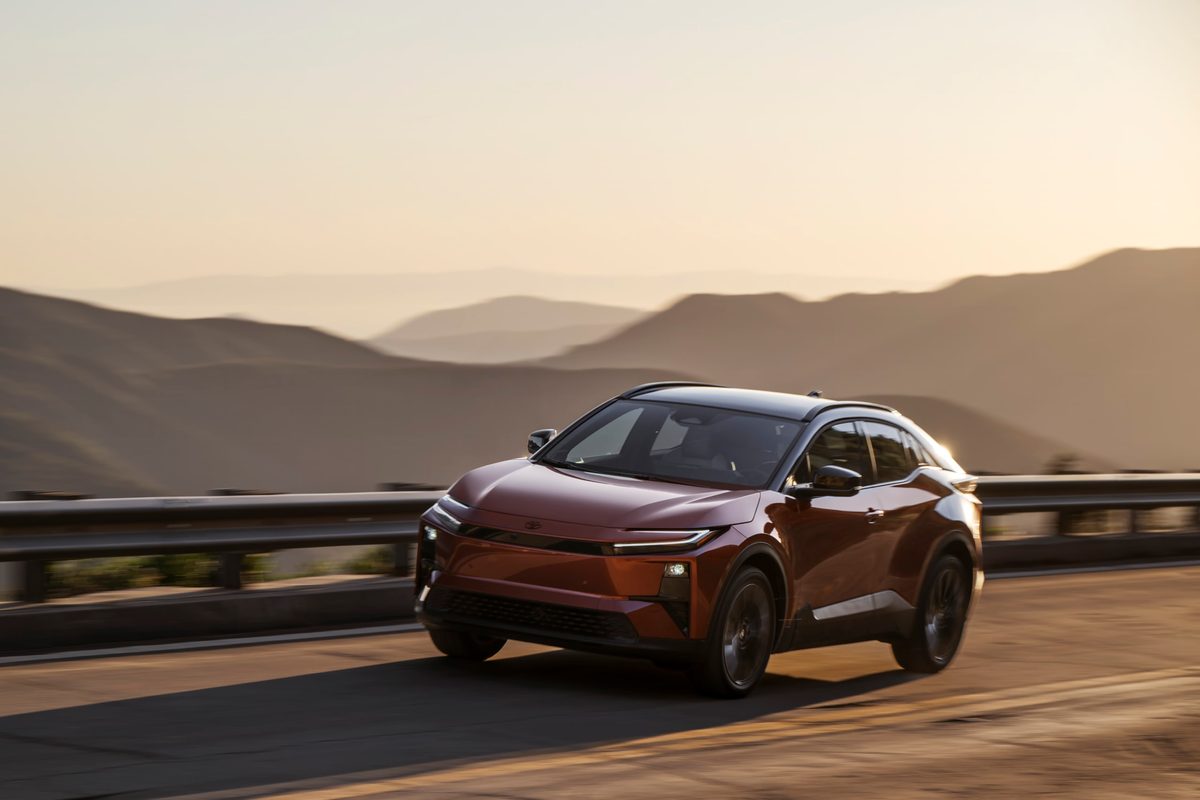
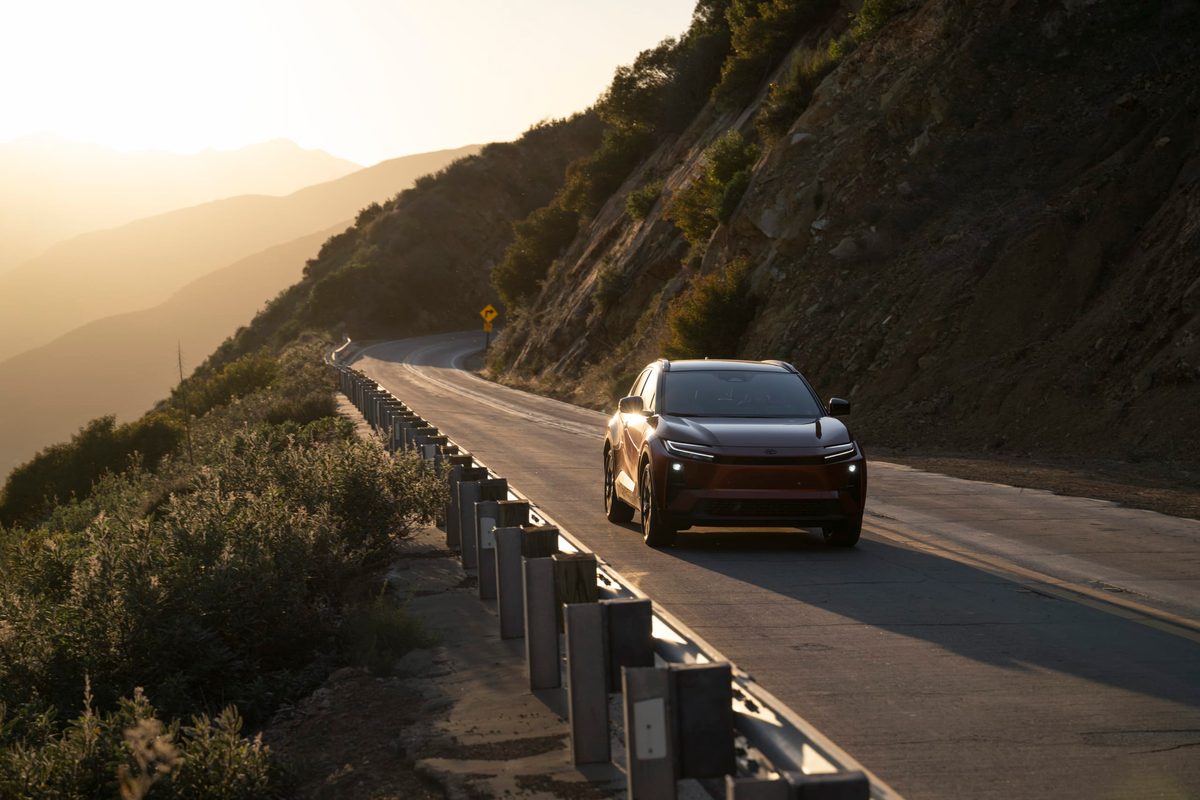
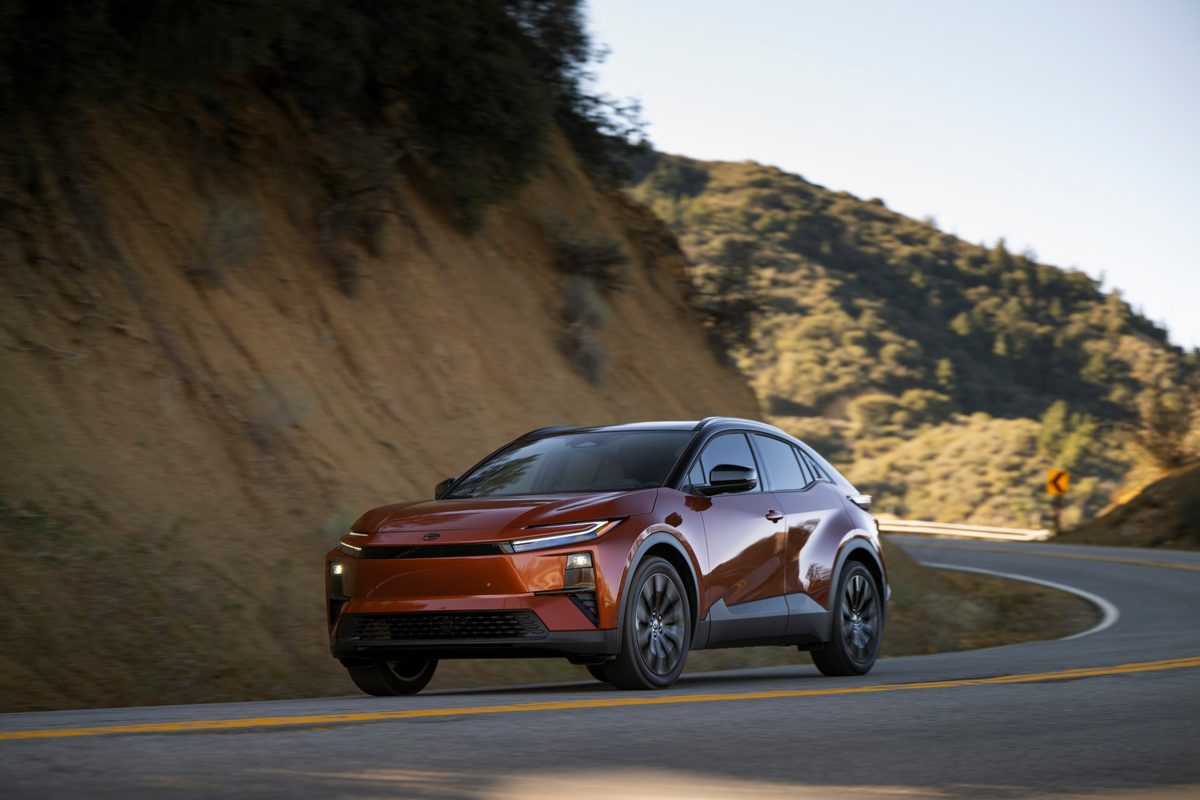
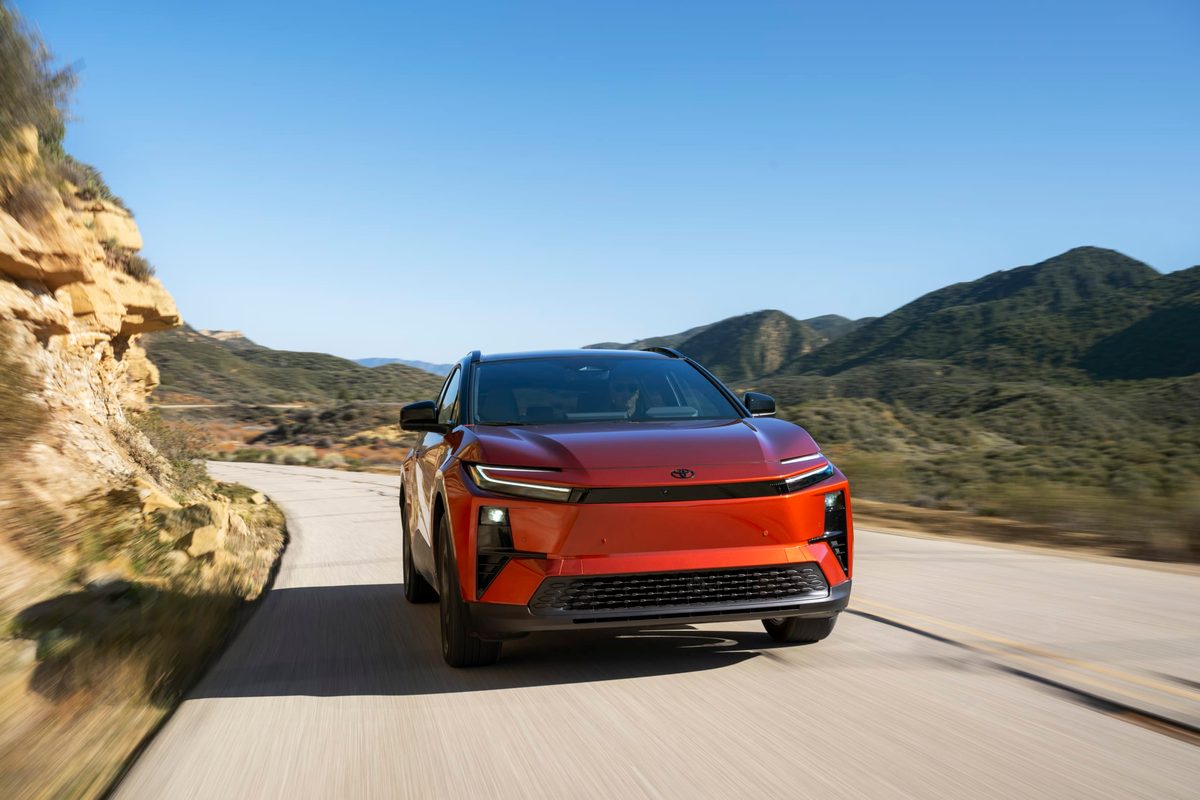
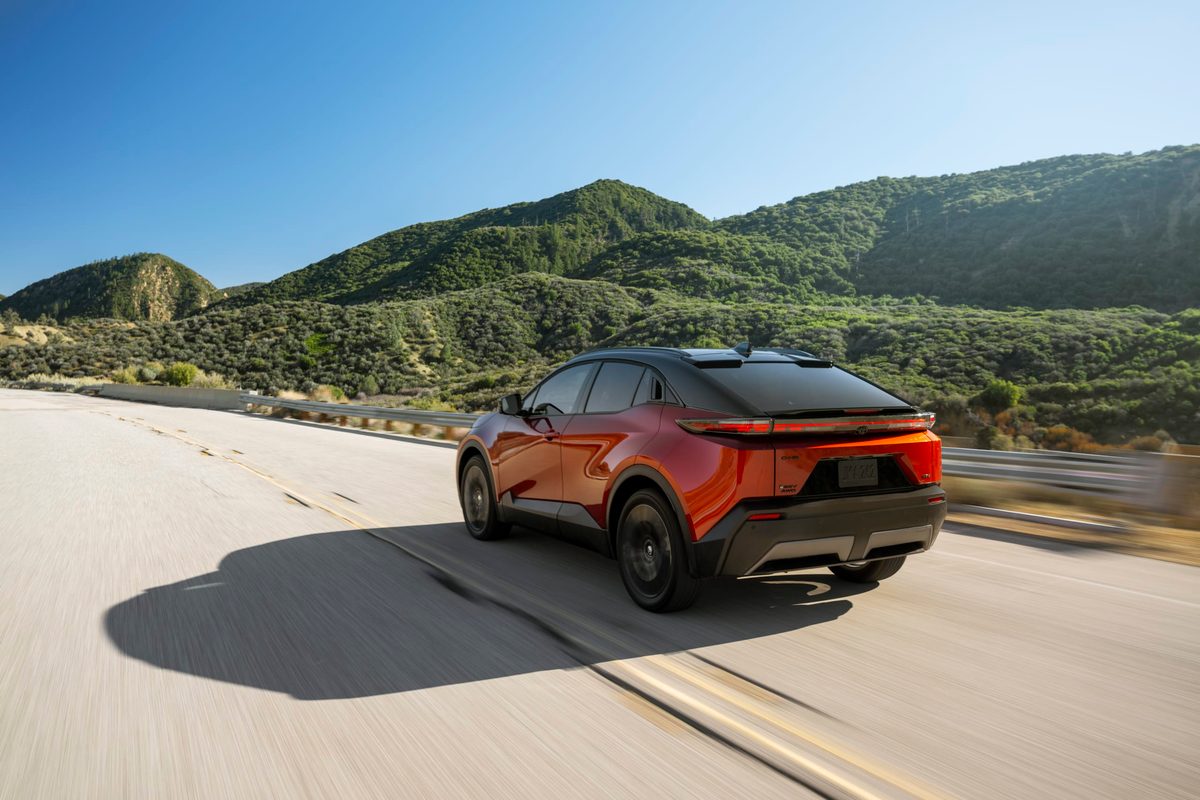


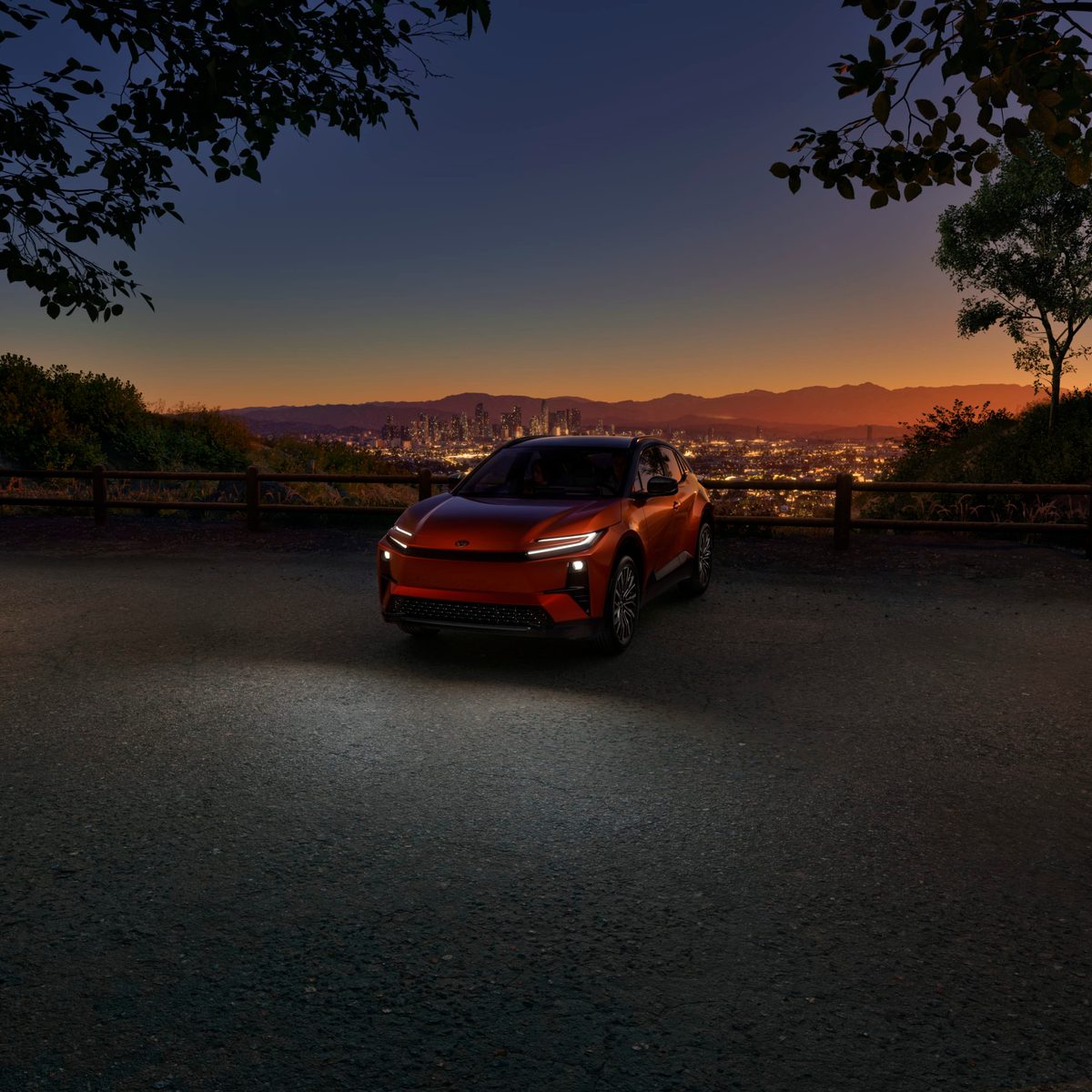
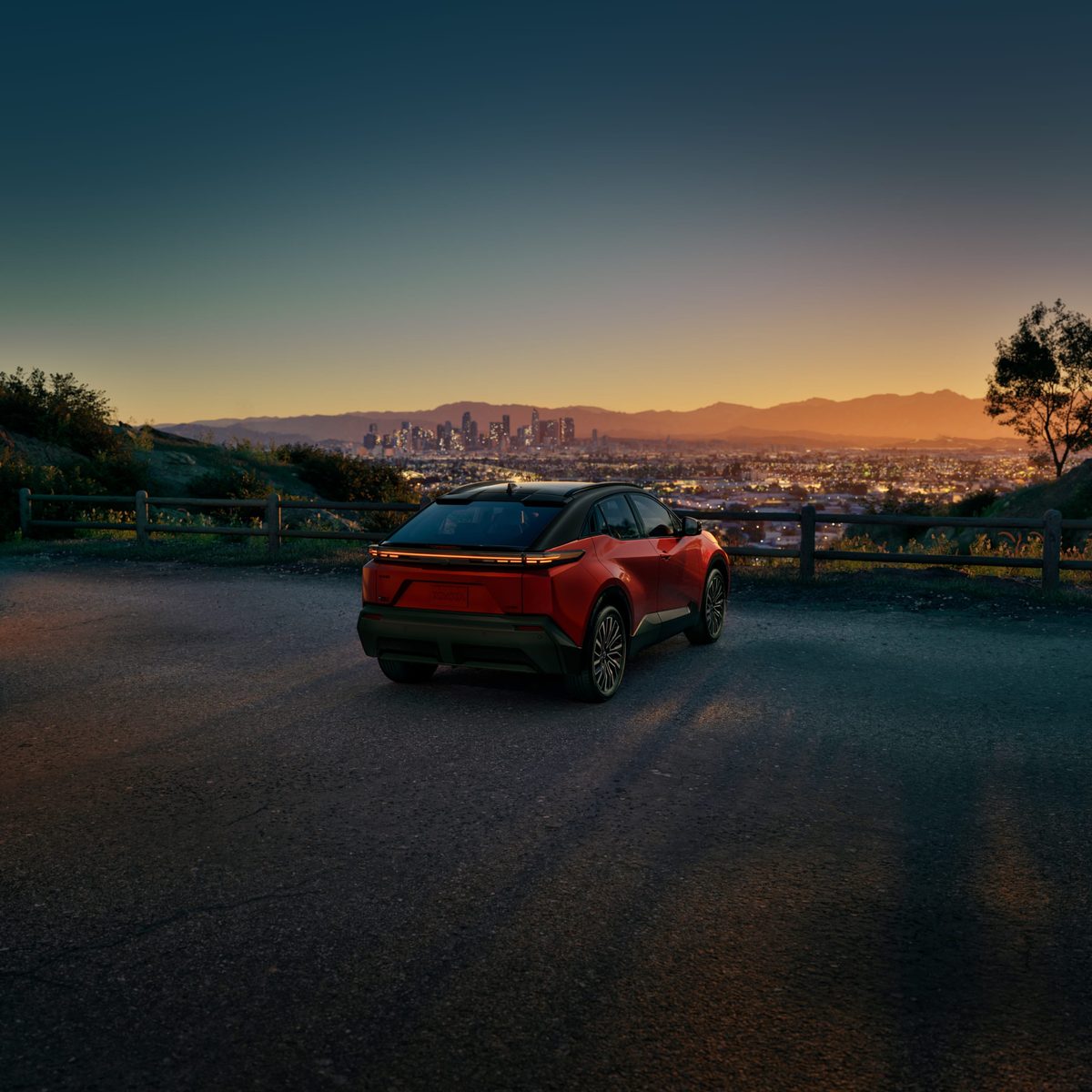
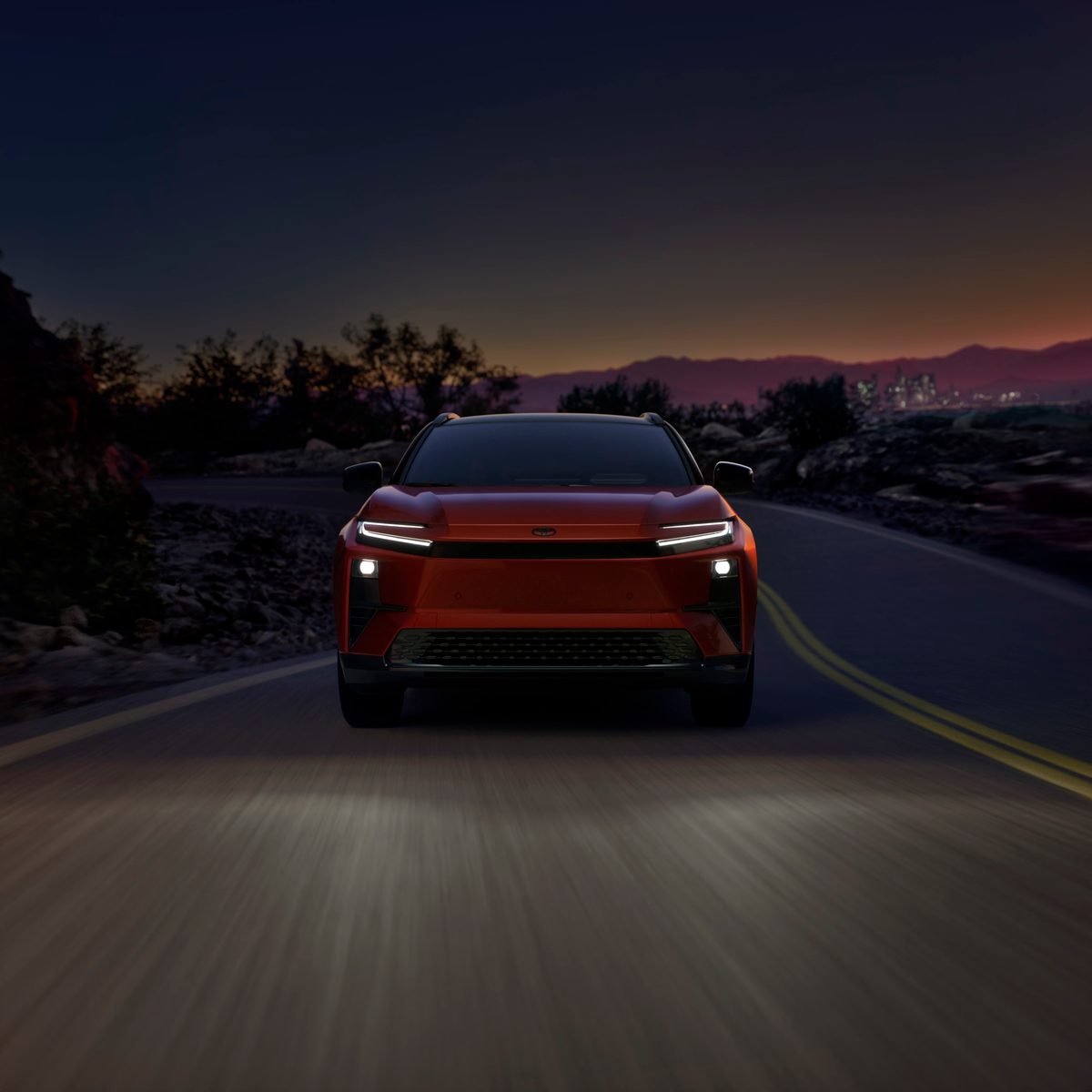
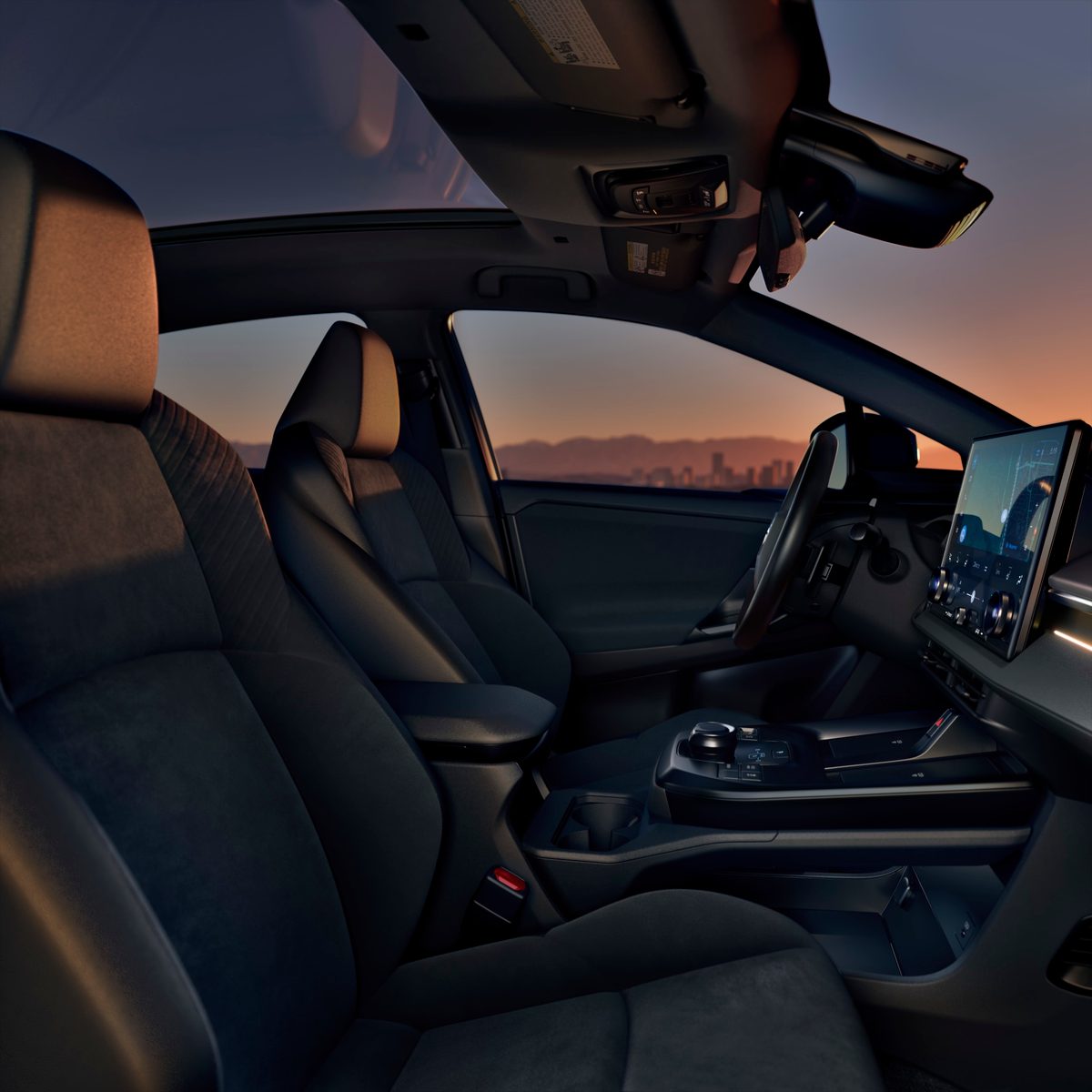
The C-HR name goes electric in North America for 2027. Where Europe gets the same car as the C-HR+, offered with two batteries and a choice of front- or all-wheel drive, the United States gets a single specification: dual motors, all-wheel drive, 338 hp and a 74.7 kWh battery. Sales start in September 2026 at $37,080 for the SE and $39,080 for the XSE, before destination.
The two motors make 198 lb-ft at the front axle and 125 lb-ft at the rear, and the car reaches 60 mph in about 4.9 seconds. EPA range is 287 miles (462 km) on the SE’s 18-inch wheels and 273 miles (439 km) on the XSE’s 20-inch set, the only meaningful difference between the two cars. The charge port is NACS, which means Tesla Supercharger access without an adapter; DC fast charging takes 10 to 80 percent in around 30 minutes, and the 11 kW onboard charger needs about seven hours for 10 to 100 percent on AC.
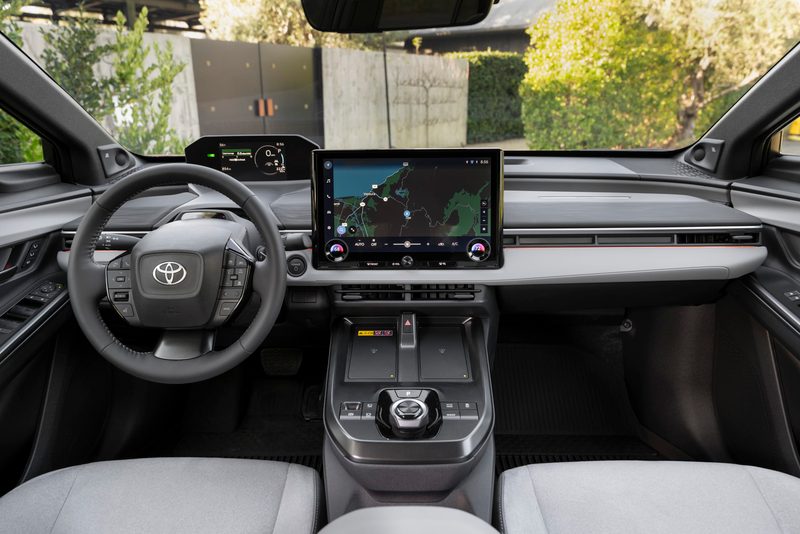
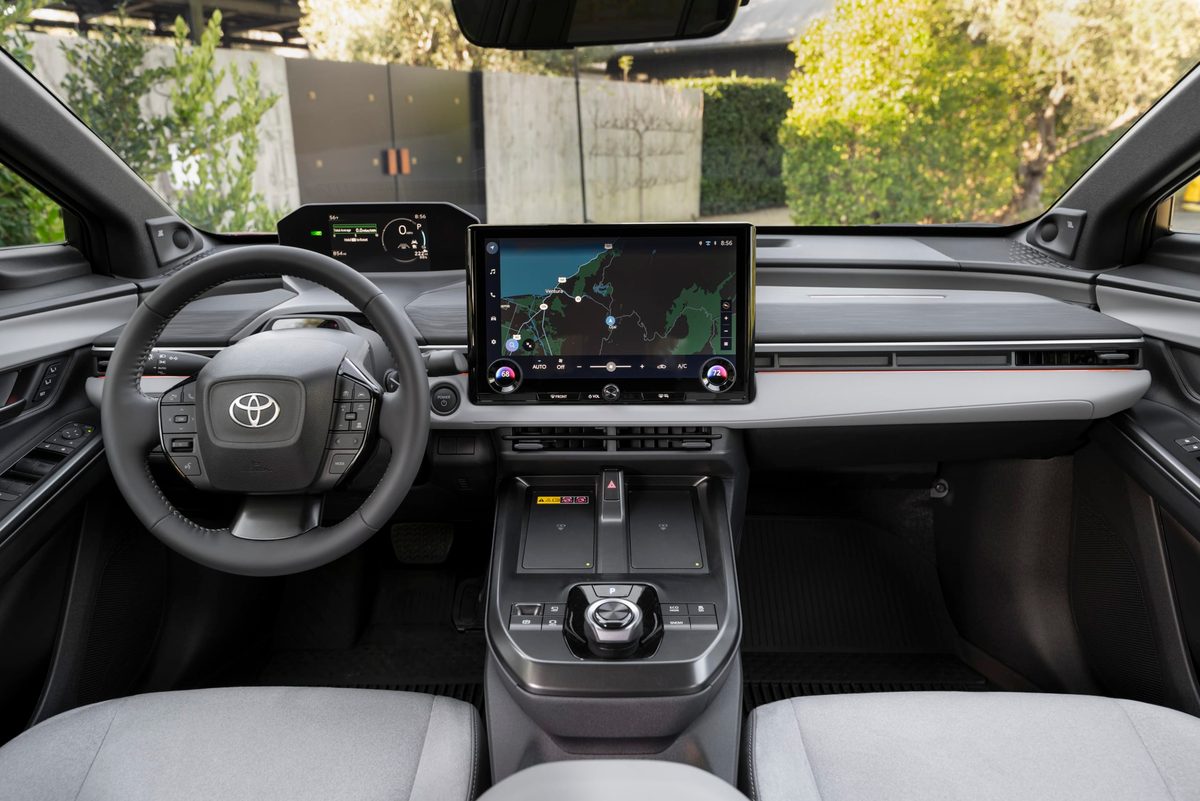
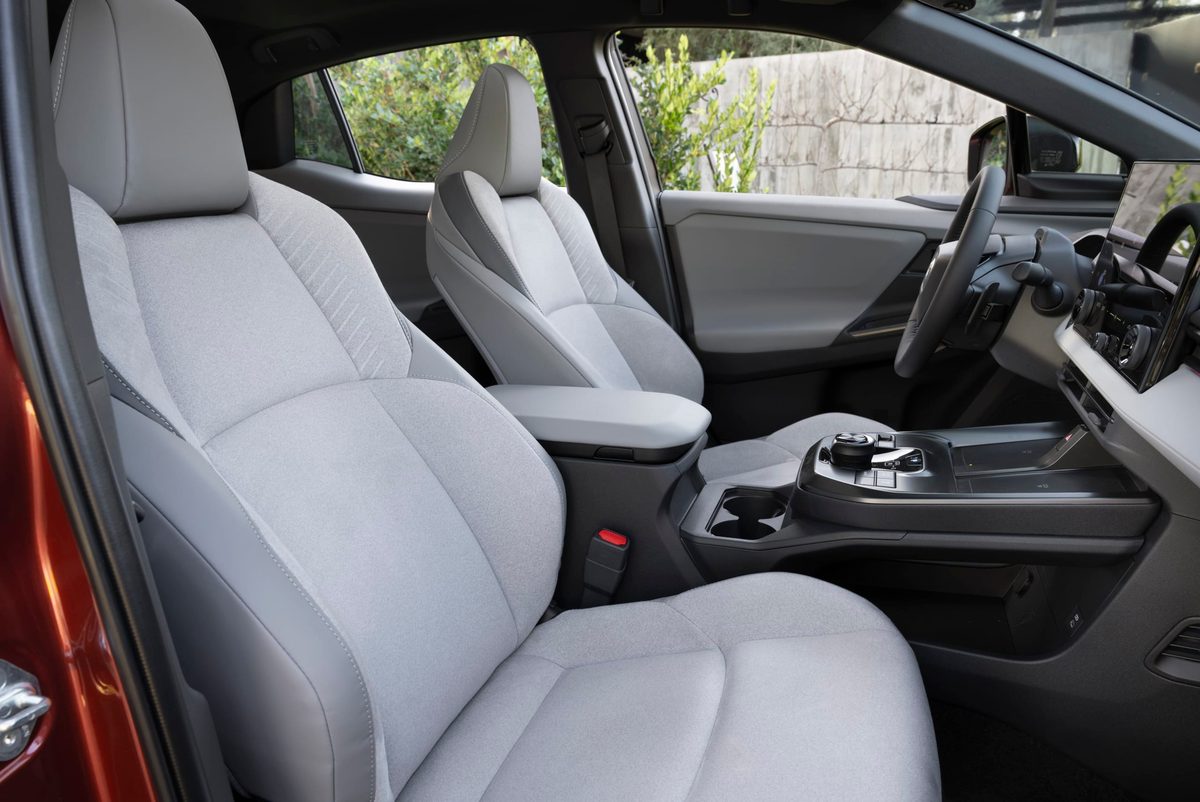
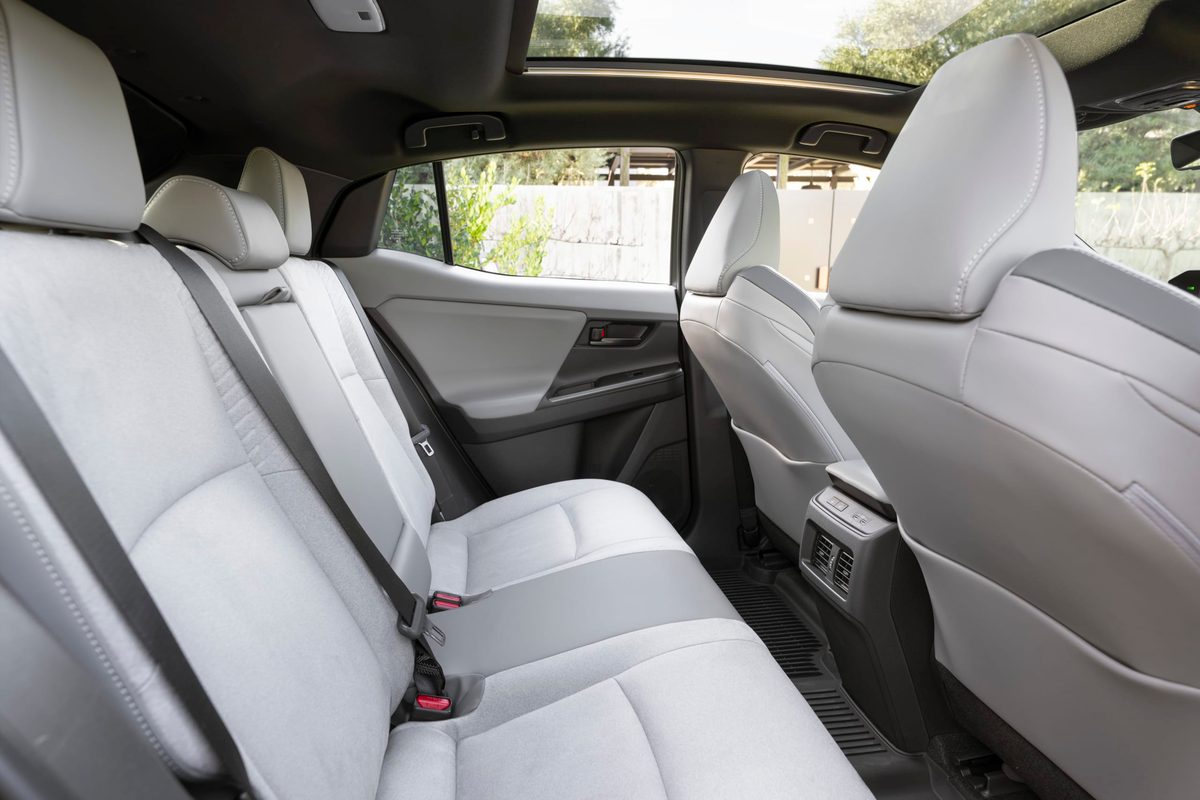
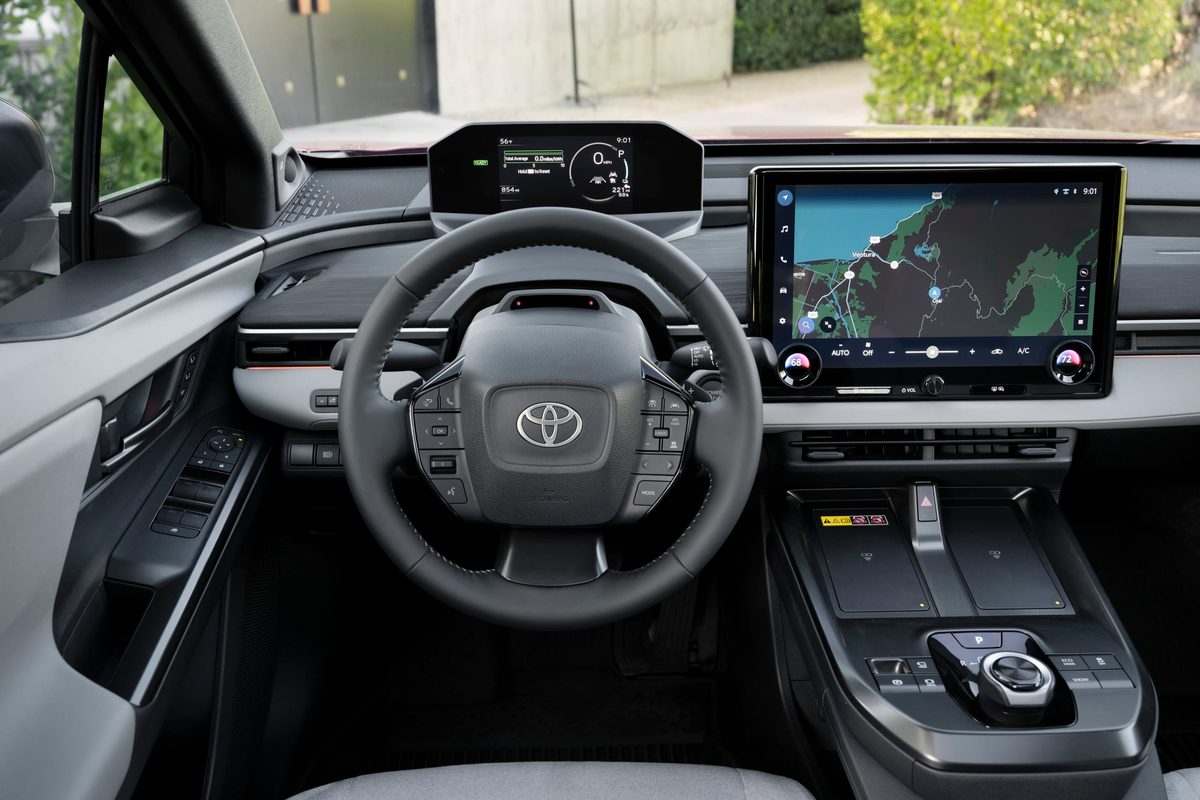
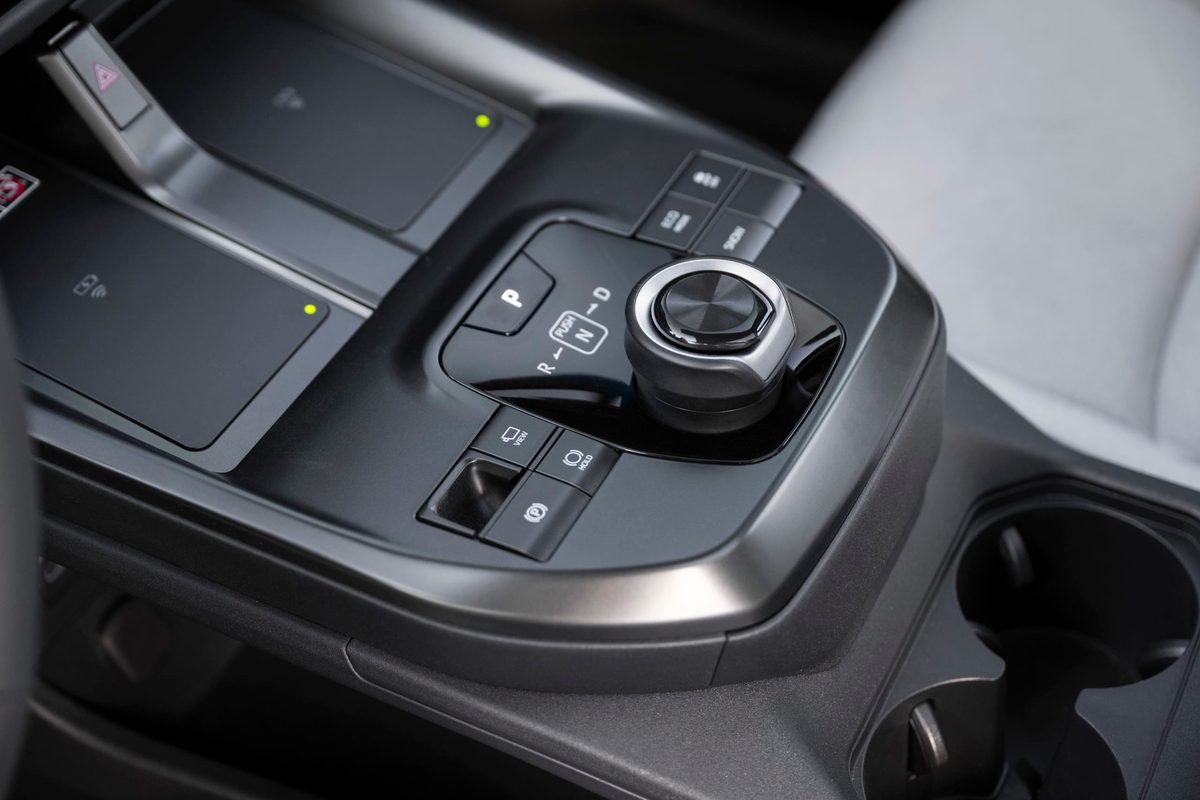
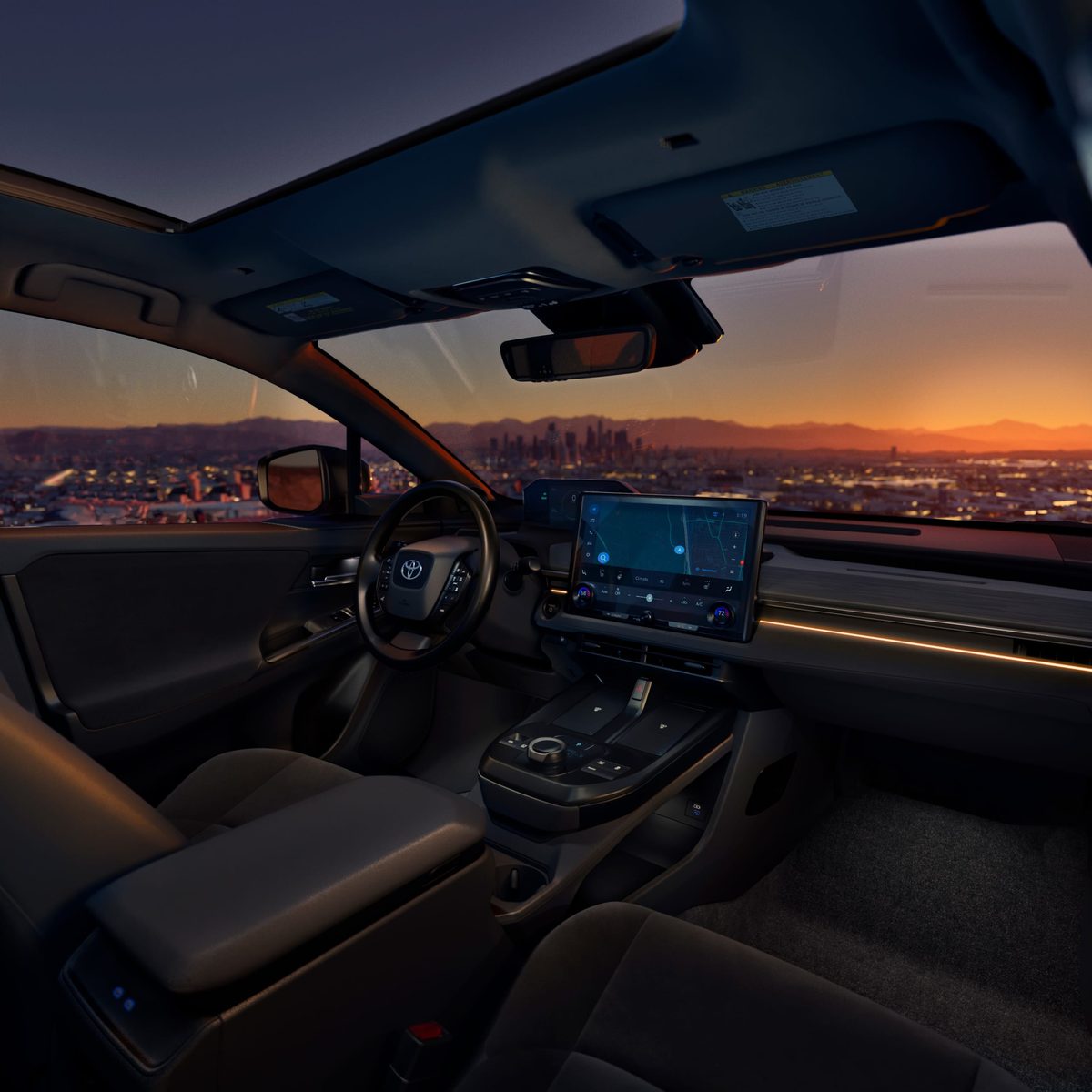
Standard equipment covers a 14-inch touchscreen with wireless Apple CarPlay and Android Auto, heated front seats and steering wheel, dual-zone climate control, a power tailgate, two wireless phone chargers and the Toyota Safety Sense 3.0 driver-assistance suite. The XSE adds a 360-degree camera, lane change assist, traffic jam assist and two-tone seat trim.
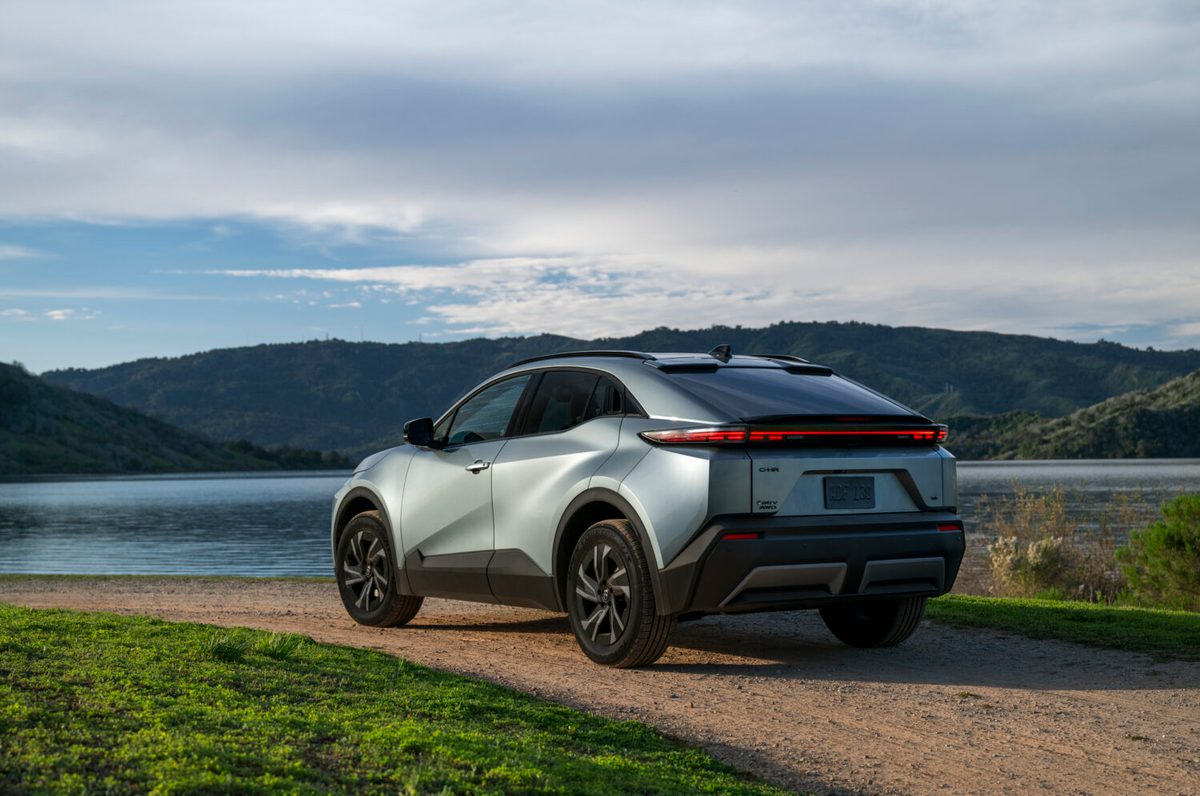
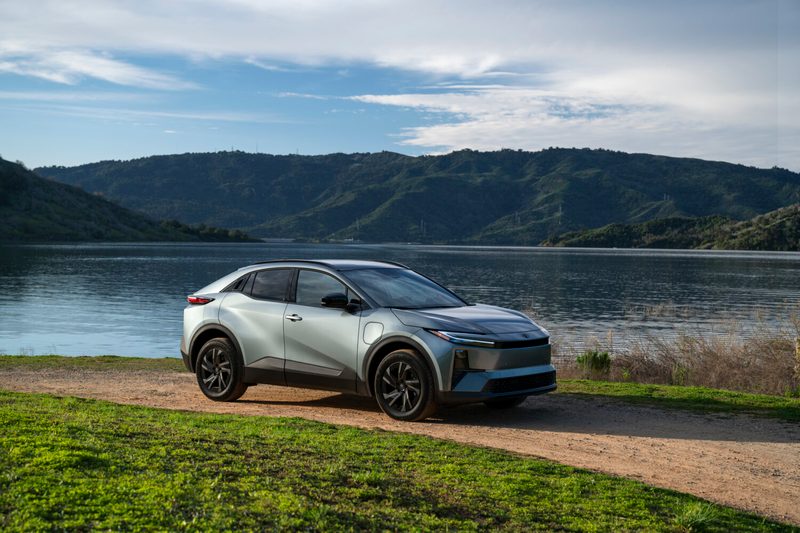
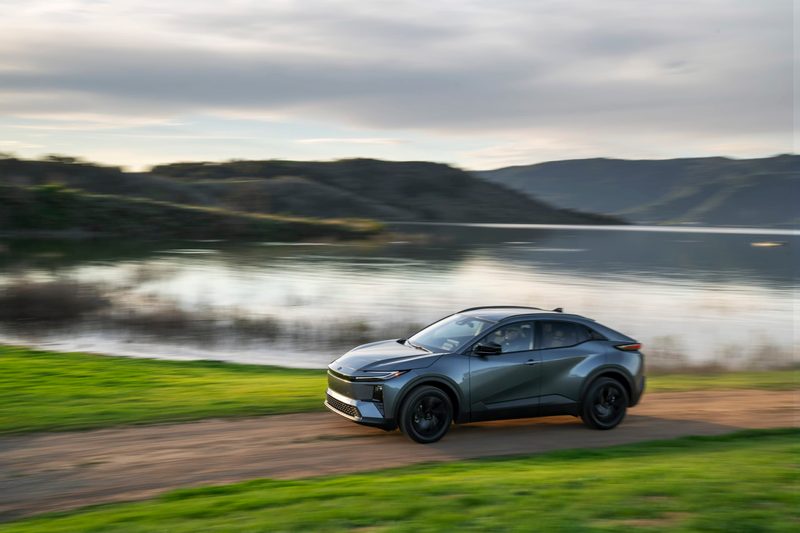
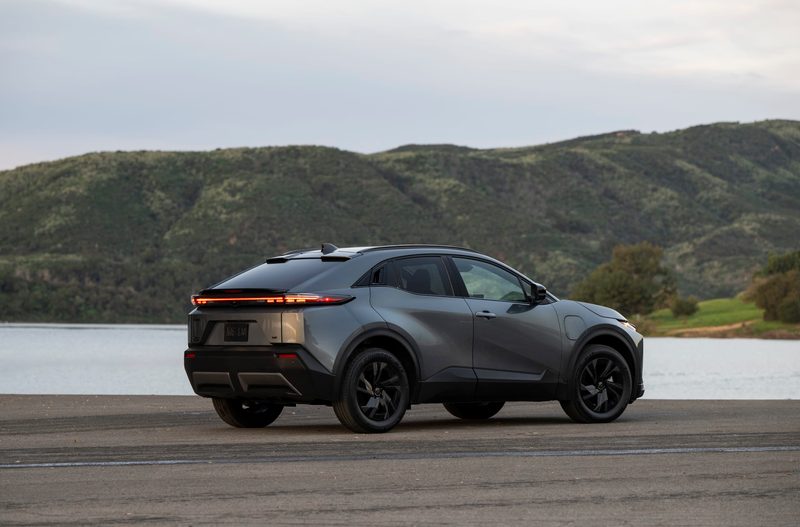
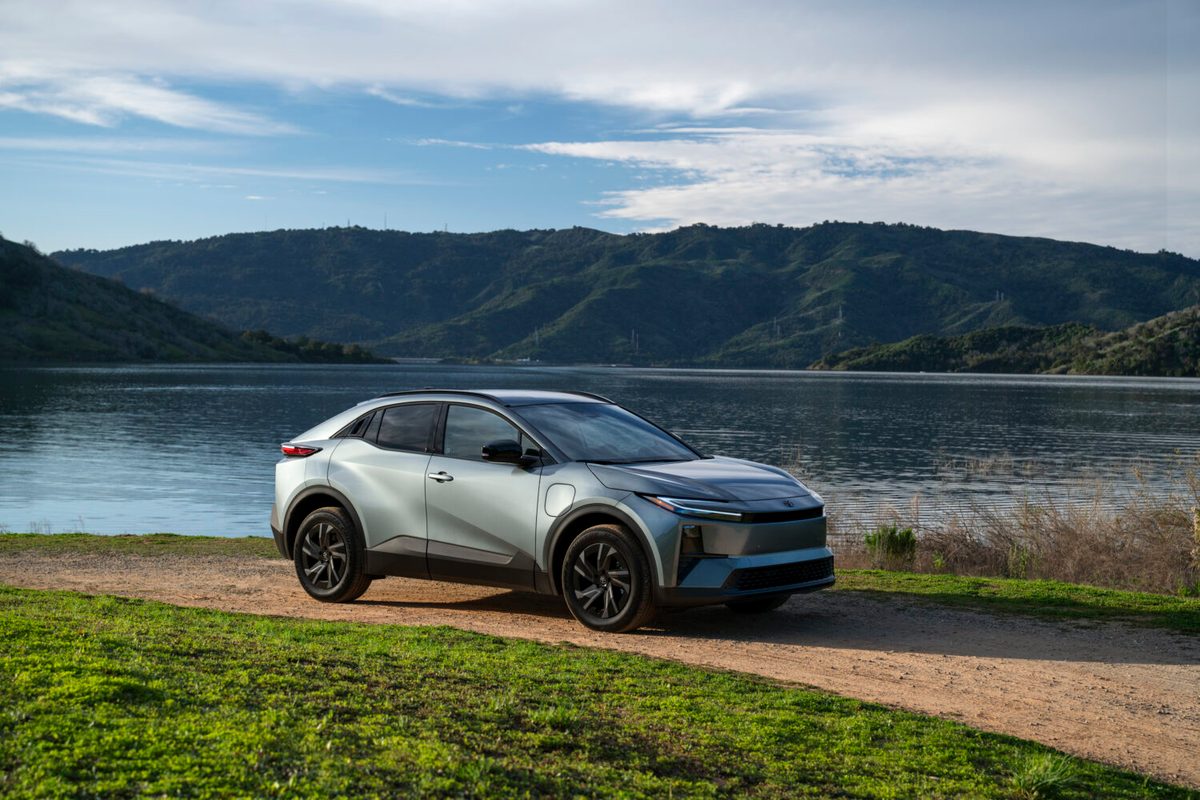
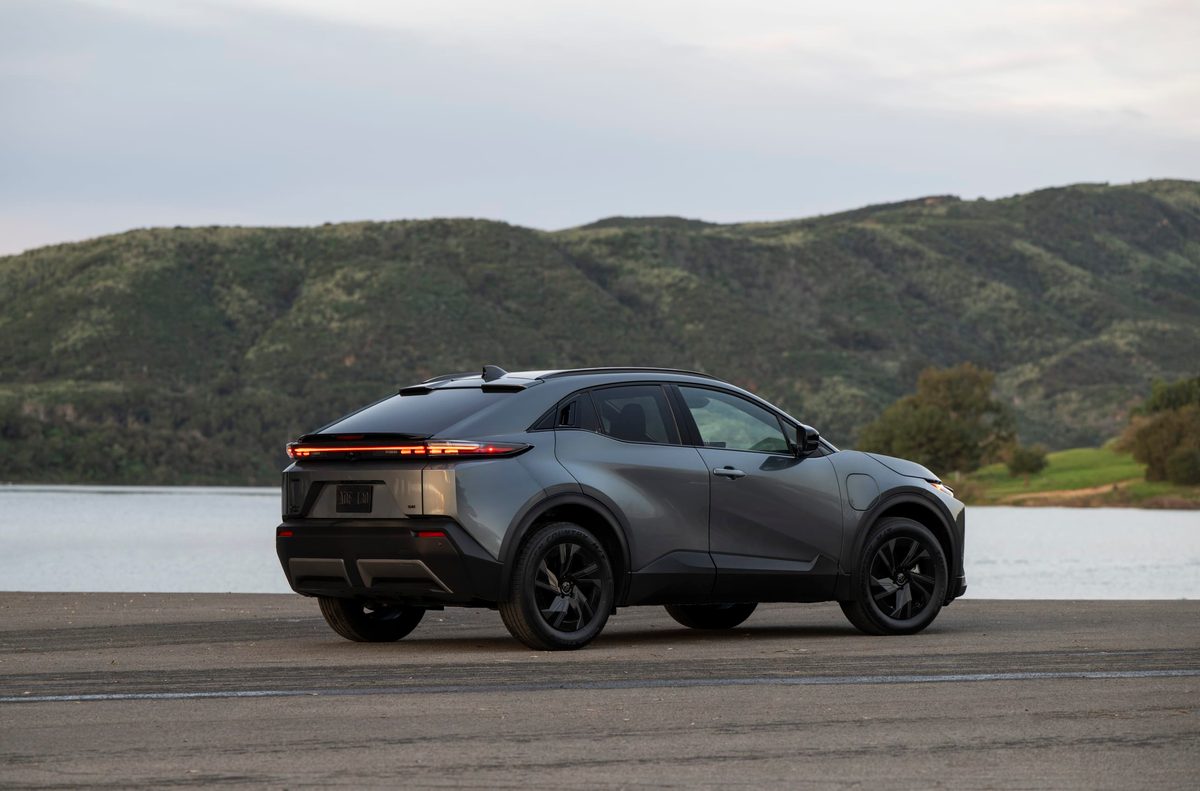
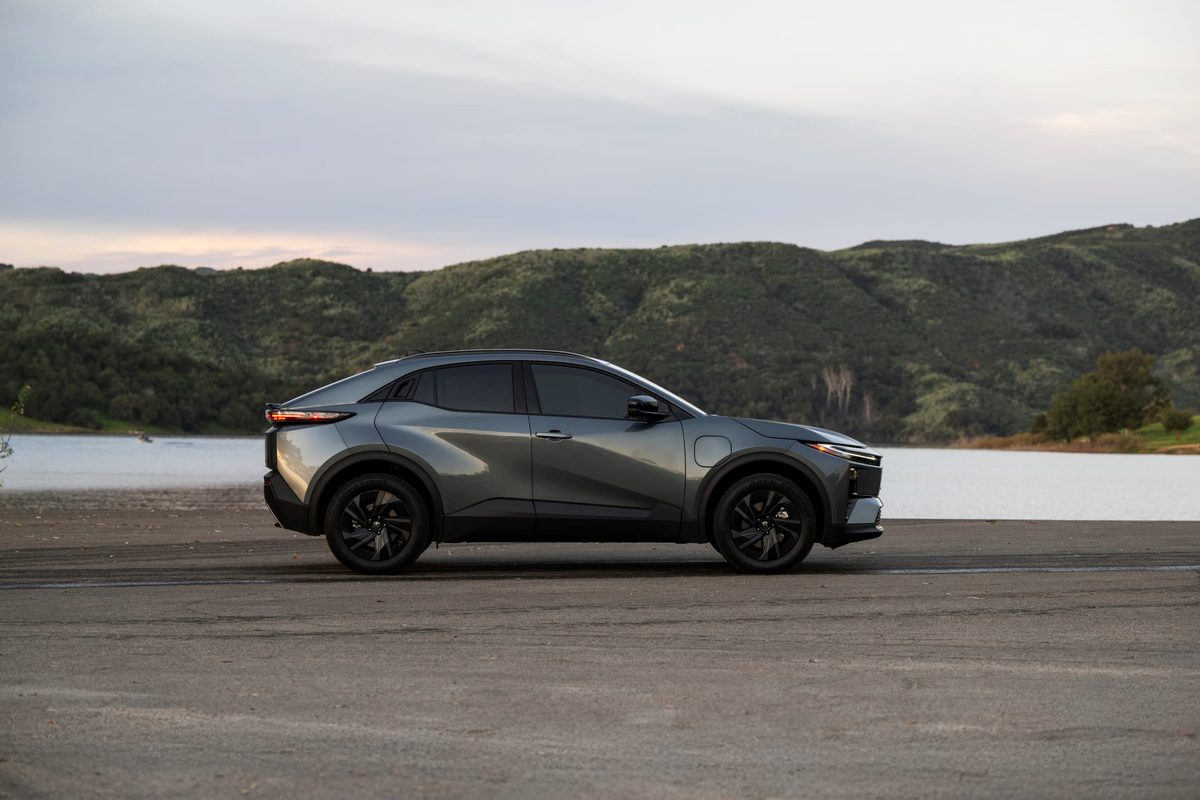
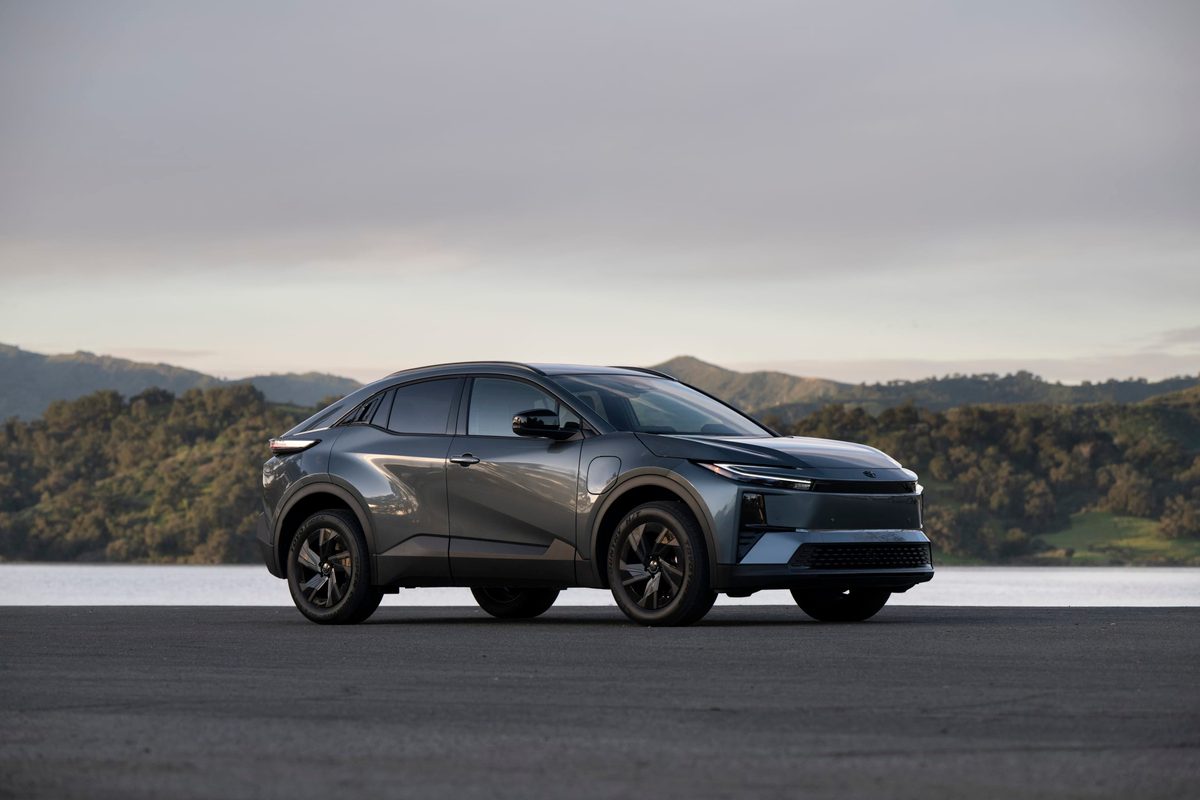
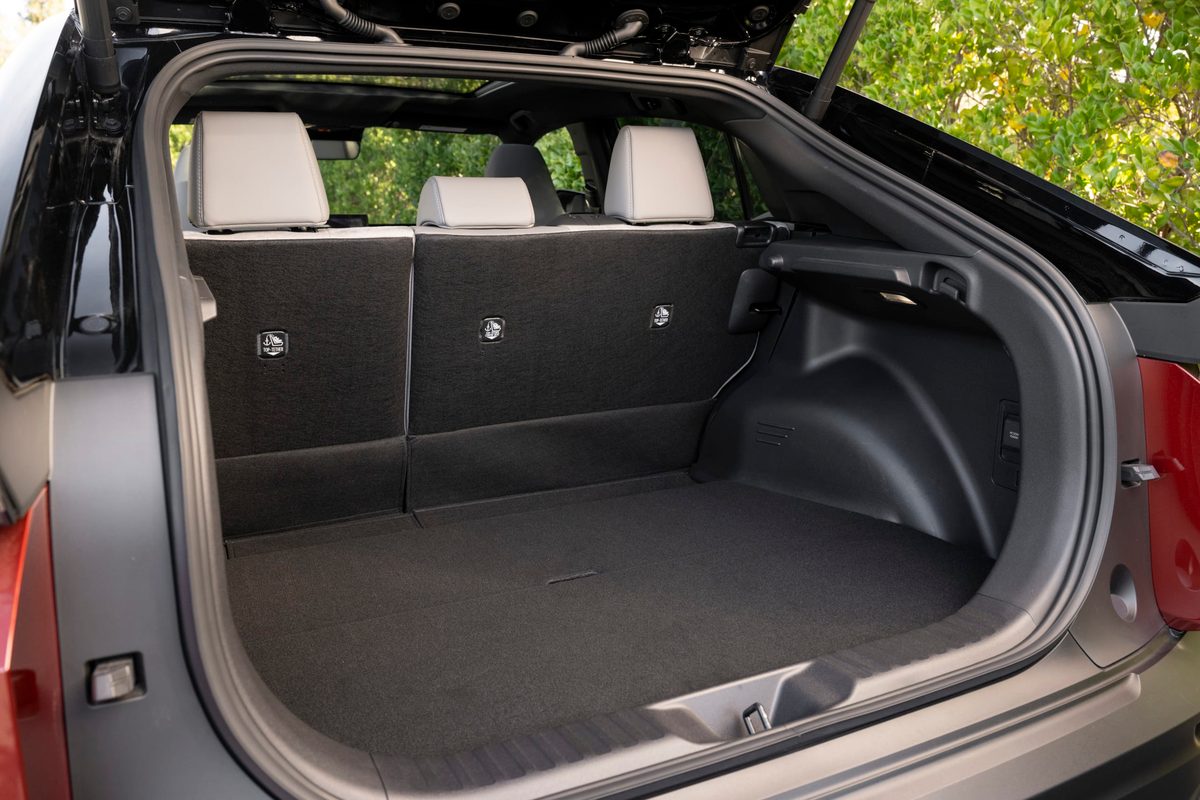
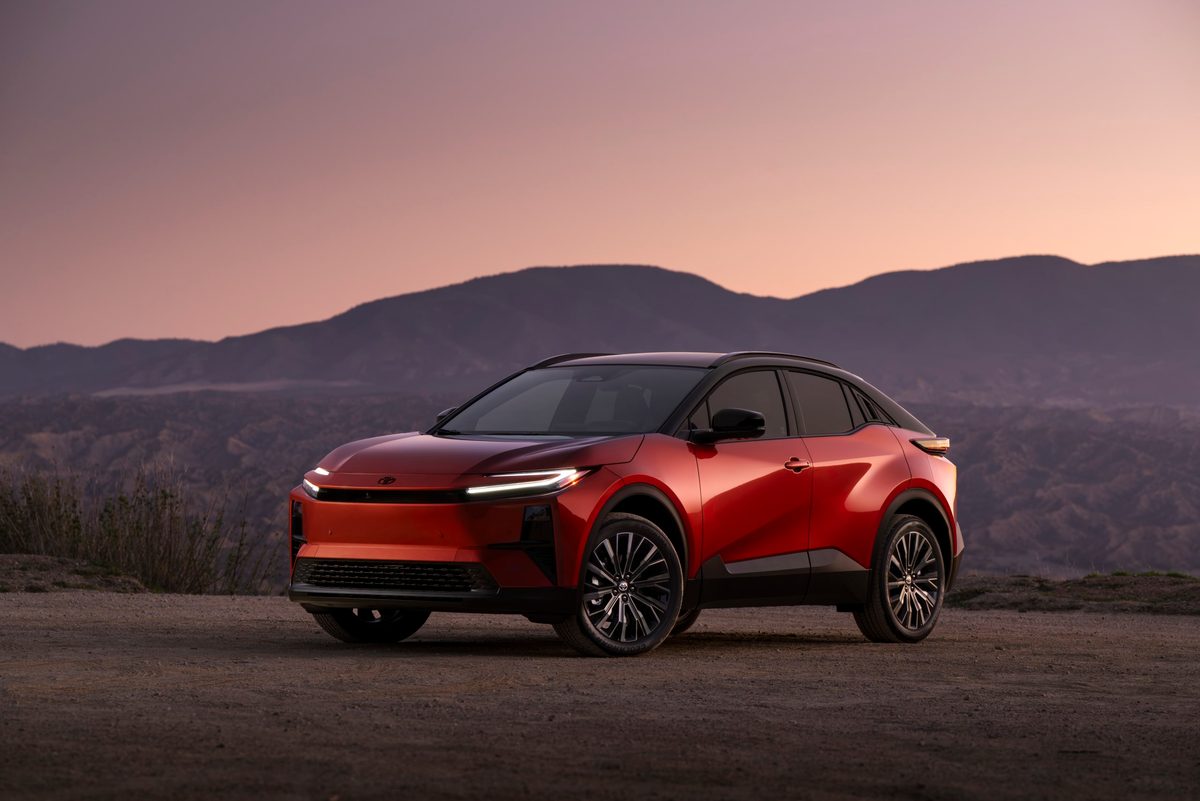
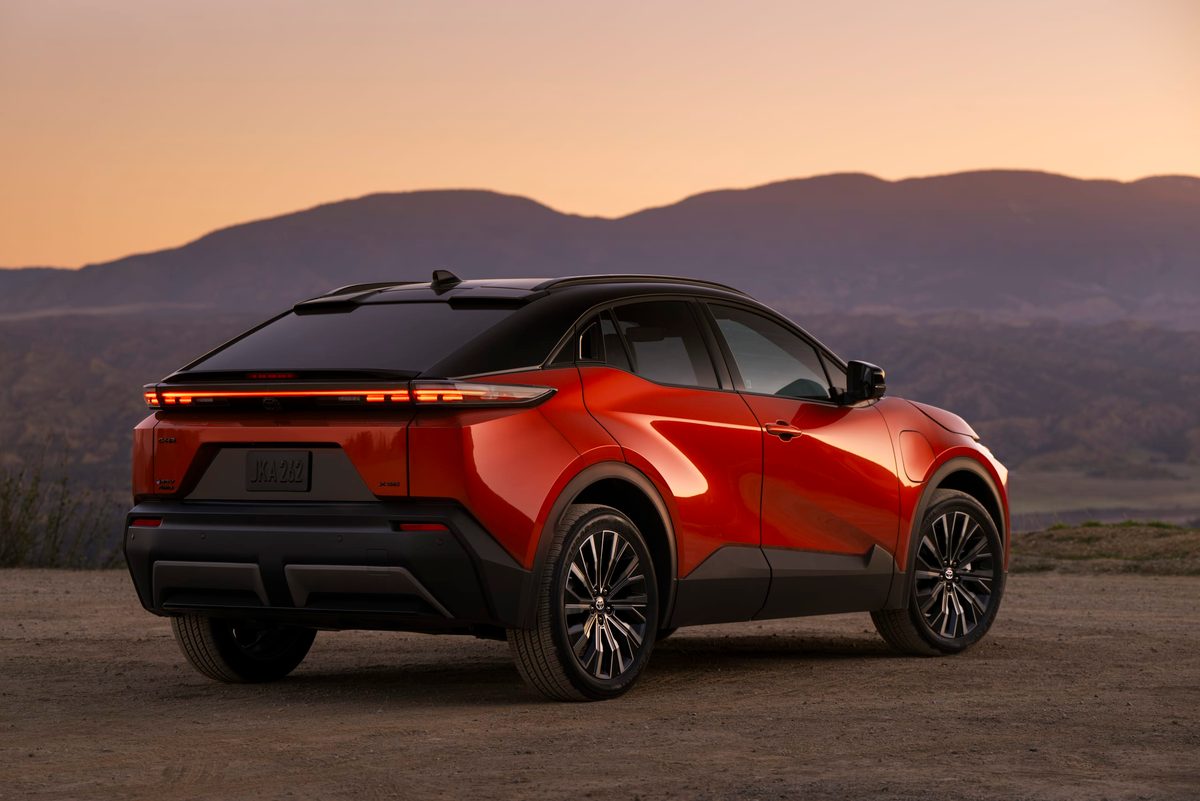
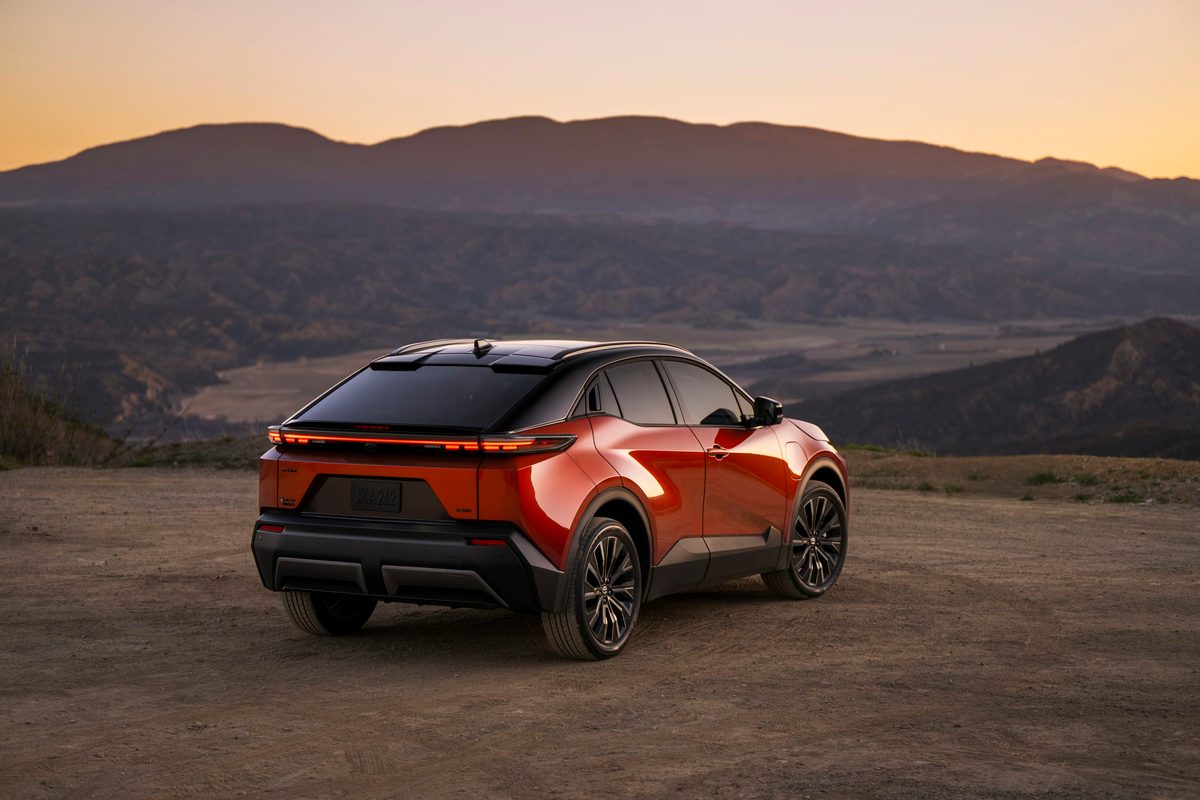
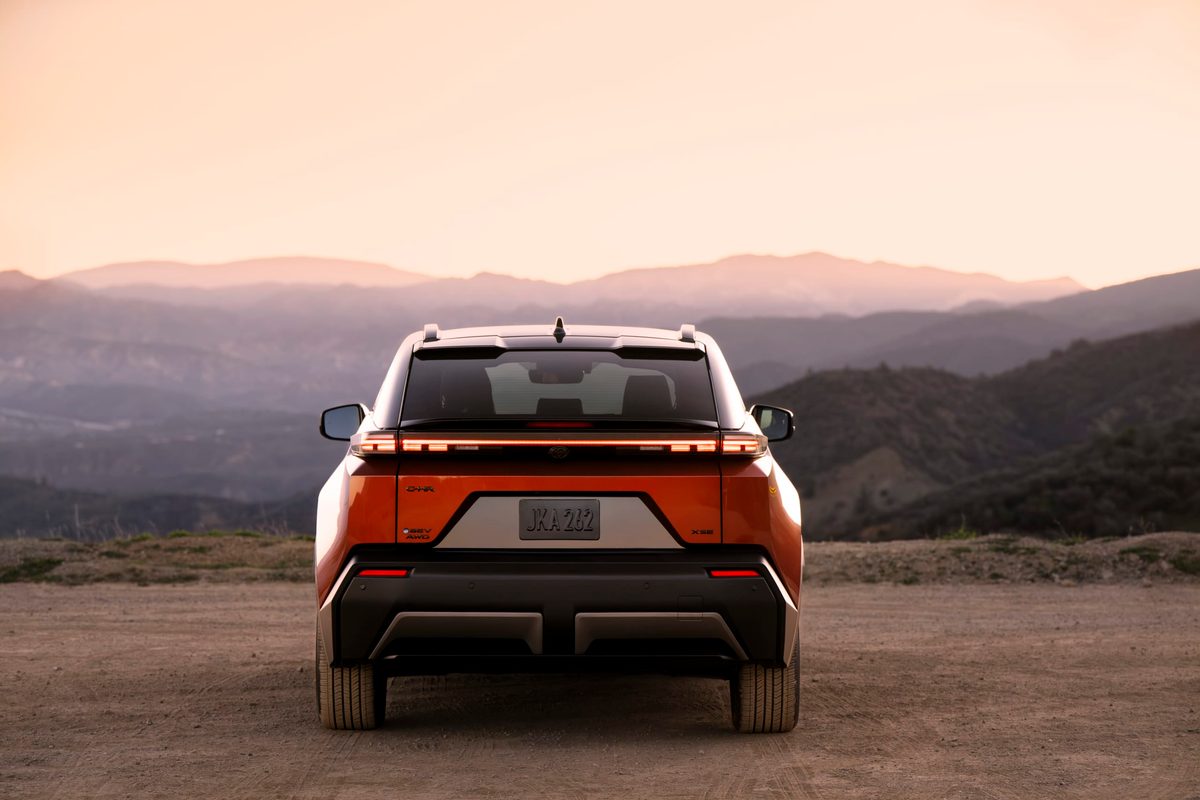
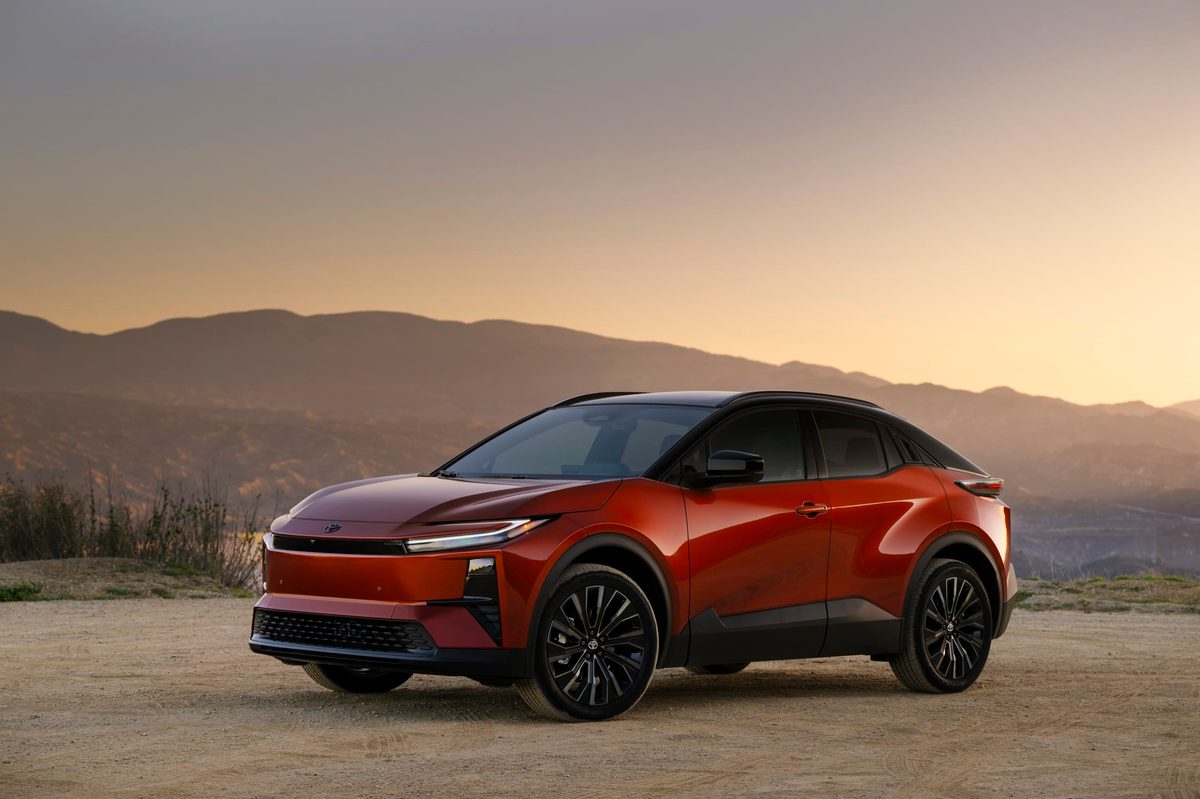
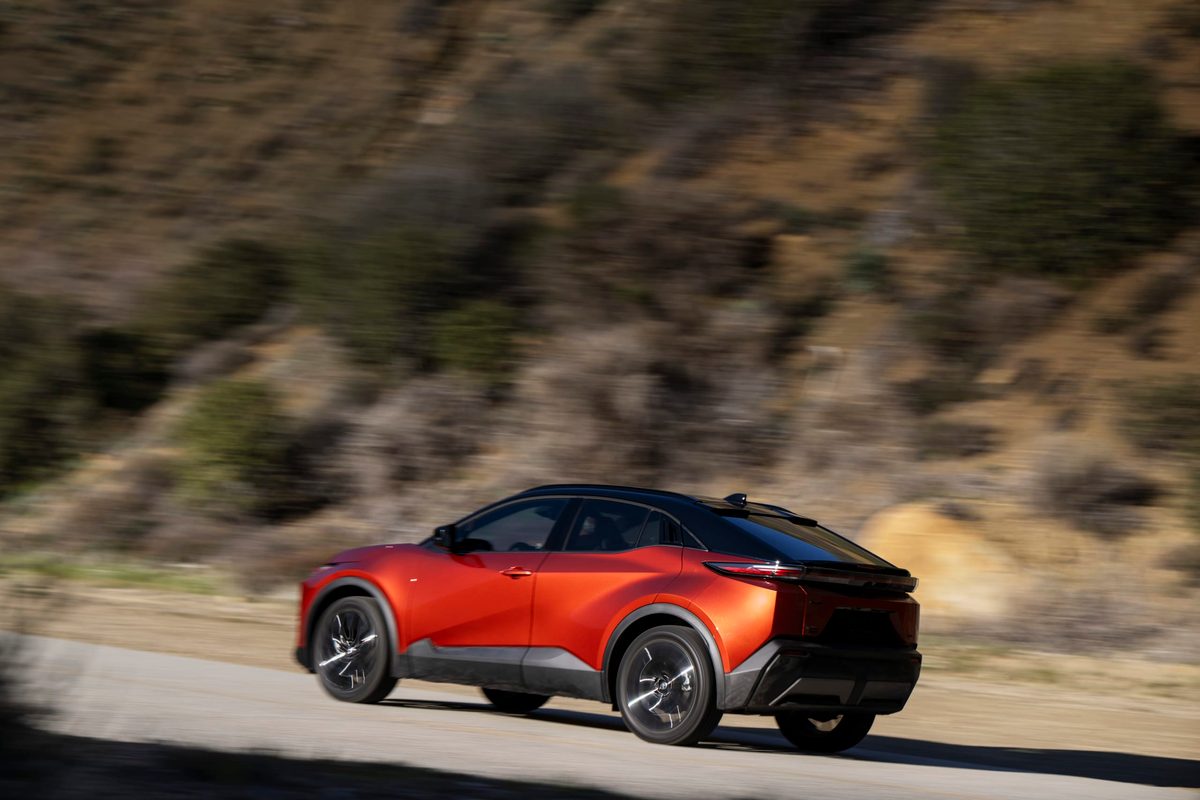
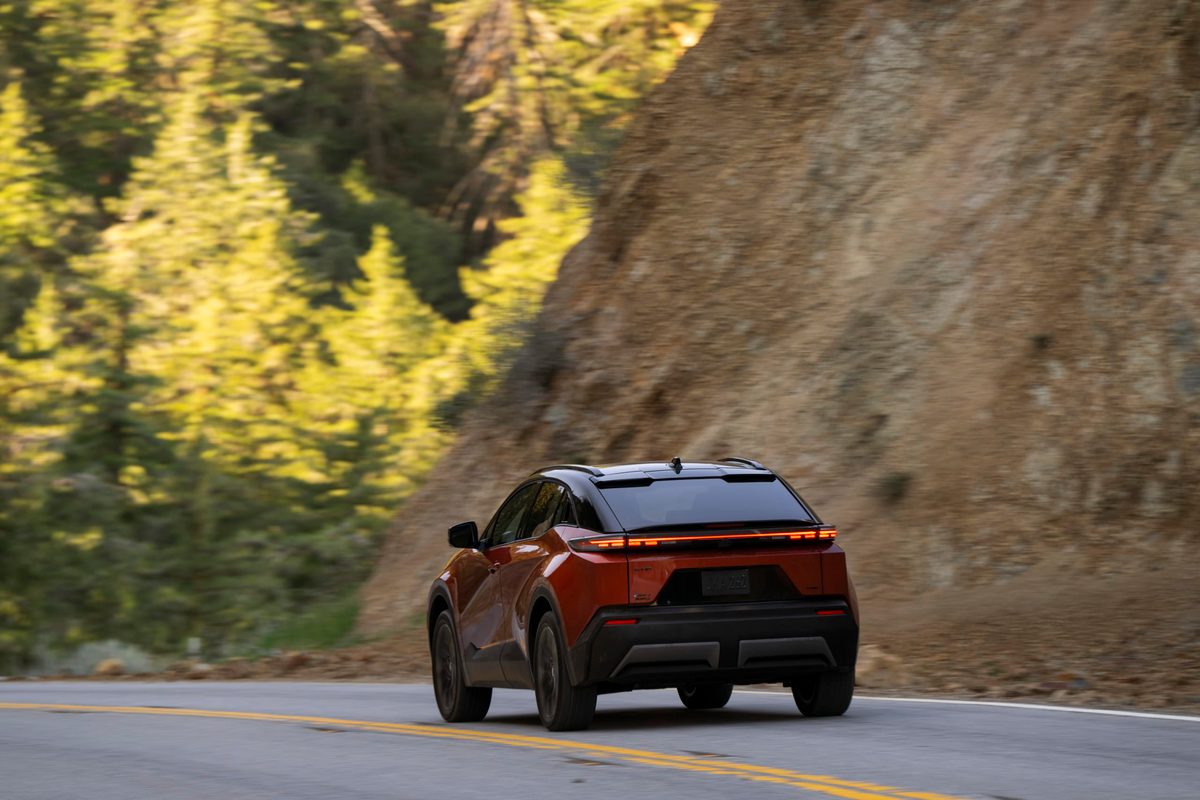
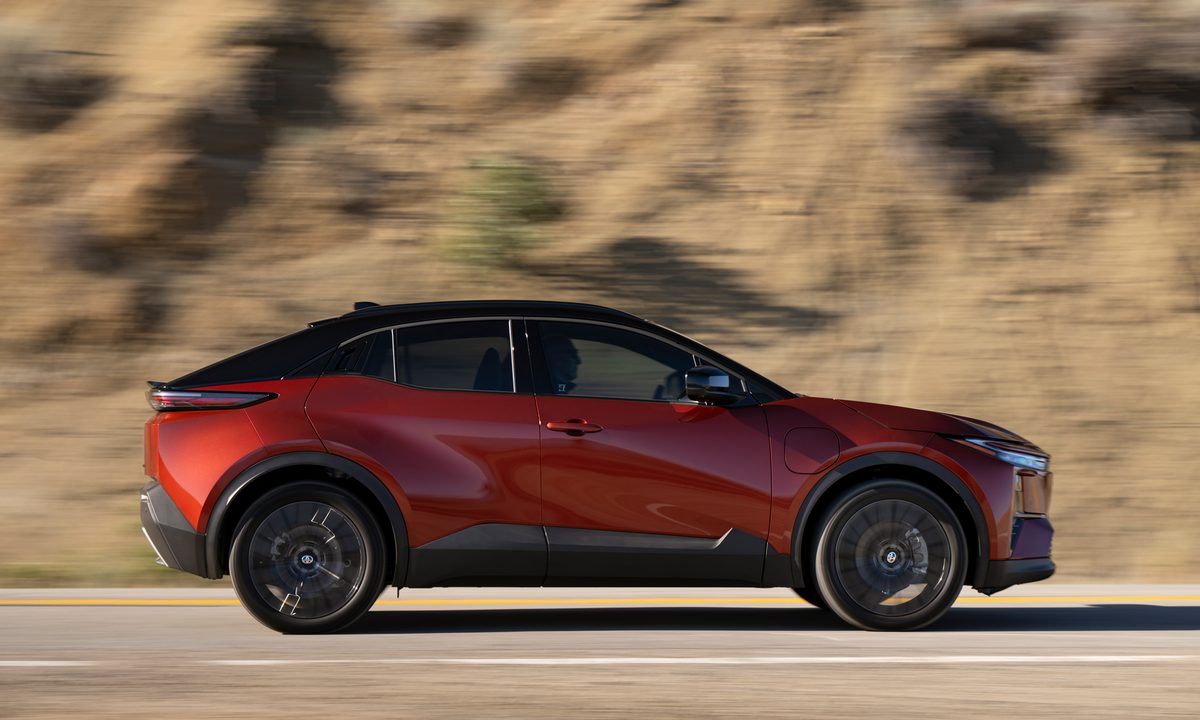
At 4,519 mm long, 1,869 mm wide and 1,621 mm tall on a 2,751 mm wheelbase, the C-HR EV keeps the hunched, heavily creased shape of the petrol car it replaces in the American range, with flush door handles, a full-width rear light bar and hidden rear door releases in the C-pillar. Cargo space reaches 59.5 cubic feet with the rear seats folded.