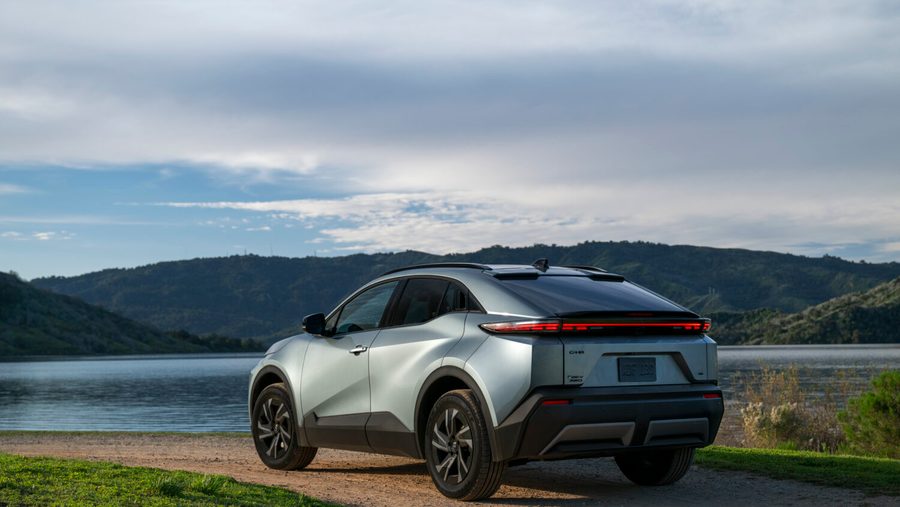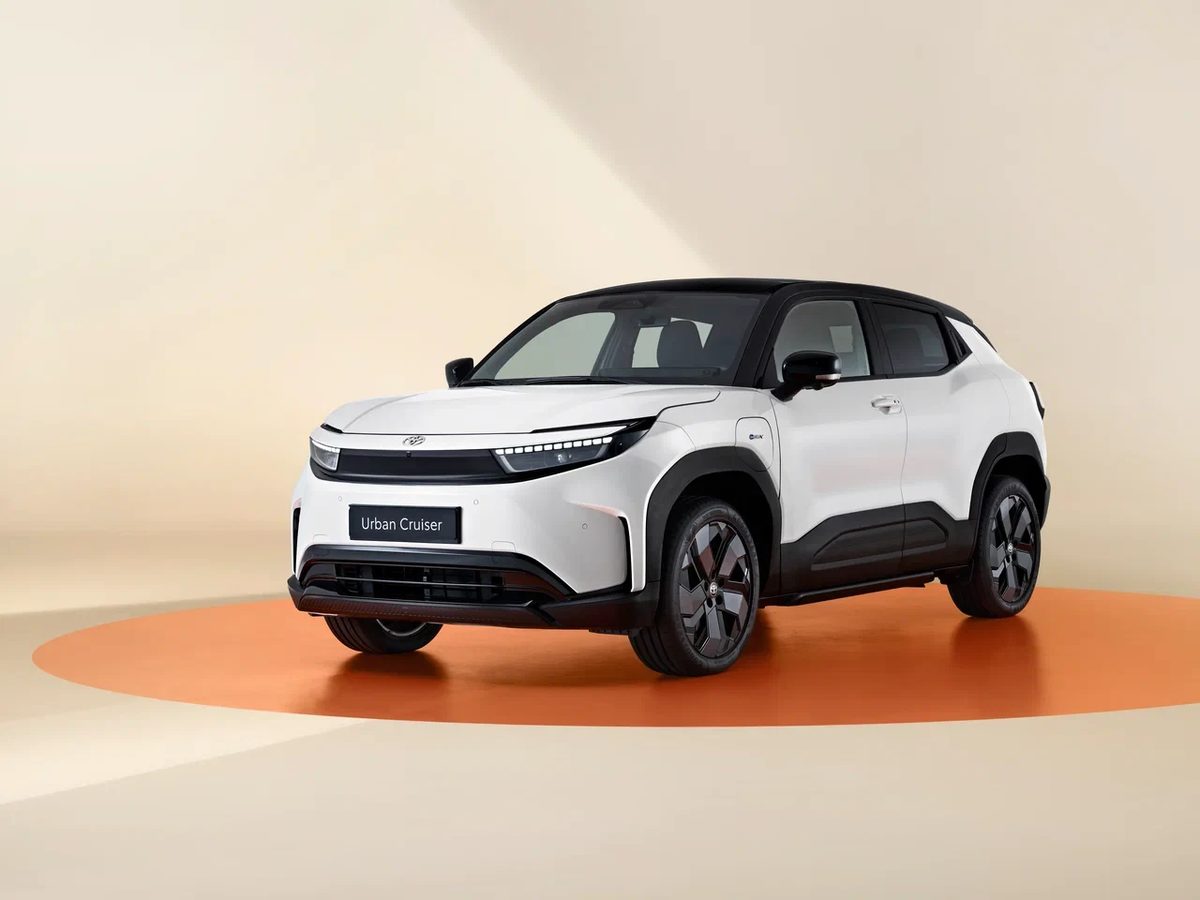
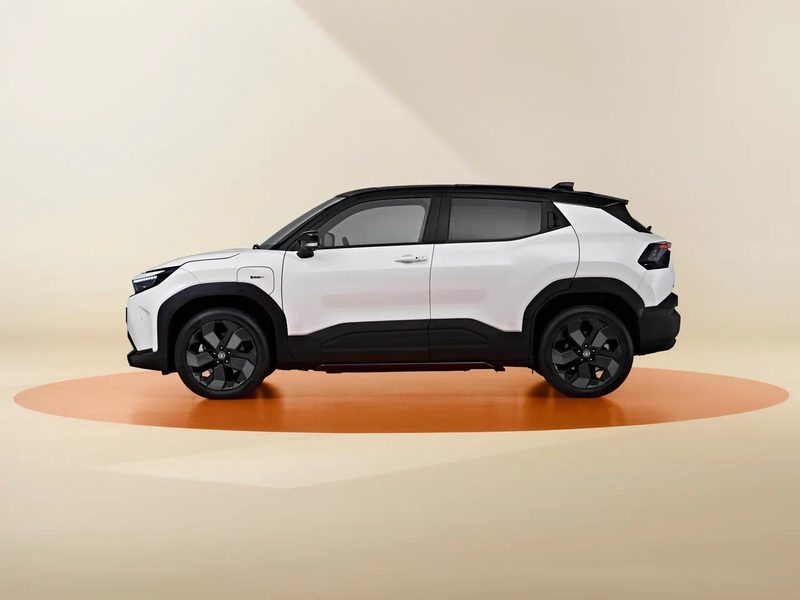
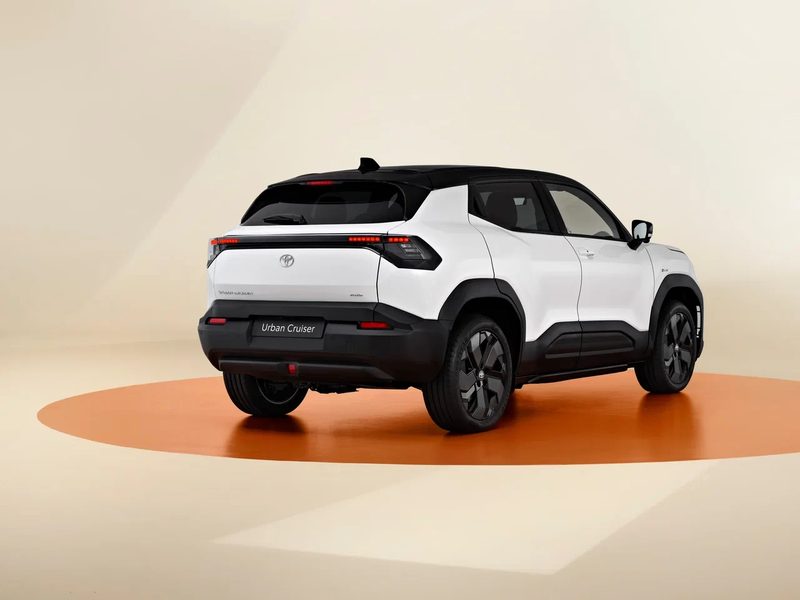
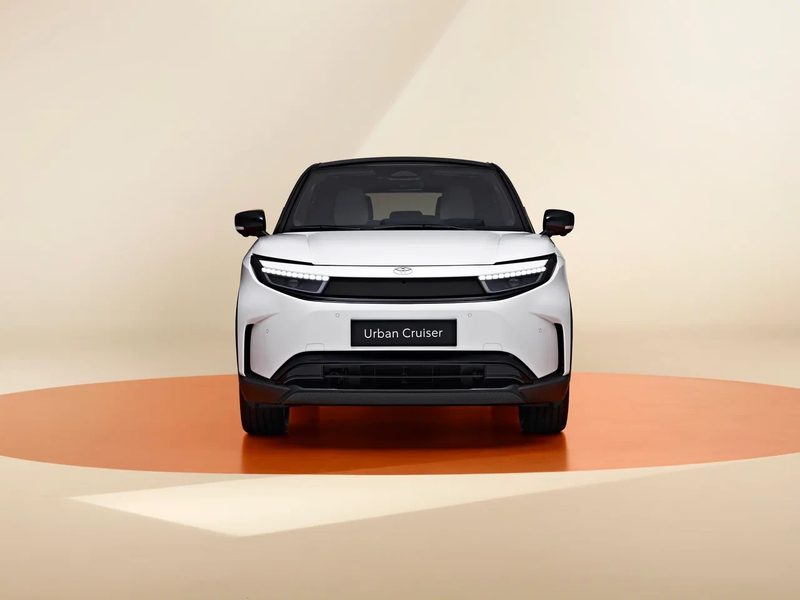
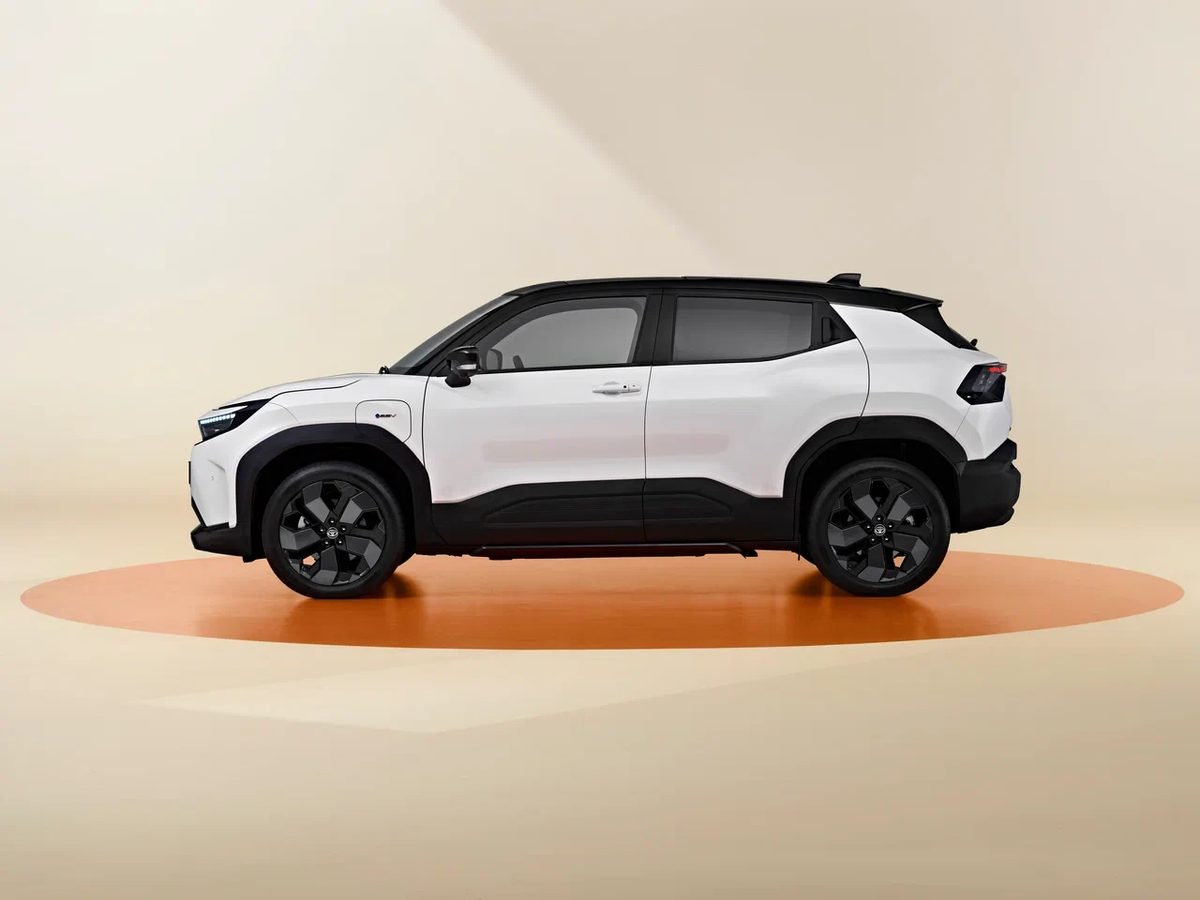
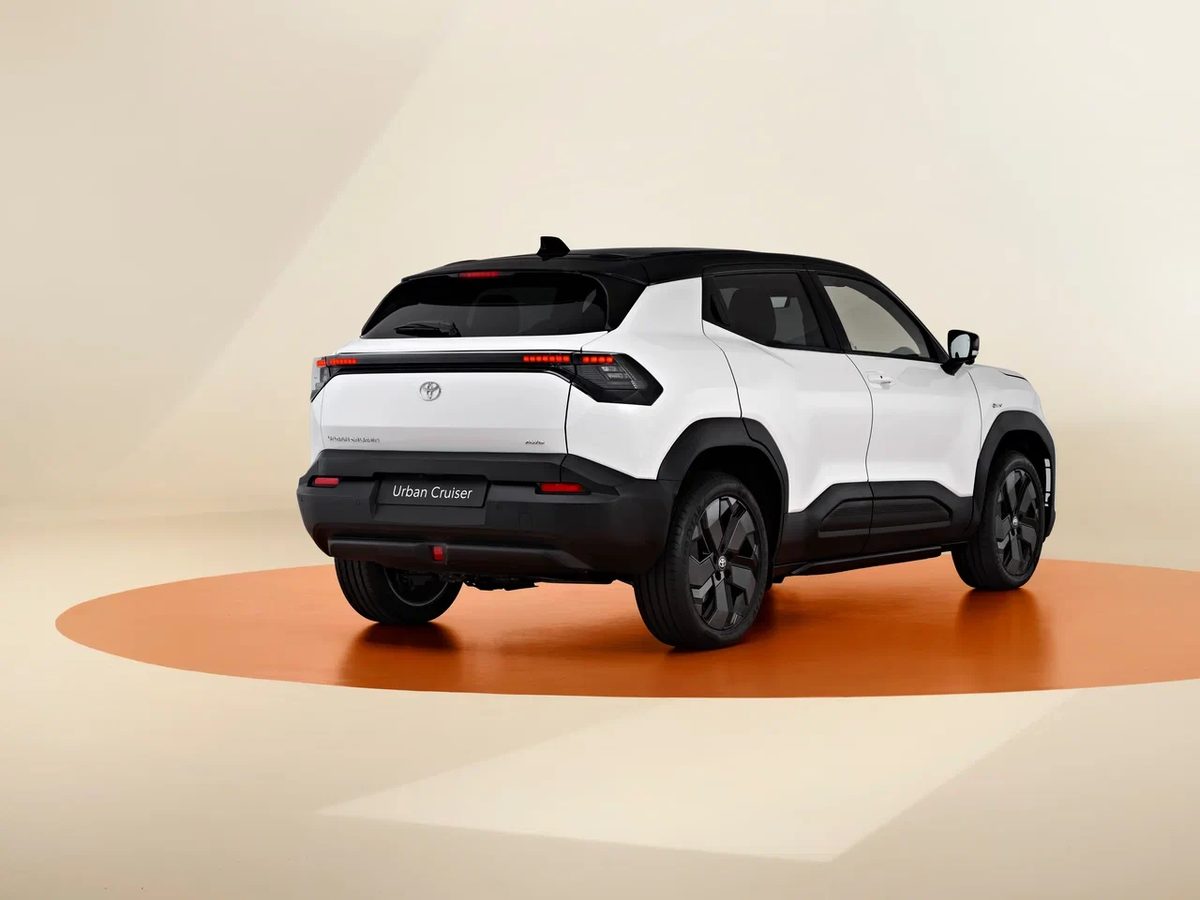
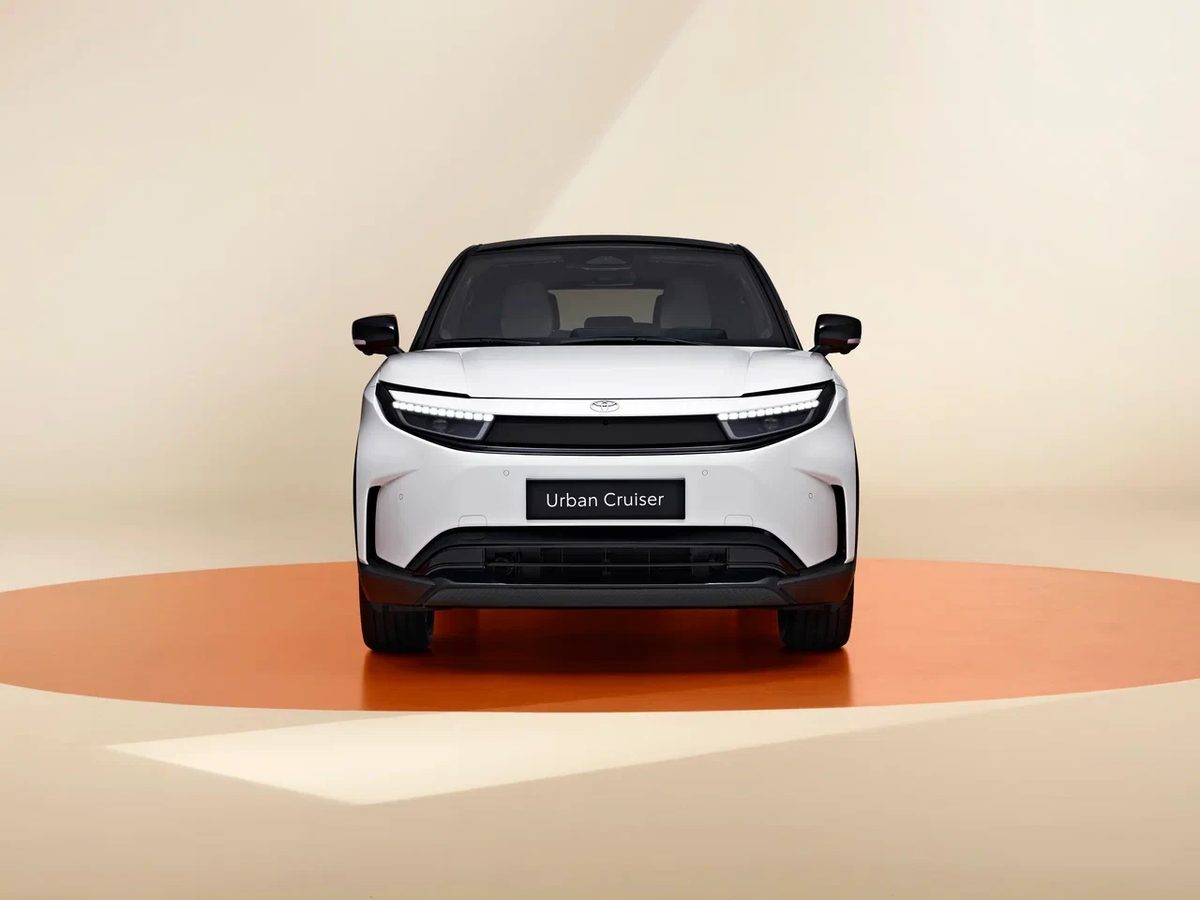
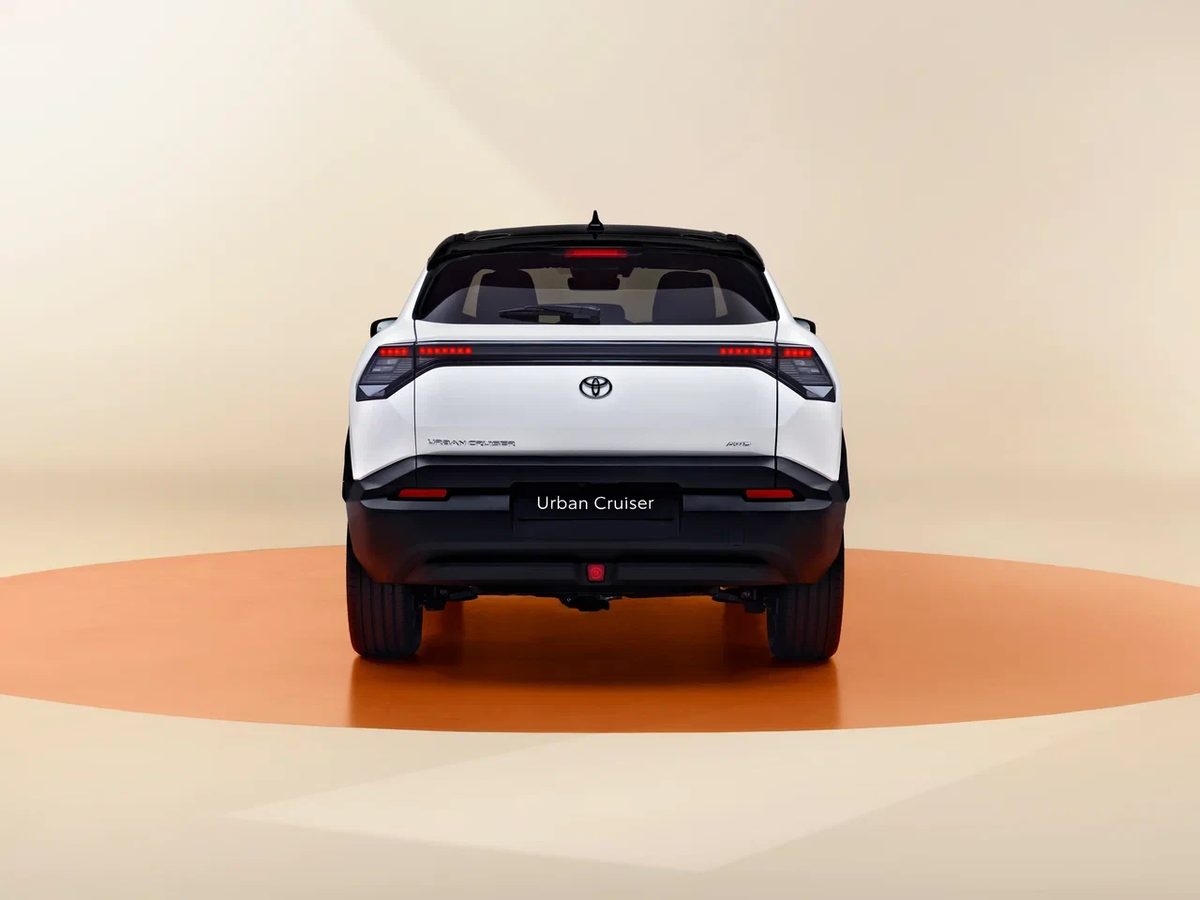
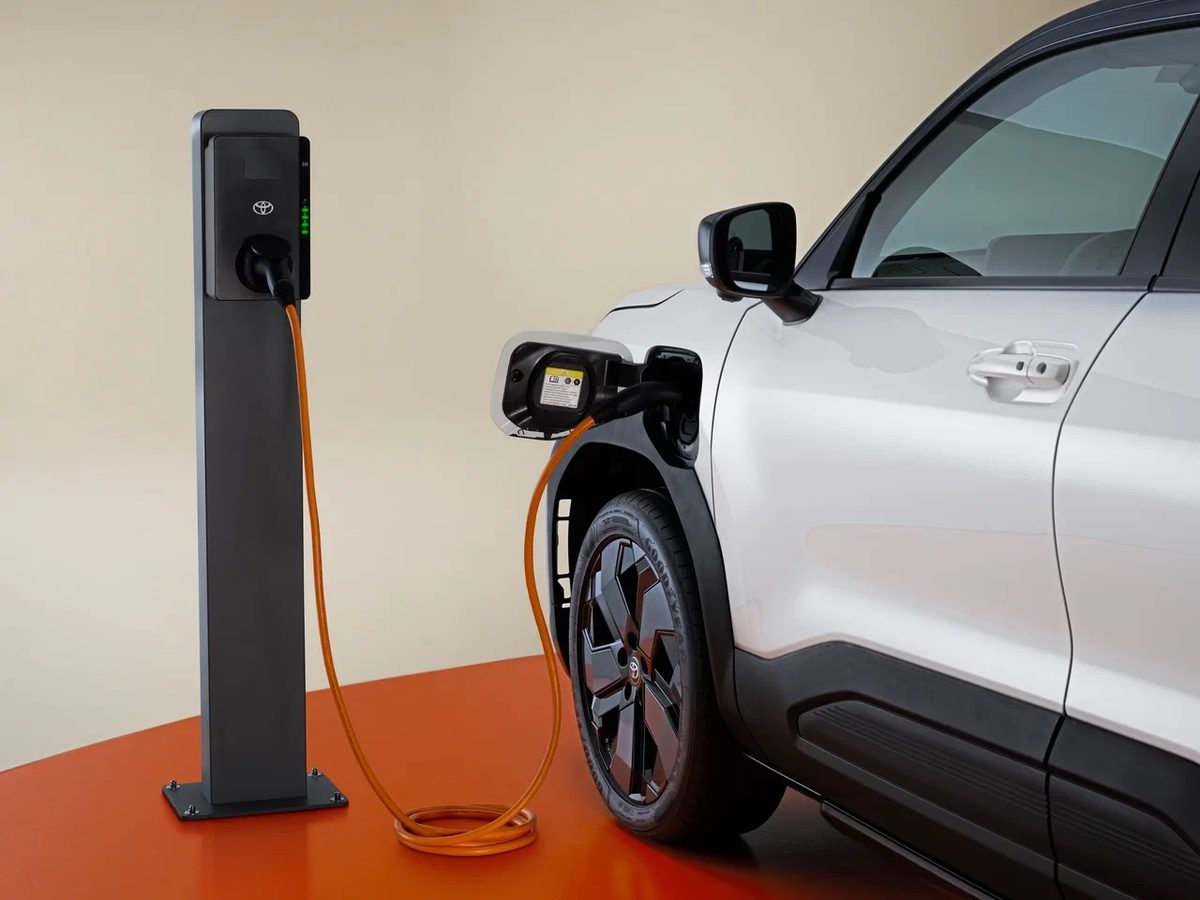
The Urban Cruiser is Toyota’s smallest electric SUV and its first battery-electric model developed with Suzuki. It sits on Suzuki’s Heartect-e platform, is built at Suzuki Motor Gujarat in Hansalpur, India, and is sold only in Europe. At 4,285 mm long on a 2,700 mm wheelbase it is a B-segment car, around 400 mm shorter than the bZ4X, with a 5.2 m turning circle. Its mechanical twin is the Suzuki e Vitara; the styling, cabin trim and equipment grades are Toyota’s own.
Three versions are offered. The entry car pairs a 49 kWh battery with a 106 kW front motor, 144 PS or 142 hp, for 344 km WLTP and 9.6 seconds to 100 km/h. The volume version uses a 61 kWh battery, 59.8 kWh of it usable, and a 128 kW motor, 174 PS or 172 hp, for 426 km WLTP and 8.7 seconds. All-wheel drive adds a rear motor on the 61 kWh battery for a combined 135 kW, 184 PS or 181 hp, 395 km WLTP and 7.4 seconds. Torque is 193 Nm on all three. DC charging peaks at 70 kW for a 10 to 80% top-up in about 45 minutes, which is the clearest sign of where the car sits in the market.
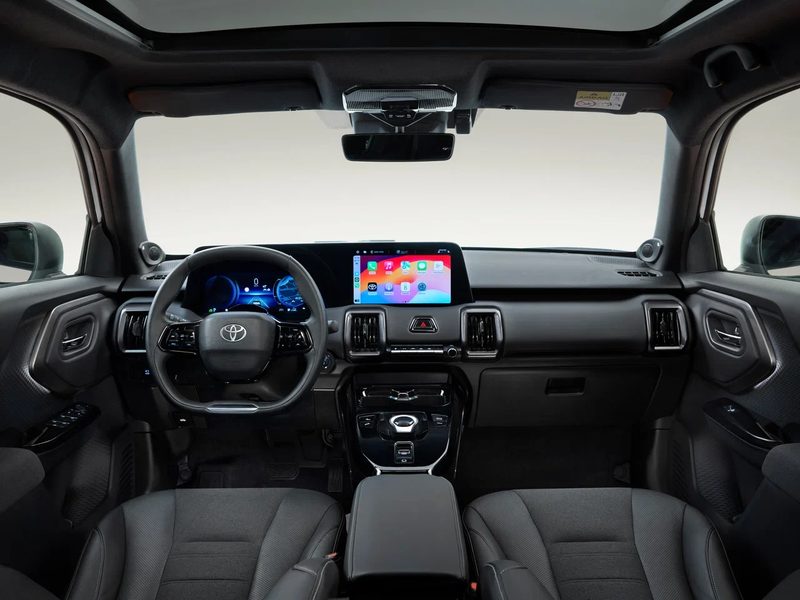
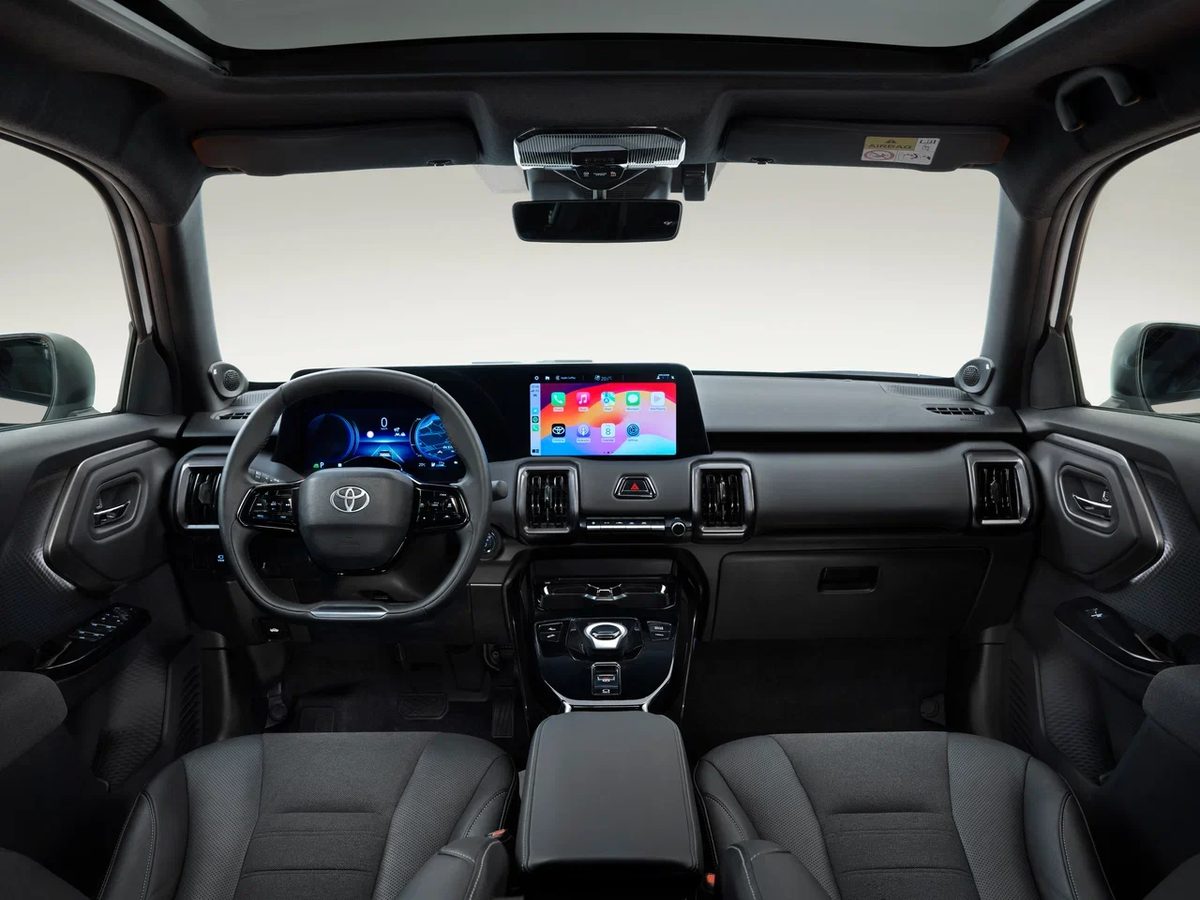
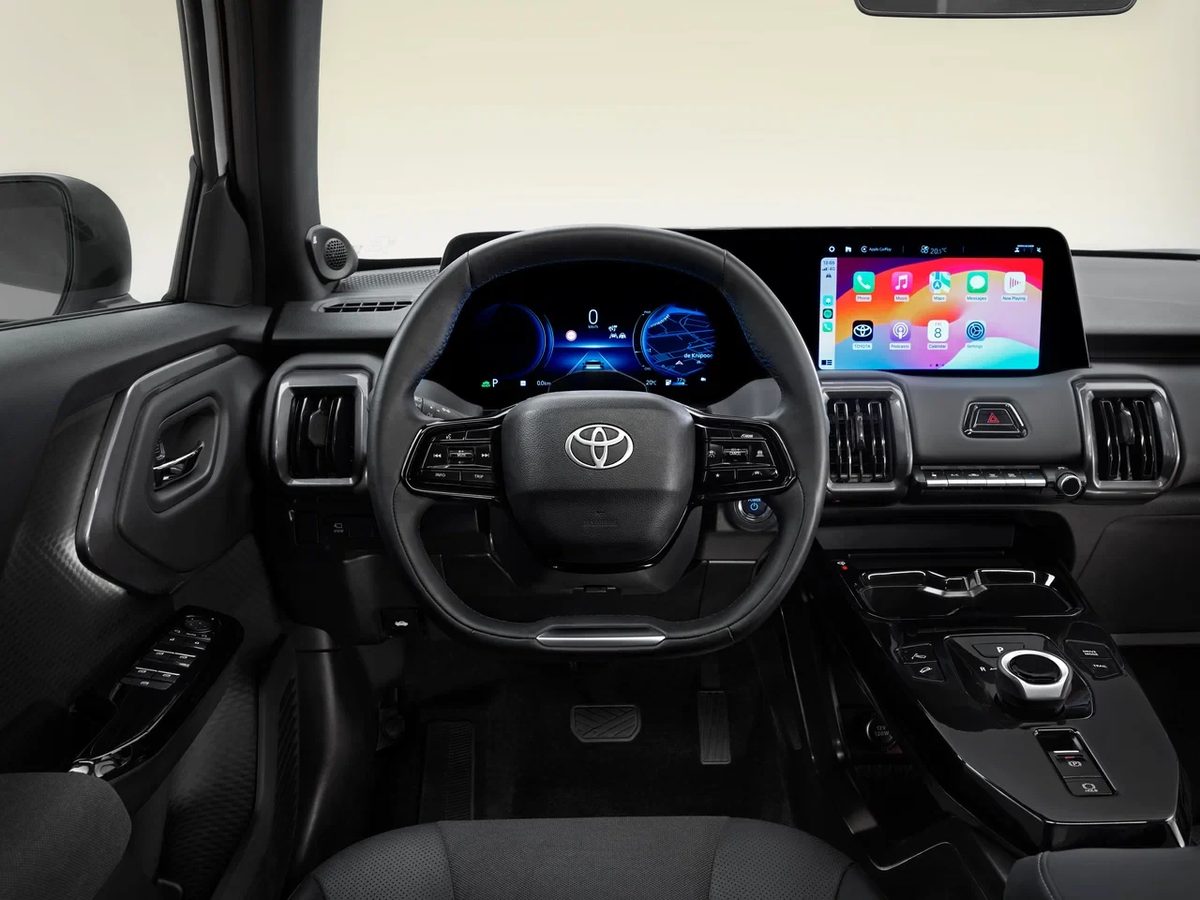
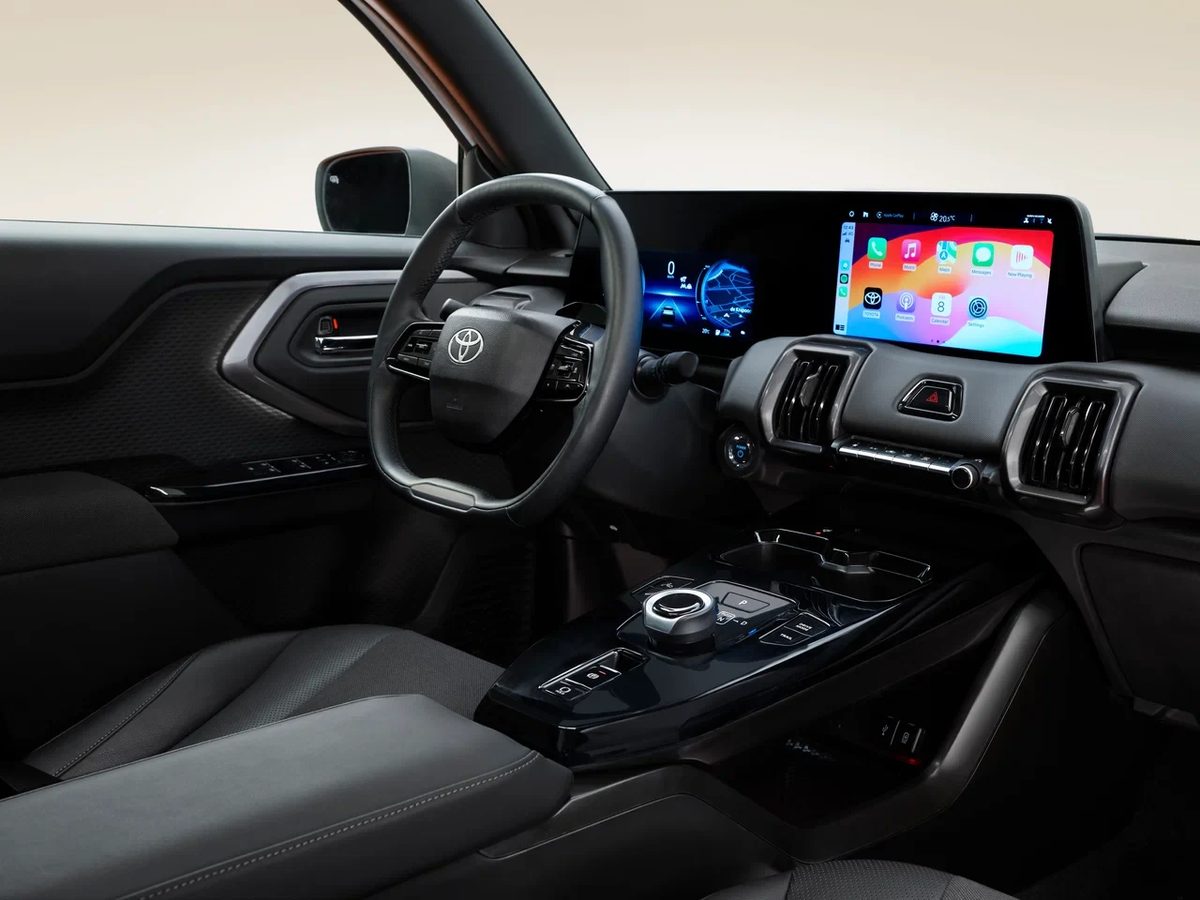
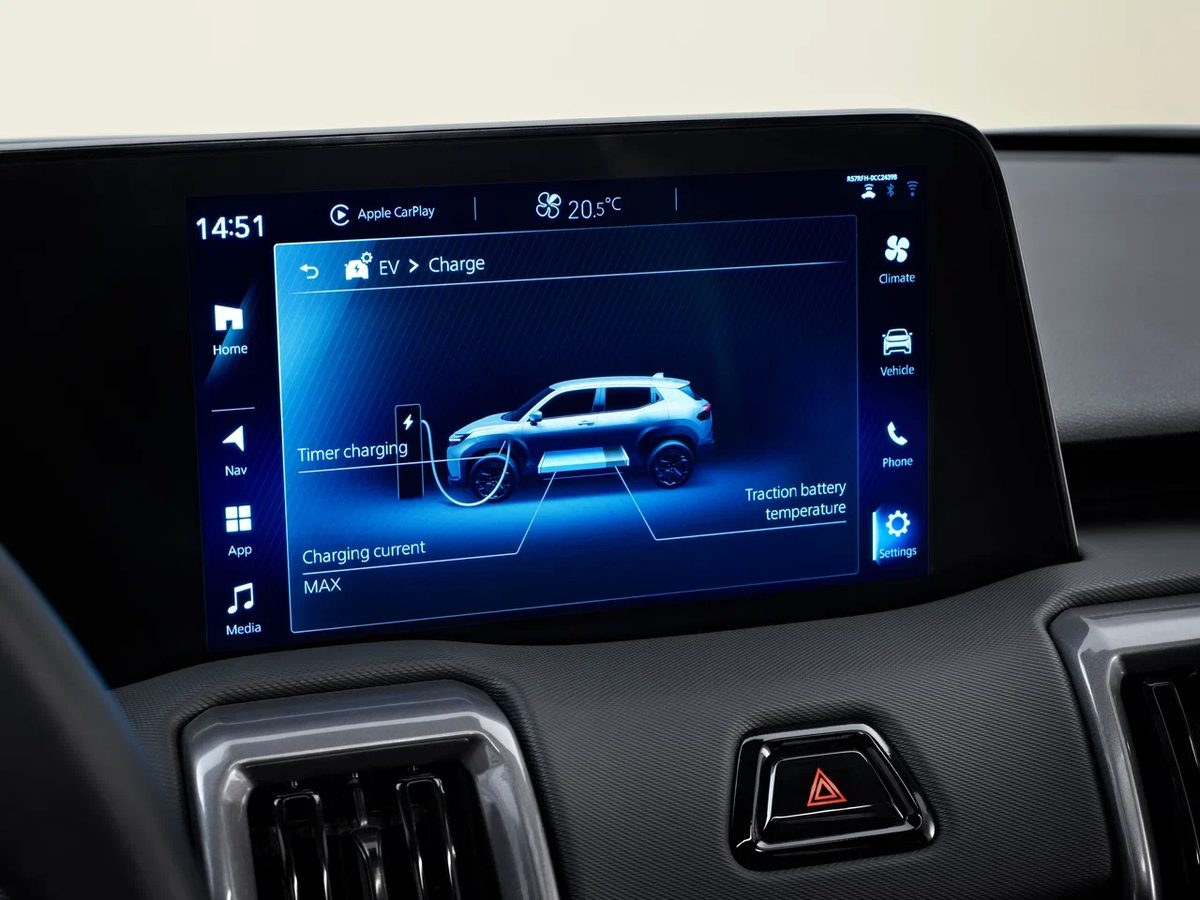
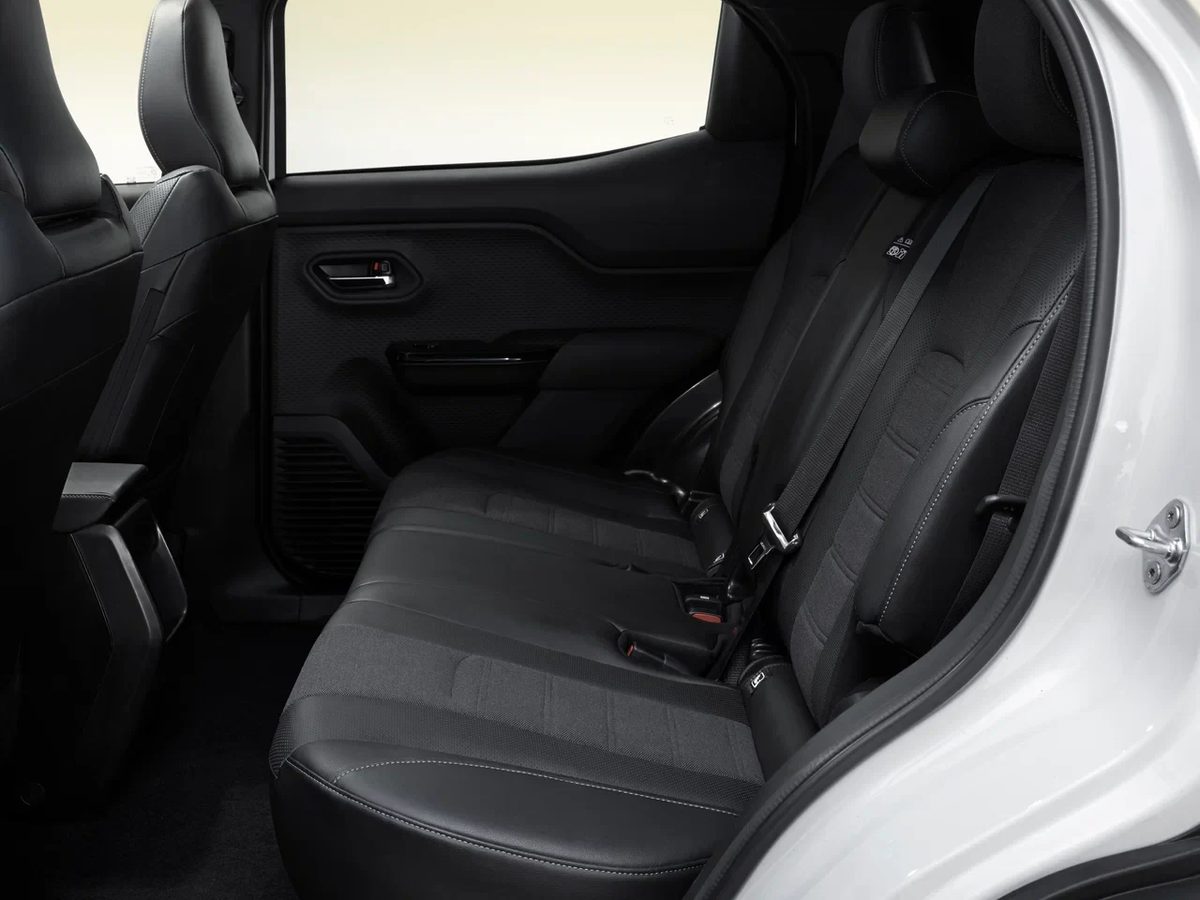
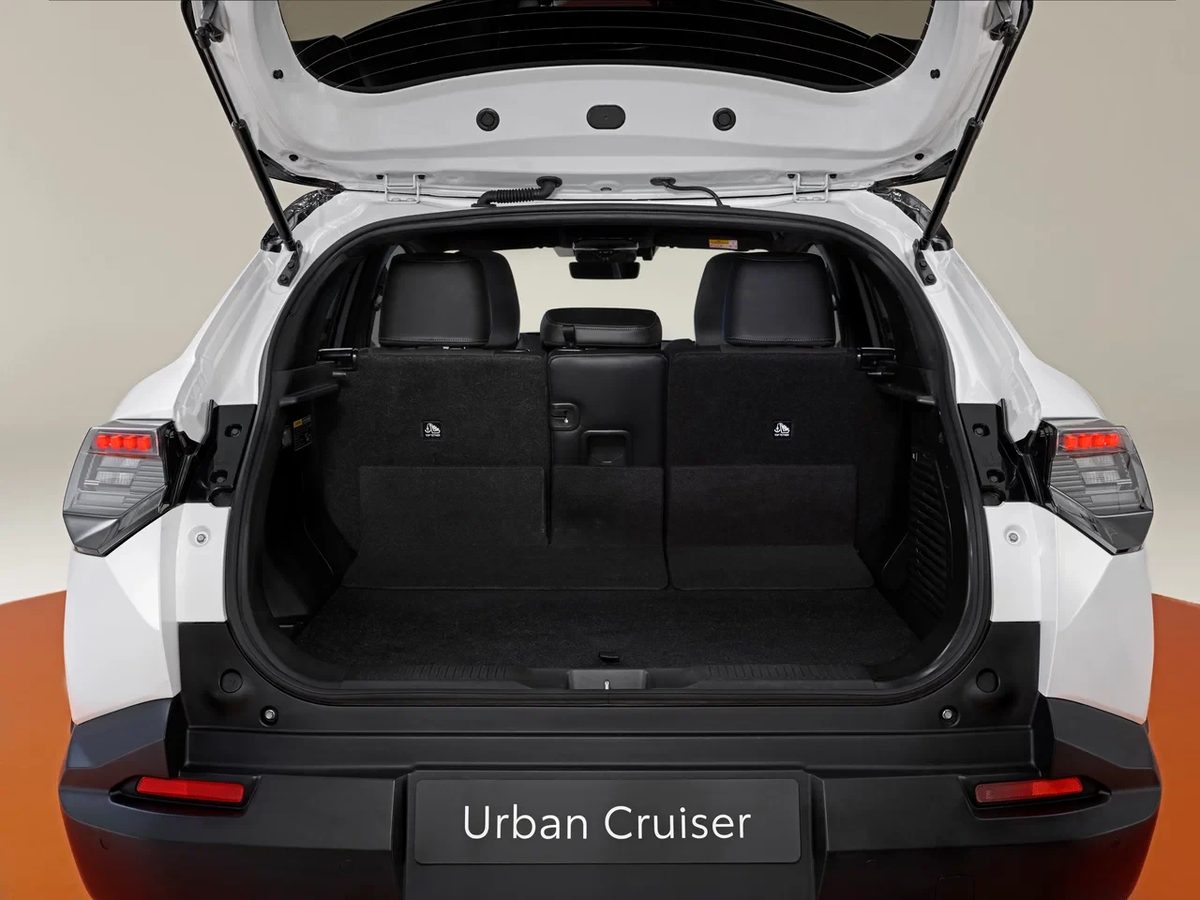
The cabin pairs a digital instrument display with a landscape central touchscreen, both under one glass panel, and keeps a physical row of climate switches beneath it. The drive selector is a small rotary dial on a raised console with two wireless charging pads. Toyota quotes five seats, and the rear bench splits and folds against a load bay accessed through a conventional tailgate.
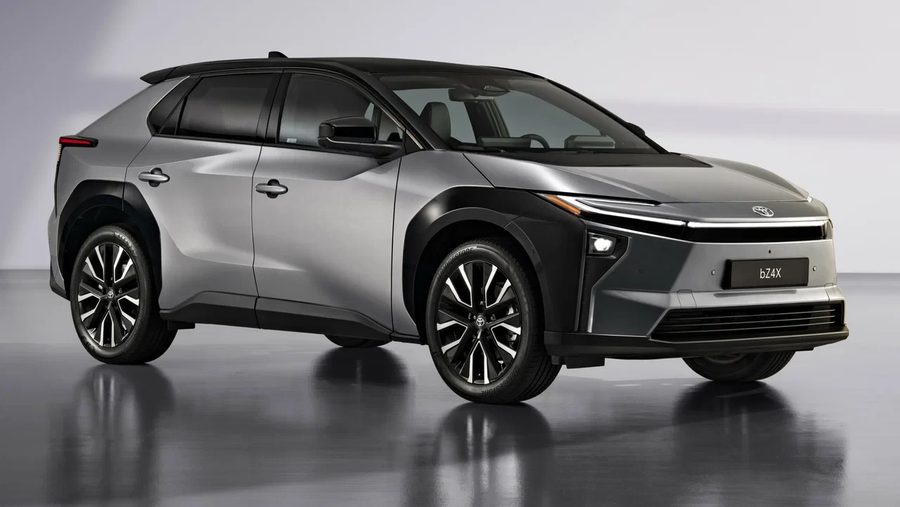
German list prices run from €31,990 for the 49 kWh Active to €38,990 for the 61 kWh Teamplayer and €44,990 for the all-wheel-drive Lounge, with first deliveries in Germany from February 2026. Norway took to it quickly: the Urban Cruiser was the country’s fifth best-selling model in August 2026, in a month when 98.7% of new cars registered there were electric. Toyota’s larger electric SUV in Europe is the bZ4X. Full brand background is on the Toyota page.