 Germany
Tesla has dropped from sixth to 11th place in the Center of Automotive Management’s (CAM) ranking of electric-car innovation, scoring 78 index points. It is the first time Tesla has been outside the top 10 since the ranking was introduced in 2016, when it came first. Its own score actually rose by 3.4 points; CAM says other makers overtook it by bringing out significantly more EV innovations.
The top 10
The first three places did not change from CAM’s last ranking in January: Geely Group on 207 index points, Volkswagen Group on 204 and BYD on 192. Mercedes-Benz climbed three places to fourth with 147 points. BMW, SAIC, Hyundai, Renault, GM and Stellantis complete the top 10 in that order. CAM, a research institute in Bergisch Gladbach led by Prof. Stefan Bratzel, did not publish scores for places five to ten in the release.
Bratzel said Tesla “is losing significant ground in the innovation race”. He also said leadership in electromobility innovation “continues to be shaped primarily by Chinese and German manufacturers”.
What the ranking counts
This is CAM’s Electromobility Report, which looks only at battery-electric cars. It is separate from CAM’s Automotive Innovations series, which covers all drivetrains and in which BYD took the lead for the first time in April. Across 2021 to the first half of 2026, CAM recorded 910 series innovations from 38 manufacturer groups.
The scoring centres on what CAM calls its triad: range, power consumption and charging power. Segment coverage, such as the first electric drivetrain in a given segment, also counts, as do advances in battery technology and charging control. The ranking counts innovations, not sales or profit, so it says nothing about which maker sold more cars. Tesla’s deliveries are covered in its Q3 2026 results.
The innovations CAM singled out
CAM highlights range, charging power, efficiency and the energy ecosystem, meaning vehicle-to-home and vehicle-to-grid charging. Its examples from the first half of 2026:
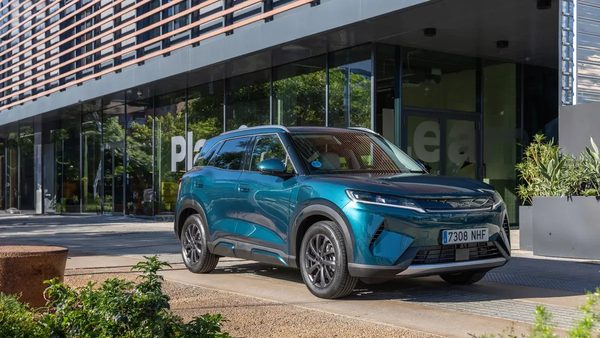
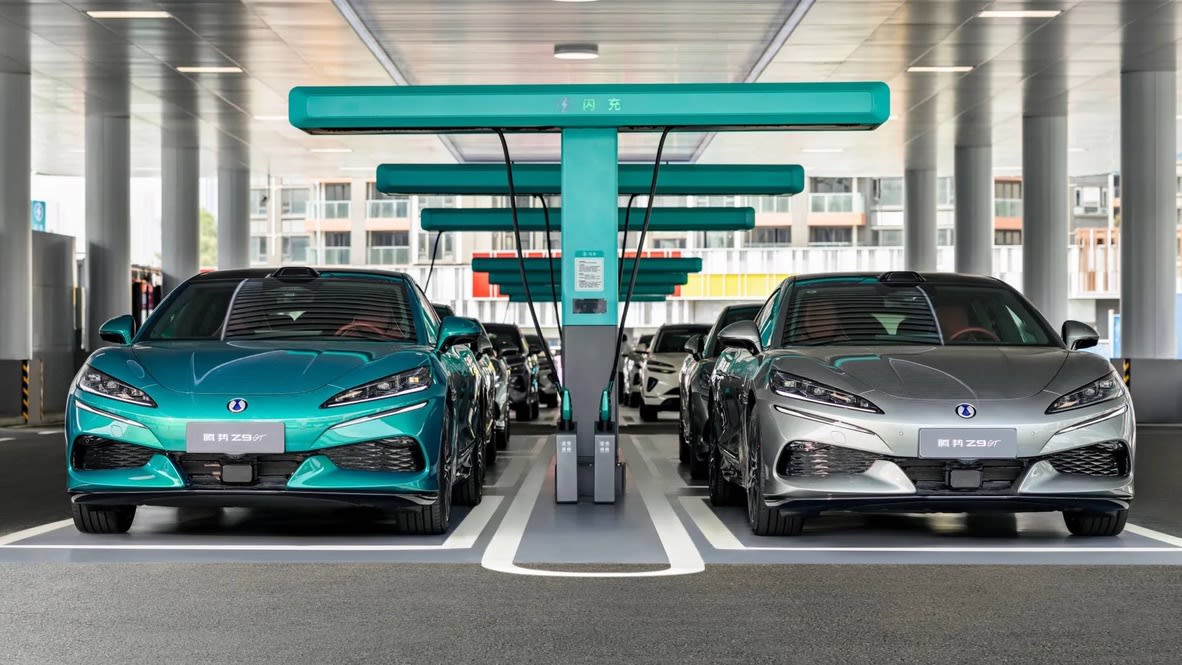
- Charging: BYD reached up to 1,500 kW through a single charging port with the Denza Z9 GT. The European version charges from 10 to 97 per cent in about nine minutes, even at minus 30 degrees Celsius.
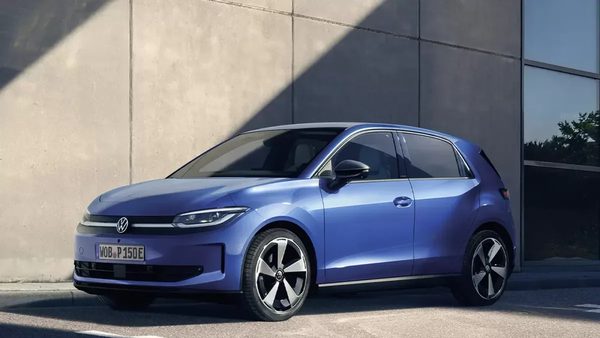
- Efficiency: the Volkswagen ID.3 Neo, with its new APP350 motor and thermal management, has a WLTP range of 629 km from a 79 kWh battery and consumption from 14.3 kWh/100 km.
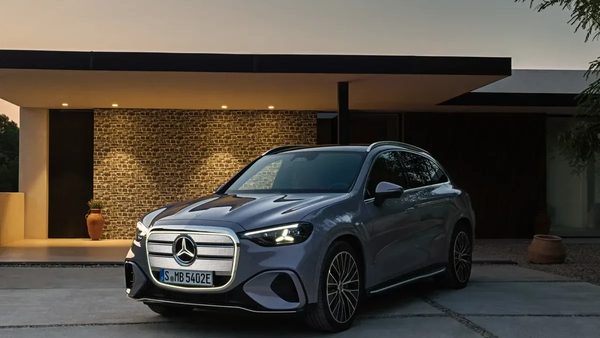
- Breadth: Mercedes-Benz stands out for covering many segments (EQS, VLE), and offers bidirectional charging like BMW.