 India
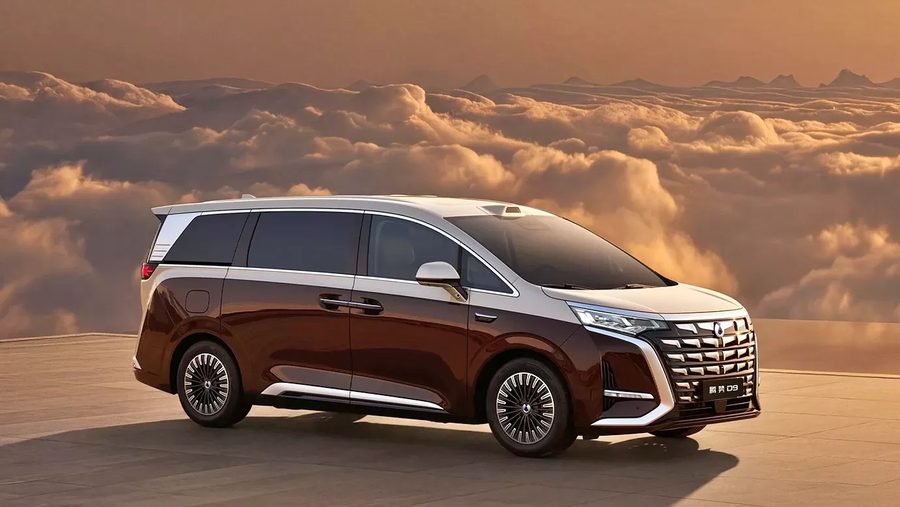
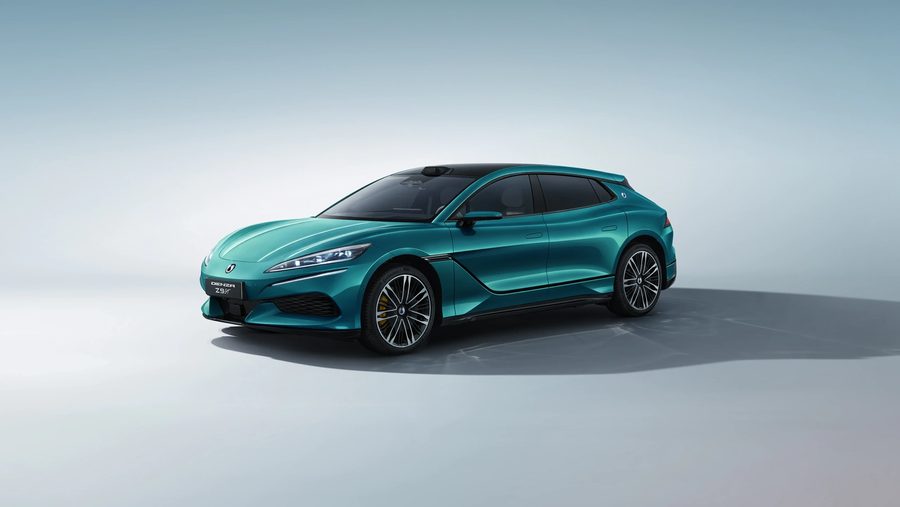
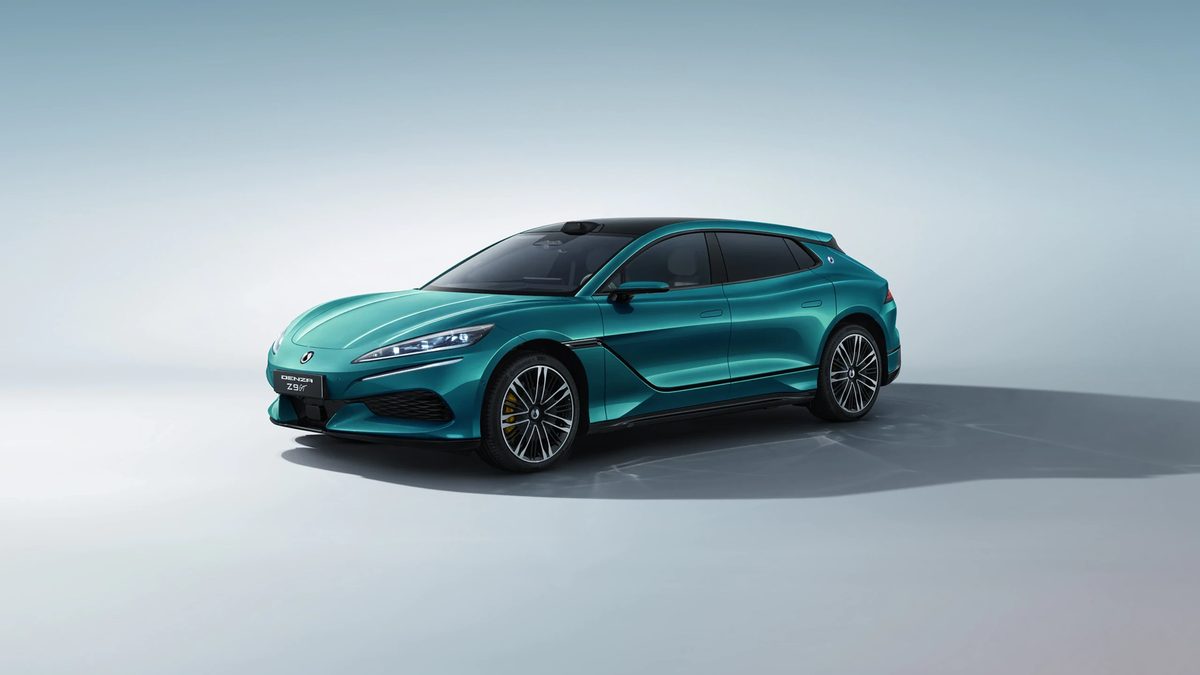
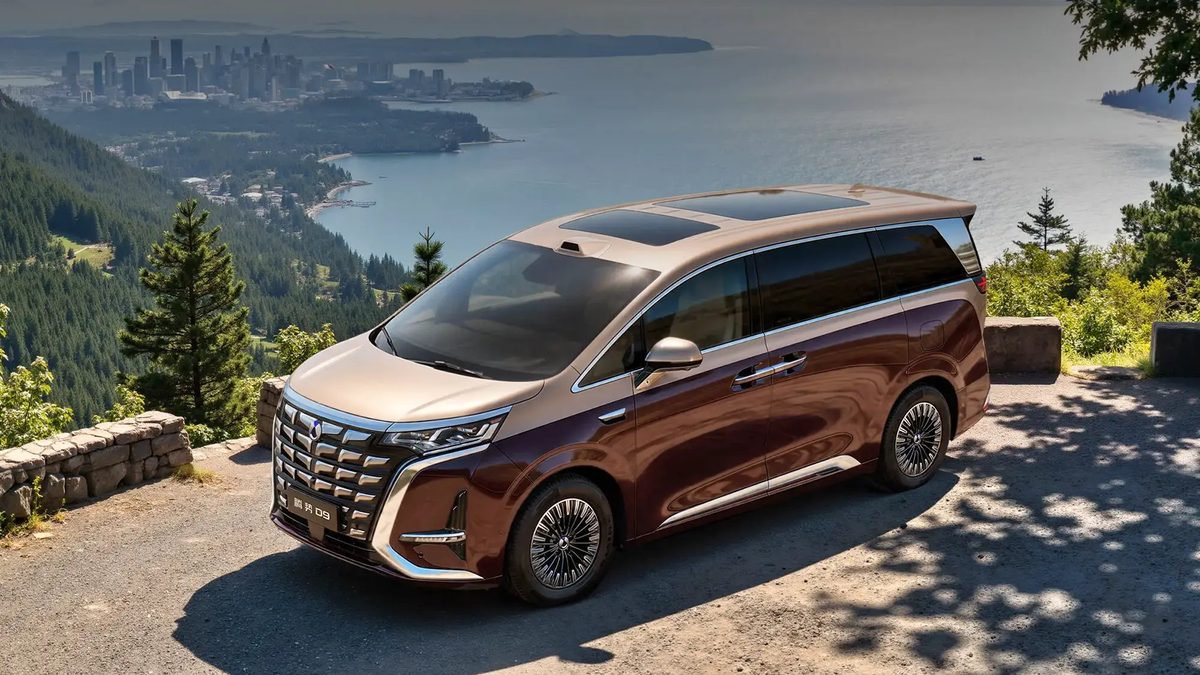
BYD’s premium brand Denza held its India launch on 13 November with two battery-electric imports, the seven-seat D9 MPV and the five-seat Z9GT shooting brake, which has an introductory price.
Prices and specifications
| Specification | D9 | Z9GT |
|---|---|---|
| Ex-showroom price | 9,000,000 rupees (~$93,900) | 15,680,000 rupees (~$163,700) |
| Seats | 7 | 5 |
| Drive | Front-wheel | All-wheel |
| Power (kW) | 340 | 850 |
| Battery (kWh) | 115.07 | 122.49 |
| Range (km, NEDC) | 730 | 670 |
| 0-100 km/h (s) | 8.5 | 2.7 |
Both cars use BYD’s second-generation Blade Battery, and the Indian range figures are on the older NEDC test cycle. Denza’s European release rates a Z9GT with the same battery capacity and power at 600 km on WLTP. India gets the Z9GT in one version, called Premium, with 1,210 Nm of torque and a 270 km/h top speed.
D9 seating and cabin
The D9 seats its passengers in a 2+2+3 layout. Its second-row captain seats have power adjustment, heating, ventilation and massage, and the cabin carries a 15.6-inch central touchscreen, a 16-speaker Devialet audio system, a panoramic glass roof and a refrigerator that can also heat.
Bookings, charging and warranty
Bookings opened on launch day with a payment of 1 million rupees (~$10,400). Denza is selling through its own showrooms, separate from BYD’s, in Gurugram, Mumbai, Ahmedabad, Bengaluru, Chennai and Hyderabad. D9 deliveries start from launch, while no Z9GT delivery date has been announced.
Buyers who book get an 11 kW home charger with installation and six years of roadside assistance. The vehicle warranty runs for six years or 150,000 km, and the high-voltage powertrain is covered for eight years or 160,000 km. Denza says the D9 can charge from 10% to 97% in nine minutes, and quotes the same time for the Z9GT on its 1,500 kW flash system. No Indian rollout of chargers at that power has been announced.
Imports and tariffs
Both models are sold as completely built imports. BYD continues to ship its Indian cars from China and pays high tariffs on them, according to CnEVPost, while India’s investment rules for countries sharing a land border have restricted its ability to fund a local factory. Luxury vehicles made up just over 1% of India’s 4.4 million passenger car sales in 2025, with high import tariffs among the main limits on that market, CnEVPost reported, citing Reuters.