 China
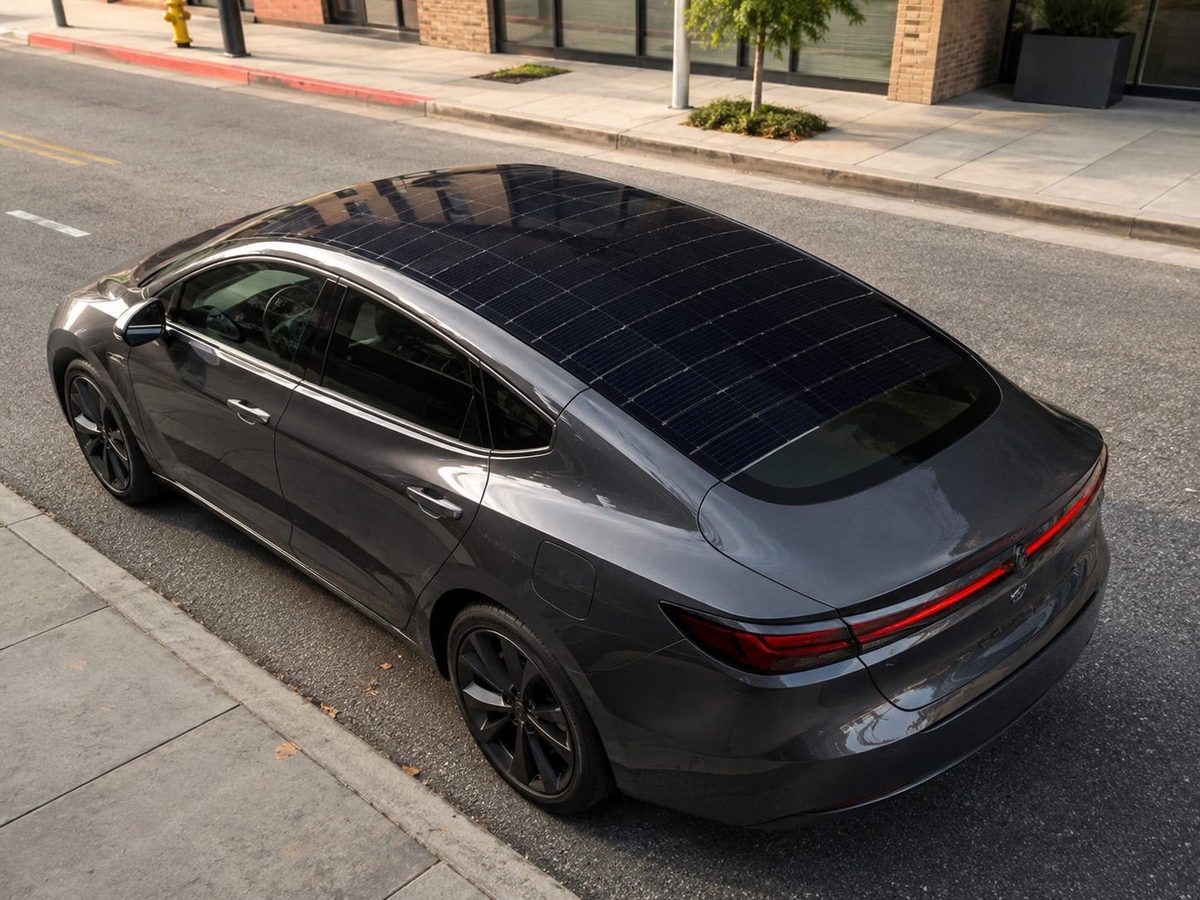
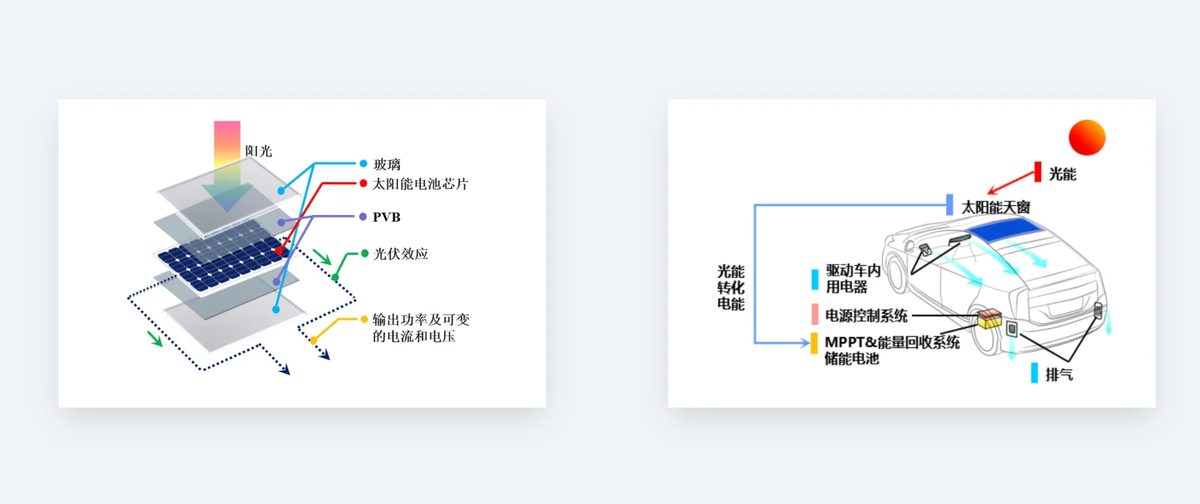
ChinaFuyao, one of the largest automotive glass makers in the world, says its panoramic roof with photovoltaic cells laminated inside it is ready for mass production. The cells sit between the layers of the glass rather than on top of it, so the roof stays semi-transparent from underneath.
The figure Fuyao gives is around 150 W per square metre. On a car roof that is a few hundred watts in full sun, which is why the company’s own pitch is about running the air conditioning, the media system and a dashcam rather than the car. Electricity that would otherwise come out of the traction battery comes off the roof instead, and the case is strongest when the car is parked in the sun with nothing plugged in.
The numbers nobody will confirm
PV Magazine reports that Fuyao has published no specification sheet for the product at all, and that at an investor briefing in March the company declined to name its customers or discuss pricing, calling both commercially confidential.
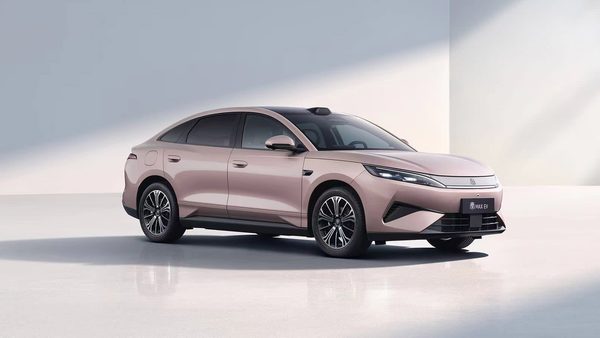
That leaves a set of widely repeated figures with no source standing behind them. Chinese media have reported a 720 W roof arriving on the BYD Han and Tang as an option costing around ¥8,000 ($1,200). Neither Fuyao nor BYD has confirmed the output, the price or the models. A cell efficiency of 23.18 percent on heterojunction cells is circulating on the same basis.
{{image:1}}
What is actually established
Fuyao announced mass-production capability for solar sunroof glass in May 2024 and reached a capacity of three million sets of automotive glass a year by the end of 2025, though it has never said what share of that is solar. A carmaker will have to put the roof on a car and quote a number before any of the rest of it can be checked.