 Japan
JapanHonda and Nissan concluded a joint development agreement on 31 August to standardize the core electronics and software of their next-generation cars. It is the signed version of the arrangement reported in June as being in final talks, and it is an agreement between two companies rather than three.
What the two will share
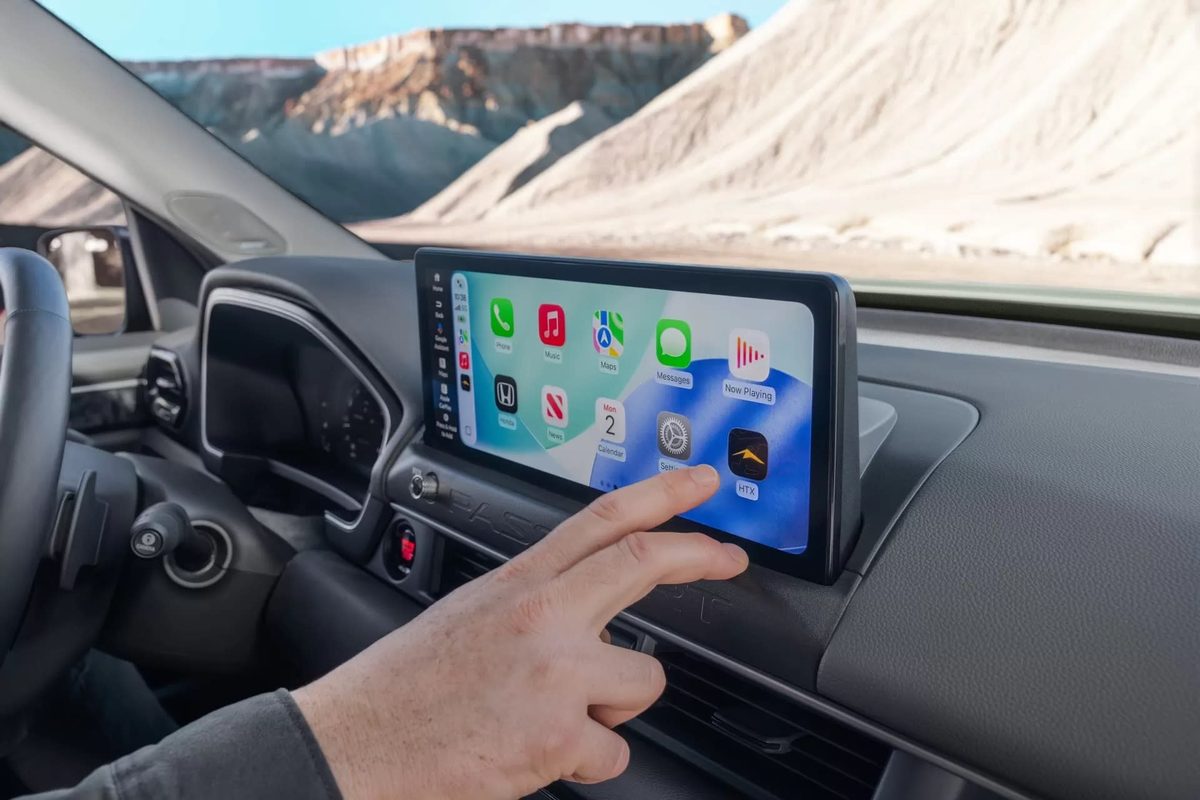
The companies will set common specifications for several of the control units inside the electrical architecture: a high-performance main unit built around a system-on-chip, plus zone ECUs. On top of that hardware they will share the in-vehicle operating system, key middleware components and the vehicle-control software.
An ECU is a computing module that runs part of the car. A conventional car carries dozens of them, one per function, each with its own wiring and its own software. A zonal layout replaces most of those with a handful of controllers that each cover a physical region of the vehicle, all reporting to one central computer. The practical difference for an owner is over-the-air updates: with fewer separate systems to update, a feature added after purchase is a single software release rather than a workshop visit.
Mitsubishi’s position
Honda’s release names Honda and Nissan only. Mitsubishi, in which Nissan holds a stake and which appeared in the June reporting on the same programme, is not a party to this agreement. The company has said it is considering joining and remains in discussion with both makers. Nothing in the announcement says it has been excluded.
When the cars arrive
The shared architecture is planned for both companies’ next-generation software-defined vehicles from fiscal 2029, which in Japan begins in April 2029 and ends in March 2030. That matches the 2029-2030 window the June reporting described.
The stated reason is cost. Pooling the engineering and buying the same components in larger volumes lowers development spend per car for both. The two began joint research on software-defined vehicles in 2024, and kept it running after their merger talks collapsed in early 2025.