 UK
UK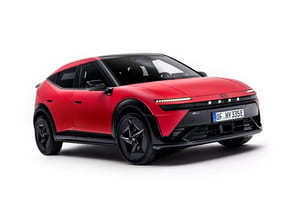
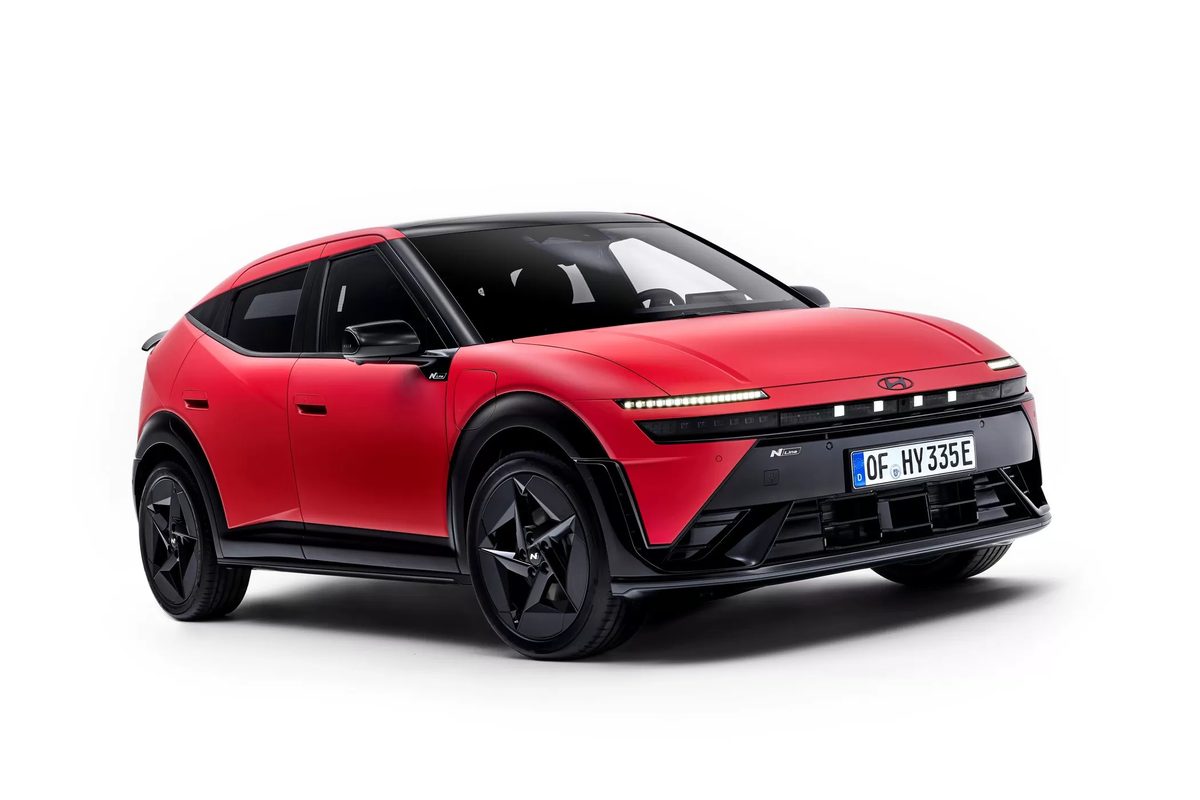
Hyundai Motor UK has published prices for the Ioniq 3, the compact electric hatchback revealed at Milan Design Week 2026, and opened its order book. The range runs from £22,245 ($28,200) to £31,945 ($40,400) on the road across five versions, all front-wheel drive.
The car that carries the entry price is the Advance with the smaller 42.2 kWh battery, rated at about 213 miles (343 km). The 308-mile (496 km) figure Hyundai quotes for the Ioniq 3 comes from the 61 kWh Advance, which costs £25,745 ($32,600).
Prices and range by trim
| Trim | Battery | Price (OTR) | Range |
|---|---|---|---|
| Advance | 42.2 kWh | £22,245 ($28,200) | 213 mi (343 km) |
| Advance | 61 kWh | £25,745 ($32,600) | 308 mi (496 km) |
| Premium | 61 kWh | £27,445 ($34,700) | 303 mi (488 km) |
| Ultimate | 61 kWh | £29,945 ($37,900) | 300 mi (483 km) |
| N Line Evo | 61 kWh | £31,945 ($40,400) | 265 mi (426 km) |
Every range figure above is provisional. Hyundai labels them as pending final homologation, so the certified WLTP numbers can move before the first cars are handed over. The pattern across the 61 kWh trims is the familiar one: heavier equipment and larger wheels cost range, and the N Line Evo gives up 43 miles (70 km) against the Advance on the same battery.
The smaller battery is the quicker car
The 42.2 kWh version uses a 107.8 kW (145 hp) motor and reaches 62 mph (100 km/h) in 8.8 seconds. The 61 kWh version is rated at 99.5 kW (133 hp) and takes 9.5 seconds, or 9.6 in the N Line Evo. Both make 250 Nm. Top speed is 105 mph (169 km/h) for the smaller battery and 102 mph (164 km/h) for the larger one.
Charging and equipment
The Ioniq 3 uses a 400-volt architecture. On a 350 kW DC charger Hyundai quotes 10 to 80 percent in 29 minutes for the 42.2 kWh car and 30 minutes for the 61 kWh car; on a 50 kW unit the same top-up takes 42 minutes and 1 hour 10 minutes. An 11 kW wallbox fills the small battery in 4 hours 5 minutes and the large one in 5 hours 35 minutes.
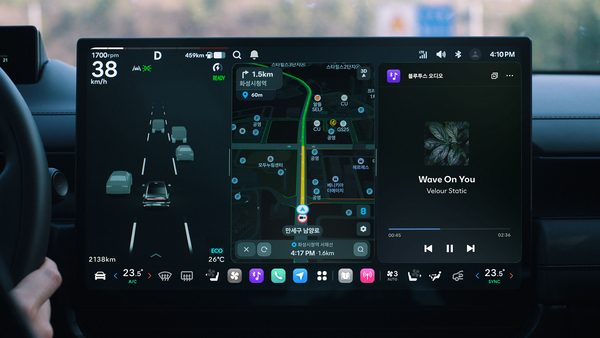
Advance cars get a 12.9-inch touchscreen running Pleos Connect, Hyundai’s Android Automotive system, with a 14.6-inch screen higher up the range. Plug & Charge, Digital Key 2, vehicle-to-load power and Memory Reverse Assist are included, as is the usual assistance set: forward collision avoidance, lane keeping, blind-spot and rear cross-traffic avoidance.
Hyundai has not published first-delivery dates for UK cars.

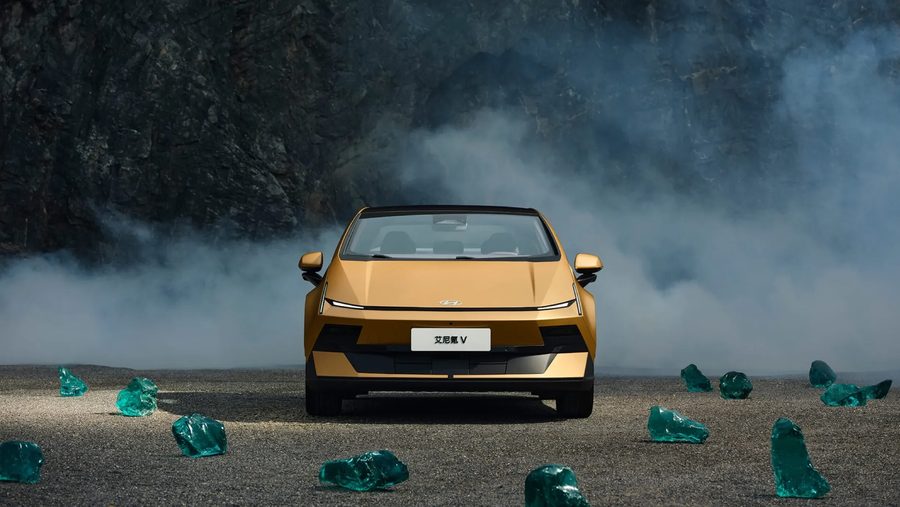
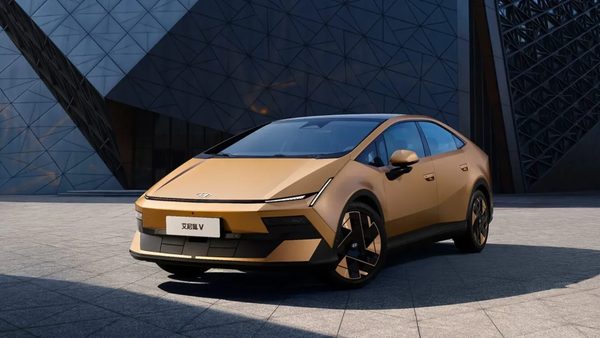
The Hyundai Ioniq V is a China-only electric fastback built through the Beijing Hyundai joint venture, on the 800-volt version of the E-GMP platform. Pre-orders opened in August 2026 across three trims from 119,900 to 139,900 yuan ($17,700 to $20,600), with CATL LFP packs of 53.5 or 66.8 kWh and 540 or 650 km of CLTC range. Sales start in September 2026.