 Germany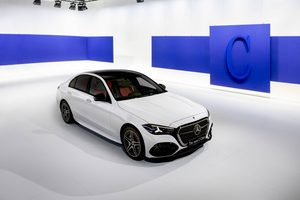
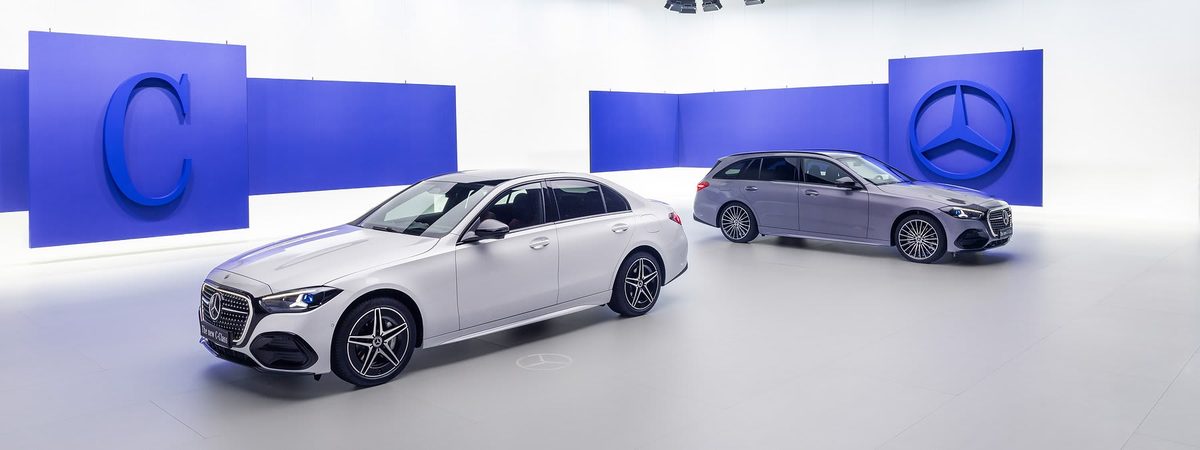
Mercedes-Benz has updated the petrol and diesel C-Class, the W206 generation, in the same year an electric C-Class went on sale as a separate model. The two now run in parallel, and the combustion car has had the more thorough rework of the two: every engine in the range was reworked for Euro 7, the badges moved up a step in output, and the steering wheel gave back some of the touch controls it took away in 2021.
The engine range, badge by badge
Everything is a 2.0-litre four-cylinder now; the 1.5-litre engine has been dropped. On petrol, the updated M254 Evo makes 177 PS (174 hp) in the C 200, 218 PS (215 hp) in the C 250 and 258 PS (255 hp) in the C 300. The naming shifted with it. The entry-level C 180 is gone and its place is taken by a C 200 badge that now carries 177 PS rather than the old car’s 170 PS, while the C 250 badge sits on the output the C 200 used to have, raised from 204 PS to 218 PS.
Diesel continues in two versions, the C 200 d at 163 PS (161 hp) and the C 250 d at 200 PS (197 hp), both on the OM654 Evo and both cleared to run on HVO100 and biodiesel blends. What did not survive is the C 300 de, the diesel plug-in hybrid, which leaves the range without a replacement. The petrol plug-in hybrids stay: the C 300 e, and the C 400 e 4MATIC at 395 PS (389 hp) and 650 Nm, both with a 19.5 kWh usable battery good for up to 100 km on the WLTP cycle.
What the 48-volt system does
Every version without a plug now runs a second-generation starter-generator on a 48-volt circuit, worth up to 17 kW and 205 Nm during acceleration. It also lets the engine shut down while the car coasts and restarts it without the driver noticing. The petrol engines gained an electric auxiliary compressor alongside the turbocharger. Because it is driven by the battery rather than exhaust gas, it can build boost the instant the throttle opens, which is the part of acceleration a turbocharged engine is normally slowest at.
Screens, software and the steering wheel
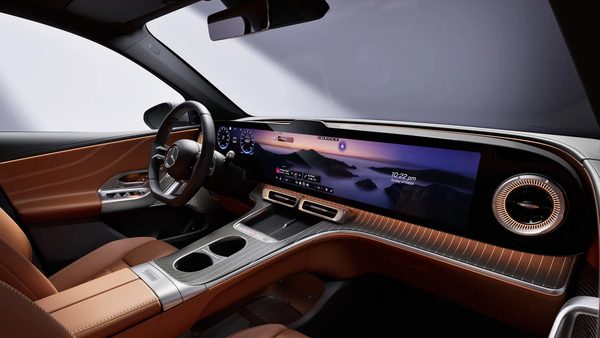
The dashboard is carried over: a 12.3-inch instrument display and an 11.9-inch portrait touchscreen in the same housings as before. Behind them is the fourth generation of MBUX, with AI assistants and Google Maps as the built-in navigation rather than an app cast from a phone.
The steering wheel is where Mercedes changed its mind. Some of the capacitive pads on the spokes, introduced with this generation in 2021, have been replaced by physical rocker switches and rollers for the functions used most often. The screens remain touch-operated.
This is a stated policy rather than a one-off. In August, Mercedes sales chief Mathias Geisen said customers still wanted the large displays but wanted a separate control they could find without looking for the functions they reach for constantly, and that the redesigned wheel would become the standard item on future models and be retrofitted across the range. It appeared first on the CLA Shooting Brake and the electric GLC.
Outside, the C-Class takes the larger illuminated grille and the star-pattern light signatures already used elsewhere in the range, with new bumpers and Micro-LED headlights.
Orders open in Germany on 18 August 2026. The C 200 saloon starts at €48,844 (about $53,700) and the estate at €50,391 (about $55,400); the C 200 d opens the diesel range at €53,336 (about $58,700), and the C 400 e 4MATIC estate tops it at €75,095 (about $82,600).

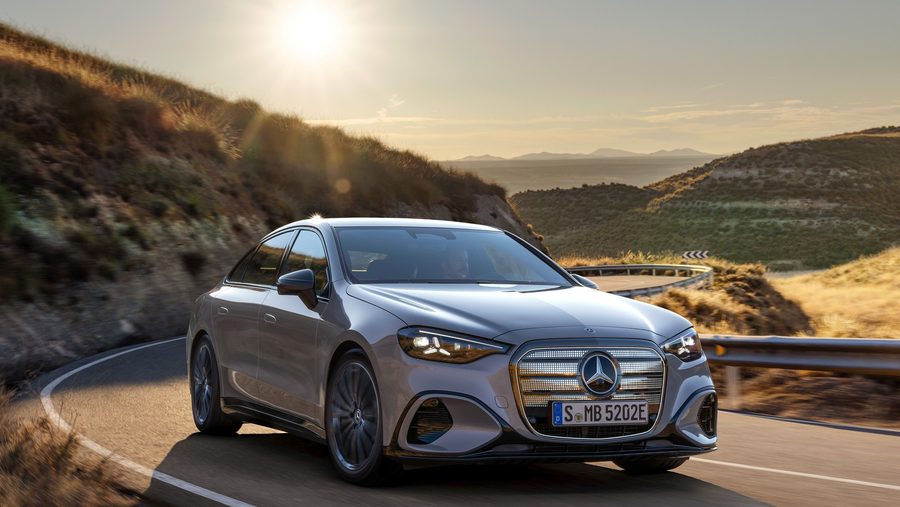
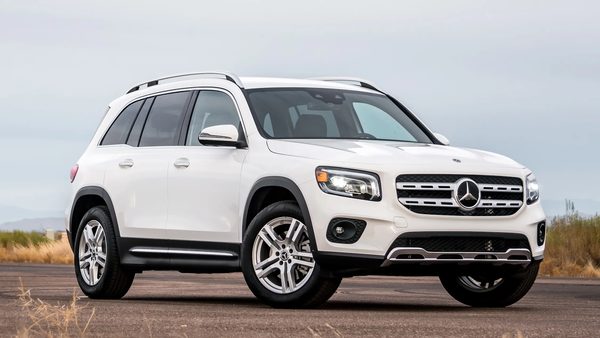
Mercedes' first electric C-Class, built on the dedicated MB.EA platform with 800-volt charging. The launch C 400 4MATIC combines 489 hp with up to 762 km of WLTP range from a 94 kWh battery.
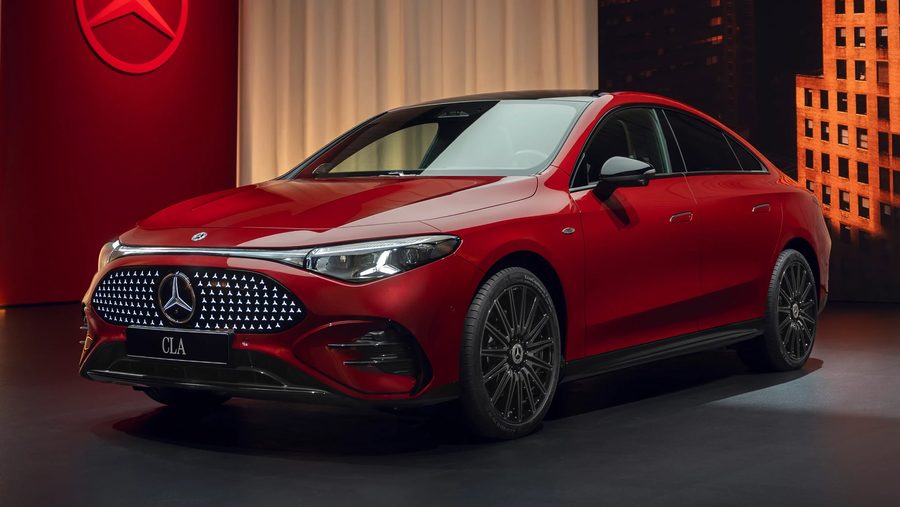
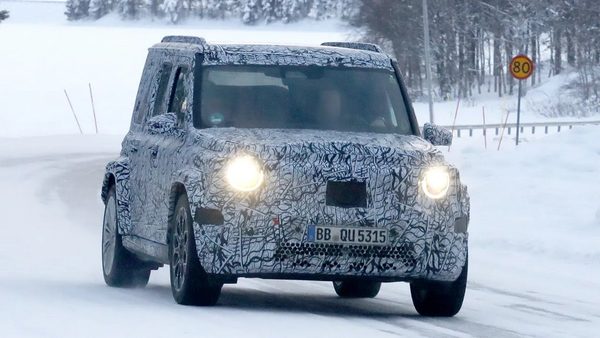
The mild-hybrid petrol version of the all-new CLA, sharing its body and 800-volt electronics with the electric CLA. A 48-volt system pairs a small electric motor with the transmission, with combined outputs from 156 to 211 hp.