 Philippines
Registrations of electric vehicles in the Philippines, hybrids included, rose 130% year on year to more than 67,000 in the eight months to August, according to Patrick Aquino, director of the energy ministry’s Energy Utilization Management Bureau, speaking to Reuters. “Electrified” is the safer word for that number, because the ministry counts hybrids with battery-electric cars.
Why petrol matters here
The cost of gasoline has risen 68.3% since the US-Israeli strikes on Iran in late February, the fourth-steepest increase in the world, according to globalpetrolprices.com data cited by Reuters. The Philippines imports nearly all its fuel, has limited public transport and does not subsidise fuel, so the increase reaches drivers directly. Aquino described the result as demand “through the roof”, with buyers placing an order, paying a deposit and waiting for cars to arrive.
Share of sales
Carla Buencamino, head of mobility infrastructure at ACMobility, which operates the country’s largest EV charging network, says electric vehicles made up nearly a quarter of car sales this year, against 12% in 2025 and 4% in 2024. Those shares are ACMobility’s internal calculations, and Reuters does not say whether hybrids are counted in them. They come from a different source and a different measure from the ministry’s registration count, so the two should not be read as one series.
BYD and the policy backdrop
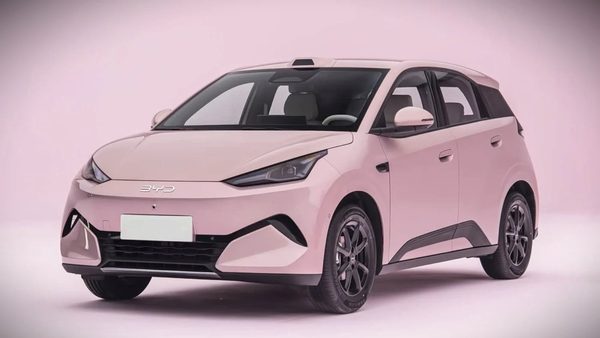
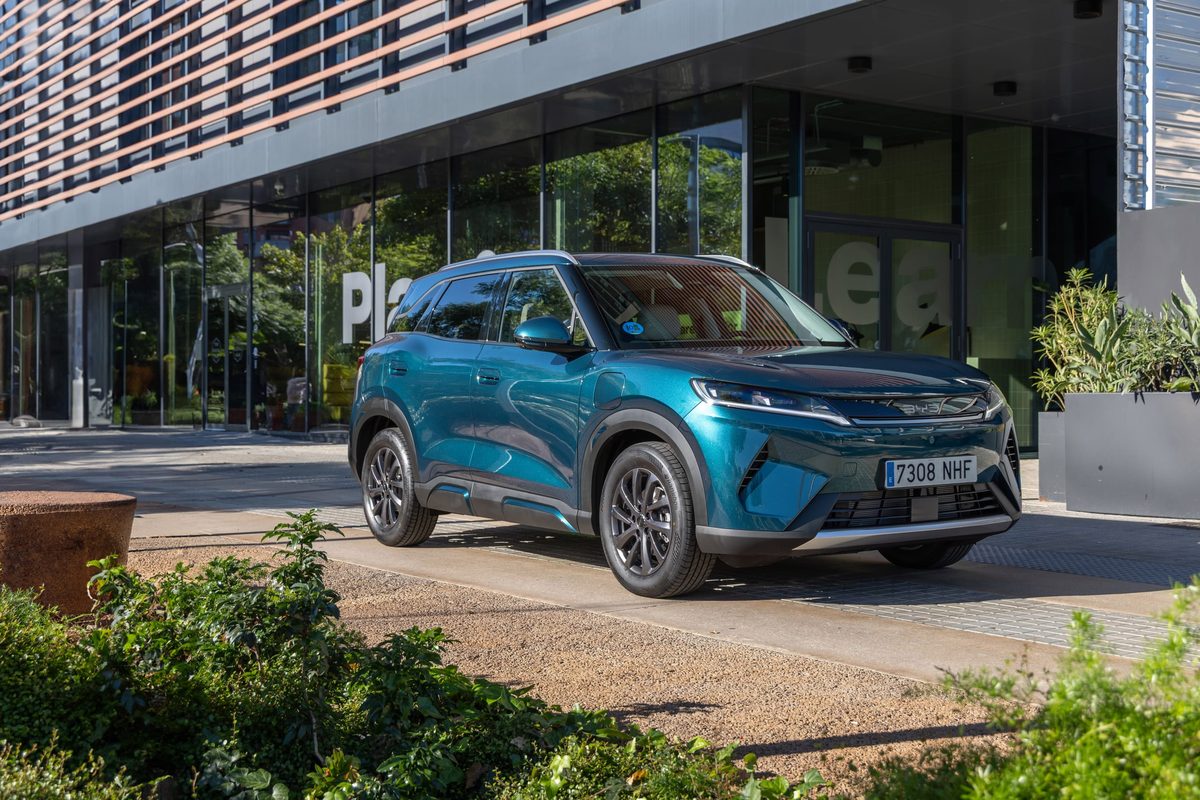
BYD delivered 28,399 cars in the eight months to August, up 99%, BYD Cars Philippines managing director Bob Palanca told Reuters. He said the figure already exceeds BYD’s entire 2025 sales, four months ahead of target. The government wants electric vehicles to make up half of the taxi fleet and of cars used by government officials by 2030, and is pushing to keep the duty exemption on EV imports beyond its planned expiry in 2028, Aquino said. Electric motorbikes, he added, have grown more slowly.