
 USA
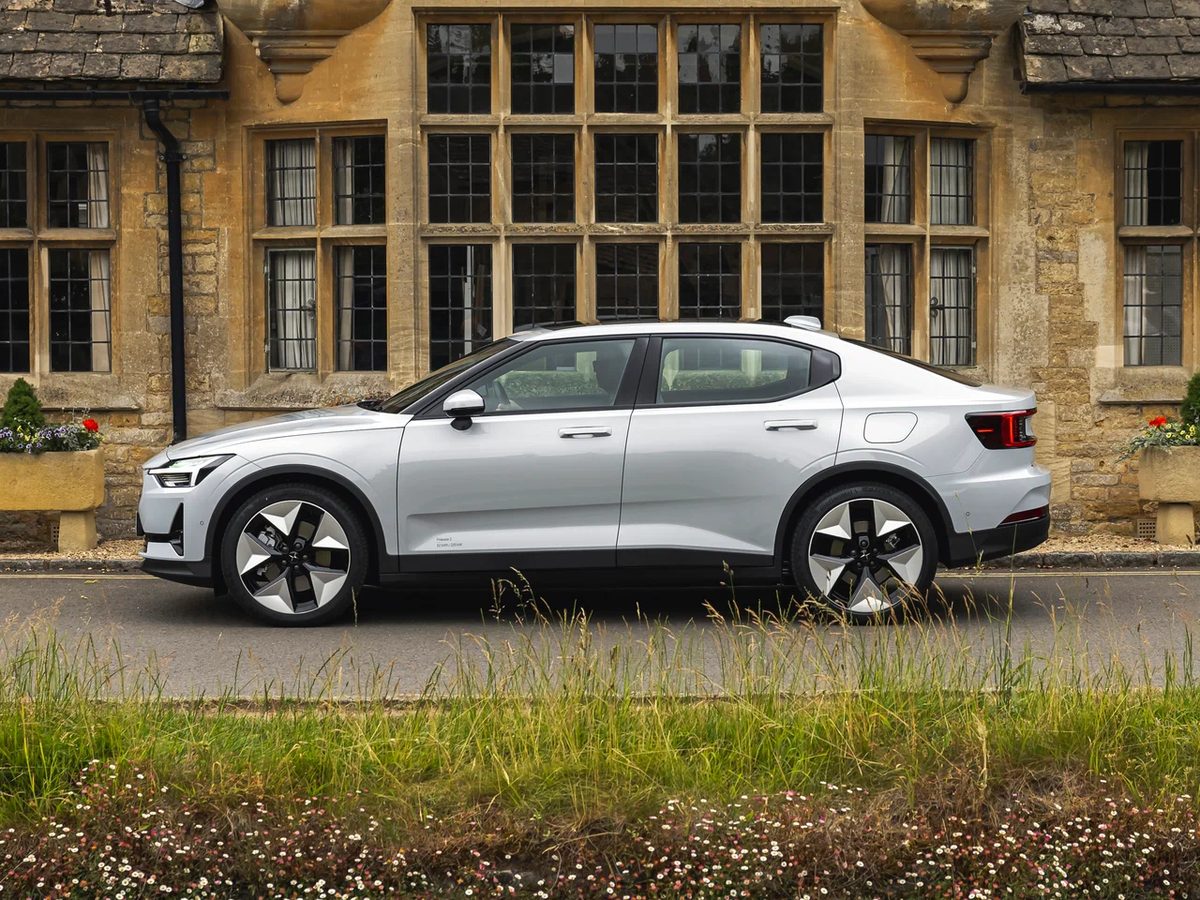
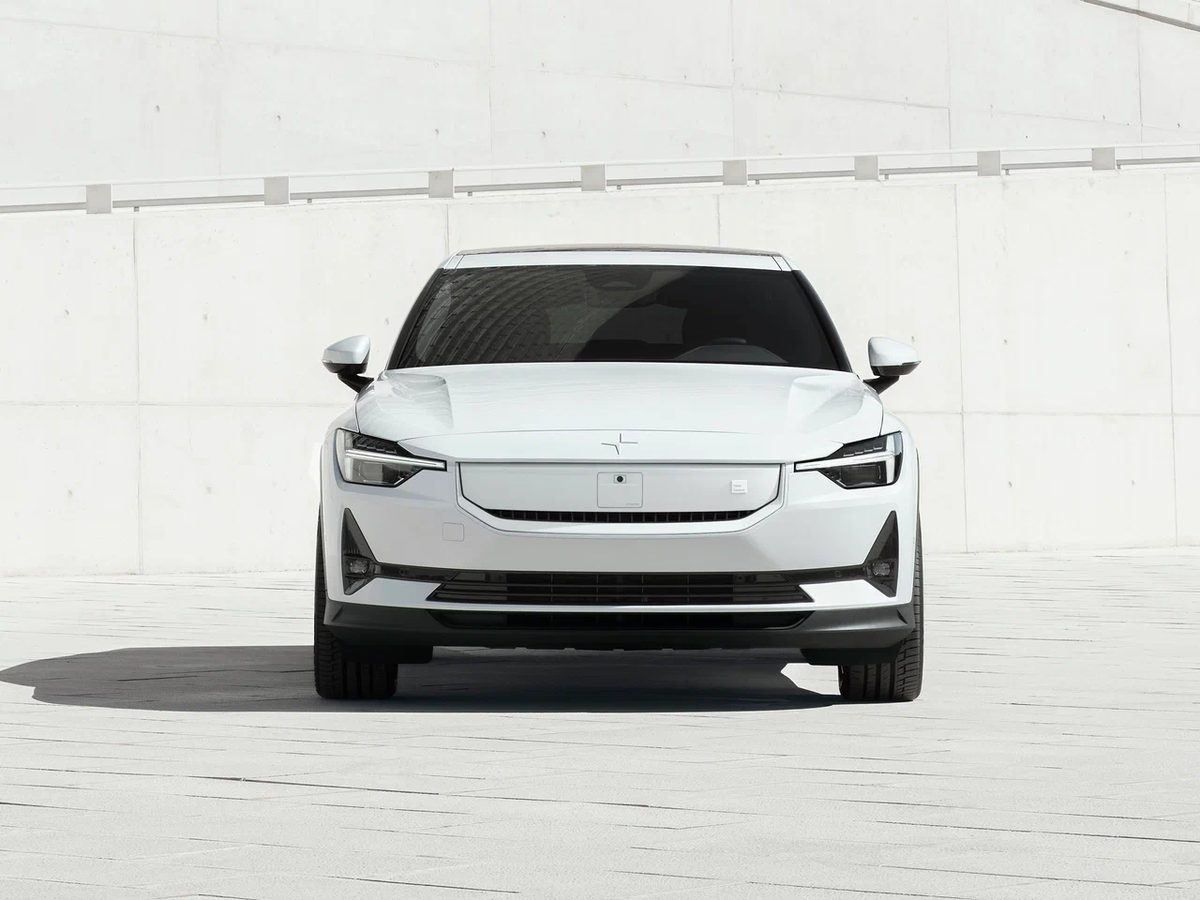
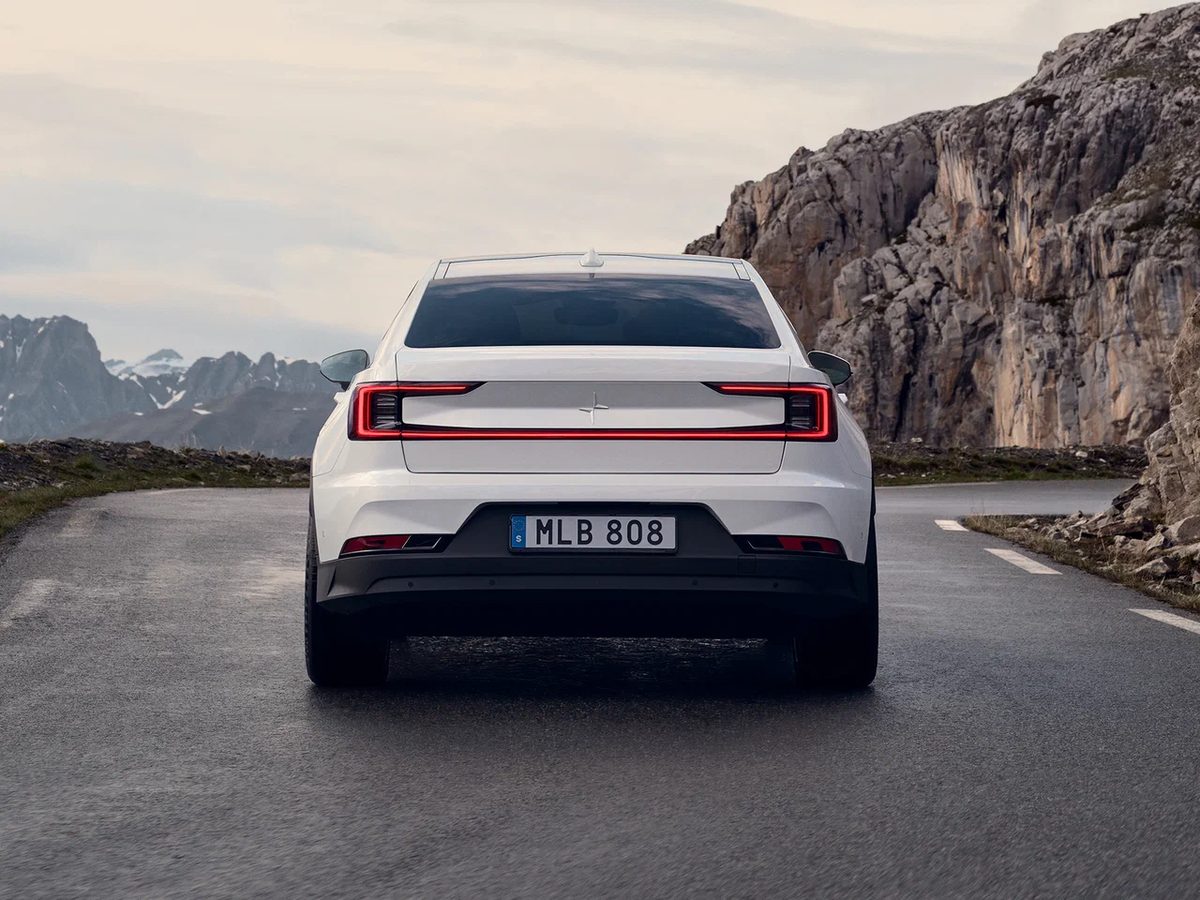
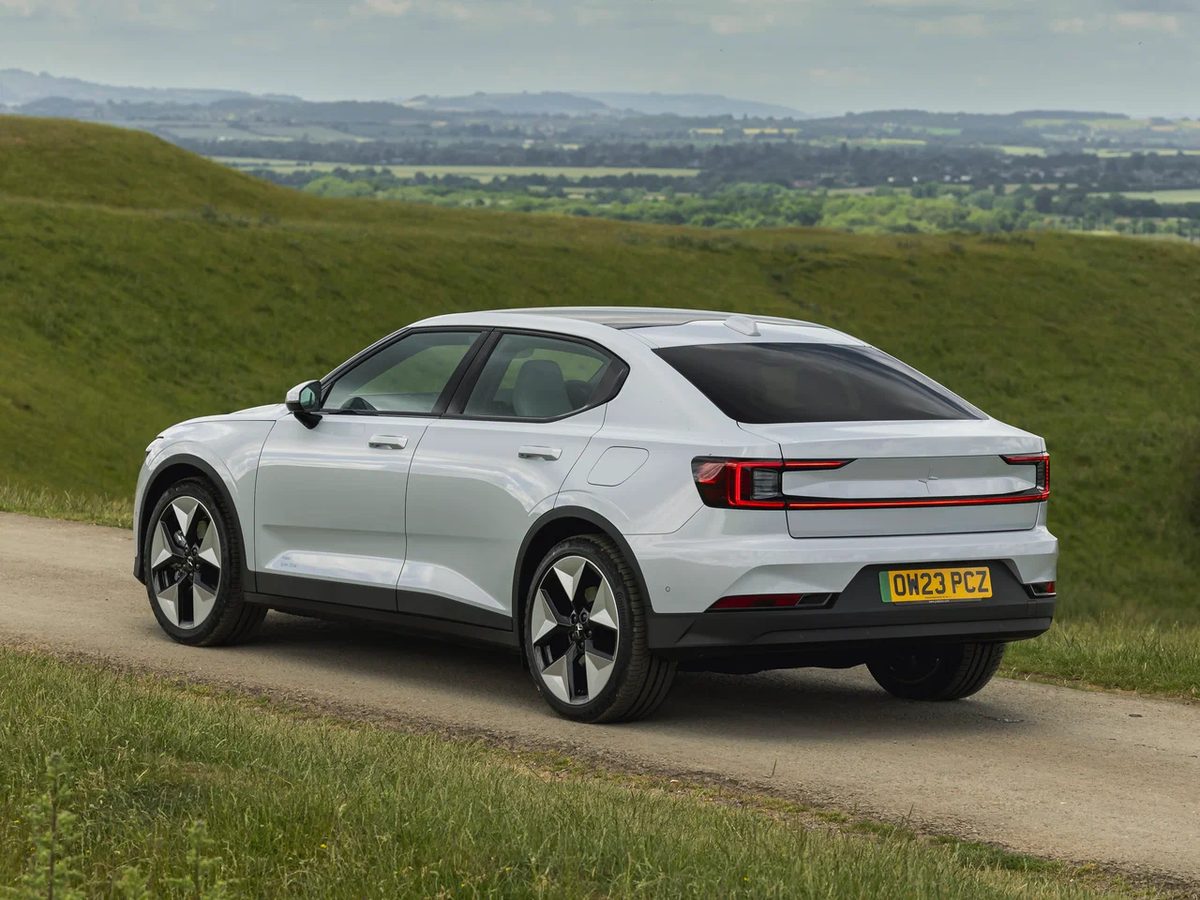
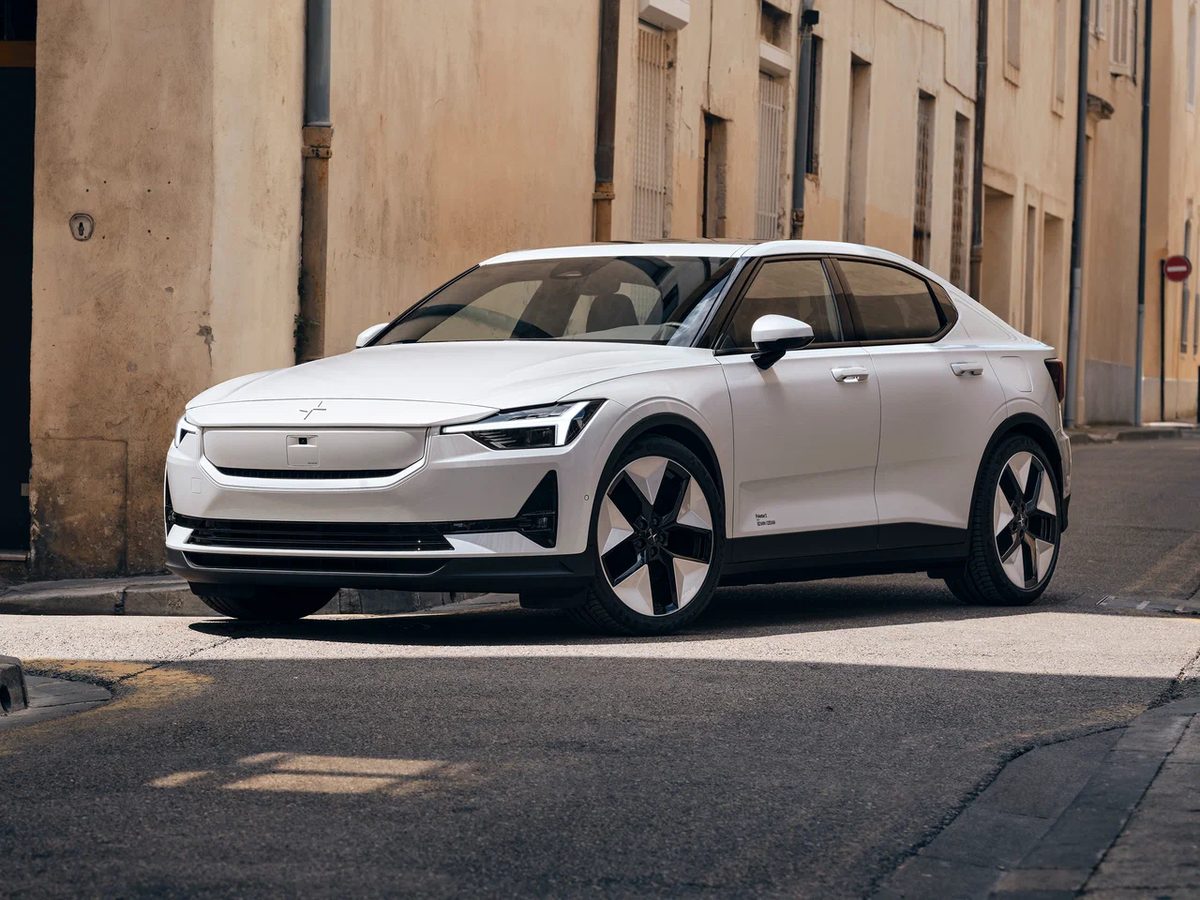
USAThe US Commerce Department has denied Polestar the authorization it needs to keep selling cars in the United States. New vehicles from the 2027 model year on can no longer be cleared for sale, leaving the Swedish brand without a path to the American market for its future line-up.
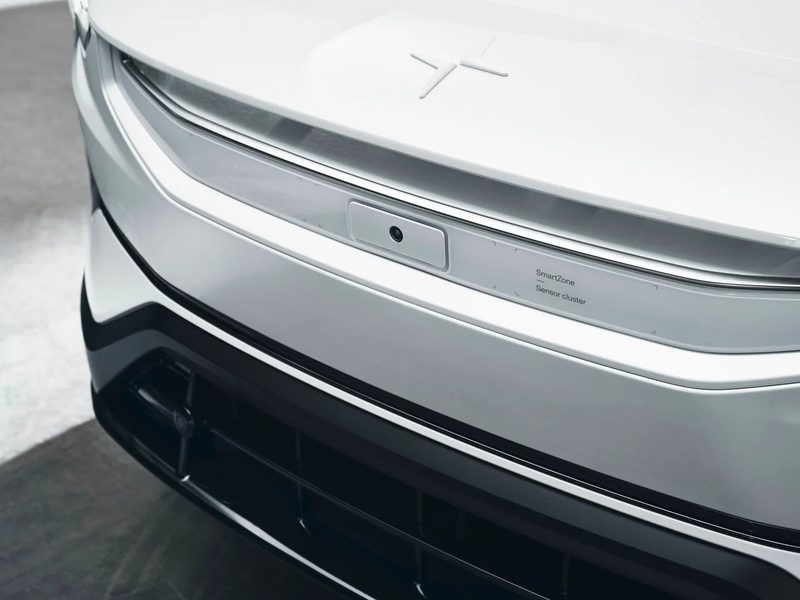
The block comes from the Connected Vehicle Rule, which bars cars with Chinese-linked connectivity hardware on national-security grounds. Polestar is majority-owned by China’s Geely, and that controlling stake is what triggered the denial.
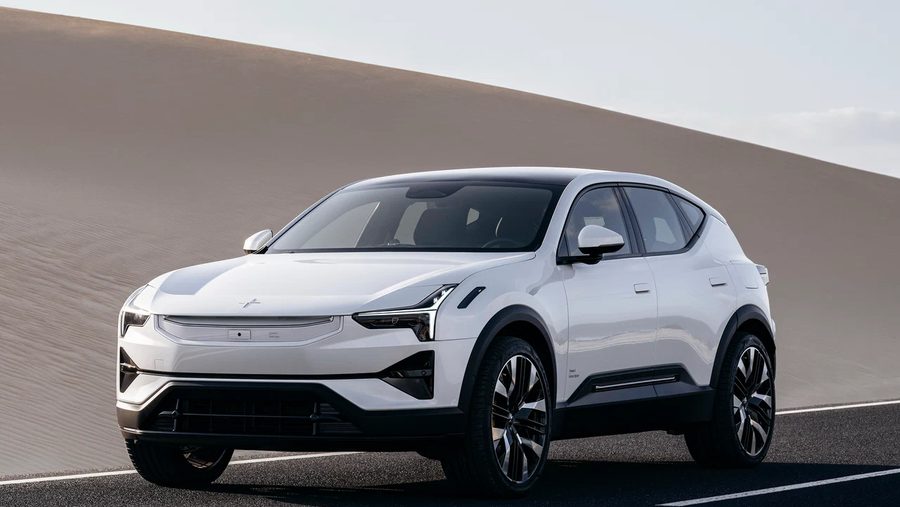
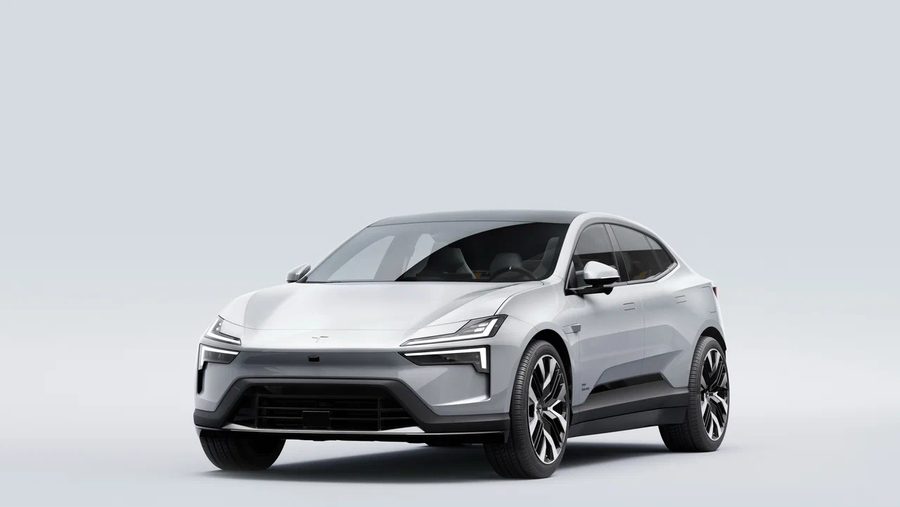
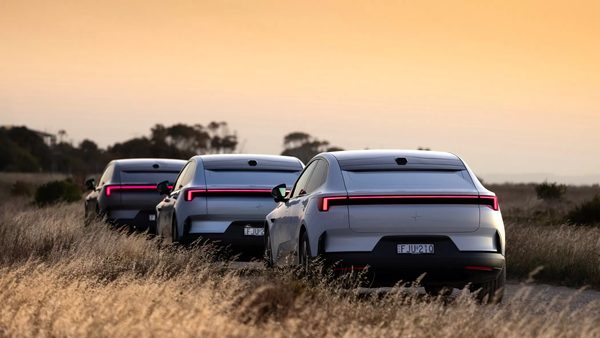
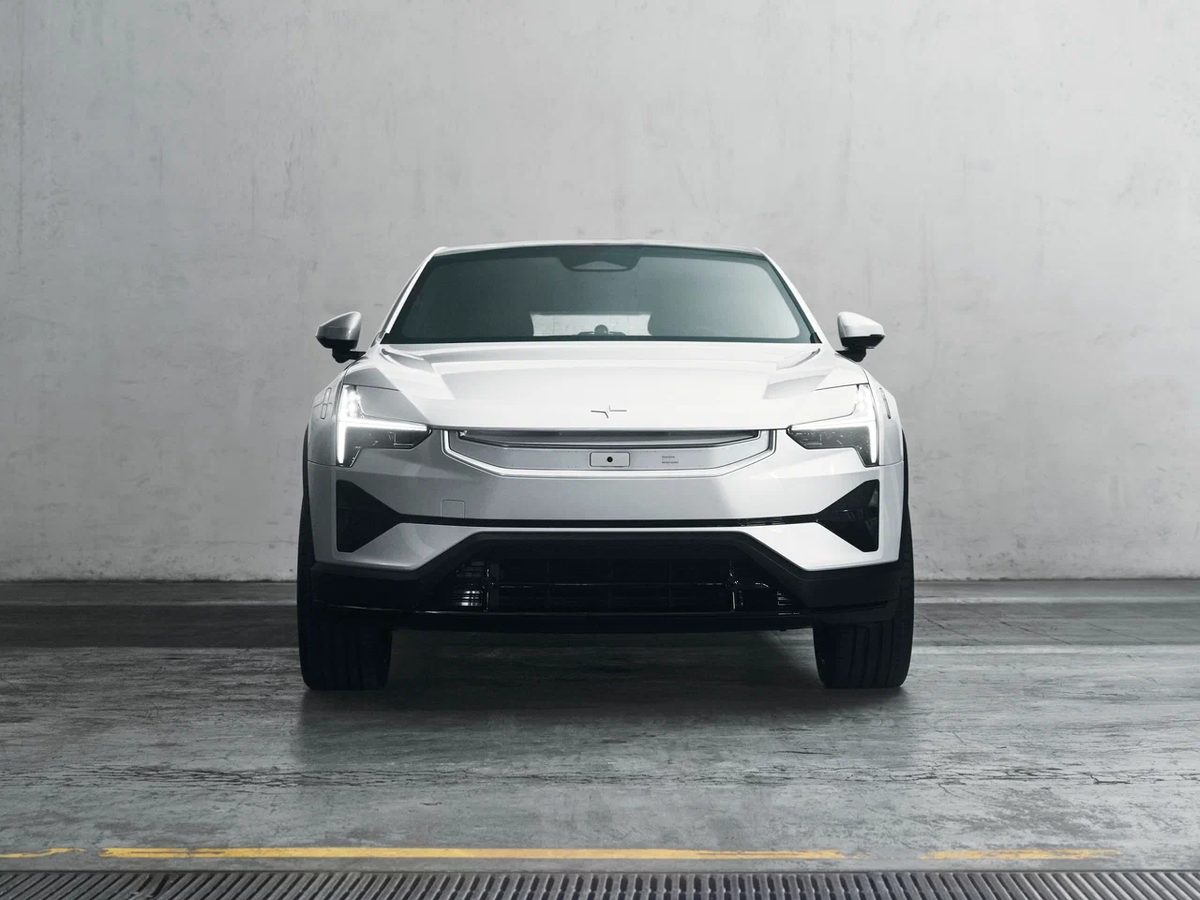
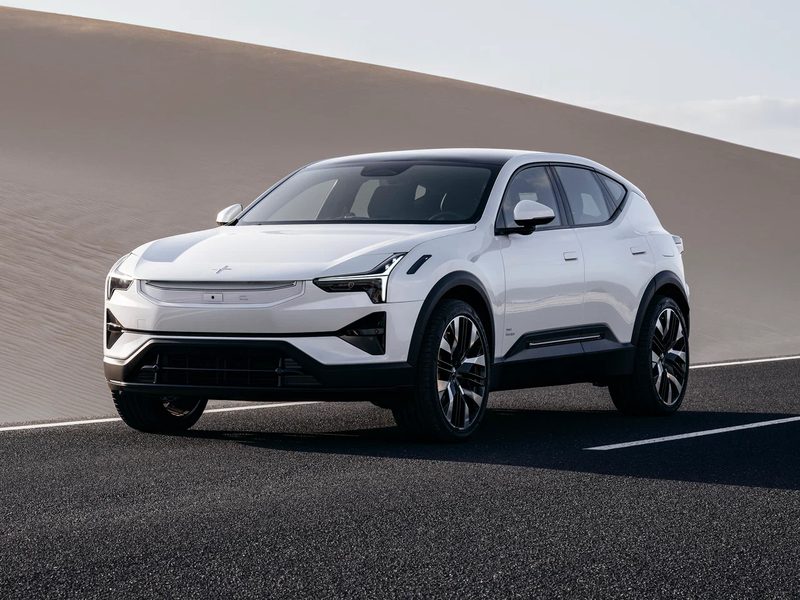
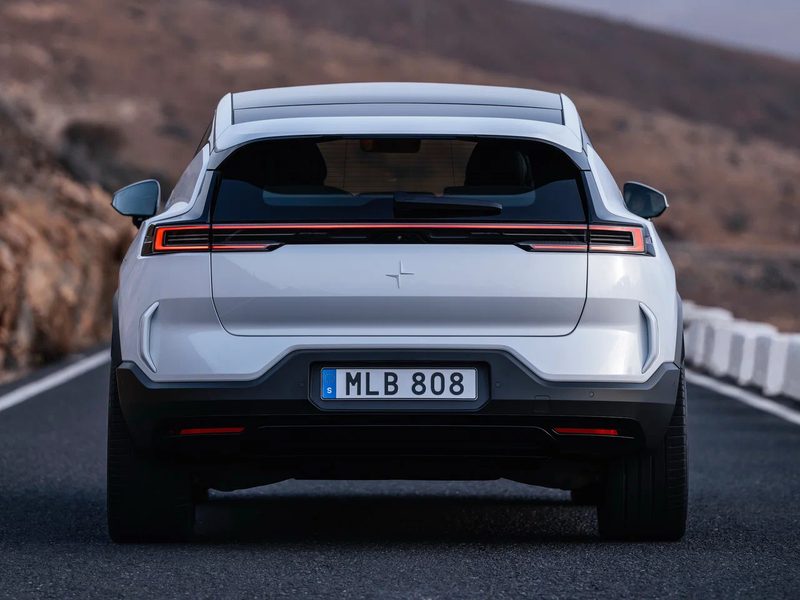
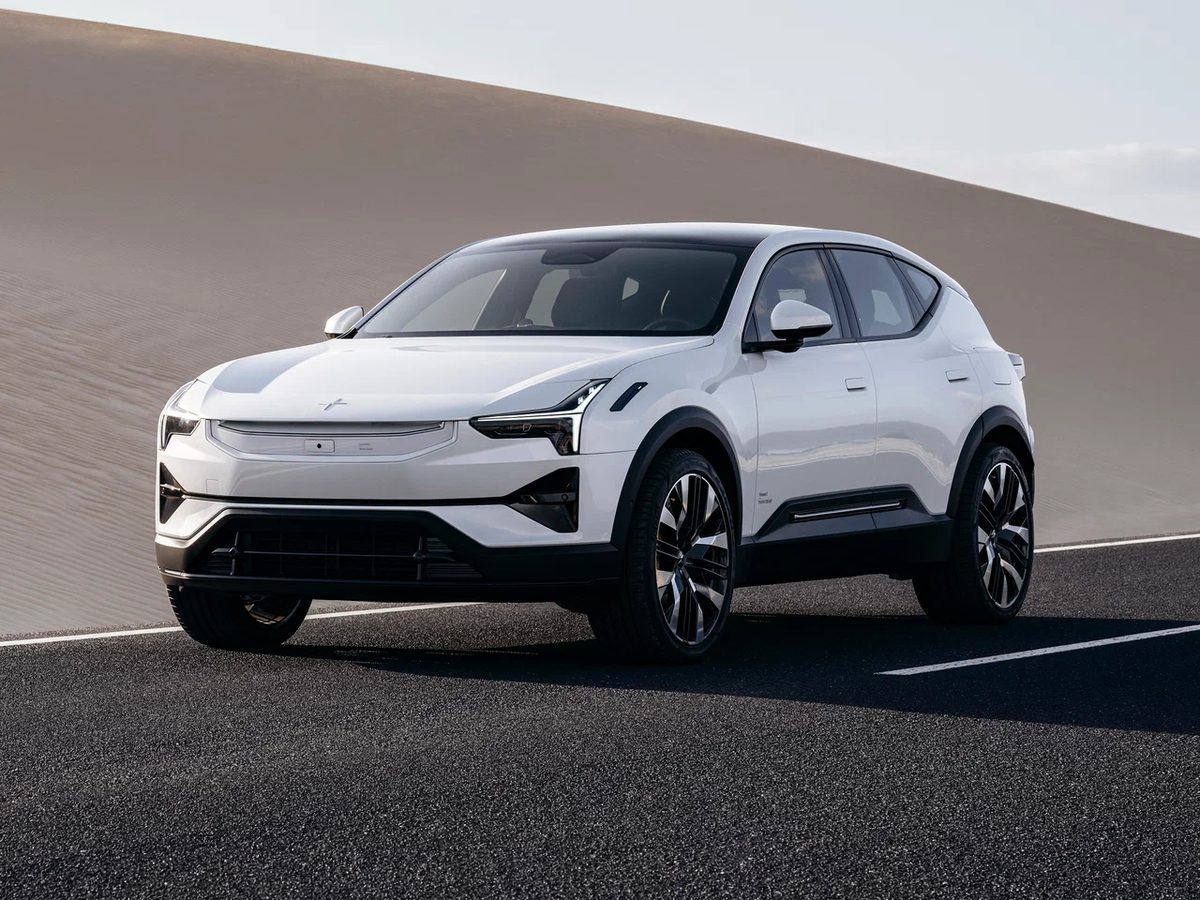
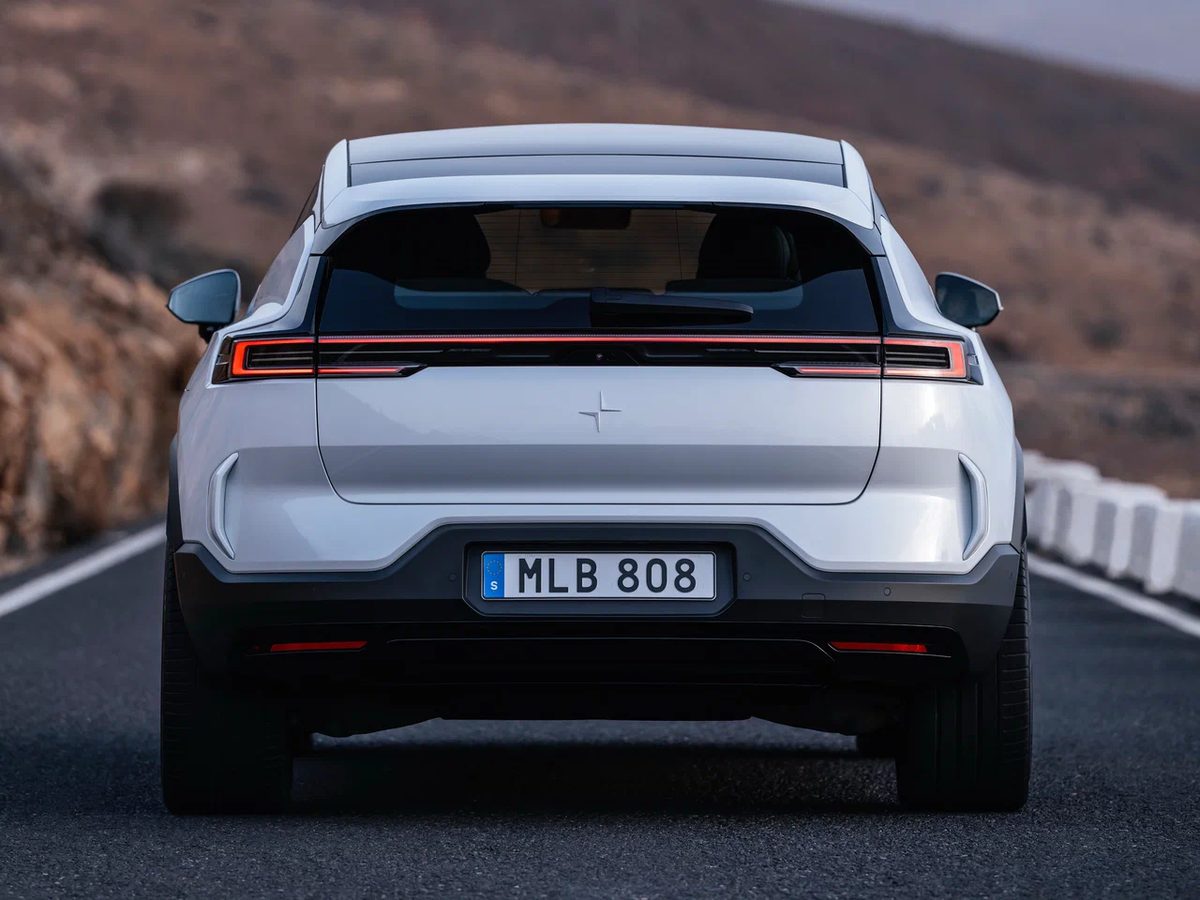
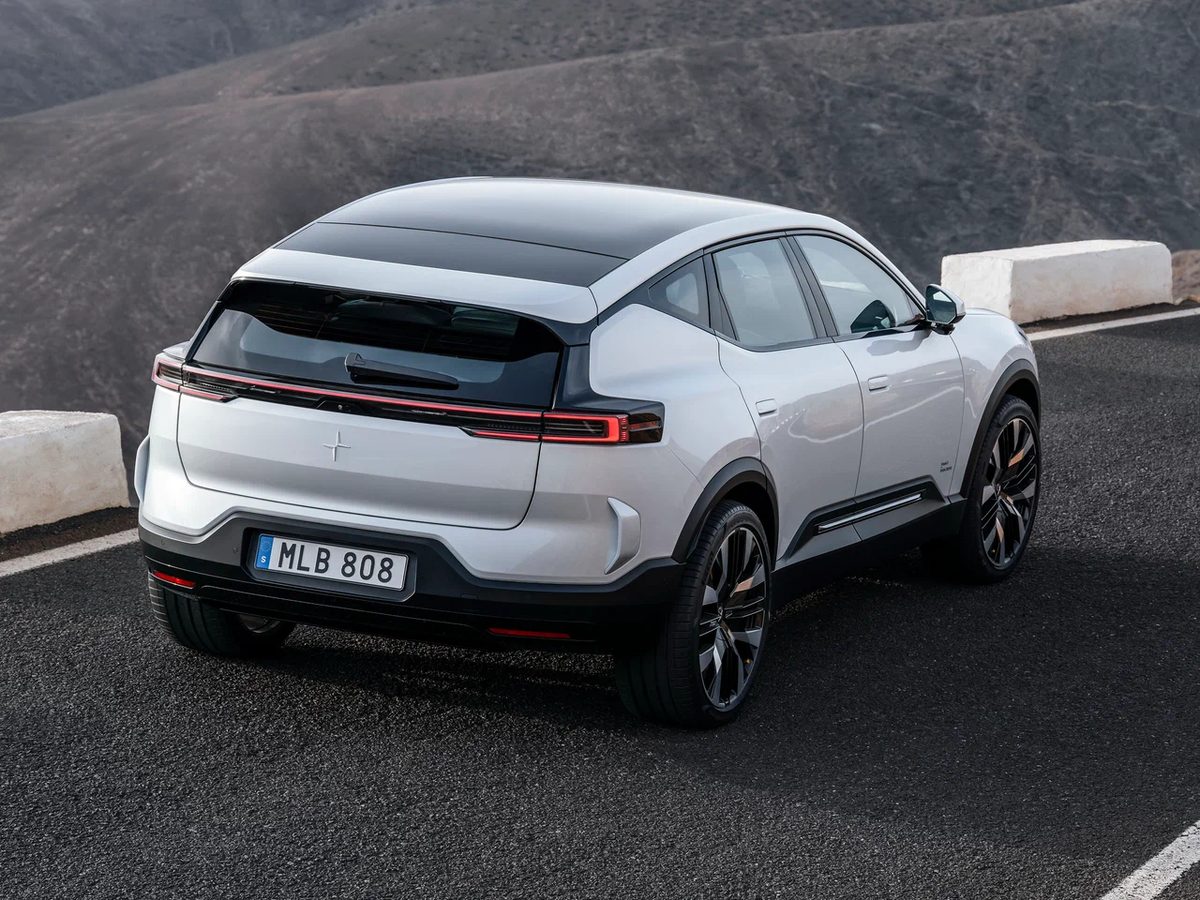
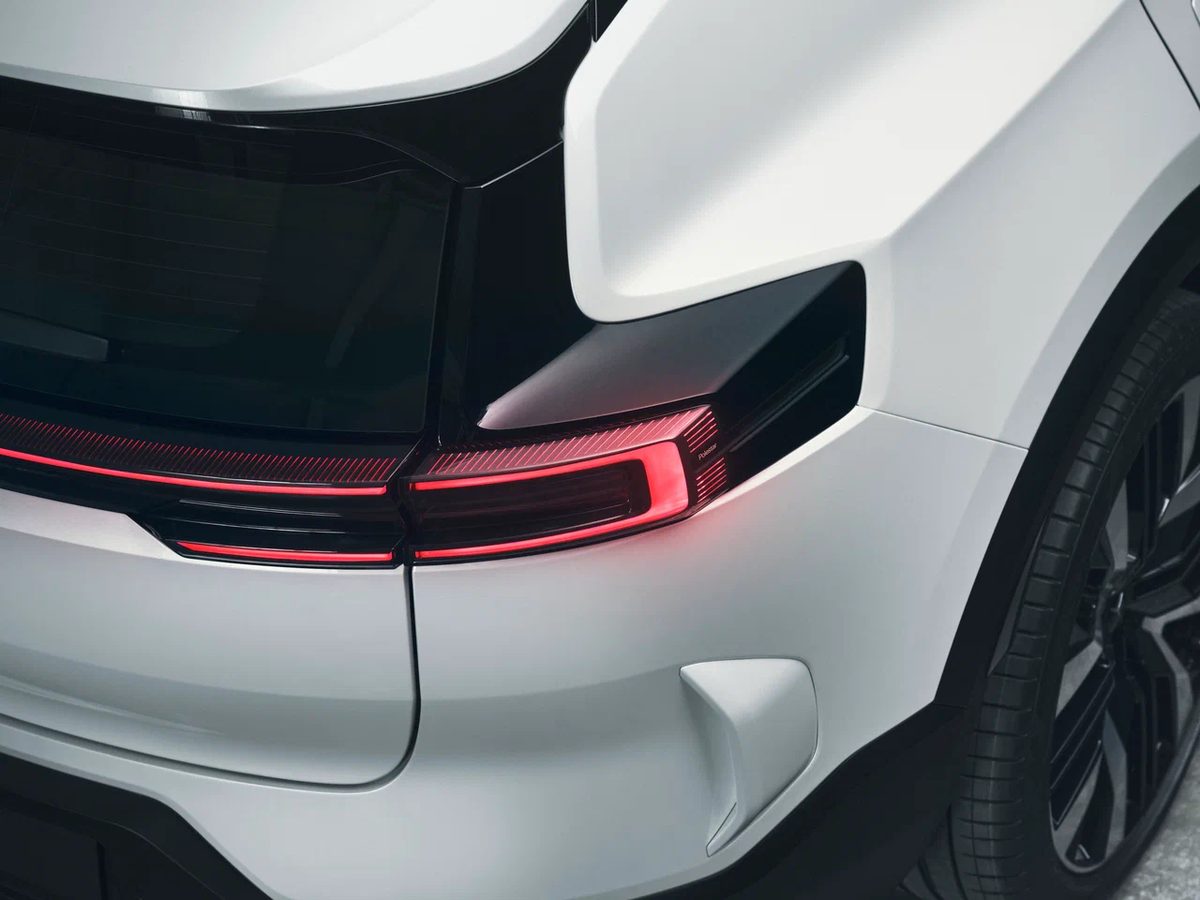
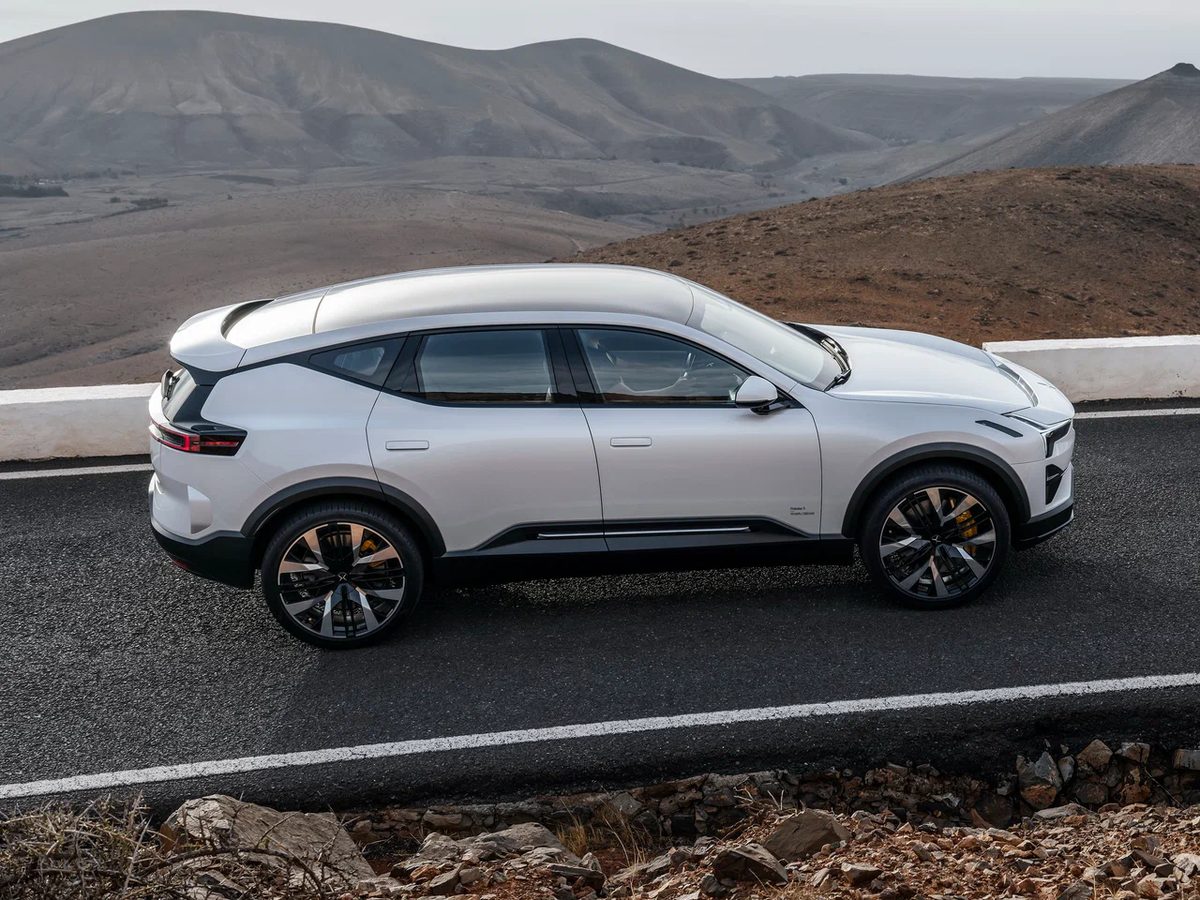
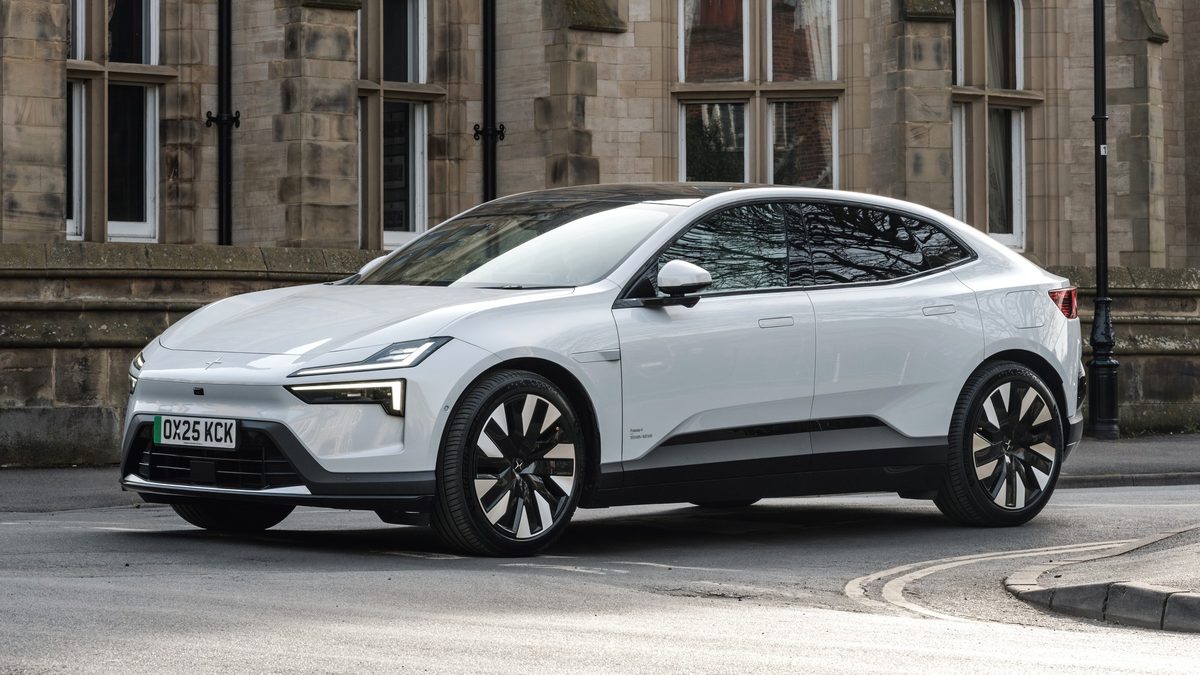
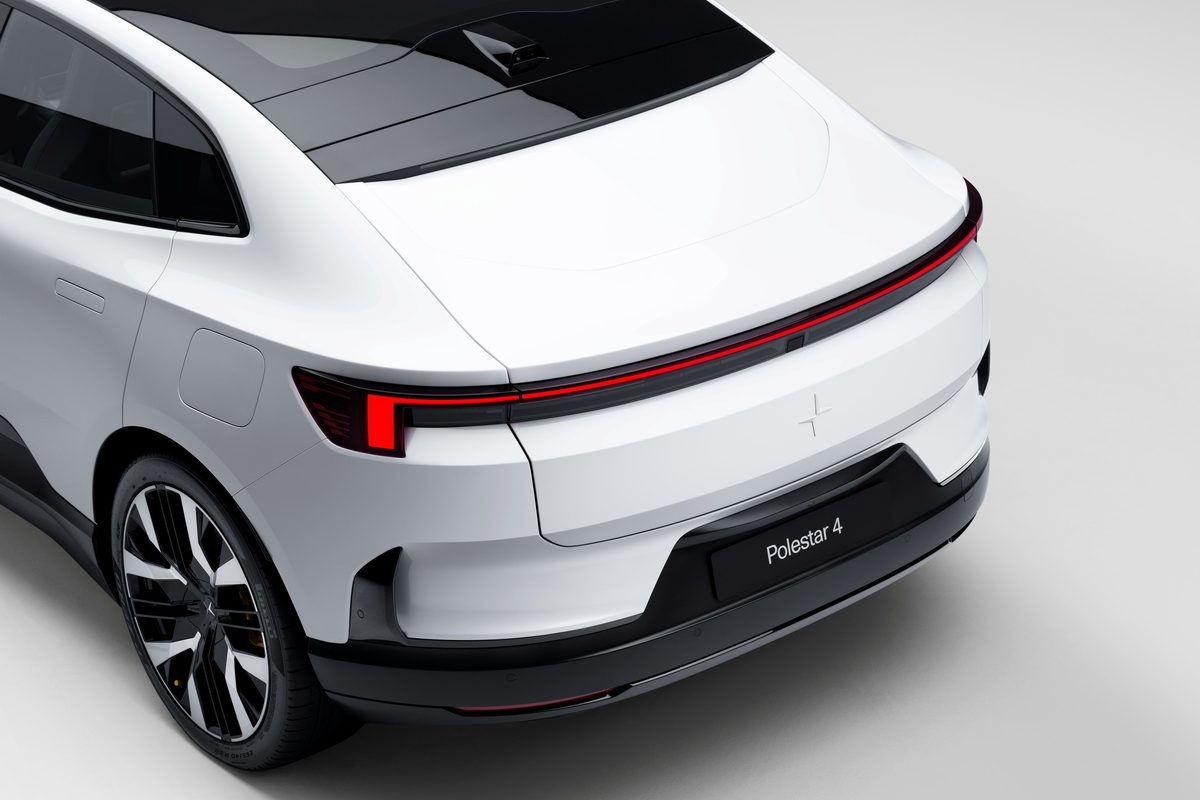
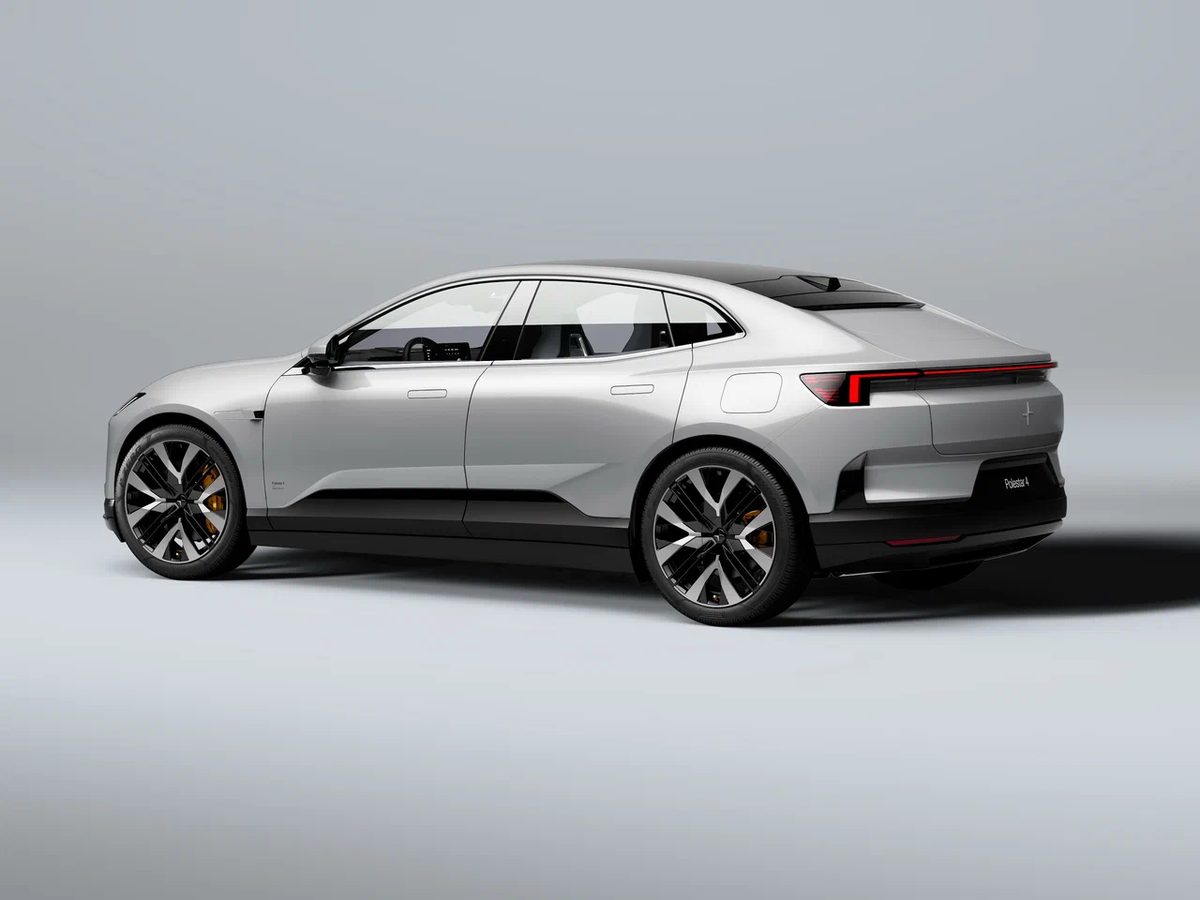
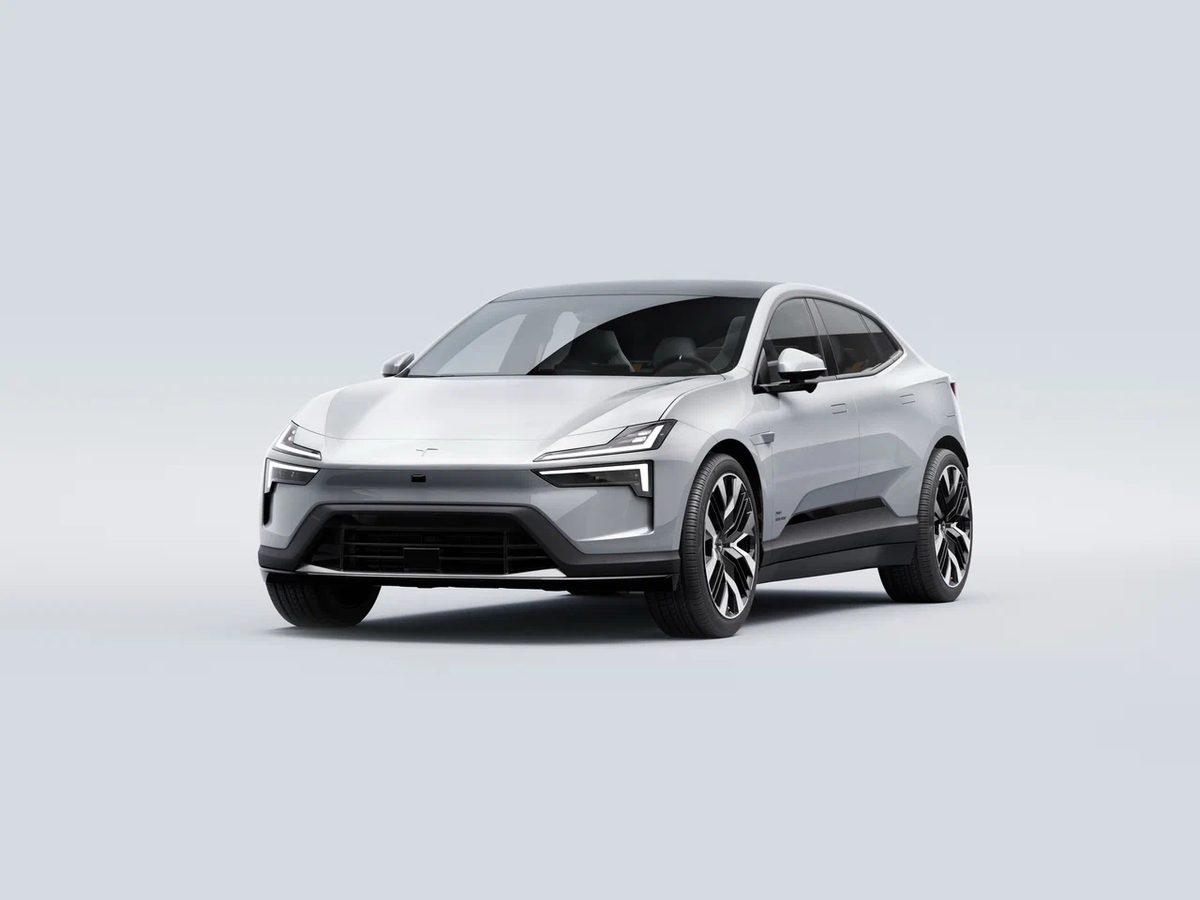
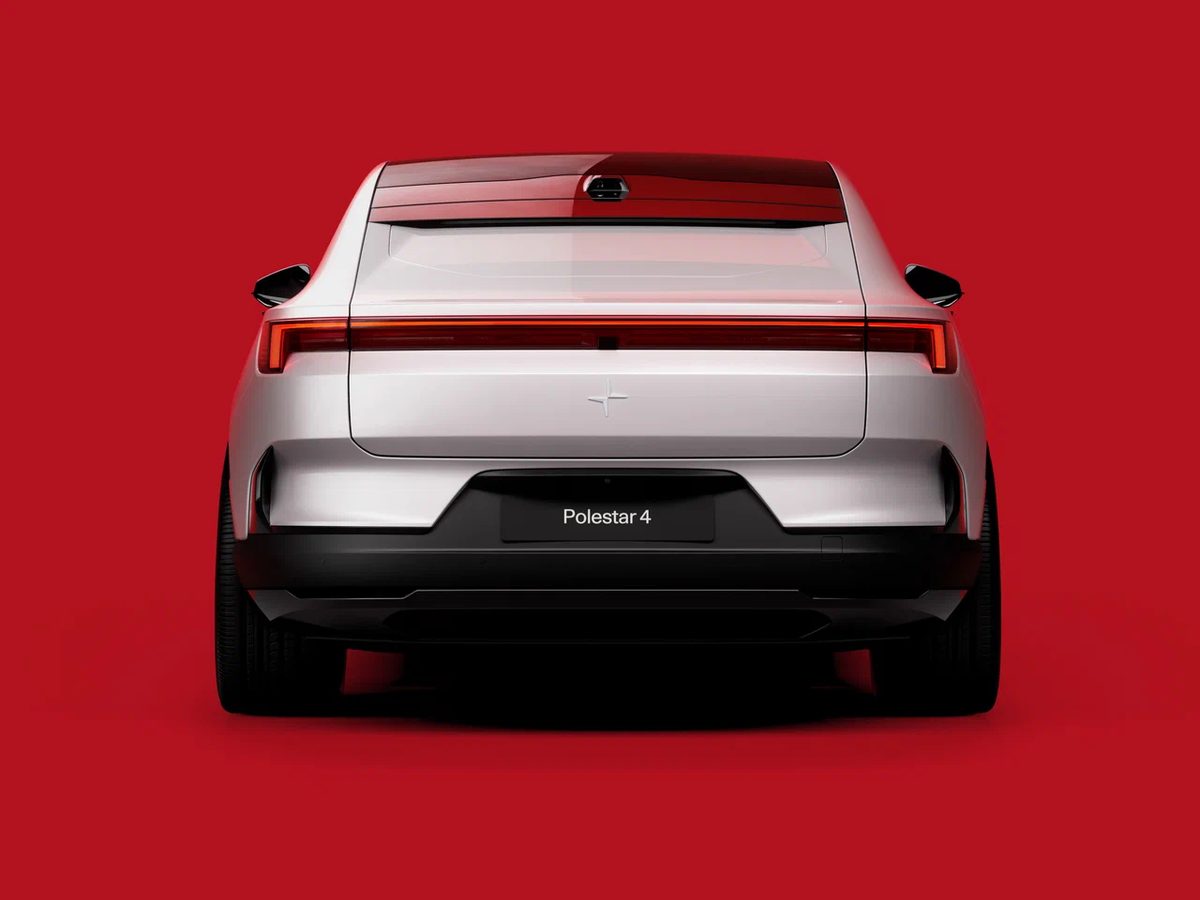
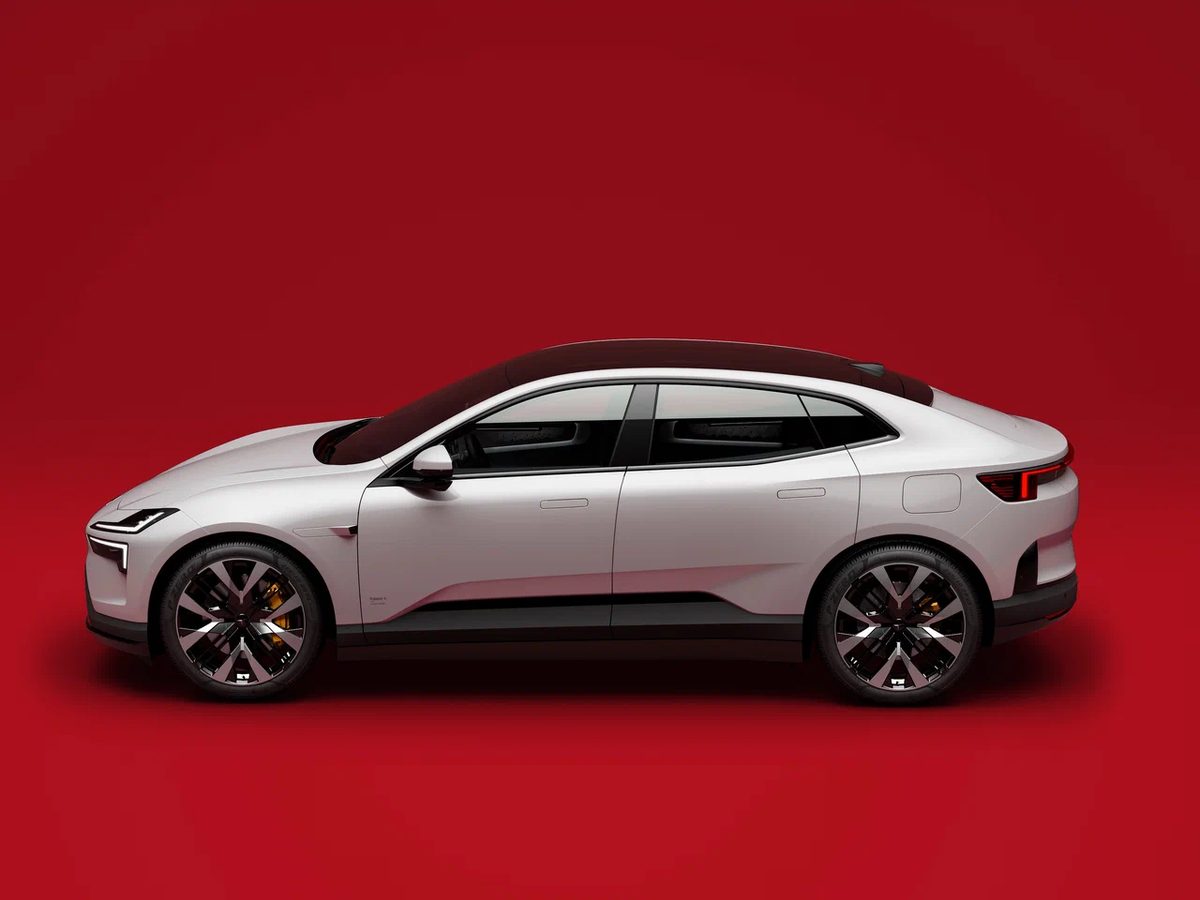
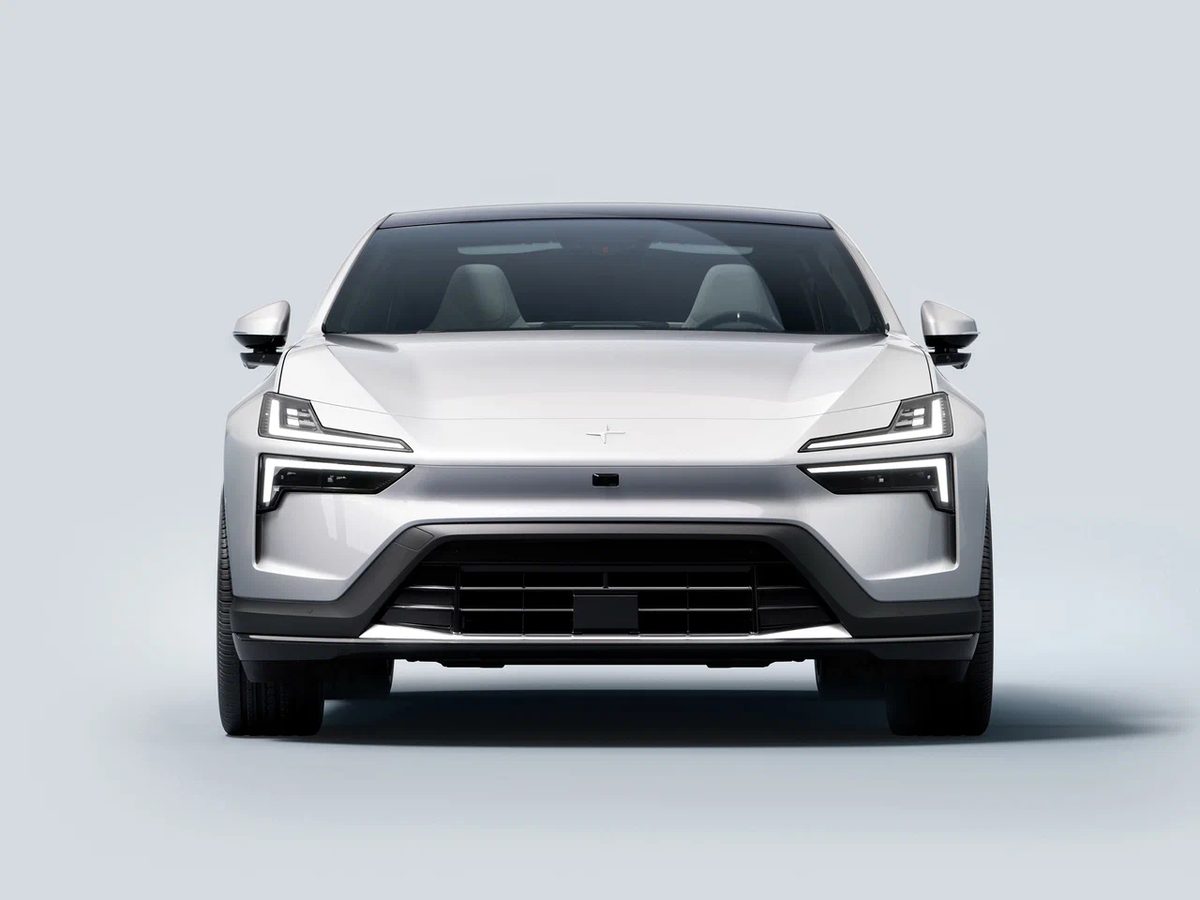
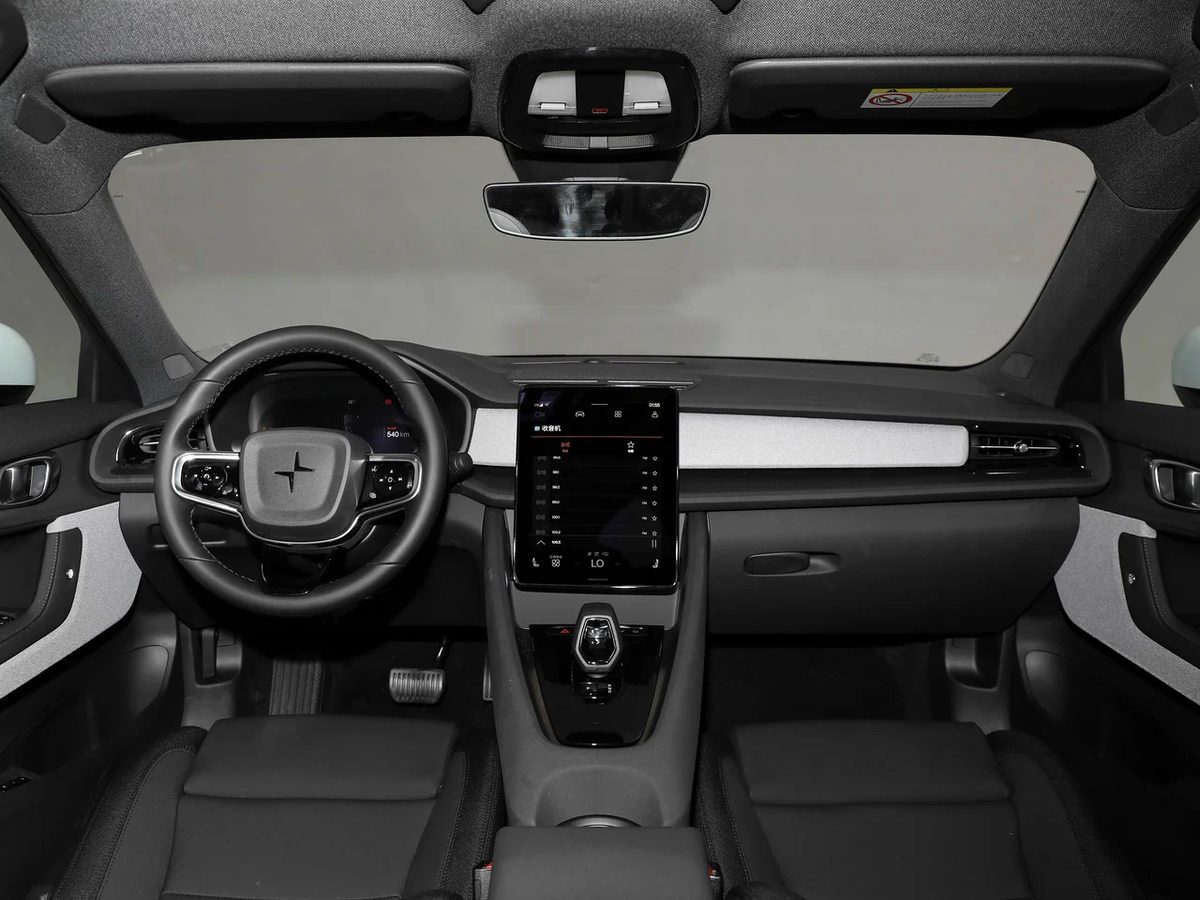
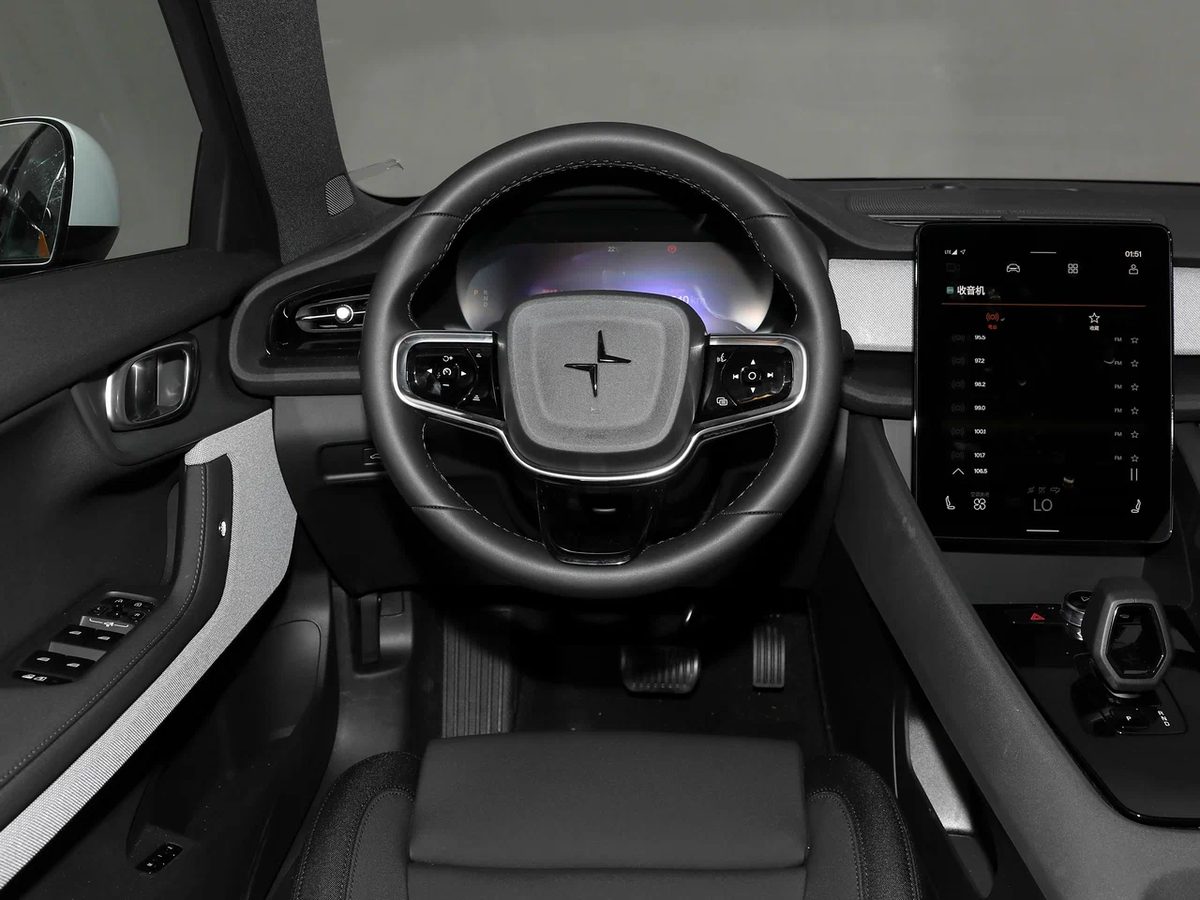
The awkward part is that one of the affected cars is built in America. The Polestar 3 SUV has been produced in Charleston, South Carolina, since 2024, and it is caught by the rule all the same. The plant can keep running for export to Europe, but its longer-term role is now in question. Polestar 3 and Polestar 4 already sitting on dealer lots can still be sold; only new 2027-and-later cars are blocked.
Polestar is not alone in the firing line. Its sister brand Volvo, also owned by Geely, secured an exemption in May, while Chinese-built models such as the Lincoln Nautilus and Buick Envision face the same regulatory threat.
Polestar is not contesting the decision. CEO Michael Lohscheller noted that the United States accounted for just 6 percent of sales in the first quarter of 2026, and said the company will concentrate on Europe, Southeast Asia and Latin America instead. The upcoming Polestar 7 is set to be built in Europe.